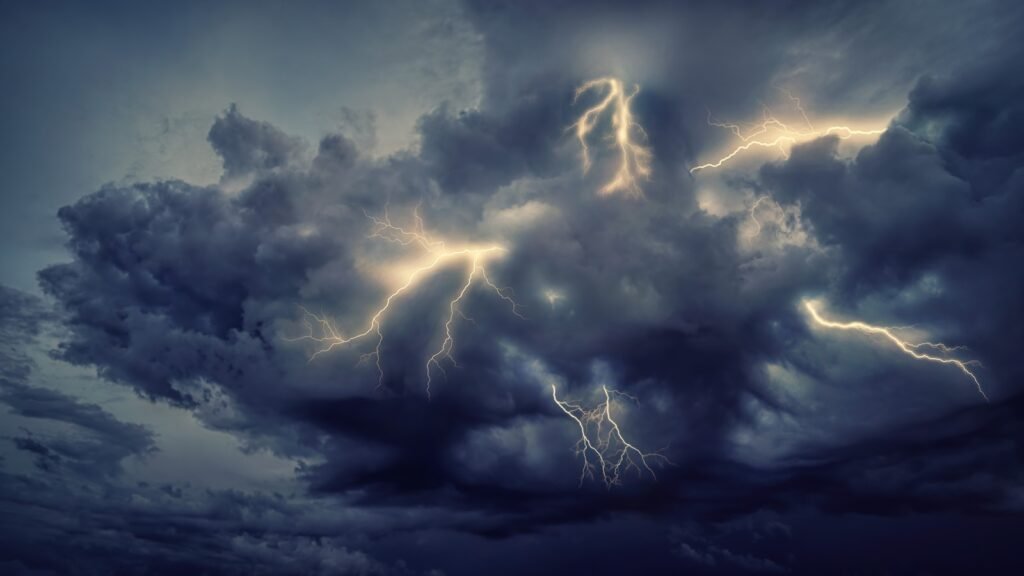

When the sky goes slate gray and thunder rolls like distant drums, most people shut the windows and wait it out. Yet a curious minority steps outside, drawn toward the edge of the squall as if the air itself is calling them. Scientists studying personality and weather note this split again and again: some nervous systems rev up under pressure, others power down. Astrology offers a parallel language for that pattern, mapping temperaments to elemental archetypes that seem to lean into weather’s drama. This story lives where cultural archetype meets measurable biology, and it’s raising fresh questions about who, exactly, loves the storm – and why.
The Hidden Clues
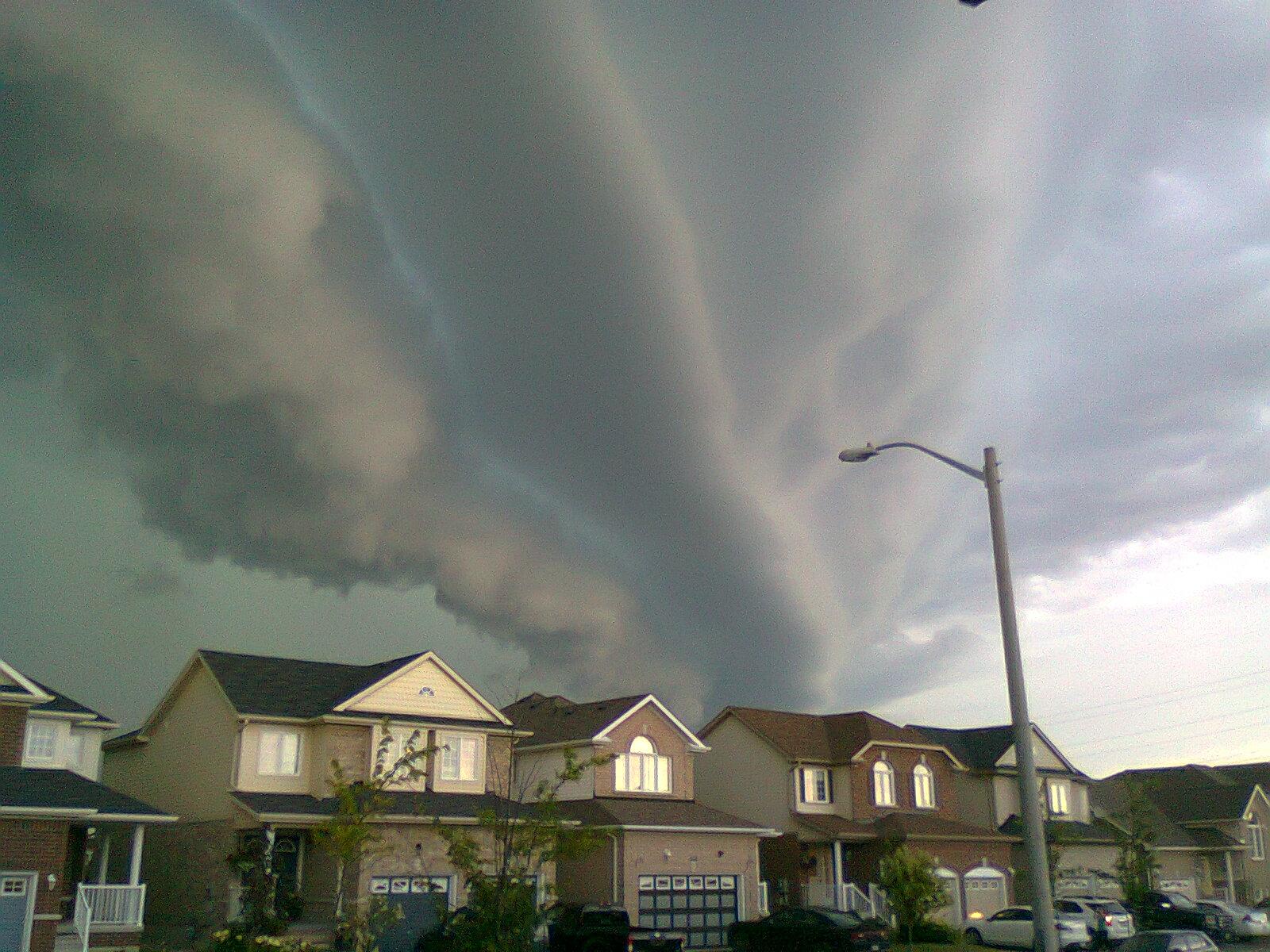
Thunder rattles the windows; some flinch, others feel a surprising calm rise in the chest. That contrast isn’t random, researchers argue, because people vary in arousal thresholds, risk appetite, and sensitivity to sensory cues. In lab and field studies, those who seek novelty often report positive anticipation before intense weather, a kind of cognitive reframe from fear to fascination.
Astrology, for its part, has long painted certain signs as weather-resilient or thrill-leaning, especially fire and air archetypes known for action and curiosity. While not a scientific classifier, that framework gives everyday readers a vocabulary for dispositions scientists measure with psychometric scales. Put simply: different personalities meet the same storm and write very different stories in their nervous systems.
From Ancient Tools to Modern Science
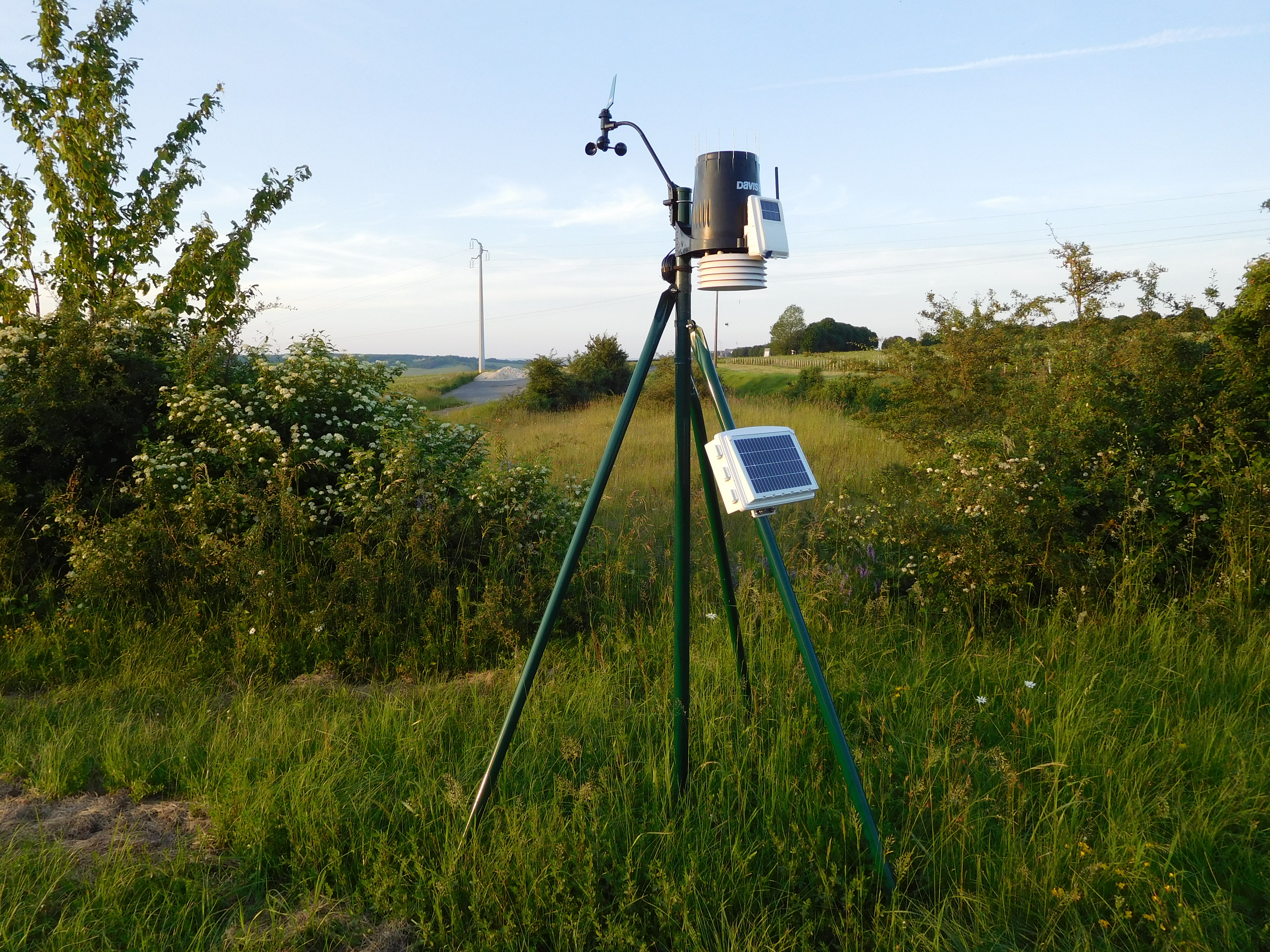
Ancient sky-watchers tracked eclipses and monsoons with keen memory and stone calendars, pairing them with seasonal myths. Today, satellites, lightning networks, and mobile sensors capture storm anatomy down to the minute, revealing how fast pressure drops or gust fronts arrive. Alongside, psychology labs map traits like sensation seeking, openness, and stress reactivity that shape how storms feel from the inside.
It’s tempting to treat zodiac signs as destiny, but science treats them as cultural shorthand, not causal proof. Even so, the overlap with personality language – boldness, intensity, flexibility – creates a practical bridge for communication. When researchers translate findings into accessible metaphors, more people engage with safety guidance before the clouds build.
The Storm-Seeker Profile
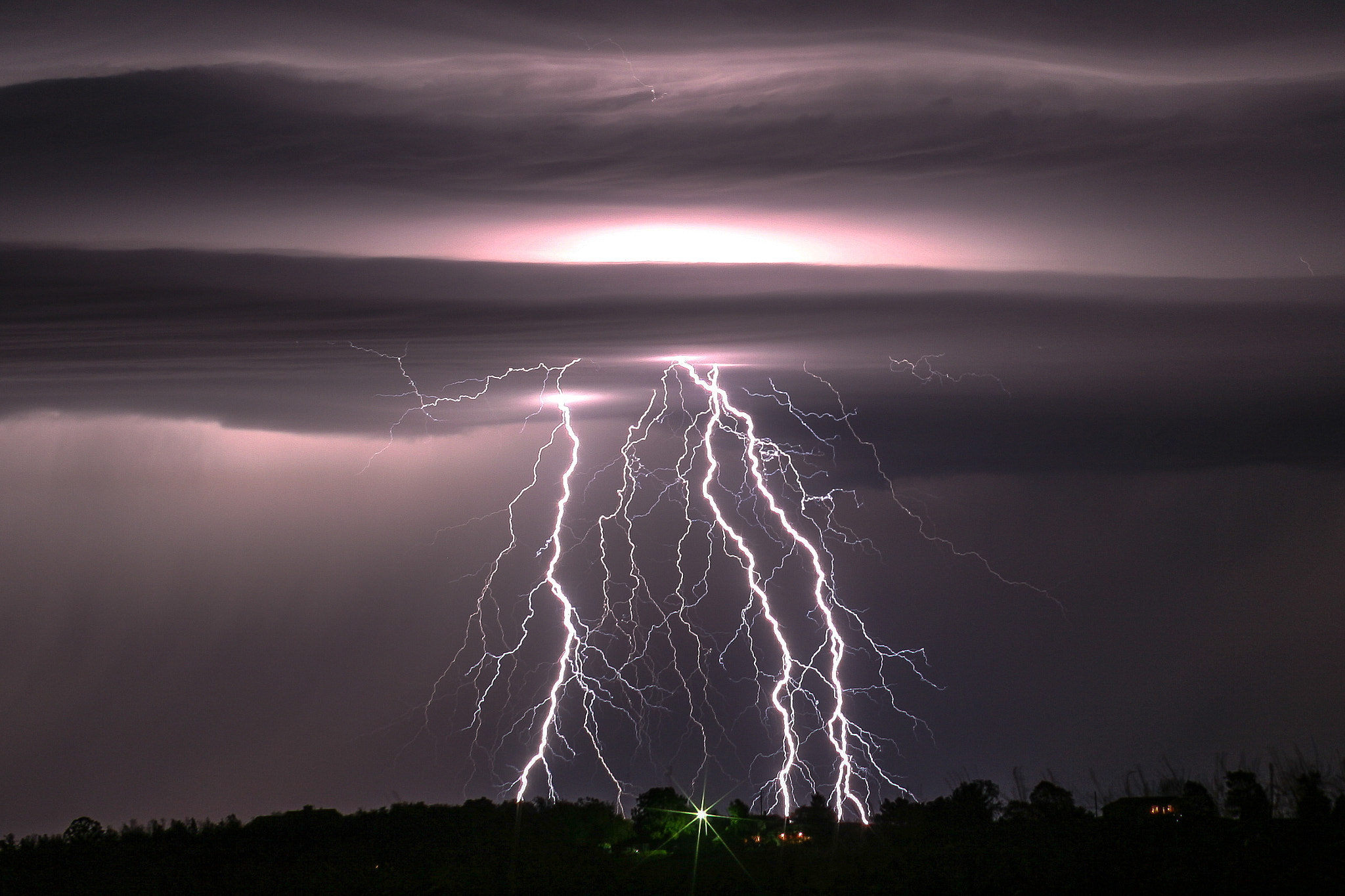
Across interviews with storm spotters, surfers, and hikers who chase squalls, a recurring blend appears: high curiosity, rapid recovery after stress, and a taste for meaningful risk. In psych terms, that often includes elevated novelty seeking and a bias toward approach rather than avoidance. Many also describe a focused, almost meditative calm when rain hammers pavement and lightning knots the sky.
The zodiac lens reads this as the arena where fiery drive, airy curiosity, and fixed determination converge. Think Aries or Sagittarius for action, Aquarius for inventive focus, and Scorpio for intensity and endurance. None of this is prescriptive, but the archetypes frame why certain people feel alive when the barometer nosedives.
Elemental Archetypes, Not Absolutes
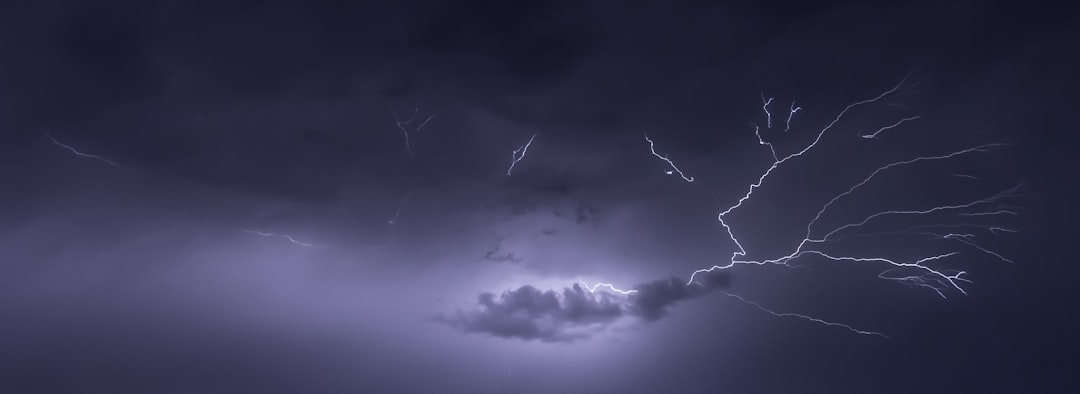
Fire signs are often cast as storm-energized because they convert tension into initiative, much like athletes channel pre-game nerves. Air signs bring analysis and wonder, cataloging cloud forms and wind shifts as if the sky were a puzzle to solve. Water signs may lean into the sensory depth of rain, finding mood and memory in every downpour.
Earth signs are frequently portrayed as steady anchors, thriving when preparation meets pressure and systems hold. In practice, anyone can be a storm person with the right mix of experience, training, and mindset. Astrology sketches the storyboard; lived personality, physiology, and context write the script.
Global Perspectives
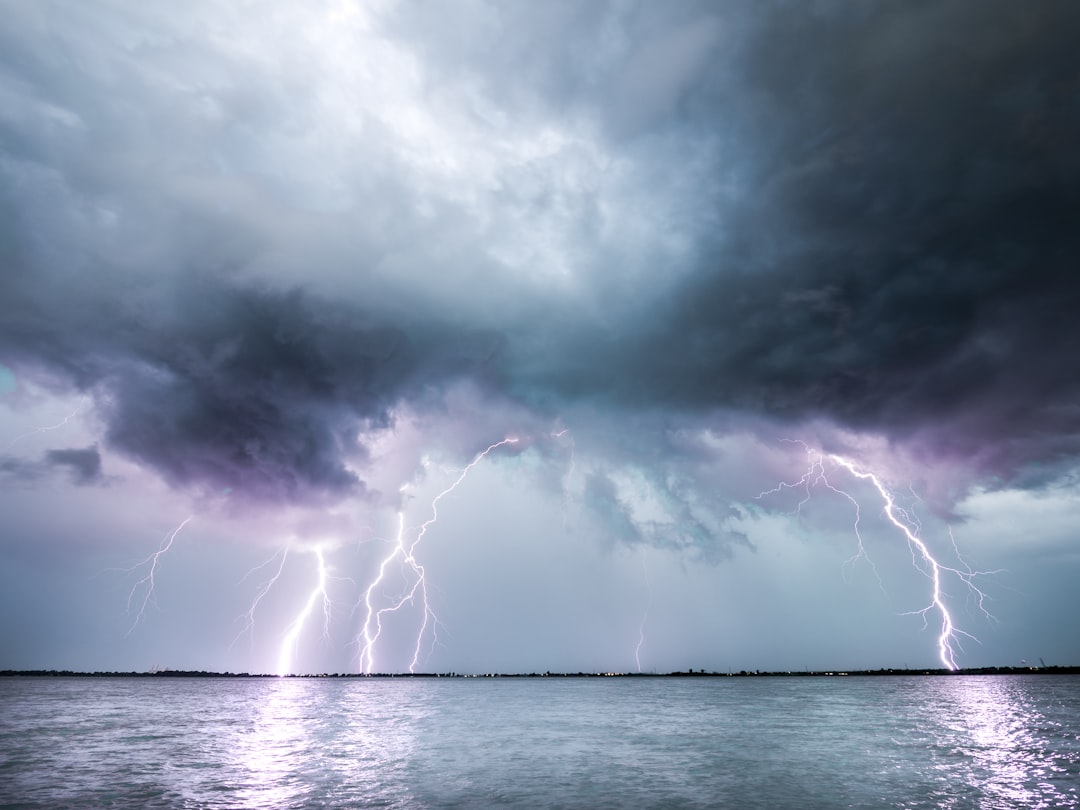
In monsoon regions, rain isn’t spectacle – it’s livelihood – and attitudes toward storms mix reverence with pragmatic caution. Coastal communities learn a fluent weather literacy, reading chop, swell, and distant flashes like a second language. In Tornado Alley, siren drills and radar apps coexist with porch-front awe at supercells spiraling across the prairie.
Cities add their own texture, where heat storms can break oppressive afternoons and turn sidewalks into mirror lakes. Cultural background matters: families that normalize weather awareness often raise adults who stay calm during warnings. That calm can feel like affinity, even when it’s really the fruit of practice and place.
The Physiology of Weather Thrill
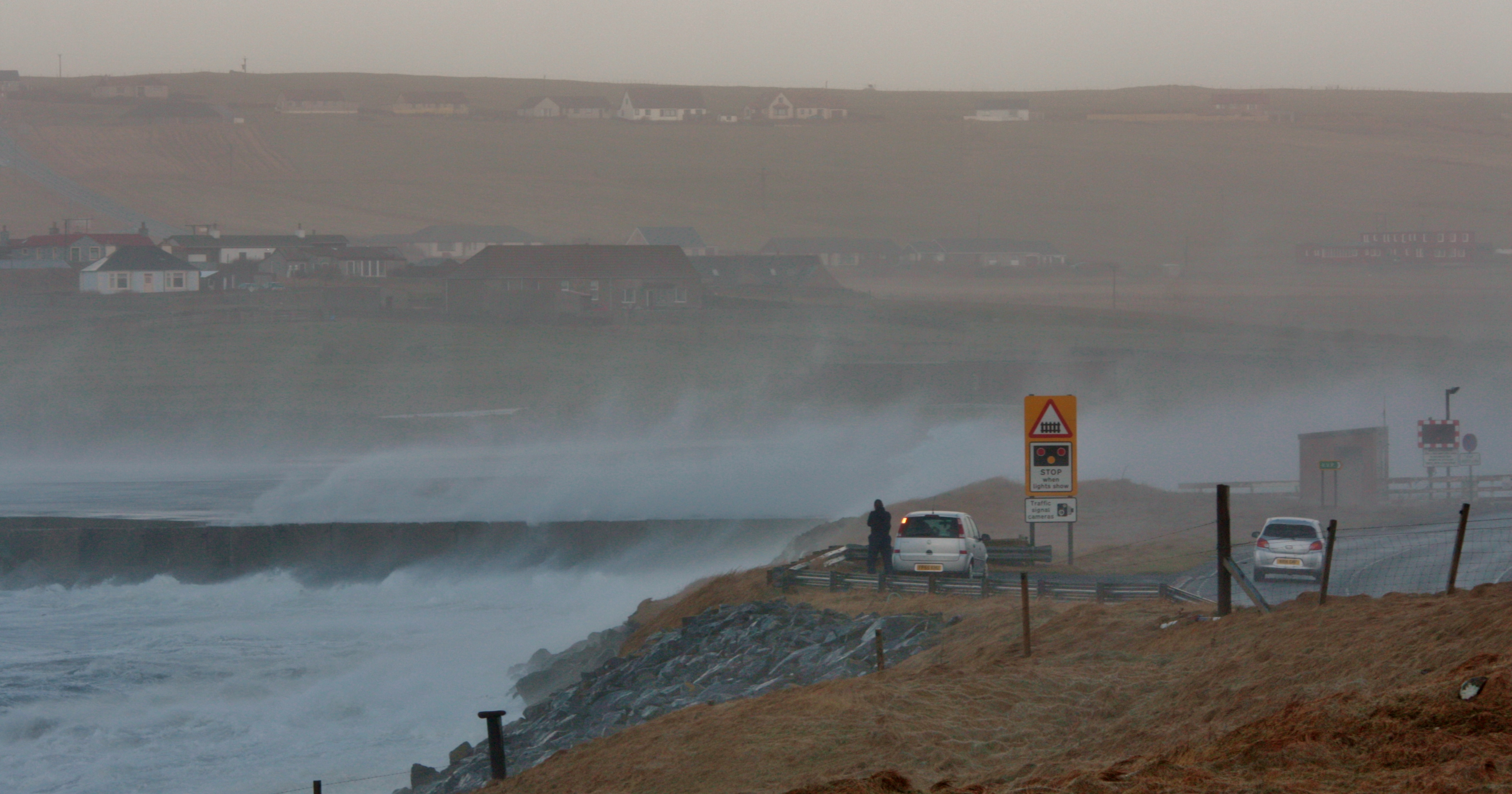
Barometric dips, low-frequency thunder, and gusty wind tweak the body’s stress circuits, nudging heart rate variability and attention. For some, that cocktail narrows focus and heightens perception, opening a lane where fear turns into flow. The brain’s reward system can pair that clarity with relief when the storm passes, reinforcing the pull to watch the next one.
Environmental factors add layers: the scent of petrichor, flashes of white-blue light, and a drop in heat all stream into sensory integration. Wearables now trace these arcs, linking pre-storm jitters to post-storm calm in minute-by-minute data. The conclusions are consistent with everyday reports from people who say storms reset their brain like a quick reboot.
Why It Matters
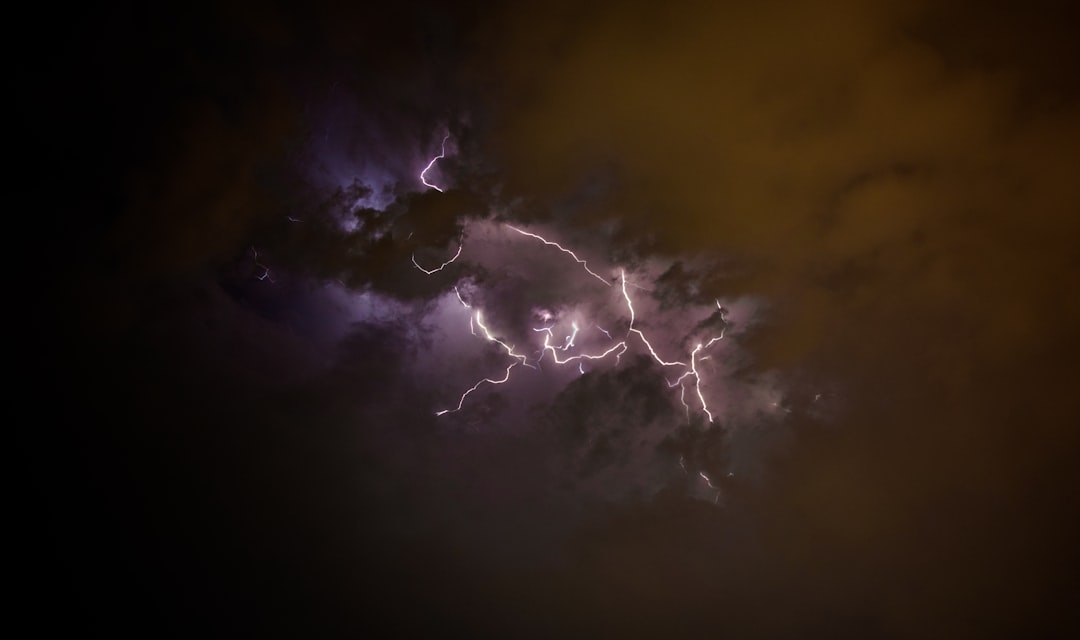
Understanding who leans into storms isn’t trivia; it shapes risk communication, mental health support, and community readiness. Traditional alerts assume fear motivates action, but for storm-thrivers, curiosity may be the stronger lever. Messages that honor fascination while guiding safe behavior can bring more people inside the safe zone.
There’s a wider scientific payoff too, because weather emotion is a living lab for stress adaptation. Comparing these responses with other high-arousal contexts – concert crowds, competitive sports, challenging hikes – helps refine models of resilience. When outreach meets identity, even the most dramatic sky becomes a classroom instead of a battleground.
Data Signals From the Field
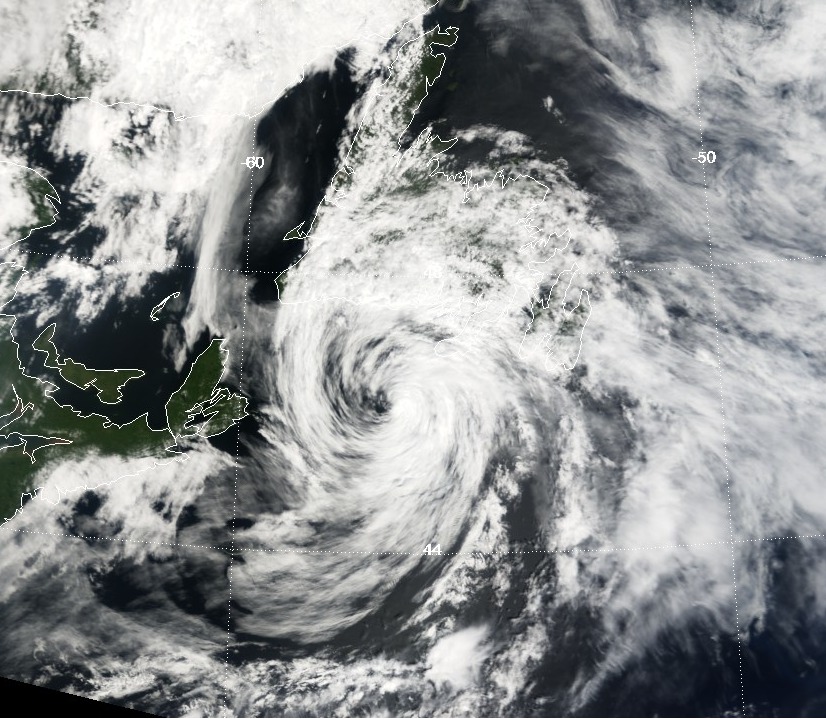
Smartphones quietly log a modern weather diary: geotagged photos, barometer readings, and activity traces that spike . Researchers can aggregate such signals, watching how movement patterns, sleep windows, and communication change with weather intensity. Early analyses suggest that the same people who track radar closely also recover faster after disturbances.
Ethics loom large, so privacy and consent must sit at the center of any study design. Still, the promise is real: pairing mesoscale weather features with human response could sharpen safety tools and mental health insights. In effect, every storm becomes both forecast and feedback loop.
The Future Landscape
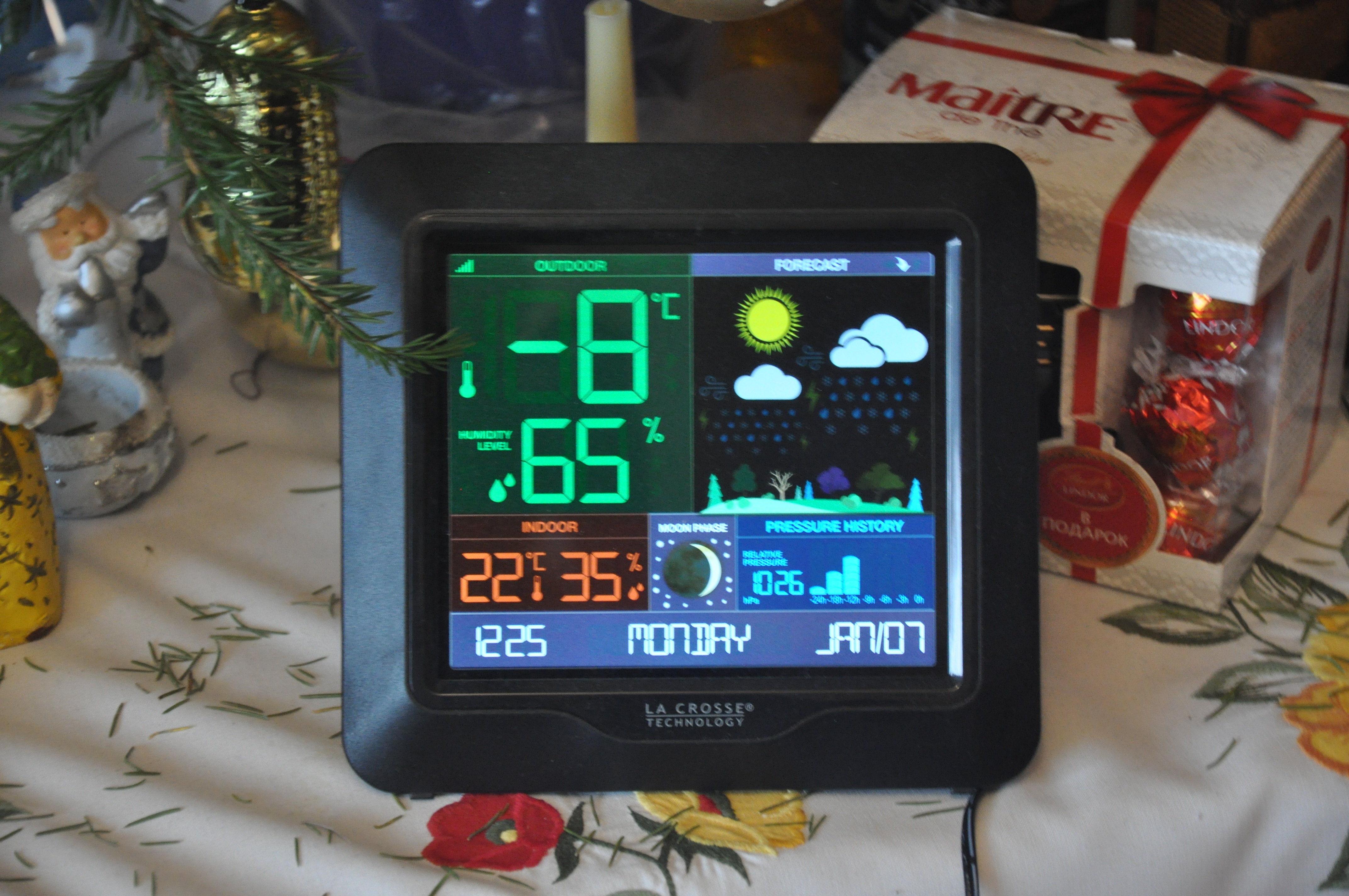
Hyperlocal nowcasting is getting sharper, and personalized alerts can already adjust to terrain, commute, and routine. The next turn pairs that with temperament-aware nudges that suggest safer vantage points for sky-watching or advise postponement. Think of it as weather literacy that speaks your motivational language rather than blasting a one-size siren.
On the cultural side, storm education can borrow astrology’s narrative power without claiming causality. If a sign’s archetype gets someone to learn cloud types or download a warning app, that’s practical progress. The goal isn’t to sort people into boxes, but to meet their curiosity and guide it toward wiser choices.
Conclusion
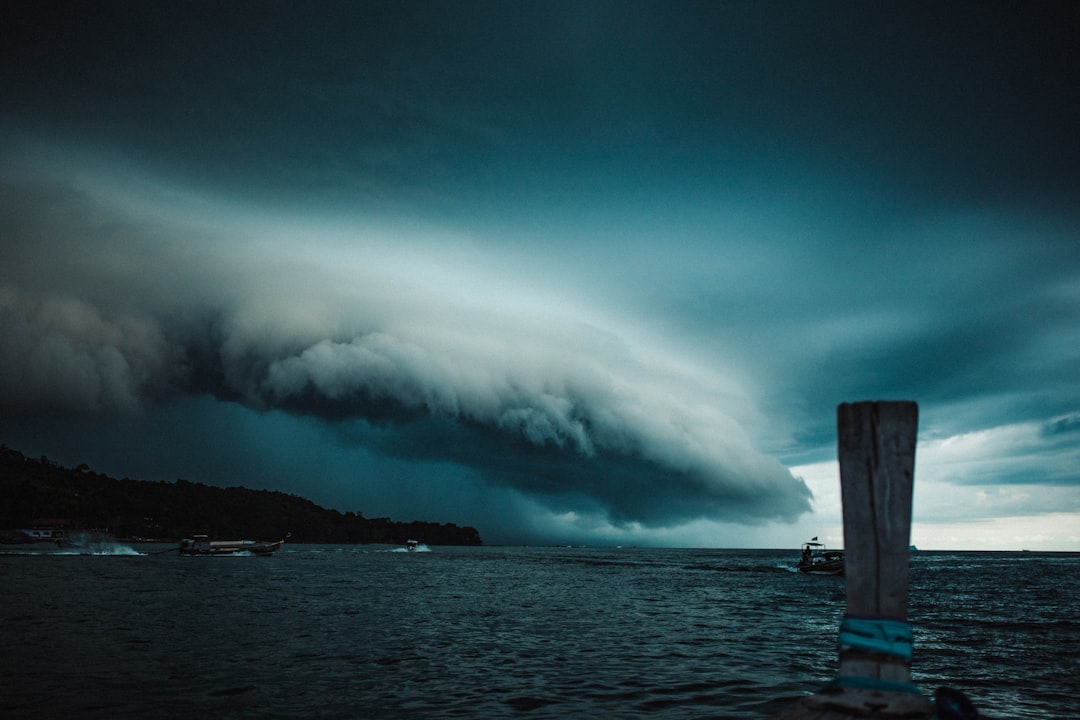
If storms light you up, channel that spark into skill and service. Learn your local hazards, save official alert numbers, and practice a two-minute shelter routine until it’s automatic. Take a spotter course, join a community weather group, and teach kids to read the sky with respect, not fear.
Keep a simple weather journal to notice how your body and mood respond before, during, and after storms. Share photos responsibly, never blocking roads or edging into danger for a better shot. Curiosity is a powerful engine; steer it with preparation, and you’ll thrive without tempting the worst of the wind.
Suhail Ahmed is a passionate digital professional and nature enthusiast with over 8 years of experience in content strategy, SEO, web development, and digital operations. Alongside his freelance journey, Suhail actively contributes to nature and wildlife platforms like Discover Wildlife, where he channels his curiosity for the planet into engaging, educational storytelling.
With a strong background in managing digital ecosystems — from ecommerce stores and WordPress websites to social media and automation — Suhail merges technical precision with creative insight. His content reflects a rare balance: SEO-friendly yet deeply human, data-informed yet emotionally resonant.
Driven by a love for discovery and storytelling, Suhail believes in using digital platforms to amplify causes that matter — especially those protecting Earth’s biodiversity and inspiring sustainable living. Whether he’s managing online projects or crafting wildlife content, his goal remains the same: to inform, inspire, and leave a positive digital footprint.