
The idea sounds playful at first: match the zodiac’s love s to animal courtship rituals and see what sparks. But behind the metaphor sits a serious curiosity about how living things bond, negotiate, and stay together against the odds. In an age of algorithms and swipe-right choices, animals still rely on signals honed over deep time – songs, dances, gifts, and grit. As biologists decode those signals with cameras, tags, and genetics, the stories feel strangely personal. We learn not only how cranes or wolves choose, but why attention, commitment, and timing still matter for survival.
The Hidden Clues
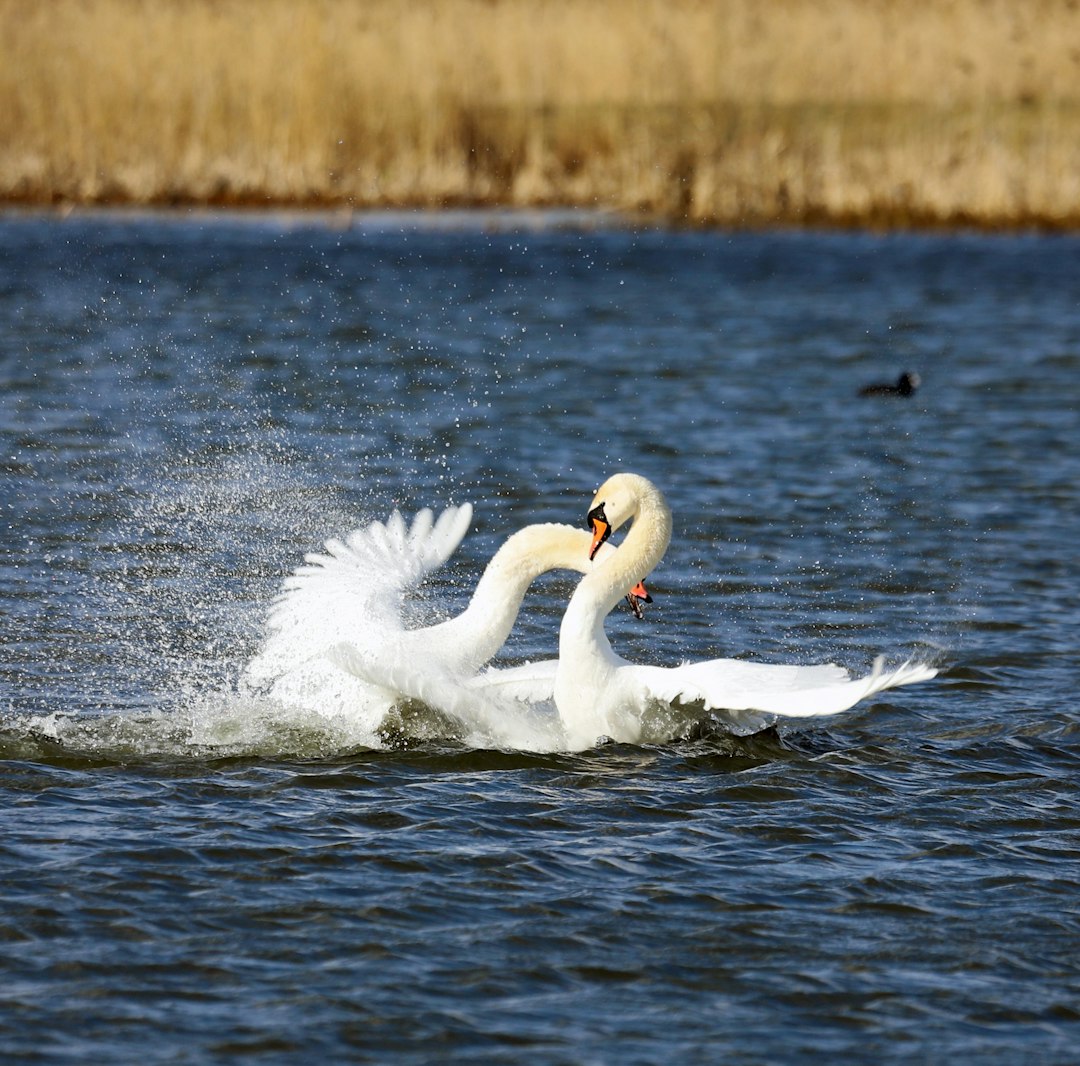
What if your love story was written in feathers, sand circles, and ultraviolet secrets you’ll never see? Courtship in the wild is a language of tiny gestures – head tilts, duet calls, carefully curated gifts – that decide which genes get a future. Many swans form pair bonds that can last multiple seasons and renew them with synchronized displays, a choreography that smooths cooperation when storms roll in. Trumpeter swans, for instance, move like mirrored halves, a living argument for harmony over impulse. Watching them, you can almost feel the quiet contract they keep signing together.
Not all species choose forever, but even short bonds are finely negotiated. In Japanese waters, a small pufferfish etches perfect sand mandalas to woo a mate, grain by grain, a feat that would exhaust most humans. These are not just pretty patterns; they dampen turbulence and protect eggs. The message reads clear: patience is sexy, and good engineering is a love letter.
Fire Signs in the Wild: Daring Displays and High Stakes
Aries energy burns bright in peacock spiders, whose vivid, flag-like abdomens unfurl in a risky dance inches from rejection – or worse. It’s a high-wire act that says, I’m here, I’m bold, and I’m worth the gamble. On stormy shores, elephant seal males battle for beach real estate, because status can open or close the doors of opportunity in a single season.
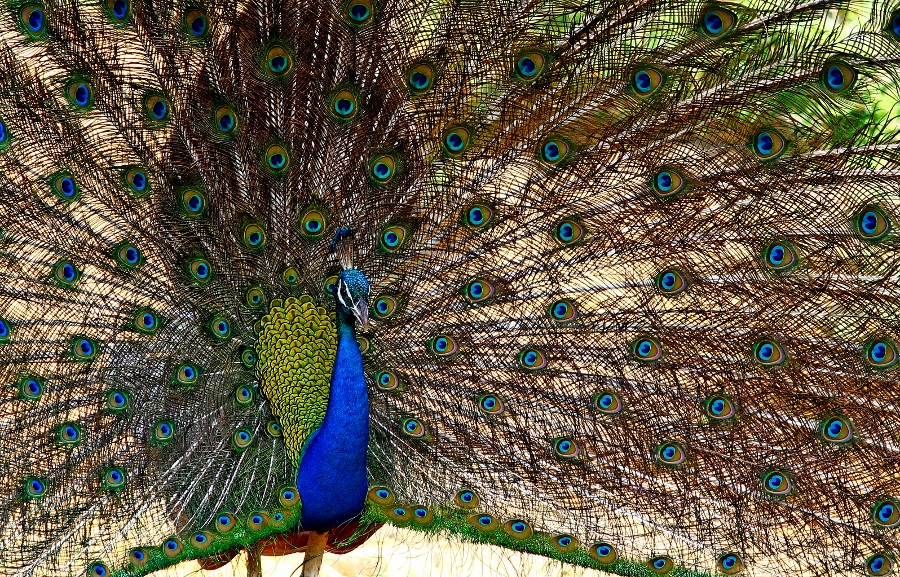
Leos would recognize the regal certainty of a peafowl display – an explosion of eye-spotted feathers that hijacks attention and refuses to let go. The signal is costly, loud, and impossible to ignore, the wild equivalent of a spotlight entrance. And Sagittarius, the explorer, shows up in albatross courtship: intricate dances learned over years, then epic voyages that test the strength of the bond across ocean basins.
It’s passion with consequences – dazzle can earn love, but it also draws predators and competition. In the wild, charisma always comes with a bill.
Earth Signs: Builders, Providers, and the Beauty of Patience
Taurus makes sense of the satin bowerbird, which spends days arranging a court of blue objects – berries, feathers, petals – then keeps tidying until everything feels just right. This is love as craftsmanship, a promise that the one who invests before the pairing will likely invest after. Virgo’s meticulous streak maps cleanly onto the white-spotted pufferfish engineer, whose precise ridges and valleys turn chaos into order and protect future offspring.
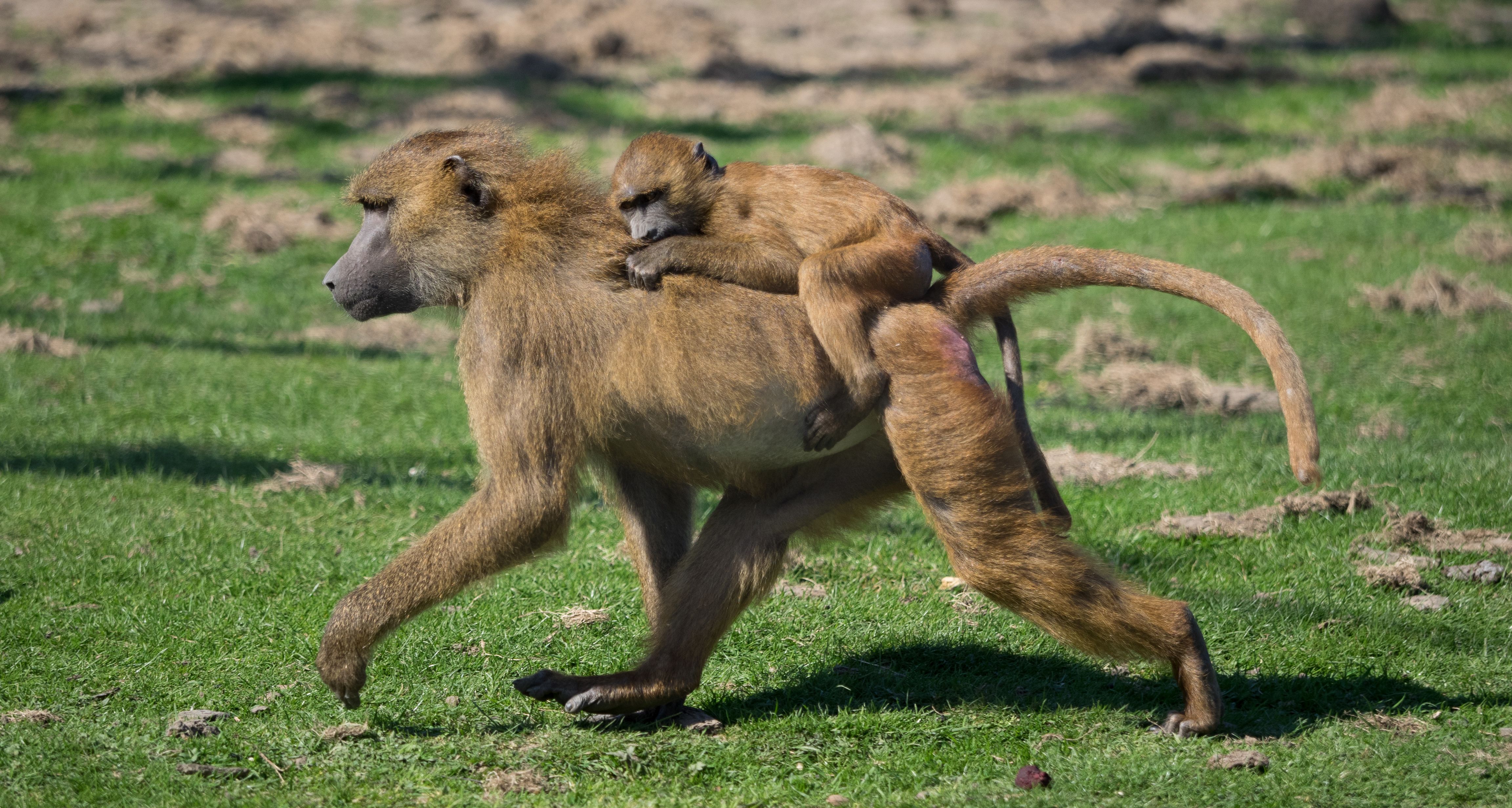
Capricorn, the strategist, echoes in wolf family units, where breeding adults coordinate pack activities, coordinates hunts, and raises pups cooperatively. The courtship may be quieter than a tropical display, but the commitment is loud in the results: stability spreads benefits to everyone in the group. I once watched a wolf pair on a winter ridge share food and quick glances as if checking a to-do list neither wanted to drop, and it felt like watching a family business run with heart.
Air Signs: Duets, Signals, and Social Codes
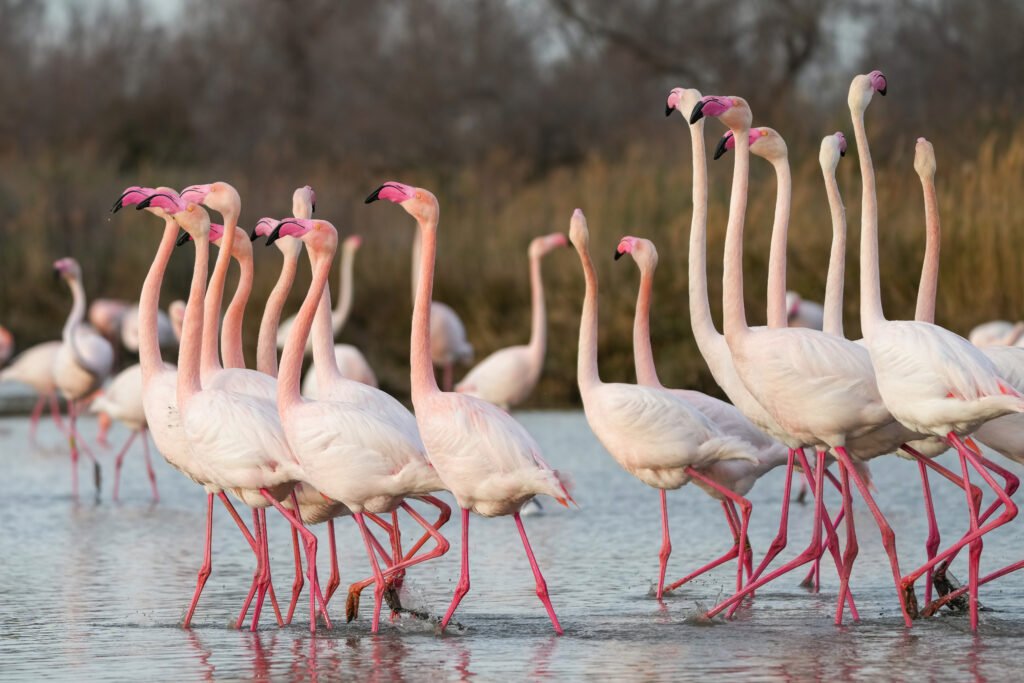
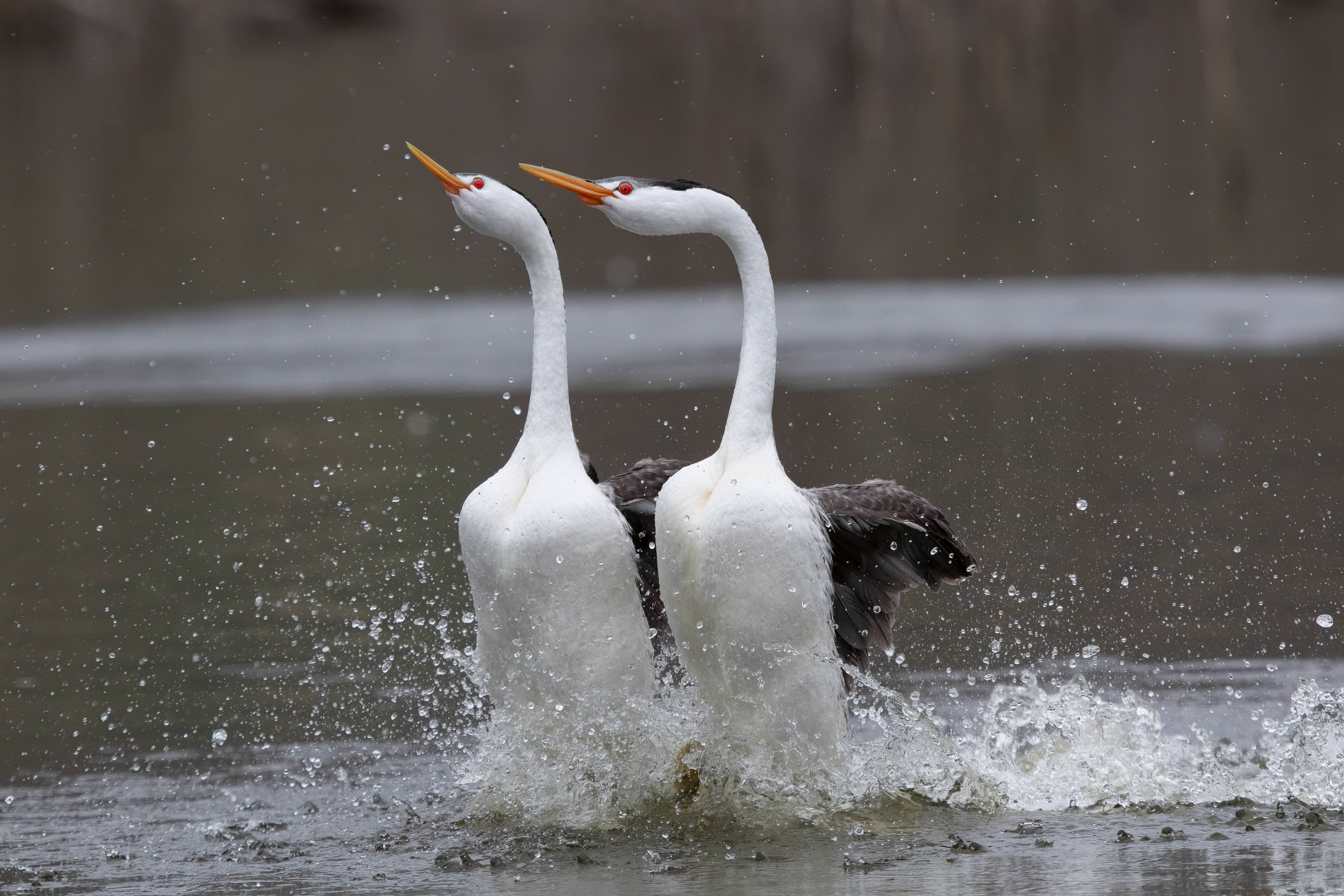
Gemini speaks through lyrebirds, master mimics that layer their songs with borrowed sounds and invented flourishes, turning communication into art. In the sky of partnership, Libra meets its match in swans and cranes that dance, call, and preen in synchrony, using coordination to lower conflict and raise trust. Their duet is not ornament; it is a blueprint for teamwork when migration, storms, and predators test resolve.
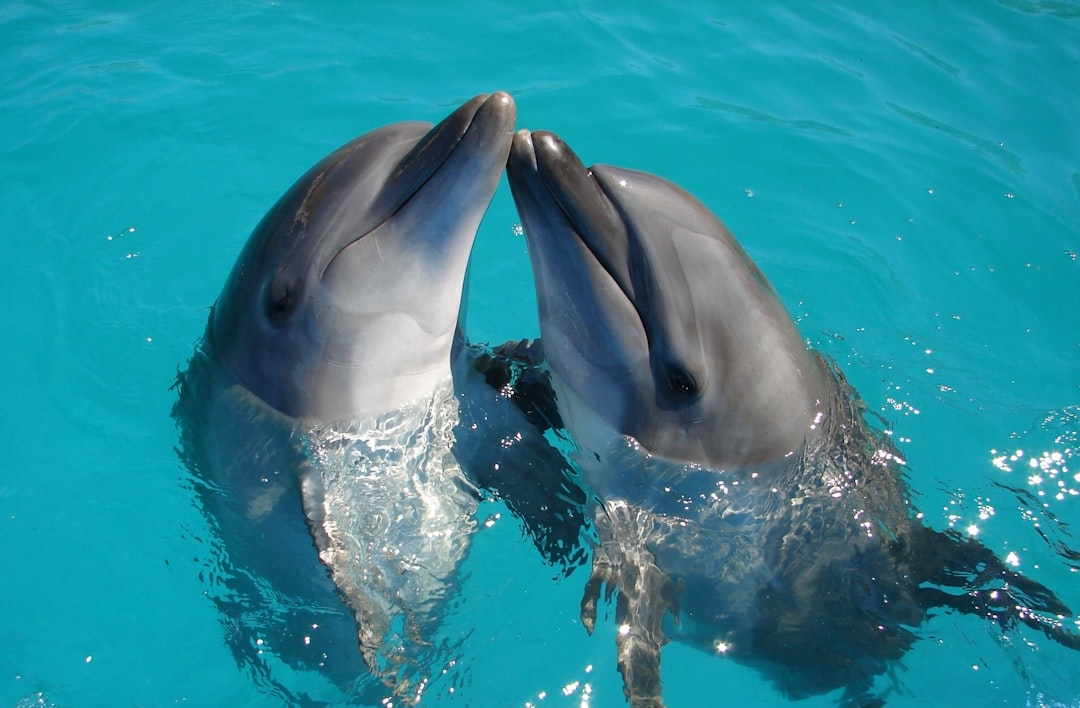
Aquarius, the innovator, shows up in dolphins relying on signature whistles that act like names, and in unusual social alliances that flex across time. These are love languages that treat information as a gift, passed cleanly and remembered. In a noisy ocean, clarity is kindness.
Water Signs: Care, Depth, and the Power of Devotion
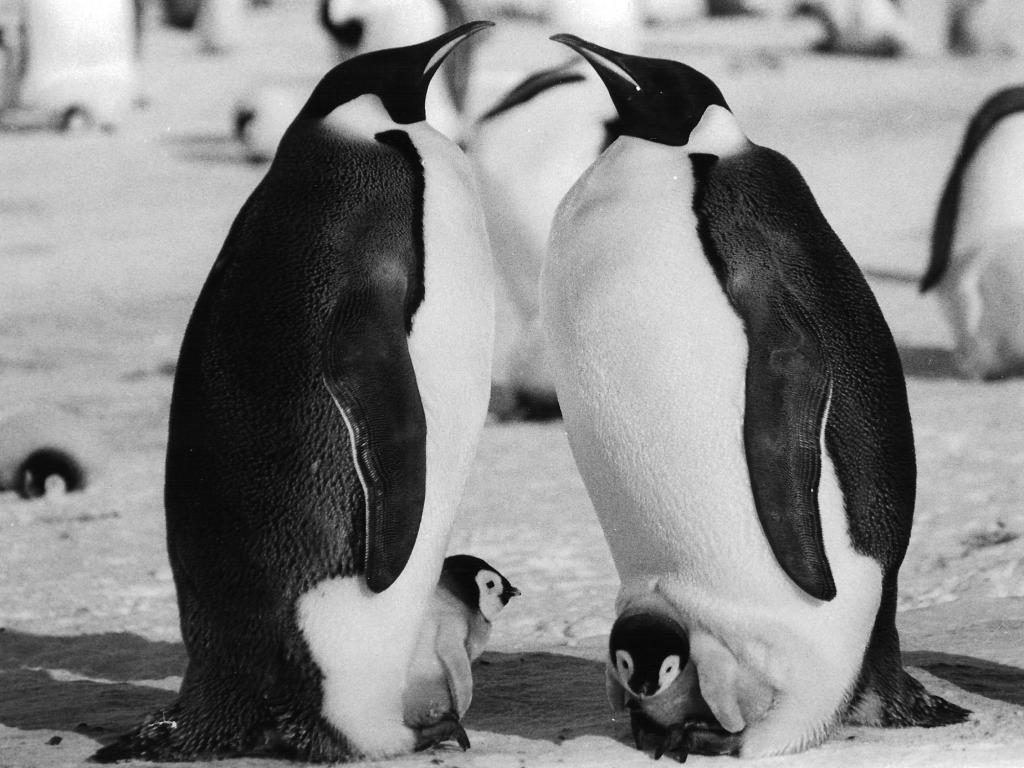
Cancer’s nurturing thread runs through penguin pairs trading egg duty and chick warmth in deadly cold. The handoff is punctual, the stakes are lethal, and devotion is measured in hours and body heat. Love here looks like a relay race where dropping the baton isn’t an option.
Scorpio’s intensity fits cuttlefish, crafty shapeshifters that can cloak intentions and navigate crowded mating scenes with strategy. There’s drama in the reef’s half-light, but there’s also loyalty when eggs are guarded and futures are protected. Depth, in this case, is both literal and emotional.
Pisces finds kinship with seahorses that greet daily, twining tails in quiet rituals before males carry the developing brood. It’s an inversion of roles that doesn’t lessen anyone’s worth; it simply redistributes labor in a way that works. Romance, it turns out, can be gentle and profoundly practical.
From Ancient Lore to Modern Science
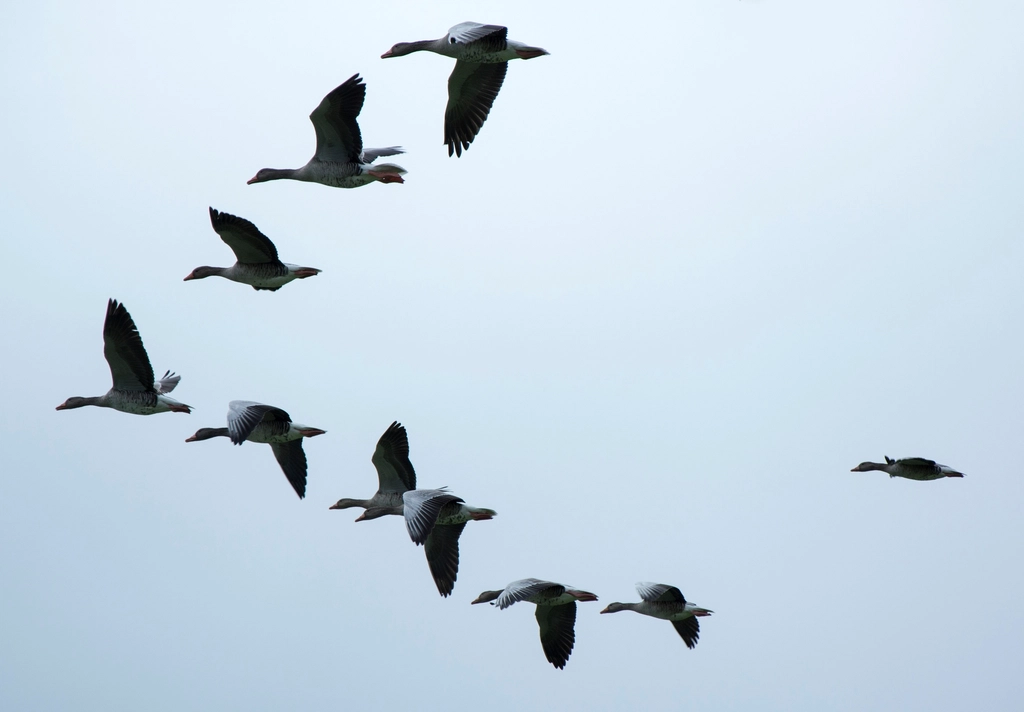
Astrology is a cultural compass, not a data set, but it offers metaphors that make animal signals easier to feel. Scientists build the hard scaffolding beneath those metaphors: bioacoustic recorders logging duets across seasons, GPS tags tracing migration-based long-distance love, and high-speed cameras parsing displays that unfold faster than a blink. Ultraviolet photography reveals plumage patterns we miss, and genetics tests show that social bonds and genetic parentage don’t always match.
Machine-learning models now sift terabytes of song and motion to find patterns people overlook. That means a crane’s dance can be quantified, compared, and tracked across years, turning art into numbers without stripping out the wonder. The payoff is practical: better species management, smarter protected areas, and a fuller picture of how climate and noise reshape courtship.
Global Perspectives: Courtship Across Continents and Oceans
On leks in the American tropics, manakin males rehearse elaborate choreography, a kind of nightclub where rhythm decides who gets noticed. In Australia, bowerbirds host open-house galleries, while Japan’s pufferfish sculpt seafloor architecture that would impress a city planner. High in Asia, cranes dance with precision that looks ceremonial because it is – rituals stabilize relationships when storms and long flights threaten to scatter pairs.
Across the northern forests, wolves show how a sturdy partnership spills outward into healthier packs and better odds for pups. At the edge of the world, penguins swap egg duty like athletes, proving that equality can be a survival tool. The map of love languages is global, and it keeps surprising us.
Why It Matters
Modern life often treats attraction as a sprint, but nature reminds us it’s usually a marathon where coordination and care beat spectacle alone. Courtship systems are also early-warning sensors: when habitats fray, dances stop on the leks, songs thin out at dawn, and nest gifts go missing. In conservation, that silence is data – signals failing to launch because food, space, or time has been stolen.
Compared with the old approach of brief snapshots, today’s long-term, tech-rich studies capture the negotiations between partners that decide whether chicks fledge or pups survive. They also show that social monogamy can coexist with genetic complexity, a nuance that reframes how we model populations. Understanding who pairs with whom, and why, helps predict resilience in a warming, noisier world.
The Future Landscape
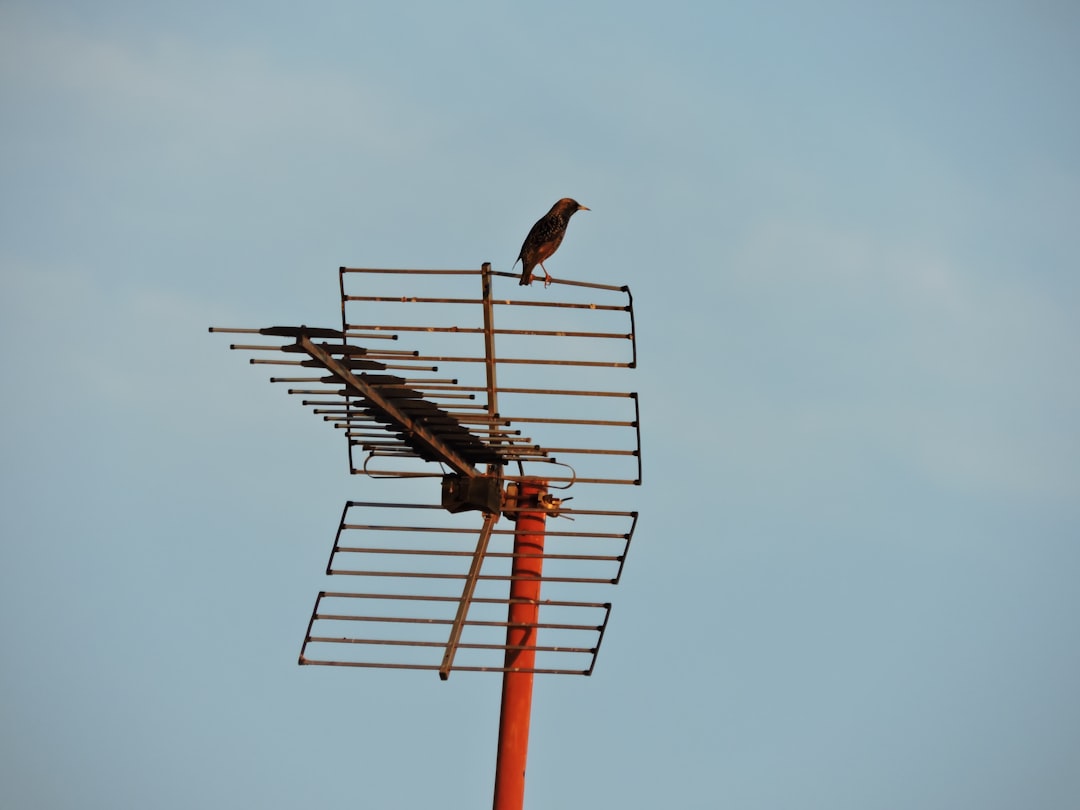
Biologging is getting lighter and smarter, so researchers can follow a crane’s duet across continents without interrupting the dance. Computer vision will soon track micro-movements in displays we barely notice, linking a subtle head tilt to real outcomes like mate choice or nest success. Acoustic networks are spreading, turning whole forests and coastlines into listening stations that hear love songs before we do.
The challenges are real: data overload, privacy ethics for social species, and the risk of treating wild courtship as content instead of life-or-death communication. Climate change is already shifting breeding seasons, making once-perfect timing go out of sync with food peaks. Tomorrow’s breakthroughs will need equal parts tech and empathy.
Conclusion
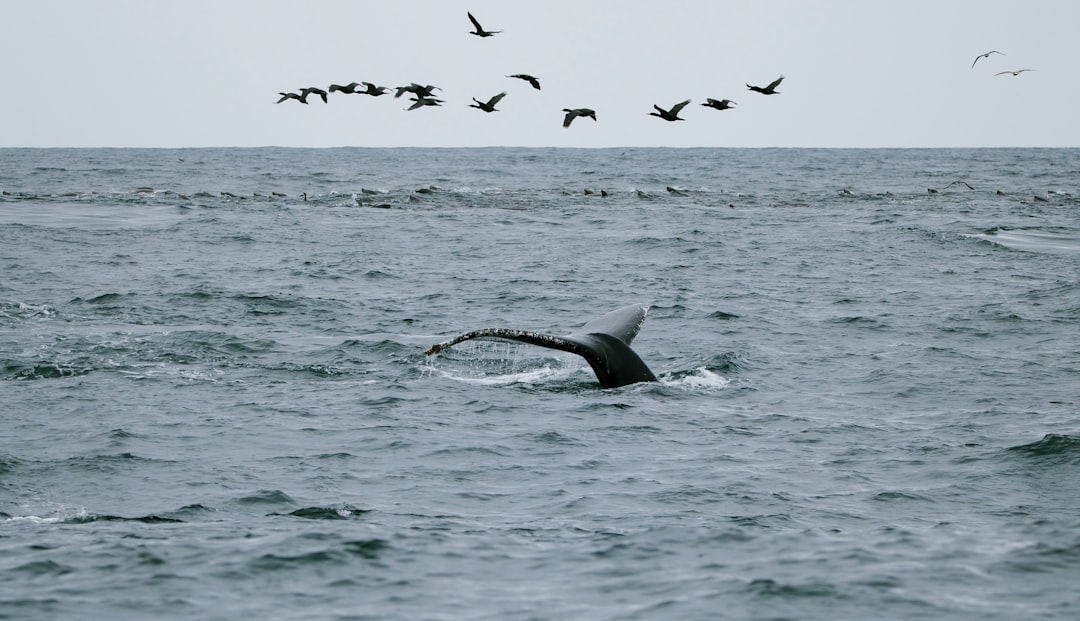
Support the quiet work that keeps these stories possible: local habitat restoration, dark-sky initiatives that give nocturnal displays a chance, and coastal protections where pufferfish still draw their circles. Citizen science projects that log first songs, first dances, and nest-building dates can feed real research with observations that add up. If you live near wetlands or forests, simple choices – staying on trails, keeping dogs leashed during breeding season – protect the sensitive moments when pair bonds form.
Most of all, practice attention. Bring binoculars, slow down, and let a swan duet or a crane dance unfold on its own timeline. You’ll never look at love signals, human or otherwise, quite the same way.
Suhail Ahmed is a passionate digital professional and nature enthusiast with over 8 years of experience in content strategy, SEO, web development, and digital operations. Alongside his freelance journey, Suhail actively contributes to nature and wildlife platforms like Discover Wildlife, where he channels his curiosity for the planet into engaging, educational storytelling.
With a strong background in managing digital ecosystems — from ecommerce stores and WordPress websites to social media and automation — Suhail merges technical precision with creative insight. His content reflects a rare balance: SEO-friendly yet deeply human, data-informed yet emotionally resonant.
Driven by a love for discovery and storytelling, Suhail believes in using digital platforms to amplify causes that matter — especially those protecting Earth’s biodiversity and inspiring sustainable living. Whether he’s managing online projects or crafting wildlife content, his goal remains the same: to inform, inspire, and leave a positive digital footprint.