Did you know that when you first roll out of bed, you’re actually standing at your tallest? It sounds like the start of a fairy tale—wake up, and you’re a fraction of an inch closer to the clouds—but it’s a real, measurable phenomenon grounded in the fascinating mechanics of our own bodies. The secret to this strange daily growth spurt lies in the physics of your spine, a marvel of nature’s engineering that quietly shapes how we move, stand, and even how tall we appear from sunrise to sunset.
The Enigma of Morning Height

Imagine stepping onto a height scale first thing in the morning and then again before bed. Most people are surprised to see a subtle but definite difference, sometimes as much as 2 centimeters. This isn’t a trick of the eye or an illusion—it’s a direct result of what your body goes through while you sleep. During the night, as you lie horizontally, gravity’s relentless pull on your spine is reduced. The vertebral discs, those gel-like cushions between your bones, soak up fluid and expand, making you just a bit taller when you greet the day.
The Spine: More Than Just a Backbone

When people think of the spine, they often picture a stiff rod of bone. In reality, it’s much more like a stack of flexible blocks separated by squishy pads. These pads, called intervertebral discs, are the secret to your morning height advantage. The spine isn’t just there to keep you upright—it acts as a shock absorber, a pillar of support, and a channel for nerves. Its unique construction lets it adapt to daily stress, but that same flexibility leads to the daily height changes you experience.
Gravity: The Invisible Sculptor

Gravity is always at work, pulling us down to Earth every second of our lives. When we stand or sit, gravity compresses our spine, squeezing the water out of our discs. It’s a slow process that happens bit by bit throughout the day. That’s why you’re tallest in the morning, just after your discs have had all night to rehydrate and expand without the weight of your body pressing down on them. Think of your spine like a sponge: after a long squeeze, it needs time to puff back up.
Intervertebral Discs: Nature’s Hydraulic Cushions
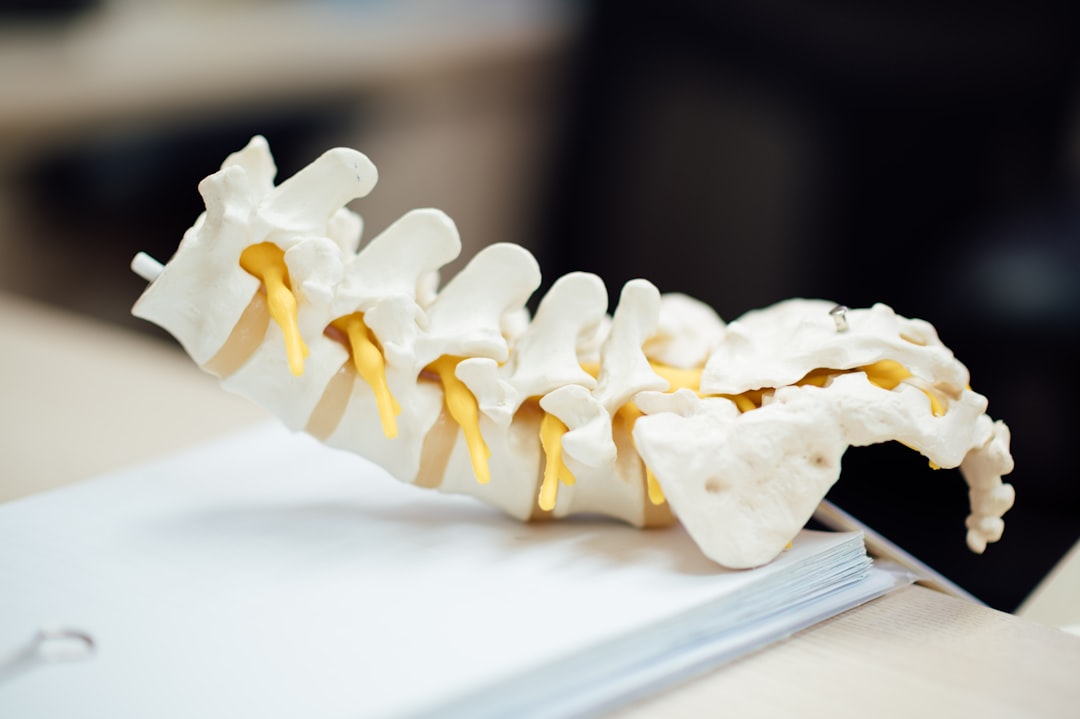
Your intervertebral discs are like tiny, hydraulic pillows tucked between your vertebrae. Made mostly of water, collagen, and proteins, these discs behave a lot like memory foam. At night, they draw in fluid and plump up because there’s no downward pressure. As soon as you stand up, the pressure returns, and the discs slowly lose water again. This back-and-forth cycle happens every single day, quietly affecting your height and comfort.
Sleep: Time for Spinal Recovery

A good night’s sleep isn’t just for your mind—it’s a daily spa retreat for your spine. Lying down takes the weight off your back, giving your discs a chance to refill and recover. The longer and better you sleep, the more your discs can rehydrate. People who get enough rest often notice they stand just a little taller in the morning, while a restless night can mean less time for the spine to bounce back.
Dehydration and Disc Health
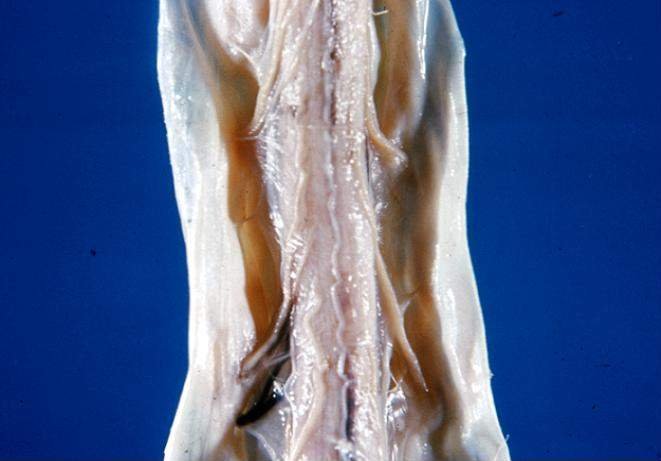
Water isn’t just important for keeping your skin glowing or your organs running smoothly—it’s also vital for your spinal discs. When you’re dehydrated, your discs don’t fill up as much at night, and you might not gain as much morning height. Over time, chronic dehydration can even lead to disc problems or back pain. So, that extra glass of water isn’t just good for your brain; it’s helping you stand tall, literally.
The Role of Age: Why Kids Grow and Seniors Shrink
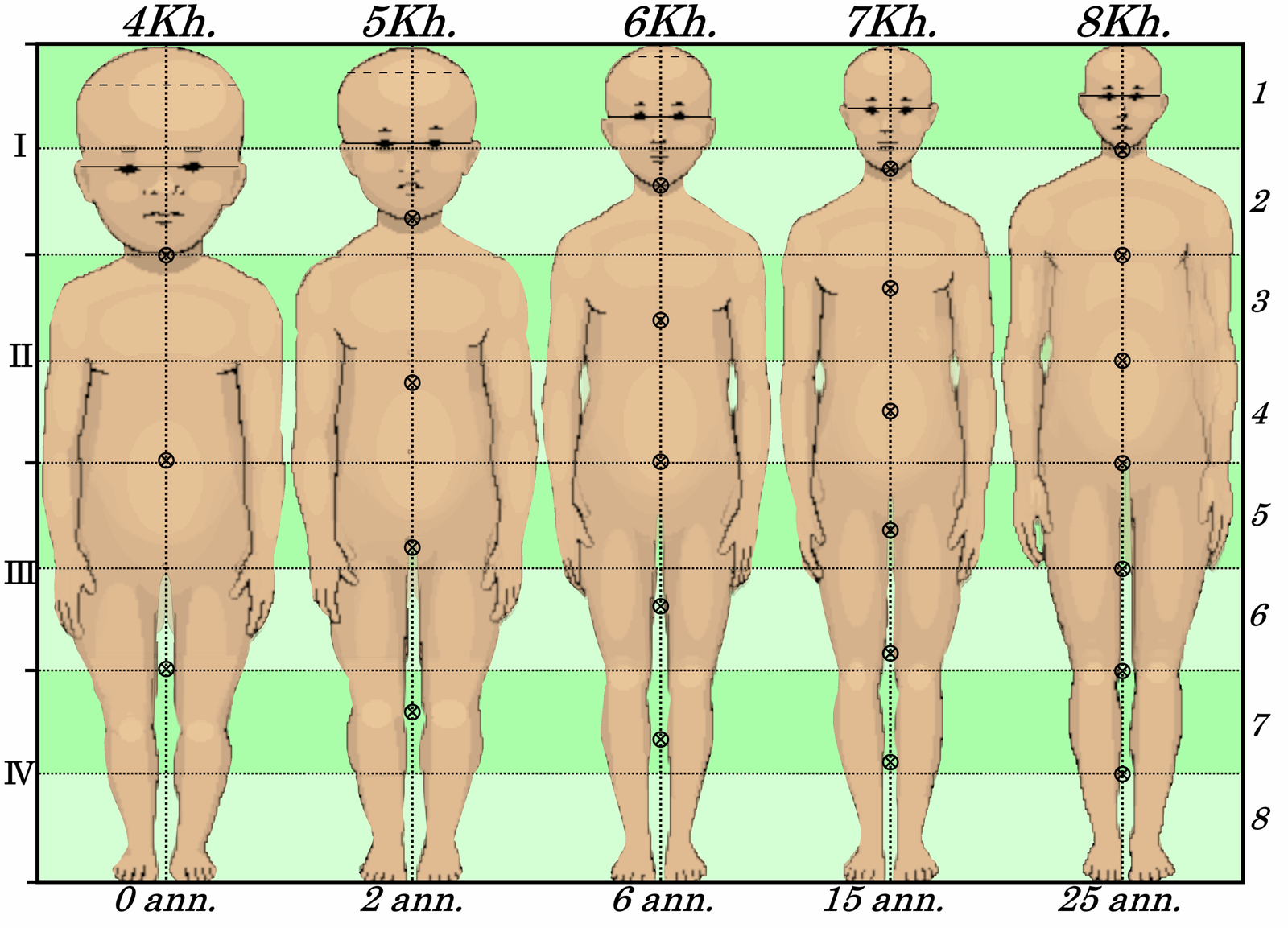
Children and teenagers often show the most dramatic differences in morning and evening height because their discs are plumper and more flexible. As we age, our discs lose water content and become less springy, making the daily variation in height less noticeable. Over decades, this loss of hydration and elasticity can add up, contributing to the gradual decrease in height many people notice as they get older.
Posture: Friend or Foe?
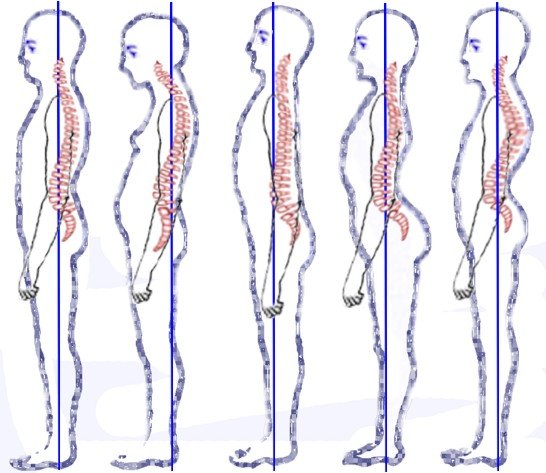
How you sit, stand, and move can have a big impact on your spine’s ability to recover overnight. Poor posture compresses your discs more than necessary, leading to quicker fluid loss and less overnight recovery. Slouching at your desk or hunching over your phone might feel comfortable in the moment, but it’s quietly chipping away at your daily height advantage. Good posture, on the other hand, lets your spine stretch out and your discs recover more fully.
Physical Activity: Does Exercise Affect Spinal Height?
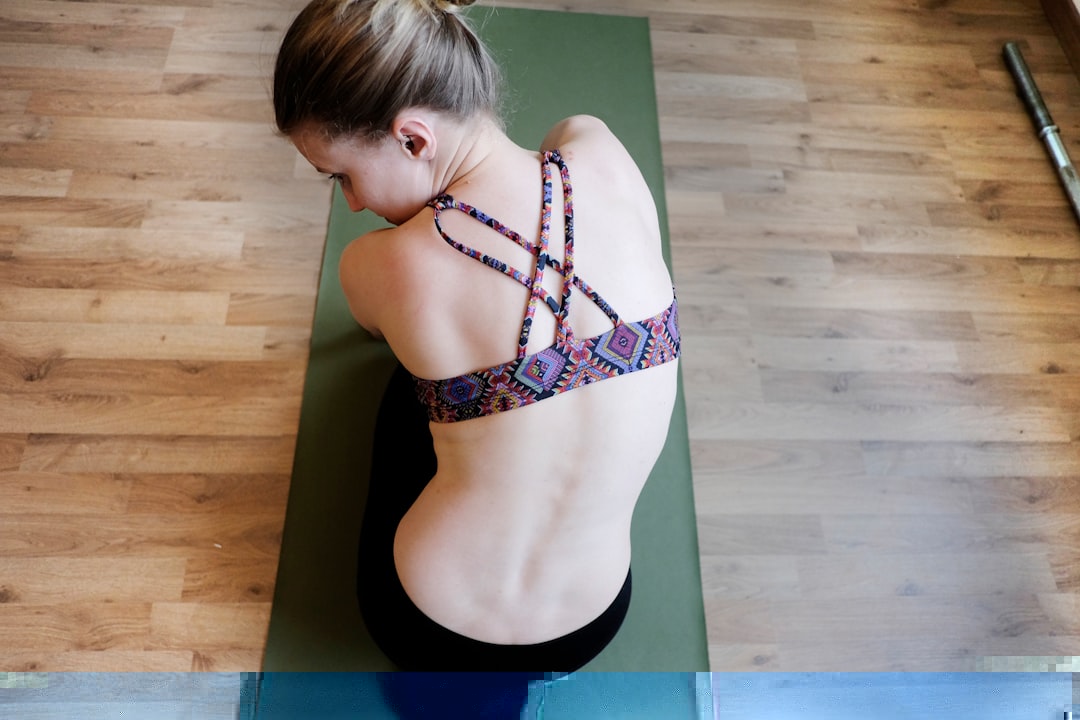
You might think that exercise, with all its bending and bouncing, would squish your spine even more. Surprisingly, moderate physical activity can help keep your discs healthy by promoting circulation and hydration. Activities like swimming, yoga, and walking gently move the spine, helping it maintain flexibility. However, high-impact sports or heavy lifting can compress the discs more, making you feel a bit shorter after a tough workout.
The Science of Spinal Compression
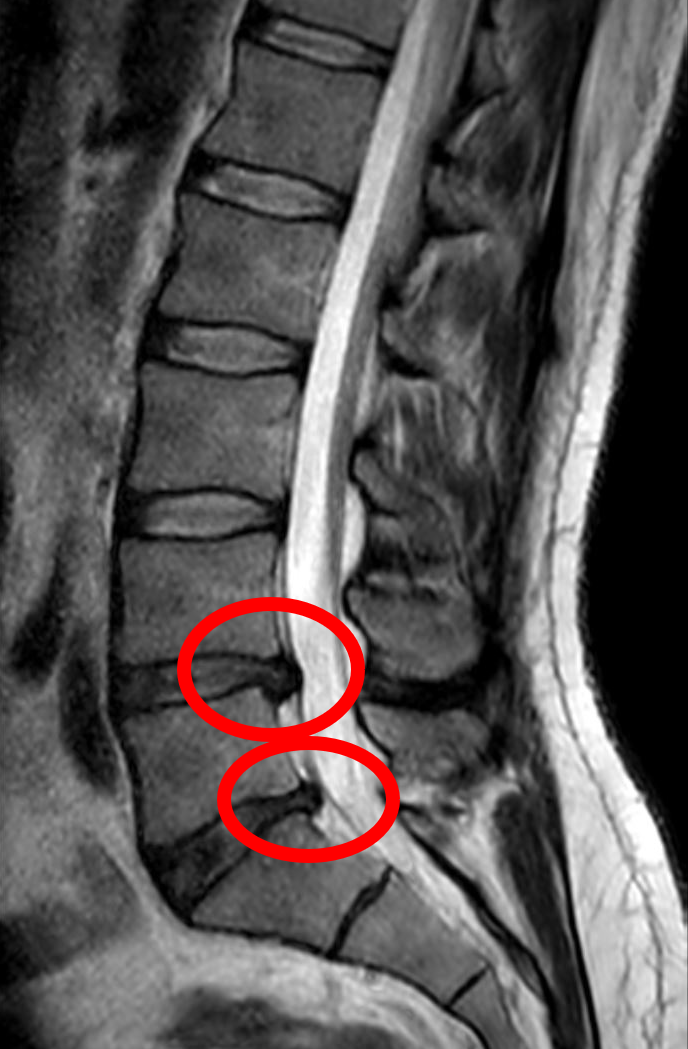
The process of spinal compression is a perfect example of how physics shapes our bodies every day. When you’re upright, each vertebra presses down on the disc below, squeezing out fluid in tiny amounts. Over hours, this adds up. Studies have shown that astronauts, who live in zero gravity, can gain up to 5 centimeters in height because their spines aren’t compressed at all. Once they return to Earth, gravity brings them back down to size.
Why Some People Notice It More Than Others

You might be wondering why your friend claims to grow an inch overnight while you barely notice a change. Individual differences in disc health, hydration, age, and even genetics play a role in how much your height fluctuates. Some people naturally have more elastic discs, or they might sleep in positions that allow better fluid absorption. Even differences in daily routine, like how much time you spend sitting or standing, can make a noticeable difference.
Measuring the Difference: How to Track Your Height Changes

If you’re curious and want to see this effect for yourself, it’s easy to test. All you need is a tape measure and a friend to help. Measure your height right after you get out of bed, then again before you go to sleep. Make sure to stand the same way each time for accuracy. You might be surprised to see up to a 2-centimeter difference—enough to make your shoes feel a little looser at night!
Spinal Health and Everyday Comfort

Your spine does more than just grow and shrink; it supports your every move, twist, and turn. Keeping your discs healthy means more than just standing tall—it can also mean less back pain, more flexibility, and better overall comfort. Simple habits like staying hydrated, practicing good posture, and getting enough rest can make a huge difference in how your spine feels and functions.
Backpacks, Heavy Loads, and Spinal Stress

Ever wonder why carrying a heavy backpack all day leaves you feeling shorter and more tired? The weight puts extra pressure on your spine, squeezing out fluid from your discs faster than usual. Over time, this can lead to fatigue, discomfort, and even long-term back problems. It’s a vivid reminder of how small daily choices—like how much you carry—can affect your spine’s ability to recover.
Injuries and Disc Degeneration

Injuries to the spine, especially to the discs, can drastically affect this daily height fluctuation. Conditions like herniated discs or degenerative disc disease make it harder for the discs to rehydrate at night. People with chronic back problems may see less of a morning height boost or even experience constant pain. Protecting your spine from injuries is crucial if you want to keep enjoying your daily growth spurt.
Why Your Shoes Fit Differently at Night

It sounds odd, but some people notice their shoes feel just a little looser in the morning and tighter by evening. This isn’t just because your feet swell; it’s partly due to the slight shrinking of your spine. As you lose height throughout the day, your frame compresses, subtly changing how your clothes and shoes fit. It’s a tiny, everyday reminder of the physics always at work inside your body.
Spine Myths: Busting the Tall Tales
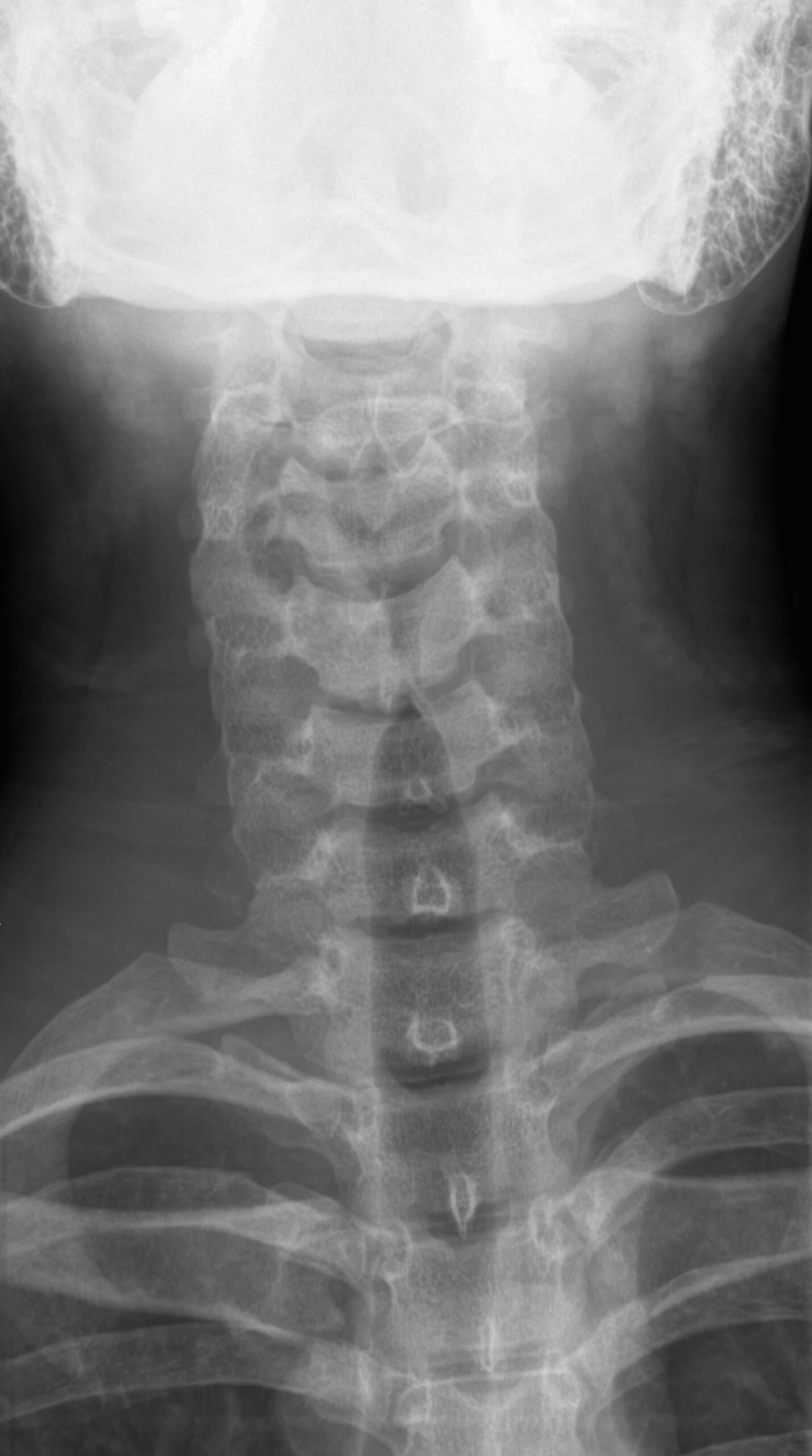
There are plenty of myths about the spine—like the idea that hanging upside down will make you permanently taller. While inversion can temporarily stretch your spine, the effect is short-lived. The best way to maintain your height advantage is to care for your back every day, not to rely on quick fixes or odd gadgets. Understanding the real science behind your spine is way more empowering than any tall tale.
Hydration Habits for a Healthier Back

If you want your spine to stay healthy and bounce back each morning, drink up. Keeping hydrated helps your discs refill and recover, giving you a better chance to stand tall. Make water a regular part of your day, especially if you’re active or live in a hot climate. It’s a simple, powerful way to invest in your body’s future—one glass at a time.
The Spine as Nature’s Masterpiece
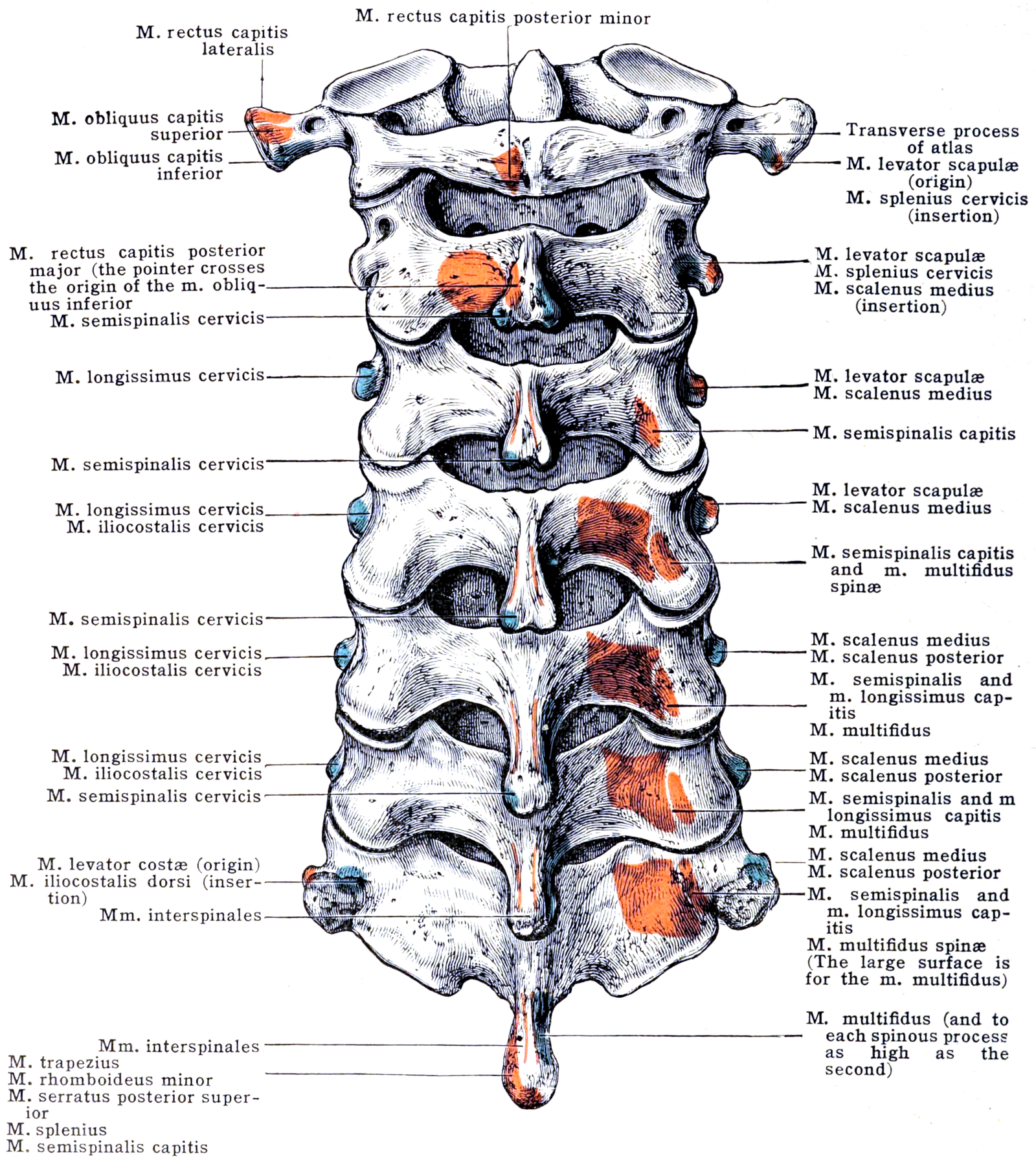
When you pause to think about it, the spine is truly a masterpiece of natural engineering. It bends, twists, supports, and even changes size—all without you having to think about it. From the springy discs to the sturdy vertebrae, every part plays a role in your daily dance with gravity. It’s a reminder of how incredible our bodies are, quietly adapting to the world around us every day.
A Heightened Awareness

The next time you wake up and stretch toward the ceiling, remember: you’re not just greeting the day—you’re experiencing the physics of your spine in action. This daily fluctuation is a testament to the resilience and adaptability of the human body. Staying mindful of your spine’s needs can make a real difference in how you move, feel, and live each day. Isn’t it amazing how something as simple as standing up can reveal so much about the hidden wonders inside us?