
What happens when age-old sky stories meet modern field science? We set out to every zodiac sign with a U.S. national park and a wild animal that mirrors its elemental edge, using ecology as our compass. It’s not astrology-as-proof; it’s a storytelling lens that pulls us closer to data, habitats, and behaviors researchers track every season. In 2025, with shifting ranges, longer fire seasons, and altered migration clocks, we need new ways to get people curious about evidence. Consider this a field guide for wonder that still respects peer reviewed facts and on-the-ground monitoring.
The Hidden Clues

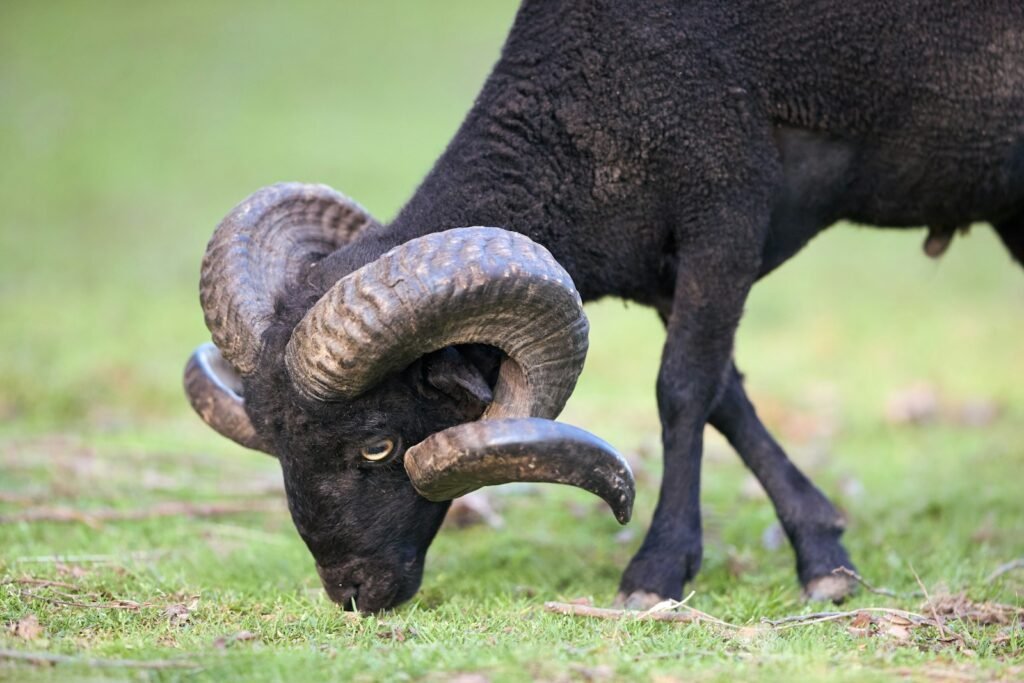
Every ecosystem whispers patterns – seasonal rhythms, predator-prey dances, and nutrient cycles – that echo the zodiac’s elements of fire, earth, air, and water. Aries, all grit and momentum, aligns with Rocky Mountain National Park, where bighorn sheep navigate knife-edge ledges and headwinds like high-altitude marathoners. Taurus finds home in Sequoia & Kings Canyon, its steady heartbeat mirrored by the adaptable American black bear foraging beneath ancient giants. Gemini’s restless curiosity meets the Everglades, where swallow-tailed kites stitch the sky with acrobatic turns over mangrove and sawgrass.
Cancer’s protective shell belongs to Acadia, where harbor seals haul out on cobble beaches and retreat to cold Atlantic safety with the tide. Leo owns Grand Canyon’s shadow-and-sun amphitheater, a stage fit for the mountain lion’s stealth and sweeping range. Virgo maps onto Carlsbad Caverns, where Mexican free-tailed bats swirl at dusk, their nightly insect campaigns a tidy, ecological service with measurable impact.
From Ancient Tools to Modern Science

We’ve always looked up for meaning, but field biologists look down too – at tracks, scat, telemetry pings, and time-stamped camera traps. Libra’s balance pairs with the Redwood coast, where northern spotted owls rely on complex old-growth structure that scientists survey tree by tree. Scorpio fits Dry Tortugas, a remote ring of coral and brick, where loggerhead sea turtles surface like secrets and nest under strict monitoring. Sagittarius thrives in Arches, with peregrine falcons reclaiming cliffs after the pesticide era, a comeback story quantified by banding data and nest counts.
Capricorn, practical and relentless, stands with Denali’s Dall sheep, whose lamb survival reflects snowpack and predator dynamics tracked year to year. Aquarius looks to Great Basin, where pinyon jays cache seeds and, in doing so, replant the future – a living experiment in memory, cooperation, and drought resilience. Pisces flows through Olympic’s rainforest rivers, where coho salmon braid ocean nutrients into cedar valleys, a nutrient subsidy you can measure in tree rings and bear scat.
Elemental Archetypes in the Field

Fire signs aren’t just flash; they’re disturbance regimes that reset landscapes, a truth land managers account for with prescribed burns and fuel maps. Aries’ bighorn sheep tolerate thin air and thin margins, a physiology tuned to steep geology and sparse cover. Leo’s mountain lion is a top-down regulator, shaping deer behavior in ways that ripple to vegetation and stream banks. Sagittarius as peregrine falcon brings speed to the story – dives clocked faster than highway traffic, a physiological feat restored after contaminants were removed from the food web.
Earth signs ground the narrative in soils, roots, and endurance. Taurus’ black bear solves problems with a nose that reads calories like a lab instrument, shifting diets as mast crops boom and bust. Virgo’s bat colony is pest control you can graph in reduced insect loads over farmland downwind. Capricorn’s Dall sheep trace survival on alpine ridgelines, where a late freeze or lean lichen crop can tilt the scales for an entire cohort.
Fire and Earth Pairings
Aries at Rocky Mountain with bighorn sheep shows how agility and stress tolerance converge; researchers study physiological adaptations that help them survive seasonal challenges. Leo at Grand Canyon with mountain lions embodies territory and resource control, a case study for wildlife corridors that bridge canyon rims and riverine pockets. Sagittarius at Arches with peregrines knits geology to biology, cliffs to nests, with productivity rising in years when prey pulses align.
Taurus in Sequoia with black bears demonstrates behavioral plasticity, from denning schedules to opportunistic feeding that still depends on intact meadows and oak woodlands. Virgo in Carlsbad’s bat vortex spotlights colony-level services, where nightly emergence is not spectacle but measurable insect suppression tied to crop protection beyond park borders. Capricorn in Denali with Dall sheep makes climate not abstract but lamb-weight real, tracked by snow timing, forage quality, and wolf encounters along wind-exposed slopes.
Air and Water Pairings

Gemini in the Everglades with swallow-tailed kites maps to migratory intelligence; these birds swing thousands of miles, their timing now a biological question mark as spring warms earlier. Libra in Redwood with the northern spotted owl underscores habitat complexity – canopies layered like a cathedral, each rung offering microclimates owls use for hunting and nesting. Aquarius in Great Basin with the pinyon jay shows cognition tied to conservation, with seed caches reforesting hillsides in patterns researchers now model with GPS and drought indices.
Cancer in Acadia with harbor seals links lunar cycles and haul-out behavior, observable from shoreline rocks and measured by tagging data. Scorpio in Dry Tortugas with loggerheads gives us a nesting ground sensitive to beach height and storm surge, a frontline for sea-level rise that managers monitor nest by nest. Pisces in Olympic with coho salmon completes a nutrient loop – ocean energy carried upstream in muscle and bone, feeding forests and scavengers in a chemistry you can test in leaves and logs.
Why It Matters

At first glance, ing signs to species sounds playful, but it’s a doorway to evidence that might otherwise feel remote. The Aries-bighorn story invites questions about mineral licks, disease dynamics, and highway crossings; the Leo-lion pairing opens debates about apex predators near towns and trails. Taurus and bears spark conversations about food storage mandates, habituation risks, and mast cycles that rangers now chart with community science. Virgo’s bats push us to understand how non-charismatic insects and grotto humidity create services worth millions in avoided crop loss.
Libra’s owls highlight how old growth is not a vibe but a measurable architecture, with canopy gaps, snags, and fog frequencies that managers fight to preserve. Scorpio’s turtles make climate risk visible at the nest, where a few degrees can skew hatchling sex ratios and future population stability. Pisces’ salmon insist that freshwater policy, dam management, and estuary protections are not just local fights but continental nutrient decisions reshaping forests for decades.
The Future Landscape
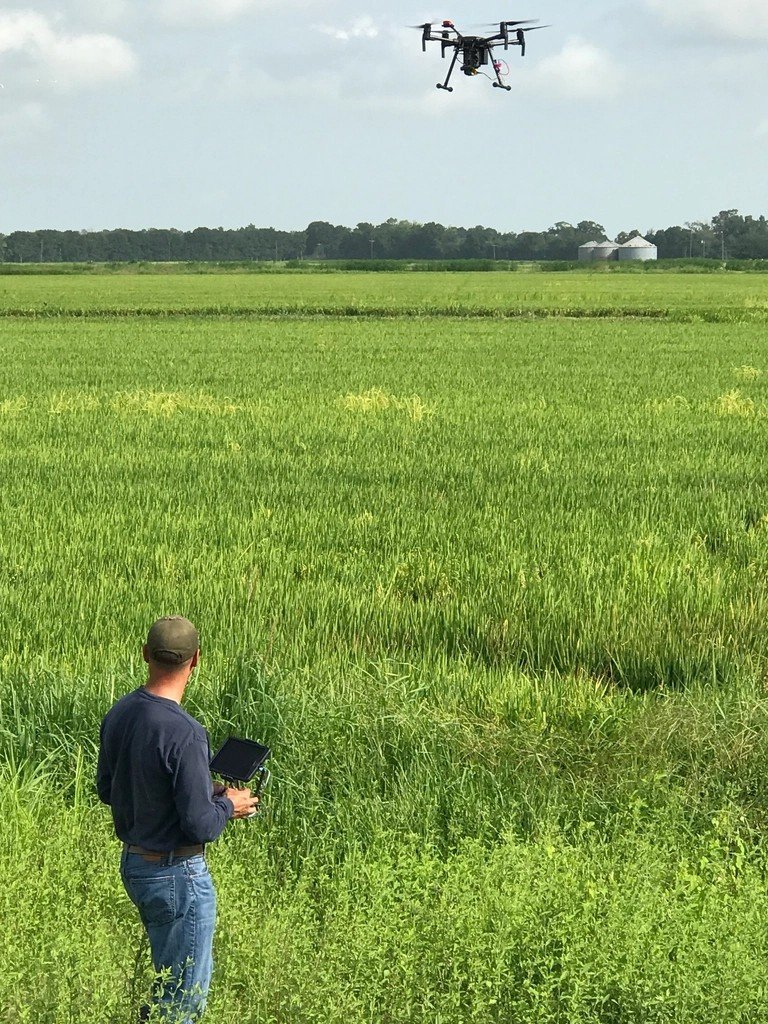
Looking ahead, wildlife telemetry is getting lighter, battery-sipping, and smarter, giving us higher-resolution maps of migration corridors and denning sites. Acoustic arrays eavesdrop on bats, owls, and kites, transforming night soundscapes into datasets that flag declines before they become headlines. Drone mapping under strict permits now stitches cliff nests, beach profiles, and alpine forage into 3D problems managers can actually solve. Genetic tools trace salmon parentage through entire watersheds, turning murky runs into family trees that guide culvert fixes and stream restorations.
Climate forecasts are folding into day-to-day operations, from scheduling prescribed burns to timing trail closures when wildlife is stressed. Machine learning combs camera-trap images so interns can spend more hours in the field instead of sorting pixels. And the human dimension is finally front and center: corridor easements, Tribal co-management, and community science apps that turn hunches into evidence. The storyline is shifting from isolated parks to connected bioregions where species write their futures across boundaries.
Global Perspectives

These pairings reflect patterns found far beyond the U.S., from highland ungulates in Central Asia to rainforest salmon analogs in the Pacific Rim where marine nutrients travel inland. Migration timing shifts aren’t a North America-only problem; they’re recorded across hemispheres as spring edges forward and insect blooms decouple from hatch dates. Old-growth requirements for owls mirror needs in other continents, where canopy complexity underpins predator success. Sea turtle nesting beaches worldwide face similar threats, making Dry Tortugas a microcosm scientists compare with Caribbean and Mediterranean sites.
Even the pinyon jay’s seed banking mirrors mutualisms with corvids and nut-bearing trees elsewhere, a reminder that cognition and climate adaptation often travel together. Apex predator corridors link to global efforts that stitch habitats across rail lines and highways, borrowing ideas from Europe’s green bridges and Asia’s wildlife overpasses. The point isn’t that the zodiac predicts outcomes; it’s that stories help us care long enough to learn, measure, and act with precision. If a sky metaphor gets one more person to open a park map, the data can do the rest.
Conclusion
Pick your sign’s park and read the latest wildlife notes from rangers before you go; those brief updates often contain the kind of actionable science we forget to celebrate. If you’re Aries, look for bighorn closures and honor them; if you’re Cancer, watch seals from a legal distance so pups aren’t spooked into the surf. Log bat or owl observations in community science apps that share data with researchers, and support corridor projects that reconnect habitats severed by roads. Donate to park conservancies funding telemetry, acoustic monitoring, and restoration crews who translate spreadsheets into thriving nests, dens, and runs.
Most of all, stay curious long after the trip ends: track seasonal changes at a favorite trailhead, compare notes year to year, and let evidence update your story. The constellations won’t change, but our choices absolutely will – so which trail will you light up next?
Suhail Ahmed is a passionate digital professional and nature enthusiast with over 8 years of experience in content strategy, SEO, web development, and digital operations. Alongside his freelance journey, Suhail actively contributes to nature and wildlife platforms like Discover Wildlife, where he channels his curiosity for the planet into engaging, educational storytelling.
With a strong background in managing digital ecosystems — from ecommerce stores and WordPress websites to social media and automation — Suhail merges technical precision with creative insight. His content reflects a rare balance: SEO-friendly yet deeply human, data-informed yet emotionally resonant.
Driven by a love for discovery and storytelling, Suhail believes in using digital platforms to amplify causes that matter — especially those protecting Earth’s biodiversity and inspiring sustainable living. Whether he’s managing online projects or crafting wildlife content, his goal remains the same: to inform, inspire, and leave a positive digital footprint.