
Across the planet, the conservation movement faces a paradox: the data are urgent and overwhelming, yet the public’s attention is scattered and short-lived. Scientists tally threats with precision, but numbers alone rarely move hearts or hands. That’s why communicators are testing something unexpected: turning to identity-rich storytelling, even borrowing language from astrology, to match people with s they’ll actually play. Think of a rising sign not as destiny, but as a doorway – an easy shorthand for leader, caretaker, or innovator archetypes that helps volunteers find a task that feels like them. Framed this way, zodiac cues become a playful interface for a serious goal: getting more citizens to help protect wildlife and habitats, right now.
The Hidden Clues
Every effective conservation campaign has a hidden engine: identity. People act when the story feels like theirs, and social scientists have repeatedly shown that appeals aligned with an audience’s self-view can nudge real-world behavior, from saving water at home to showing up for a beach cleanup. Rising signs, widely used in popular culture, offer ready-made identity hooks that can be mapped to three archetypes – leaders, caretakers, innovators – without pretending star charts are science. It’s the framing that matters, not the fate: if a message says “this is your kind of job,” response rates climb and follow-through improves. Meanwhile, the biodiversity stakes remain stark, with the IUCN reporting over one hundred fifty thousand species assessed and tens of thousands now threatened with extinction. That statistical cliff makes any tool that ethically increases participation worth testing and refining.
From Ancient Tools to Modern Science

Astrology and conservation couldn’t be farther apart on the evidence spectrum, yet they can intersect in communication: one provides familiar metaphors, the other provides the facts, field protocols, and measurable outcomes. In practice, that means you never claim planets cause behavior; you use the vernacular of rising signs to organize volunteer s people already gravitate toward. Behavioral research backs the core mechanism here – social identity cues and group-norm messages can boost pro-environmental intentions and actions, especially when the “ingroup” frame fits like a glove. In a newsroom sense, this is simply better targeting: meet audiences where they are, then guide them to data-driven work like turtle nest monitoring, kelp mapping, or amphibian audio surveys. The conservation side is rock solid, with meta-analyses showing that interventions – from predator control to habitat restoration – often slow or reverse declines compared with doing nothing. When the framing brings in new hands, the science of saving species gets more done per hour.
Leaders: Fire Rising Signs in the Field
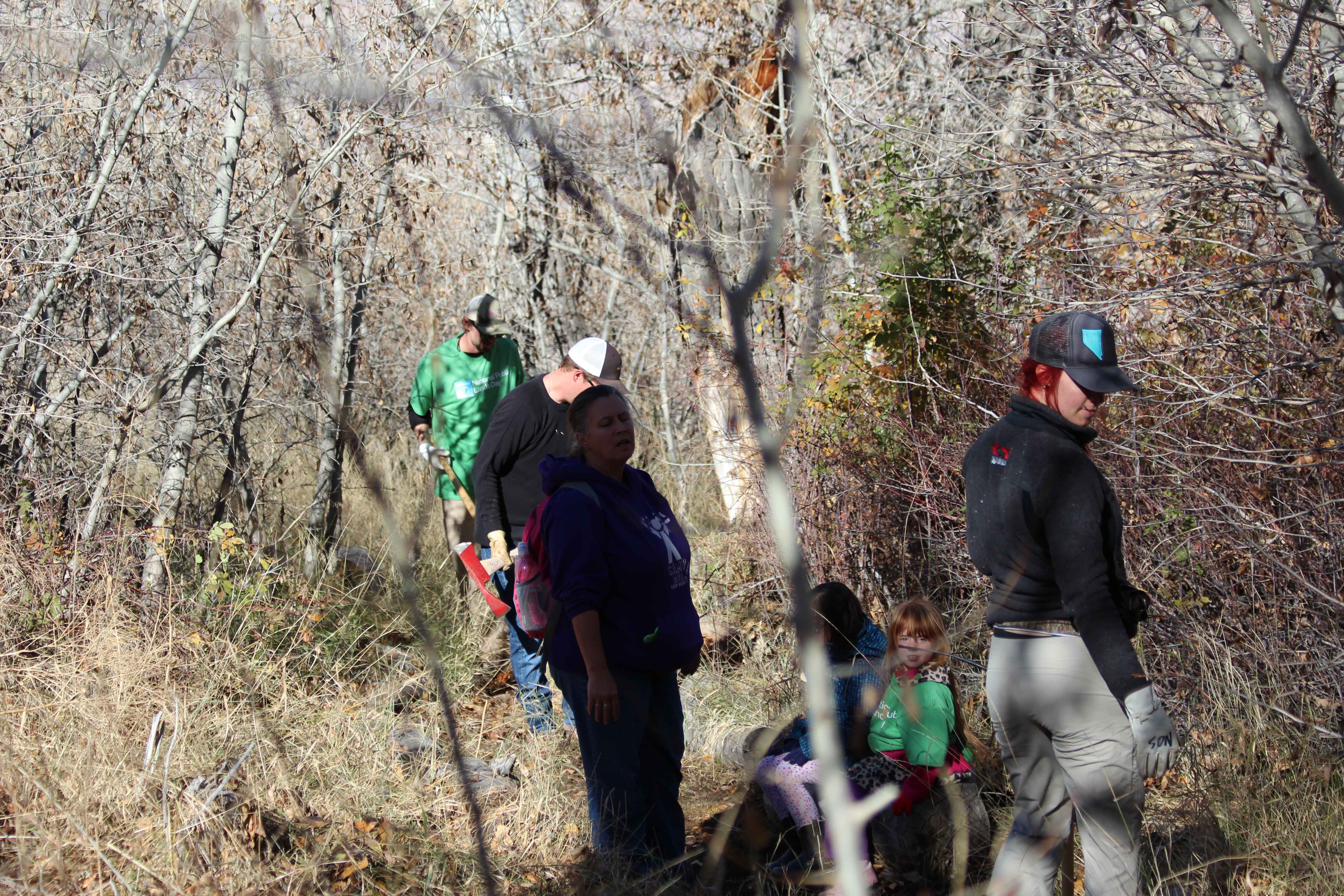
Aries, Leo, and Sagittarius rising are the archetypal field captains in this framework: they rally teams, set the pace, and keep morale high on long, hot transects. I once watched a volunteer who loved being “the organizer” turn a chaotic night patrol into a smooth relay, simply by assigning s and doing quick pep talks between beach segments. Conservation tasks that need command energy – coordinating community meetings on invasive species, scheduling predator-proofing at nesting sites, or running rapid-response surveys after storms – fit this lane. Leadership appeals also counter a persistent funding skew where charismatic megafauna dominate headlines while many threatened groups remain invisible. When strong organizers broaden the spotlight, amphibians, corals, and even fungi get the attention they deserve alongside elephants and rhinos. In short, the leader archetype turns urgency into logistics, and logistics into measurable wins for more than just the usual poster animals.
Caretakers: Earth and Water Rising Signs at the Frontlines
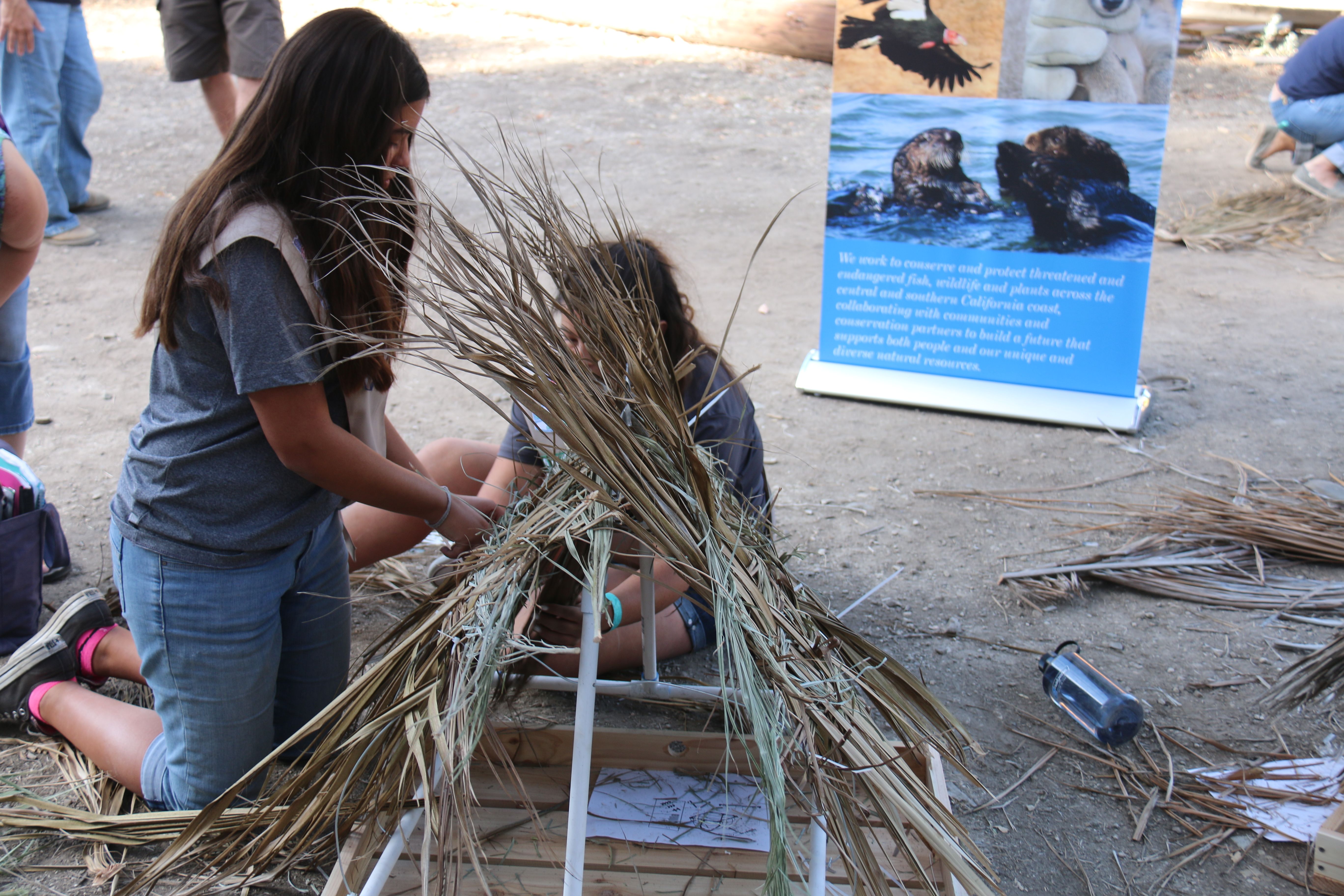
Taurus, Virgo, and Capricorn rising bring patient, habitat-first stewardship, while Cancer, Scorpio, and Pisces rising lean into nurture, rescue, and relational care. These are the people who will quietly revisit the same wetland week after week, logging water levels, checking camera traps, and making sure the field kit is actually stocked. They also excel at wildlife triage and community liaison work, from tending native plant nurseries to guiding school groups through tide pools without trampling the living reef. In a world where more than one in three tree species are at risk and amphibians continue to struggle, steady caretaking amplifies the impact of every flashier intervention. The caretaker archetype isn’t glamorous, but it’s the backbone of long-term monitoring and recovery plans that keep gains from backsliding. When these volunteers feel seen and valued, continuity – the rarest resource in conservation – finally shows up on the schedule.
Innovators: Air Rising Signs and the Big Leap

Gemini, Libra, and Aquarius rising map neatly to the innovator : translators, networkers, and tinkerers who love connecting dots across disciplines. Put them on citizen science platforms that classify satellite images of kelp, teach them to deploy acoustic sensors for bats, or have them prototype low-cost AI workflows that flag rare species calls in hours, not months. Studies show that well-designed citizen science can generate data approaching expert quality and even improve downstream species distribution models when algorithms account for detection bias. Innovation here isn’t gadget-chasing; it’s about smarter workflows that let limited staff validate more observations and detect population signals earlier. When innovators help convert raw enthusiasm into clean datasets, conservation teams can redirect precious field time to targeted recovery actions. The result is a feedback loop where curiosity fuels better evidence, and better evidence fuels faster protection.
Why It Matters
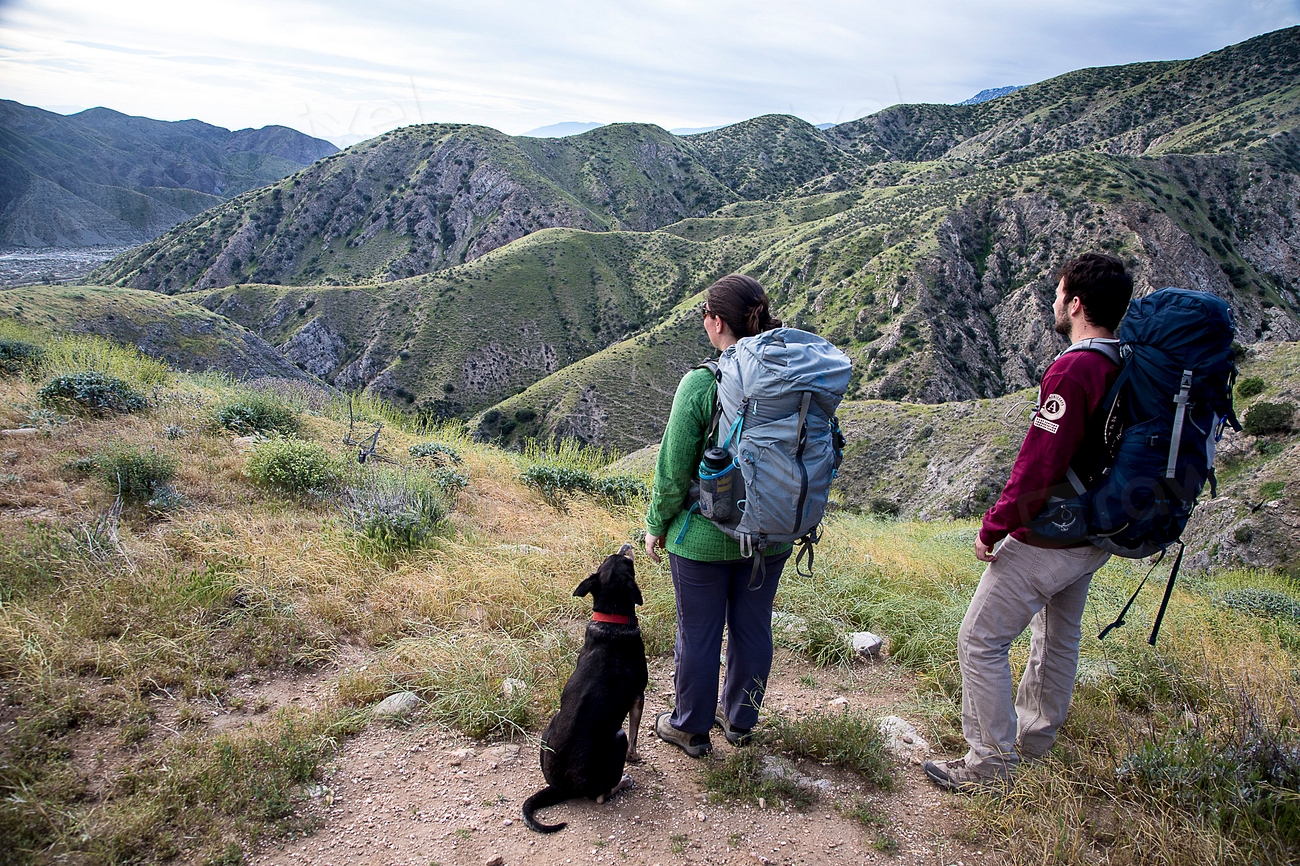
The stakes of engagement are not abstract: most threatened species receive little to no dedicated funding, and resources remain clustered around a small set of charismatic vertebrates. Meanwhile, the Red List underscores the breadth of risk, from mammals and sharks to trees and corals, with best estimates showing substantial slices of many groups trending toward danger. When outreach reframes participation around relatable archetypes, it helps correct that imbalance by pulling in new volunteers for neglected taxa and tasks. It also complements policy targets by generating the ground-truth data needed to track progress and enforce protections. In communications, the right frame is like a field guide: it points you to the right habitat, then you do the careful work of identification and monitoring. In conservation, better framing means more eyes on the trail and more species getting a fighting chance.
Global Perspectives
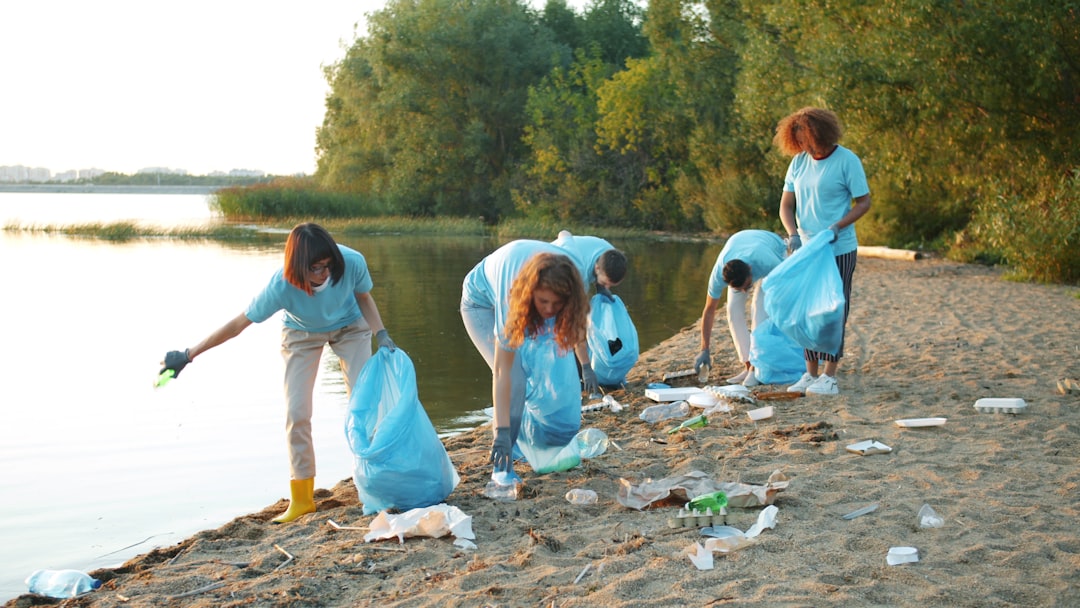
Internationally, biodiversity policy is accelerating, but implementation depends on a wide base of public action that can’t be outsourced to a handful of specialists. Recent global agreements sketch multi-billion-dollar finance goals and the ambition to protect and restore nearly one third of Earth’s lands and waters by 2030. Those numbers won’t come alive without local monitors, data contributors, and advocates who hold officials to timelines. Archetype-based outreach offers a culturally flexible way to translate big targets into neighborhood-scale action, whether that’s mangrove mapping in Southeast Asia or hedgehog-friendly gardens in European suburbs. It also invites communities to shape s according to their values, weaving Indigenous knowledge and local stewardship into the same fabric as satellite analysis. When the global agenda meets grounded identity, policy becomes practice faster.
The Future Landscape
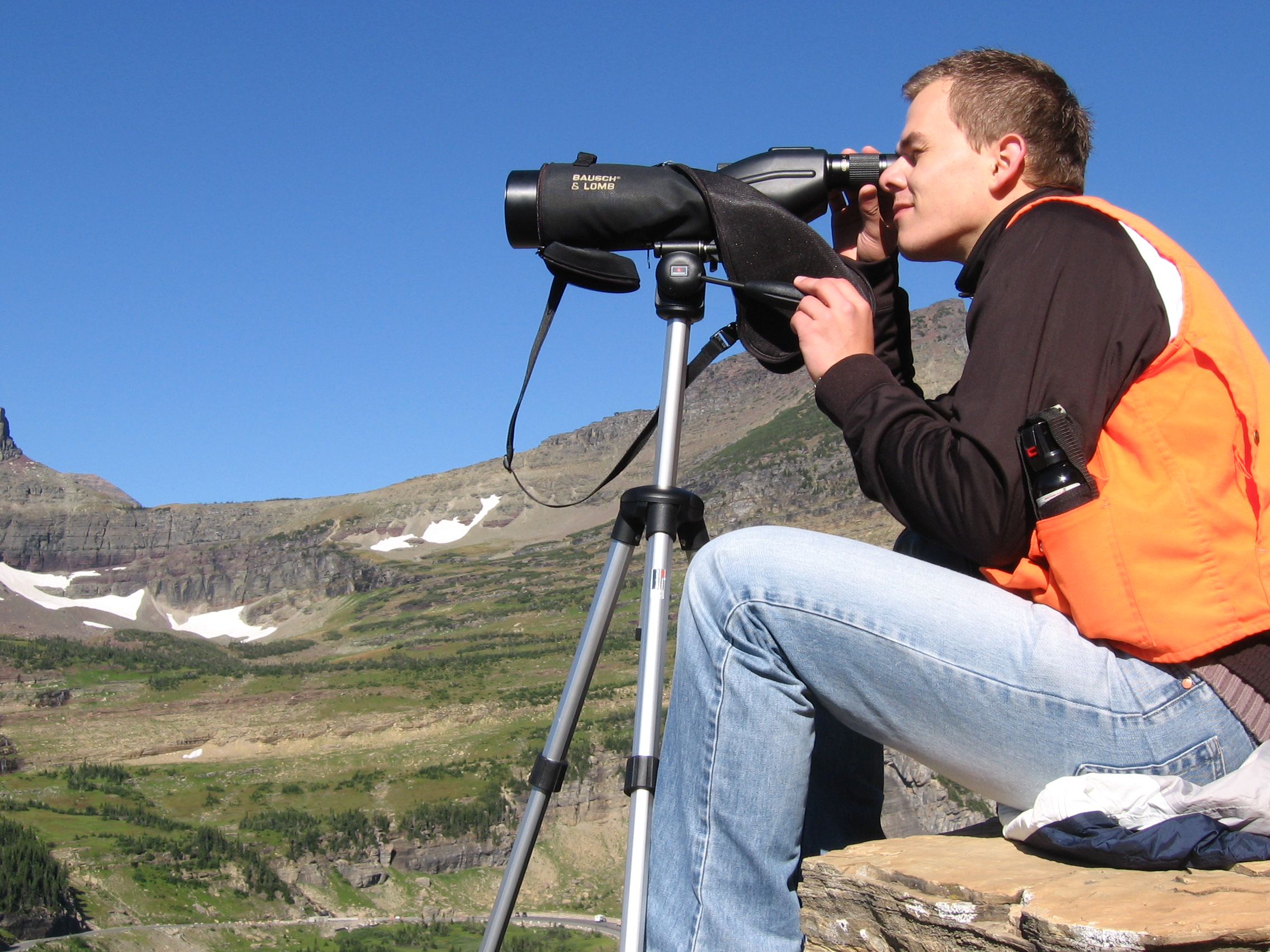
Next-generation conservation tech will raise the ceiling on what volunteers can do: lightweight eDNA kits, edge AI for camera traps, and participatory mapping tools that run on a basic smartphone. The challenge is less the hardware and more the human software – motivating sustained participation, preventing bias in what gets observed, and ensuring data flow back to communities in useful forms. Research already shows that social identity cues and dynamic norm messages can catalyze behavior change; the opportunity is to embed those lessons into apps and campaigns from day one. Expect to see -matching on-ramps – leader, caretaker, innovator – baked into sign-up flows, so people land on tasks they’ll stick with. Meanwhile, conservation science will continue validating what works, with meta-analyses guiding investment toward interventions that reliably improve outcomes. If the future belongs to evidence, the bridge to that future belongs to engagement.
Conclusion
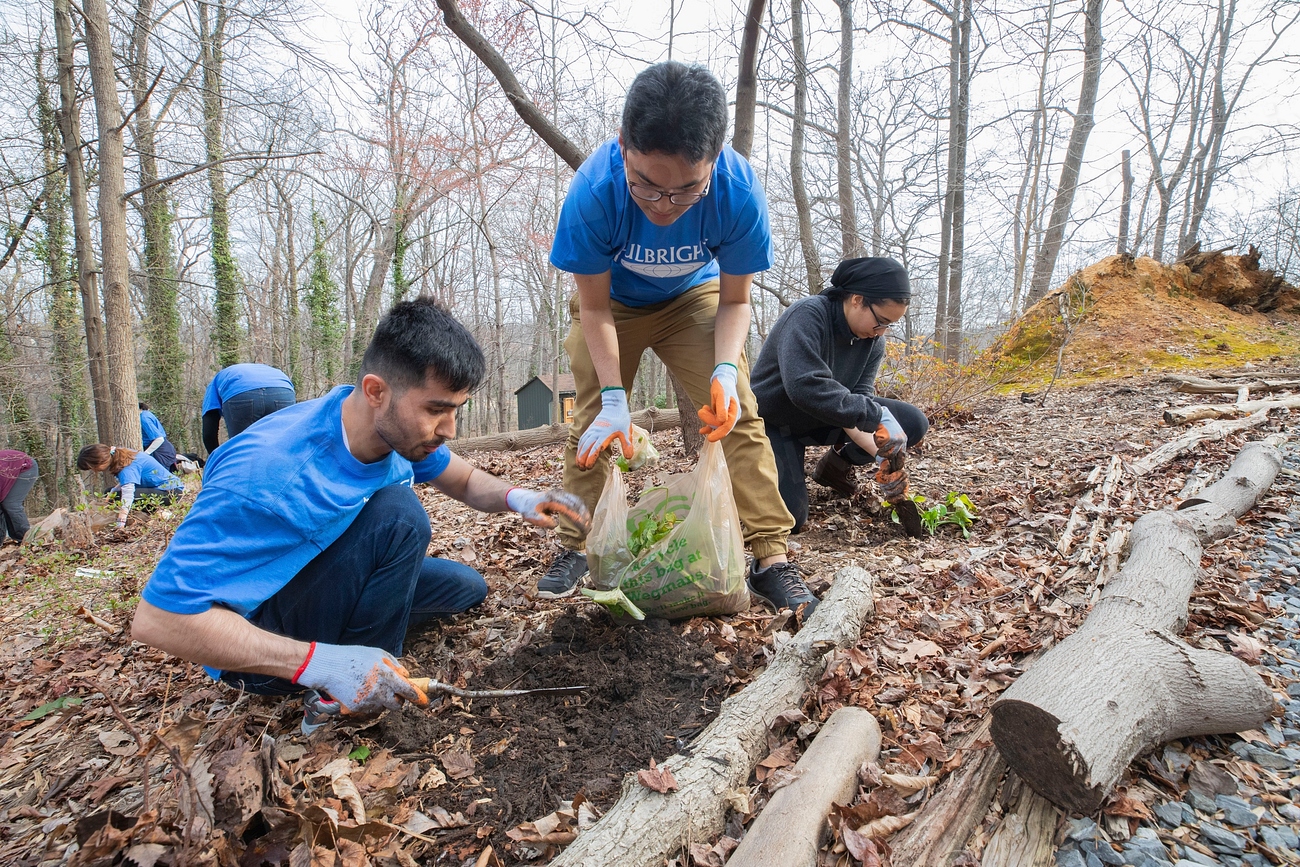
Pick your lane and start this week: if you’re a leader, adopt a trail, host a neighborhood briefing on invasive species, or coordinate a turtle patrol roster; if you’re a caretaker, join a native plant nursery shift or water a new urban forest plot; if you’re an innovator, train on a citizen science platform and help clean up local datasets. Keep it simple and regular – one hour, same time, every week – because continuity beats intensity in conservation. Sign up for alerts from your nearest land trust or wildlife refuge, and volunteer for the unglamorous tasks others avoid. Bring a friend who matches a different archetype to diversify your team’s strengths. Finally, close the loop: report your data, share your results with your community, and nudge your city council toward science-backed actions. The planet doesn’t need perfect heroes; it needs reliable neighbors showing up as themselves.
Suhail Ahmed is a passionate digital professional and nature enthusiast with over 8 years of experience in content strategy, SEO, web development, and digital operations. Alongside his freelance journey, Suhail actively contributes to nature and wildlife platforms like Discover Wildlife, where he channels his curiosity for the planet into engaging, educational storytelling.
With a strong background in managing digital ecosystems — from ecommerce stores and WordPress websites to social media and automation — Suhail merges technical precision with creative insight. His content reflects a rare balance: SEO-friendly yet deeply human, data-informed yet emotionally resonant.
Driven by a love for discovery and storytelling, Suhail believes in using digital platforms to amplify causes that matter — especially those protecting Earth’s biodiversity and inspiring sustainable living. Whether he’s managing online projects or crafting wildlife content, his goal remains the same: to inform, inspire, and leave a positive digital footprint.