
You’ve probably walked into a room, caught a faint whiff of a particular perfume, and suddenly felt an emotion you couldn’t quite name. No memory popped up. No image flashed before your eyes. Yet something shifted inside you, quietly and completely on its own. That’s not magic. That’s your unconscious memory doing exactly what it was built to do.
Most people think of memory as something deliberate. You try to recall a name, a date, a face. You either remember it or you don’t. But the truth is far more extraordinary. A massive portion of what your brain stores, processes, and retrieves every single day happens entirely without your knowledge. It’s like discovering there’s a second library inside your head that you’ve never visited but have been borrowing from your entire life.
Science has been pulling back the curtain on this hidden world for decades, and what researchers are finding is genuinely jaw-dropping. So let’s dive in.
The Two Memory Systems You Didn’t Know You Had
Here’s the thing most people never learn in school: your brain doesn’t run on a single memory system. The idea that memory is a single mental faculty has a long history, but it is now clear that there are different kinds of memory, which are supported by different brain systems. Think of it like having two entirely different hard drives in your computer, each storing a different type of file, each accessed in a completely different way.
Long-term memory can be separated into declarative, or explicit, memory and a collection of nondeclarative, or implicit, forms of memory that include habits, skills, priming, and simple forms of conditioning. Explicit memory is the kind you’re aware of using. Implicit memory is the kind that operates entirely in the background, quietly running the show while you go about your day thinking you’re in control. Honestly, the gap between the two is more dramatic than most of us would ever guess.
What Is Implicit Memory and Why Does It Matter So Much?
Implicit memory is unconscious recall, like skills and habits, such as riding a bike, while explicit memory is conscious recall of facts and events, like remembering a birthday. Your implicit memory is working right now as your fingers type, as your eyes scan this page, as your body shifts naturally in your chair without a single conscious instruction from you. It’s the silent engine underneath everything you do.
Explicit memory fades in the absence of recall, while implicit memory is more robust and may last a lifetime, even without further practice. That’s a remarkable and underappreciated fact. Your unconscious memory is, in many ways, more durable and reliable than the memory you actually try to use. It doesn’t need rehearsal. It doesn’t need reminders. It just persists, quietly and completely, often for decades.
The Brain Structures Behind Your Hidden Memory
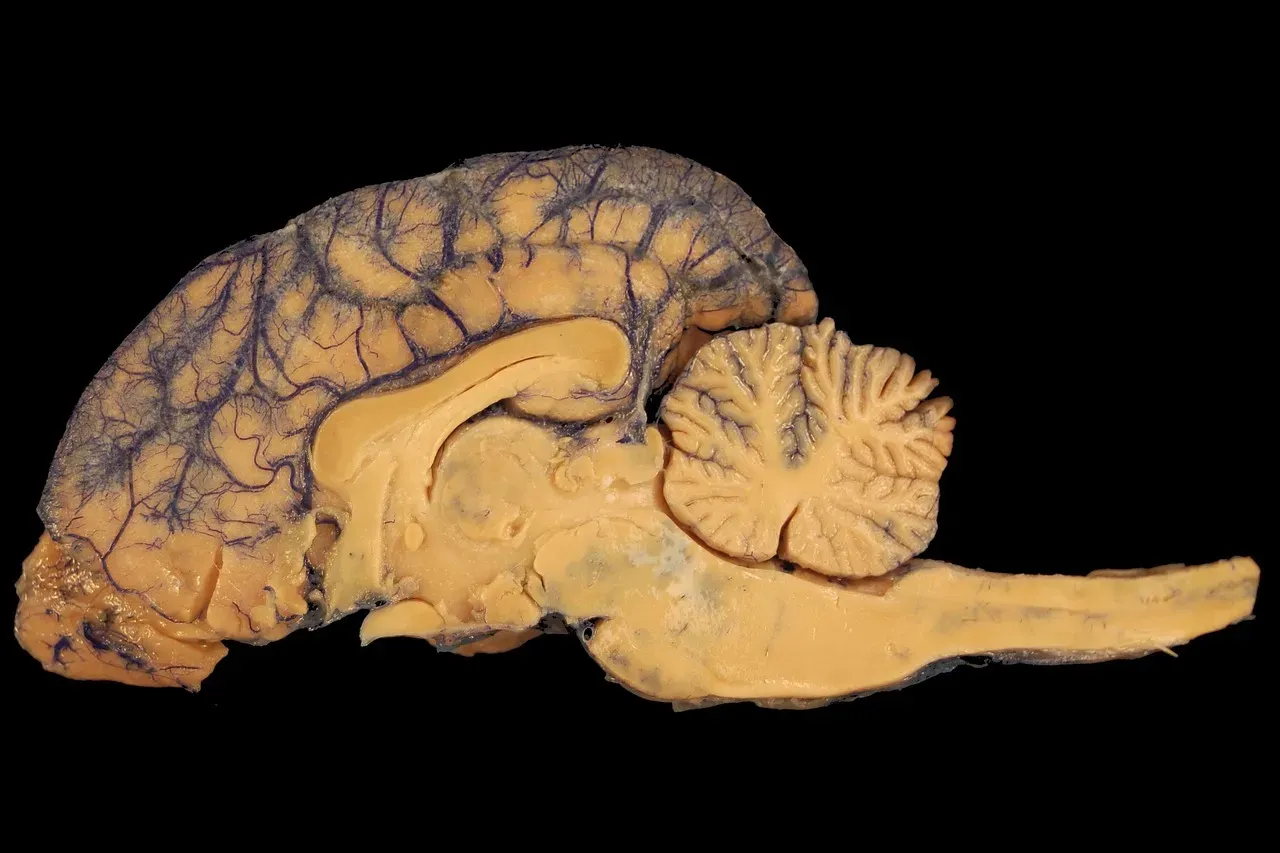
The two major brain regions implicated in implicit memory include the basal ganglia, a structure located deep within the brain that is involved in a wide range of processes such as habit formation, and the cerebellum, located at the rear of the brain and involved in fine motor control. These structures sit far below the thinking, reasoning parts of your brain. They don’t need your cortex’s permission to do their job. In a very real sense, they work around you.
The amygdala, hippocampus, and hypothalamus are responsible for processing emotions, forming memories, and regulating basic drives such as hunger and thirst. The amygdala, in particular, plays a vital role in unconscious emotional responses, rapidly assessing potential threats and triggering the fight-or-flight response before you’re even consciously aware of danger. So when your gut tells you something feels wrong before your brain can reason it out, that’s not intuition in some mystical sense. That’s your amygdala and basal ganglia doing their jobs with ruthless efficiency, just below the threshold of your awareness.
How Your Brain Remembers Without You Knowing It
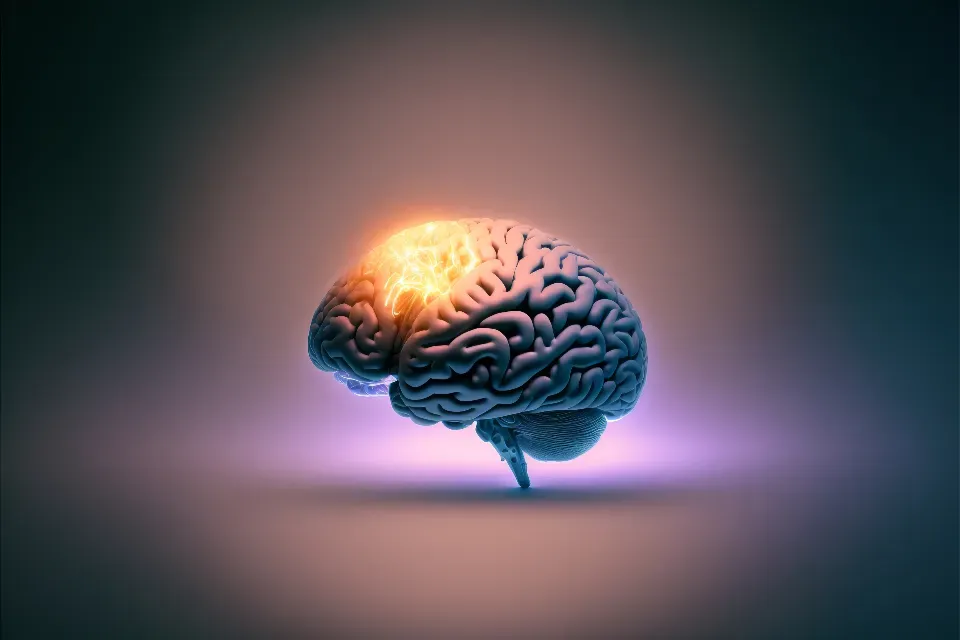
Research provides strong support for the idea that the hippocampus can process relational memories without a person being aware of it. Scientists demonstrated this through a fascinating experiment involving face-and-scene pairings. When subjects’ eyes focused on the correct match, the hippocampus and related memory areas in the medial temporal lobe lit up. Even if subjects picked the wrong face, the hippocampus was still more active when they stared at the correct face. Your brain knew the right answer before you did. Let that sink in for a moment.
Because the level of prefrontal cortex activity mirrored hippocampus activity during correct matches, scientists believe that interactions between the two regions may be necessary to make you aware of connections the hippocampus has recalled. So your hippocampus may have made the connection, but the prefrontal cortex must get involved for you to realize it. Think of memory retrieval like a two-stage rocket. The first stage fires in the dark. You only experience the second stage. Most of the work is invisible.
The Priming Effect: How Hidden Memories Shape Your Behavior
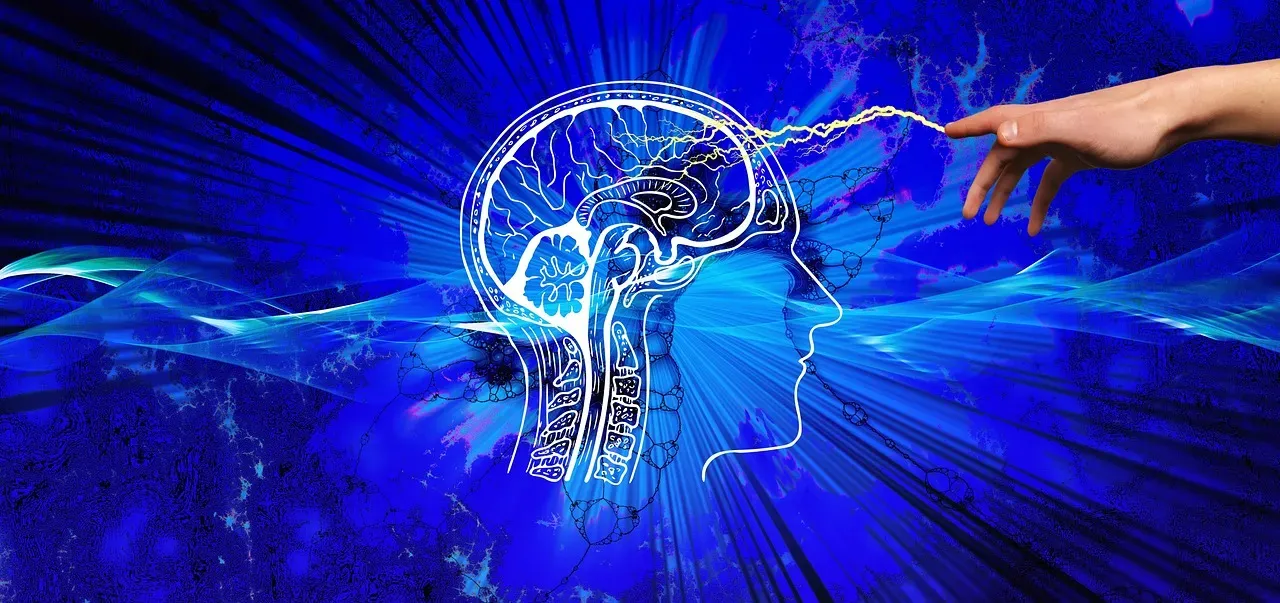
Priming is a concept in psychology and psycholinguistics to describe how exposure to one stimulus may influence a response to a subsequent stimulus, without conscious guidance or intention. It’s one of the most quietly powerful forces in your daily life. You encounter a word, an image, a smell, and your brain begins adjusting your thinking and behavior without sending you any notification about it whatsoever.
The implications of this are genuinely startling. Subjects were implicitly primed with words related to the stereotype of elderly people. While the words did not explicitly mention speed or slowness, those who were primed with these words walked more slowly upon exiting the testing booth than those who were primed with neutral stimuli. Similar effects were found with rude and polite stimuli. Your unconscious memory doesn’t just store the past. It actively shapes your present actions in ways you never see coming.
While You Sleep, Your Brain Is Secretly Working

I know it sounds almost too convenient, but sleep is not just downtime for your brain. It’s actually when some of the most important memory processing happens. Researchers have discovered that the information you learn while conscious is actually refined in your sleep, and they found that the unconscious state is a crucial aspect of consolidating memories. What you experience during the day gets processed, sorted, and stored while you rest.
Many theories of memory formation and consolidation have posited that the hippocampus stores new information, then teaches this information to the neocortex over time, especially during sleep. It’s an elegant biological system. At certain times during deep sleep, certain parts of the hippocampus go silent, allowing those neurons to reset, making room for new learning the following day. Skimping on sleep, then, isn’t just leaving you tired. It’s actively interfering with your brain’s unconscious filing system.
Unconscious Memory, Trauma, and Hidden Emotional Wounds

Researchers have identified a unique brain mechanism used to store and retrieve unconscious memories. For many people who suffered childhood abuse or neglect, unconscious memories are buried deep within subcortical brain regions and can’t be accessed consciously. This is a deeply important insight. Some of the most powerful forces shaping your emotional responses and behavior may originate from memories you have no conscious access to whatsoever.
Researchers believe this process is a neural defense mechanism designed to protect the psyche of an individual from being incapacitated by fear-inducing memories. However, if suppressed memories aren’t coaxed out of hiding and brought to the surface, they often lead to debilitating psychological problems, such as anxiety, depression, PTSD, or dissociative disorders. This is part of why talk therapy or trauma-focused approaches can take time. You are, in a very literal sense, trying to access files stored in a format your conscious mind wasn’t designed to read on its own.
What Unconscious Memory Means for Your Daily Life
The unconscious mind is not a shadowy underworld of secrets, but an essential, vibrant part of who you are. It is the silent architect of perception, emotion, memory, and behavior. Understanding this changes how you might think about habits, decisions, and even the persistent feelings you can’t quite explain. That odd reluctance you feel in certain situations? The way you instantly click with some people and pull back from others? A lot of that is your implicit memory guiding the ship.
Implicit memories arise as a natural consequence of such everyday activities as perceiving, understanding, and acting. You build unconscious memories constantly, whether you intend to or not. Every environment you walk through, every person you interact with, every emotion you experience while learning something new is laying down traces in a memory system that will influence you long after the moment has passed. The subtle and often unconscious nature of priming effects suggests that much of your cognitive processing occurs without your awareness. That isn’t a flaw in your brain’s design. It’s arguably its greatest feature.
Conclusion
Your brain is doing something extraordinary at this very moment, and it has nothing to do with the thoughts you’re consciously aware of. Somewhere beneath the surface, it’s filing, sorting, reinforcing, and retrieving memories you never deliberately stored. It’s using those memories to shape how you move, how you feel, and how you make decisions, all without asking for your permission or input.
The science of unconscious memory isn’t just fascinating trivia. It’s a lens that can help you understand why you are the way you are. Why some habits feel impossible to break, why certain smells stop you cold, why you sometimes just know something without knowing how you know it. Your brain has been doing this work since the day you were born, quietly and brilliantly, in the background of everything.
The next time you do something automatically, something that seems effortless and almost magical, remember that it took years of silent, invisible learning to get there. Your unconscious memory built that. And it’s building more right now. What part of your life do you think your hidden memory has shaped the most?