
You probably think of your body as something static, something that wears down over time like an old machine gathering rust. But here is the truth: underneath your skin, a breathtaking biological revolution is happening every single second. Your cells are dividing, rebuilding, and replacing themselves in ways that would honestly feel more like science fiction than reality.
The human body is not just surviving. It is constantly renewing, and science is only now beginning to fully grasp how extraordinary that process truly is. From organs that can grow back after major surgery, to stem cells quietly standing guard in your tissues like sentinels waiting for disaster, what your body does naturally is nothing short of astonishing. So let’s dive in.
Your Body Is Literally Replacing Itself Right Now
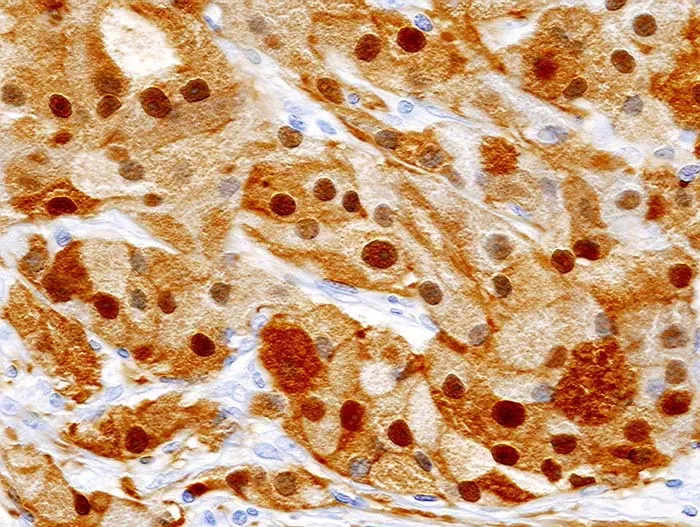
Most people have heard the popular claim that your body replaces itself every seven years. Honestly, it’s a bit of an oversimplification, but there is real truth buried in there. According to research, your body is made up of nearly 30 trillion human cells, and about 330 billion of those cells are replaced every single day, which works out to roughly one percent of all your body’s cells.
The rate at which cells renew depends entirely on where they are and what they do. Most of your skin and gut are replaced very fast, most likely within months, while liver cells regenerate at a somewhat slower pace, with most liver cells replaced within about three years. Think of it like a fleet of ships. Some vessels get refitted every few weeks. Others stay in service for a decade or more.
The Stunning Truth About Your Skin
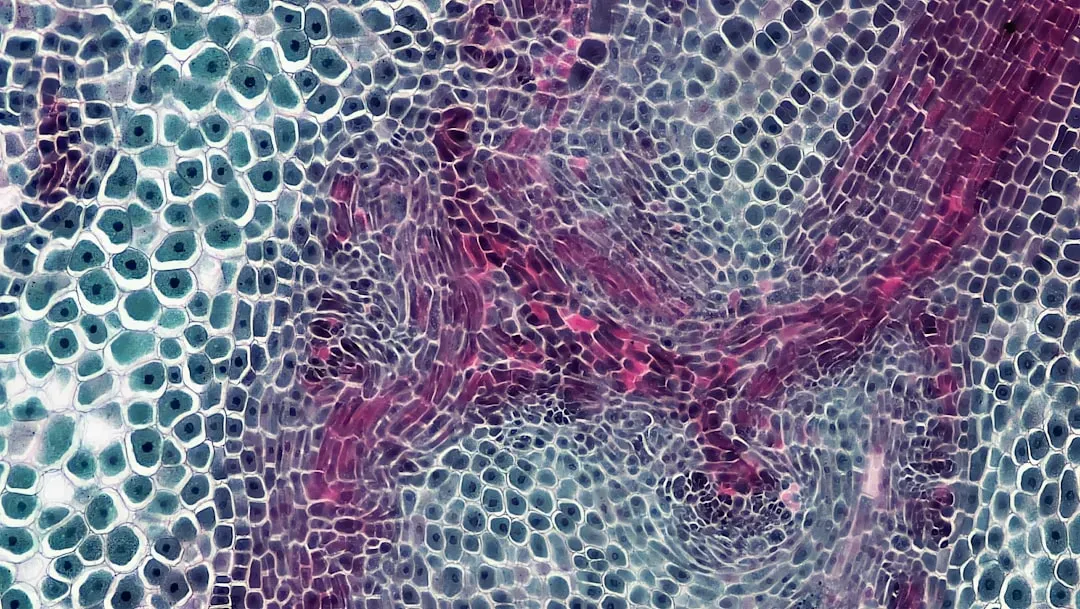
Your skin is doing something remarkable every single moment you are alive, and most of us never stop to appreciate it. Cells that make up your skin are replaced every two to three weeks, and as the main protection against the environment, your skin needs to be in top shape. That means you are essentially wearing a brand-new suit of armor about once a month.
Your skin cells are replaced every few weeks, and you actually lose close to 500 million skin cells every single day. Let that sink in. Half a billion cells, gone and replaced, before you even get to breakfast. While human skin has a limited capacity for true regeneration, fetal skin is actually capable of healing without any scarring, a phenomenon that has prompted extensive research into the mechanisms of scarless healing and its potential application to regenerative therapies in adults.
The Liver: Your Body’s Own Superhero Organ
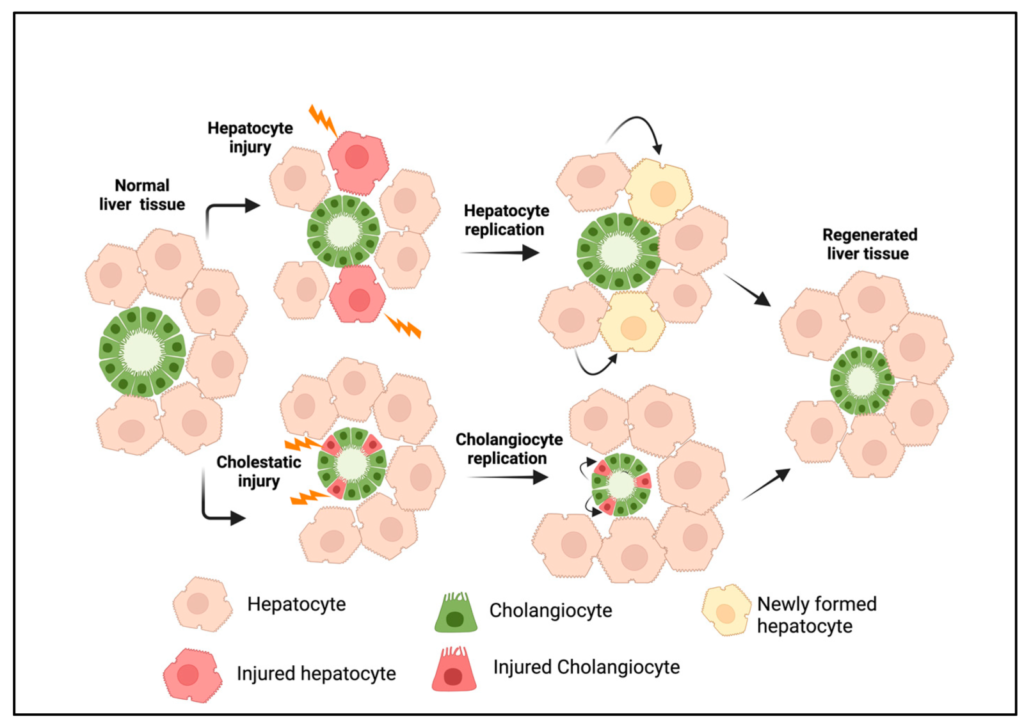
If any organ deserves a standing ovation, it is the liver. I genuinely think it is one of the most underrated organs in the human body. The liver is an underappreciated but dependable organ with superhero-like powers, and it is the only organ in the body to truly regenerate to its prior size. Not partially. Not approximately. Completely.
The liver has been a model of regeneration for decades, and it is well known that mature liver cells can duplicate in response to injury. Even if three-quarters of a liver is surgically removed, duplication alone could return the organ to its normal functioning mass. Surgeons at major medical centers actually plan liver cancer operations around this fact. Many patients who receive liver cancer surgery see their remaining liver tissue grow to be almost as big as what was removed within just one month after surgery, and this is seen even in patients who have had up to 50 percent of their liver removed.
Stem Cells: The Silent Architects of Your Healing
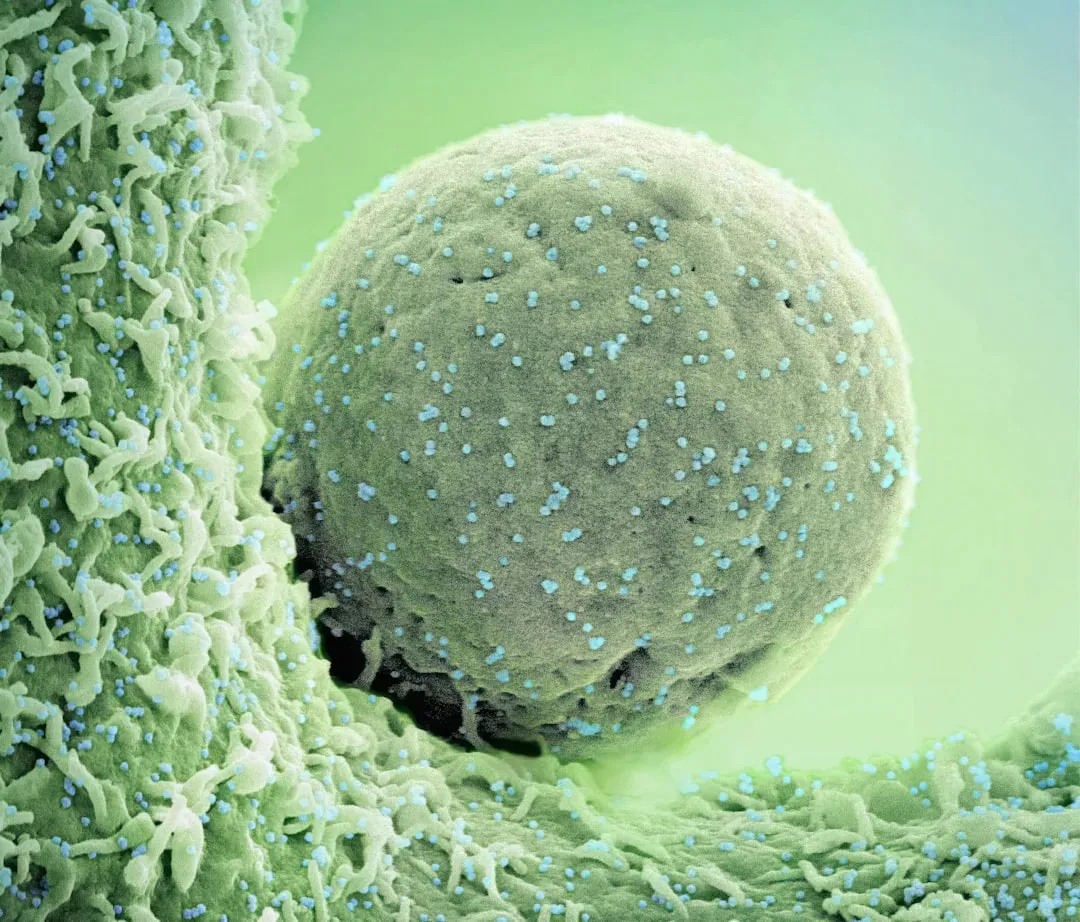
Here is the thing about stem cells: they are quietly running the show. The human body constantly regenerates after damage due to the self-renewing and differentiating properties of its resident stem cells. To recover damaged tissues and regenerate functional organs, scientific research in the field of regenerative medicine is firmly trying to understand the molecular mechanisms through which the regenerative potential of stem cells may be unfolded into clinical application.
Stem cells, often referred to as the body’s “master cells,” have the unique ability to differentiate into various specialized cells, making them indispensable in tissue regeneration. Immune cells such as macrophages and T cells also play a pivotal role by clearing debris and orchestrating the healing process. Together, these cellular players form a dynamic and coordinated system that underpins the remarkable regenerative capacity of the human body. Think of stem cells as an on-call construction crew that can build almost anything from scratch given the right signal.
The Organs That Struggle to Heal Themselves
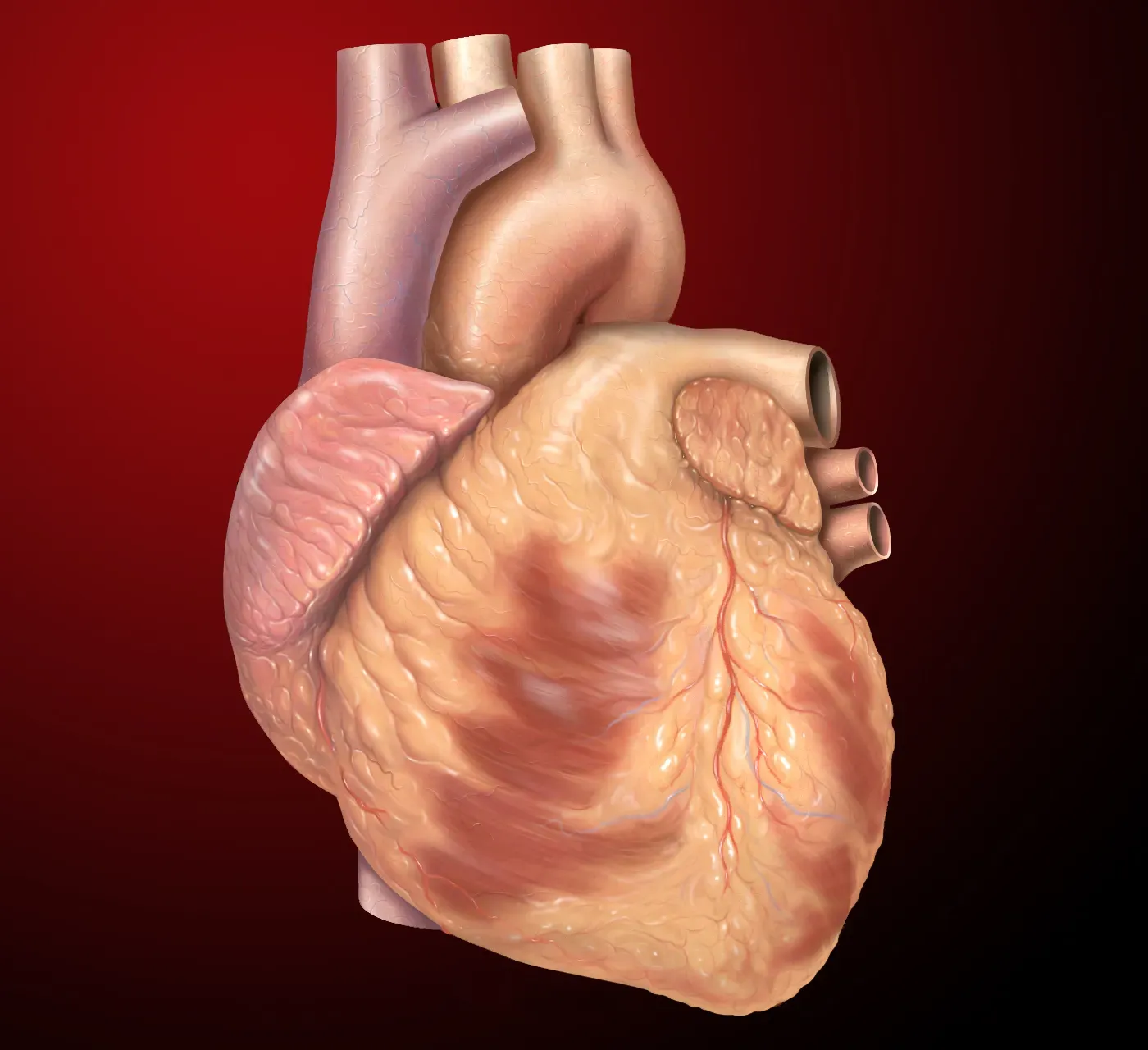
Not every organ got the same memo about regeneration. This is where things get a little sobering. Human organs and tissues have varied capacities for tissue repair that gradually deteriorate with age, and the brain, spinal cord, heart, and joints are among those with the least regenerative capacity. These limitations are partly the cause of conditions such as heart failure and degenerative nerve diseases.
The heart is an organ that simply cannot repair itself. When cardiac tissue is lost during a heart attack, it stays lost. Meanwhile, the human heart renews at a rather low rate, with only about 40 percent of all heart muscle cells exchanged throughout an entire lifetime. It’s hard to say for sure why evolution drew the line there, but scientists are working hard to change that equation through regenerative medicine, particularly by exploring how to create new cardiac cells in a laboratory setting and transplant them into damaged hearts.
What Animals Can Teach Us About Healing
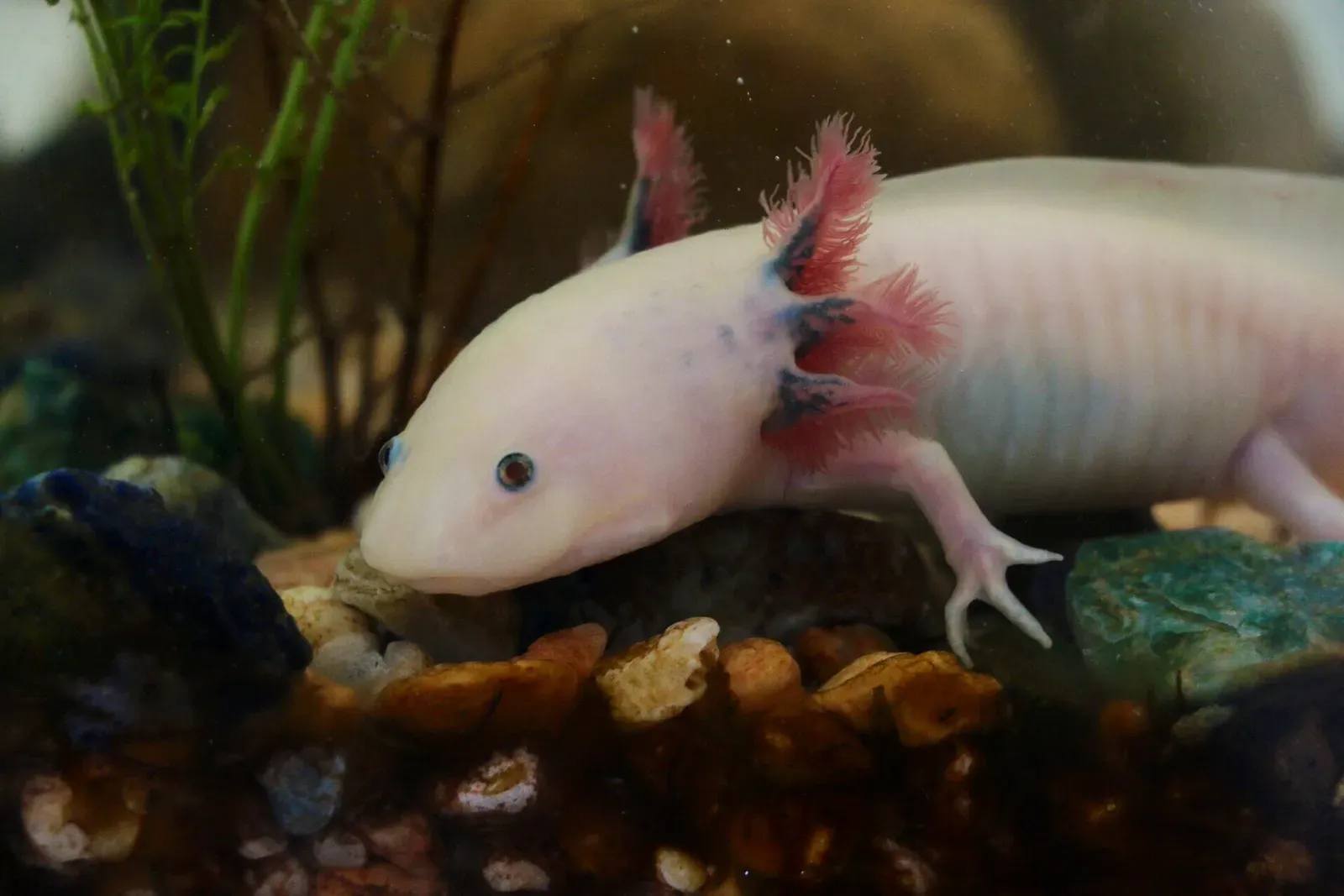
Let’s be real: compared to some creatures in the animal kingdom, humans are not the best healers out there. The Mexican axolotl, for instance, can make self-copies by regenerating a missing limb, tail, or even parts of the brain, heart, and lower jaw. That is not myth. That is actual biology. Meanwhile, we struggle to heal cartilage.
Most research organisms used to study regeneration can regrow body parts that humans simply cannot. The planarian flatworm, for example, can regenerate its entire body from a single small piece of tissue, and the zebrafish can repair significant damage to its heart, fins, pancreas, eyes, brain, and spinal cord. Studying these creatures is not just fascinating biology trivia. Recent technological advances in genomics, molecular biology, computer science, bioengineering, and stem cell research hold real promise to provide new experimental evidence for how different organisms accomplish the process of regeneration.
The Future: Regenerative Medicine and What Science Is Building
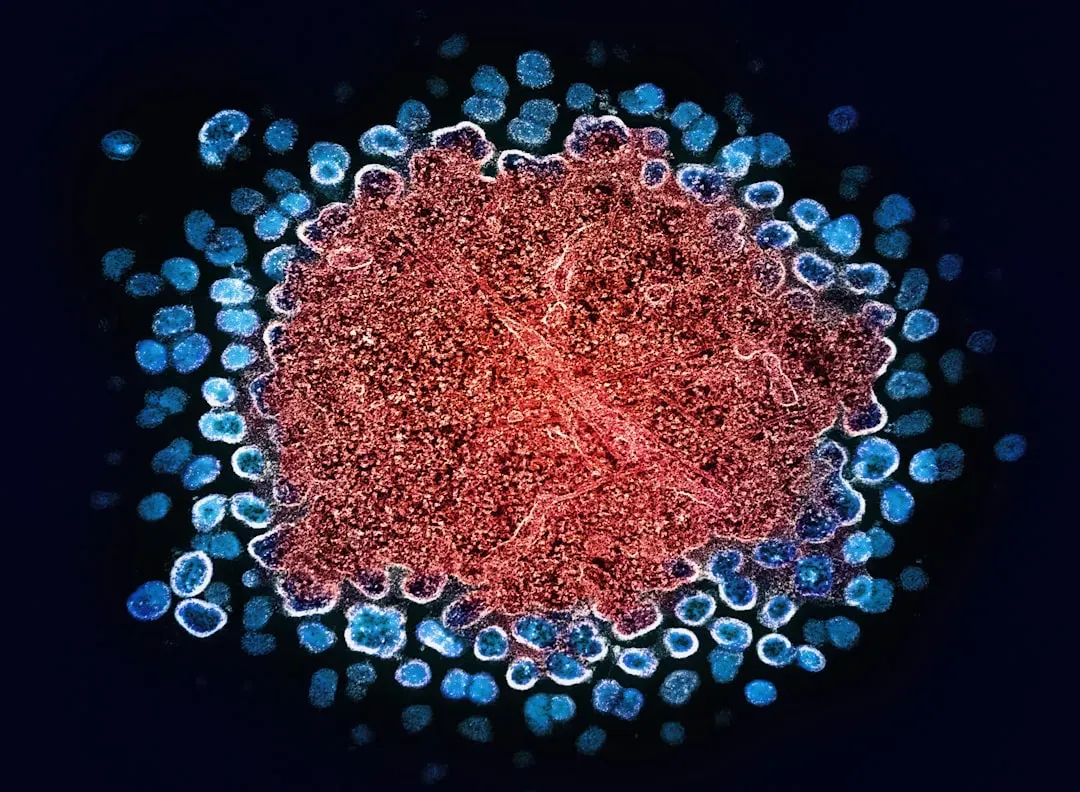
![The Future: Regenerative Medicine and What Science Is Building (By [<a href="https://www.amaskincare.com/about/alice-pien-md-medical-director/">Alice Pien, MD</a>], CC BY-SA 4.0)](https://nvmwebsites-budwg5g9avh3epea.z03.azurefd.net/dws/f77dd2674194d6c87141044af500e059.webp)
The most exciting chapter in human healing has barely begun. To fight aging, injury, and disease, researchers are imagining ways to restore function at the deepest cellular level. This is not wishful thinking. The infrastructure of regenerative medicine is already being built, tested, and in some cases, already used on real patients. In 1999, the bladder became the first regenerated organ to be given to seven patients, and as of 2014, those regenerated bladders are still functioning inside the beneficiaries.
Stem cell therapy, also known as regenerative medicine, promotes the repair response of diseased, dysfunctional, or injured tissue using stem cells or their derivatives. It is the next chapter in organ transplantation and uses cells instead of donor organs, which are limited in supply. Beyond that, scientists have even found ways to reprogram ordinary adult cells. Scientists have transformed regular adult cells into stem cells using genetic reprogramming. By altering the genes in the adult cells, researchers can make the cells act similarly to embryonic stem cells, and these cells are called induced pluripotent stem cells, or iPSCs. Frankly, that is one of the most jaw-dropping scientific leaps of the modern era.
Conclusion: Your Body Is More Capable Than You Think
The science of regeneration tells us something deeply important: your body is not just passively surviving the wear and tear of life. It is actively, brilliantly, and ceaselessly working to rebuild and restore itself. From the skin cells you shed and renew every few weeks, to the liver that can rebuild itself after major surgery, to the stem cells quietly waiting to respond to damage – you are walking around in one of the most sophisticated self-repair systems ever to exist.
Still, the body has its limits. Some organs heal poorly. Some damage is permanent. That is precisely why the field of regenerative medicine is so important right now, pouring energy into bridging the gap between what your body can do naturally and what science might one day help it do. The research is accelerating, the breakthroughs are coming, and the future of human healing is more hopeful than ever.
What surprises you most about your body’s ability to heal itself? You might never look at a small cut or a sore muscle the same way again.