
Deep beneath the ocean’s surface, where sunlight never penetrates and pressure could crush a human in seconds, lives one of nature’s most ruthless predators. At first glance, you might mistake it for an ordinary marine worm, but look closer and you’ll witness something that seems pulled straight from a science fiction horror film. This creature doesn’t just hunt – it launches a biological harpoon from its face with lightning speed, impaling its prey before they even know what hit them.
Meet the Ribbon Worm: Nature’s Living Harpoon Gun
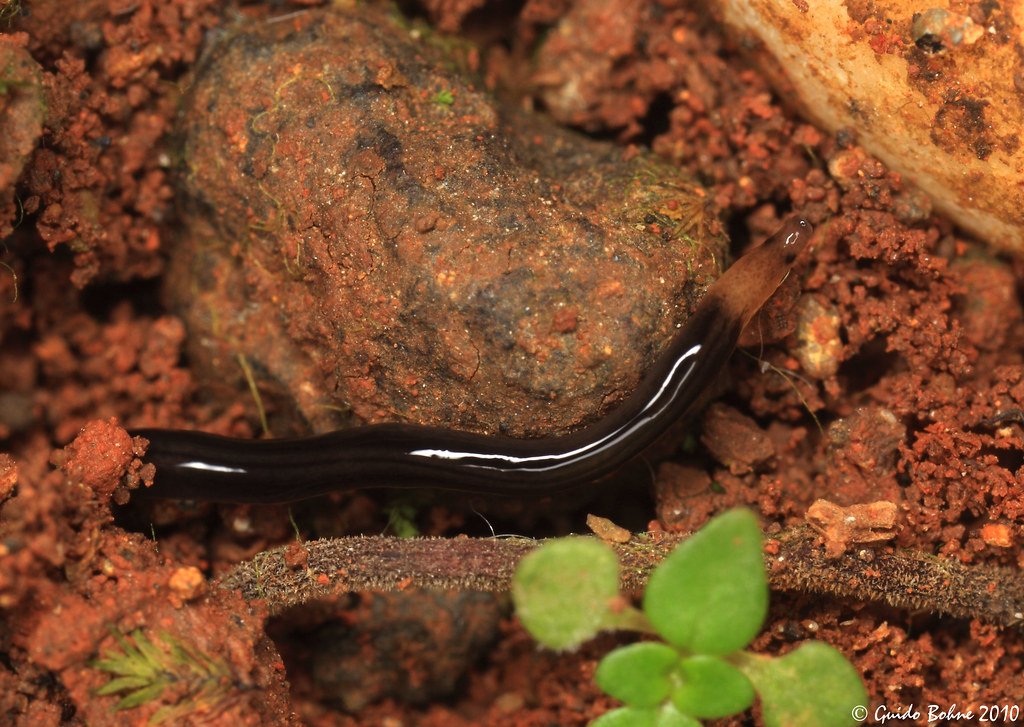
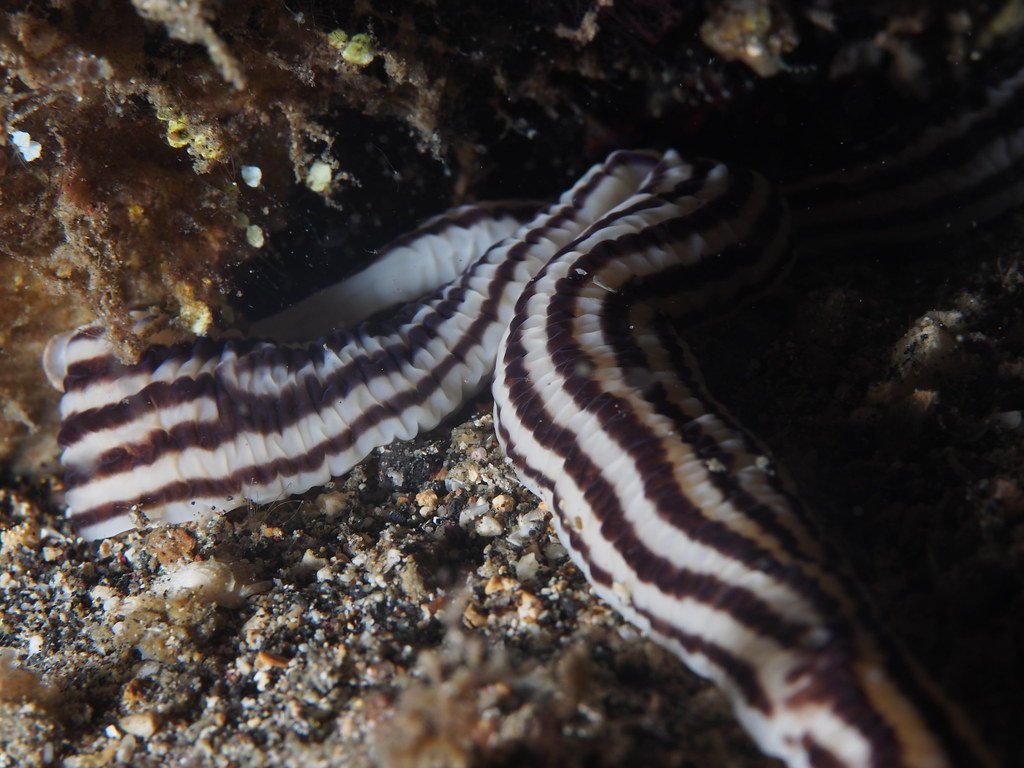
The ribbon worm, scientifically known as a nemertean, represents one of evolution’s most ingenious killing machines disguised as a humble invertebrate. These marine predators have perfected the art of projectile hunting over millions of years, developing a weapon system that would make military engineers jealous. Their most striking feature isn’t visible until the moment they strike – a retractable proboscis that shoots out like a biological bullet.
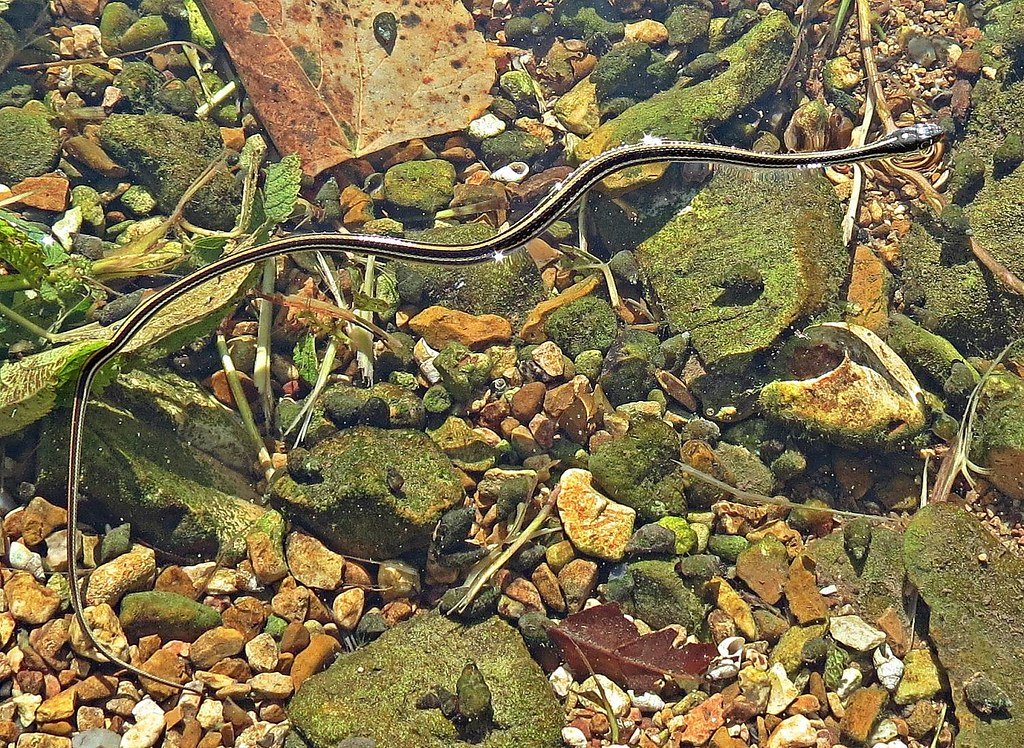
What makes this even more incredible is the sheer diversity of these creatures. Scientists have identified over 1,200 species of ribbon worms worldwide, each with their own specialized hunting techniques. Some species can grow to impressive lengths of up to 30 feet, making them among the longest animals on Earth.
The Anatomy of a Living Weapon System
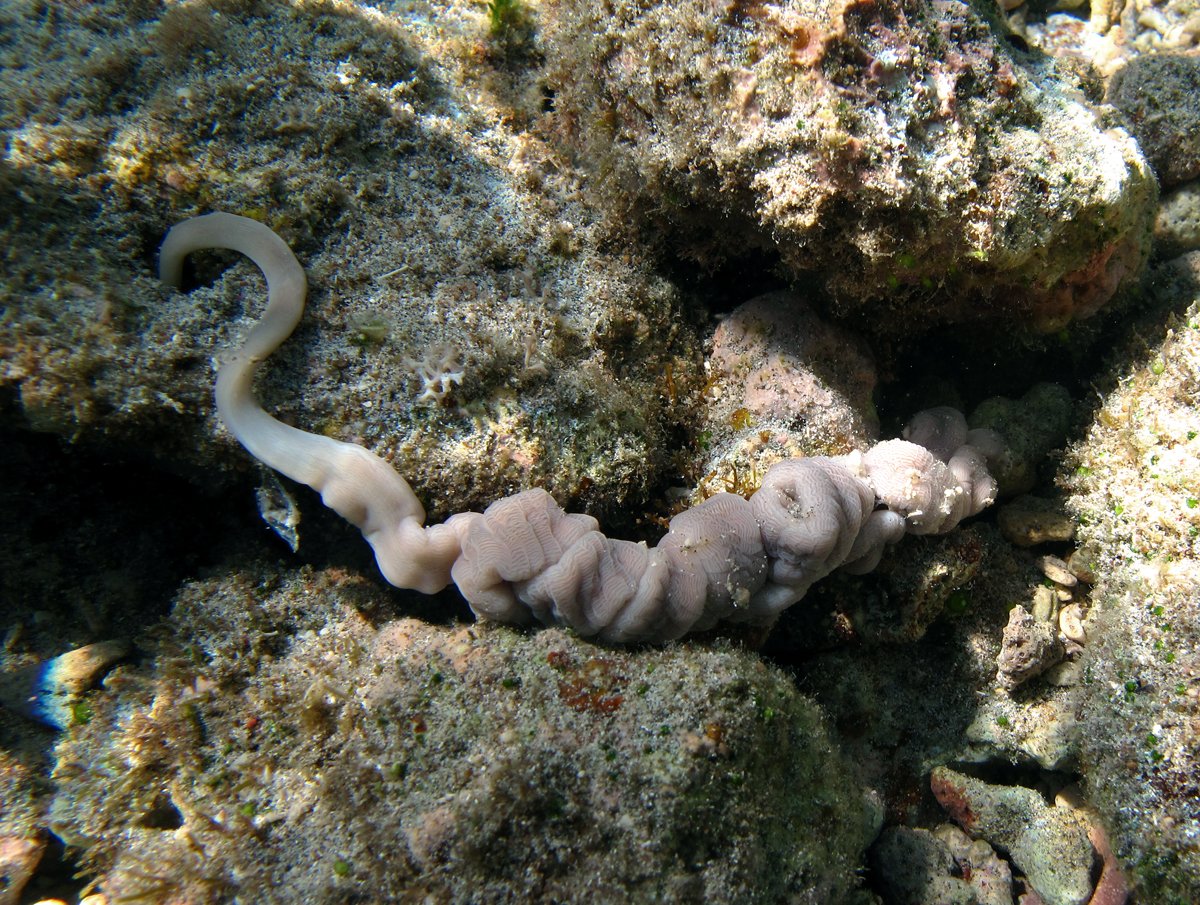
The ribbon worm’s proboscis isn’t just a simple tube – it’s a sophisticated multi-component weapon system that puts human engineering to shame. This retractable organ contains specialized cells called nematocysts, which function like microscopic harpoons tipped with potent toxins. When extended, the proboscis can stretch to lengths that exceed the worm’s own body size by several times.
The entire mechanism operates through hydraulic pressure, similar to how a hydraulic jack lifts a car. The worm rapidly contracts muscles around a fluid-filled cavity, shooting the proboscis outward with explosive force. This biological hydraulic system generates pressures that rival those found in high-performance machinery.
Lightning Fast Strike: Faster Than the Blink of an Eye
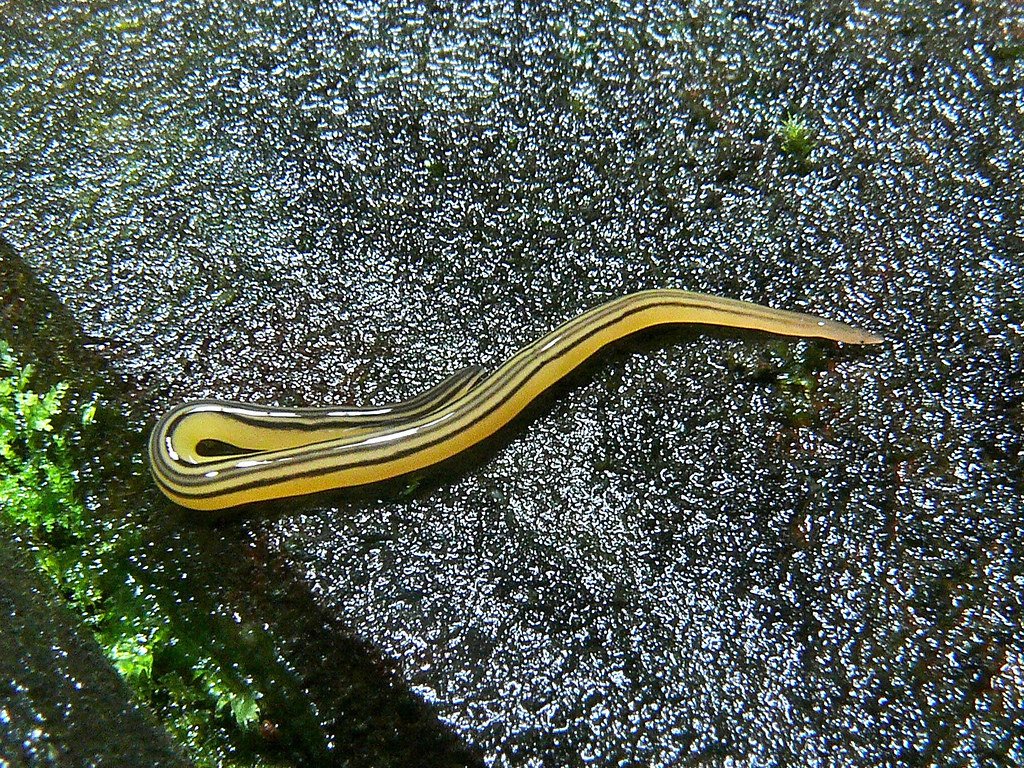
When a ribbon worm detects prey, it doesn’t hesitate – it strikes with lightning speed that defies human perception. High-speed cameras have revealed that these creatures can extend their proboscis in just milliseconds, faster than most humans can even register the movement. The strike happens so quickly that prey animals often have no time to react or escape.
This incredible speed comes from the explosive release of stored hydraulic pressure, similar to how a compressed spring suddenly releases its energy. The force generated is so intense that it can pierce through the tough shells of crustaceans and the scaled skin of fish with ease.
Chemical Warfare: The Toxic Arsenal
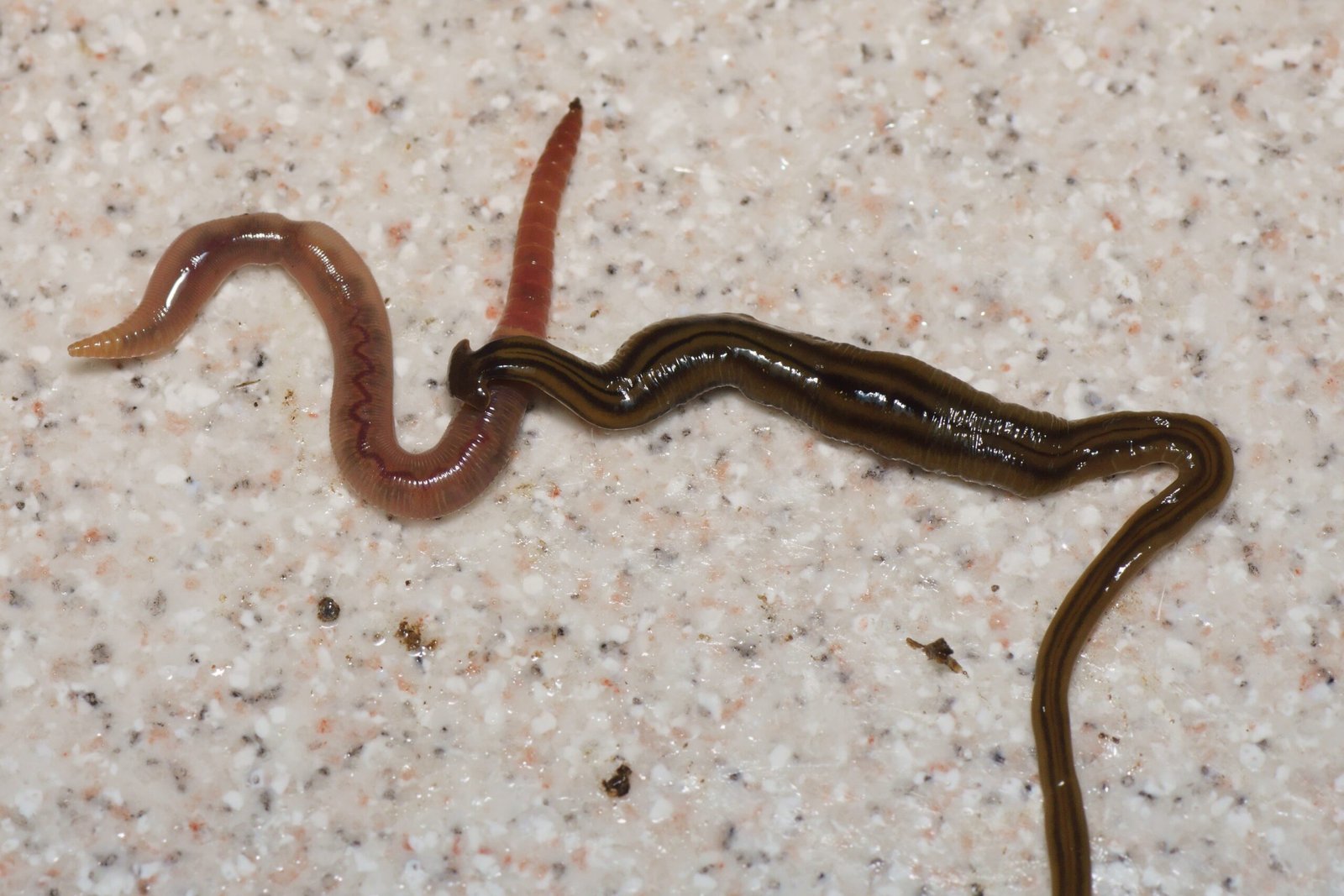
The physical impact of the proboscis is just the beginning of the ribbon worm’s assault. Many species inject their victims with a cocktail of neurotoxins and enzymes that paralyze and begin digesting the prey from the inside out. These toxins are so potent that they can immobilize creatures much larger than the worm itself within seconds.
Different species have evolved unique toxic compounds tailored to their preferred prey. Some produce toxins that specifically target the nervous systems of fish, while others have developed chemicals that break down the shells of mollusks. This chemical specialization represents millions of years of evolutionary arms race between predator and prey.
Masters of Disguise: Hiding in Plain Sight

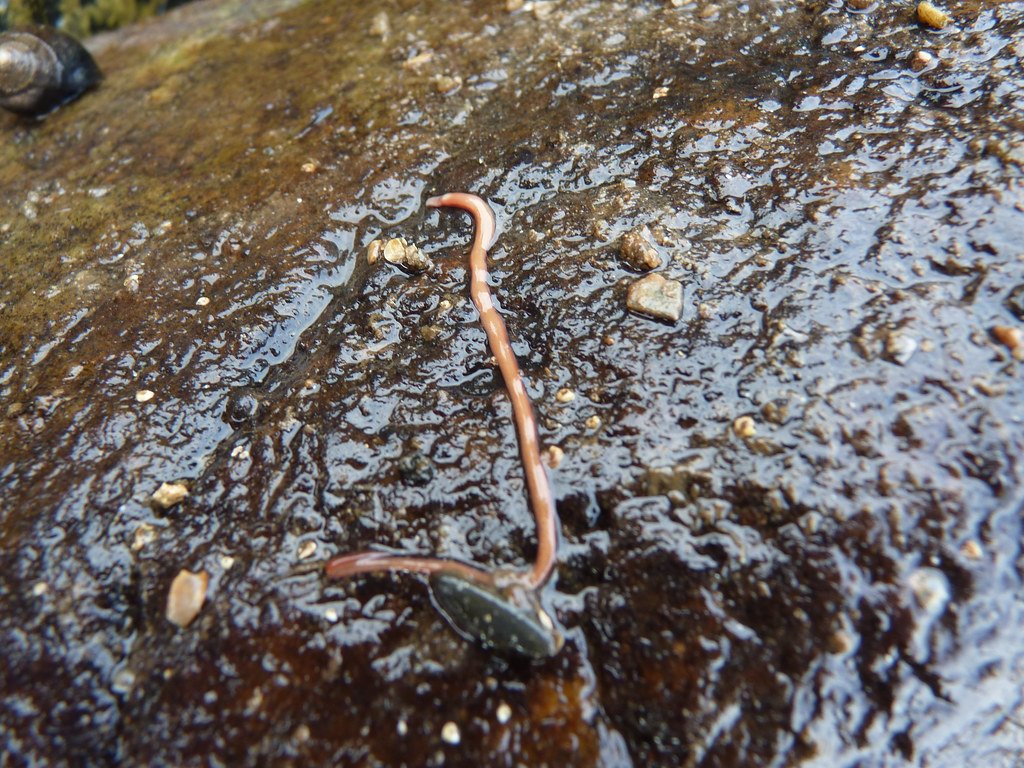
Ribbon worms are masters of camouflage, often appearing as nothing more than colorful strips of seaweed or debris on the ocean floor. Their flattened, ribbon-like bodies can compress to paper-thin dimensions, allowing them to squeeze into the tiniest crevices between rocks and coral formations. This remarkable flexibility makes them nearly impossible to spot until they reveal their deadly secret.
Many species can also change their coloration to match their surroundings, much like chameleons on land. This adaptive camouflage system helps them avoid both predators and alert prey, making them incredibly effective ambush hunters in their marine environment.
Size Matters: From Microscopic to Massive

The diversity in ribbon worm sizes is absolutely staggering, ranging from microscopic species barely visible to the naked eye to giants that could wrap around a small car. The largest recorded specimen, a bootlace worm found in the North Sea, measured an incredible 180 feet in length when fully extended. Imagine encountering something that long lurking beneath the waves!
Smaller species, measuring just a few millimeters, specialize in hunting tiny organisms like copepods and marine larvae. These miniature predators are just as deadly as their larger cousins, proving that in the world of ribbon worms, size doesn’t determine lethality – it’s all about precision and speed.
Deep Sea Specialists: Thriving Where Others Can’t

While many ribbon worms inhabit shallow coastal waters, some species have adapted to life in the crushing depths of the deep ocean. These deep-sea specialists face pressures that would instantly kill surface-dwelling creatures, yet they thrive in this harsh environment. Their bodies have evolved special adaptations to prevent collapse under extreme pressure.
Deep-sea ribbon worms often display bioluminescence, creating their own light in the perpetual darkness of the abyss. This natural lighting system serves multiple purposes – attracting prey, confusing predators, and communicating with potential mates in the vast emptiness of the deep ocean.
Regeneration Superpowers: The Ultimate Survival Tool

Perhaps one of the most remarkable abilities of ribbon worms is their incredible regenerative power. If cut into pieces, many species can regenerate complete new individuals from each fragment, essentially achieving a form of biological immortality. This superpower makes them nearly indestructible and explains their success across diverse marine environments.
Some species can regenerate their entire proboscis weapon system if it becomes damaged during hunting. This ability to regrow their primary hunting tool ensures they’re never left defenseless for long, maintaining their status as apex predators in their microscopic world.
Ancient Hunters: A 500-Million-Year Success Story
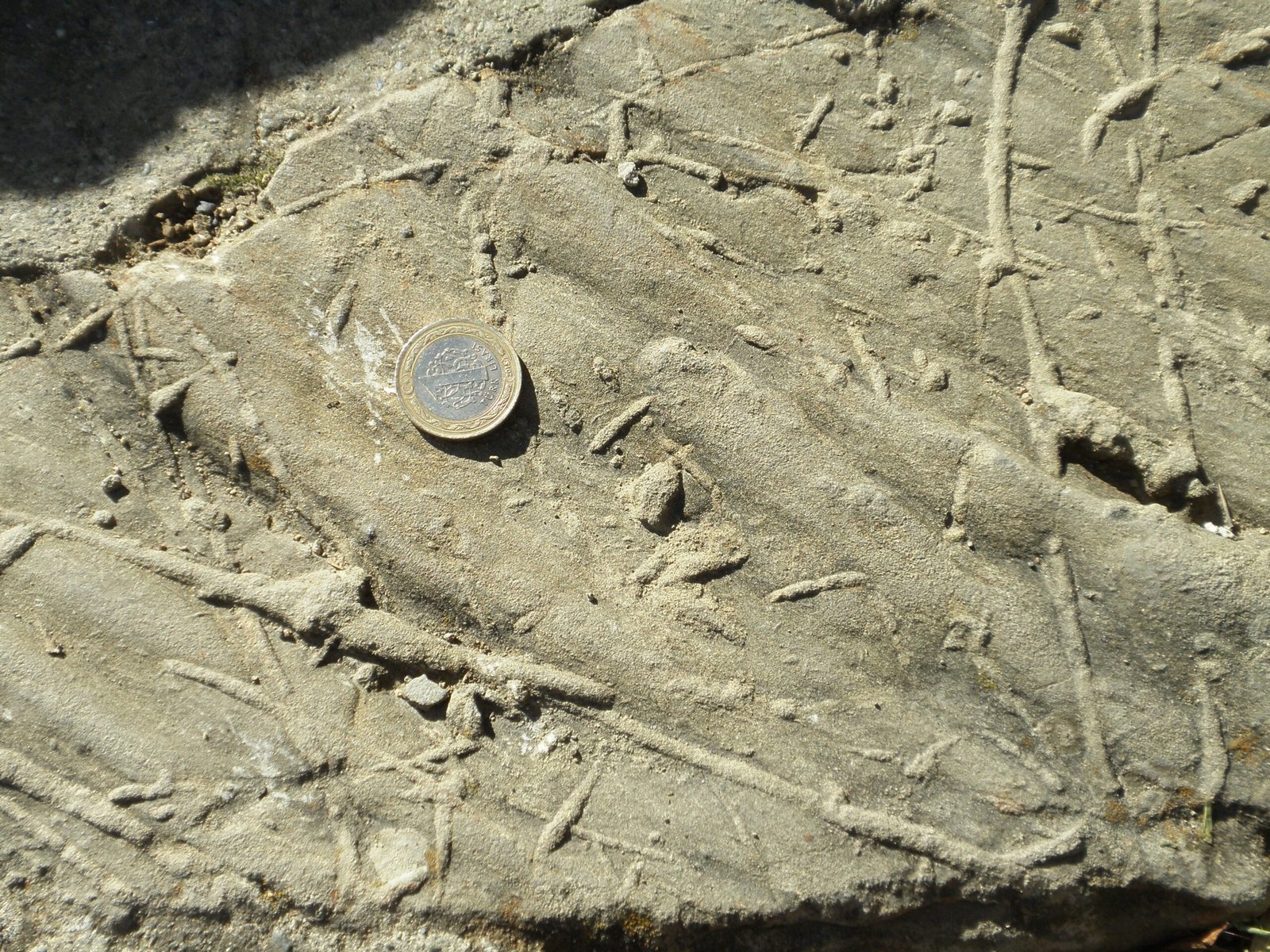
Fossil evidence suggests that ribbon worms have been perfecting their deadly craft for over 500 million years, making them some of the most ancient and successful predators on Earth. They’ve survived multiple mass extinction events that wiped out countless other species, proving the effectiveness of their unique hunting strategy.
Their evolutionary success story demonstrates how specialized adaptations can provide incredible survival advantages. While other marine creatures evolved complex eyes, powerful jaws, or armor-like shells, ribbon worms focused on perfecting their harpoon system – and it worked brilliantly.
Ecological Impact: Small Predators, Big Influence

Despite their often small size, ribbon worms play crucial roles in marine ecosystems as both predators and prey. They help control populations of smaller marine organisms while serving as food sources for larger predators like fish, crabs, and sea birds. This dual role makes them essential links in oceanic food webs.
In some marine environments, ribbon worms are so abundant that they significantly influence the population dynamics of their prey species. Their hunting activities help maintain the delicate balance that keeps marine ecosystems healthy and functioning properly.
Scientific Research: Unlocking Nature’s Secrets
Modern researchers are fascinated by the ribbon worm’s hydraulic weapon system, studying it for potential applications in robotics and medical devices. The efficiency and precision of their proboscis mechanism could inspire new technologies for minimally invasive surgery or underwater robotics. Scientists are particularly interested in how these creatures generate such incredible pressures with biological materials.
Toxicology researchers are also examining ribbon worm venoms for potential medical applications. Some of the neurotoxins produced by these creatures show promise for developing new painkillers or treatments for neurological disorders, though much research remains to be done.
Threats and Conservation: Protecting Ocean Predators

Like many marine species, ribbon worms face increasing threats from ocean pollution, climate change, and habitat destruction. Plastic pollution poses a particular danger, as these creatures often mistake microplastics for food, leading to internal damage and death. Rising ocean temperatures also disrupt their delicate ecosystems.
Coastal development and deep-sea mining activities threaten critical ribbon worm habitats worldwide. Since many species have very limited geographic ranges, the destruction of specific marine areas could lead to extinctions before scientists even have a chance to study these remarkable creatures properly.
Reproduction: Continuing the Harpoon Legacy
Ribbon worm reproduction strategies are as diverse as the creatures themselves. Some species are hermaphroditic, capable of producing both eggs and sperm, while others have distinct male and female individuals. Many species release their gametes directly into the water column, where fertilization occurs externally in the open ocean.
The larval stages of ribbon worms are equally fascinating, often appearing completely different from their adult forms. These larvae drift through the ocean currents for weeks or months before settling down and metamorphosing into their deadly adult forms, ready to begin their own hunting careers.
Feeding Strategies: More Than Just Harpoon Hunting

While the proboscis harpoon is their most famous weapon, ribbon worms employ various feeding strategies depending on their species and environment. Some are active hunters that stalk their prey across the seafloor, while others are ambush predators that remain motionless until unsuspecting victims wander within striking range.
Certain species have developed specialized feeding relationships with other marine organisms. Some ribbon worms live symbiotically with larger animals, hunting small parasites and debris from their hosts’ bodies in exchange for protection and transportation to new hunting grounds.
Behavioral Mysteries: Intelligence in Simple Forms
Despite their relatively simple nervous systems, ribbon worms display surprisingly complex behaviors that suggest a form of primitive intelligence. They can learn to avoid areas where they’ve encountered danger and modify their hunting strategies based on the type of prey available in their environment.
Some species demonstrate what appears to be problem-solving abilities, figuring out how to navigate complex three-dimensional structures to reach hidden prey. This behavioral flexibility helps explain their success across such diverse marine environments and prey types.
Future Discoveries: What Science Hasn’t Found Yet

Marine biologists estimate that hundreds, possibly thousands, of ribbon worm species remain undiscovered in the world’s oceans. Deep-sea exploration continues to reveal new species with even more bizarre adaptations and hunting strategies. Each new discovery adds another piece to the puzzle of how these remarkable predators have achieved such evolutionary success.
Advanced underwater filming technology is finally allowing scientists to observe ribbon worms in their natural habitats, revealing behaviors and hunting techniques never before documented. These observations are revolutionizing our understanding of how these creatures live and interact with their environment.
The Ultimate Predator Package

When you consider all their adaptations together – the lightning-fast harpoon strike, potent toxins, incredible camouflage, regenerative abilities, and behavioral flexibility – ribbon worms represent one of nature’s most perfectly designed predator packages. They’ve essentially evolved into living weapons systems optimized for efficiency and lethality in the marine environment.
Their success story demonstrates that in nature, sometimes the most effective approach isn’t being the biggest or strongest, but rather developing highly specialized tools and techniques that give you an overwhelming advantage over your prey. The ribbon worm’s harpoon face has proven to be exactly that kind of game-changing adaptation.
Conclusion: Nature’s Masterpiece of Destruction
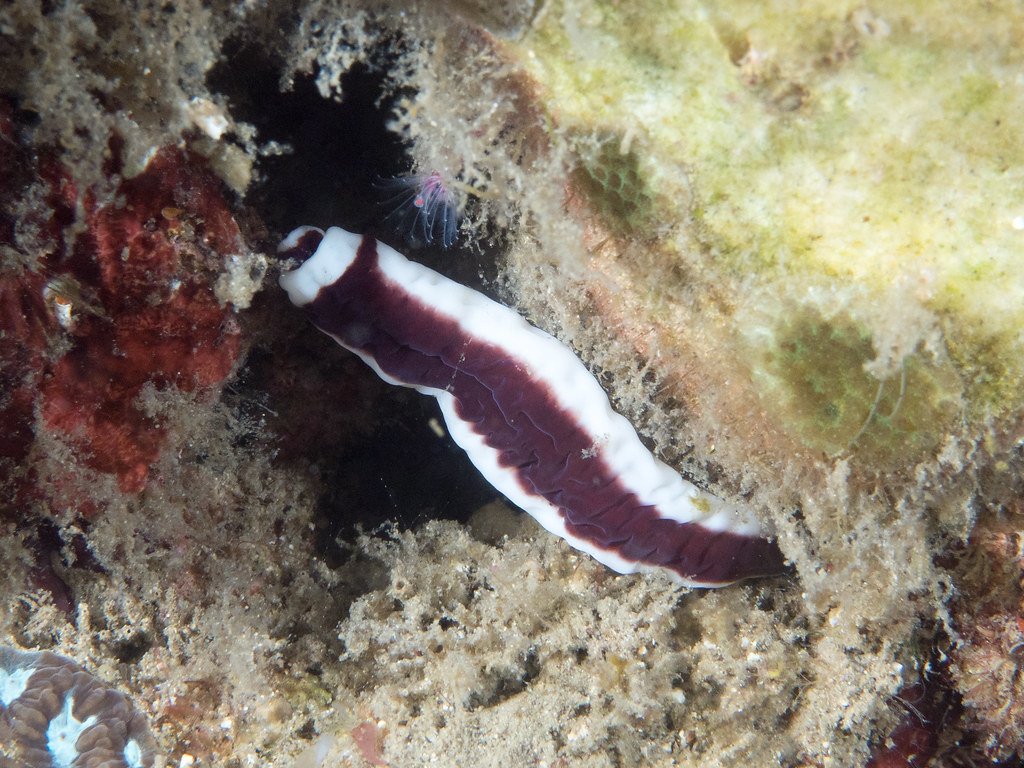
The ribbon worm stands as testament to evolution’s incredible creativity in developing solutions to survival challenges. What appears to be a simple marine worm is actually a sophisticated biological weapon system that has been refined over hundreds of millions of years. Their success across diverse marine environments, from shallow tide pools to the deepest ocean trenches, proves the effectiveness of their unique predatory approach.
As we continue to explore and understand these remarkable creatures, we gain valuable insights into the complexity and ingenuity of life in our oceans. The ribbon worm’s story reminds us that even the most seemingly simple organisms can harbor extraordinary secrets that challenge our understanding of what’s possible in the natural world.
Next time you’re walking along a beach or snorkeling in shallow waters, remember that somewhere nearby, one of nature’s most efficient predators might be lying in wait, ready to deploy its biological harpoon in the blink of an eye. Who knew something so small could be so perfectly deadly?