
Imagine a creature that has watched dinosaurs roam the Earth, witnessed continents drift apart, and survived the rise and fall of empires—all while carrying its home on its back. That’s not science fiction. That’s the turtle. Each year, World Turtle Day shines a spotlight on these mysterious, gentle survivors who have outlasted countless catastrophes. But despite their ancient legacy, turtles still keep scientists guessing. Their secrets lie beneath their shells, their slow crawl hiding centuries of stories. Today, let’s peel back the layers and discover what makes these remarkable animals endlessly fascinating.
Turtles: Living Fossils With a Prehistoric Past
Turtles have been on Earth for over 200 million years, making them older than mammals, birds, and even flowering plants. The earliest known turtles lived alongside the first dinosaurs, and their basic body plan hasn’t changed much since. Fossils show us that early turtles already had shells, the defining trait we recognize today. Their endurance through mass extinctions, ice ages, and shifting environments is nothing short of astonishing. If you’ve ever seen a turtle basking by a pond, you’re looking at a design that’s stood the test of time. That shell is not just a shield—it’s a passport through epochs.
The Secret of the Shell: More Than Just Armor
A turtle’s shell isn’t just a tough exterior—it’s a living, breathing part of its body, made from over 50 fused bones, including ribs and spine. This shell grows with the turtle and can even heal after injury, much like our own skin. The top part, called the carapace, and the bottom, the plastron, encase most of the turtle’s organs in a natural fortress. Some species can tuck in completely, turning into a living vault. But the shell isn’t just about defense—it also helps regulate temperature and store minerals. Scientists are still unraveling how the shell evolved, with some evidence suggesting it started as a way to dig underground, not just for protection.
Ancient Navigation: Turtles and Their Epic Journeys
Few animals embark on migrations as breathtaking as sea turtles. Leatherbacks, for example, routinely cross entire oceans, guided by magnetic fields, moonlight, and even the taste of water. Baby turtles, newly hatched and smaller than your palm, somehow find their way from the beach to distant feeding grounds, often thousands of miles away. How do they do it? Researchers have discovered that turtles possess an internal GPS, using Earth’s magnetic field as a map. These journeys are perilous, with only a tiny fraction surviving to adulthood, but those that do often return to the very beach where they were born, decades later. It’s a cycle of persistence that defies the odds.
Masters of Longevity: The Turtle’s Slow Aging Secret
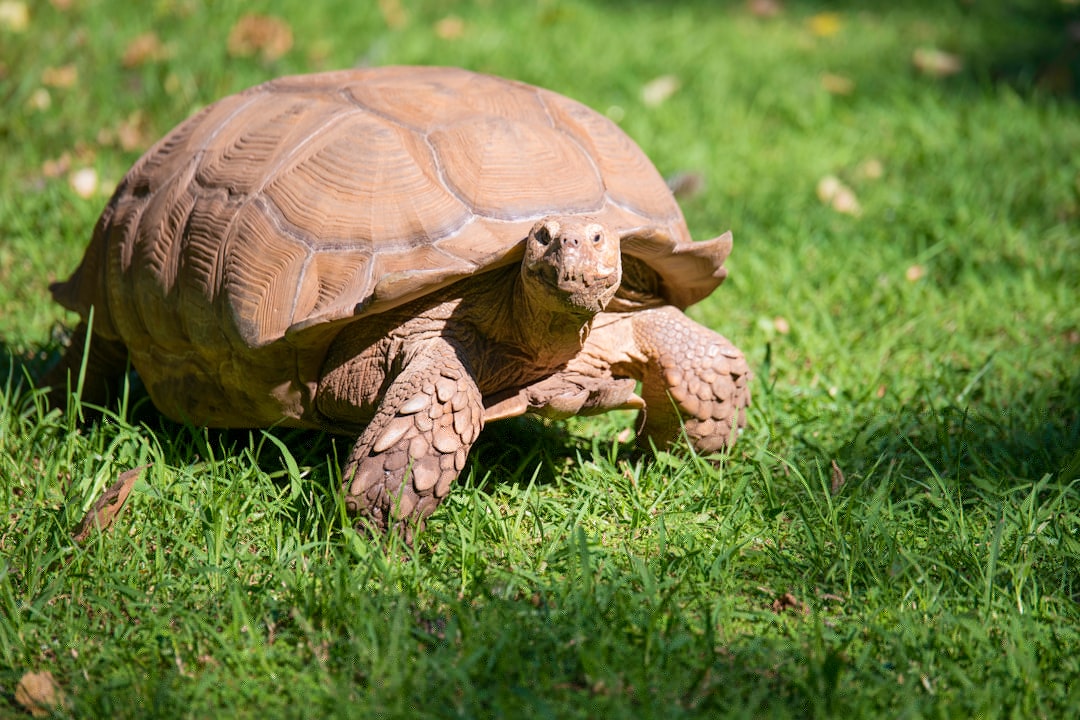
Turtles are famous for their slow pace, but did you know they also age slowly? Some species, like the Galápagos tortoise, can live well over 150 years. Scientists have found that turtles don’t experience aging the way most animals do. Their cells seem to resist damage longer, and they rarely die of old age alone. Researchers are eager to understand how turtles manage this feat, hoping it could unlock secrets to longevity for humans too. When you see a tortoise lumbering along, you’re witnessing a living lesson in patience and endurance—one that’s still baffling biologists.
Underwater Adaptations: Breathing Beyond Lungs
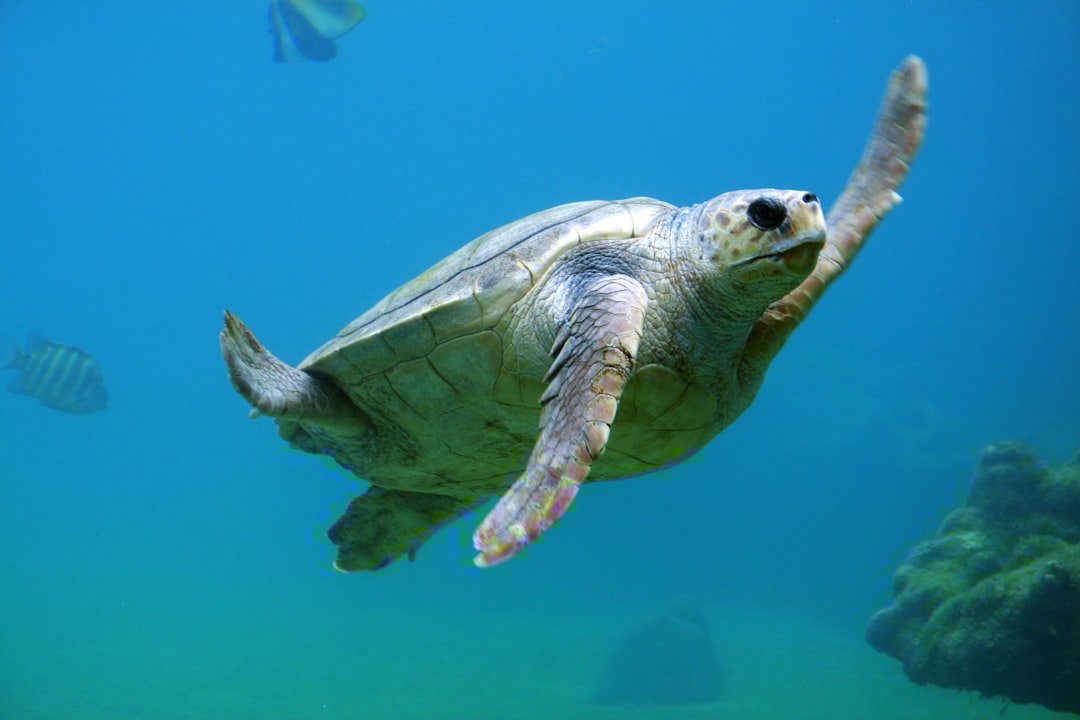
Turtles have an astonishing array of adaptations for life under water. While most breathe air, some can absorb oxygen through their skin or even their cloaca—an all-purpose opening used for excretion and reproduction. The Australian Fitzroy River turtle, for example, can extract up to 70% of its oxygen this way, allowing it to stay submerged for hours. Sea turtles have salt glands to get rid of excess salt from seawater, and their streamlined shells help them glide effortlessly through the ocean. These adaptations mean turtles can thrive in environments from muddy rivers to the open sea, making them true amphibious marvels.
Dietary Diversity: From Carnivores to Jellyfish Lovers
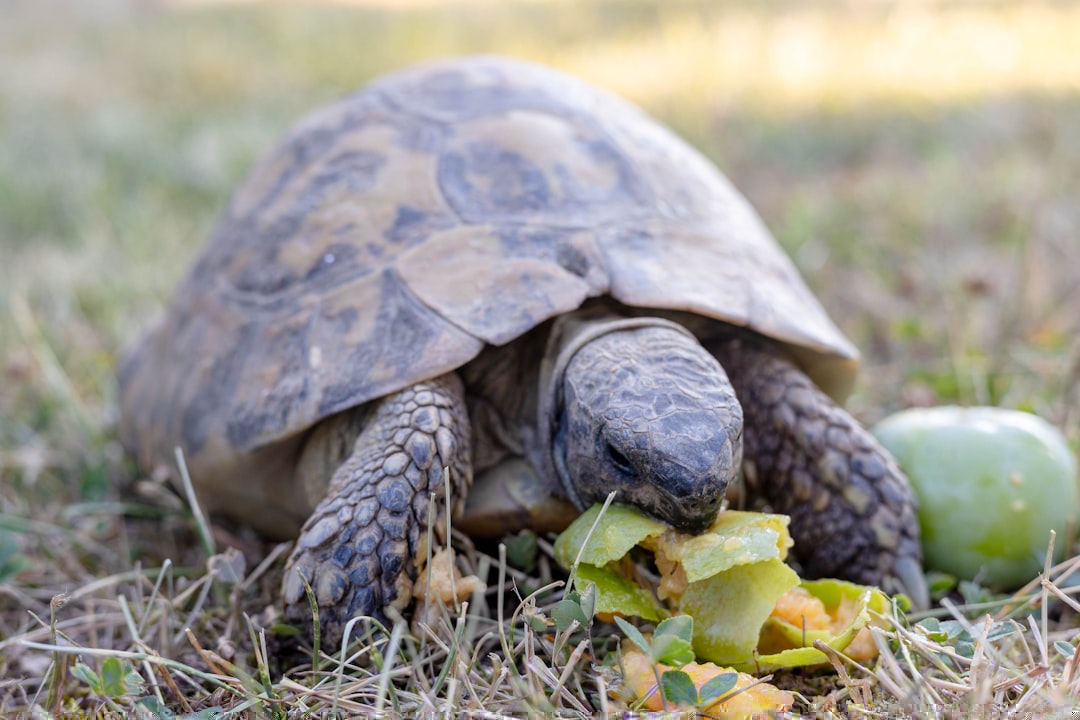
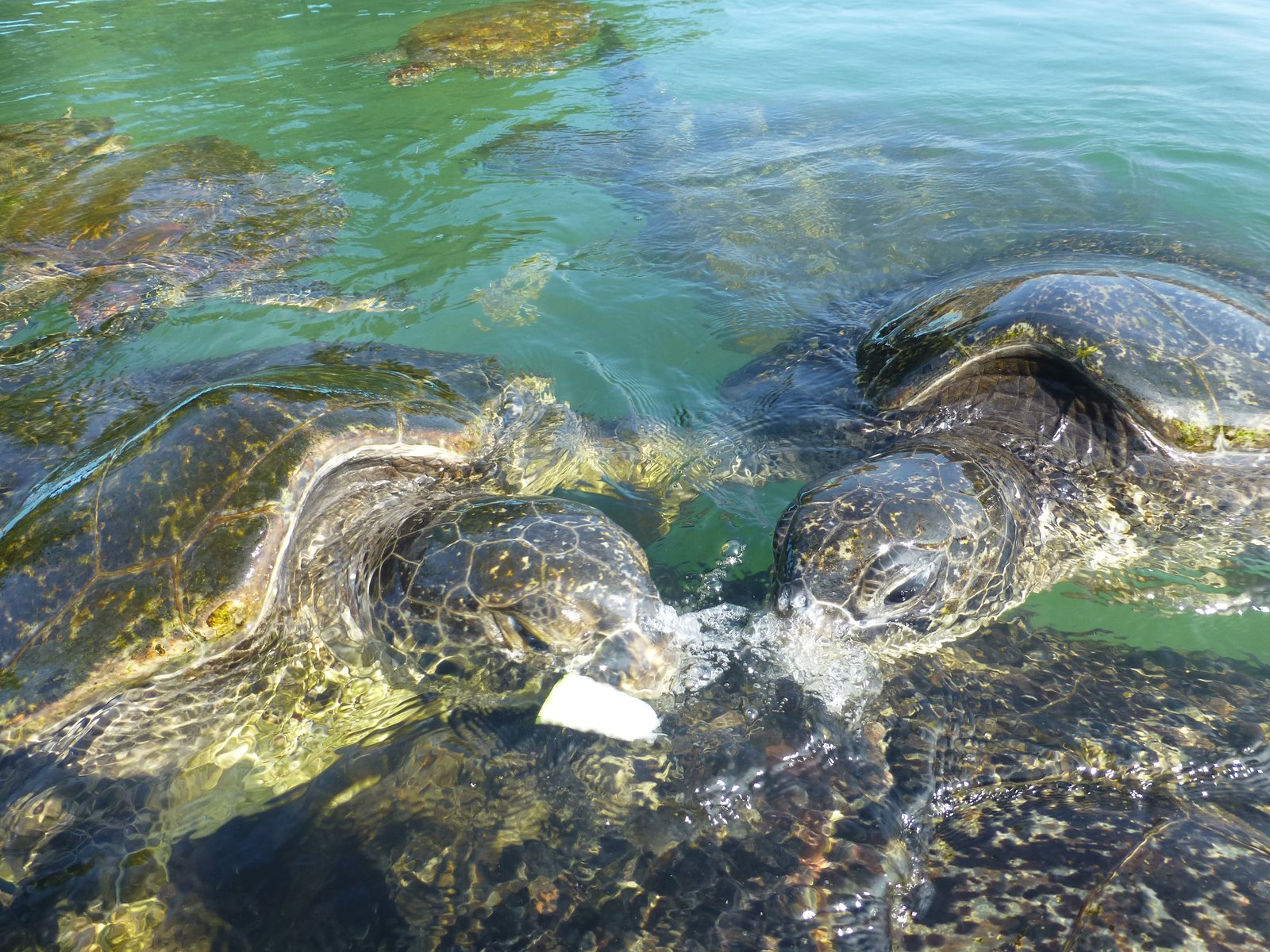
Not all turtles munch on lettuce! Their diets are as varied as their habitats. Some, like snapping turtles, are fierce carnivores, hunting fish, frogs, or even small birds. Others, like the green sea turtle, graze on seagrass and algae as adults, switching from a carnivorous diet in their youth. Leatherback sea turtles, the giants of their clan, specialize almost exclusively in jellyfish, keeping ocean populations in check. This range of diets helps turtles fill unique roles in their ecosystems, from gardeners of the seafloor to apex freshwater predators.
Survival Against the Odds: Threats Old and New
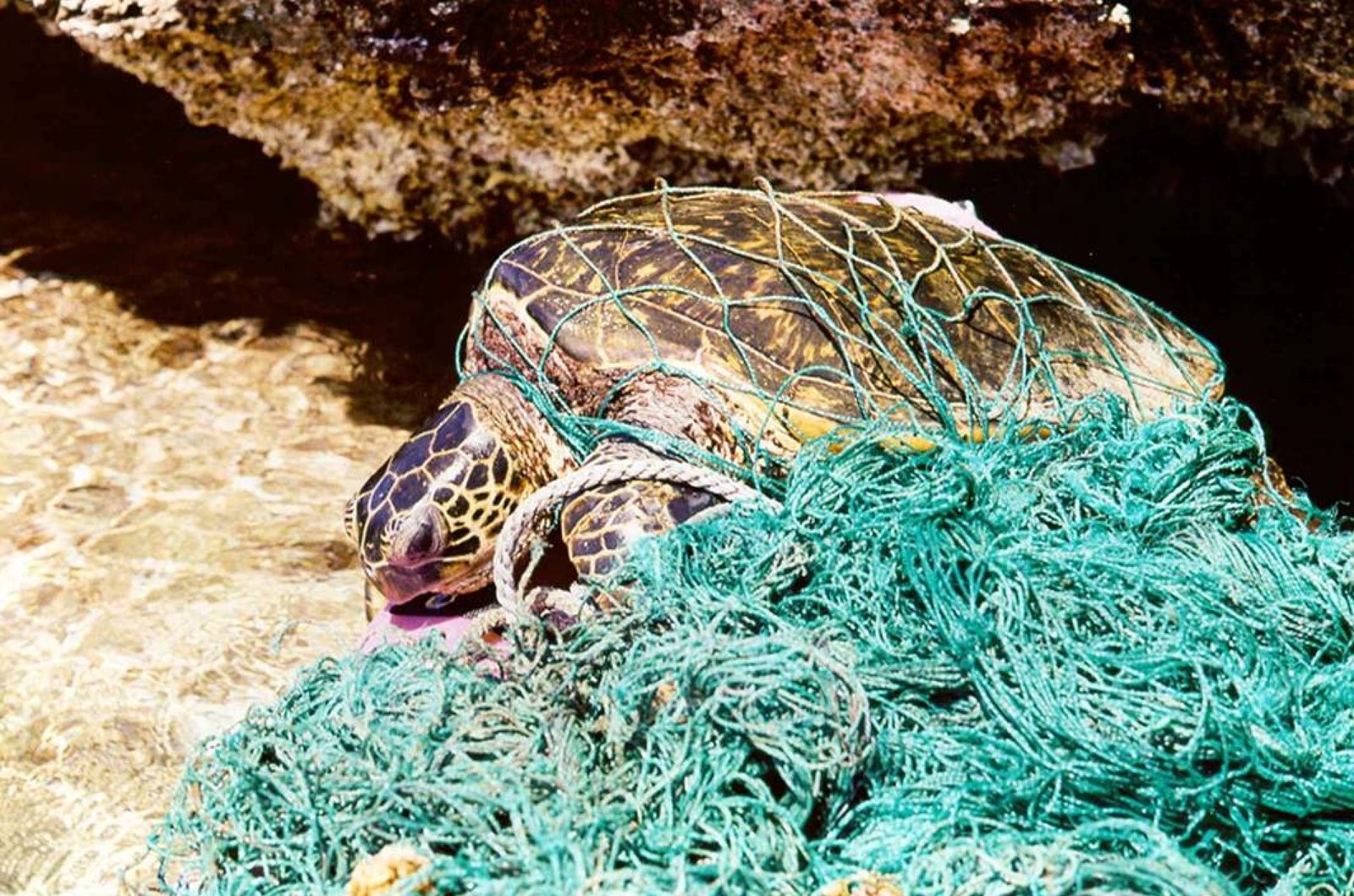
Despite their resilience, turtles today face an avalanche of threats. Habitat loss, pollution, poaching, and climate change have driven many species to the brink. Plastic waste in oceans is particularly deadly for sea turtles, who mistake bags for jellyfish. Climate change alters sand temperatures, affecting the sex of hatchlings—warmer sands produce more females, which can skew populations dangerously. Poaching for meat, shells, or traditional medicine still claims thousands each year. Turtles, who have survived asteroid impacts and ice ages, now face dangers created by human hands.
Amazing Diversity: Over 300 Species, Each Unique
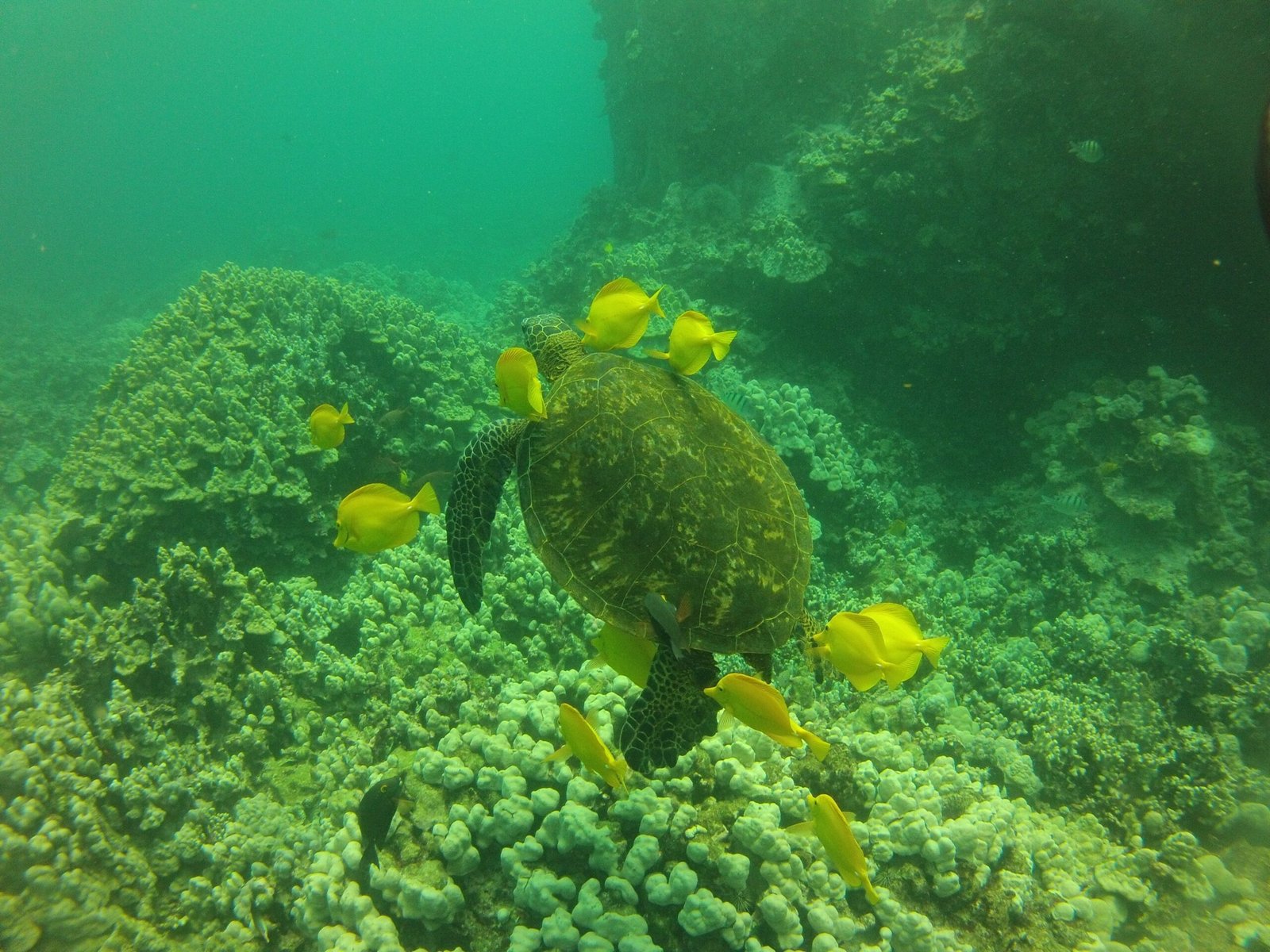
The turtle family tree is sprawling and full of surprises. There are over 350 species worldwide, from the tiny speckled padloper tortoise of South Africa (barely four inches long) to the leatherback sea turtle, which can weigh more than 2,000 pounds. Some turtles have necks that fold sideways, while others retract straight back. Shells can be smooth, spiked, or even soft like leather. Certain species, like the painted turtle, can survive being frozen solid through the winter. This diversity reflects millennia of adaptation to climates and continents across the globe.
Turtle Communication: More Than Just Silence
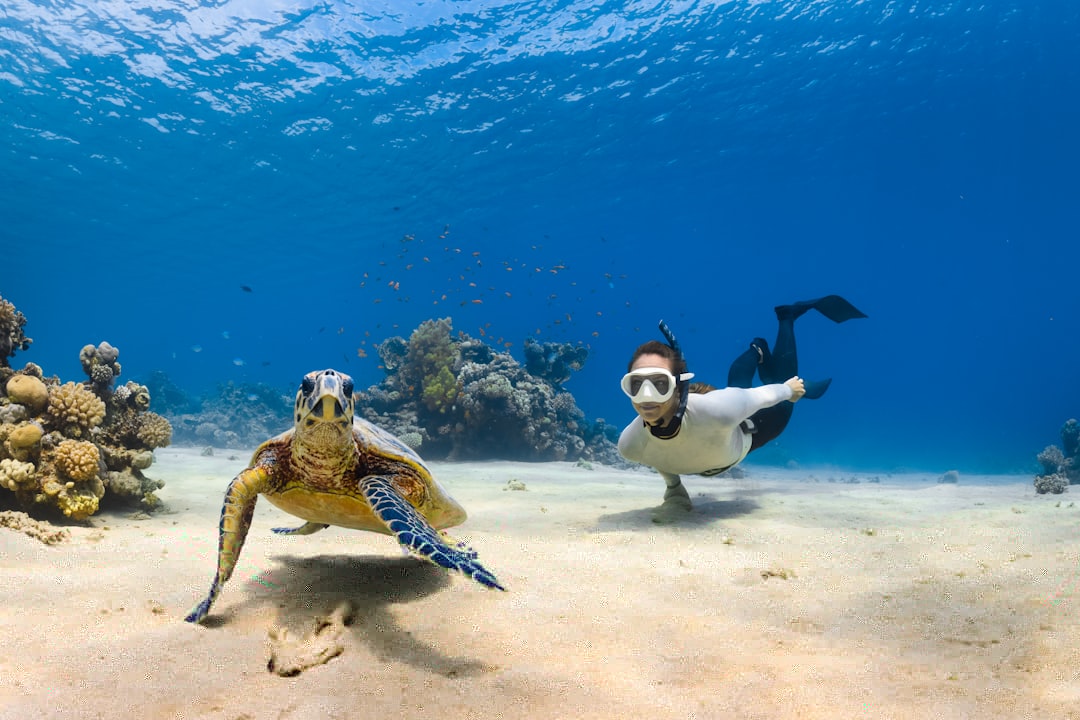
Turtles may seem quiet, but they’re far from mute. Recent studies have revealed that turtles communicate with each other using a variety of sounds, from low-frequency grunts and clicks to high-pitched squeaks. Females call to their hatchlings while still in the nest, and some species even synchronize their hatching with these vocal cues. Sea turtles are thought to use sound to help orient themselves during migration. While their language is still being decoded, it’s clear turtles have much to say—if only we listen closely enough.
Reproductive Wonders: From Mass Nesting to Super Sperm
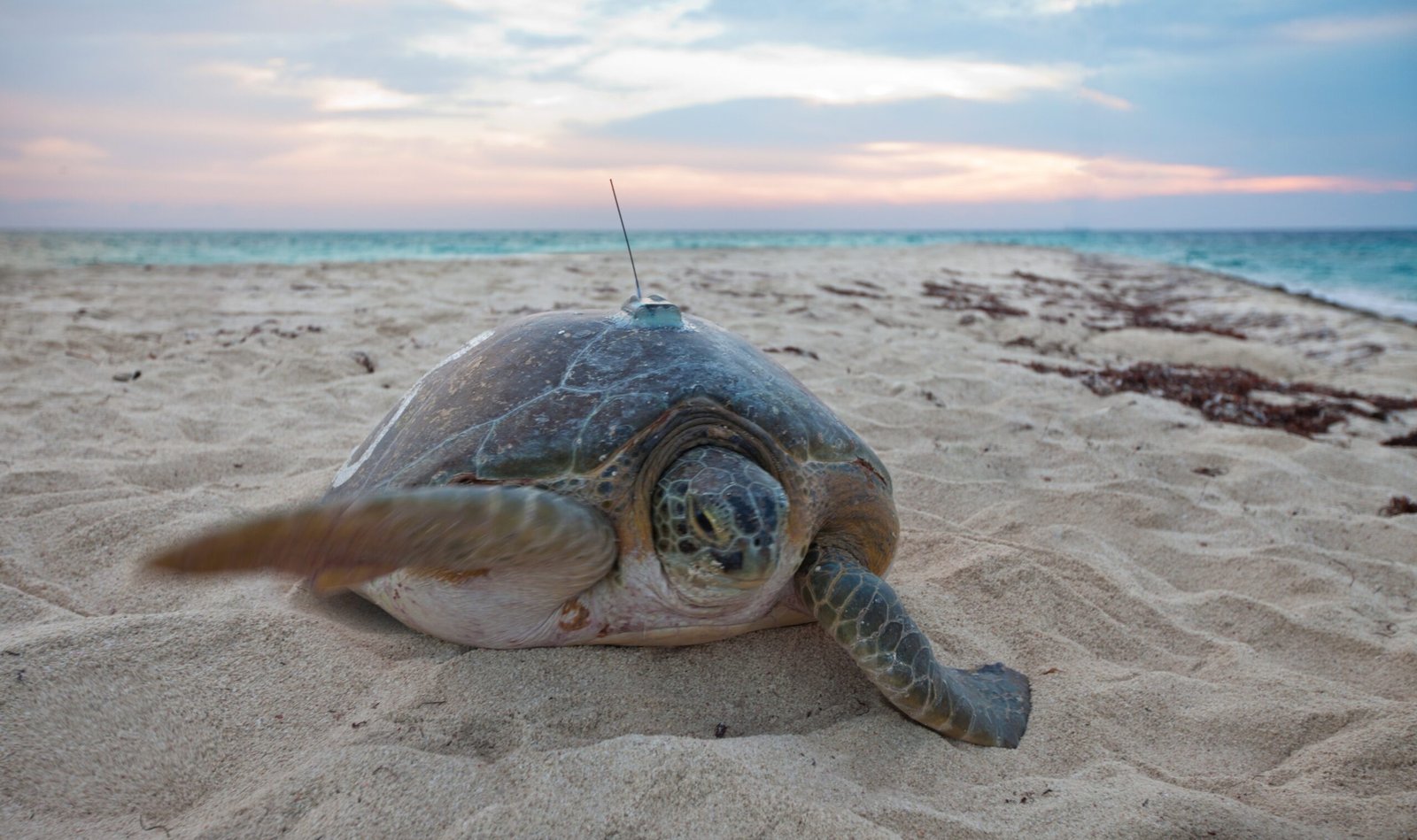
Turtle reproduction is packed with surprises. Some sea turtles participate in mass nesting events called arribadas, where thousands of females lay eggs on the same beach over a few nights—a spectacle that draws crowds and predators alike. Female turtles can store sperm for years, fertilizing multiple clutches from a single mating. This ability helps ensure successful reproduction even if mates are scarce. Incubation temperature determines the sex of the hatchlings, a delicate process now threatened by warming sands. Turtle eggs, buried deep in the sand, face dangers from raccoons, crabs, and even wild pigs, yet enough survive to keep these ancient lines going.
Guardians of Ecosystems: The Turtle’s Vital Role
Turtles aren’t just survivors—they’re keystone species, shaping the environments around them. Sea turtles help maintain healthy seagrass beds and coral reefs by grazing, which benefits countless marine creatures. In forests and deserts, tortoises dig burrows that provide shelter for dozens of other animals. River turtles keep water clean by eating dead plants and animals. When turtles disappear, entire ecosystems feel the loss, showing just how interconnected life truly is. Their slow, steady presence is like the heartbeat of their habitats.
Human-Turtle Connections: Myths, Legends, and Lessons

Across cultures, turtles have inspired stories of wisdom, creation, and endurance. In many Native American legends, the world rests on the back of a giant turtle. In Chinese mythology, the turtle is a symbol of longevity and cosmic order. Even in modern times, turtles remind us of the virtues of patience and resilience. These ancient animals bridge the gap between myth and reality, showing us that nature’s lessons are as relevant now as ever. The turtle’s image appears in art, literature, and even popular cartoons, a testament to its deep hold on our imagination.
Conservation Efforts: Racing Against Time
Around the world, people are joining forces to save turtles from extinction. Conservationists relocate eggs from threatened beaches, protect nesting sites with patrols, and even build hatcheries to give young turtles a better chance at survival. Laws have been enacted to ban the trade of turtle products, and many communities work to educate locals about the importance of turtles in their environment. Rehabilitation centers nurse injured turtles back to health and release them into the wild. These efforts are making a difference, but the race against time continues, calling for even greater awareness and action.
Genetic Mysteries: Unlocking the Turtle Genome
As genetic technology advances, scientists are probing the turtle genome for clues to their unique traits. Studies have revealed unexpected genes related to shell development, resistance to cancer, and remarkable longevity. Some researchers believe that unlocking these secrets could have huge implications for human medicine, particularly in understanding aging and disease resistance. The turtle’s ancient DNA is like a living library, waiting to be read. Every new discovery opens another page in the story of evolution.
Urban Encounters: Turtles in the Modern World

Turtles aren’t just creatures of the wild—they’re increasingly turning up in city parks, drainage ditches, and suburban backyards. Urbanization has forced many species to adapt, sometimes with surprising success. Red-eared sliders, for instance, have become a common sight in ponds around the world, often outcompeting native species. But city life is perilous: roads, pollution, and invasive predators pose daily dangers. Finding ways for turtles and humans to coexist in urban environments is one of the new frontiers of conservation.
Climate Change: A New Challenge for Ancient Survivors
Rising global temperatures are rewriting the rules for turtles. As mentioned before, the sex of many turtles is determined by the warmth of their nests—hotter sand means more females, while cooler sand produces males. Shifts in temperature threaten to upset this balance, endangering future generations. Changing weather patterns also alter nesting seasons and food availability. Conservationists are experimenting with shading nests or relocating them to cooler areas, but the long-term solutions remain uncertain. Turtles, who have weathered so much, now face a rapidly changing world.
Turtle Tourism: Risks and Rewards
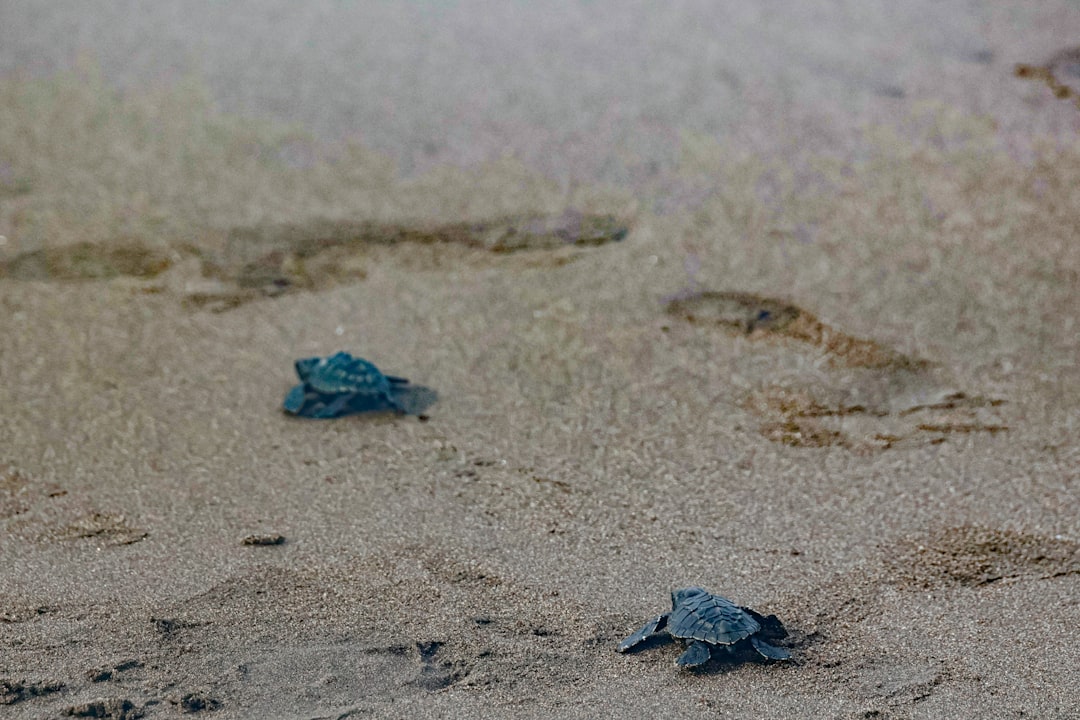
Watching a sea turtle lay her eggs under a starry sky is a magical experience, drawing tourists from across the globe. Done responsibly, turtle tourism can provide vital funds for conservation and local communities. But unregulated crowds, bright lights, and careless handling can disrupt nesting and harm the animals. Education and strict guidelines are key to ensuring tourism helps rather than hinders. When done right, sharing the wonder of turtles can inspire a new generation of protectors.
Citizen Science: Ordinary People, Extraordinary Impact
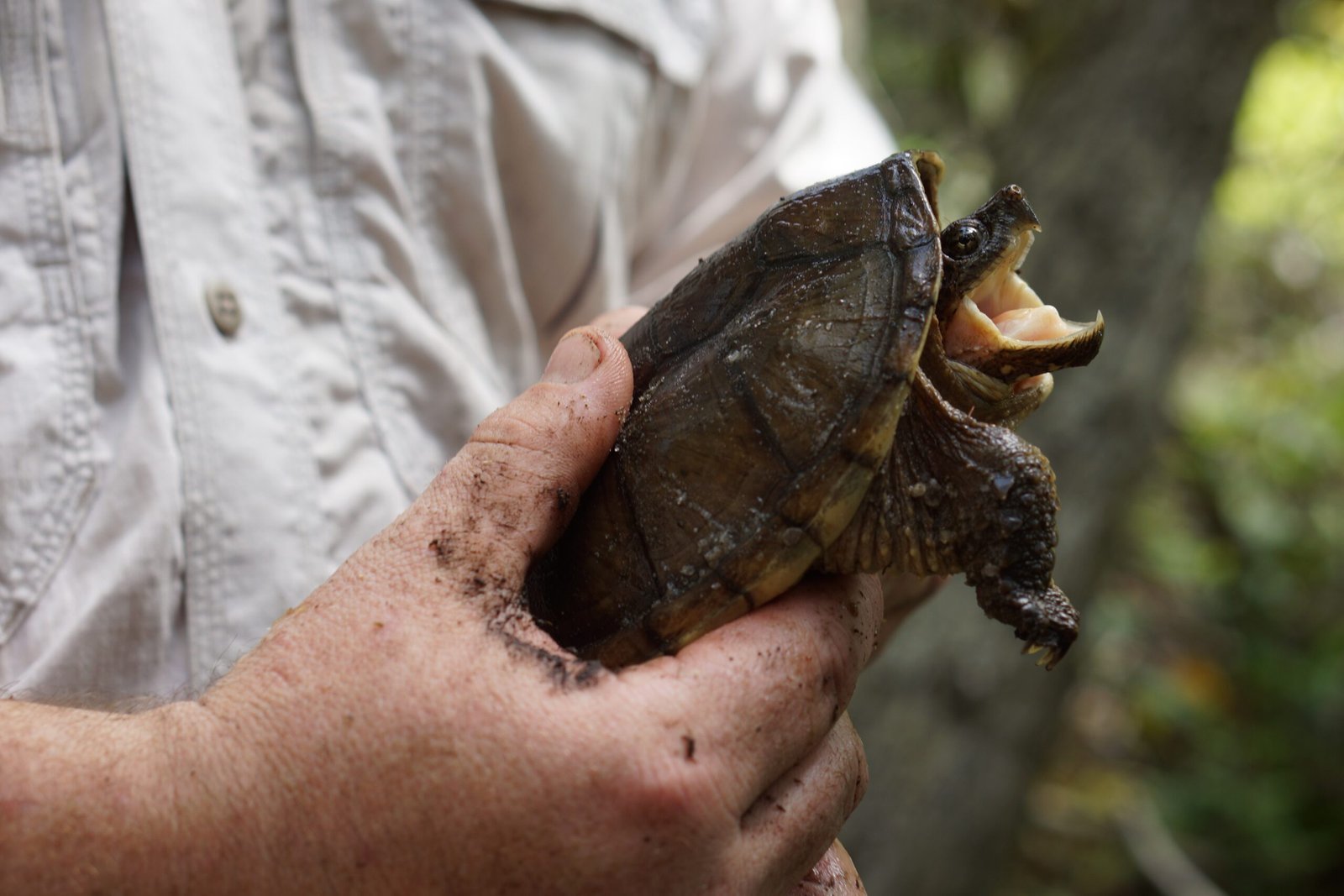
You don’t have to be a scientist to help turtles. Around the world, volunteers monitor beaches, rescue stranded hatchlings, and report sightings to help track populations. Apps and online platforms make it easier than ever to contribute observations that aid research. Even simple actions, like cleaning up plastic waste or advocating for wildlife-friendly policies, can make a real difference. The story of turtles is one we all share, and every effort counts in ensuring their survival.
Unexpected Intelligence: Smarter Than They Seem
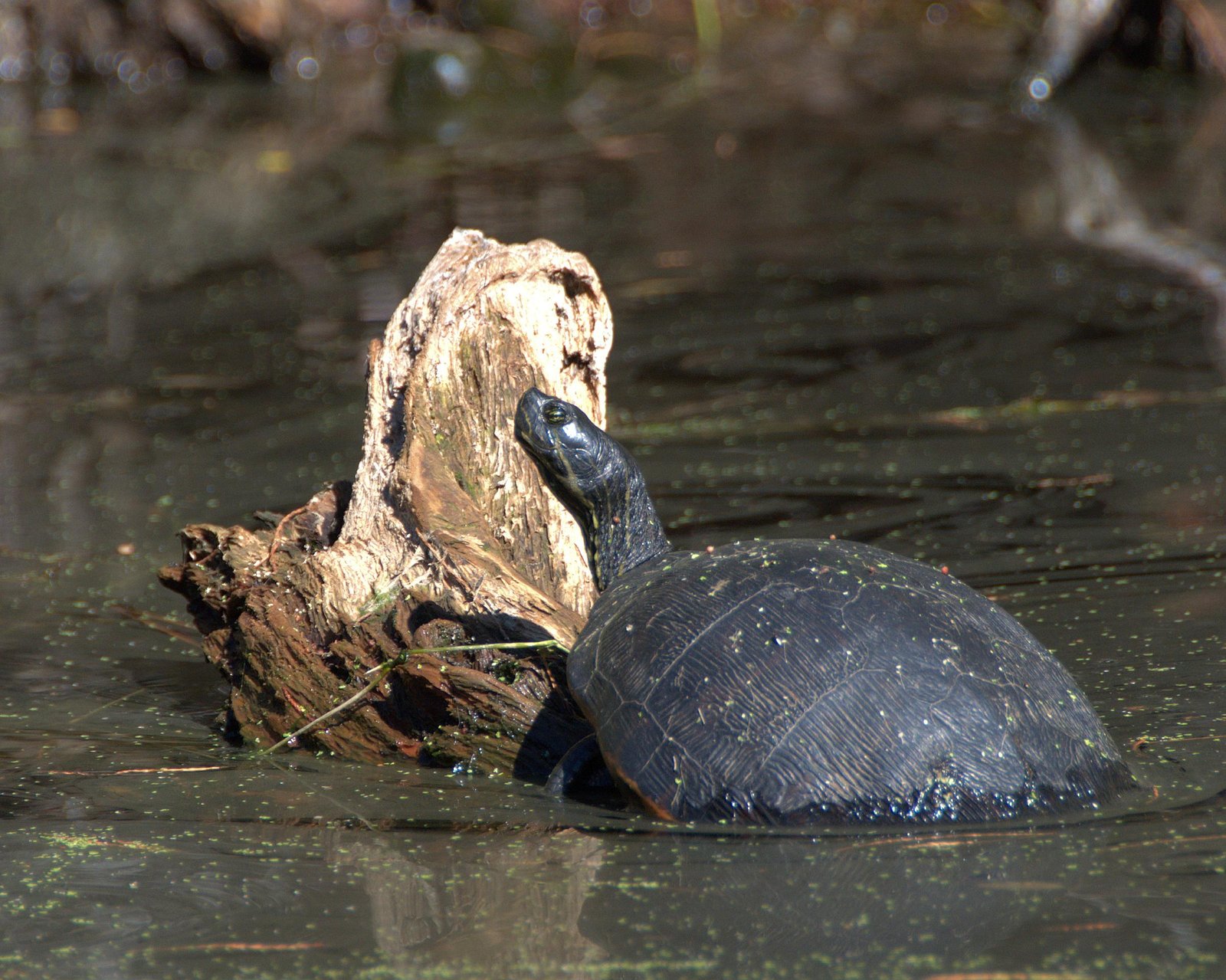
Turtles aren’t just slow movers—they’re surprisingly clever. Recent studies show that some species can learn to navigate mazes, recognize individual humans, and remember solutions to problems for months. Box turtles have been seen returning to the same patch of forest year after year, using mental maps. Sea turtles can distinguish between beaches by subtle differences in sand and scent. These findings challenge the stereotype of turtles as simple creatures and hint at complex cognitive abilities hidden beneath their shells.
A Call to Action: Protecting the Future of Turtles
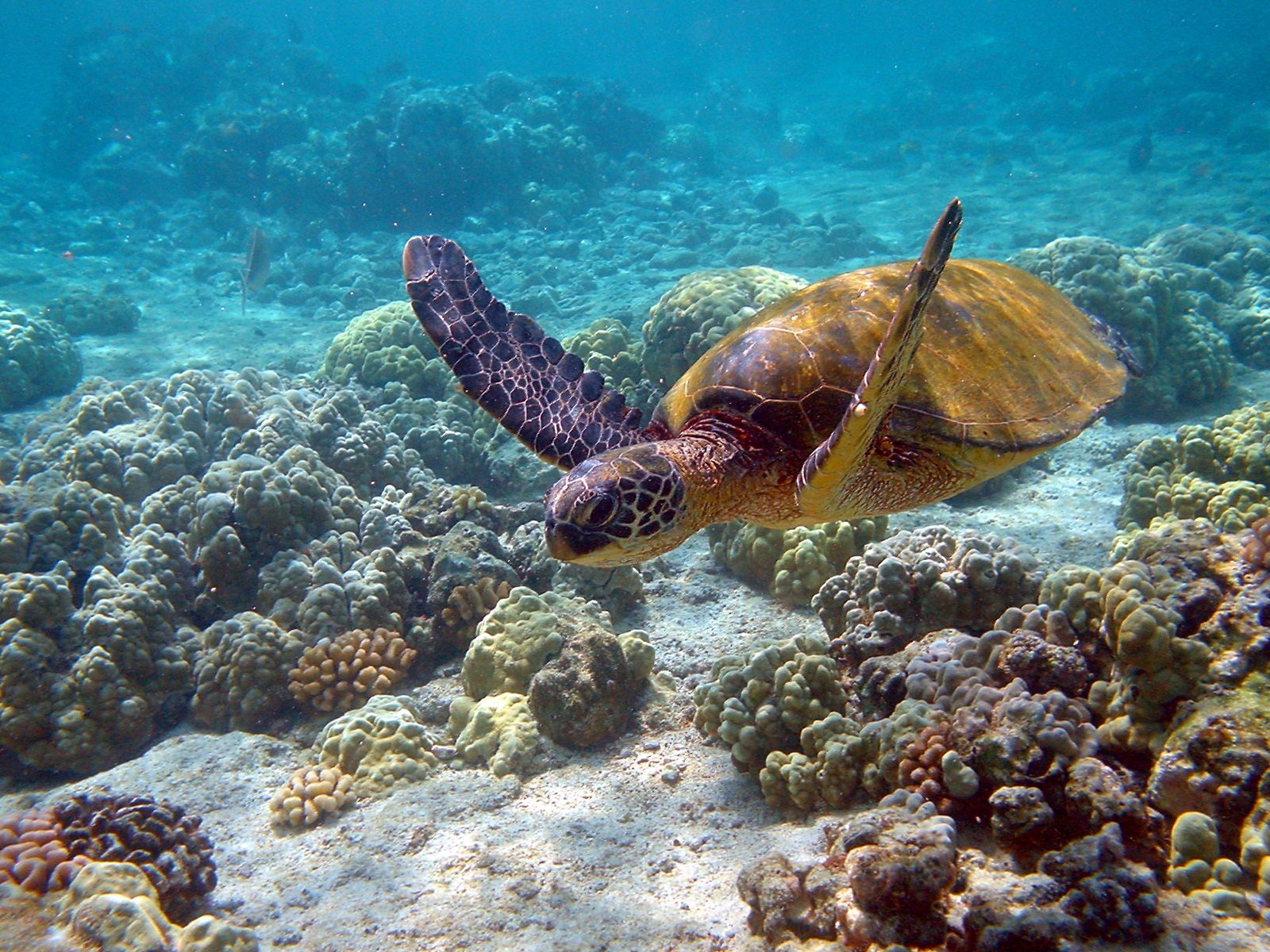
Turtles have survived for millions of years, yet their fate now rests in our hands. Their ancient wisdom, resilience, and beauty remind us of the interconnectedness of life. Simple steps—reducing plastic use, supporting conservation, and spreading awareness—can help turn the tide. As we celebrate World Turtle Day, let’s honor their legacy by ensuring these ancient survivors continue their journey for generations to come. What secrets will we discover next, and will you be part of the story?