

If you could step back in time, wandering through misty forests or bustling medieval villages, would you trust a mysterious herbalist over a bearded doctor? Imagine the whisper of leaves, the smell of earth, and a hooded figure brewing odd concoctions that just might save your life. For centuries, the lines between witch, healer, and scientist have been blurry—sometimes dangerously so. Behind tales of magic potions and whispered spells, there’s a hidden world where folk wisdom, nature, and the early roots of science are tangled together. This isn’t just a story about old superstitions—this is the story of how humanity learned to heal, survive, and sometimes, spark awe and fear in equal measure.
The Origins of Folk Magic and Medicine
Long before modern medicine, people turned to the natural world for answers. Plants, stones, and even animal parts were believed to hold special powers. In ancient villages, elders—or sometimes those labeled as witches—became the keepers of this knowledge. Their remedies often stemmed from trial and error, generations of observations, and a dash of hope. Sometimes their treatments worked, and sometimes they didn’t, but desperation often left little room for skepticism. These folk traditions weren’t just about health—they were woven into the fabric of daily life, influencing rituals, celebrations, and even justice. The stories passed down through these healers still echo in modern alternative medicine and herbal lore.
Witchcraft or Early Science?
What today might look like witchcraft was, in many ways, careful observation and proto-science. Healers noticed which herbs eased pain or stopped bleeding. They watched animals—what they ate when sick, or how they healed wounds. Through this, they slowly built up a practical body of knowledge. Of course, not all their methods were scientific; spells and charms mingled freely with real remedies. This blend of belief and experiment is what makes the history so fascinating. In a way, these early healers were the first scientists—curious, adaptive, and a little bit daring.
The Power of Plants: Herbalism’s Ancient Roots
Herbalism is the backbone of both folk magic and early medicine. Plants like willow bark, which contains the precursor to aspirin, and foxglove, used in heart medicine, were prized long before chemistry gave us their secrets. Healers gathered herbs by moonlight, sometimes chanting incantations for luck or power. The rituals might seem superstitious, but the results could be lifesaving. Even today, many modern medicines have roots in these old remedies, showing how closely magic and science once walked hand in hand.
Women, Wisdom, and Persecution
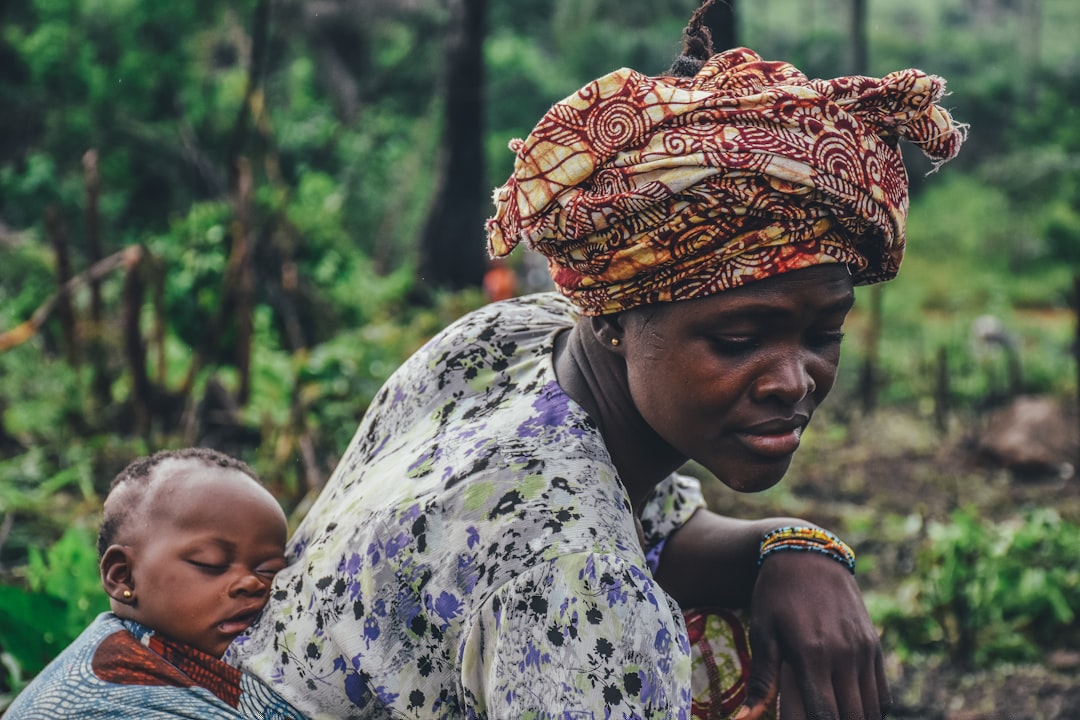
Much of this healing knowledge was held by women—midwives, herbalists, and “wise women.” Their skills ranged from delivering babies to treating fevers and wounds. Unfortunately, their power often threatened the established order. In times of fear or social upheaval, these women became easy scapegoats for disease, bad harvests, or unexplained misfortune. Accusations of witchcraft could be deadly. But beneath the fear and folklore, their understanding of the body, plants, and healing was impressive—and sometimes centuries ahead of its time.
Magic, Ritual, and Psychological Healing
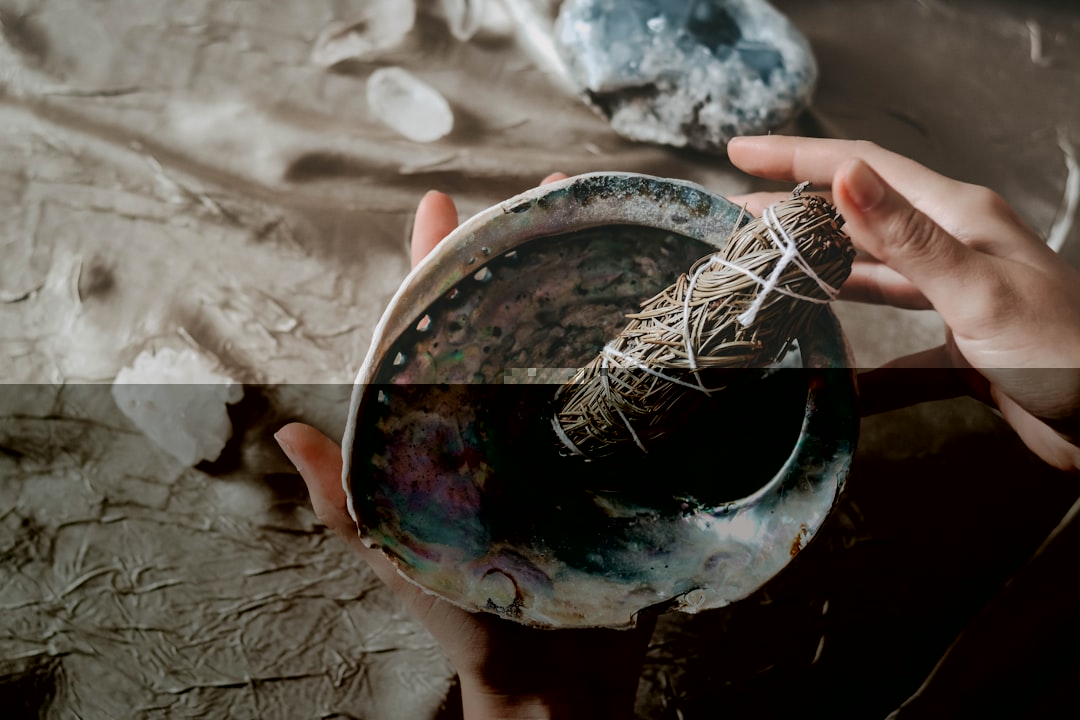
Not all cures came from the physical world. Spells, charms, and rituals were common, serving as a form of psychological support. Belief itself can be a powerful medicine—placebo effects are well-documented even today. Rituals helped focus hope and intention, creating a sense of control in a dangerous world. Whether lighting a candle, whispering a prayer, or wearing a protective amulet, these acts could ease anxiety and foster community. The line between magic and medicine, it turns out, is often a matter of perspective.
Shamans and Spirit Healers Across Cultures
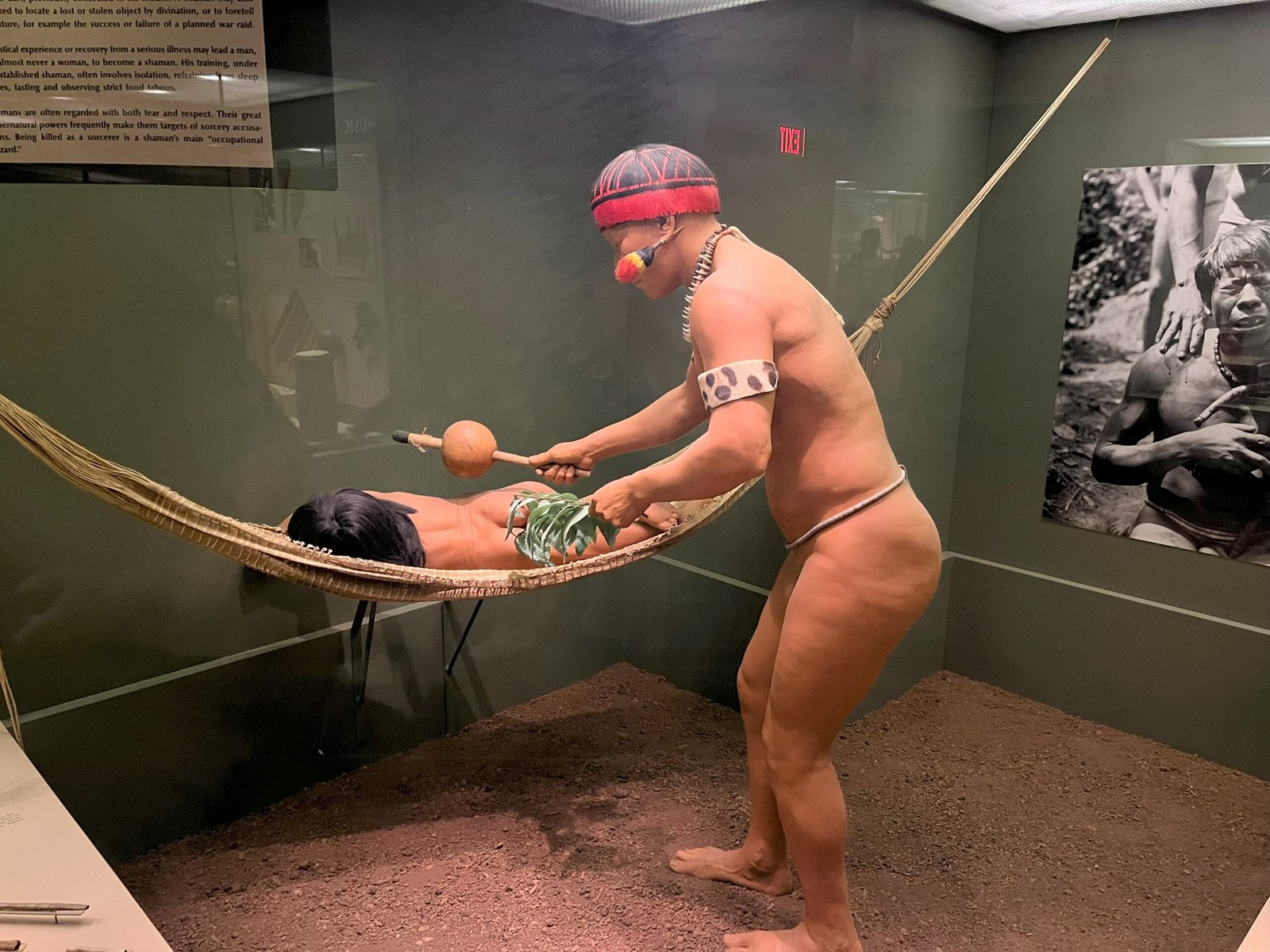
It wasn’t just Europe—shamans, curanderos, and spirit healers have existed worldwide. In Siberia, shamans entered trances to heal the sick. In the Americas, indigenous healers used sacred plants and ceremonies to treat illness and restore balance. Their tools went far beyond herbs, tapping into music, dance, and deep understanding of the natural world. These traditions often saw illness as both physical and spiritual, requiring a holistic approach. Many of these practices survive today, both respected and, sometimes, misunderstood.
Alchemy: The Bridge Between Magic and Science
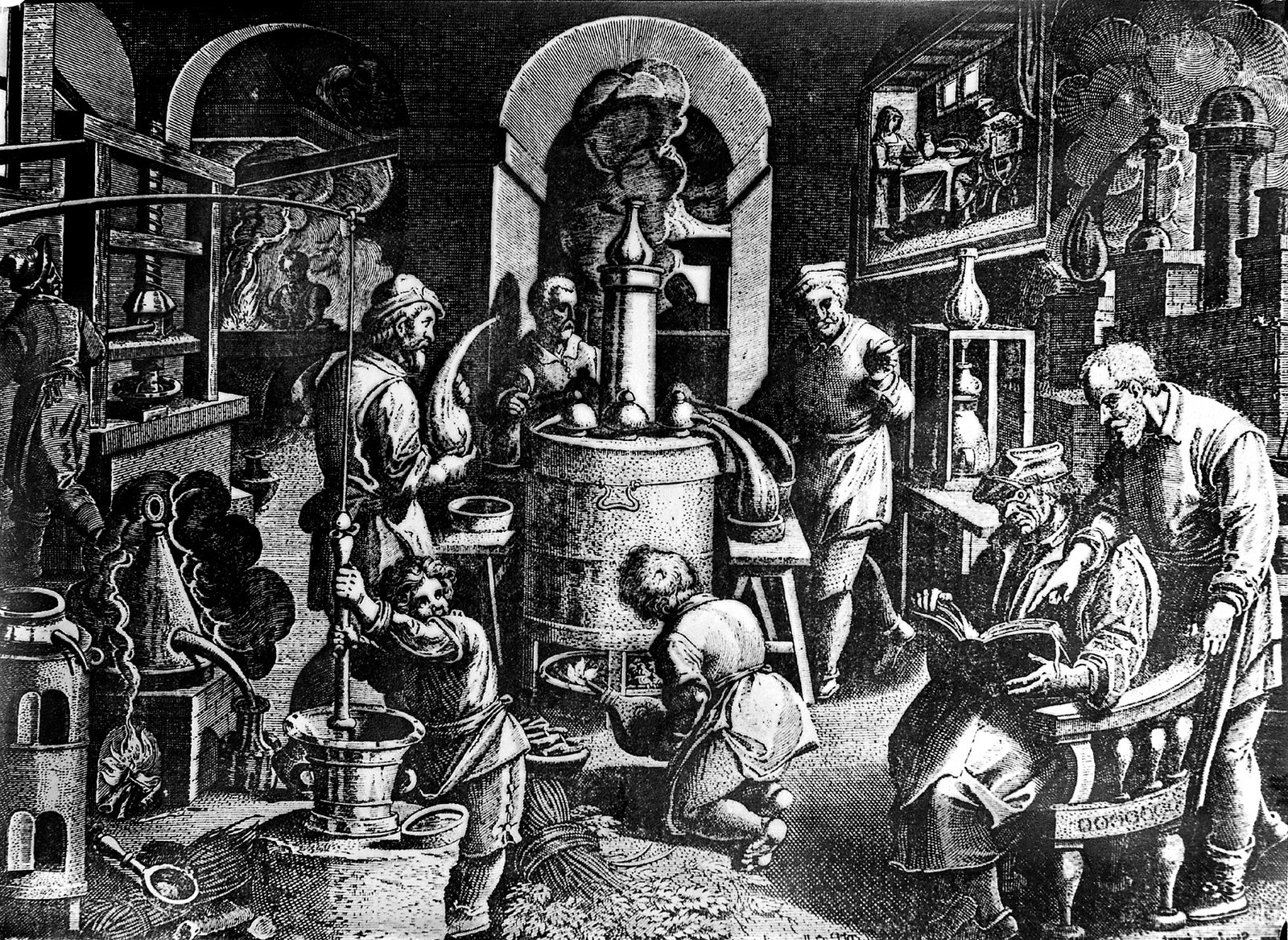
Alchemy is often dismissed as little more than a quest for gold, but it played a huge role in the history of medicine. Alchemists experimented with minerals, plants, and processes like distillation. They left behind detailed records, some nonsense, some brilliant. The search for the “elixir of life” led to real discoveries, laying groundwork for chemistry and pharmacology. Alchemists were both mocked and revered, their secretive ways adding to their mystique. Their legacy is a reminder that magic and science have always shared the same curious heart.
Folk Remedies That Became Modern Medicine

Some folk cures have stood the test of time. Willow bark tea, used for pain relief, eventually gave us aspirin. Moldy bread, pressed into wounds, was a crude predecessor to penicillin. Digitalis, from the foxglove plant, treats heart conditions even today. These examples show how observation and patience—mixed with a bit of luck—can lead to real breakthroughs. Of course, not every folk remedy worked, and some were downright dangerous. But the successes remind us that science often springs from humble, even magical, beginnings.
Superstitions and the Science of Belief
Why did people believe in charms and curses? Neuroscience offers some answers. Our brains are wired to make connections and find patterns—even where none exist. In times of uncertainty, rituals and superstitions provide comfort and structure. Belief can actually trigger changes in the body, lowering stress and boosting healing. In this way, magic isn’t just superstition—it’s a powerful tool for survival. Today, psychologists study these effects, finding echoes of ancient wisdom in modern therapy and mindfulness.
Witch Trials and the Fear of Knowledge
The witch hunts of Europe and colonial America were fueled by a mix of fear, ignorance, and power struggles. Healers and wise women became targets, accused of everything from crop failure to unexplained illness. These trials were brutal, often ending in torture or death. The real crime, in many cases, was possessing knowledge outside the official church or medical authority. This dark chapter is a stark reminder of how dangerous curiosity and independence could be—and how easily science and magic can become entangled in politics.
Medicine Men and the Power of Stories
Stories are as important as herbs in healing. Medicine men, shamans, and folk healers were master storytellers, weaving myths and lessons into their practice. These stories explained the world, taught about danger and hope, and offered comfort. In some cultures, the act of telling a healing story was as important as the remedy itself. Today, doctors recognize the power of narrative in patient care—the right words can be almost as healing as the right medicine. The magic of a good story, it seems, never grows old.
Folk Healing in the Age of Science
With the rise of scientific medicine, folk healing didn’t disappear—it adapted. Some traditions became alternative medicine or holistic therapy. Acupuncture, homeopathy, and herbal supplements all have roots in older practices. While some are supported by evidence, others remain controversial. The tension between folk wisdom and scientific rigor continues, but the two often work side by side. Many people still turn to family remedies or local healers, seeking a sense of connection and tradition that modern clinics can’t always provide.
Modern Herbalism and Scientific Validation
Today, herbalism is enjoying a renaissance. Scientists are studying plants once dismissed as “witchy” with modern tools, uncovering new medicines and treatments. St. John’s Wort, turmeric, and echinacea are just the beginning. Research is confirming some traditional uses, while debunking others. The process isn’t always smooth—nature is complex, and plant-based remedies can be unpredictable. But the search for new drugs often starts in the same place as folk magic: a walk in the woods, a handful of leaves, and a question.
The Placebo Effect: The Real Magic?

The placebo effect—when belief in a treatment triggers real improvement—is one of medicine’s strangest mysteries. Folk healers have unknowingly harnessed this power for centuries. A sugar pill, a ritual, or a reassuring word can tip the scales toward recovery. Scientists still don’t fully understand why, but the effect is real and measurable. This isn’t about trickery—it’s about the mind’s ability to influence the body. In this sense, the old charms and spells weren’t so different from a modern prescription.
Ethnobotany: Learning from the Ancients
Ethnobotany is the study of how different cultures use plants for medicine, food, and rituals. Researchers travel the globe, learning from tribal healers and indigenous elders. Their discoveries have led to new drugs and a deeper respect for traditional knowledge. This field bridges science and culture, showing that wisdom can be found in unlikely places. The challenge is preserving these traditions as forests vanish and languages fade. Every lost healer is a library burned—a sobering thought for anyone who values knowledge.
Healers and the Art of Observation
The best folk healers were keen observers. They watched how wounds healed, how patients responded to different treatments, and how environmental changes affected health. Their notes, sometimes passed down as oral lore or hand-written books, are a goldmine for historians and scientists alike. Today’s doctors rely on evidence-based medicine, but the roots of this approach are ancient. The healer’s careful eye, patient listening, and willingness to adapt remain at the heart of good medicine.
The Role of Community in Healing
Healing was never a solitary act. In small villages or tribes, the whole community played a part. Gathering herbs, sharing knowledge, and supporting the sick created strong bonds. Even the rituals—singing, dancing, or storytelling—brought people together, making healing a collective effort. Modern medicine can feel isolating by comparison. Many alternative therapies seek to restore this sense of connection, reminding us that sometimes, the greatest cure is simply not being alone.
Science, Skepticism, and Open Minds

It’s easy to scoff at spells and potions from the comfort of a modern hospital. But science itself was born from curiosity and open-mindedness. Some of today’s “miracles” might look like magic to our ancestors. The key is testing, questioning, and never dismissing something just because it’s unfamiliar. The history of medicine is full of surprises—discoveries that started as wild guesses or humble village remedies. Wisdom, after all, can come from the most unexpected places.
Witches, Healers, and the Legacy of Curiosity
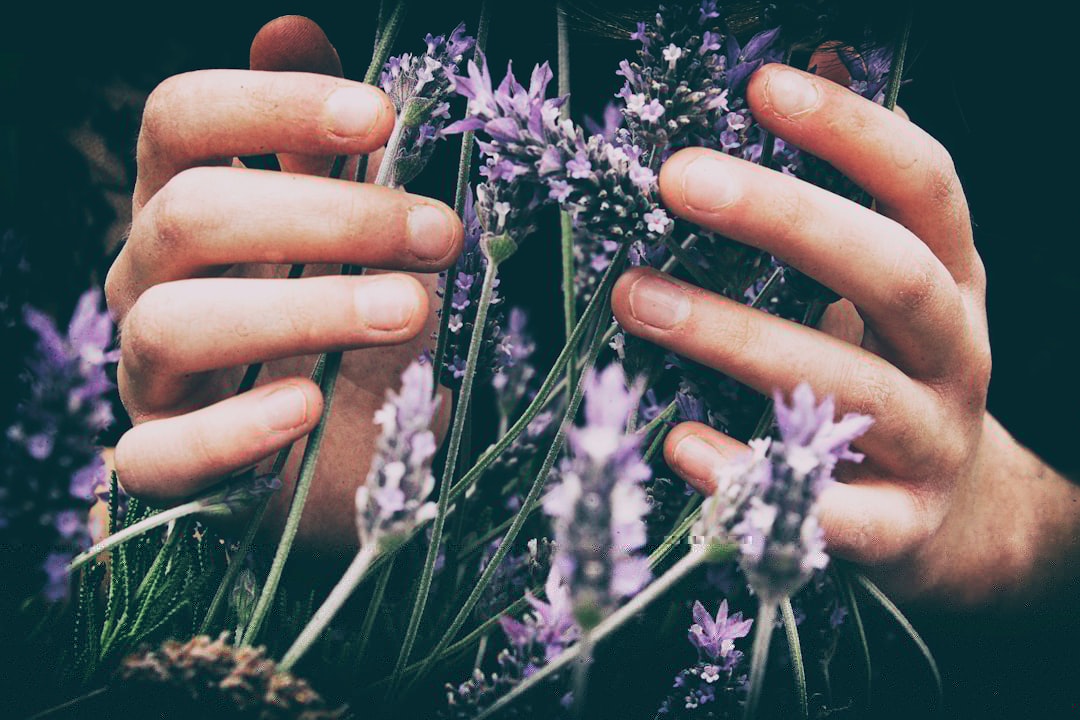
The story of witches, healers, and early scientists is really the story of human curiosity. It’s about the drive to understand, to mend, and to push the boundaries of what’s possible. Whether by moonlit cauldron or laboratory bench, the quest to heal is a deeply human one. The overlap between magic and medicine is not just a quirk of history—it’s a testament to our shared hunger for knowledge and meaning, even in the face of fear and uncertainty. The next time you reach for an herbal tea or take a prescription pill, remember: you’re holding a piece of this remarkable, tangled past. How would you have chosen to heal, given the tools of centuries ago?


