Imagine waking up in a world where ancient stories, folk wisdom, and the quiet lessons of everyday life have faded into silence—not because we lost them, but because we never thought to record them. Now picture machines—vast, humming, and tireless—scanning the world for knowledge, yet blind to the invisible threads of wisdom that slipped through human hands. In this brave new era of artificial intelligence, the question isn’t just what machines will learn, but what they might leave behind. As we stand on the brink of a technological revolution, are we risking the loss of something deeply, irreplaceably human? The race to preserve our wisdom is on, and it might be the most important challenge of our age.
The Unwritten Pages of Human Experience
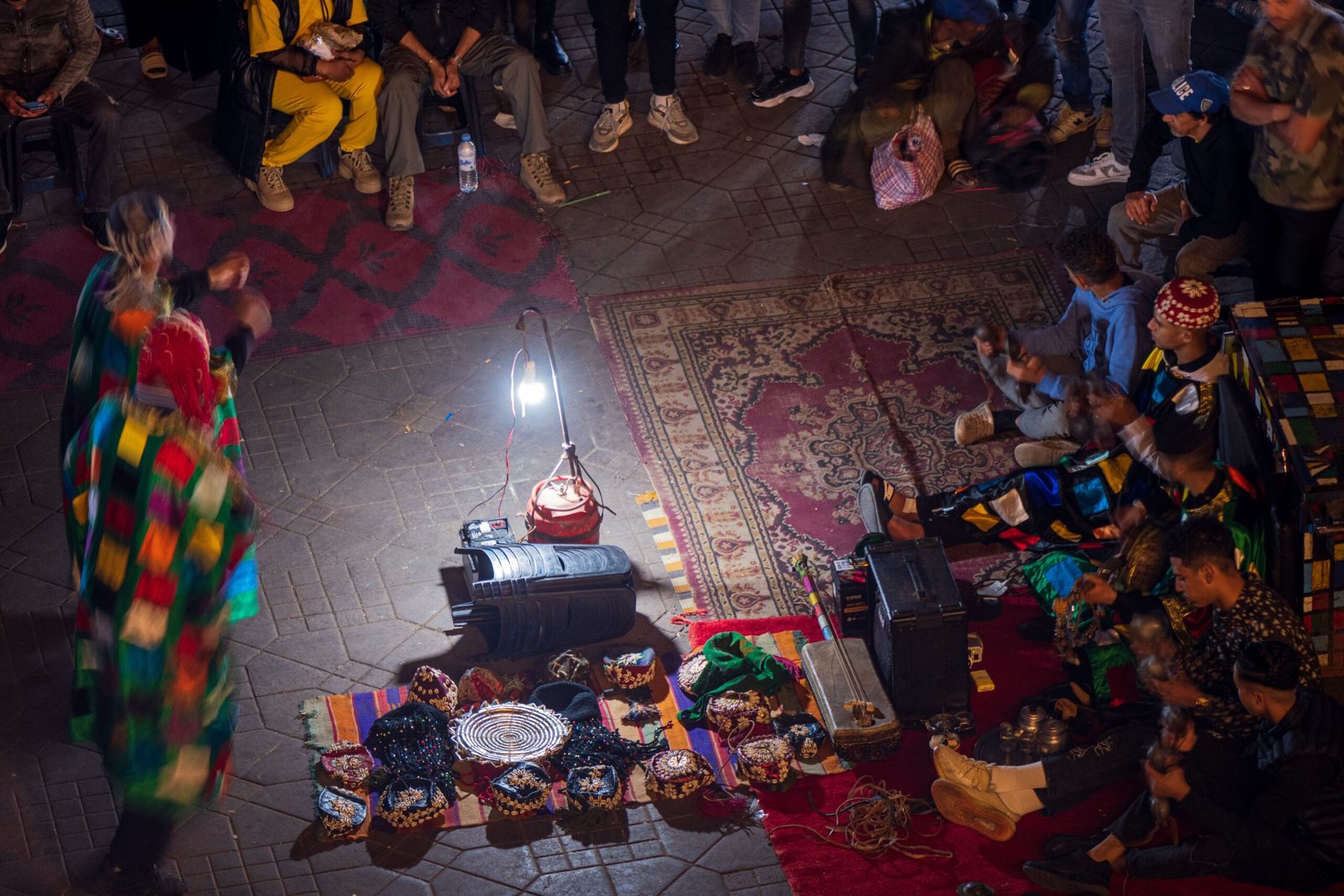
There’s a strange magic in the things we never write down. Generations have passed on recipes with a pinch of this and a dash of that, stories whispered by firesides, and practical tricks learned through hard knocks. These lived moments rarely make it into textbooks or databases. If AI learns only from what’s been recorded, it misses the subtle wisdom that floats in the air of a grandmother’s kitchen or in the hands of a master craftsman. Think of all the laughter, heartbreak, and quiet perseverance that never made it to the page. In a world run by machines, could these intangible treasures simply vanish?
How AI Learns—and What It Leaves Out
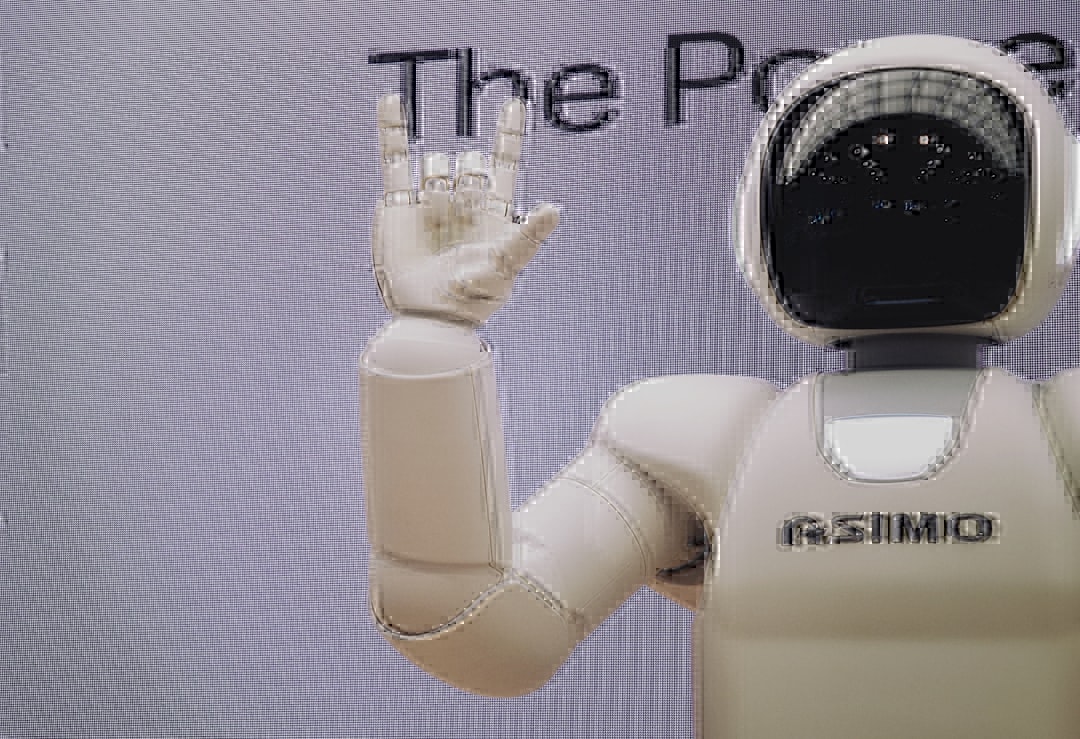
AI, for all its dazzling power, is only as good as the data it’s fed. Most modern AI models digest vast oceans of written words—books, articles, tweets, code—anything that can be digitized. But what about the knowledge never captured in writing? Imagine if your childhood memories were only what you posted online. That’s the filter through which AI sees us: incomplete, surface-level, and sometimes hopelessly out of context. Machines may become better at playing chess or writing poetry, but will they ever grasp the subtleties of a knowing glance or a story told in silence?
Folk Wisdom: The Knowledge Beneath the Radar

Walk through any rural village, and you’ll find knowledge that never made it into a scientific journal. How to read the clouds before a storm or the way to coax seedlings from stubborn soil. These are not only techniques but acts of listening to the land and learning from failure. Folk wisdom is rarely written down because it’s lived, not explained. As AI-driven agriculture and medicine sweep across the globe, the risk is that these gentle, time-tested insights could be bulldozed in favor of the quantifiable and the algorithmic.
The Language Barrier: Lost in Translation
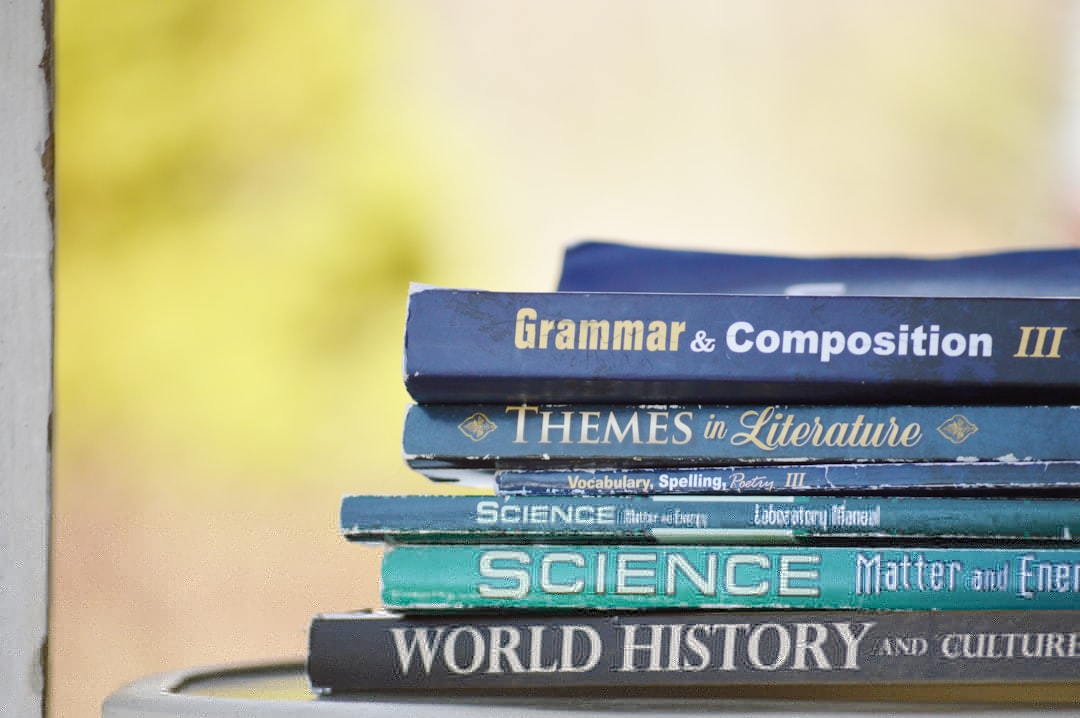
There are thousands of languages in the world, many spoken by only a handful of people. Most AI models are trained on data from dominant languages like English, Chinese, or Spanish. Entire worlds of meaning—turns of phrase, poetic forms, spiritual beliefs—are left out simply because they weren’t translated or digitized. When a language dies, it takes with it a way of seeing the world. AI, for all its sophistication, cannot recover what was never preserved. The silence of lost languages is a gap no algorithm can bridge.
Personal Anecdotes: The Wisdom of Daily Life
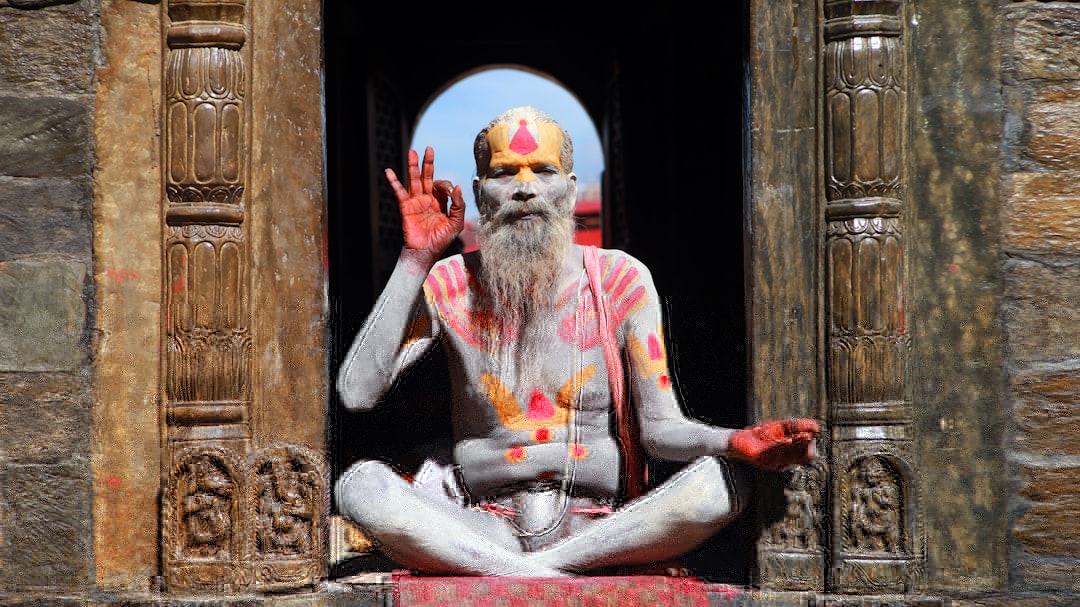
Think about the little things your parents or neighbors taught you—how to tie a knot, comfort a crying child, or find your way home in the dark. These lessons rarely get written down, yet they shape us in profound ways. AI, trained on the grand sweep of human knowledge, may overlook these tiny, crucial details. It’s like building a map that shows every highway but forgets the winding footpaths that connect us to home. In the machine age, will the wisdom of daily life become invisible?
Scientific Knowledge vs. Practical Know-How
Science is built on rigor and repeatability, but so much of human wisdom is practical, messy, and improvisational. A scientist can explain the chemistry of bread, but a baker knows when dough is just right by feel. AI can analyze data, but can it sense the moment when a conversation turns honest or when a friend needs a hug? The gap between scientific knowledge and practical know-how is wide, and AI may never fully bridge it if all it knows is what’s written down in experiments and studies.
The Myth of the All-Knowing Machine
We often imagine AI as a crystal ball, all-seeing and all-knowing. But this is a myth. AI can only learn from what humans have bothered to record. It’s like a library that stocks only the books people have donated. If an insight or tradition was never written, it’s as if it never existed. The myth of omniscient machines risks making us careless about what we remember and record. We might stop telling stories or sharing skills face-to-face, assuming the machine will always have the answer.
Oral Traditions: Stories That Defy Databases
Oral traditions are living rivers of wisdom, passed from mouth to ear over centuries. These stories change with every telling, adapting to new times and new listeners. AI, built to store and retrieve static data, struggles with this fluidity. A folk tale that morphs with every generation can’t be pinned down by a machine. The richness of oral tradition is in its flexibility, its ability to surprise, comfort, and challenge us. If we don’t find new ways to preserve these stories, they may drift away with the last storytellers.
Nature’s Lessons: Learning from the Wild

Some of humanity’s oldest teachers are the creatures and landscapes around us. Indigenous communities have learned from birds, trees, and tides, gathering lessons that never made it into scientific journals. AI may catalog species and track migrations, but can it understand the respect, awe, and humility that traditional peoples feel toward the earth? These lessons are as much about values as they are about facts. If we rely solely on AI for knowledge about nature, we risk losing the sense of wonder that keeps us humble and wise.
The Fragility of Memory in a Digital World

In a world obsessed with data, it’s easy to forget how fragile memory can be. Hard drives fail, formats become obsolete, and social media platforms vanish overnight. What happens when digital records disappear? If we entrust our collective memory to machines, we might find that crucial pieces of wisdom—those never written down—slip quietly into oblivion. It’s a paradox: the more we digitize, the more we risk forgetting the unrecorded.
Bias in the Machine: Whose Wisdom Gets Remembered?
AI is trained on the data we give it, and that data reflects our own biases—what we value, what we ignore, who gets to speak. If AI learns mostly from the wealthy, the powerful, or the loudest voices, it will forget the wisdom of the marginalized and the humble. This isn’t just a technical problem; it’s a human one. The wisdom of the world’s forgotten corners is precious, and if it’s never recorded, AI will never know it existed.
Can AI Invent New Wisdom?
Some dreamers hope that AI will not just learn from us, but surpass us—generating new ideas and insights. But can a machine invent wisdom it’s never seen before? Wisdom isn’t just cleverness; it’s rooted in experience, failure, and the slow process of learning from life. AI might surprise us with creative solutions, but real wisdom requires empathy, perspective, and humility—qualities machines can only imitate, never truly possess.
The Race to Digitize: Preserving What Matters
Museums, libraries, and archives are racing to digitize the world’s treasures, from ancient manuscripts to folk songs. But the sheer volume of unwritten wisdom is staggering. Every day, elders pass away, taking with them memories and stories that were never recorded. The challenge is not just technical but cultural: how do we decide what’s worth preserving? How do we capture the texture of a life, not just its facts?
Human Curiosity: The Spark Machines Can’t Imitate
At the heart of wisdom is curiosity—the restless urge to ask questions, to wonder why, to poke and prod at the world. AI can process information faster than any human, but it doesn’t get bored, delighted, or confused. It doesn’t daydream or doodle in the margins. Human curiosity is messy and unpredictable; it’s the engine that drives discovery. If we forget to nurture this spark, all the world’s data won’t make us any wiser.
Guardians of the Invisible: Our Role in the Machine Age

We are the guardians of our own wisdom—each of us carrying stories, skills, and insights that no machine can replicate. It’s tempting to let AI carry the burden of memory, but some things are too precious to delegate. Passing on a favorite recipe, teaching a child to ride a bike, or simply listening to an elder’s stories—these are acts of preservation as vital as any database. The machine age challenges us to remember that we are more than just data points; we are storytellers, teachers, and keepers of the invisible.
When Silence Speaks: The Wisdom in What’s Unsaid
Sometimes the most profound wisdom is found in silence—a pause in conversation, a moment of reflection, a lesson learned through quiet observation. AI is built to process noise, to search for patterns in torrents of data. But it struggles with the subtlety of what’s left unsaid. The wisdom of restraint, of knowing when not to act or speak, is hard to encode in algorithms. Yet these silent lessons are often what guide us through life’s trickiest moments.
Generational Bridges: Passing Wisdom Forward
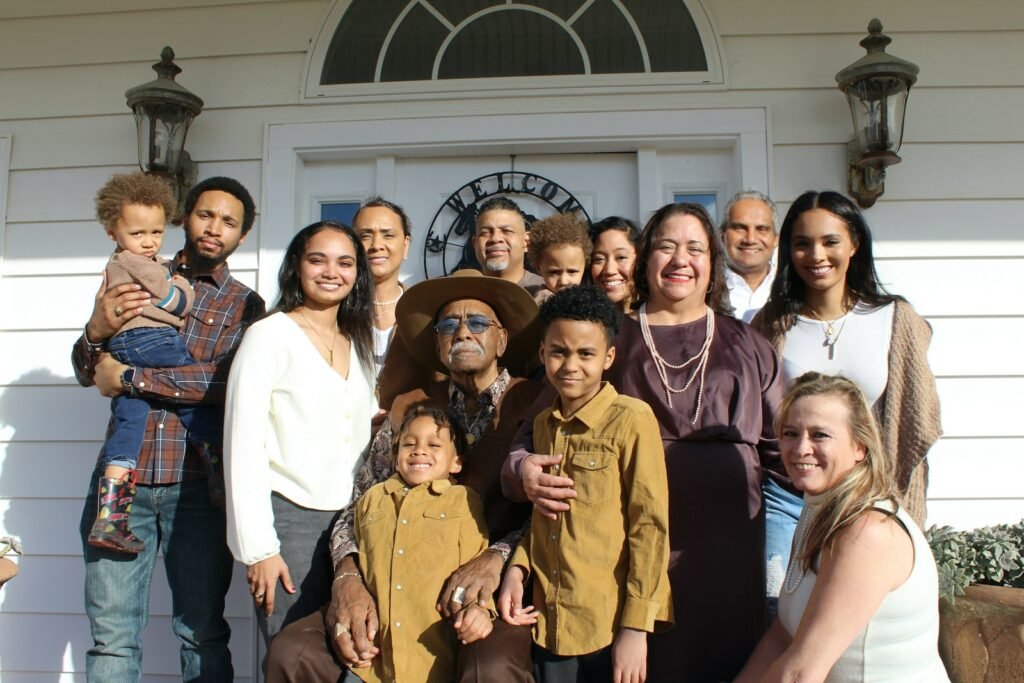
Every generation faces the risk of losing touch with the past. In a world moving at breakneck speed, it’s easy to let old wisdom slip away. But just as we inherit genes, we inherit stories, rituals, and ways of seeing the world. It’s up to us to build bridges across time—to share what we know, listen to what others remember, and value the wisdom that can’t be Googled. The future of wisdom depends not just on machines, but on our willingness to care.
AI’s Blind Spots: Recognizing the Gaps

No matter how advanced AI becomes, there will always be gaps—places where the machine can’t follow. These blind spots remind us of the limits of technology and the enduring mystery of human experience. Recognizing what AI misses isn’t a failure; it’s a call to humility, a reminder that some truths can’t be quantified. As we build smarter machines, we must also become wiser humans, attentive to the gaps where silence and mystery dwell.
Preserving the Immeasurable: A Call to Action
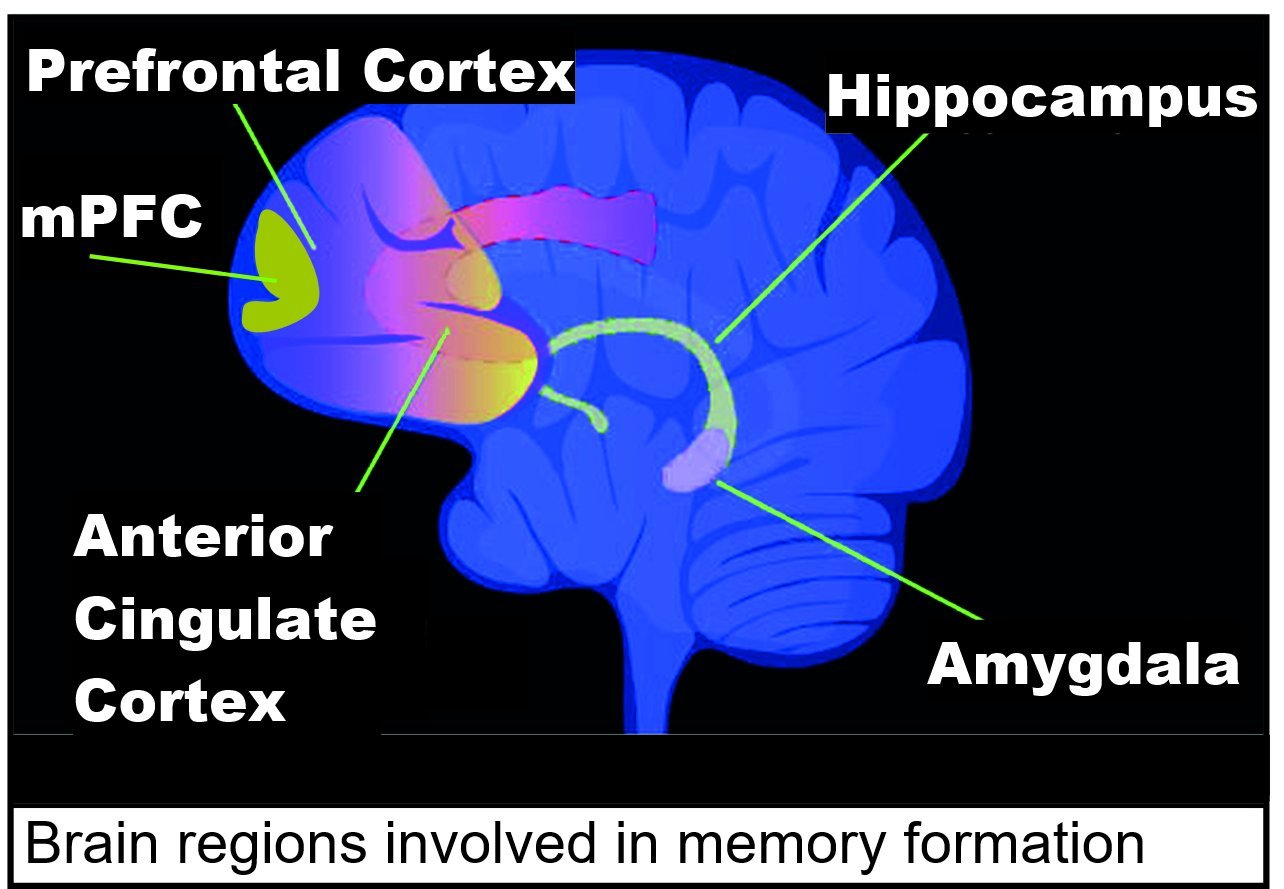
As we rush into the machine age, the challenge is not just to teach AI, but to remember what only humans can hold. This means cherishing the stories, skills, and moments that slip through the cracks of data. It means listening—truly listening—to those whose voices have never been recorded. It means teaching our children to value the wisdom that can’t be found in any database. The future depends on what we choose to remember, and what we’re willing to let go. Will the machines of tomorrow remember what we never knew? The answer lies not in silicon, but in the hearts and hands of each of us.