


Every year, in a world increasingly shaped by cities, highways, and glowing satellites, countless animals still slip into motion on journeys so vast they defy imagination. Scientists track them with lasers, satellites, and tiny tags, yet the big question lingers: how do they know where to go, and why do they risk everything to get there? These migrations are not just beautiful spectacles; they are high‑stakes survival gambles written into the nervous systems and genes of birds, whales, insects, and even tiny fish. At a time when climate change is subtly shifting seasons and humans are reshaping coastlines, migration has become both a thrilling natural drama and a scientific emergency. The seven journeys below are among the most astonishing – and they are quietly rewriting what we thought animals could do.
The Monarch Superhighway: A Paper-Thin Insect Crossing a Continent
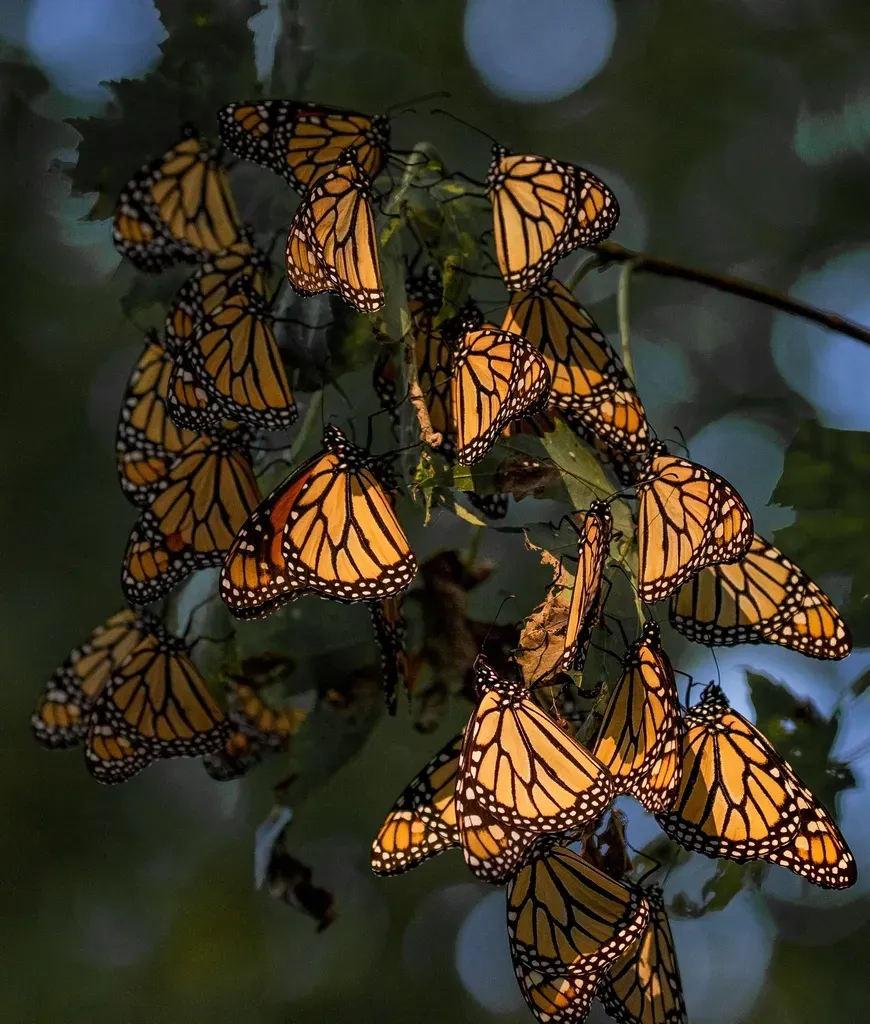
Imagine weighing less than a paper clip and still attempting a multi‑thousand‑mile road trip powered solely by your wings. That is essentially what North America’s monarch butterflies do each year as they leave Canada and the northern United States and head for a handful of mountain forests in central Mexico. Individual monarchs that make the southbound trip have never seen those forests before, and yet they arrive within a surprisingly narrow band of oyamel fir trees. Researchers have found that monarchs use a kind of internal sun compass in their antennae, adjusting for the changing position of the sun throughout the day, and they also seem to sense the Earth’s magnetic field as a backup navigational cue.
What blows scientists away is that this journey is actually a relay across generations. The butterflies that reach Mexico overwinter there, then fly north in spring, lay eggs, and die, leaving the next generation to push the migration further. It usually takes three or four generations to complete the full round‑trip cycle, which is like trying to finish a cross‑country hike by handing your map and instincts to your great‑grandchildren. Monarch numbers in some parts of their range have dropped dramatically over the past few decades as pesticide use and habitat loss wipe out milkweed – the only plant their caterpillars can eat. Yet, each autumn, when skies over the central flyways suddenly fill with orange, it is a reminder that fragile bodies can carry astonishing, inherited maps of the world.
The Wildebeest Flood: Africa’s Moving River of Life
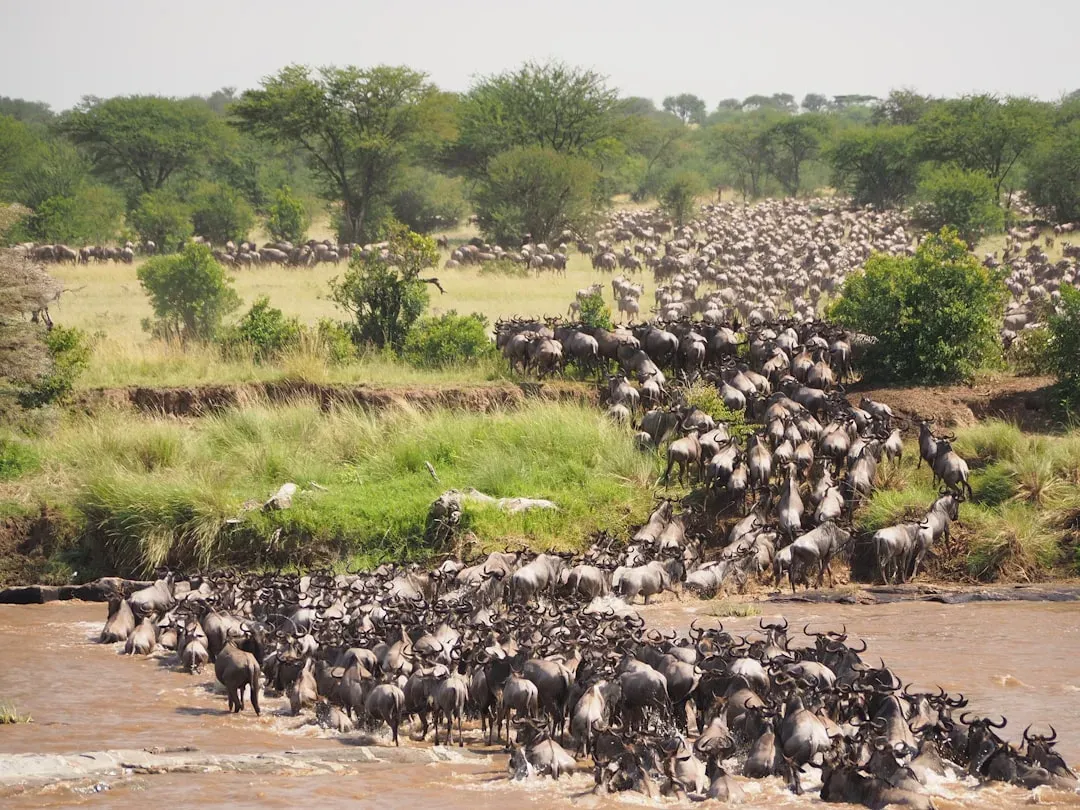
On the Serengeti plains of Tanzania and Kenya, the ground itself seems to move when roughly about one and a half million wildebeest set off in their great migration. Their looping path follows rains and fresh grass in a massive circuit that stitches together savannas, rivers, and woodlands across East Africa. The sight is chaotic – dust clouds, grunting bodies, calves running to keep up – but the underlying pattern is remarkably consistent from year to year. Wildebeest are not guided by a single leader or rigid schedule; instead, their movement emerges from simple rules, such as following neighbors and seeking greener patches, amplified across an enormous herd.
This migration is bigger than any one species, acting as the beating heart of the Serengeti ecosystem. As the herds move, they trim grasses, fertilize soils, and feed predators from lions to crocodiles, shaping where other animals live and thrive. Scientists using GPS collars have watched as these animals respond rapidly to changes in rainfall, sometimes shifting their route in ways that challenge long‑held assumptions about “fixed” migration paths. Climate change is already nudging rainfall patterns, raising concern that the familiar timing of the migration could shift enough to strand calves or intensify deadly river crossings. Still, for now, the wildebeest flood remains one of Earth’s most overwhelming wildlife spectacles, a living reminder of what truly free movement looks like.
Arctic Terns: Tiny Birds Chasing Endless Summer
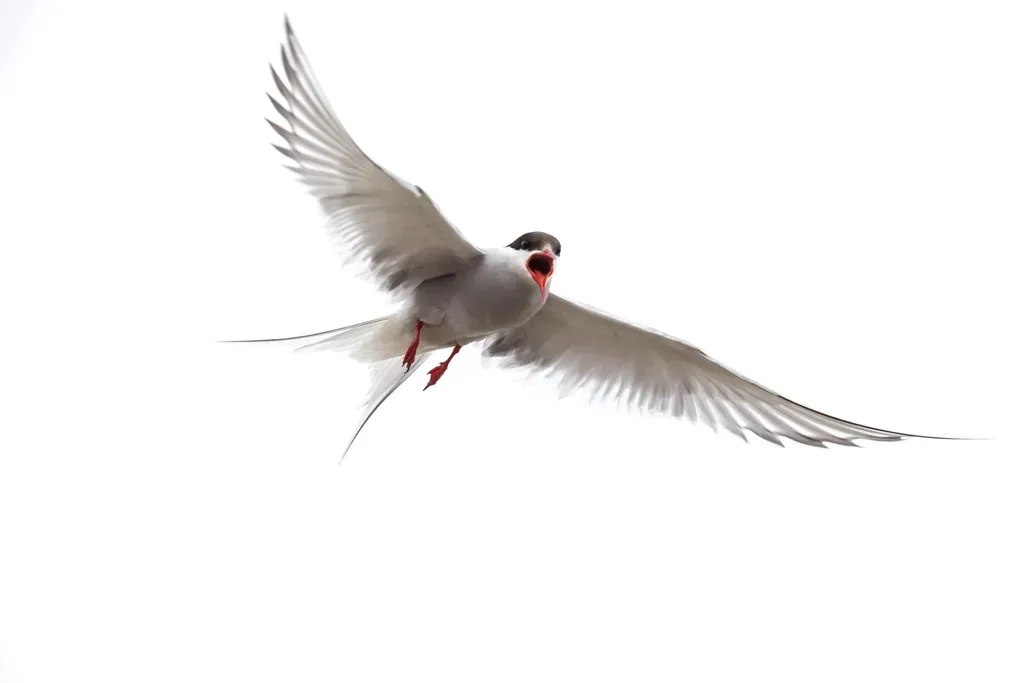
Arctic terns might look like delicate seabirds, but their travel record puts frequent‑flyer humans to shame. These birds breed in the high Arctic during the northern summer, then travel all the way to the Antarctic to spend the southern summer in a second season of light. Tracking studies have revealed that many terns follow looping routes that can stretch tens of thousands of miles in a single year, meaning that over a lifetime they may fly the equivalent of to the moon and back several times. They are essentially chasing summer around the globe, feasting on upwelling marine productivity along the way.
What makes this journey even more astonishing is the precision and consistency with which terns return to the same breeding colonies. Navigation likely combines multiple cues, from the sun and stars to magnetic fields and even smells carried on the wind, but the exact recipe remains a mystery. As sea ice shrinks and ocean conditions shift, researchers are watching to see whether terns alter their routes, which could be an early warning sign of deeper changes in marine food webs. For now, though, their globe‑straddling flights serve as a living map of planetary change, tracing invisible highways between poles that most of us will never see. In a world increasingly divided by borders, Arctic terns quietly erase them, over and over again.
The Great Sardine Run: A Silver Storm off South Africa
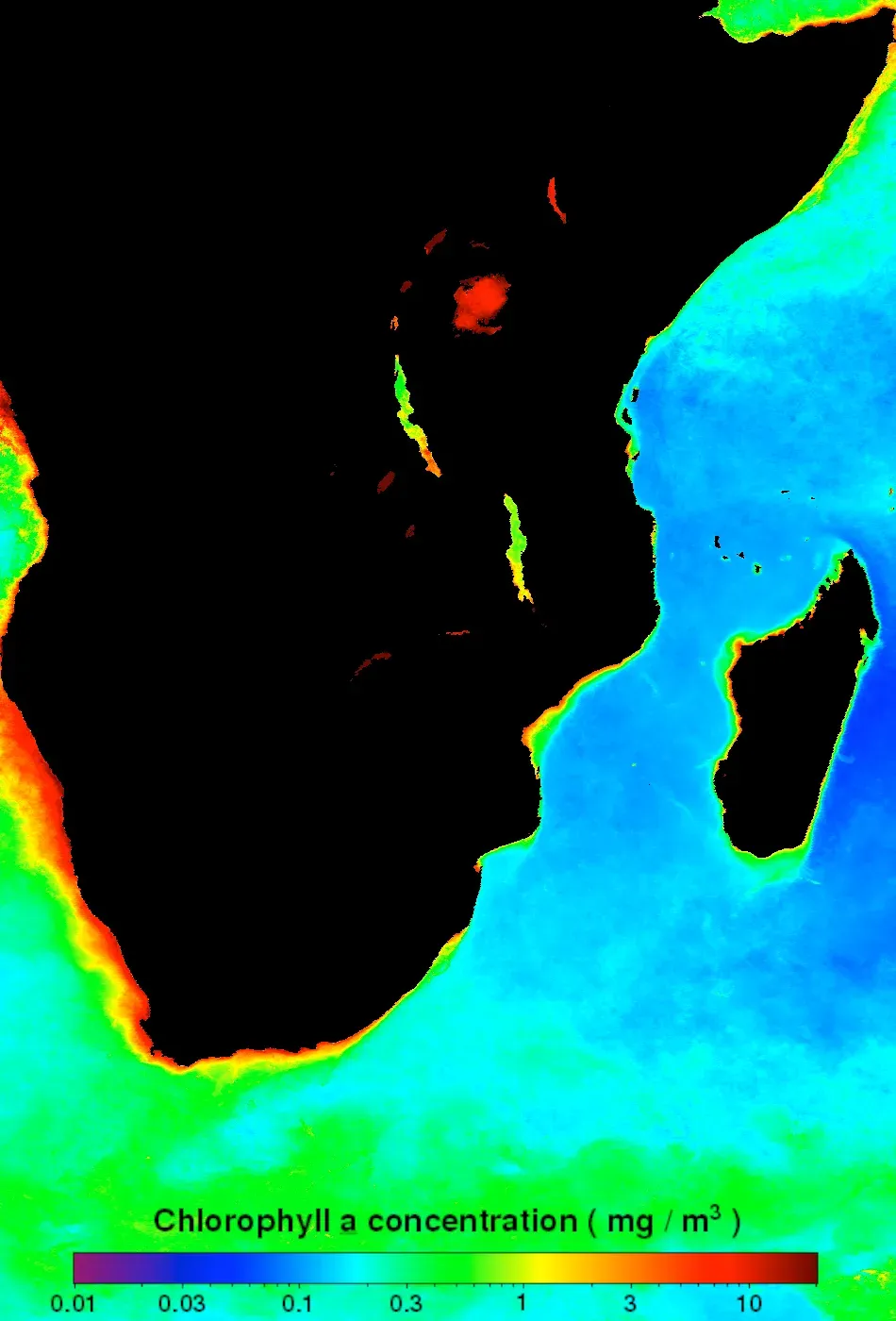
Every winter in the Southern Hemisphere, something like an underwater stampede surges up the east coast of South Africa. Billions of sardines, tightly packed into shimmering shoals, migrate northward following pockets of cool water along the coast, a phenomenon known as the sardine run. From the air, these shoals look like living silver ribbons; beneath the surface, they are more like moving volcanic eruptions of life. Dolphins, sharks, whales, seals, and diving seabirds all converge, turning the migration into a feeding frenzy that is both brutal and mesmerizing.
Oceanographers and marine biologists have spent years trying to understand why the sardine run happens some years and seems to fizzle in others. Temperature appears to be a key factor: the fish stick to cooler currents, and when nearshore waters warm beyond a certain threshold, the run can be smaller or shift in timing. That makes this migration an especially sensitive barometer for a warming ocean, hinting at changes in currents that affect everything from local fisheries to global climate patterns. For coastal communities and ecotourism operators, the sardine run is a seasonal economic anchor, drawing divers and film crews from around the world. It is also a reminder that some of the most spectacular migrations take place entirely out of sight, below the waves.
Humpback Whales: Ocean Voyagers with Cultural Routes
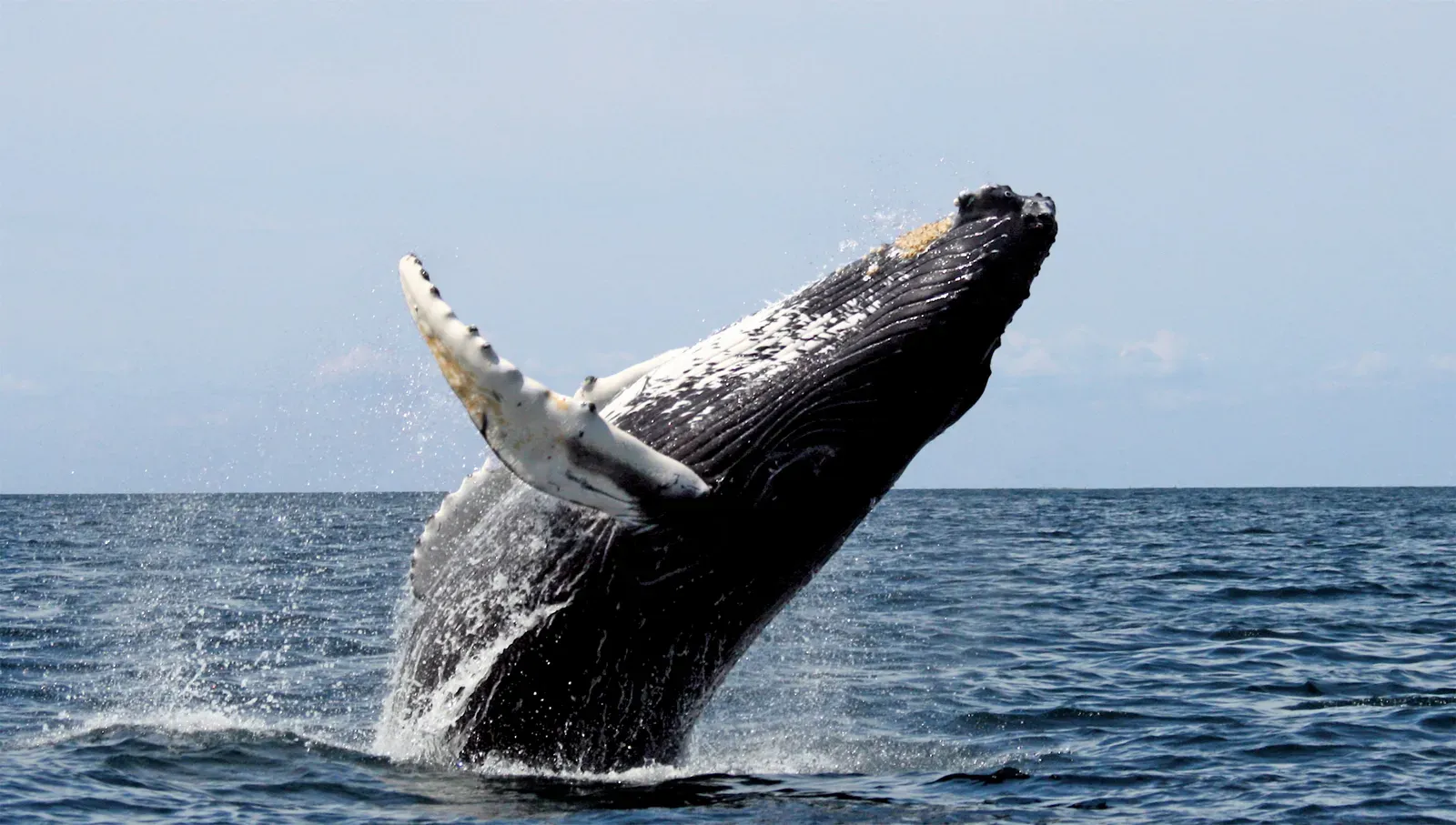
Humpback whales undertake some of the longest migrations of any mammal, traveling between high‑latitude feeding grounds and warm breeding lagoons closer to the equator. In the North Pacific, for example, individuals that feed in Alaska might journey thousands of miles to wintering areas near Hawaii or Mexico, living off stored fat the entire way. Satellite tags show remarkably straight‑line routes that hint at powerful navigation abilities, possibly involving cues from Earth’s magnetic field and ocean topography. To me, there is something eerie about imagining a whale gliding through the deep night ocean, following an internal map that no human has ever fully decoded.
What fascinates many researchers now is that some whale migrations appear to be shaped by culture – behaviors learned from other whales, not just hard‑wired instincts. Distinct populations often stick to their own routes and breeding sites, passing preferred paths down through generations. Changes in shipping lanes, underwater noise, and shifting prey availability are forcing some humpbacks to adjust, sometimes leading to surprising new feeding hotspots near human coastlines. In recent years, there have been more reports of humpbacks showing up in unusual places or at unexpected times, potentially reflecting both population recovery and environmental change. These whales remind us that migration is not just movement; it is memory, tradition, and adaptation playing out in an ocean increasingly crowded with human activity.
Bar‑Tailed Godwits: Nonstop Flights That Rewrite Endurance
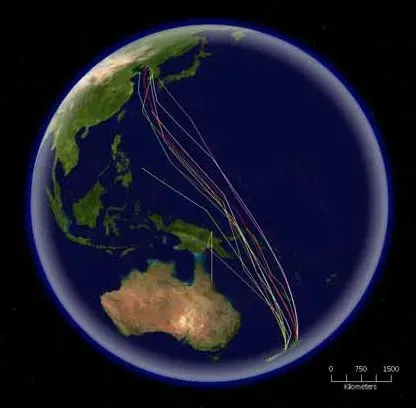
When scientists first recorded bar‑tailed godwits flying nonstop from Alaska to New Zealand, even seasoned migration experts had to double‑check the data. These modest‑looking shorebirds, with long bills and mottled plumage, complete one of the longest known continuous flights on Earth, lasting more than a week without landing. During this marathon journey over the Pacific, they cannot stop to drink or feed, so they prepare by nearly doubling their body weight with fat before departure. Their internal organs even shrink to lighten the load, turning them into living long‑distance aircraft tuned for efficiency and endurance.
The navigation puzzle here is as compelling as the physical feat. Godwits often leave in tight windows when winds at high altitudes favor their direction, showing a sophisticated ability to read atmospheric conditions. Tiny tracking devices have confirmed that some birds adjust their course mid‑flight to avoid storms, which means they are not merely passengers of the wind but active pilots. Studies of these birds are helping scientists refine models of how animals gauge distance, fuel needs, and risk over vast, featureless expanses. For anyone who has struggled through a cramped long‑haul flight, the idea of a small bird calmly crossing an entire ocean without rest feels almost surreal.
Why These Migrations Matter More Than Ever
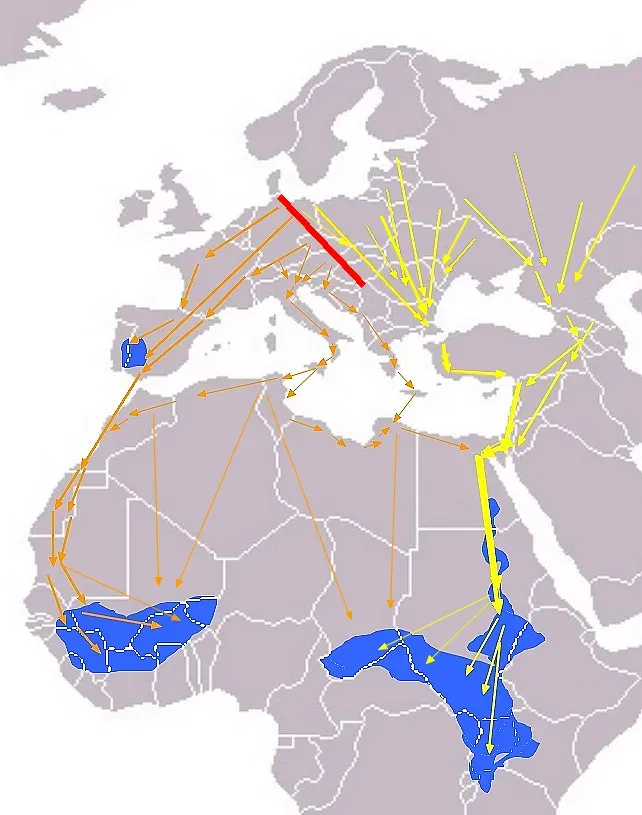
It is tempting to see these epic migrations as beautiful background scenery in nature documentaries, but they are far more than that. Migratory animals knit distant ecosystems together, moving nutrients, seeds, and energy across continents and oceans. When wildebeest graze and move on, or salmon travel from rivers to sea and back again, they are helping maintain soil health, forest growth, and food webs that support countless other species, including humans. Losing or severely disrupting a major migration can be like cutting a critical artery in a living body, with consequences that ripple outward in ways we often do not foresee.
From a scientific standpoint, migrations are also one of our most sensitive early‑warning systems for environmental change. Shifts in timing, route, or success rates can reveal problems in far‑off habitats long before we notice them in other ways. These journeys test the limits of animal physiology, orientation, and decision‑making, giving researchers natural experiments in endurance and navigation that no lab could ethically recreate. Compared with older views that treated animals as following simple, rigid “instincts,” modern migration science reveals a far more dynamic picture of learning, flexibility, and cultural transmission. In short, to track migrations is to take the pulse of a planet under pressure.
The Future Landscape: New Tools, New Threats, and Uncertain Routes
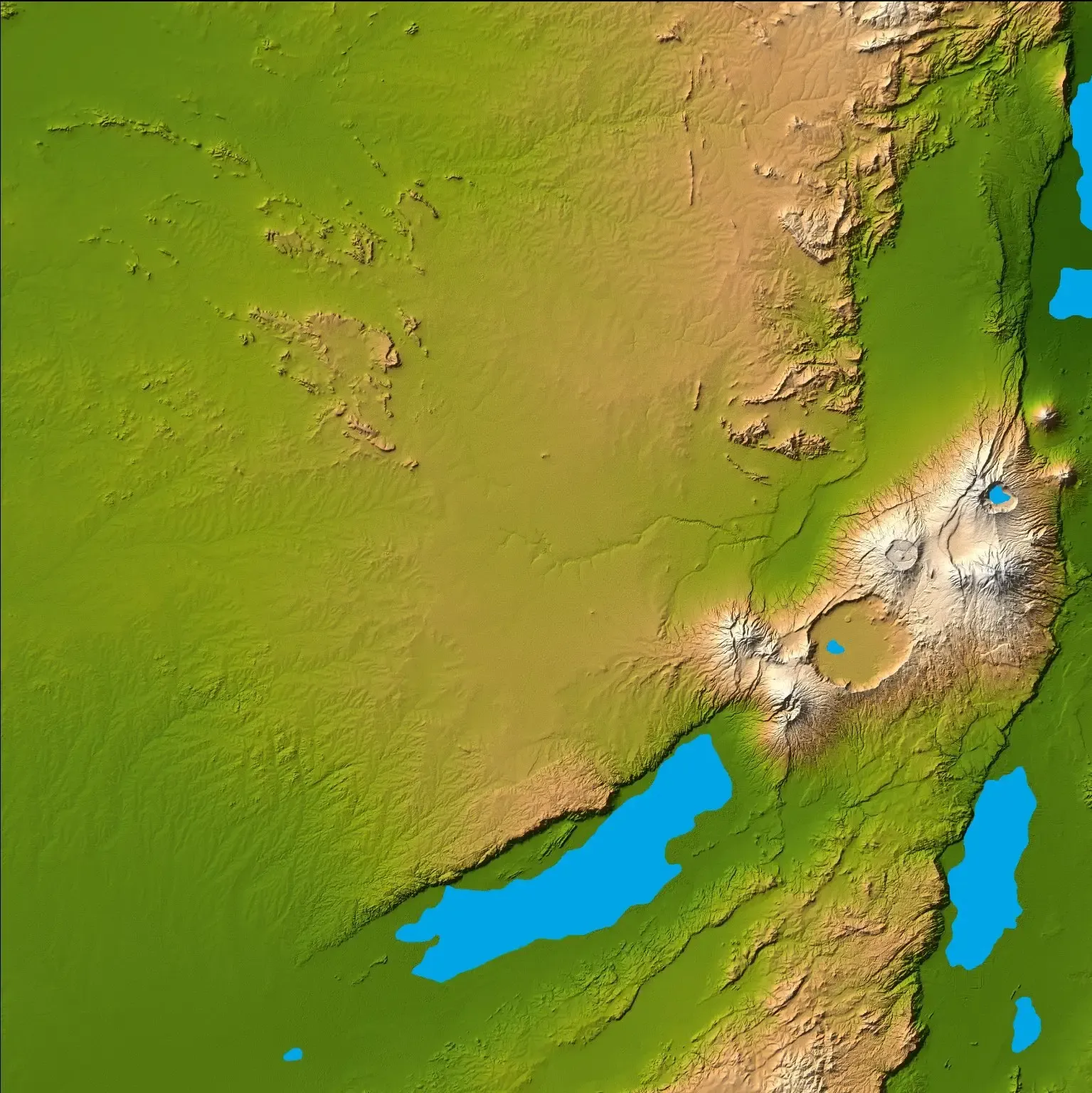
Over the last two decades, technology has transformed how we study migration, often in quietly revolutionary ways. Miniaturized satellite tags, solar‑powered GPS loggers, and even tiny geolocators that record light levels have allowed scientists to map routes in fine detail that were once only guessed at from scattered sightings. Machine‑learning models now help decode complex movement patterns from oceans of tracking data, revealing hidden stopover sites or previously unknown detours. At the same time, automated acoustic recorders, radar, and even weather satellites can pick up flows of birds and bats on the move, turning the sky itself into a giant, living dataset.
Yet the threats are scaling up just as quickly. Climate change is shifting the timing of seasons, so some migrants now arrive at breeding or feeding grounds after the peak of food availability has already passed. Expanding cities, wind farms, high‑rise buildings, and illuminated oil rigs create deadly obstacles along traditional routes, while plastics and pollution alter both marine and terrestrial habitats. In the coming years, scientists expect more mismatches between ancient schedules and new environmental realities, especially for species that rely on tight timing. The global challenge will be to use our growing technical power to safeguard movement – protecting key corridors, dimming dangerous lights, redesigning infrastructure – rather than simply documenting collapse. Whether these epic journeys continue will say a lot about what kind of future we are willing to build.
How You Can Stay Connected to Nature’s Greatest Journeys
For most of us, the idea of tracking a humpback across an ocean or a monarch to Mexico feels completely out of reach, but there are surprisingly simple ways to plug into these migrations. Many research projects now share real‑time tracking maps online, letting you follow specific animals as they move, almost like checking a friend’s travel updates. You can also support monarchs and migratory birds right at home by planting native flowers, shrubs, and crucial host plants, and by keeping windows and outdoor lights safer during peak migration seasons. I still remember the first time I looked up a local bird radar map during spring and realized that, while my city seemed quiet, a river of life was flowing through the night sky above.
On a broader level, supporting conservation groups that focus on migratory corridors, wetlands, and ocean sanctuaries can help protect the critical links these animals depend on. Even small actions, such as choosing seafood from well‑managed fisheries or advocating for dark‑sky protections in your community, can ease pressure along migration routes. Paying attention is a form of respect, and it often starts with simply asking where the animals around you have come from and where they are heading next. These journeys are still unfolding all around us, often just out of sight, written in wingbeats, fin slaps, and restless urges to move. The question is whether we will help keep the paths open, or watch them fade into memory.
Suhail Ahmed is a passionate digital professional and nature enthusiast with over 8 years of experience in content strategy, SEO, web development, and digital operations. Alongside his freelance journey, Suhail actively contributes to nature and wildlife platforms like Discover Wildlife, where he channels his curiosity for the planet into engaging, educational storytelling.
With a strong background in managing digital ecosystems — from ecommerce stores and WordPress websites to social media and automation — Suhail merges technical precision with creative insight. His content reflects a rare balance: SEO-friendly yet deeply human, data-informed yet emotionally resonant.
Driven by a love for discovery and storytelling, Suhail believes in using digital platforms to amplify causes that matter — especially those protecting Earth’s biodiversity and inspiring sustainable living. Whether he’s managing online projects or crafting wildlife content, his goal remains the same: to inform, inspire, and leave a positive digital footprint.


