


Deep beneath your feet, far below the crust and the continents and the oceans, something may be quietly shaping the way you think. A new wave of research is exploring a wild idea: that Earth’s gravity and layered interior might not just support life, but help sculpt the very way brains evolve. Instead of treating intelligence as an abstract, floating trait, scientists are asking whether it is literally grounded in rock, pressure, and planetary structure. The mystery is irresistible: would a mind born under weaker gravity, on a smaller or very different world, ever think like ours? As researchers connect brain development, planetary physics, and the long arc of evolution, they are discovering that some of the secrets of human intelligence may be written in stone.
The Hidden Clues Beneath Our Feet
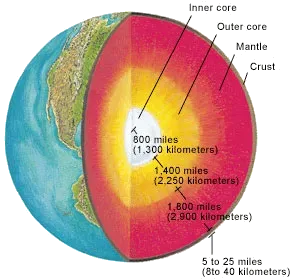
It sounds almost mystical at first: gravity, something we barely notice day to day, might be one of the silent architects of our minds. Yet on closer inspection, the idea is less fantasy and more a chain of physical consequences stretching from the core to the cortex. Earth’s gravity helps shape the planet’s layered interior, from the dense metallic core to the flowing mantle and brittle crust, and that structure, in turn, drives everything from plate tectonics to long-term climate stability. Those planetary systems create the environmental ups and downs that life must navigate over millions of years.
Brains, especially large and energy-hungry ones like ours, do not evolve in a vacuum; they emerge in response to changing landscapes, shifting coastlines, and cycles of fire and ice. Gravity controls how thick the atmosphere can be, how mountains rise, and how oceans spread, which all affect the challenges that evolving species face. If you think of intelligence as a complex survival strategy, then gravity is part of the rulebook that decides which strategies pay off. In that sense, the ground beneath your feet is also a kind of long-term editor of thought itself.
From Ancient Tools to Planetary Physics
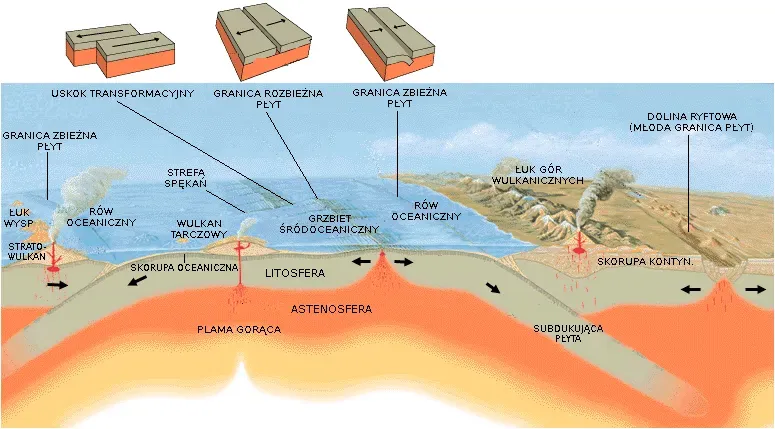
For decades, the usual story about human intelligence focused on things like tool use, language, and social cooperation. Those factors still matter enormously, but researchers are now asking what set the stage for those traits to matter in the first place. Earth’s geology played a quiet but decisive role: tectonic activity reshaped coastlines, exposed mineral-rich regions, and created varied habitats that demanded flexibility and innovation from early humans. Gravity, by determining Earth’s size, internal pressure, and heat flow, helped make those tectonic dramas possible.
When you trace the path from stone tools to symbolic art, you’re also tracing a path through landscapes sculpted by gravity-driven processes. Changing sea levels pushed human groups to migrate, adapt, and interact, favoring brains that could plan, cooperate, and remember. Mountain ranges and rift valleys, formed by a restless interior, fragmented populations and then reconnected them, seeding cultural and genetic diversity. It becomes harder to draw a clean line between “environmental background” and “mental foreground” when the planet itself is constantly rewriting the challenges that a clever brain can solve.
How Gravity Shapes Bodies, Brains, and Energy
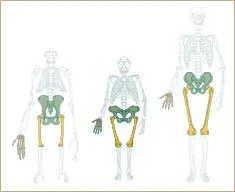
The most immediate way gravity touches intelligence is through the body. On a world with Earth’s gravity, walking upright, balancing a heavy head, and giving birth to large-brained infants impose strict physical limits. The human skeleton, spine, and circulatory system are all compromises between stability and mobility in a one‑g environment. Those constraints feed back into how big a brain can grow, how much energy it can consume, and how long it can develop before birth and during childhood.
Scientists studying astronauts in microgravity have seen how rapidly the body changes when gravity disappears: muscles waste, bones thin, fluid shifts toward the head, and even vision can be altered. These shifts hint at how deeply gravity is woven into our biology. A large human brain already consumes roughly about one fifth of the body’s energy at rest, and that energy budget depends on a physical frame evolved to move, feed, and stay upright here, not on Mars or the Moon. If you tweak gravity, you may not just change how we move; you could change what kinds of brains are even viable.
Inside Earth’s Core: A Silent Partner in Intelligence
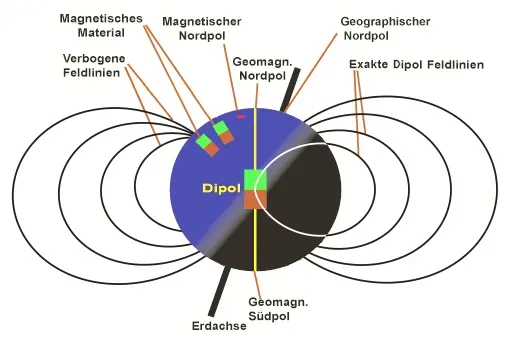
The story goes deeper, down to the core that powers Earth’s magnetic field. That field, generated by the motion of liquid iron under crushing gravity, shields the surface from high‑energy solar and cosmic radiation. Without that protection, complex life on land would be far more vulnerable, and long evolutionary experiments like large mammalian brains might be repeatedly wiped out. Gravity does not directly “create” intelligence, but it helps maintain a stable, relatively gentle environment where slow, intricate biological progress can unfold.
Researchers studying exoplanets often look for worlds with active interiors and strong magnetic shields as promising homes for life. A planet too small may cool quickly, lose its magnetic field, and see its atmosphere eroded away. A planet too massive might lock into a different internal regime with crushing surface conditions. Earth, by cosmic luck, seems to sit in a sweet spot where gravity, heat, and rotation combine to generate a long‑lived protective bubble. Within that bubble, evolution had the time and space to tinker with neurons, synapses, and the strange capacity for self‑awareness.
The Hidden Clues in Other Worlds and Extreme Experiments
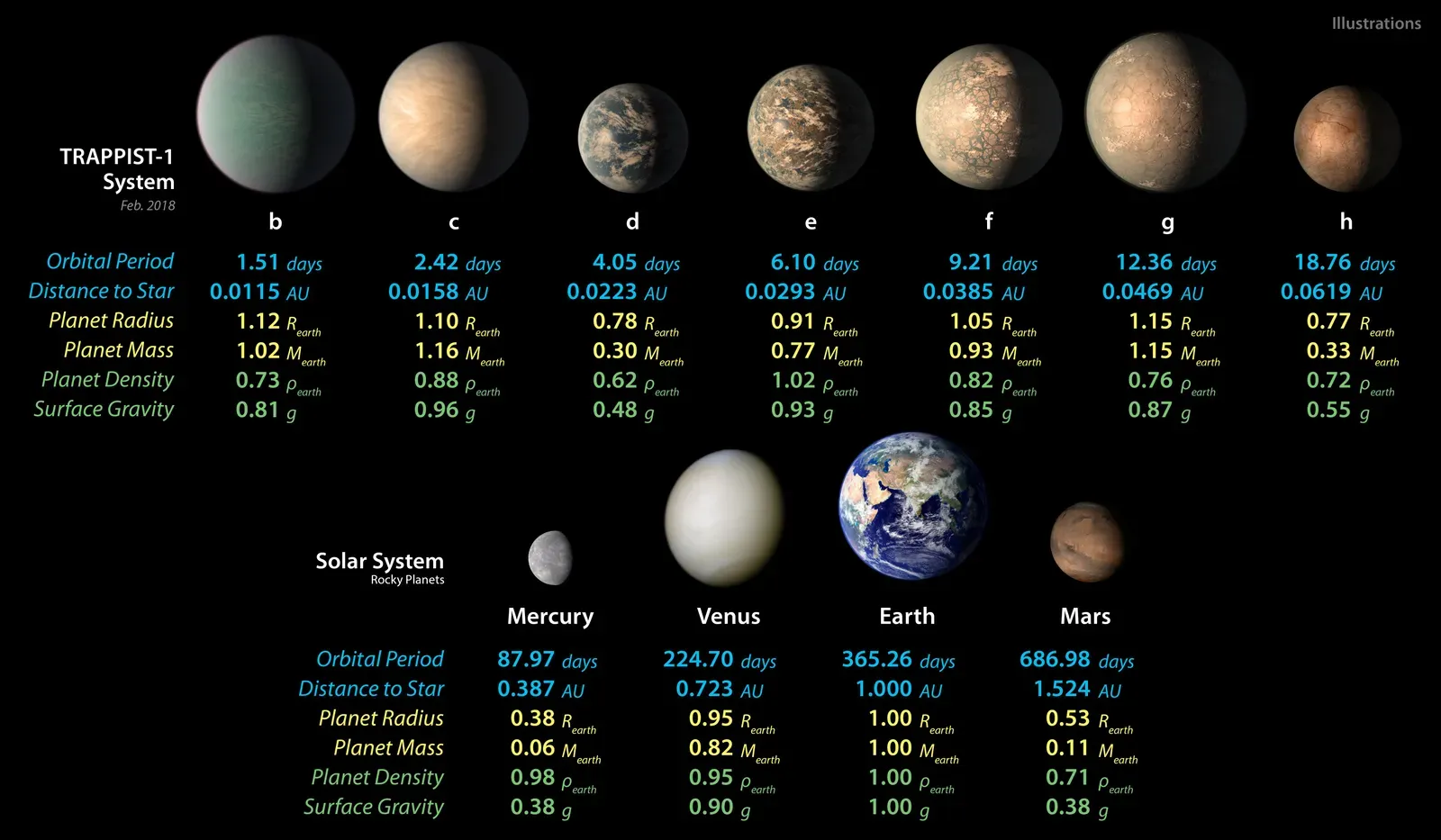
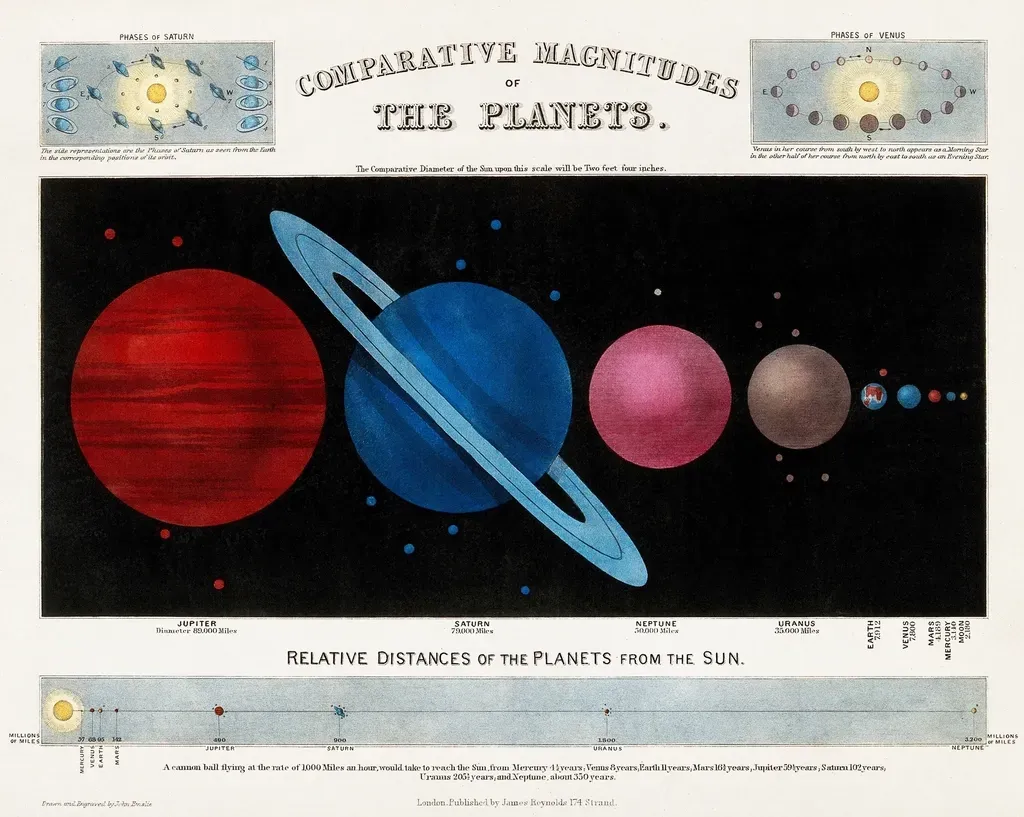
Our own planet gives us one example, but the real test of the gravity‑intelligence idea lies beyond Earth. Planet hunters have already found thousands of worlds with wildly different sizes, densities, and likely surface gravities. Some “super‑Earths” may have two or three times our gravity, while smaller rocky planets and moons could have a gentle pull closer to that of Mars. Each of these worlds would enforce a different set of rules on how bodies and brains could evolve, from muscle structure to blood circulation and skeletal design.
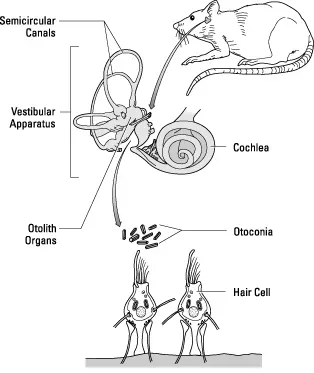
Closer to home, experiments in the International Space Station and in terrestrial centrifuges let scientists probe how cells and developing organisms respond to changed gravity. Some studies hint that neural development, gene expression, and even basic cell division behave differently when gravity is altered, though the picture is still incomplete. A few early findings suggest that sensory systems become confused or reorganized, and that stress responses ramp up when gravity is removed or dramatically increased. While these are not alien minds, they offer a glimpse of how delicate the balance might be between planetary pull and the wiring of a nervous system. Put simply: change the weight of the world, and everything that grows upon it must rethink its strategy.
Why It Matters: Rethinking Intelligence from the Ground Up
This line of research matters because it forces us to stop treating intelligence as something that could arise anywhere, in any conditions, as long as enough time passes. Instead, it suggests that minds like ours may only emerge on planets with a very particular set of physical traits. That has direct implications for the search for extraterrestrial life: instead of just looking for any “habitable zone” world, astronomers might prioritize those with Earth‑like gravity, internal heat flow, and magnetic fields. The odds of meeting a familiar kind of intelligence could be lower than many optimistic scenarios assume.
It also reshapes how we think about ourselves. If our smartest abilities are partly the outcome of deep planetary physics, then human culture and technology are not floating above nature; they are rooted in it. Traditional stories of progress often skip quickly from “early tool use” to “modern science” without asking what made such a storyline physically possible. Recognizing gravity as a quiet co‑author of our history blurs the boundary between geology and psychology. It is a reminder that the human mind is not just in the world; it is of the world.
The Future Landscape: Space Habitats, Alien Minds, and Our Next Experiments
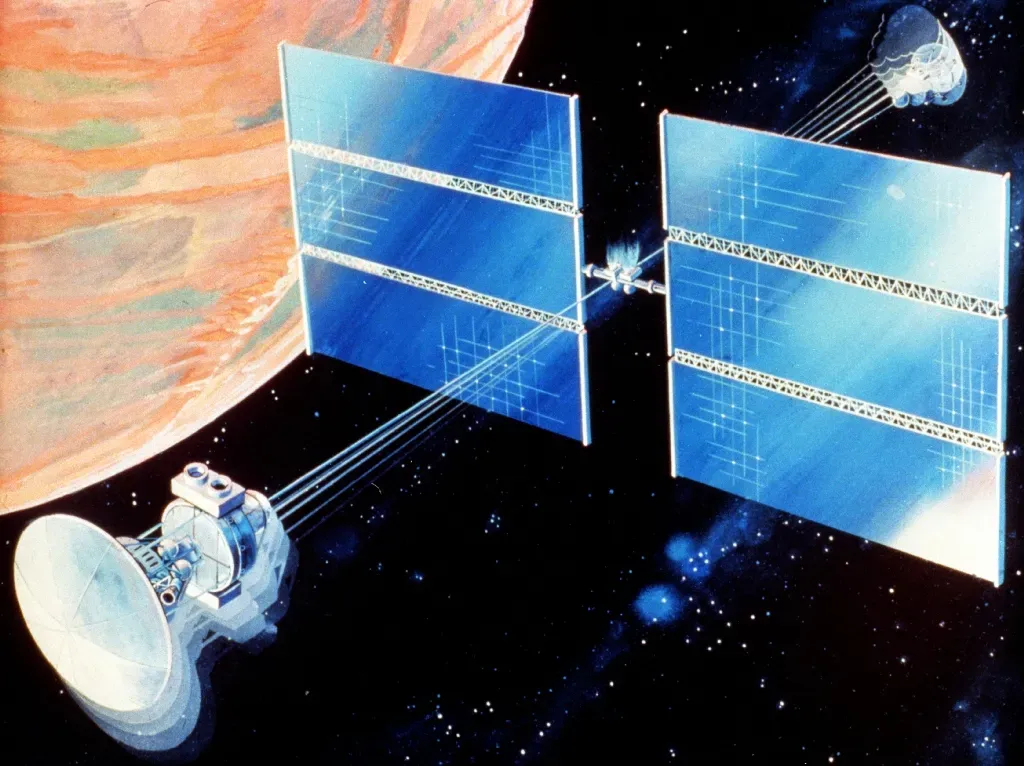
The gravity‑intelligence connection is not just a philosophical curiosity; it is becoming a practical question as humanity eyes life beyond Earth. Future space habitats, lunar bases, and Martian settlements will expose people to lower gravity for years or lifetimes. Scientists are already debating whether growing up under weaker gravity will reshape the skeleton, cardiovascular system, and possibly even the developing brain of children born there. If planetary pull helped sculpt our cognitive abilities, then long‑term life in altered gravity might gradually nudge human minds in new directions.
Upcoming missions and telescopes will sharpen the picture. New observatories are poised to measure the masses, radii, and atmospheric makeups of distant rocky worlds with far more precision. Meanwhile, biological experiments in partial‑gravity environments, simulated by rotating spacecraft or artificial habitats, will test how nervous systems adapt or struggle. Possible global implications include how we design safe space colonies, how we interpret signs of intelligence on exoplanets, and how we protect Earth’s own fragile life‑support systems. Gravity, once a mere background constant, is stepping into the spotlight as a key variable in the future of thinking beings.
How You Can Engage with This New Frontier
You do not need a physics degree to be part of this unfolding story about gravity and the mind. One simple step is to stay curious about how Earth actually works, from its molten core to its shifting plates and changing climate. Popular science books, documentaries, and museum exhibits about Earth’s interior and exoplanets turn abstract concepts into vivid images and hands‑on experiences. Supporting public science institutions, local planetariums, and educational programs helps keep this kind of research and outreach alive.
On a more personal level, following missions that explore the Moon, Mars, and beyond can give you a front‑row seat to experiments in altered gravity. Many space agencies and research groups share updates, images, and even raw data that anyone can explore. You can back organizations and citizen‑science projects that monitor Earth’s magnetic field, track exoplanets, or study environmental changes tied to the planet’s restless interior. Each of these efforts adds another piece to the puzzle of how a heavy, spinning ball of rock ended up hosting self‑aware primates capable of asking why they think at all.
Suhail Ahmed is a passionate digital professional and nature enthusiast with over 8 years of experience in content strategy, SEO, web development, and digital operations. Alongside his freelance journey, Suhail actively contributes to nature and wildlife platforms like Discover Wildlife, where he channels his curiosity for the planet into engaging, educational storytelling.
With a strong background in managing digital ecosystems — from ecommerce stores and WordPress websites to social media and automation — Suhail merges technical precision with creative insight. His content reflects a rare balance: SEO-friendly yet deeply human, data-informed yet emotionally resonant.
Driven by a love for discovery and storytelling, Suhail believes in using digital platforms to amplify causes that matter — especially those protecting Earth’s biodiversity and inspiring sustainable living. Whether he’s managing online projects or crafting wildlife content, his goal remains the same: to inform, inspire, and leave a positive digital footprint.


