
Stress in 2025 feels relentless, but nature has been rehearsing solutions for millions of years. Ethologists track how animals recover after alarms, conserve energy during scarcity, and reconnect after conflict – and those same strategies can translate into everyday self-care. Pair that with the narrative pull of the – twelve archetypes people already use to organize personality – and you get a fresh, science-rooted toolkit. Think of it as an elegant detour: instead of forcing calm, we mimic wild behavior that naturally resets the body. Here’s how the signs can borrow from the field notes of foxes, starlings, otters, and elephants without losing the wonder that makes this journey feel alive.
The Hidden Clues
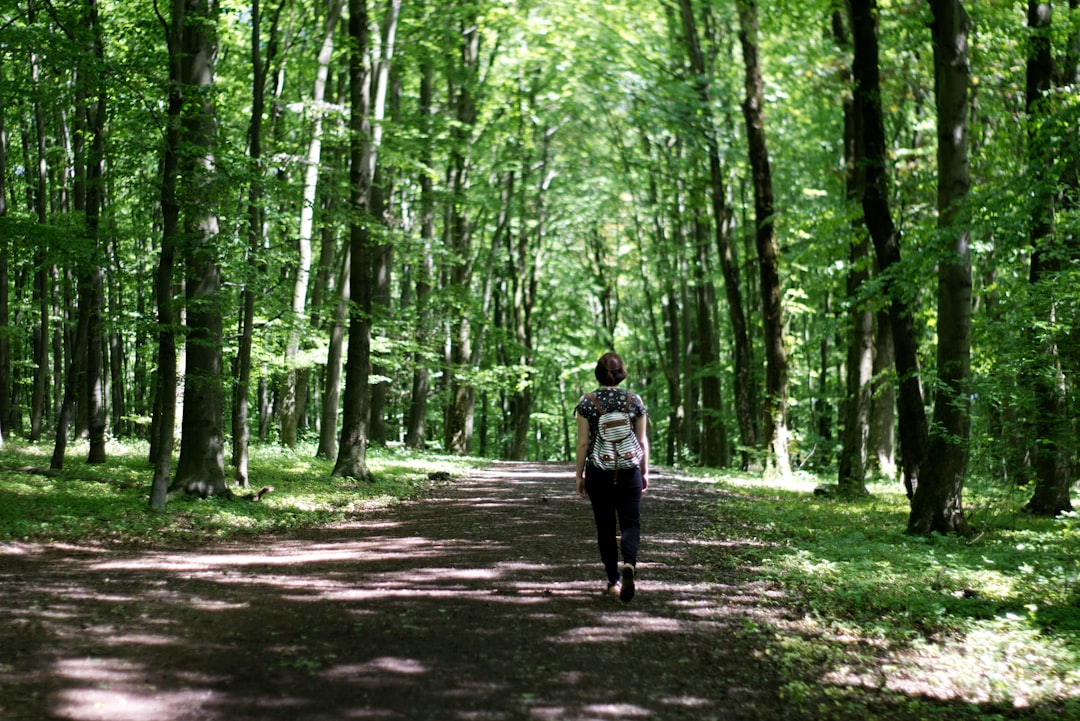
Start with the recovery window – the quiet minutes right after a jolt – because animals treat that sliver of time like gold. Many mammals downshift with grooming, slow walking, or soft contact, behaviors that lower arousal and sort the nervous system back into balance. For cardinal signs that run hot (Aries, Cancer, Libra, Capricorn), try a literal “cool-down lap” after stressful meetings: a three-minute stroll, shoulders loose, eyes scanning the horizon like a deer checking the tree line. Fixed signs (Taurus, Leo, Scorpio, Aquarius) may do better with tactile rituals, such as washing hands in warm water or rubbing a smooth stone, echoing the self-soothing seen in primates.
Mutable signs (Gemini, Virgo, Sagittarius, Pisces) can reset with novelty micro-doses – switch rooms, change light, or open a window – mirroring how foragers sample new patches to break fixation. I tested this on a deadline last week: one slow loop around the block, then a brief hand rinse, and the pressure dialed down just enough to write clearly.
Fire Signs on the Move: Aries, Leo, Sagittarius
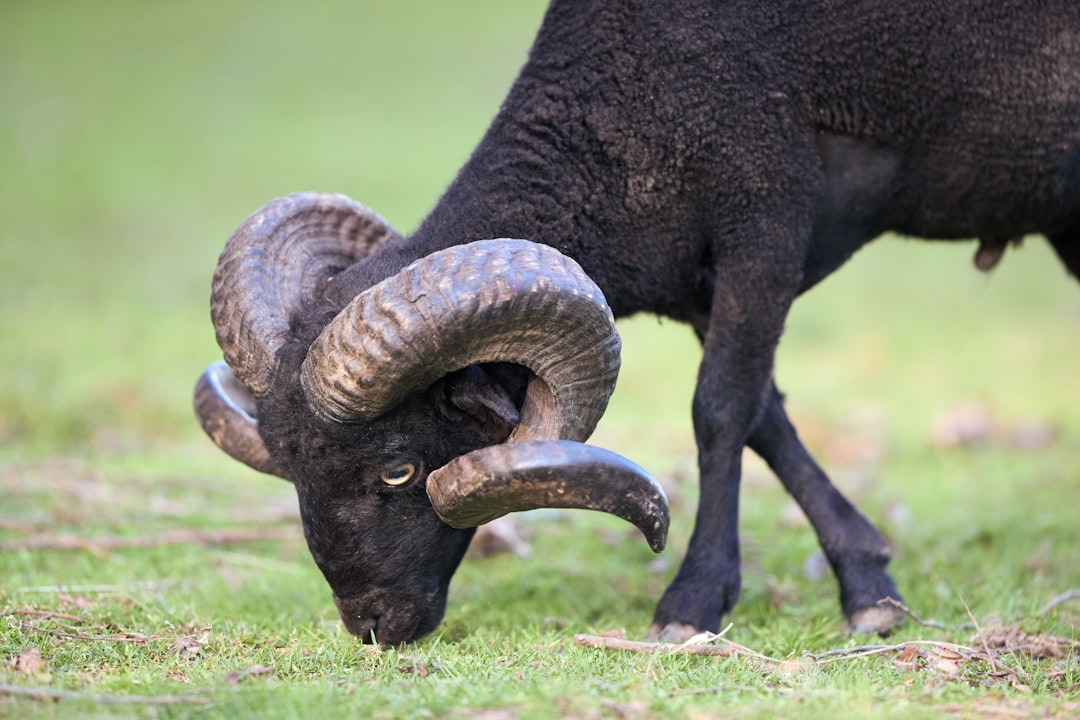
Predators don’t sprint all day; they burst, pause, and recalibrate, conserving energy for the moments that matter. If you’re a fire sign, use “short-hot-then-off” cycles during tense tasks – ninety seconds of focused push, thirty seconds of full stop – much like a cheetah that knows when to sprint and when to sprawl in the shade. Add light-oriented recovery: bask near a window or step into sun for two minutes, borrowing from lizards and lions that time activity to light and heat. For conflict recovery, channel social play seen in young canids by scheduling low-stakes, physical fun after tough conversations: a quick game of catch or five minutes of music-and-motion.
When agitation spikes, emulate the shake-and-reset you see in mammals after a near miss – stand, exhale, and do a gentle whole-body jostle to clear muscle tension. Fire thrives when it respects fuel; your best self-care is judicious ignition, not permanent blaze.
Earth Signs at Rest: Taurus, Virgo, Capricorn
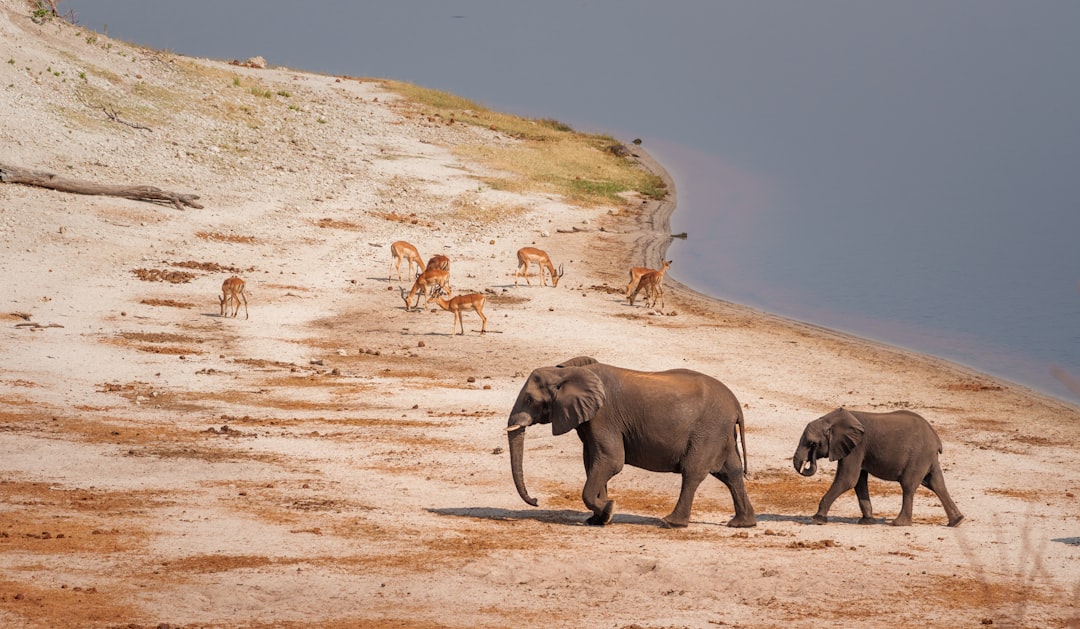
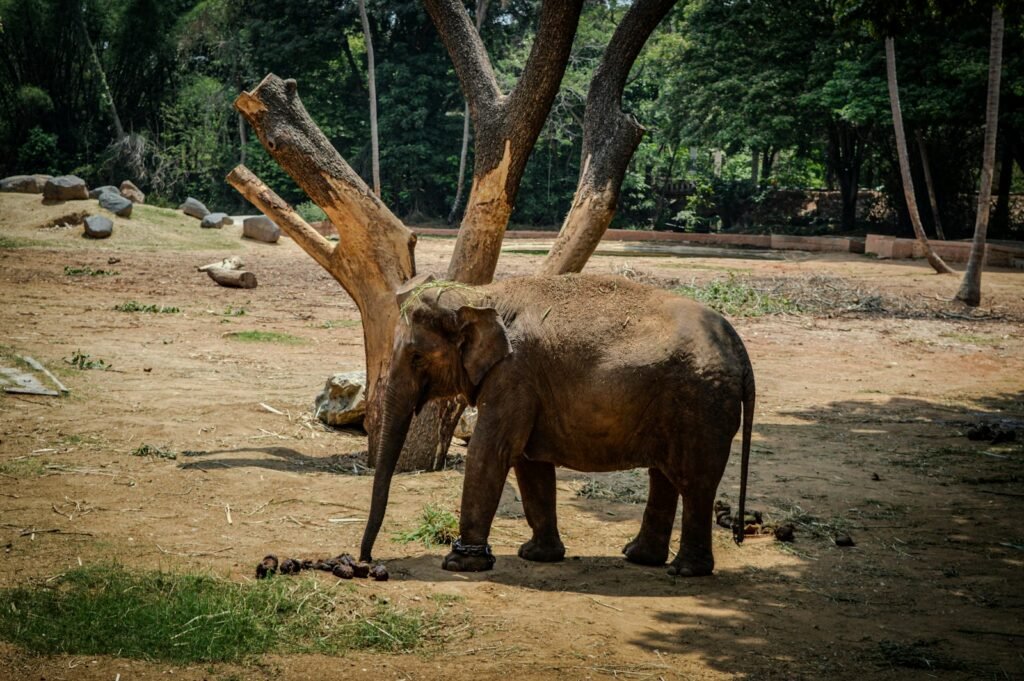
Large herbivores survive by pacing, not rushing, and earth signs can borrow that cadence. Build grazing-style workdays with micro-breaks – two or three minutes every half hour – to maintain steady focus the way elephants and bison alternate steps and stillness during long treks. Add temperature and texture: a cool compress or a clay mask echoes mud wallows that protect skin and lower heat load, and grounding touch steadies the senses.
For over-think spirals, imitate burrowers that tidy nests before sleep: a two-minute tidy of your desk or bag signals closure to the brain. Socially, think herd safety – sit shoulder-to-shoulder with a trusted person in silence, the way ungulates cluster to reduce vigilance costs. Earth signs don’t need flash; they need reliable routines that, like a well-worn trail, make the next good choice automatic.
Air Signs in Formation: Gemini, Libra, Aquarius
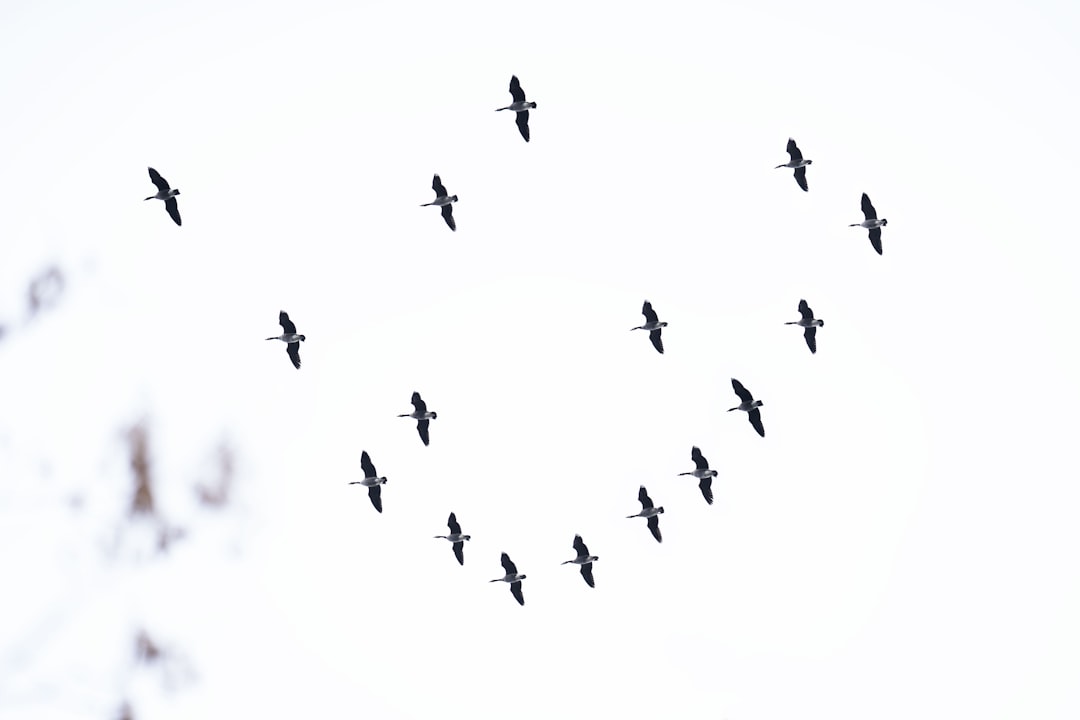
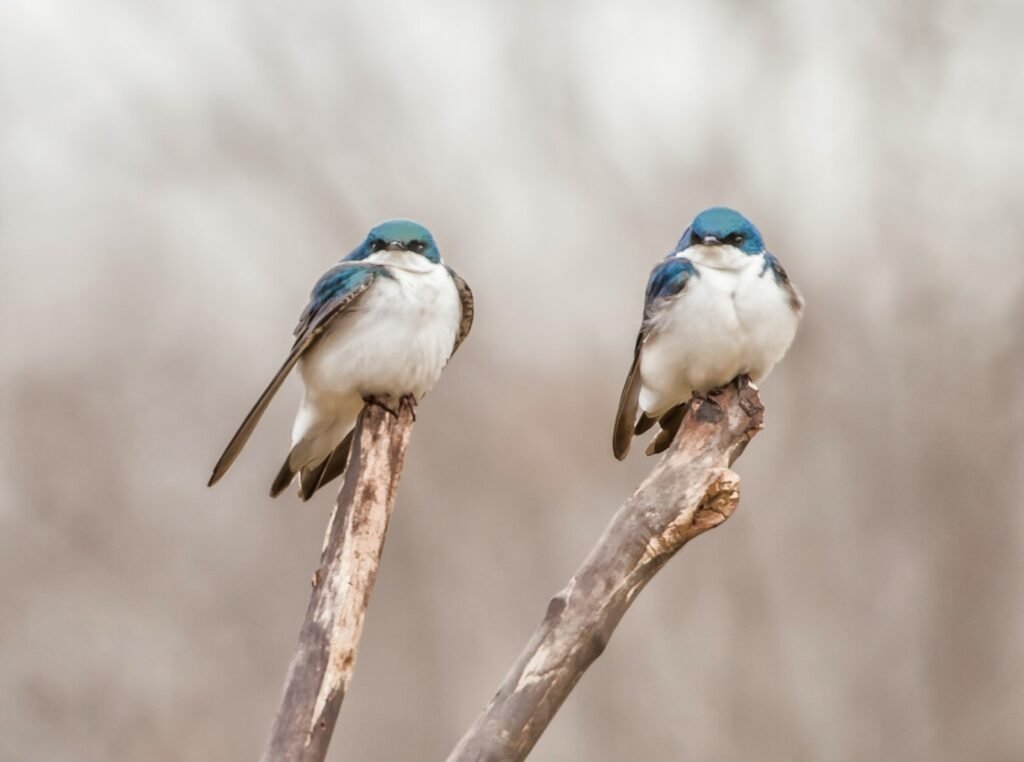
Flocks calm through coordination, and air signs can harness that same coherence with breath and voice. Practice murmuration breathing – inhale for four steps, exhale for six – while walking with a friend, syncing footsteps like starlings matching wingbeats. Use short vocalizations to modulate arousal: a hum or soft chant copies birdsong’s role in group regulation, nudging the vagal brake without theatrics. When the mind scatters, change altitude metaphorically by standing near a window or rooftop view, then scan the distance as swifts do before reorienting to the group.
For social stress, adopt flock rules: simple signals, clear spacing, and rejoin points, so you always know when to regroup. The aim isn’t silence; it’s elegant pattern, the kind that lets many minds fly as one without collision.
Water Signs in the Current: Cancer, Scorpio, Pisces

Marine mammals master active rest, surfacing for air while keeping one hemisphere of the brain alert, and water signs can practice similar oscillations. Try segmented unwinding: two minutes of eyes-closed audio followed by a brief look at a stable visual target, repeating as needed to drift but not disappear. Build grooming rituals that actually matter – warm bath, slow oil massage of hands or feet – stealing a page from sea otters whose meticulous fur care keeps them buoyant and calm.
If emotions run deep, think tide pools, not oceans: set small, bounded spaces for feeling, then return to the wider sea of daily life. Seek literal water when possible, even a fountain or shower, because the multisensory cues – echo, coolness, sparkle – prompt a natural downshift. Water signs regulate best when they stop resisting currents and learn to glide between depths.
Why It Matters

At the core is allostasis, the body’s way of staying stable by changing, which explains why brief, well-timed stress can strengthen us while unrelieved strain erodes health over time. This framework clarifies why micro-recoveries – breaths, grooming, short walks – are not indulgences but maintenance that prevents overload. Social buffering adds another pillar: across species, close allies dampen the hormonal surge of threat, making recovery faster and more complete, whether you’re a macaque in winter or a commuter facing an icy meeting room. These models offer testable hypotheses for self-care, not vague mantras; they predict when a two-minute pause beats a twenty-minute doomscroll and when companionship outperforms lone grit.
Thinking in animal strategies invites specificity – pace like an elephant, breathe like a swift, reset like a fox – that you can deploy under pressure. That is the practical promise of mapping archetypes to ethology rather than to superstition. It’s a narrative scaffold that points back to measurable biology, from allostatic load to the chemistry of social calm. ([nejm.org](https://www.nejm.org/doi/full/10.1056/nejm199801153380307?utm_source=openai))
The Future Landscape
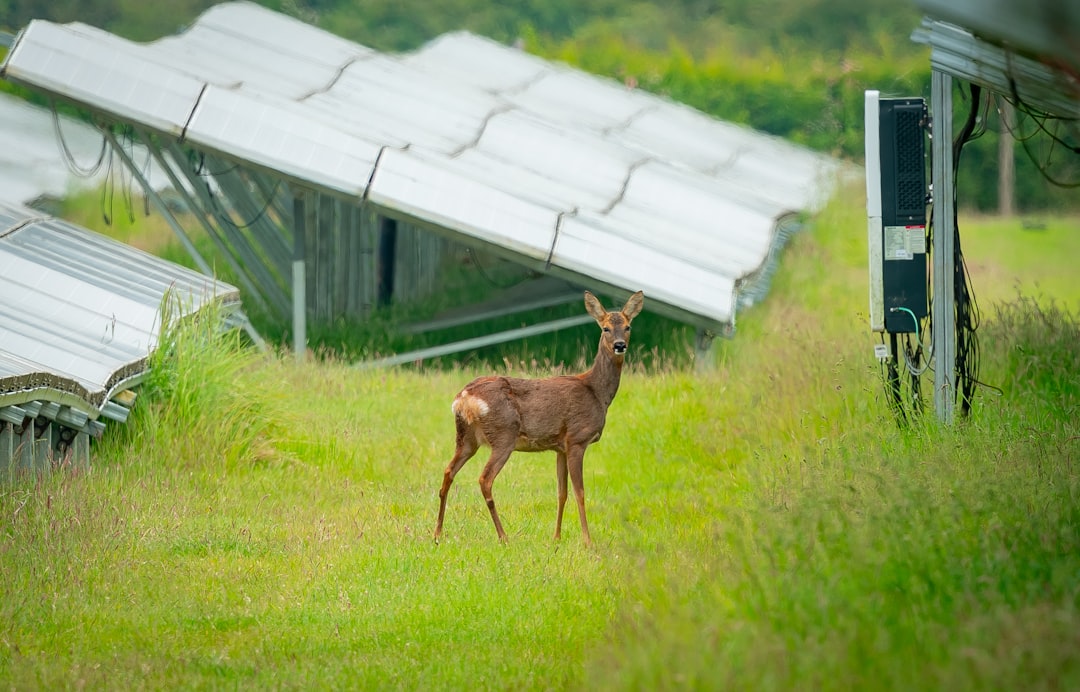
The next wave of self-care will likely fuse wildlife telemetry, personal biosignals, and behavioral nudges into something more akin to field biology than wellness trends. Imagine wearables that learn your ultradian rhythms and prompt a lion’s bask or a dolphin’s micro-surface exactly when your stress curve peaks. Urban design is already flirting with flock-friendly spaces – quiet corridors, shaded stoops, small water features – that make quick resets feasible between tasks. We’ll also see more social-design tools, from meeting norms that include one-minute “herd settle” pauses to neighborhood micro-routines like synchronized evening walks.
The risk is reductionism, mistaking metaphors for medicine, so rigorous trials must separate what feels poetic from what measurably helps. Still, as conservation tech illuminates how animals thrive under constraint, those lessons will keep flowing back into human habitats in smarter, humbler ways.
Conclusion
Pick your element and test one wild tactic today: a burst-and-rest cycle for fire, a grazing micro-break for earth, a murmuration walk for air, or a tide-pool pause for water. Pair it with one ally who can be your buffer during spikes, and return the favor when their alarm bells ring. Track what works for a week with simple notes – the time, the behavior, the effect – like a field log rather than a judgment diary. Support the science that makes these insights possible by backing local wildlife studies, urban habitat projects, or campus ethology labs. Most of all, keep it playful and iterative; animals adjust until the environment fits, and you can, too.
Suhail Ahmed is a passionate digital professional and nature enthusiast with over 8 years of experience in content strategy, SEO, web development, and digital operations. Alongside his freelance journey, Suhail actively contributes to nature and wildlife platforms like Discover Wildlife, where he channels his curiosity for the planet into engaging, educational storytelling.
With a strong background in managing digital ecosystems — from ecommerce stores and WordPress websites to social media and automation — Suhail merges technical precision with creative insight. His content reflects a rare balance: SEO-friendly yet deeply human, data-informed yet emotionally resonant.
Driven by a love for discovery and storytelling, Suhail believes in using digital platforms to amplify causes that matter — especially those protecting Earth’s biodiversity and inspiring sustainable living. Whether he’s managing online projects or crafting wildlife content, his goal remains the same: to inform, inspire, and leave a positive digital footprint.