
You probably think of your dog’s licks as little love taps, a slobbery way of saying you’re their favorite human on the planet. It feels sweet, innocent, and honestly kind of flattering when a dog chooses your face as their target. But hidden in that cute moment is a side of biology most people would rather not think about.
Once you peek behind the curtain of what is actually inside a dog’s mouth, on their tongue, and under their gumline, those kisses stop looking quite so harmless. The truth is not that your dog is secretly a monster, but that nature has wired them very differently from us. And when you mix their world with ours at close range – especially around your eyes, nose, and mouth – the results can be surprisingly risky.
The Myth of the “Cleaner Dog Mouth”

One of the most common lines people repeat is that a dog’s mouth is somehow cleaner than a human’s. It sounds comforting, and it lets us shrug off the weirdness of all that drool on our face. But when you look at what actually lives inside both mouths, the picture is not “clean versus dirty” but “wildly different ecosystems that should not be traded like souvenirs.” The bacteria in a dog’s mouth are adapted to their diet, habits, and biology, not to your immune system.
Dogs carry a mix of bacteria that are normal and usually harmless for them but foreign to us. Some of these germs can cause infections when they get into our bloodstream, eyes, or mucous membranes. It is not that your dog’s mouth is always crawling with danger, but when trouble does show up, it tends to be the kind of trouble your body is not prepared to handle. That makes a kiss right on the lips much more than a cute moment – it is a direct transfer between two completely different biological worlds.
The Invisible Zoo on Your Dog’s Tongue
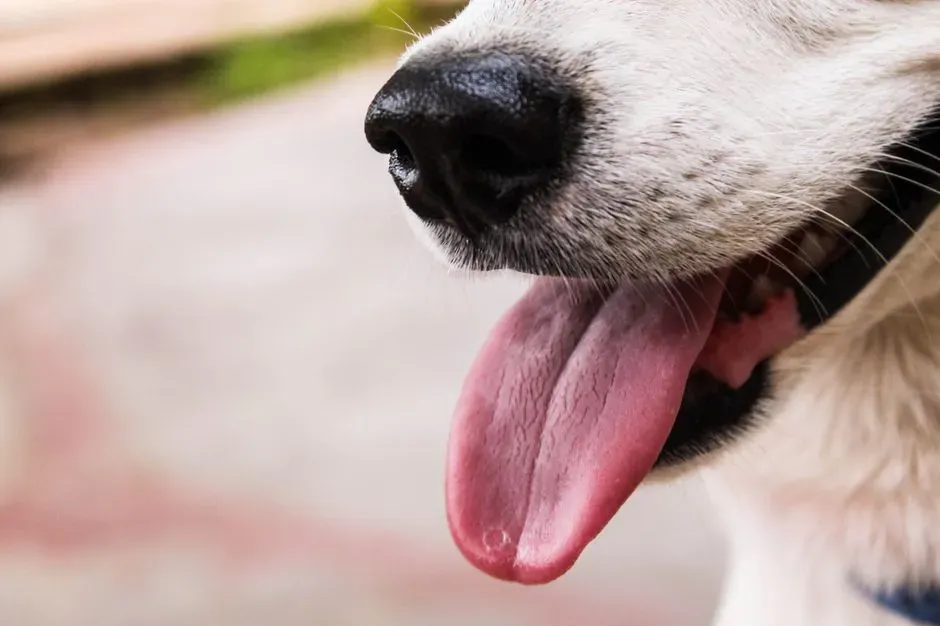
If you could zoom in on your dog’s tongue after a typical day, you would probably back away from those kisses fast. Dogs sniff sidewalks, lick their paws after stepping through who-knows-what, and investigate trash, feces, dead animals, and other animals’ urine as if they were scrolling social media. Every one of those encounters leaves microscopic hitchhikers behind, riding the moisture on their tongue and gums like a free bus pass straight to your skin.
Among those invisible passengers are bacteria that have been linked to serious infections in humans, especially when they find a way into broken skin, gums, or the delicate tissues around the eyes. A lick might seem harmless on intact skin, where your body has a decent barrier. But on your lips, in your nose, or near a healing pimple or cut, those same germs have a chance to slip inside. Imagine letting a toddler drag their fingers through a public restroom and then rub your eyes – that is not far off from what a dog’s tongue can sometimes represent.
From Cute Lick to Serious Infection

Every so often, a story makes the rounds about a person who became very sick after a dog lick, and it sounds almost unbelievable. How could something so ordinary lead to such a severe infection? The answer is usually a perfect storm: the wrong bacteria at the wrong time on the wrong part of the body, combined with a tiny opening in the skin or a weakened immune system. When those factors line up, what started as affection can end up requiring antibiotics, hospital care, or in rare and extreme cases, even surgery.
For healthy adults, the odds of a life-threatening infection from a single dog lick are low, but that is not the same thing as no risk. People with diabetes, immune conditions, cancer, liver disease, or those taking immune-suppressing medications are especially vulnerable. Even without a dramatic outcome, licks can trigger localized skin infections that are painful, slow to heal, and sometimes leave scars. The problem is that from the outside, every lick looks the same – you cannot tell which one carries an extra passenger until it is too late.
The High-Risk Zones: Eyes, Nose, Mouth, and Broken Skin
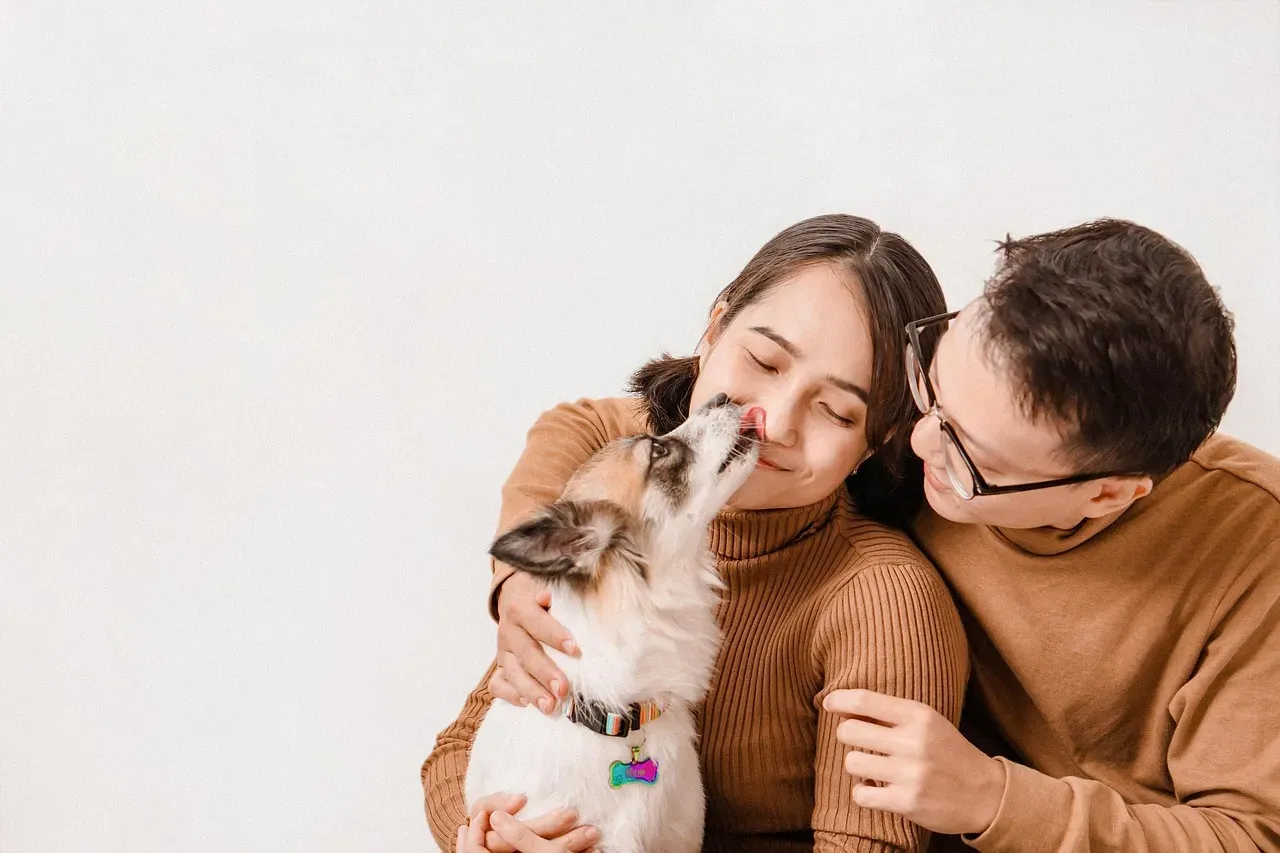
Not every dog lick is equally risky, and that is where common sense can really change the game. Letting a dog briefly lick your forearm is not the same thing as a French-kiss-style attack right on your lips. Your eyes, nose, and mouth are lined with delicate, thin tissue and moist surfaces that make it much easier for germs to hop from the tongue into your body. A lick in those spots is like giving bacteria a VIP entrance with no line and no bouncer.
Broken or irritated skin is another huge red flag, even if it is just a scratch, razor burn, eczema patch, or a popped pimple. These tiny breaches are often invisible or easy to ignore until something starts to hurt or redden. When a dog licks those areas, it is not just saliva touching your skin, it is saliva directly meeting your bloodstream’s outer edge. If you think of your body like a house, intact skin is the locked front door; a dog licking your open cut is the equivalent of swinging the door wide open and hoping nothing unwanted walks in.
Why Kids, Seniors, and Vulnerable People Should Be Extra Careful
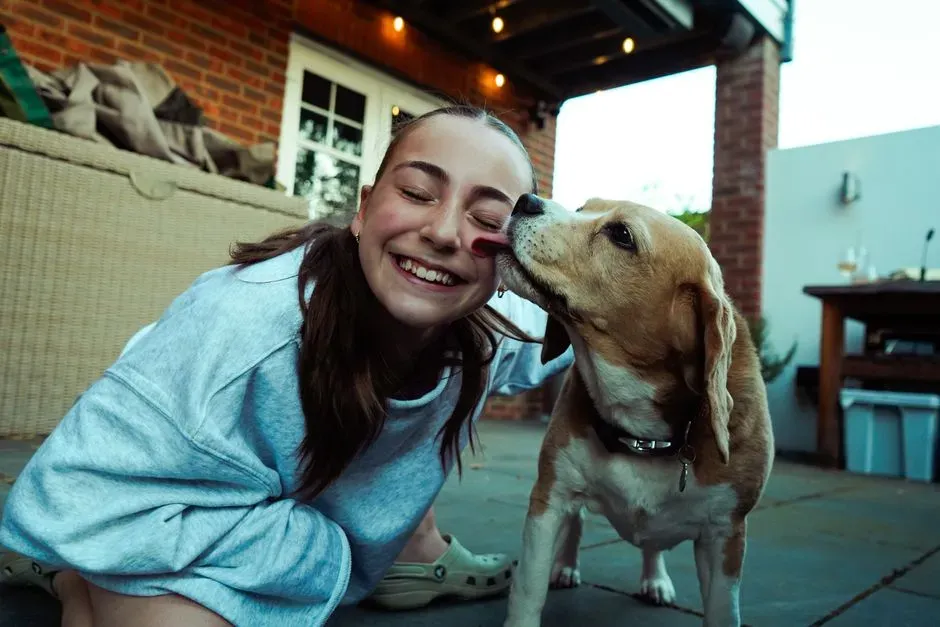
Children love dog kisses, and dogs often adore kids right back, which is both heartwarming and nerve-racking. A child’s immune system is still developing, and they are often shorter, so a dog’s face is closer to theirs. That makes accidental licks to the eyes, nose, or mouth almost inevitable. Kids are also less likely to notice or complain about a small cut, chapped lips, or a scratch that could act as a gateway for infection.
Older adults and people with chronic health conditions or weakened immunity face a different kind of risk. Their bodies are often slower to fight off infections, and what would be a minor issue in a healthy young person can spiral into something much more serious. For these groups, allowing a dog to lick the face moves from “not ideal” to genuinely risky behavior. It is one of those situations where setting a simple boundary with a pet can quietly protect the people you care about most.
Parasites, Poop, and the Things You Do Not Want Near Your Mouth
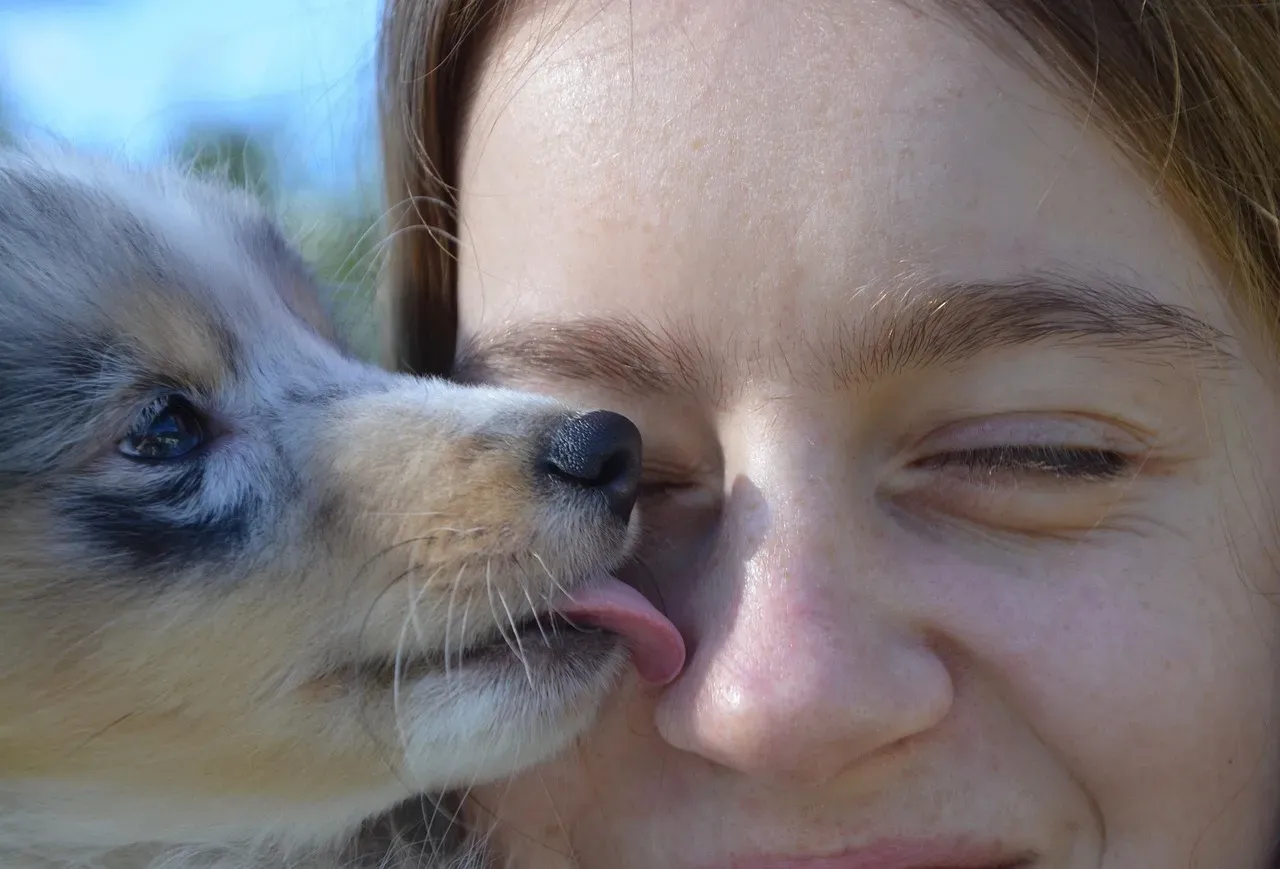
There is an uncomfortable truth every dog owner eventually has to face: dogs are not picky about what they lick or eat. They sniff and taste feces, roll in dead animals, track through soil where other animals have relieved themselves, and sometimes even eat things that make you want to look away. Every one of those encounters can leave traces of parasites, eggs, and other microbes behind in their mouth and on their tongue, even if you never see a single visible sign.
Some parasites and harmful microorganisms can be transmitted to humans, especially through close contact and poor hygiene. While routine vet care, deworming, and regular checkups lower the risk, they do not erase it. Letting a dog that just explored the yard – or worse, the sidewalk – plant a big wet kiss on your lips is like voluntarily sampling a mystery cocktail of whatever they encountered. That may sound dramatic, but once you start picturing the source material, saying no to face licks suddenly feels like basic self-respect.
Building Better Boundaries Without Killing the Bond
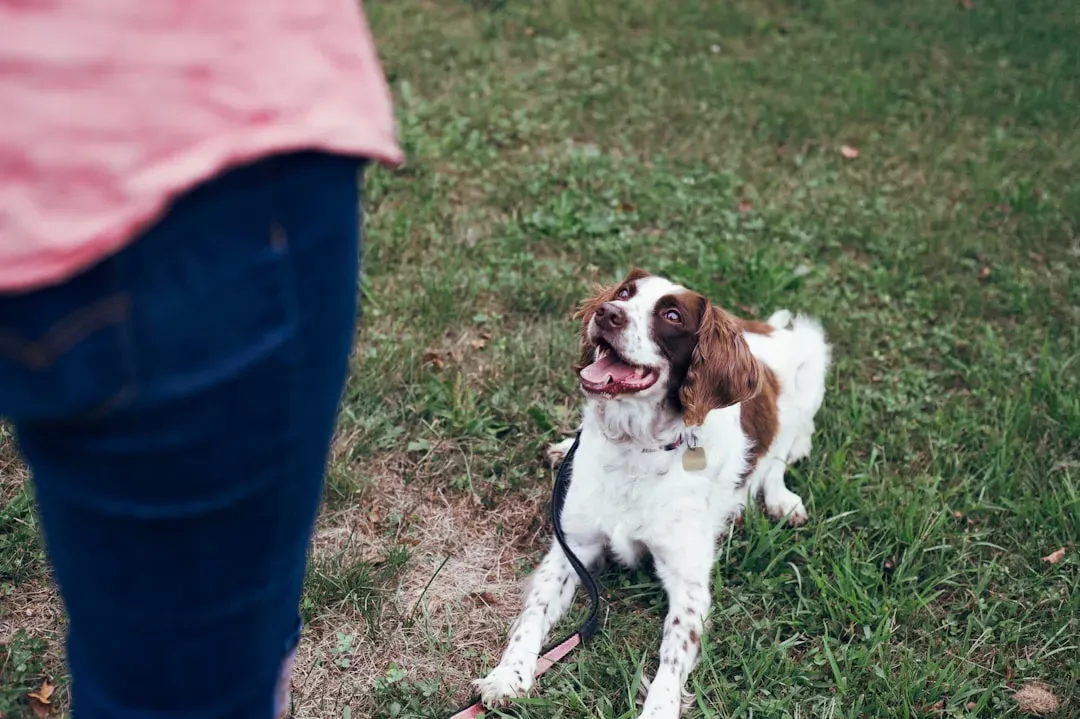
The good news is you do not have to become cold or distant with your dog to stay safe. You can still be affectionate, cuddly, and emotionally close while setting a hard line on face licking. Dogs are smart and trainable; with consistent cues and gentle redirection, they can learn that human faces are off limits. Offer them a hand to sniff or a chest scratch instead, then reward the calmer, less drooly behavior you want to see.
Simple hygiene habits also make a real difference. Wash your hands after playing with your dog, especially before eating or touching your face. Keep up with regular vet visits, vaccines, dental care, and parasite prevention so your dog stays as healthy as possible. Think of it as creating a new love language with your pet: more nose boops and snuggles, fewer mouth-to-face encounters. You do not have to accept every lick as a compliment to have a deep, loving bond.
The Bottom Line: Love Your Dog, Not Their Licks

I adore dogs, and I say all of this as someone who has absolutely let a big, goofy pup land a surprise kiss right on my cheek and only later thought, that was probably not my best decision. The more you learn about what can be hiding in that adorable muzzle, the harder it is to ignore the risk. It is not fearmongering to admit that dog saliva, especially around your face, can be a vehicle for bacteria and other organisms your body never asked to meet. It is simply respecting the fact that humans and dogs are built differently.
At the end of the day, letting a dog lick your face is a choice about how much invisible risk you are willing to invite into very sensitive parts of your body. My opinion is simple: the affection is real, but the habit is not worth the potential cost, especially when there are so many other ways to show love. Hug them, play with them, talk to them, scratch their ears – but keep your face out of the splash zone. Now that you know what rides along in that “kiss,” are you still as eager to lean in?