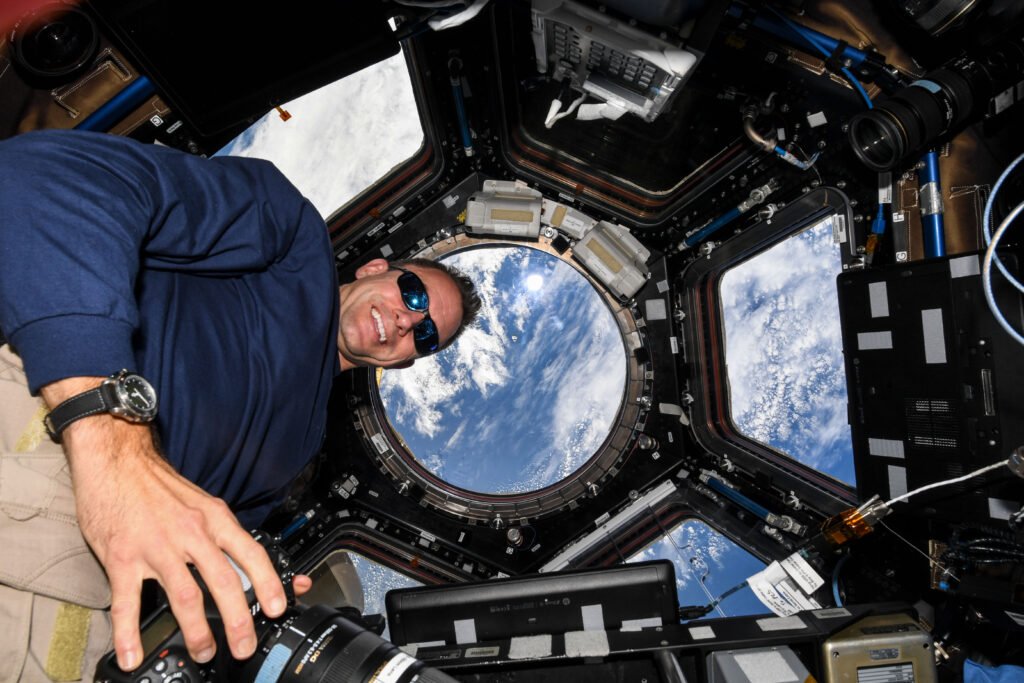

Imagine floating through the silent darkness of space, a blue marble spinning below you, and suddenly realizing you can’t burp. It sounds funny at first—almost like a cosmic prank. But as your body starts acting in ways you never expected, the humor fades into awe. The absence of gravity isn’t just a quirky feature of space travel—it’s a wild experiment, turning your everyday biology into a riddle. From the way your stomach bubbles to the shape of your face, zero gravity transforms you, inside and out. If you’ve ever wondered what really happens to your body when you leave Earth’s pull behind, buckle up. The truth is stranger than science fiction.
The Strange Science Behind Burping in Space
On Earth, burping is as natural as breathing—an easy, often embarrassing way for your body to release trapped air from your stomach. But in space, gravity’s missing. When astronauts swallow food or drink, any air they gulp down doesn’t rise to the top of the stomach. Instead, it stays mixed with liquids and solids because there’s no gravity to separate them. If you try to burp in zero gravity, you’re likely to get a messy “wet burp,” where food and stomach acid come up with the air. It’s uncomfortable, sometimes even dangerous. That’s why space travelers learn to eat and drink carefully, taking small bites and sips to keep things as tidy as possible.
Floating Food: Eating in Microgravity
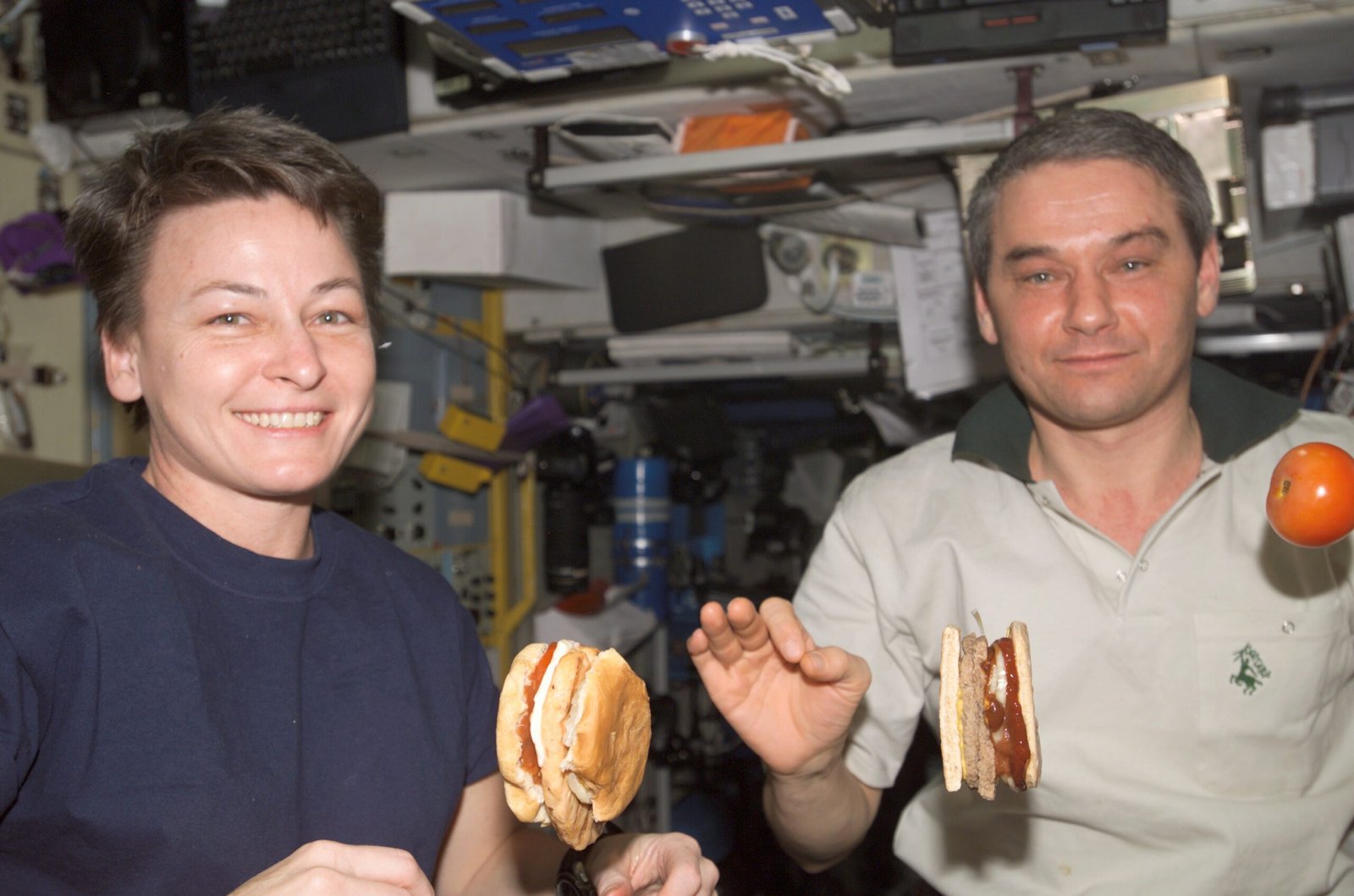
Mealtime in space is a far cry from your kitchen table. Without gravity to help, food doesn’t naturally fall onto your tongue or down your throat. Astronauts have to chase floating morsels with their forks, and drinks are sipped from special pouches with straws. Even the simple act of swallowing becomes a conscious effort, as food doesn’t “settle” in the stomach. The oddest part? Flavors can taste duller, and spicy foods are suddenly in high demand. It’s as if your body is constantly trying to remind you: You’re not in Kansas anymore.
Swollen Faces and Puffy Heads
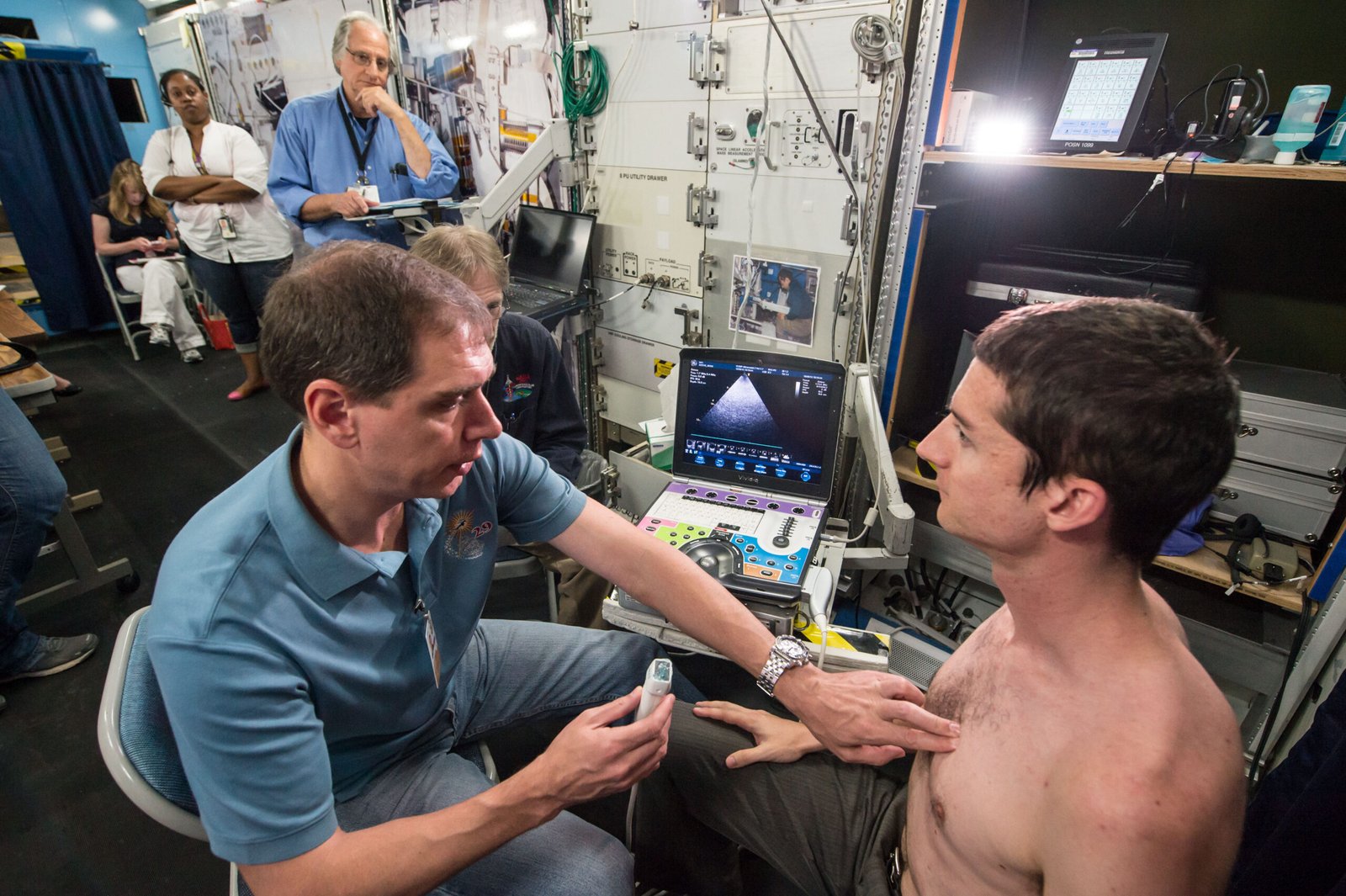
One of the first things astronauts notice is their new “moon face.” With gravity gone, fluids that would normally pool in your legs and feet drift upward, collecting in your face and chest. This causes swelling and puffiness, making astronauts look like they’ve just woken up from a long nap. The effect isn’t just cosmetic—it can clog sinuses, make it harder to breathe through your nose, and sometimes give a slight headache. It’s one of the most immediate and visible reminders that your body is adapting in real time.
Bone Loss: The Silent Threat
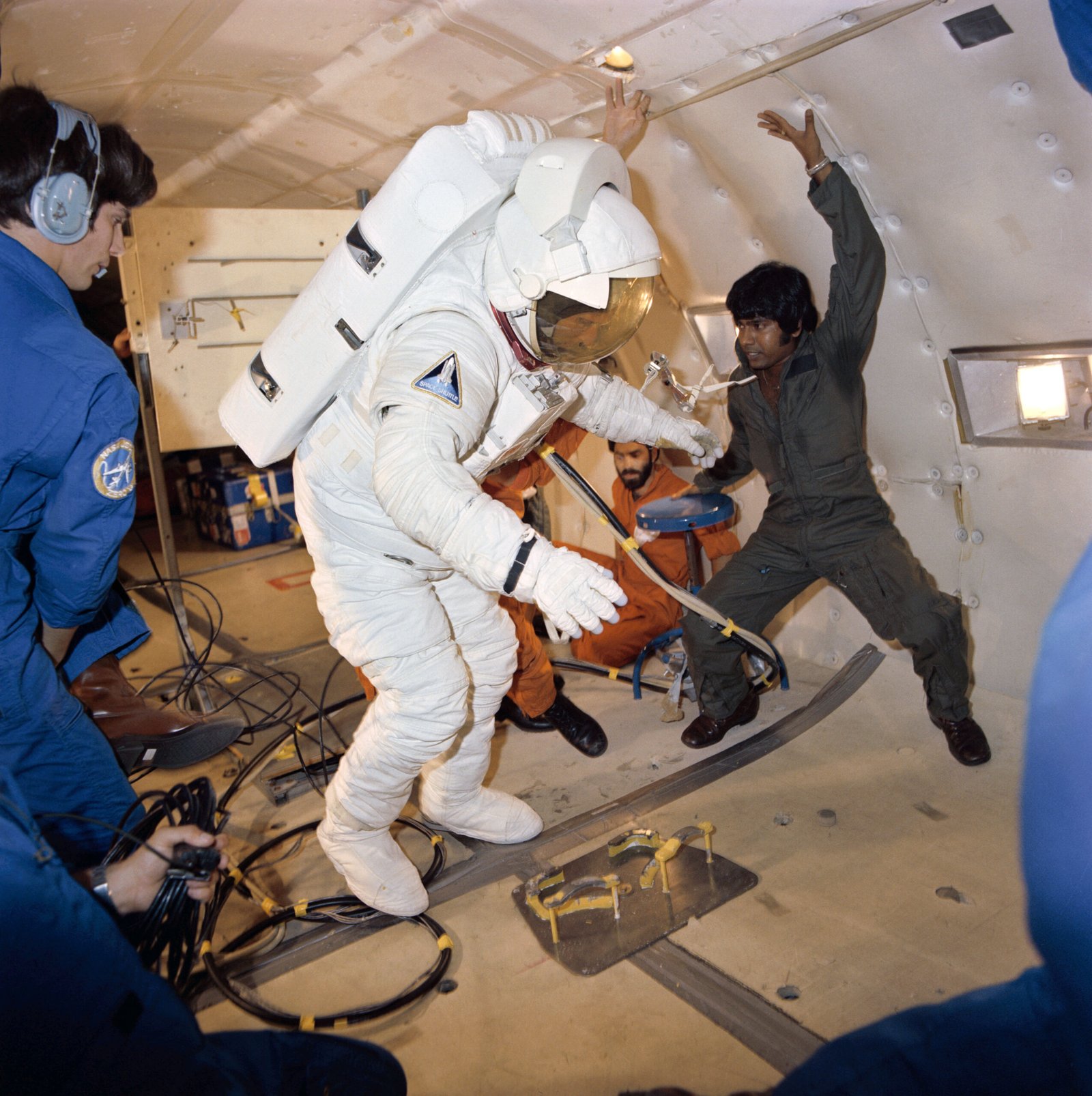
Our bones are like living banks, constantly depositing and withdrawing minerals based on the forces we put on them. In zero gravity, those forces disappear. Without the daily stress of gravity, bones start losing calcium at an alarming rate—up to 1% per month. Over months or years, this can put astronauts at real risk for fractures. Special exercise routines, including resistance bands and treadmills with harnesses, are a crucial part of life aboard the International Space Station. It’s a daily battle to keep bones strong in the face of invisible decay.
Muscle Meltdown: Why Strength Wanes

Muscles are just as needy as bones. On Earth, even standing up works out your legs and core. In space, floating means muscles can slack off. Within days, astronauts lose muscle mass and strength, especially in the legs and back. That’s why every astronaut becomes a gym rat in space, working out for two hours a day on specially designed machines. Without this discipline, coming home would feel like being hit with a dose of intense fatigue—simple movements suddenly become exhausting.
The Space Sneeze: Mucus in Microgravity
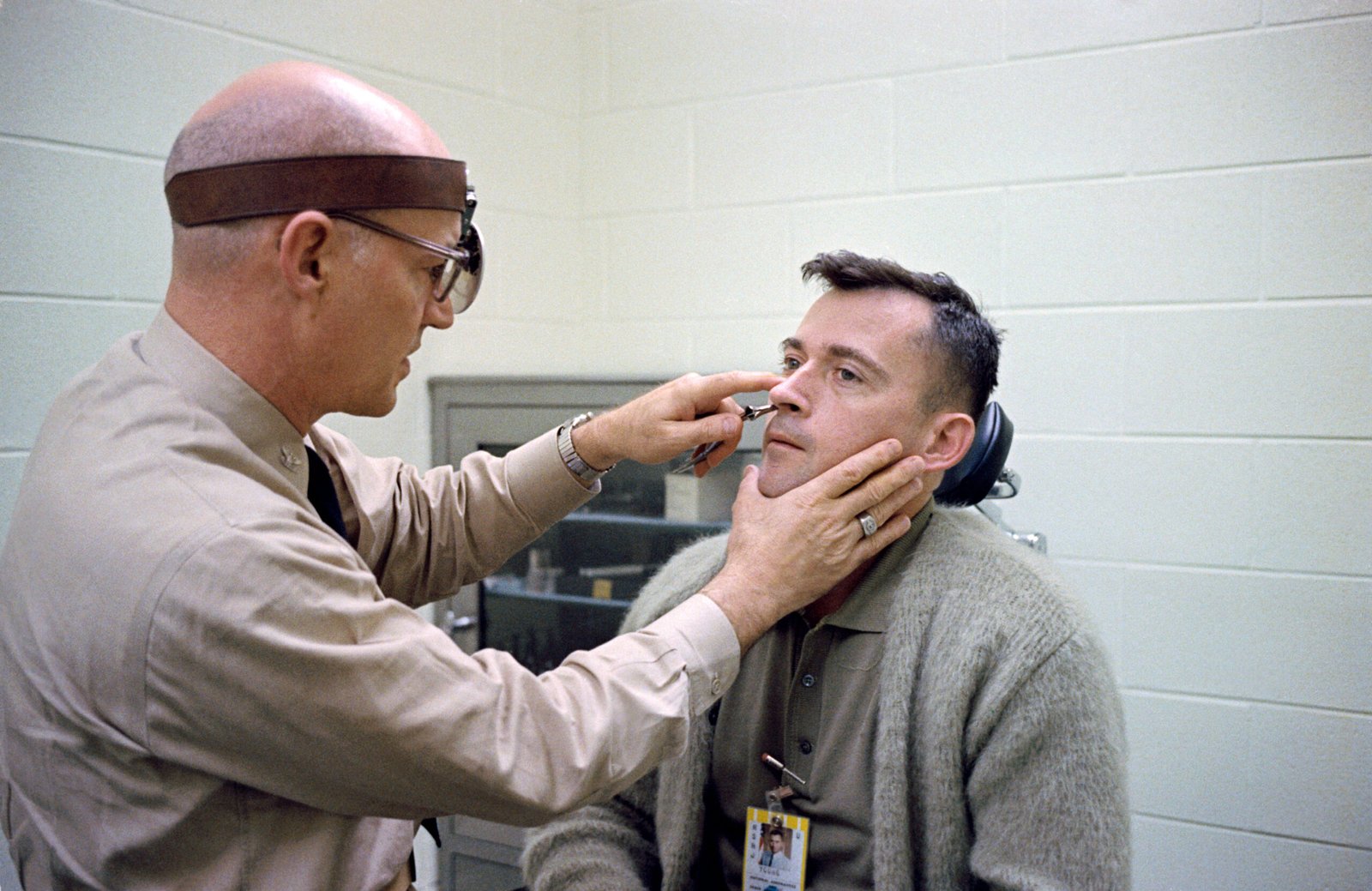
Ever wonder how your nose would behave in space? Without gravity, mucus can’t drain downward. Instead, it pools in your sinuses and nasal passages, giving you a permanent stuffy nose. Some astronauts joke about the “space cold,” but it’s more about congestion than germs. This can affect taste, smell, and even sleep. To combat this, astronauts drink plenty of fluids and sometimes use saline sprays to keep things moving.
Redefining Sleep: Drifting Into Dreamland
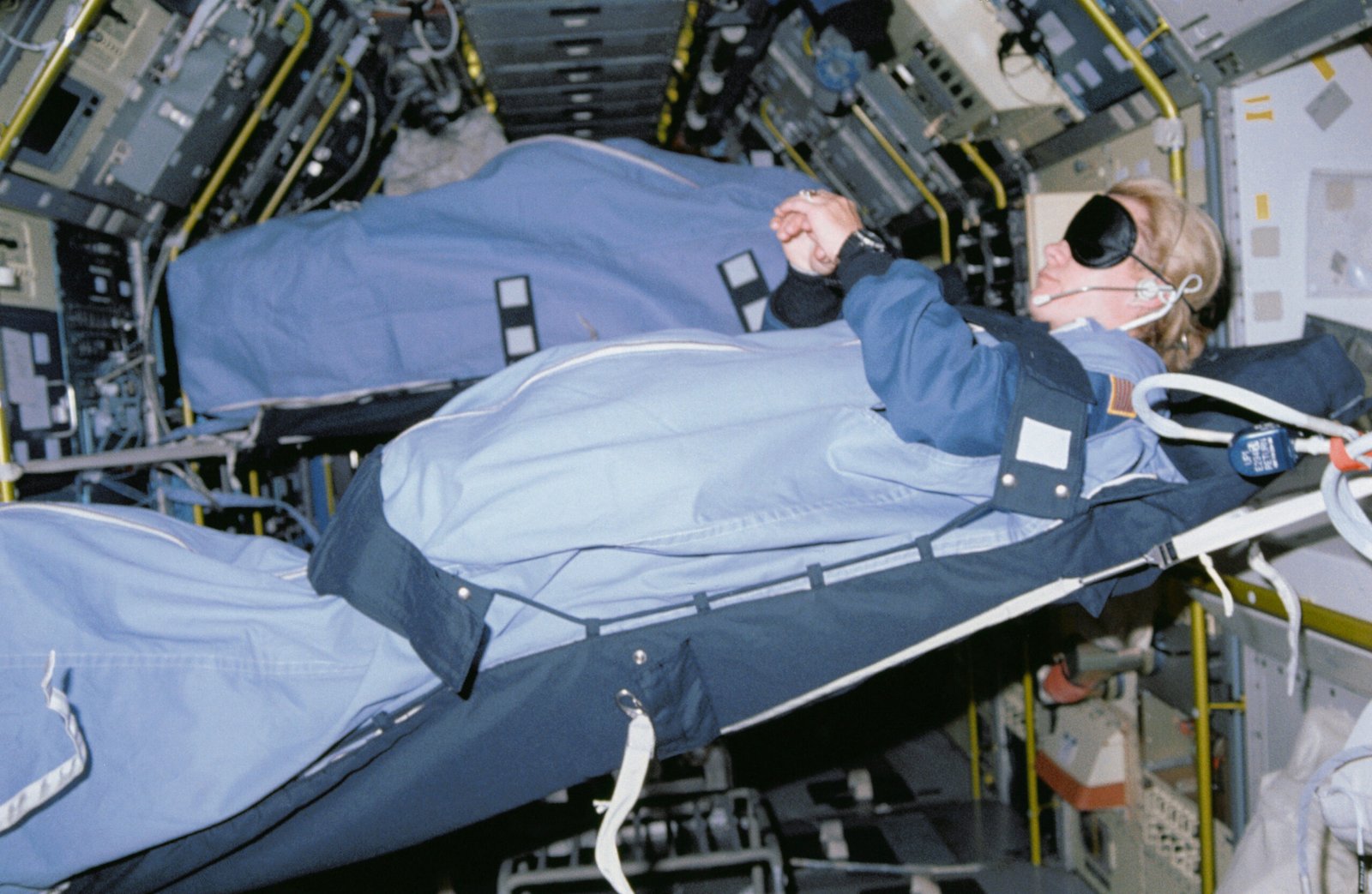
Sleeping in zero gravity is like floating in a warm bath—you’re weightless, with no pressure points. But that doesn’t mean it’s easy. Without the cues of day and night, and with the constant hum of machinery, sleep can be elusive. Astronauts strap themselves into sleeping bags that attach to the wall, so they don’t drift into equipment. Many report vivid dreams, and some struggle with insomnia. Space agencies are always looking for ways to help astronauts rest better, because a tired astronaut is a risky astronaut.
Heart on Hold: Cardiovascular Changes
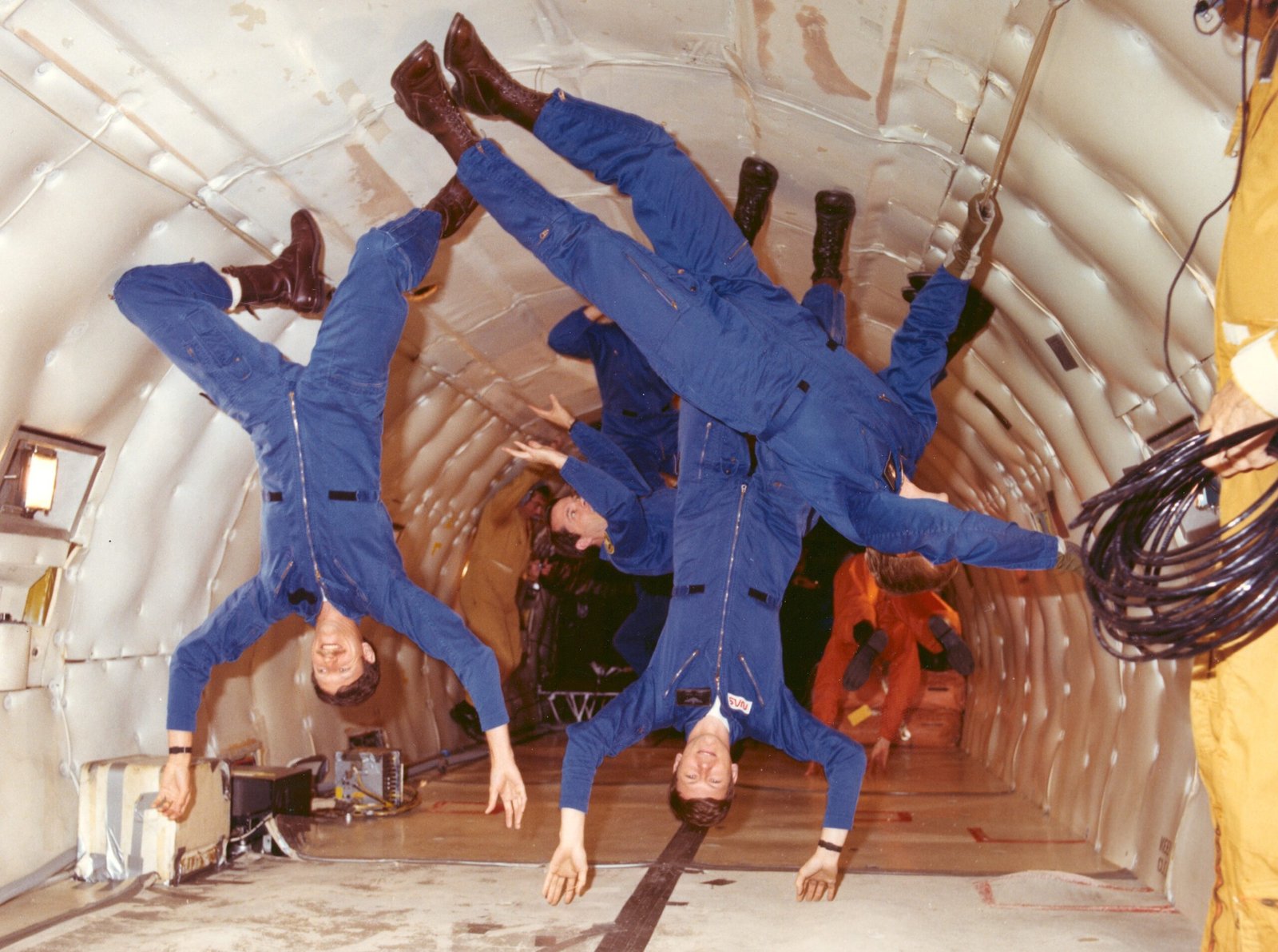
Your heart is a tireless pump, but it’s used to working against gravity. In space, with fluids shifting upward, the heart doesn’t need to push as hard. Over time, the heart muscle itself can shrink. This makes returning to Earth a challenge; astronauts sometimes feel dizzy or faint as their bodies readjust. Doctors are studying these changes closely, hoping to find ways to keep hearts healthy during long missions to Mars and beyond.
Vision in the Void: Eyesight Alterations
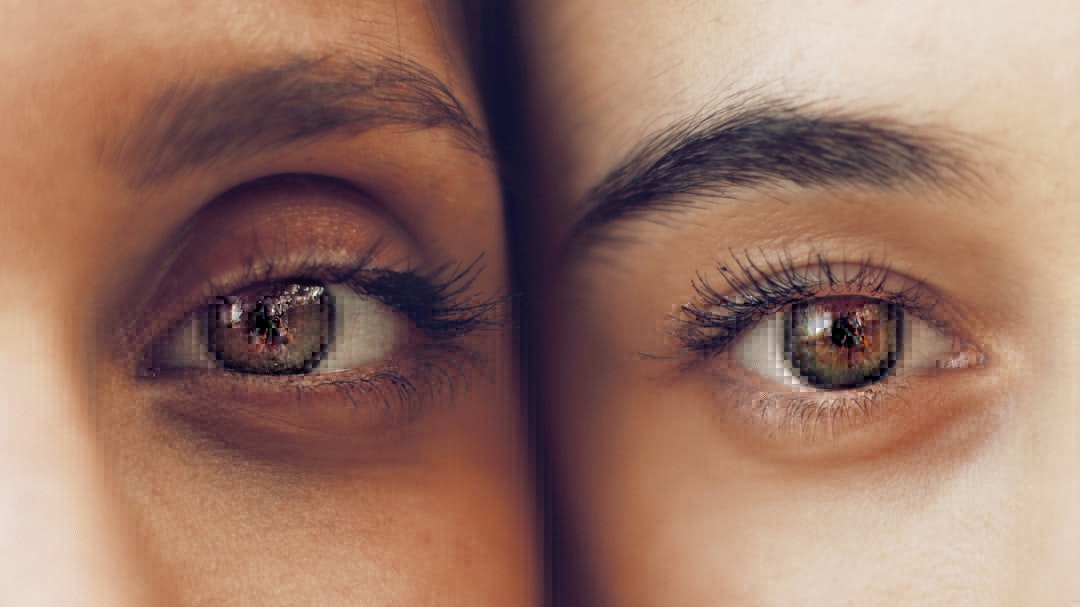
Perhaps the most mysterious zero-G oddity is “spaceflight-associated neuro-ocular syndrome” (SANS). Some astronauts develop blurry vision, changes in eyeball shape, and even swelling at the back of the eye. Scientists believe this is caused by fluid shifts increasing pressure inside the skull, squeezing the optic nerve. For some, the changes linger long after they return to Earth. NASA is urgently researching solutions, because clear vision is non-negotiable in space.
Balance Lost: The Dizzying Effects on the Inner Ear
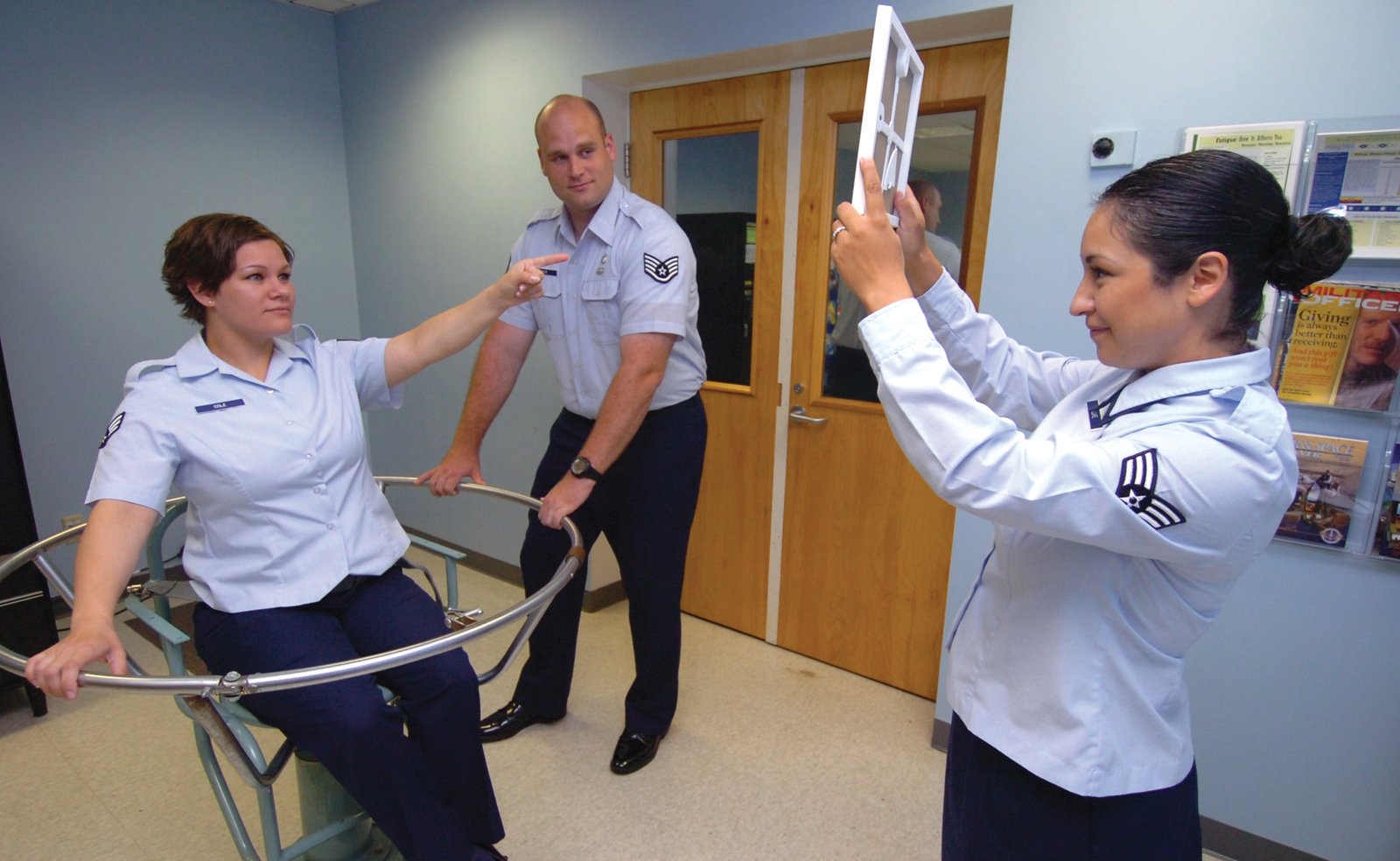
Your inner ear uses gravity to keep you balanced. In space, that reference point vanishes. Many astronauts feel dizzy or disoriented at first, sometimes suffering from “space adaptation syndrome”—a fancy term for space motion sickness. The brain eventually recalibrates, but until then, even simple tasks like turning your head can feel like you’re on a never-ending merry-go-round. The adaptation period varies, but the feeling of being off-balance can be unsettling.
Height Gains: The Perks of Spinal Expansion
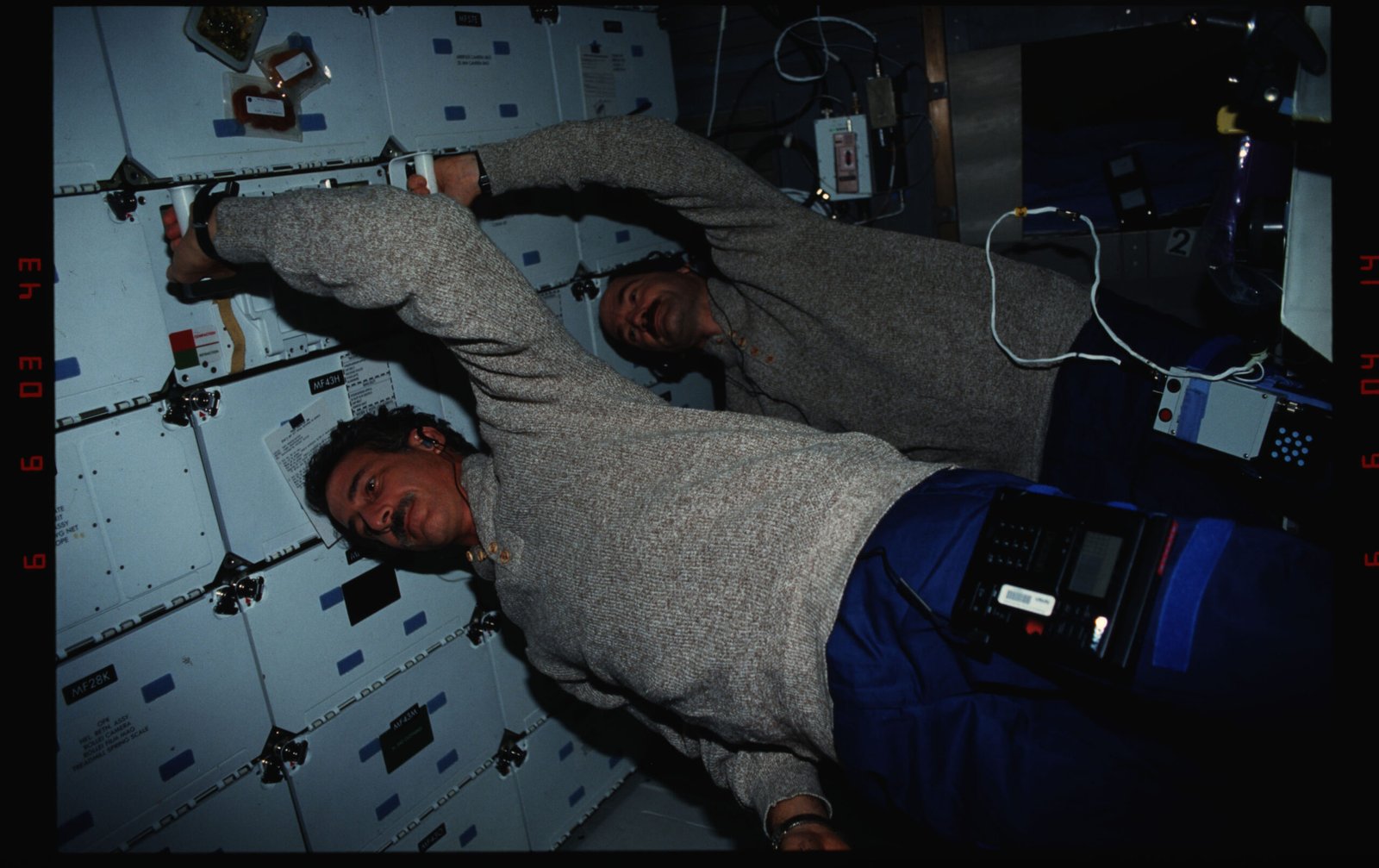
One of the weirder perks of zero gravity? Astronauts “grow” up to two inches taller in space. The lack of gravity means the spine stretches out, as the discs between vertebrae expand. It’s a temporary boost—once astronauts return to Earth, gravity compresses them back to their normal height. But for a few glorious weeks, everyone’s a little taller, and their spacesuits sometimes fit a bit snugger.
Digestive Dilemmas: How the Gut Reacts
Digestion relies on gravity more than you’d think. In zero G, food moves through the intestines differently, sometimes causing bloating, gas, or constipation. Astronauts must adjust their diets, eat slowly, and drink plenty of fluids to keep things regular. The lack of burping isn’t the only oddity—sometimes, the simple act of going to the bathroom becomes a logistical challenge, requiring special toilets and careful planning.
Immune System Surprises
Space doesn’t just mess with bones and muscles—it can weaken the immune system. Studies show astronauts have more trouble fighting off infections, and viruses like herpes can reactivate in their bodies. Stress, radiation, and disrupted sleep all play a role. NASA is working on ways to boost immunity, from better nutrition to new medications, because staying healthy far from home is a top priority.
Skin Changes: Itching and Peeling
Many astronauts notice their skin becomes dry or itchy in space. Without gravity, sweat doesn’t drip away—it just clings to the skin, making rashes and irritation more common. Dead skin cells also shed more easily, floating around as tiny flakes. Cabin air filters work overtime to keep these “space dandruff” particles out of lungs and equipment. Moisturizers and regular washing help, but dry, sensitive skin is a common complaint.
Bladder and Kidney Oddities
Gravity helps your bladder sense when it’s full. In zero G, this signal gets scrambled, and astronauts sometimes don’t realize they need to go until the urge is strong. Kidney stones are also a risk, as minerals can clump together more easily in microgravity. Hydration is critical, and urine is carefully monitored for signs of trouble. The toilets themselves are high-tech wonders, using airflow instead of gravity to whisk waste away.
Hearing in the Silence: Ear Pressure and Sound
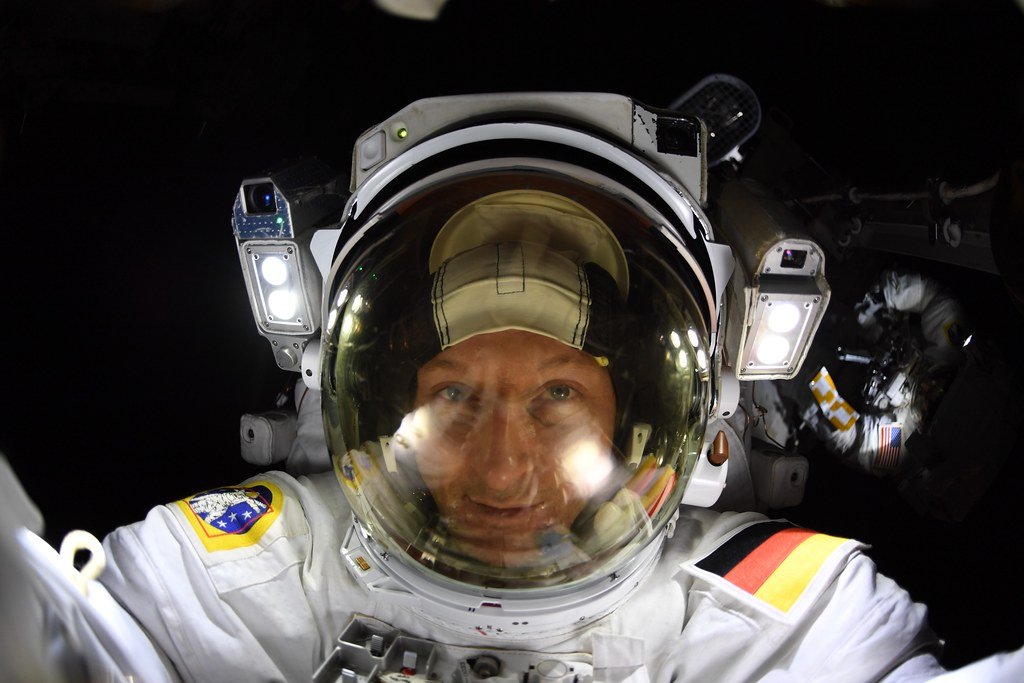
With no gravity to help equalize ear pressure, astronauts sometimes feel a constant sense of fullness in their ears. Sound also travels differently in the closed, metallic quarters of a space station. Voices bounce off surfaces, and the constant hum of fans and equipment fills the background. Earplugs are often necessary, especially for sleep. Communication takes practice, and even then, astronauts miss the simple peace and quiet of Earth.
Blood Distribution: The “Bird Legs” Phenomenon
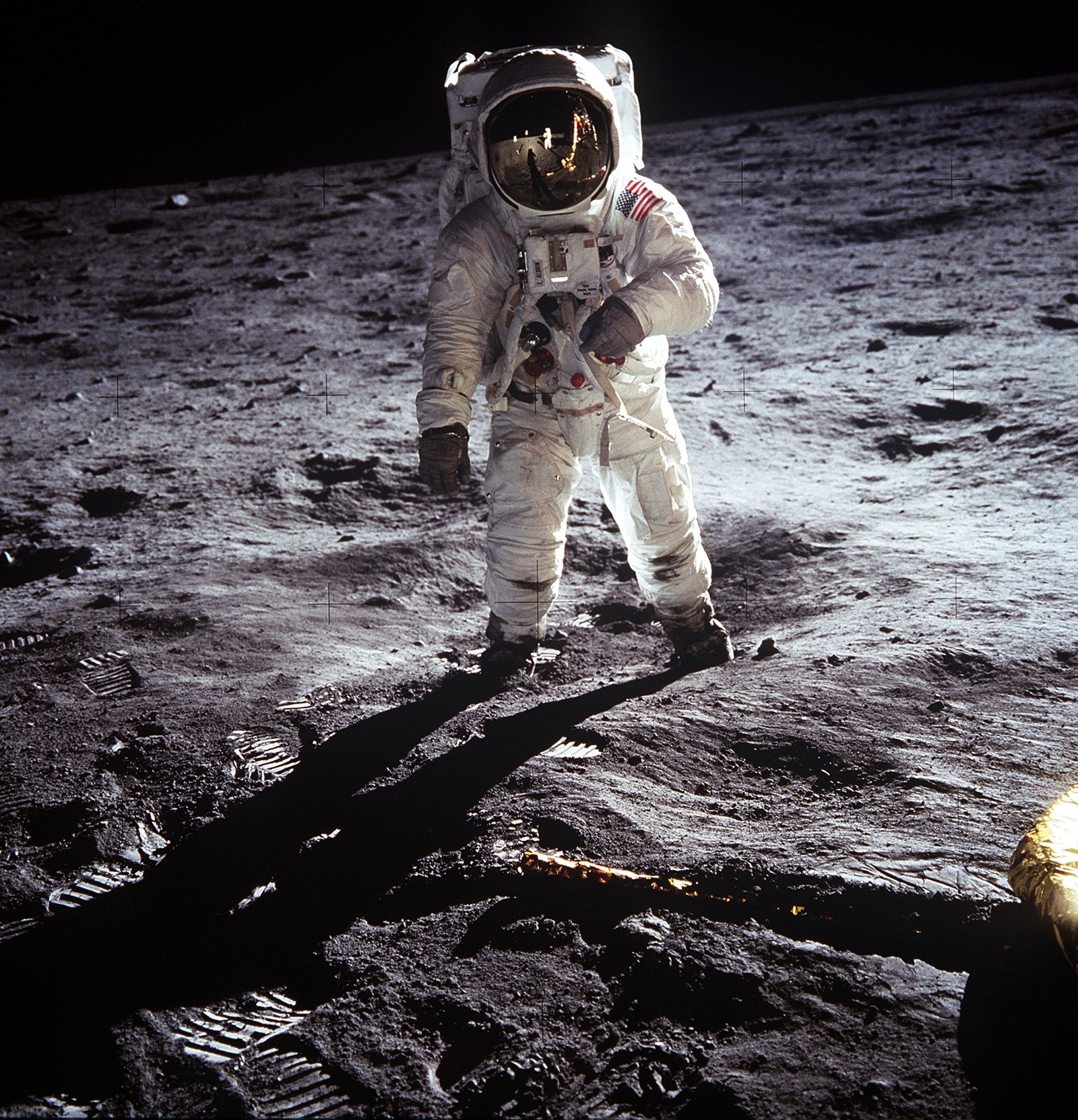
Remember that puffy face? It comes at the expense of skinny legs. With fluids pulled upward, astronauts’ legs lose volume and look almost bird-like. This isn’t just a cosmetic oddity—blood pressure in the lower body drops, which can make standing up on return to Earth a real challenge. Compression garments and regular exercise help, but the “bird legs” are a badge of honor for space travelers.
Wounds and Healing in Zero Gravity
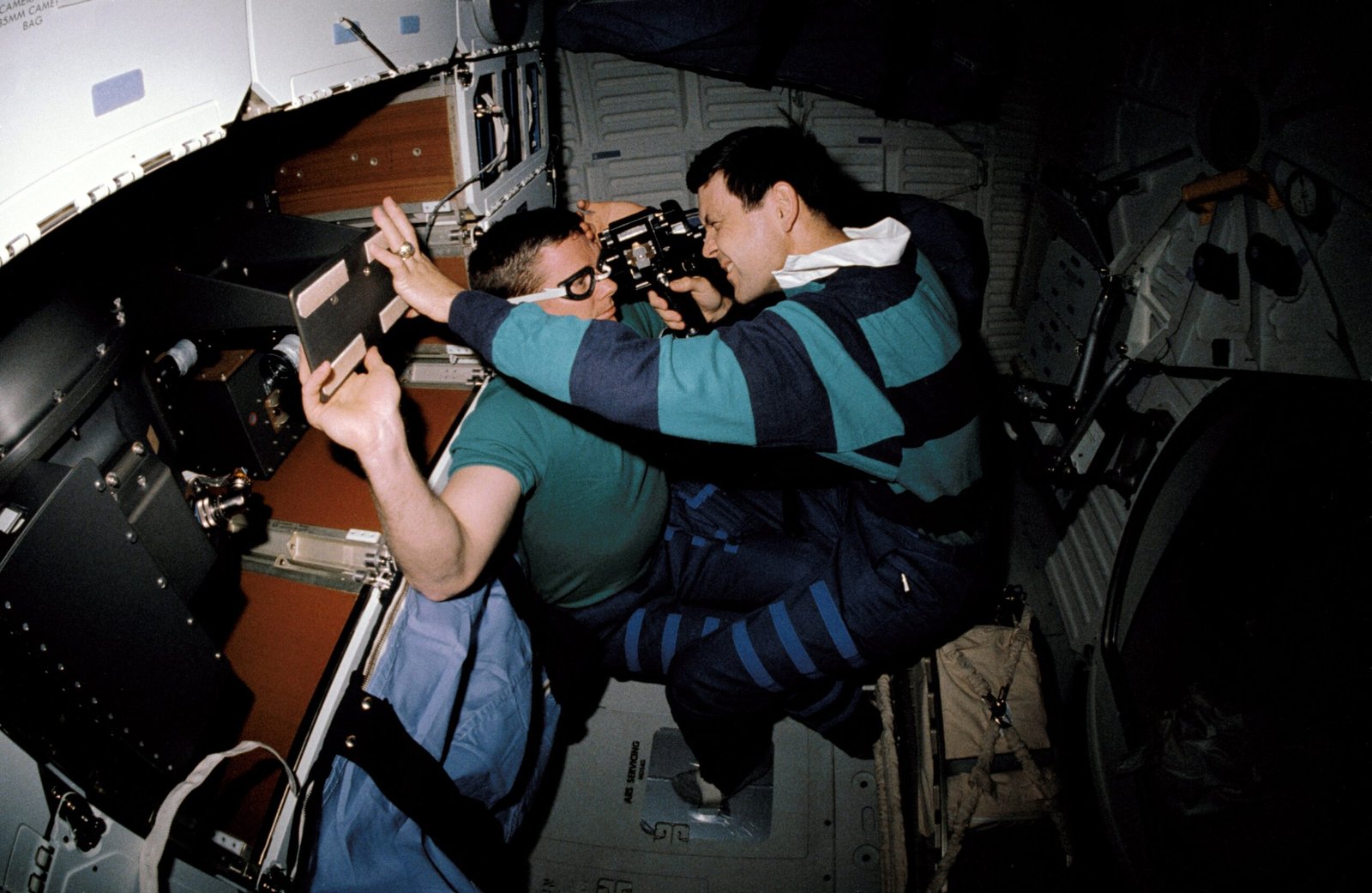
The body’s ability to heal is altered in space. Cuts and scrapes may heal more slowly, and some wounds behave unpredictably. Blood doesn’t pool or drip—it forms floating globules. Infection risk can be higher, so astronauts are trained in first aid and use special medical kits. Scientists are studying whether stem cells or other therapies could speed healing in zero G, especially for longer missions.
Sense of Taste: Why Food Gets Bland
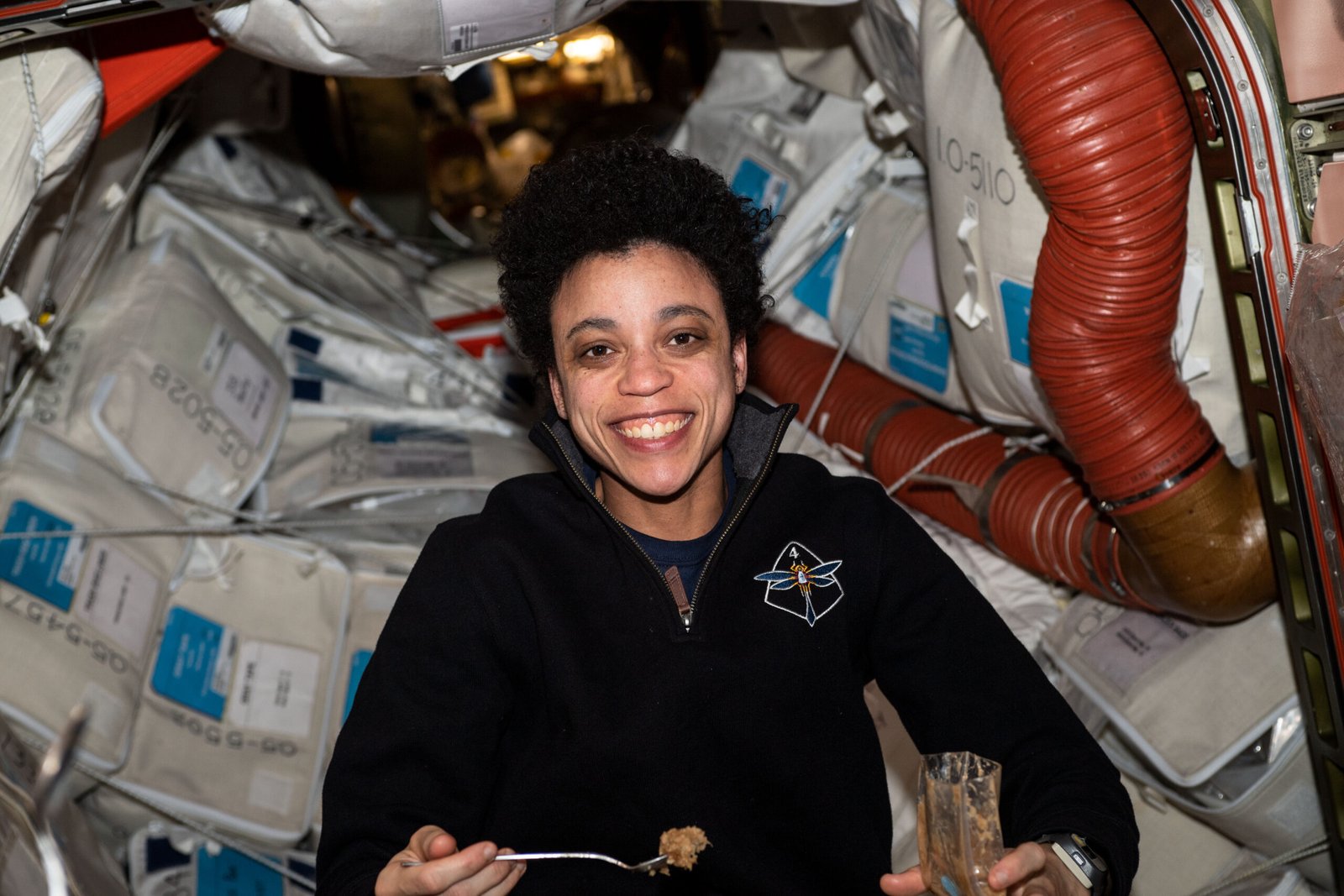
Many astronauts complain that space food tastes dull or bland. The culprit? Congested sinuses and changes in saliva. Without gravity, the sense of smell is dulled, which is crucial for tasting flavor. As a result, spicy sauces and hot condiments are prized commodities on the space station. “You want Tabasco with that?” is a common question, as astronauts try to bring a little zing back to their meals.
Emotional Rollercoaster: Mood and Mental Health
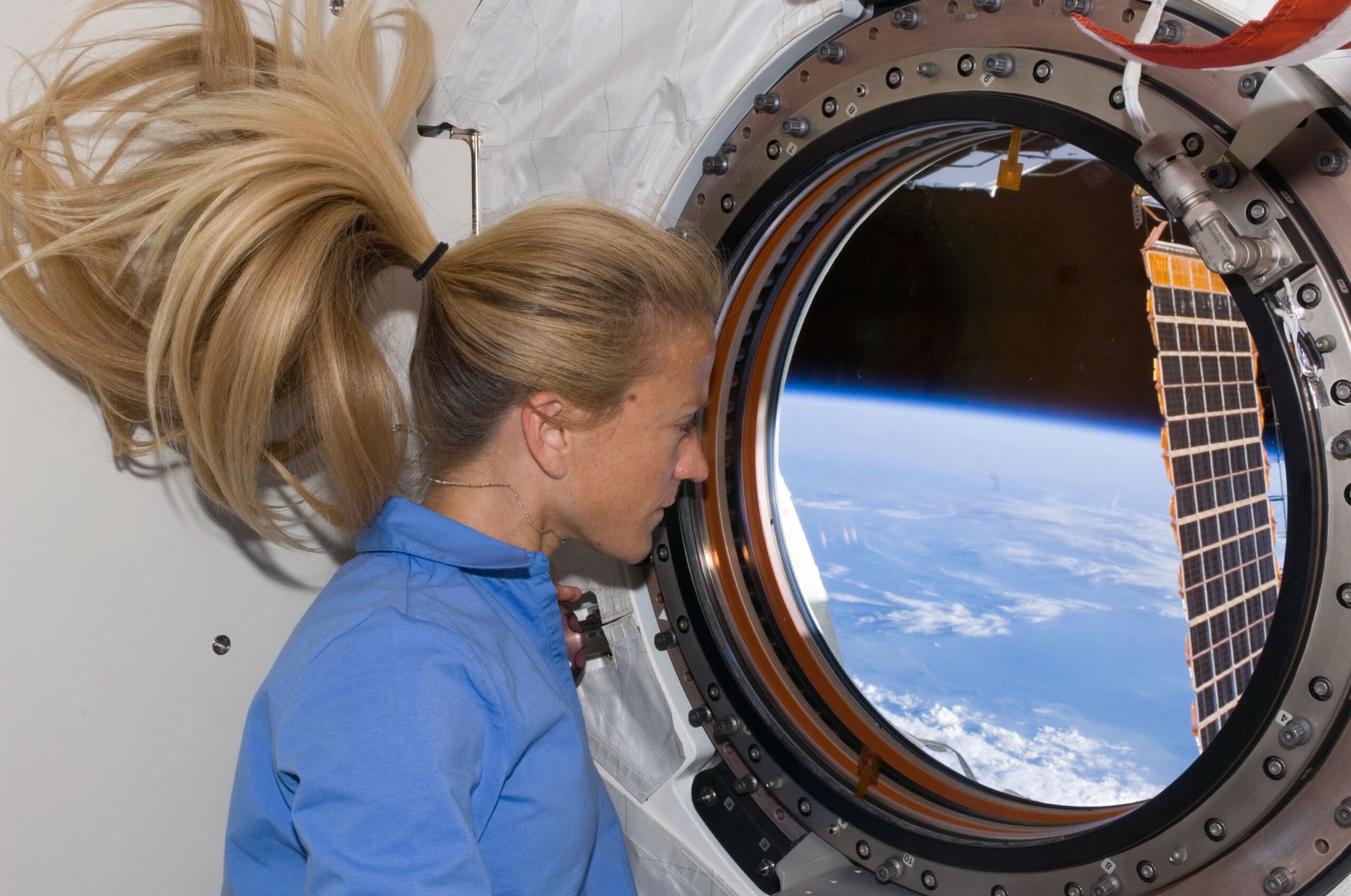
Life in space isn’t just a physical challenge—it’s an emotional one. Isolation, confinement, and the constant hum of machinery can strain even the toughest minds. Some astronauts experience mood swings, irritability, or bouts of homesickness. Maintaining mental health is just as important as keeping bones strong. Regular communication with loved ones, creative hobbies, and group activities all help astronauts stay grounded—at least emotionally—while drifting through the void.
Radiation Risks: The Invisible Enemy
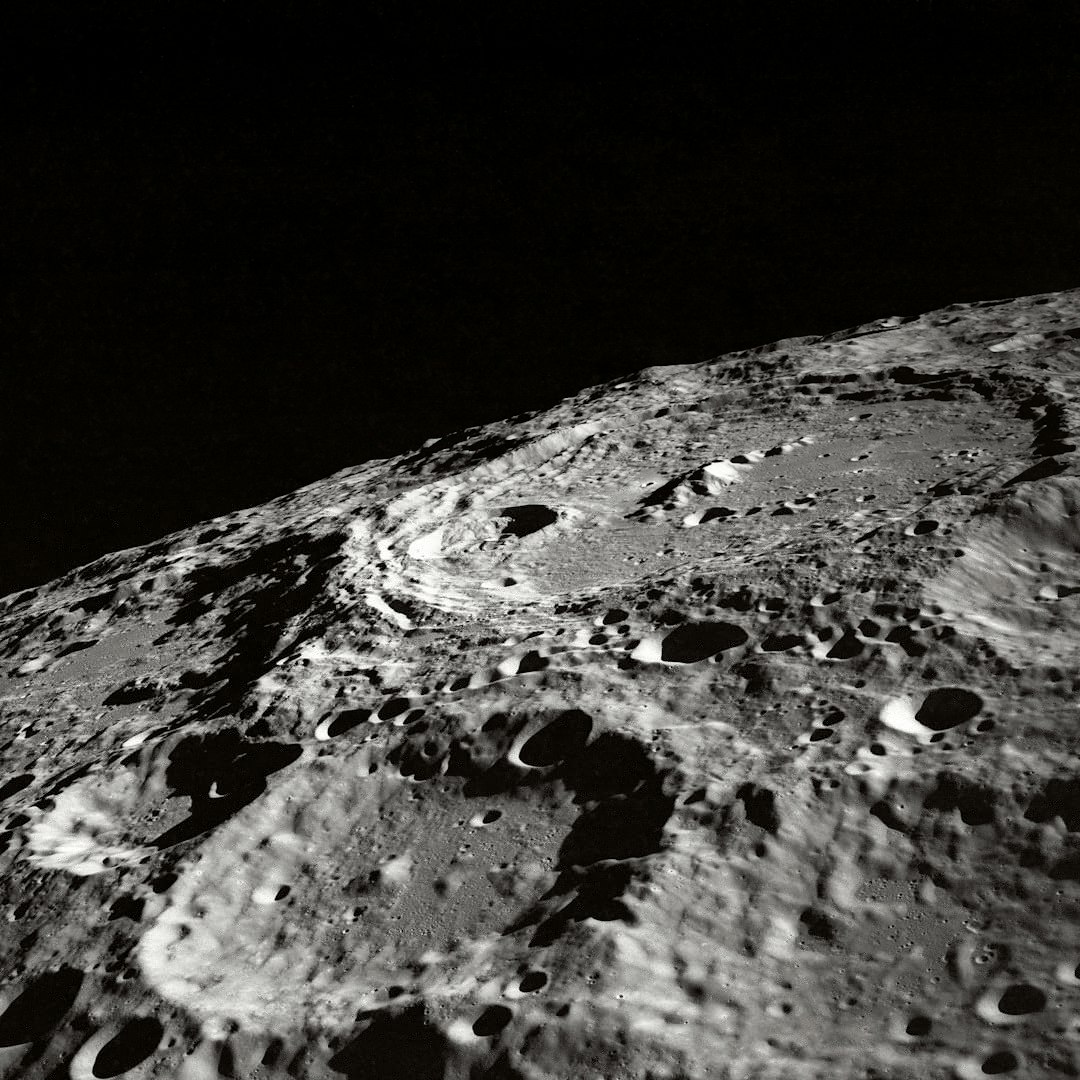
Earth’s atmosphere protects us from cosmic rays and solar radiation. In space, astronauts are exposed to higher levels of radiation, which can damage cells and increase cancer risk. Shields and protective materials are used, but longer missions bring higher risks. Researchers are racing to develop better ways to protect future explorers, because the journey to Mars will mean months or years of exposure. The fight against radiation is a silent, ongoing battle.
Space is a wild playground for the human body—a place where simple acts become complicated puzzles and the familiar turns strange. The more we learn, the more we realize how incredible, and fragile, our biology truly is. What body oddity surprised you the most?