
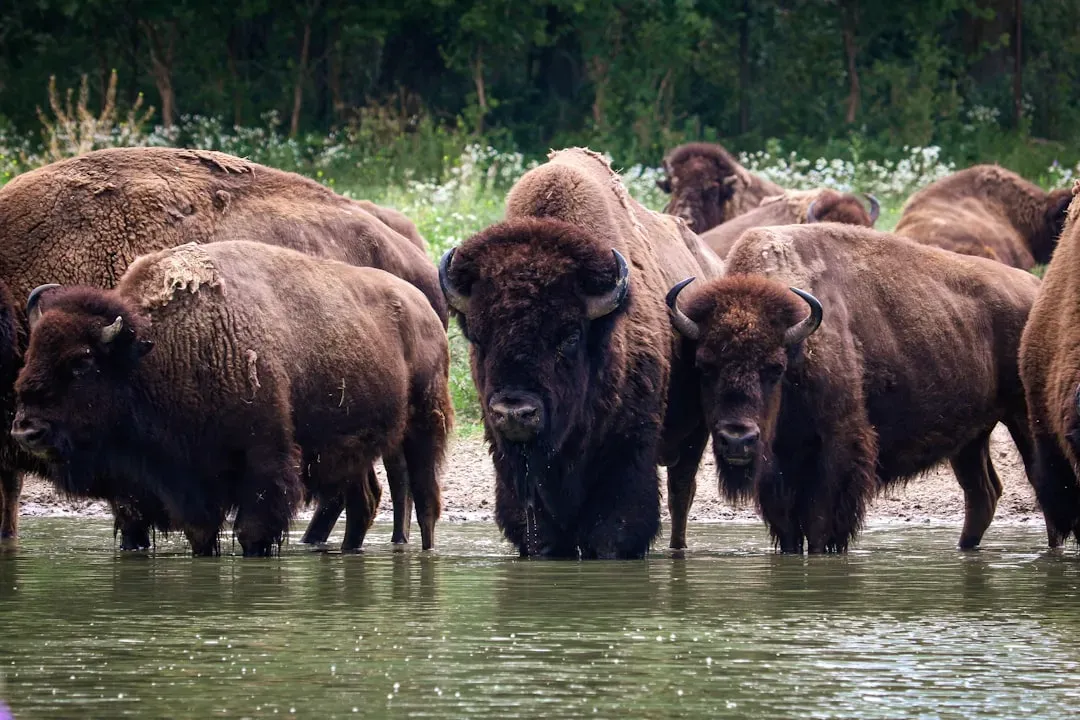
On paper, the choice sounds almost too obvious: of course Wyoming picked . But the real story behind that decision is a tangle of extinction scares, cultural symbolism, political maneuvering, and a surprisingly intimate look into how we decide which animals represent us. The plains bison is not just a hulking icon on a flag; it’s a survivor of one of the most brutal wildlife collapses in North American history and a key player in modern conservation science. As biologists map bison genomes and tribes rebuild herds on ancestral lands, Wyoming’s choice looks less like nostalgia and more like a statement about resilience. The question is not just why this animal, but why now, and what that says about how we see the wild places we still have left.
The Hidden Clues in Wyoming’s Landscape
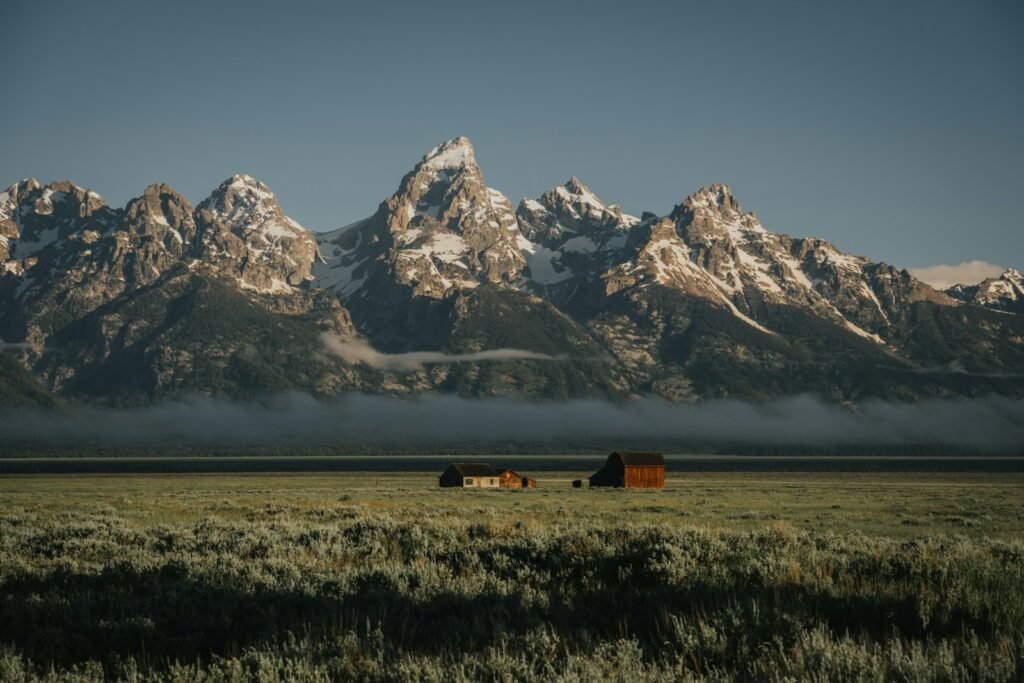
If you really want to understand why Wyoming chose the plains bison, you have to start with the land itself. Drive almost any highway in the state and the pattern repeats: wide, wind-swept grasslands, basin country, and the distant blue of the Absarokas or the Bighorns. This is classic bison country, shaped by hooves, grazing, and migration long before state lines existed. The plains here are not just backdrops; they are ecological tapestries woven over thousands of years with bison at the center.
Ecologists sometimes describe the plains bison as an “ecosystem engineer,” a species that physically reshapes its environment in ways that benefit countless others. When herds move, they churn the soil, scatter seeds, and create wallows that fill with water and become mini-wetlands. Ground-nesting birds, prairie dogs, pollinators, and even microbes respond to these subtle changes, like instruments tuning to a lead violin. Wyoming’s open spaces still bear those fingerprints, even after the great slaughter of the nineteenth century. Choosing the bison as the state animal is, in many ways, a quiet admission that the land still remembers them.
From Ancient Presence to Modern Symbol
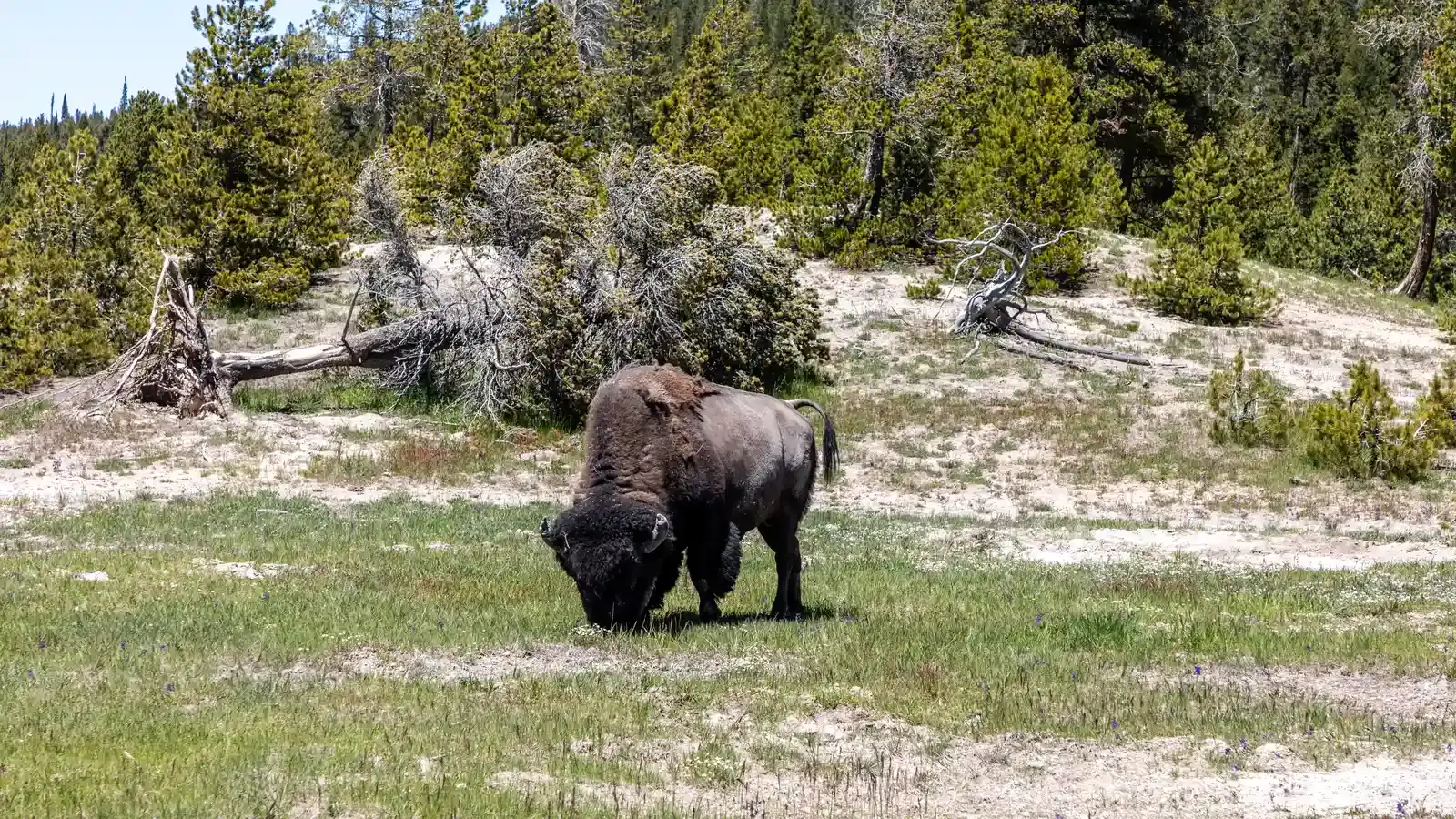
Long before state legislatures debated mascots and emblems, bison were already the beating heart of the Great Plains. Indigenous nations across what is now Wyoming built entire lifeways around them, from food and clothing to spiritual practices and migration routes. Archaeological sites in the region reveal bison bones stacked in layers, the record of communal hunts that fed large groups through harsh winters. For thousands of years, Wyoming was not just bison habitat; it was a shared home for people and herds, intertwined.
Fast forward to the late nineteenth century, and that story veers sharply toward catastrophe. Industrial-scale hunting, encouraged by federal policies and railroad access, drove plains bison from tens of millions to only a few hundred animals in the wild. Wyoming saw this collapse up close, with carcasses left rotting on prairies that had once echoed with hoofbeats. When the state eventually embraced the bison as a symbol, it wasn’t just honoring abundance; it was acknowledging loss and survival. The animal on the state flag and in official materials carries that history in its silhouette, a reminder of how close the region came to erasing its own ecological foundation.
The Politics Behind the State Animal Choice
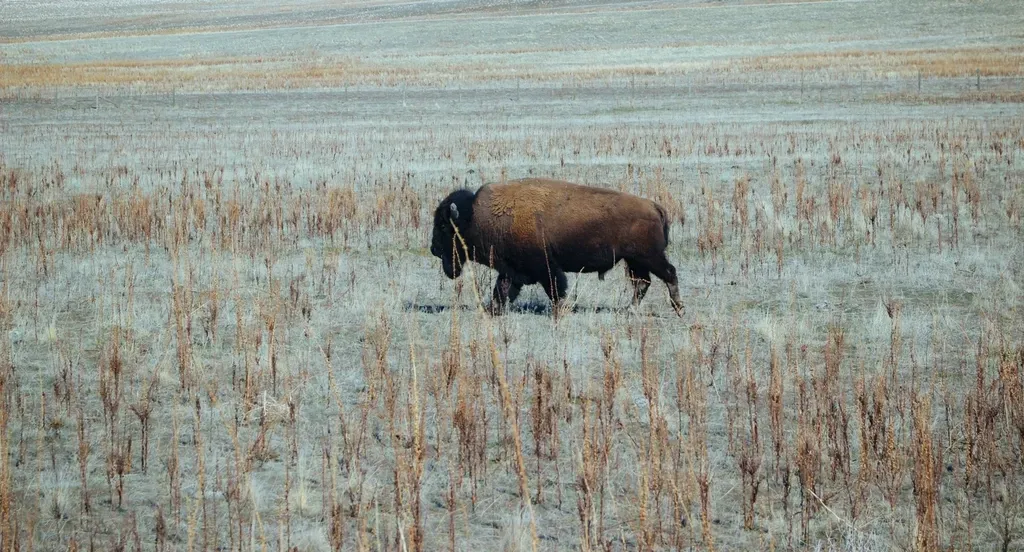
State symbols might sound like harmless trivia, but they are political decisions, and Wyoming’s adoption of the plains bison was no exception. Lawmakers had to weigh which creature best captured the state’s identity, balancing economic realities, cultural ties, and historical narratives. Ranching is a powerful force in Wyoming, and cattle have shaped its economy for generations, yet they were never going to be the star emblem. The bison offered something different: wildness, antiquity, and a sense of scale that nothing domesticated could match.
When legislators and advocates pushed for the plains bison, they were also making a statement about conservation priorities. Supporting an animal that once nearly disappeared sends a clear signal about the value of restoration and long-term stewardship. The choice also dovetailed neatly with national interest in the American bison as a symbol of the West and of federal conservation success stories. In many ways, Wyoming read the cultural moment and leaned into it, locking in an emblem that aligned with both state pride and a broader American fascination with charismatic, once-imperiled wildlife.
Ecology in Motion: How Bison Shape Wyoming’s Plains
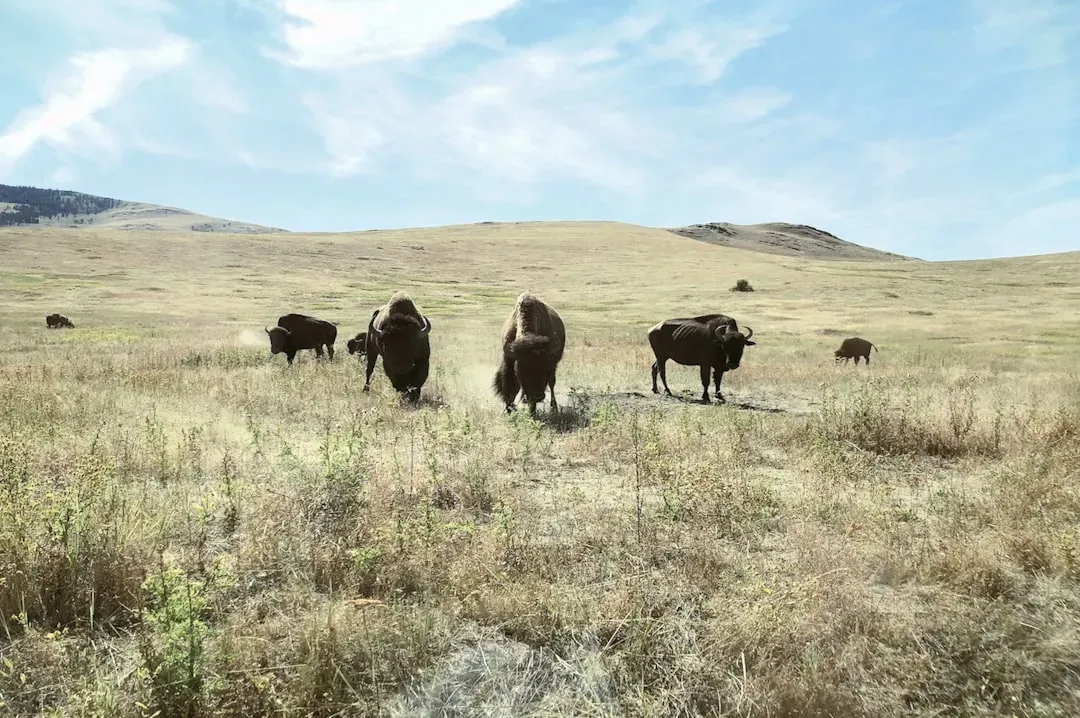
The plains bison is not just a mascot; it is a moving engine of ecological change. When herds graze, they do so in a patchy, shifting way, nibbling some areas heavily and leaving others almost untouched. This uneven pressure creates a mosaic of plant heights and species that supports everything from songbirds to pronghorn. Unlike cattle, which often linger near water and trample riparian zones, wild or semi-wild bison tend to keep moving, distributing their impacts more widely across the landscape.
Scientists studying grassland health in and around Wyoming have found that bison-grazed areas can have richer plant diversity and more resilient soils compared with similar lands managed only for cattle. Their hooves break up crusted ground, increasing water infiltration, while their dung fertilizes the soil and fuels insect communities. This matters in a drying West, where climate change is pushing ecosystems closer to their limits. By elevating the plains bison to state-animal status, Wyoming is implicitly recognizing that a healthy future for its open spaces may depend on keeping this ancient partnership between grazer and grassland alive.
Why It Matters: Beyond State Pride
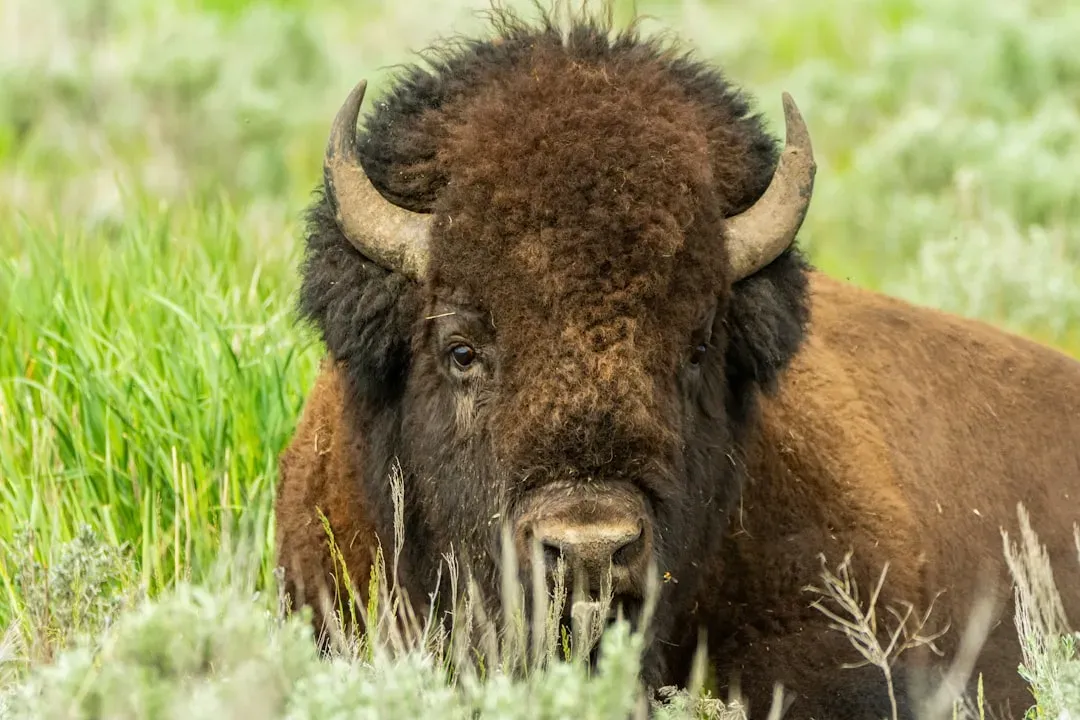
At first glance, naming a state animal can look like a symbolic gesture with little real impact, but symbols shape what we pay attention to. When schoolchildren in Wyoming learn that the plains bison is their state animal, they are not just memorizing trivia; they are being handed a story about resilience and responsibility. The bison’s history of near-extinction and recovery creates a narrative arc that is hard to ignore. It invites questions about what else we have pushed to the brink and whether we are willing to do the work of repair.
From a scientific perspective, the choice also directs attention and funding. Conservation programs, tourism initiatives, and research grants are more likely to coalesce around a species that sits at the center of a state’s identity. That, in turn, can benefit the broader ecosystem that depends on bison-driven processes. In a time when biodiversity is shrinking globally, highlighting a keystone grazer as emblematic of a place sends a message that goes well beyond state lines: the animals we choose to represent us reveal what kind of future we are willing to invest in.
Tribal Nations, Cultural Revival, and Shared Stewardship
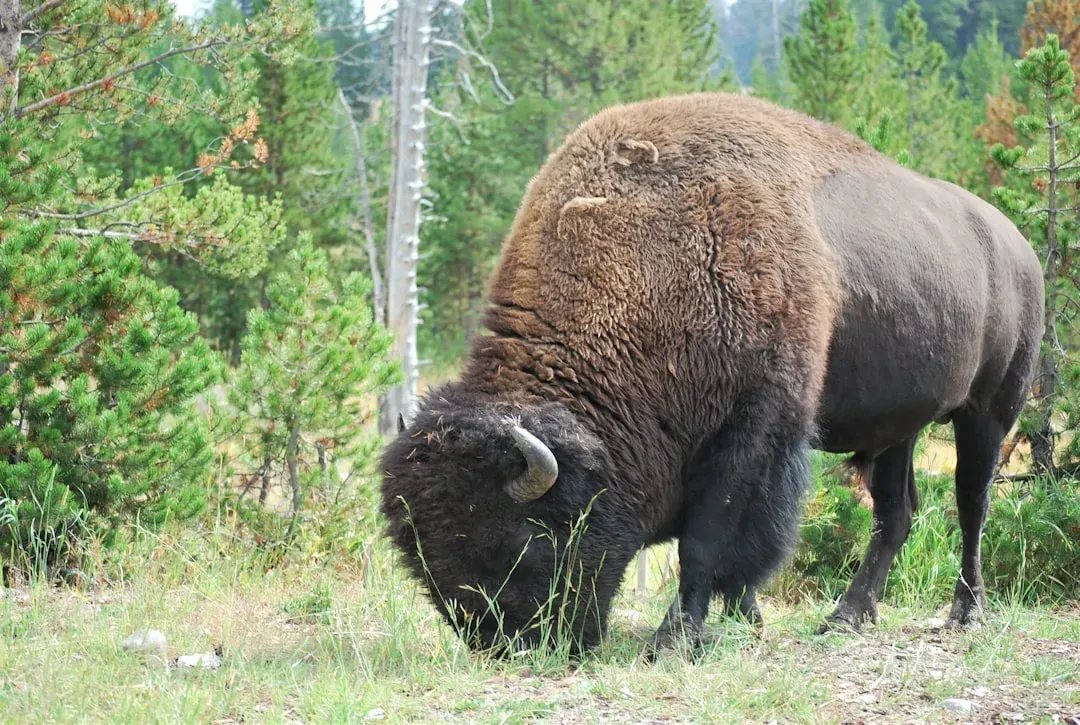
One of the most profound reasons the plains bison matters in Wyoming today lies in its role in Indigenous cultural revival. Tribal nations with deep historical ties to the region, including those whose reservations lie just beyond Wyoming’s borders, are restoring bison herds on tribal lands. These projects are about far more than meat or tourism; they are about reconnecting with ceremonies, stories, and land practices that were violently interrupted. In that sense, every new calf born into a tribal herd is both a biological and a cultural event.
Wyoming’s embrace of the plains bison as a state symbol intersects with this revival in complicated and sometimes hopeful ways. Cooperative agreements, land-sharing arrangements, and conservation partnerships are slowly rewriting the script from one of exclusion to shared stewardship. When the state celebrates the bison, it is inevitably brushing up against Indigenous histories that long predate statehood. That tension can be uncomfortable, but it also opens space for overdue conversations about sovereignty, restitution, and what it would mean to truly share responsibility for the animal that once fed, clothed, and spiritually anchored so many communities across the Great Plains.
The Future Landscape: Bison, Climate Change, and Rewilding
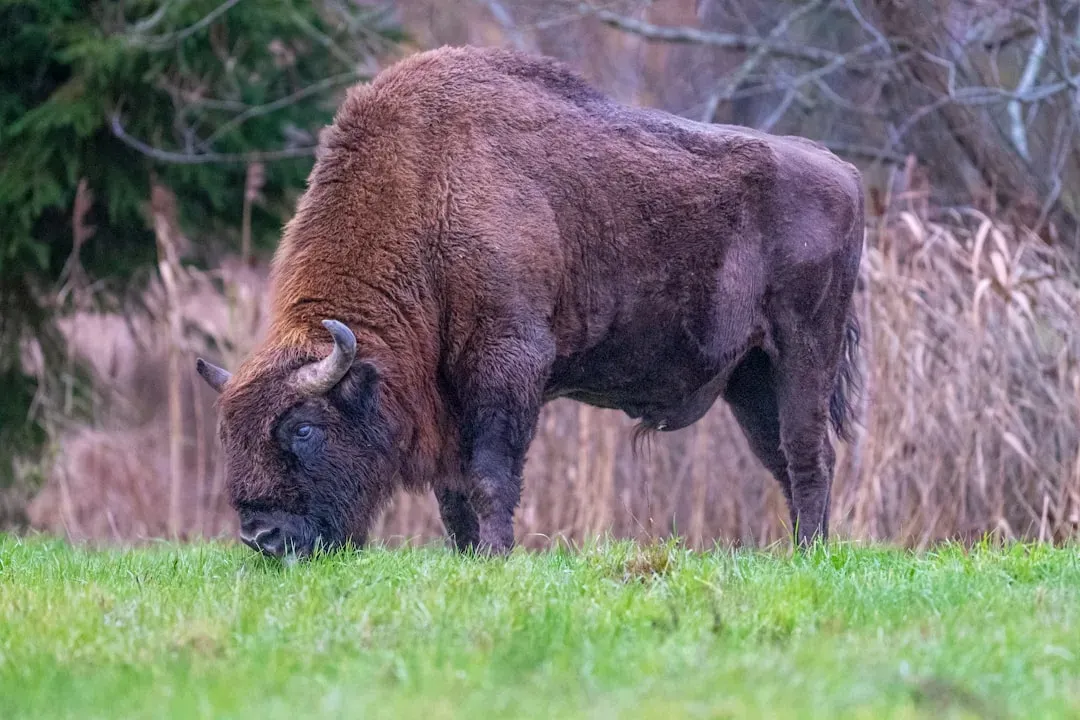
Looking ahead, the plains bison is poised to play an even more interesting role in Wyoming’s story as the climate warms and land-use pressures intensify. Grasslands that evolved with roaming herds may actually cope better with shifting rainfall patterns when large grazers are present, thanks to their ability to keep plant communities dynamic and soils aerated. Researchers are exploring how bison could be integrated into broader climate adaptation strategies, including carbon storage in prairie soils and better retention of moisture after storms. In that context, the state animal becomes a potential climate ally.
Rewilding projects are also gaining momentum across North America, and Wyoming is squarely in the geographic and cultural zone where such ideas are being tested. Expanding bison ranges or connecting existing herds through wildlife corridors could reshape not just ecosystems but also local economies built around tourism and outdoor recreation. Of course, those visions come with real challenges: conflicts with private landowners, concerns from ranchers about disease transmission to cattle, and the sheer logistics of managing large, wide-ranging animals. Still, the fact that Wyoming’s chosen emblem is at the center of these debates shows how tightly symbol and future are now intertwined.
How Readers Can Engage With the Bison’s Story
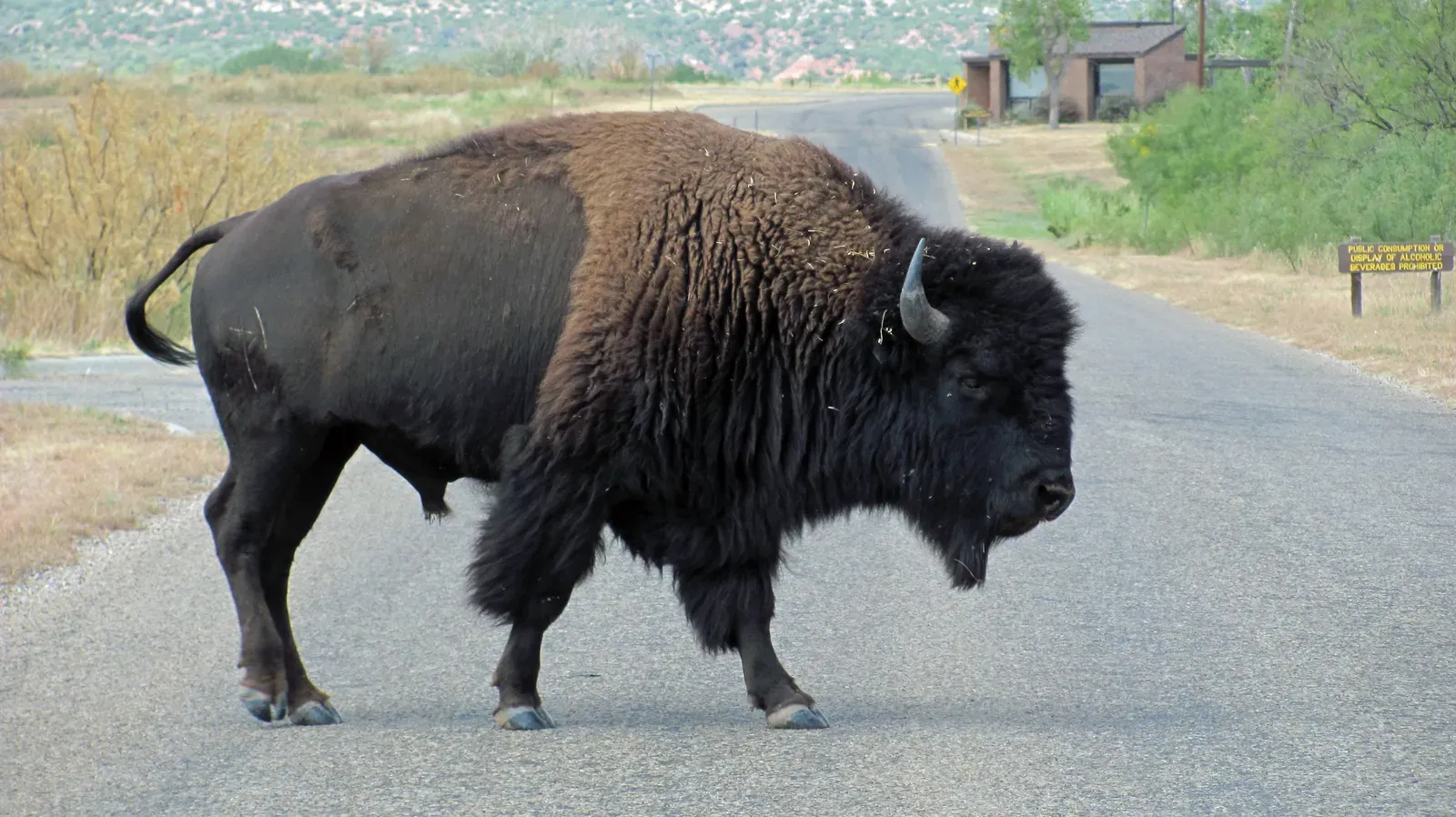
For most people, the plains bison is something encountered on a road trip through Yellowstone or glimpsed on a state flag, but there are surprisingly tangible ways to get involved in its ongoing story. Visiting parks, refuges, or tribal herd projects that feature bison, and doing so respectfully, helps support the economies and institutions that keep these animals on the landscape. Paying attention to how you talk about bison with kids, friends, or students also matters; framing them not just as big, shaggy photo ops but as survivors and ecosystem shapers shifts the narrative. That kind of casual storytelling shapes public attitudes more than most of us realize.
Supporting conservation groups, tribal initiatives, and science programs focused on grassland restoration is another concrete step, whether through donations, volunteering, or simply amplifying their work. If you live in or near Wyoming, engaging with public comment periods on land-use plans, grazing policies, or wildlife corridors can make a quiet but real difference in how space is managed for bison and other native species. Even something as simple as learning more about the history of bison slaughter and recovery, and sitting with the discomfort of that story, is a form of engagement. The plains bison may be Wyoming’s state animal on paper, but its fate is tied to choices that reach far beyond any single border – and that means those choices are, in a small but meaningful way, yours too.
Suhail Ahmed is a passionate digital professional and nature enthusiast with over 8 years of experience in content strategy, SEO, web development, and digital operations. Alongside his freelance journey, Suhail actively contributes to nature and wildlife platforms like Discover Wildlife, where he channels his curiosity for the planet into engaging, educational storytelling.
With a strong background in managing digital ecosystems — from ecommerce stores and WordPress websites to social media and automation — Suhail merges technical precision with creative insight. His content reflects a rare balance: SEO-friendly yet deeply human, data-informed yet emotionally resonant.
Driven by a love for discovery and storytelling, Suhail believes in using digital platforms to amplify causes that matter — especially those protecting Earth’s biodiversity and inspiring sustainable living. Whether he’s managing online projects or crafting wildlife content, his goal remains the same: to inform, inspire, and leave a positive digital footprint.