Every spring and autumn, the skies above our heads transform into living highways as millions of birds embark on epic journeys across continents. Yet, behind the beauty of these migrations lies an urgent warning: our world’s habitats are in crisis, and the fate of migratory birds hangs in the balance. World Migratory Bird Day is more than just a celebration of nature’s wonders; it is a powerful reminder that the survival of these winged travelers is deeply connected to the health of our planet. Their astonishing voyages reveal stories of resilience and peril—and serve as a mirror reflecting the consequences of human actions on the environment. These birds don’t just cross borders; they unite us in responsibility. The question is, will we heed their call before it’s too late?
The Marvel of Migration: Nature’s Grandest Spectacle

Imagine a tiny sandpiper, weighing less than a chocolate bar, flying nonstop from the Arctic to the southern tip of South America. Migratory birds like these defy imagination with their stamina and navigational skills. Some species travel thousands of miles, guided by stars, Earth’s magnetic field, and memory. The sheer scale of migration is breathtaking—waves of birds soar over oceans, deserts, and mountains, facing countless hazards along the way. This phenomenon is not just a spectacle; it’s a delicate dance perfected over millennia, shaped by evolutionary pressures and ecological needs. Each journey is a story of survival, and every stopover site is critical for rest and refueling.
Why Habitats Matter: The Lifeline of Migratory Birds
For migratory birds, habitats are like pit stops on a long road trip. They depend on wetlands, forests, grasslands, and coastlines to feed, breed, and rest. If even one of these habitats disappears, the entire migration cycle can collapse. Birds such as the bar-tailed godwit rely on coastal mudflats for refueling after non-stop flights of over 7,000 miles. The loss of a single wetland can mean starvation and death for thousands of individuals. Healthy habitats are not only crucial for birds but also support clean water, carbon storage, and biodiversity that benefit all life, including humans.
The Alarming Decline: Numbers That Cannot Be Ignored
Recent scientific studies paint a sobering picture: migratory bird populations are plummeting worldwide. In North America alone, nearly 3 billion birds have vanished since 1970, a staggering 29% drop. Europe and Asia report similar declines, particularly among long-distance migrants who are most vulnerable to habitat loss. Factors like agricultural expansion, urbanization, and pollution have transformed once-thriving landscapes into dangerous obstacles. The silence replacing the songs of once-common species is a chilling indicator of environmental imbalance.
Human Impact: Unraveling the Web of Life
Human activities are rapidly altering the habitats that migratory birds depend on. Deforestation, wetland drainage, and coastal development fragment key stopover sites, making it harder for birds to complete their journeys. Pollution, including pesticides and plastic waste, poisons food sources and nesting grounds. Climate change brings even more uncertainty, shifting the timing of insect hatches and plant blooms that birds rely on. Every action—whether clearing a forest or draining a marsh—ripples outwards, affecting entire migration networks and the intricate web of life.
The Ripple Effect: Why Bird Loss Hurts Us All
When migratory birds disappear, the consequences extend far beyond the birdwatching community. Birds play essential roles in controlling insect populations, pollinating plants, and dispersing seeds. Their absence can lead to pest outbreaks, crop failures, and the decline of entire ecosystems. The beauty and inspiration they provide have shaped cultures, art, and folklore for centuries. Losing migratory birds means losing a piece of our natural heritage and the ecosystem services that sustain human life.
Success Stories: How Conservation Efforts Make a Difference
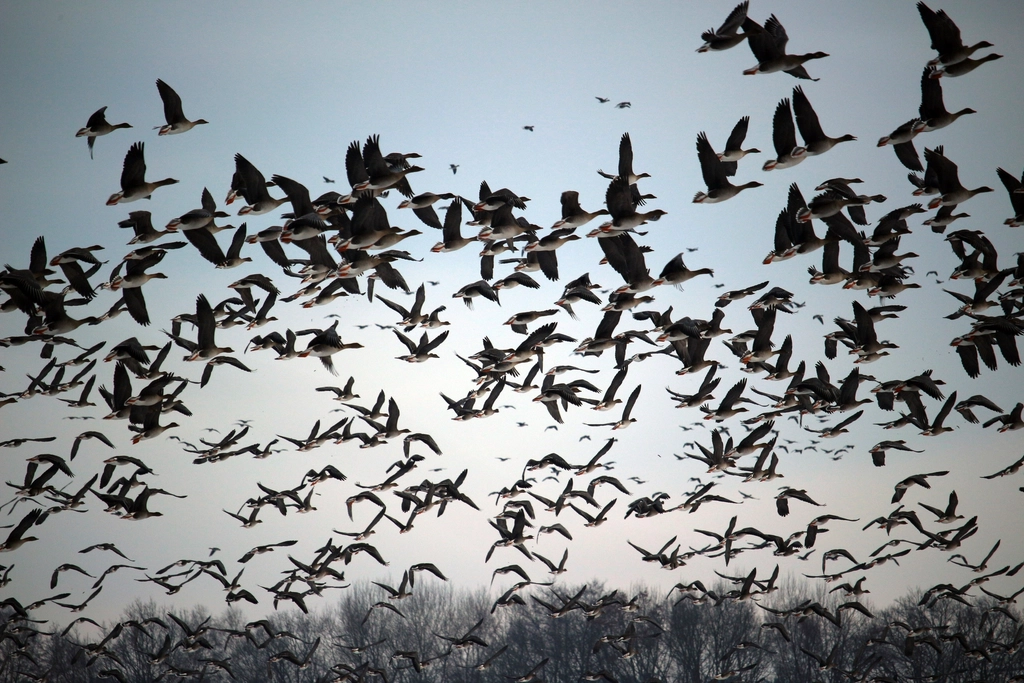
Despite the challenges, dedicated conservation work has brought some species back from the brink. The resurgence of the whooping crane and the recovery of the black stilt in New Zealand are proof that targeted habitat protection and restoration can work. International agreements, like the Ramsar Convention on Wetlands and flyway conservation initiatives, have safeguarded millions of acres of crucial habitats. Community-driven projects, such as wetland restoration in the Mississippi Delta, show that when people rally together, nature can rebound. These victories offer hope and a blueprint for future action.
World Migratory Bird Day: Raising Awareness, Inspiring Action
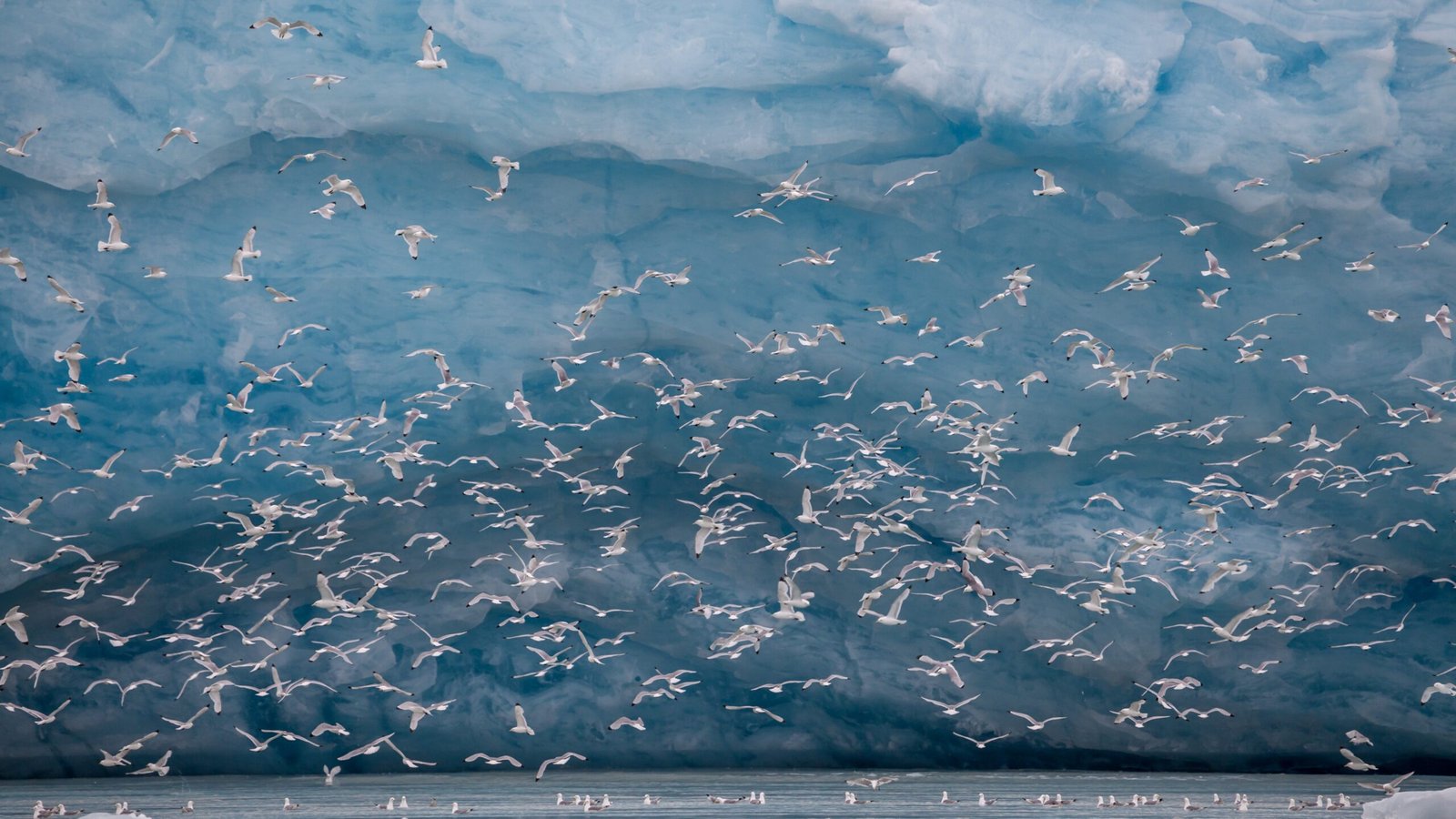
World Migratory Bird Day is not just a date on the calendar; it’s a global movement that unites people across borders. Through festivals, educational programs, and citizen science projects, this day shines a spotlight on the plight of migratory birds and the need to protect their habitats. It sparks conversations in classrooms, inspires art in communities, and mobilizes policymakers to take action. By participating, individuals become part of a worldwide chorus calling for change—reminding everyone that these birds belong to all of us.
Citizen Science: Ordinary People, Extraordinary Impact
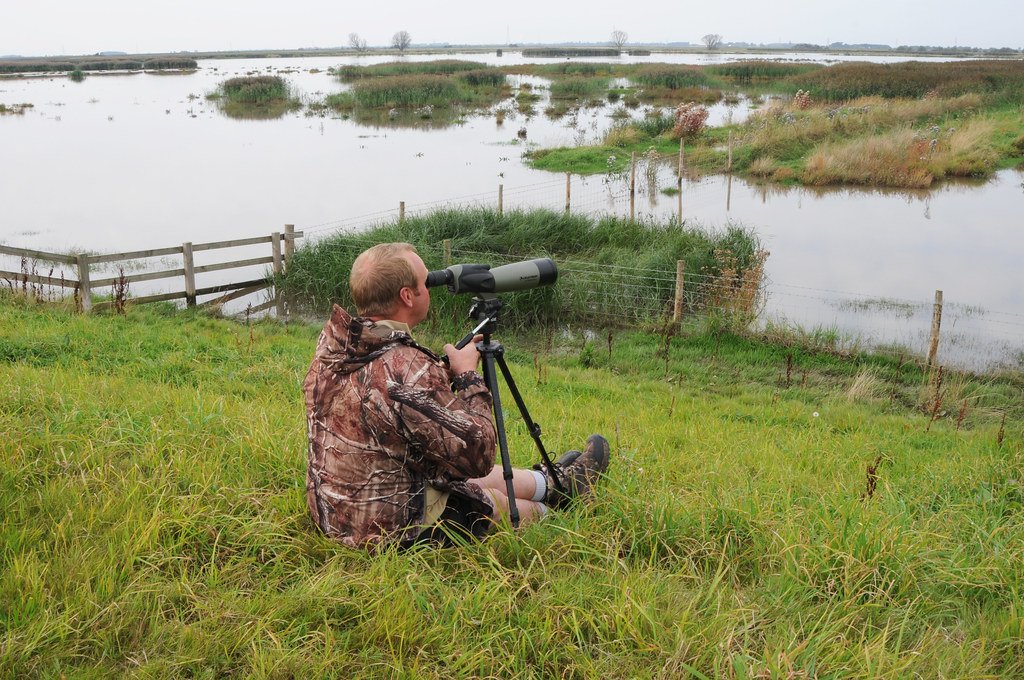
Anyone can contribute to migratory bird conservation, and citizen science projects are proving it every day. From tracking bird sightings with apps to monitoring nesting sites in backyards, people of all ages are gathering valuable data that shapes conservation efforts. Examples include the annual Global Big Day and the Christmas Bird Count, where thousands of volunteers document bird populations around the world. These collective efforts help scientists spot trends, identify threats, and prioritize habitats for protection. The message is clear: you don’t need to be a scientist to make a difference.
Innovative Solutions: Science and Technology at Work
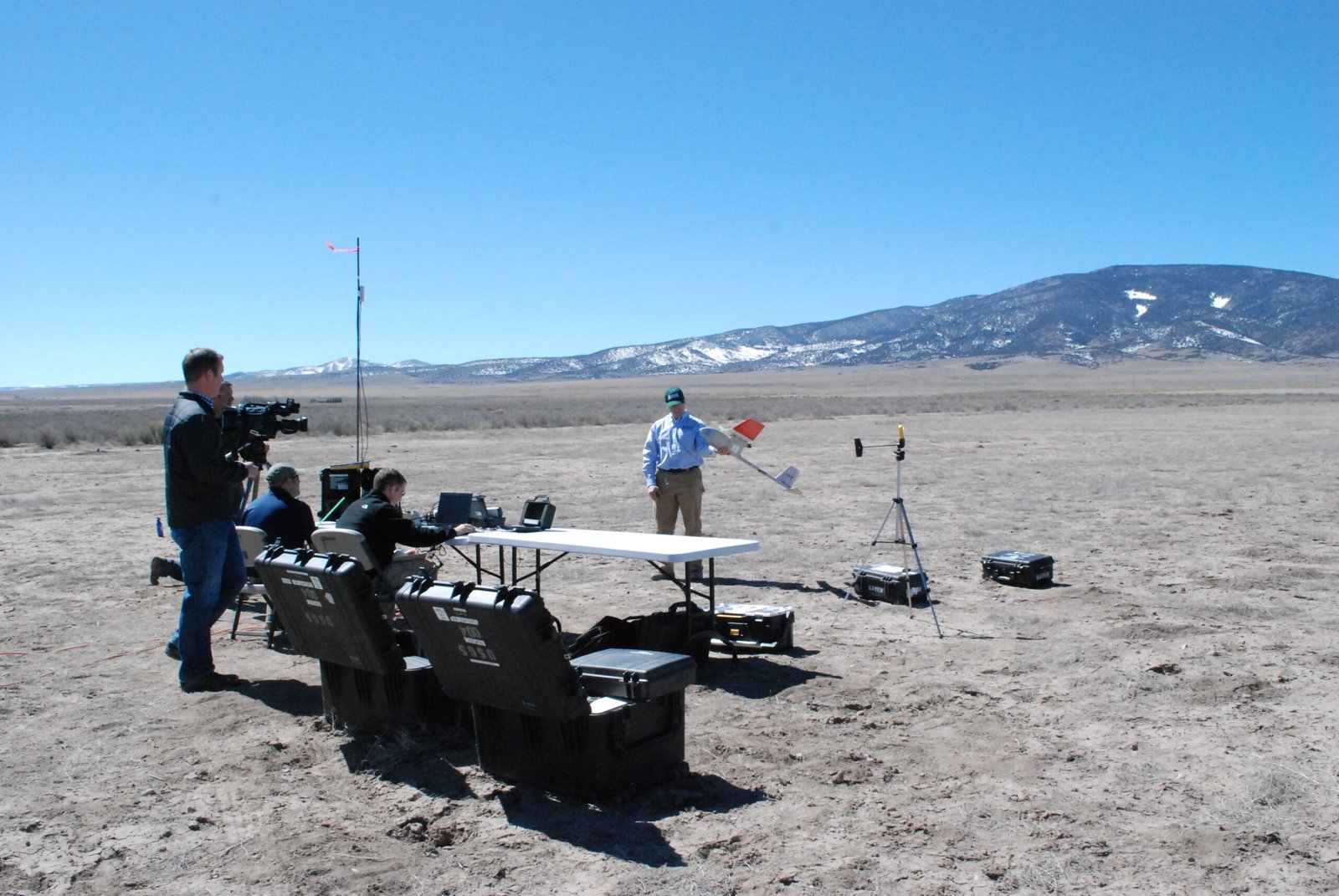
Cutting-edge technology is revolutionizing how we study and protect migratory birds. Tiny satellite trackers, no bigger than a paperclip, reveal previously unknown migration routes and critical stopover sites. Remote sensing and drones help map habitat changes in real time, guiding restoration projects. Artificial intelligence analyzes millions of bird calls to monitor populations and detect early warning signs of trouble. These innovations are breaking down barriers and offering new hope for saving migratory species from extinction.
What You Can Do: Turning Awareness Into Action

Protecting migratory birds starts with small changes that add up. Creating bird-friendly spaces in gardens, supporting organic farming, and reducing plastic use make local habitats safer. Advocating for protected areas, volunteering at nature reserves, and participating in bird counts help strengthen conservation efforts on a larger scale. Even spreading the word on social media can inspire others to care. Each action, no matter how modest, is a step toward a world where migratory birds continue to fill our skies with wonder.
Looking to the Future: Hope on the Horizon
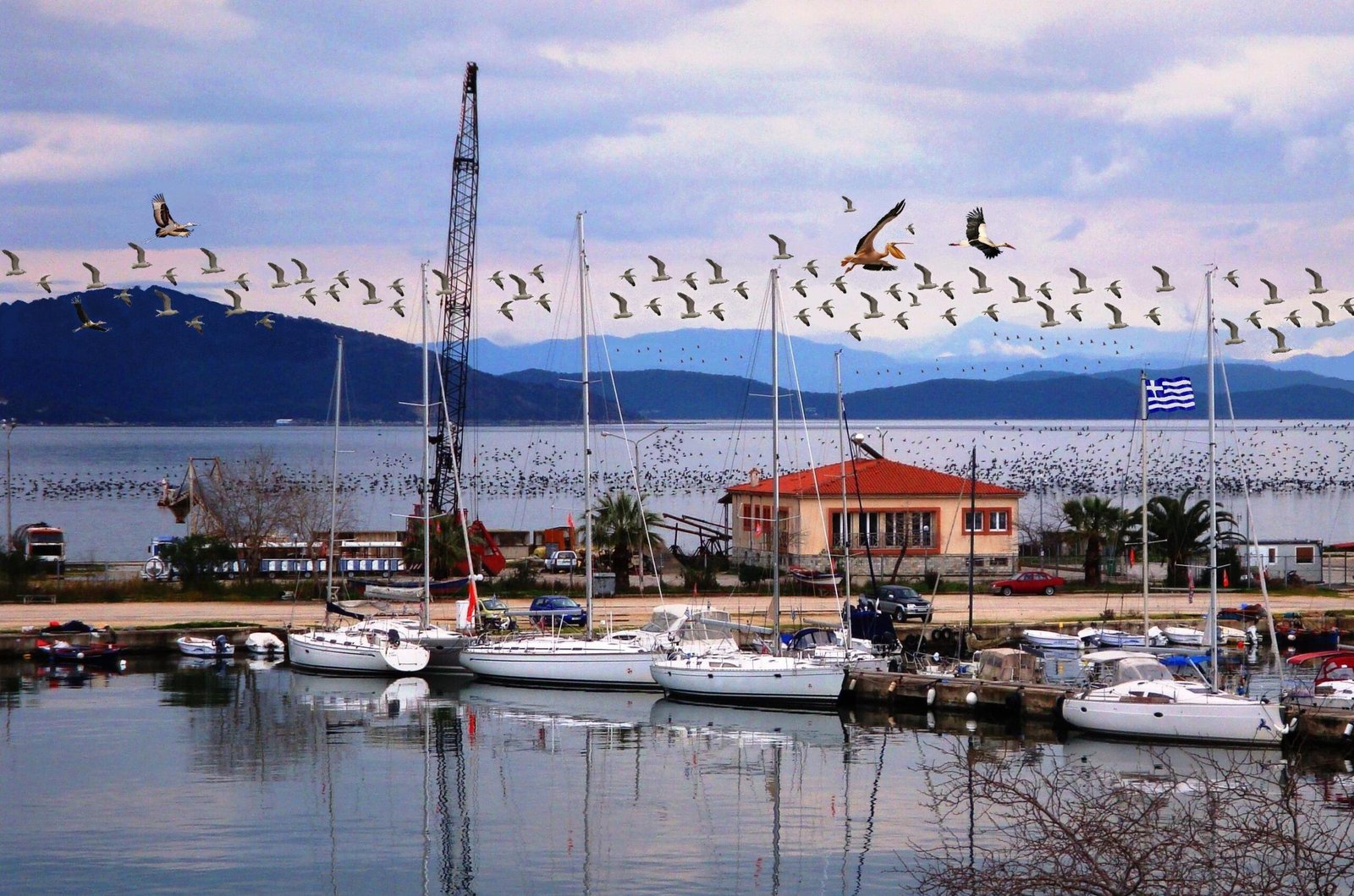
Despite the daunting challenges, there is reason to hope for migratory birds and their habitats. Growing public awareness, stronger international cooperation, and scientific breakthroughs are fueling a new wave of conservation. Young people are stepping up as environmental advocates, demanding bold action to protect the natural world. As long as we listen to the lessons of World Migratory Bird Day, the possibility remains to restore balance and safeguard the journeys of these remarkable creatures for generations to come.