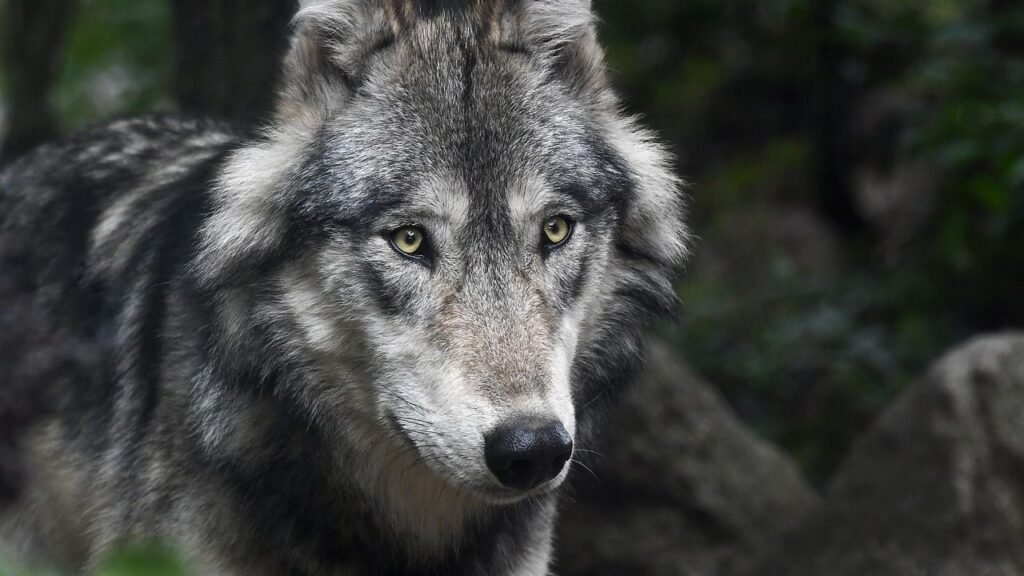

You probably imagine Yellowstone wolves slipping like shadows through endless forests and snowy valleys, far from where you drive and pull into overlooks. But if you stay late enough on certain park roads, especially in winter or shoulder seasons, you might notice something unsettling: wolves trotting right along the asphalt in the dark, as if the road suddenly belongs to them. You are not imagining it. More and more, wolves are using Yellowstone’s roads at night, and understanding why they do it changes how you see both the animals and your role in their world. Once you realize what is really happening out there after dusk, the park feels very different. The roads you treat as safe, human-only corridors turn into predator highways, connecting hunting grounds, carcasses, and territory edges. That does not mean you are in danger; attacks on people in Yellowstone are essentially absent. But it does mean your nighttime habits – how fast you drive, where you stop, how close you get to wildlife – are quietly shaping wolf behavior, their success at hunting, and even their chances of survival outside the park boundaries.
From Extinction to Asphalt: How Yellowstone’s Wolves Came Back
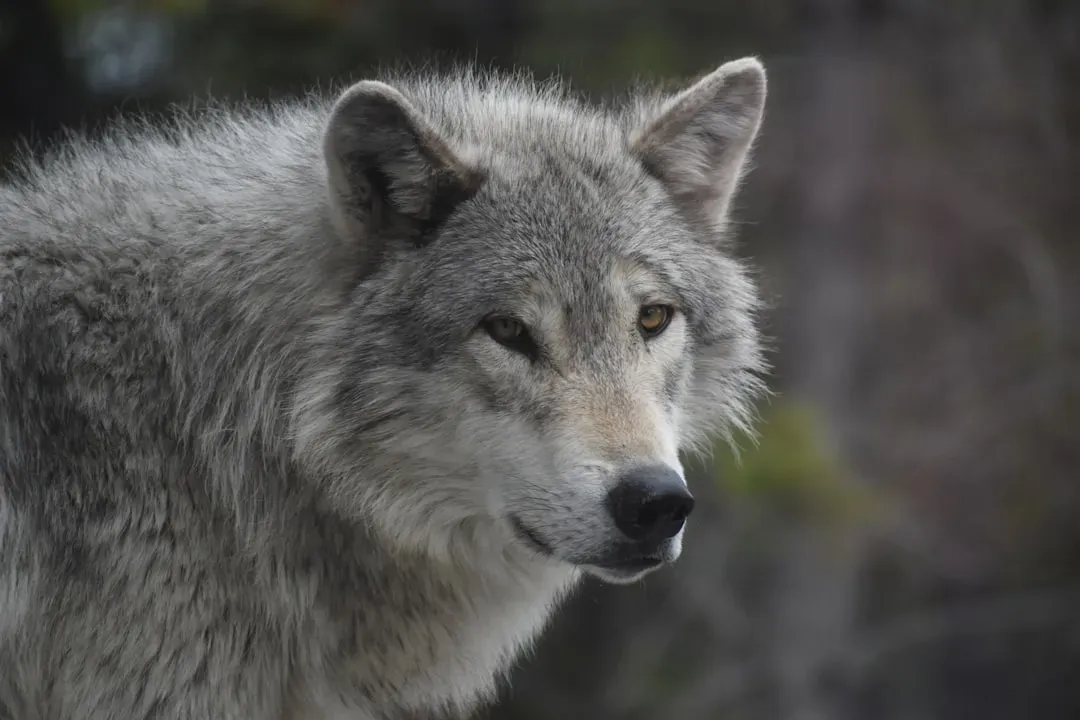
You cannot understand why wolves are walking Yellowstone’s roads at night without going back to the time when there were no wolves here at all. By the mid–20th century, government predator-control campaigns had wiped them out from the Yellowstone area, and for decades the park was silent of their howls. When wolves were reintroduced in the mid‑1990s, they stepped into a landscape that had changed completely: more roads, more cars, more people, and a national park that millions visit every year. You are living in the aftermath of that massive ecological experiment.
Those reintroduced wolves did what wolves do best: they adapted. Within a few decades, packs spread across the park, learned the movements of elk herds, and carved up territories that often happen to include paved roads and pullouts. You now share space with an apex predator that has had to figure out how to be wild in one of the most heavily watched and driven-through wild landscapes on Earth. Nighttime road use is not some odd quirk; it is one of the ways wolves have threaded themselves back into a human-shaped ecosystem and turned your infrastructure into part of their survival toolkit.
Why Night Belongs to Wolves (And Not to You)
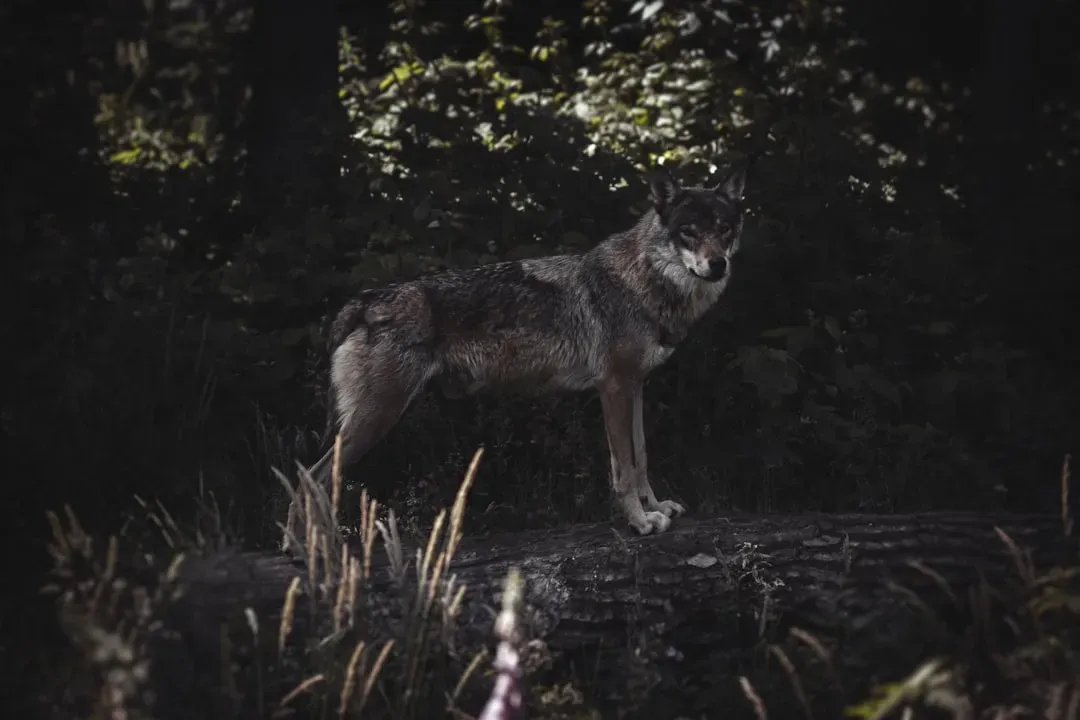
If you think of Yellowstone in daylight – crowded overlooks, lines of cars, constant shutter clicks – it makes sense that wolves would mostly avoid roads when the sun is up. Research on wolves around the world keeps showing the same pattern: they tend to shift more of their movement and road crossings into the night, when people retreat to campgrounds and lodges. You might assume darkness is mainly about sneaking up on prey, but a big part of it is just avoiding you. By using the roads after dark, wolves get the benefits of easier travel without the stress and danger of human contact.
Night, in that sense, is their peace treaty with your presence. When traffic drops and headlights thin out, wolves can relax their distance from the asphalt and move more directly from one valley to the next. You rarely see it because you are not supposed to be out there much after dark; park guidance strongly discourages nighttime driving for safety. But if you do find yourself on a Yellowstone road at 1 a.m., you are entering their shift, not yours. The quiet you feel is deceiving: packs can be covering miles, communicating across valleys, and lining up for their next hunt while you only see empty pavement and stars.
The Road as a Predator Highway: Speed, Energy, and Strategy
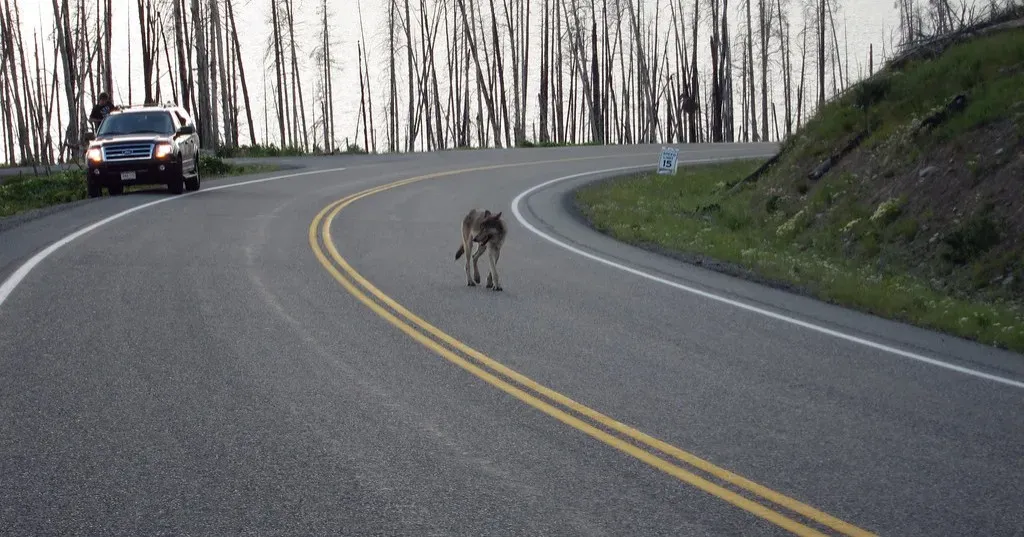
Think about how much faster you can walk on a sidewalk than through deep snow or tall grass. Wolves have learned the same lesson with roads and packed routes. When they trot along or briefly use roads at night, they can conserve energy, travel farther, and get from one part of their territory to another much more efficiently than if they slogged through uneven, obstacle-filled ground. Over the course of a long winter, that energy savings can mean the difference between finding enough elk to feed growing pups and falling behind. You are watching a classic predator strategy: minimize effort, maximize payoff.
Importantly, wolves are not using roads as primary hunting arenas the way you might imagine a lion ambushing prey on a savanna track. Studies suggest they tend to use roads more for traveling than for resting or actually attacking prey right on the pavement. That means you are more likely to see a wolf trotting along a road shoulder or crossing quickly than dragging something down in your headlights. Still, by moving faster and covering more distance via roads at night, they can reach hot spots where elk, bison, or carcasses are waiting, turning your infrastructure into a set of shortcuts in a very large, very demanding territory.
What Wolves Are Really Hunting Near Yellowstone’s Roads
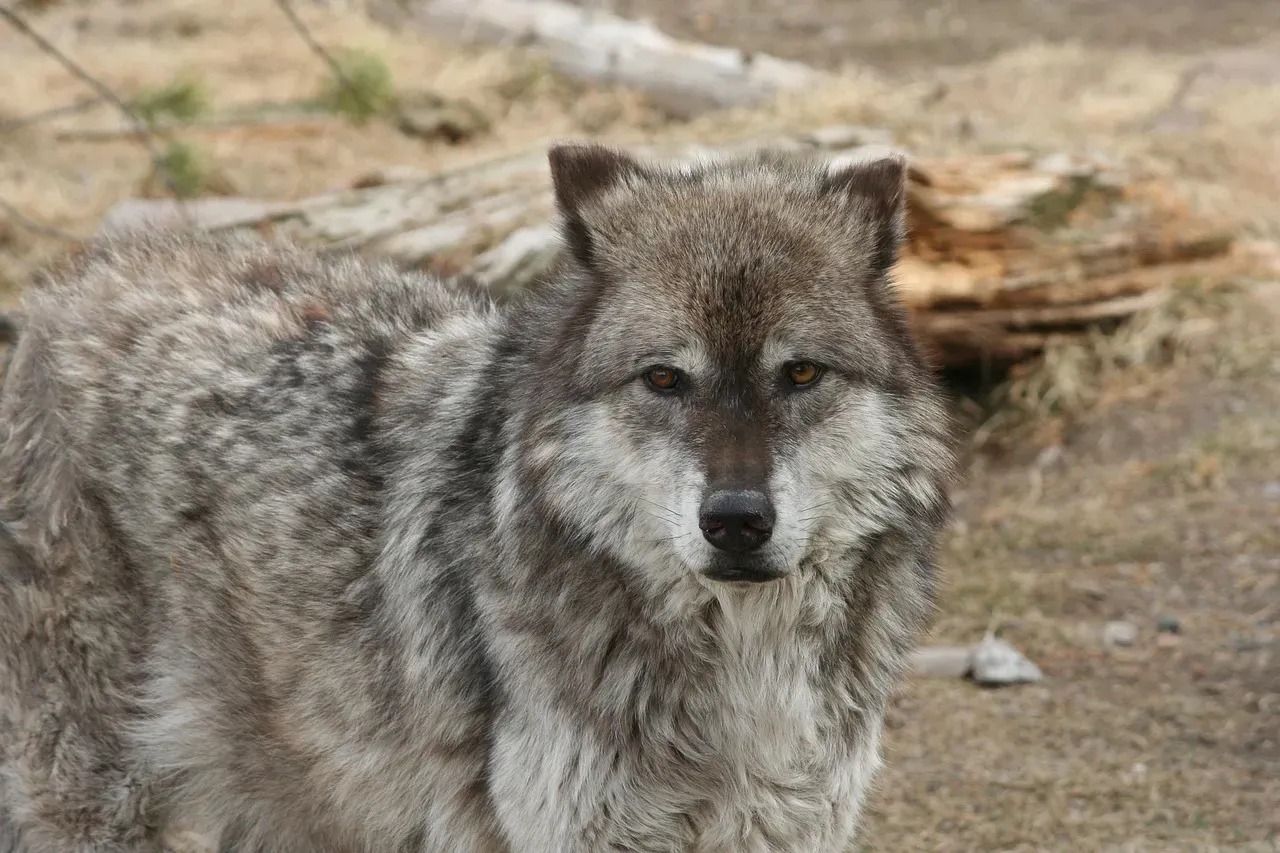
When you hear that wolves are “returning to the roads,” it is easy to picture them stalking vehicles or waiting for you to step out for a photo. That is not what is happening. In Yellowstone, wolves are primarily hunting large wild prey like elk and, in some cases, bison. They focus on vulnerable individuals: the old, the weak, the injured, or the young, especially in winter when deep snow levels the playing field in their favor. Roads happen to cut across the same valleys, river bottoms, and migration routes that these animals use, so when you see wolves near a road at night, they are usually on their way to or from more natural hunting grounds just out of your view.
There is another layer you might not think about: human-caused food opportunities. Road-killed animals, discarded carcasses moved by park staff, or even the scent of past kills can all draw wolves close to roads for short bursts of time. Park managers actively try to reduce this by managing roadside carcasses and keeping wolves from associating people or roads with easy meals. You play a role here, too. If you never leave food scraps, never toss anything on the roadside, and slow down to avoid hitting wildlife, you help make sure wolves stay focused on wild prey instead of on the dangerous buffet that human carelessness can create.
How Your Behavior After Dark Changes Wolf Behavior
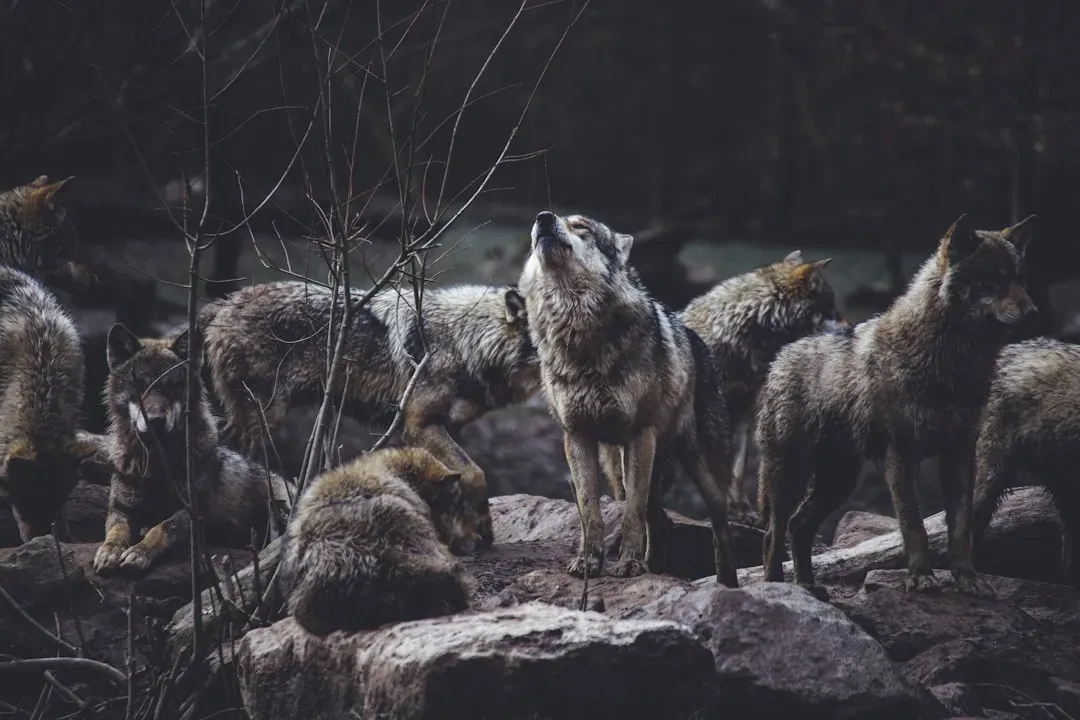
You probably do not think of yourself as a force shaping predator ecology, but your nighttime habits behind the wheel absolutely matter. Speeding on dark park roads is not just risky for you; it is deadly for animals that have begun to trust the lower traffic of night as a relatively safe time to move. A wolf trotting in the dark cannot anticipate a vehicle doing highway speeds around a blind curve, and collisions become a real threat. Every time you slow down, stay alert, and treat the darkness as shared space rather than empty space, you reduce the chance of turning a hunting wolf into a roadside carcass.
Your distance from wolves matters just as much. If you ever see one at night, the best thing you can do is keep moving slowly or watch from far away without getting out, calling to it, or shining lights directly at it. When people repeatedly crowd animals near roads, wolves can become habituated, meaning they start treating roads and vehicles as normal background rather than something to be wary of. That may make your photos easier, but it can be ruinous for them when they cross park boundaries into places where hunting, trapping, or traffic make that trust a deadly mistake. In a very real way, your restraint at the roadside is an act of conservation.
Myths, Fears, and What Wolves Actually Think of You
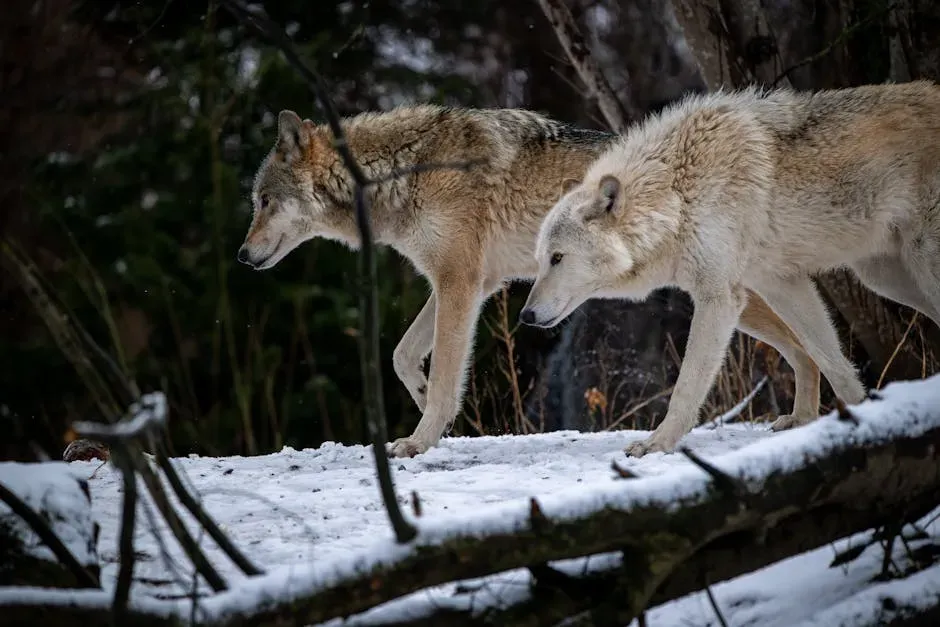
When you hear that wolves are using roads at night, you might feel a flicker of fear: are they out there watching you, sizing you up? In Yellowstone, evidence shows wolves almost never target people. They are far more interested in elk, bison, and other natural food sources than in a human walking to their car with a headlamp. If a wolf does notice you, its usual reaction is to watch briefly, move away, or simply ignore you in favor of the far more predictable prey species it understands. Your biggest danger on Yellowstone roads at night is still hitting a bison you did not see in time, not being hunted by wolves.
Yet myths about wolves persist, especially when people see them near roads or campgrounds after dark. You might hear someone say that wolves are “getting bold” or “coming for people” just because they trotted past a pullout or crossed the road near parked cars. In reality, they are typically doing what they always do: using the easiest route through a landscape and trying to avoid a direct clash with you. The more you learn to read their behavior – ears forward, body angled away, quick crossing instead of lingering – the more you realize that your presence is something they manage and work around, not a target they are fixating on.
How to Share the Night with Wolves Without Hurting Them
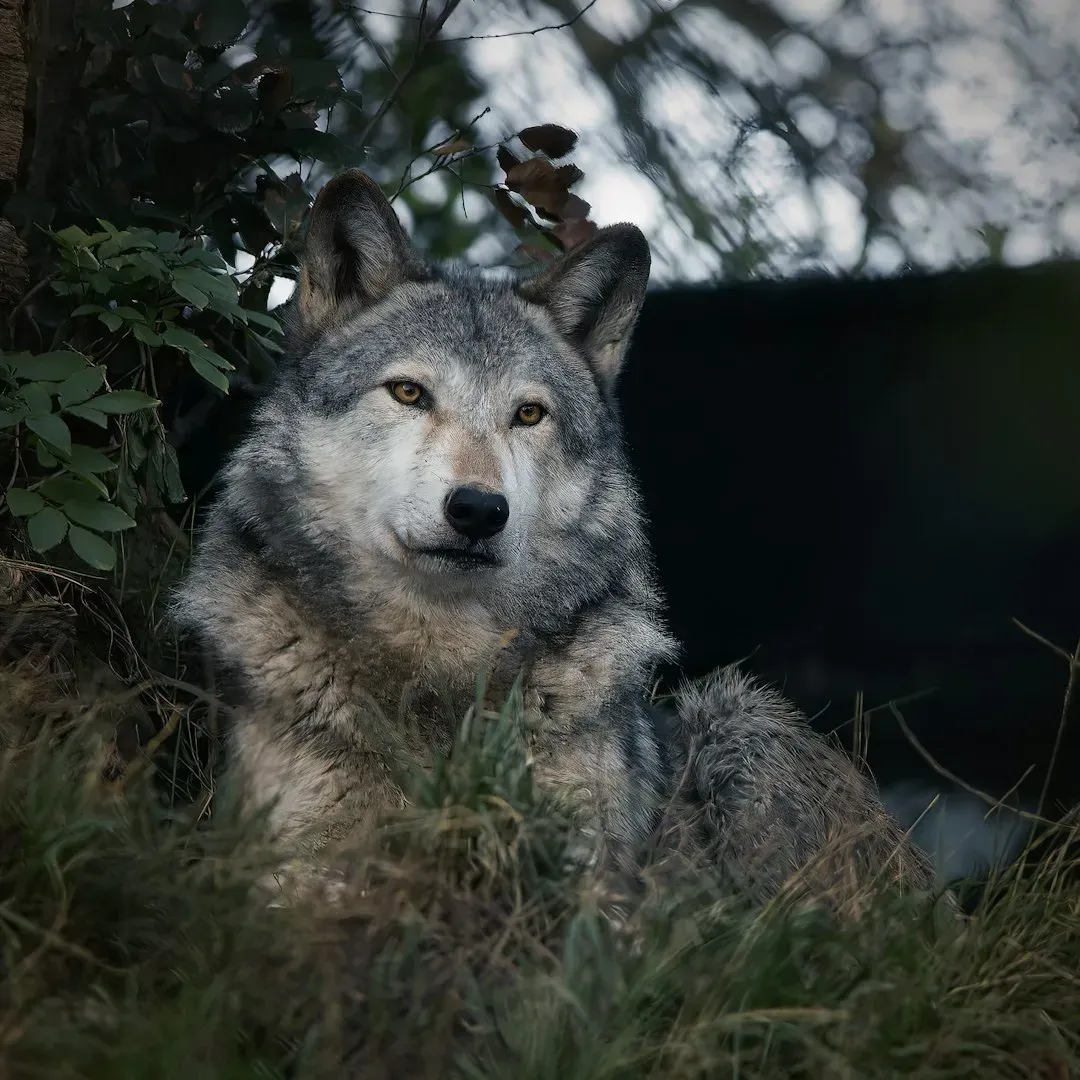
If you love the idea of seeing wolves and still want to protect them, your best tools are simple habits. You can plan your wolf experiences mostly in early morning and late evening twilight, when packs are active but visibility is still decent and traffic is lighter, instead of driving deep into the night. When you are on the road in low light, you can keep your speed down, use pullouts rather than shoulders, and resist stopping in random spots where animals might be crossing. These are small choices, but together they lower the pressure on wolves that have begun to lean on roads as part of their nightly routes.
You can also shape the park culture around you. When you see other visitors edging closer for photos, blocking traffic to watch an animal, or leaving trash where wildlife can find it, you can be the person who gently pushes things back toward respect and distance. You can treat every wolf you glimpse near a road not as a photo opportunity but as a reminder that you are in the middle of a functioning, fragile ecosystem that is still figuring out how to coexist with all of your presence. The more you act like a guest in their home instead of the owner of the road, the more room there is for wolves to keep reclaiming their nighttime world.
Conclusion: The Hidden Life of the Road After Dark
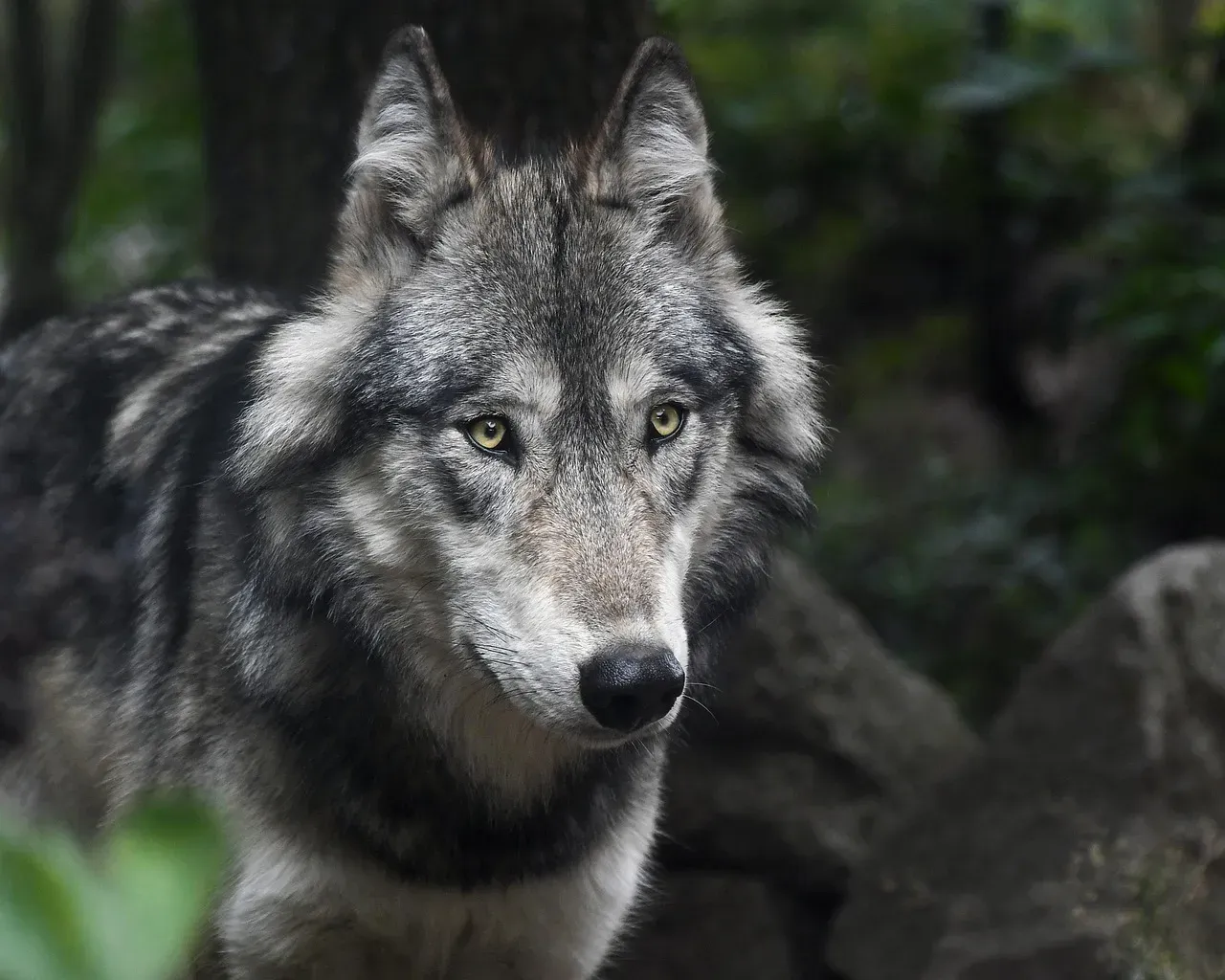
When you leave Yellowstone at sunset, it is tempting to think the show is over and the landscape closes down until morning. In reality, that is when wolves step onto the stage in full. They slide onto the roads you built, not to chase you, but to chase survival – saving energy, skirting human disturbance, and hunting the elk and bison that still define their existence. Every night, the same strips of asphalt that carried you to overlooks become narrow wildlife corridors that connect dens, valleys, and carcasses in a vast, living map only the wolves can truly read.
You are part of that story whether you intend to be or not. Your headlights, your speed, your distance, and your discipline determine whether those nighttime roads remain a useful tool for wolves or turn into traps lined with danger and bad habits. Next time you hear a distant howl or see a set of tracks crossing a snow-covered road, you can remember that you are sharing more than a park; you are sharing the dark itself. Knowing that, how differently will you treat Yellowstone’s roads the next time the sun goes down and the wolves come out?