

You do it when you wake up. You do it in meetings. You do it after reading the first two lines of a dull email. Sometimes you do it just because someone else did. Yawning is perhaps the most universal human reflex, and yet, if someone asked you right now to explain exactly why it happens, you might find yourself stumped – and maybe yawning trying to think about it.
Here’s the thing: scientists are stumped too. Sort of. Researchers have spent decades dissecting this seemingly simple act, and what they have uncovered is far more fascinating than anyone expected. From brain cooling to ancient group survival signals, the science of yawning turns out to be anything but boring. Let’s dive in.
More Than Just a Sign of Sleepiness

Most of us carry the same assumption we probably formed in childhood: yawning means you’re tired or bored. That assumption isn’t entirely wrong, but it’s wildly incomplete. Yawning is one of the most common yet mysterious behaviors observed in humans and animals alike, and while we often associate it with tiredness and boredom, the science reveals a far more complex physiological and psychological process behind it.
What’s truly striking is how long we’ve been getting it wrong. The study of yawning dates back to ancient times, and even Hippocrates suggested that yawning removed bad air from the lungs to balance the body’s humors. Modern research has largely debunked this idea, pointing instead to far more complex neurological and social functions. Think of it like assuming a computer fan exists solely for decoration – you’re missing the whole cooling system underneath.
Although yawning is a commonly witnessed human behavior, it has not been taught in much detail in medical schools, and it is characterized by an opening of the mouth accompanied by a long inspiration, a brief interruption of ventilation, and followed by a short expiration. That five-second window holds more science than most people ever realize.
What Actually Happens in Your Body When You Yawn

Let’s slow things down and actually look at what your body is doing during a yawn. It’s a surprisingly full-body event. Many parts of the body are in action when you yawn: your mouth opens, your jaw drops to allow as much air in as possible, the air fills your lungs, your abdominal muscles flex, your diaphragm is pushed down, and the air expands the lungs to capacity before some is blown back out.
During a yawn, your mouth usually opens wide and your lungs draw in a lot of air, your eardrums stretch, and your eyes may close tight, triggering tearing. These movements activate an increase in your heart rate and blood flow in your facial muscles. Honestly, when you lay it out like that, it sounds less like boredom and more like a mini workout your body decided to run without asking you first.
Yawning consists of an involuntary wide opening of the mouth with maximal widening of the jaw, together with a long and deep inhalation through the mouth and nose, followed by a slow expiration with a feeling of comfort. The average duration of a yawn is about five seconds, and stretching of the limbs also frequently accompanies it in humans.
Your Brain Is Running the Show: The Neurology of Yawning
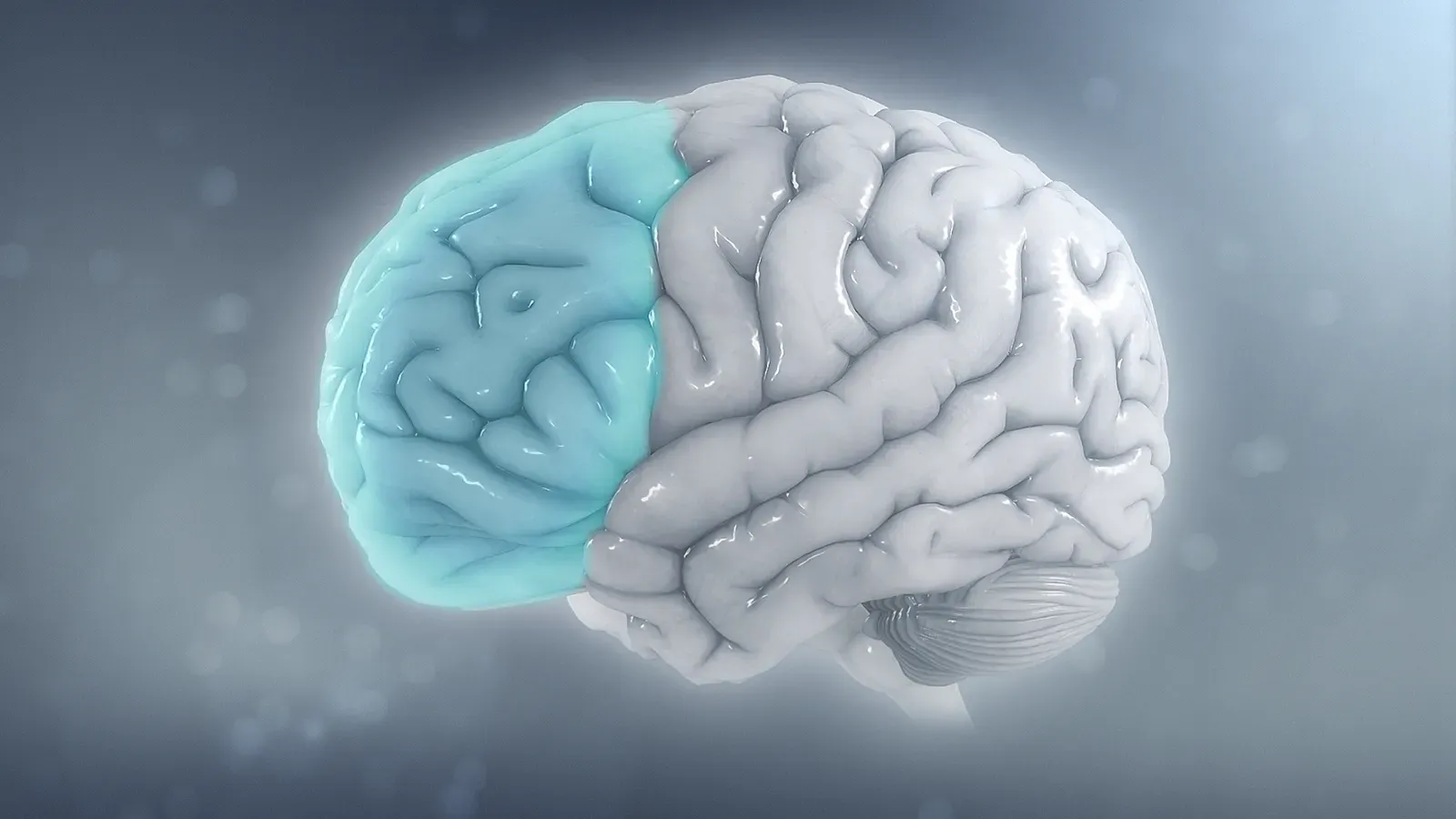
If you want to find who’s in charge of yawning, you need to look deep inside the brain. Yawning is triggered by specific brain regions, notably the hypothalamus and brainstem, and research highlights the paraventricular nucleus of the hypothalamus as especially significant. This small cluster of neurons is essentially the yawn’s command center – like a thermostat for a whole range of bodily states.
The brainstem, particularly the reticular formation, is also involved. The reticular formation is a network of neurons that play a key role in regulating wakefulness and arousal, which are states often associated with yawning. Together, these brain regions form a network that triggers the complex motor sequence of yawning. It’s a deeply wired, ancient mechanism.
The initiation of yawning is primarily regulated by the hypothalamus and brainstem, with neurotransmitters such as dopamine, serotonin, and oxytocin playing critical roles. Among the best-known substances involved, dopamine, excitatory amino acids, acetylcholine, serotonin, nitric oxide, and oxytocin all facilitate yawning, while opioid peptides inhibit this behavioral response. It is, in short, a symphony of chemistry.
The Brain Cooling Theory: Your Personal Internal Air Conditioner
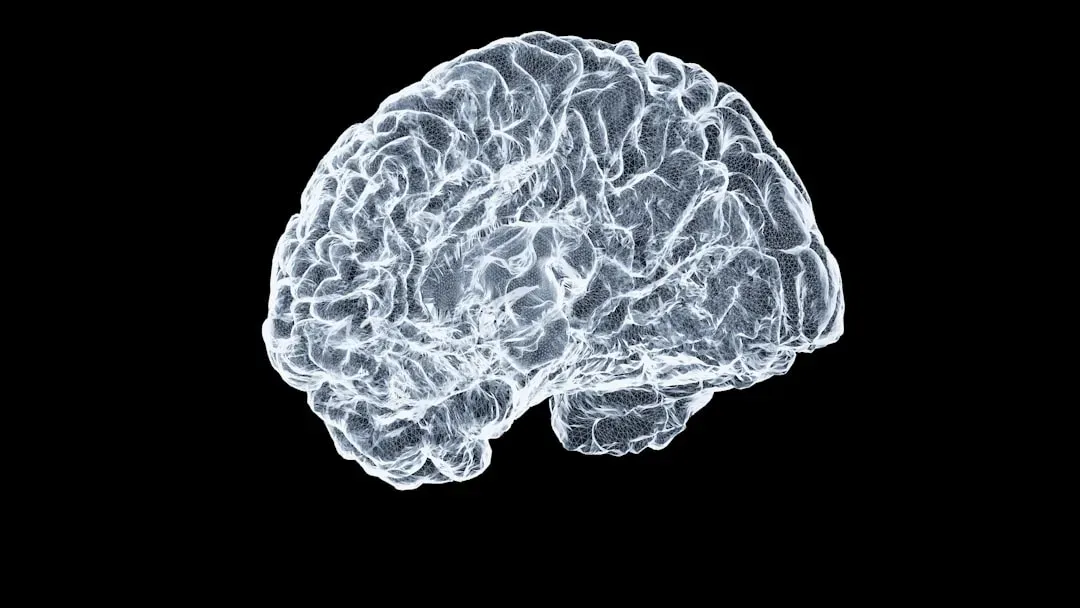
Here comes arguably the most surprising theory in all of yawning science. Ready? Your brain overheats. And yawning may be how it cools down. The brain cooling hypothesis proposes that the wide gaping of the mouth and the subsequent deep inhalation facilitate heat exchange, and that the influx of cool air during a yawn can reduce the temperature of the blood circulating to the brain, preventing overheating and maintaining optimal brain function.
Evidence supporting this hypothesis comes from studies indicating that yawning frequency increases in situations where brain temperature is elevated. Research has shown that individuals yawn more frequently in warmer environments or after engaging in activities that raise brain temperature, such as intense cognitive tasks. Additionally, yawning has been observed to decrease when ambient temperatures are cooler. Think of your brain like a laptop that starts spinning its fan after too many browser tabs are open.
In a study of humans, researchers placed either a warm pack or an ice pack on participants’ foreheads while they watched videos of people yawning. Those with a warm pack yawned more in response to the videos, while those with the ice pack yawned less. That’s a beautifully simple experiment with a genuinely stunning result. Your forehead temperature was changing how often you yawned. Let that sink in.
Yawning Before You Were Even Born: The Fetal Connection

I know it sounds crazy, but you were yawning long before you took your first breath. Yawning is an involuntary action, and we know it’s involuntary because we do it even before we’re born. Research by developmental neuroscientist Robert Provine showed that 11-week-old fetuses yawn. Eleven weeks. You were the size of a fig and already doing one of the most human things possible.
Yawning occurs as early as 12 weeks after conception and remains relatively unchanged throughout life, and its survival without evolutionary variation suggests a particular importance in terms of developmental needs. When something stays the same across hundreds of millions of years of evolution and starts before birth, you can bet it’s not just a habit. It’s wired into the very foundation of how living creatures work.
Developmentally, yawning emerges early in fetal life and persists throughout the lifespan, with its frequency and triggers evolving with age. Although spontaneous human yawning begins as early as the 12th week in the womb, contagious yawning has not been detected in children until several years after birth, suggesting a separate and relatively recent evolutionary origin. The two types of yawning, it turns out, have different developmental timelines altogether.
Why Yawns Are Contagious: The Empathy Connection

You’ve probably already yawned at least once reading this article. Don’t be embarrassed, it’s completely normal, and it’s actually revealing something meaningful about you. Contagious yawning is triggered by seeing, hearing, or even thinking about another person yawning, and this phenomenon is believed to be linked to social and communicative functions, demonstrating empathy and social bonding.
Research suggests that the closer someone feels to another person, the more likely they are to yawn when that person yawns. A person is more likely to yawn after seeing a friend or family member yawn than an acquaintance or stranger. It’s a bit like emotional resonance in reflex form. Your nervous system is, in a sense, mirroring the people you feel close to.
While humans yawn as infants, they do not become susceptible to contagious yawning until they are around four to five years old, when they have developed the mental pathways to understand how other people are feeling. According to some studies, contagious yawning relates to higher empathy scores. Interestingly, contagious yawning is less common in young children and individuals with autism, leading scientists to explore the role of mirror neurons and emotional intelligence in the process.
Yawning Across the Animal Kingdom: An Ancient Reflex

If you ever felt like yawning was a deeply human thing, think again. Almost all vertebrate animals, including mammals, birds, reptiles, amphibians, and even fish, experience yawning. That means the fish staring blankly from your aquarium and the crocodile sunbathing on a riverbank are both participants in the same ancient behavior you perform every morning.
Yawning probably arose with the evolution of jawed fishes around 400 million years ago, according to evolutionary biologist Andrew Gallup. Four hundred million years. That is older than dinosaurs, older than flowers, older than almost everything familiar about life on Earth. It is hard to think of a single behavior we share with fish that goes back that far.
Comparative studies in animals reveal yawning’s deep evolutionary roots, linked to thermoregulation and social communication. Relatively sedentary species that sleep very little, such as many herbivores, yawn infrequently, while species that sleep eight to twelve hours and alternate between active and inactive periods, such as predatory carnivores and primates, yawn much more. In other words, the more complex your sleep-wake cycle, the more your body needs the reset that a yawn provides.
When Yawning Becomes a Warning Sign: The Medical Side

Most of the time a yawn is just a yawn. Honestly. You shouldn’t lie awake at night worrying about it. Still, there is a point where yawning shifts from ordinary reflex to a signal worth paying attention to. Excessive yawning can sometimes indicate underlying health issues, and frequent yawning may be associated with sleep disorders such as insomnia, sleep apnea, or narcolepsy. It can also be a symptom of neurological conditions including migraines, multiple sclerosis, and even stroke.
Excessive yawning can also be a symptom of other medical conditions such as migraines, heart conditions, and even brain tumors. Yawning can occur before or during a migraine attack, possibly due to the involvement of the brainstem, which is implicated in both yawning and migraine pathophysiology. In heart conditions, particularly those involving the vagus nerve, yawning can be a response to vagal stimulation.
Yawning is termed pathological or excessive if it is spontaneous, more frequent than generally perceived as normal, compulsive, and not triggered by appropriate stimuli including fatigue or boredom. Researchers have explored the neurological basis of excessive yawning, uncovering connections between it and dysfunctions in the brainstem and hypothalamus, which are regions responsible for regulating sleep, arousal, and body temperature. As a result, monitoring yawning patterns can provide valuable insights into a person’s overall health and neurological function.
Conclusion: A Reflex That Refuses to Be Simple

What looked like a throwaway habit turns out to carry the weight of evolution, neuroscience, social psychology, and clinical medicine all at once. Every time you yawn, your brain may be cooling itself, shifting its alertness level, mirroring someone else’s emotional state, or sounding a quiet alarm about something deeper going on inside you. That is a lot of work for something that lasts five seconds.
For the time being, yawning remains something of a mystery, because it has complex mechanical, biological, neurological, and behavioral influences, and it’s hard to know where one influence ends and the next begins. Science has come a long way from Hippocrates and his “bad air” theory, but the full story of yawning is still being written.
Next time someone yawns across the table and you feel that irresistible pull to do the same, you might smile to yourself. You’re not just being polite or tired. You’re participating in one of the oldest, most wired-in, and least understood reflexes in the entire vertebrate world. What would you have guessed was behind such a simple thing?