


Every earworm, stadium anthem, and quiet lullaby is more than a tune – it’s a full-brain event hiding in plain sight. Scientists now treat music like a precision tool for probing how prediction, pleasure, memory, and movement converge in the mind. The mystery is delicious: why does a simple chord change tug at our chest, and how can a drum pattern make strangers sway as one? Researchers are closing in on answers, showing that songs recruit reward circuits similar to those triggered by food, social touch, and other primal rewards. The result is a universal human pleasure that tells us something profound about how our brains build meaning from sound.
The Hidden Clues
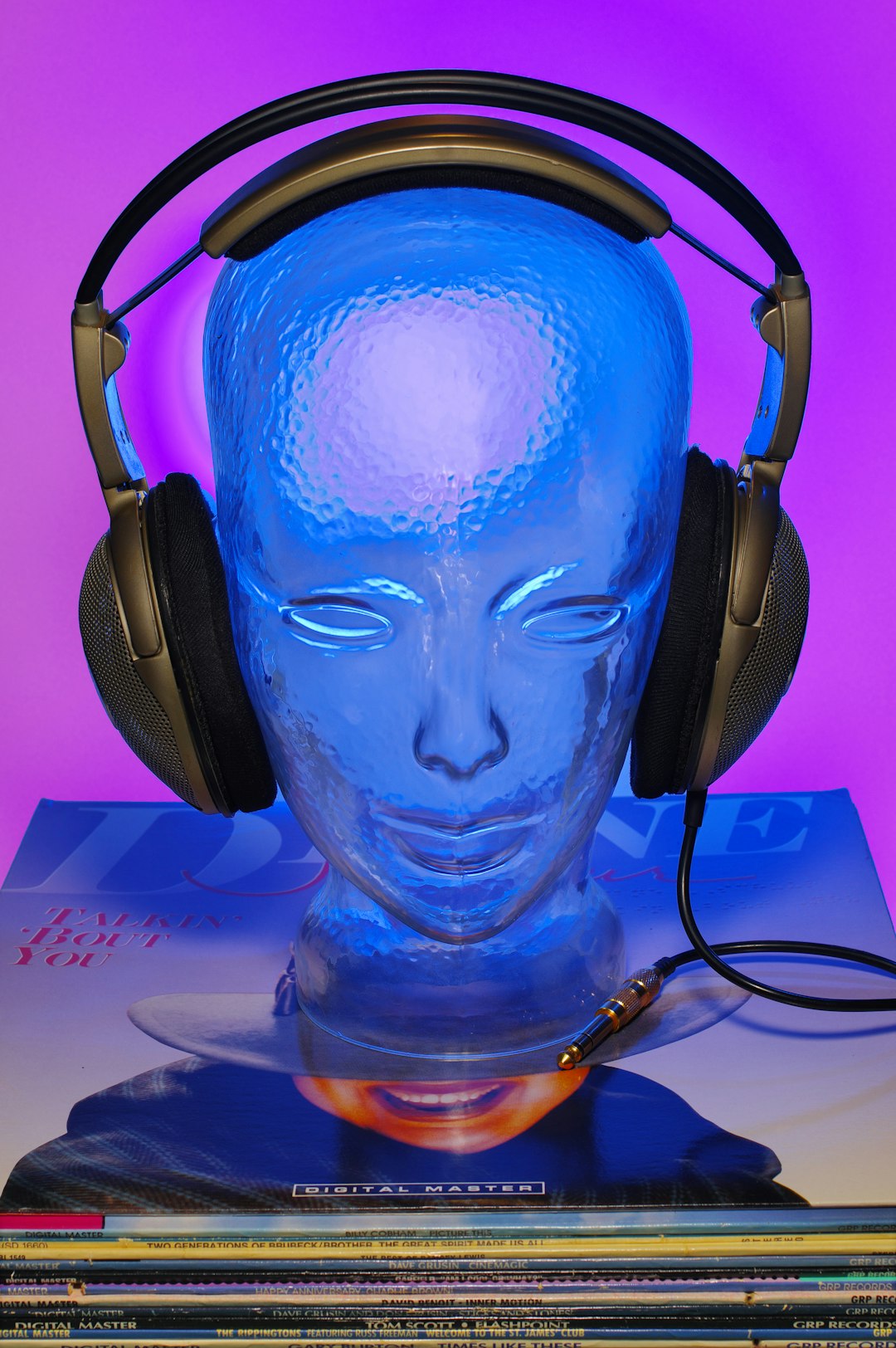
Here’s a twist worthy of a chorus drop: peak emotional moments in music light up the brain’s reward system, releasing dopamine in areas linked to motivation and pleasure. The body reacts too – goosebumps, shivers, shifts in heart rate – suggesting that the emotional wave is both neural and physiological. Those physical ripples are not random; they tend to arrive when the music violates expectations in just the right way, pairing surprise with a sense of safety.
I still remember the first time a favorite song made me stop mid-walk on a rainy street, spine tingling at a sudden harmony. That frisson is data, a measurable signal that our nervous system treats sound as meaningful prediction – and pays us in pleasure when the prediction is artfully subverted. It’s less magic than mechanism, and the mechanism is elegant.
From Ancient Tools to Modern Science
Archaeologists have found ancient flutes carved from bone, evidence that people have shaped sound for tens of thousands of years. Across today’s cultures, researchers hear recurring features: lullabies tend to be slow and soft; dance songs are faster, more percussive, and designed to pull bodies into sync. Infants show early sensitivity to rhythm and melodic contour, hinting that some building blocks of musicality are present from the start.
Modern labs carry that story forward with brain scans, EEG caps, and computational models that map how melodies travel through auditory cortex. As our tools sharpen, a pattern emerges: music is a social technology grounded in biology, refined by culture, and optimized by the brain’s hunger for patterned surprise. Ancient craft and modern circuitry meet in every chorus.
The Predictive Brain at Play
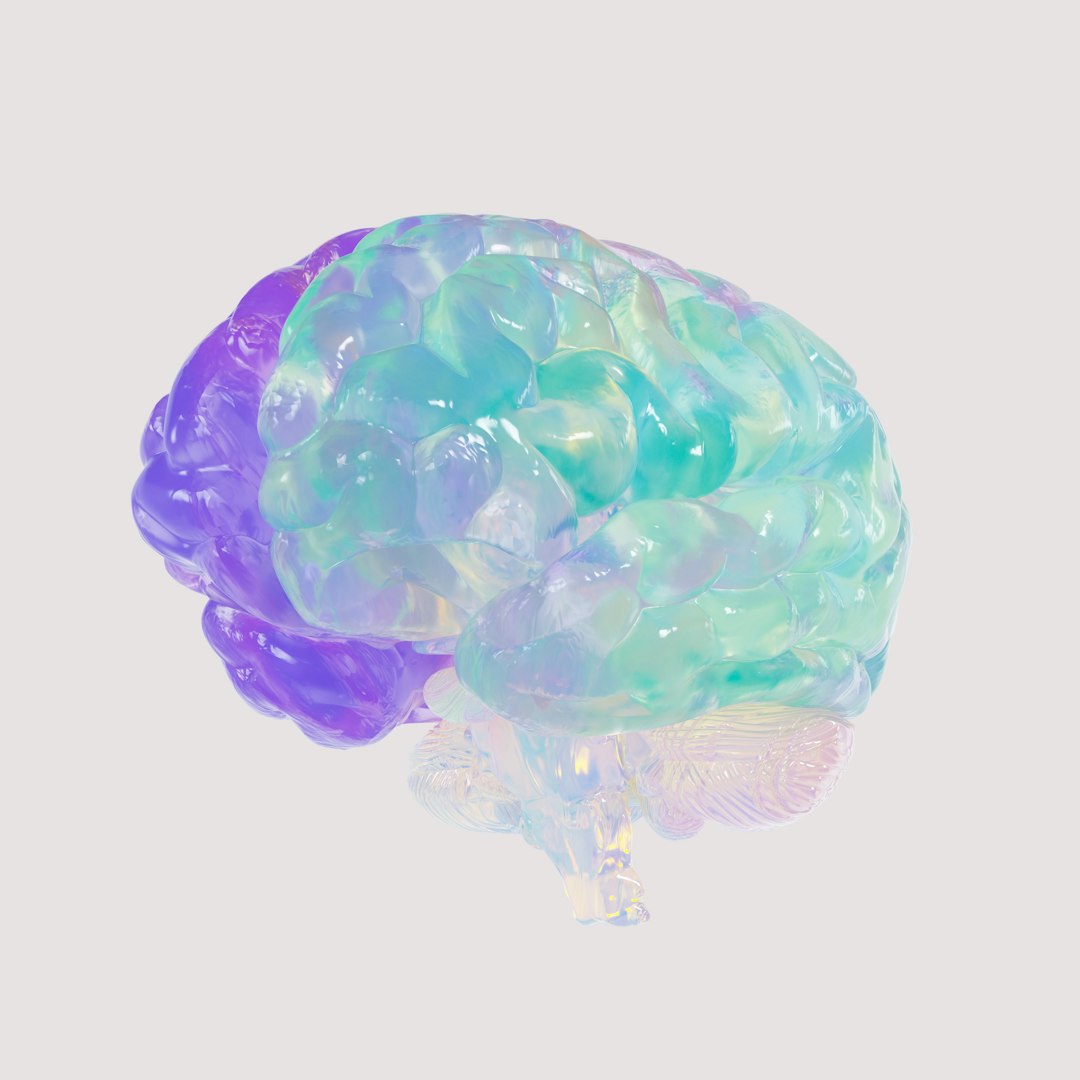
The auditory system is a prediction machine, constantly forecasting the next beat or note and adjusting when reality pushes back. When a composer delays a cadence or sneaks in a chromatic turn, the brain registers the mismatch, then recalibrates, turning tension into a small triumph. EEG studies capture this in milliseconds as a signature “error” signal that flares when expectation is violated.
We enjoy that dance because prediction is metabolically rewarding; efficient models save energy, while successful updates feel satisfying. The sweet spot lies between boredom and chaos – too predictable, and we tune out; too unexpected, and we feel lost. Great songs skate that edge, keeping our forecasts busy and our reward circuits humming.
Emotion, Memory, and the Body

Music does emotional heavy lifting by tapping systems that encode salience and autobiographical memory. The amygdala flags meaningful moments; the hippocampus links them to a personal timeline; the prefrontal cortex integrates it all into a story we can feel. This is why a single intro riff can teleport you to a high school gym or a late-night drive.
The body joins the conversation through motor networks that entrain to rhythm, recruiting basal ganglia and cerebellum even when we sit still. Clinically, structured beats help patients with Parkinson’s disease improve gait by providing an external timing scaffold. When melody, memory, and motion align, the result lands as emotion in the moment and recollection that lasts.
Social Bonding Chemistry

Group music-making is its own kind of glue. Synchronized singing and drumming can raise pain thresholds – a proxy for endorphin release – and foster feelings of trust and closeness. Heart rates and breathing tend to align during shared performances, a physiological chorus that mirrors the musical one.
There’s also evidence that communal music nudges hormones involved in social affiliation, and that moving in time improves cooperation on group tasks. Think of choirs, marching bands, or festival crowds: the groove becomes a temporary social contract. In a scattered world, that contract is powerful medicine.
Why It Matters
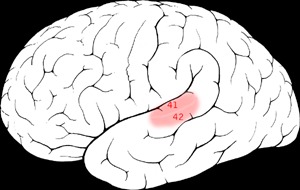
Reducing music’s impact to “it changes your mood” misses the bigger story: music is a test case for how the brain balances prediction with surprise to create meaning. Compared with traditional mood-boosting tricks, music engages more systems at once – auditory processing, reward, motor timing, attention, memory – making it a multi-sensory workout wrapped in pleasure. That breadth explains why musical training remodels brain pathways for timing and attention, and why listening can sharpen focus under the right conditions.
It also reframes debates about learning and therapy. The old claims that passive listening raises IQ never held up, but targeted musical activities can improve specific skills like timing, language rhythm, and emotional regulation. In mental health, carefully curated playlists and guided music therapy can help patients manage pain, anxiety, and depressive symptoms by steering attention and expectation. Understanding the mechanisms helps clinicians go beyond vibes to protocols.
The Future Landscape
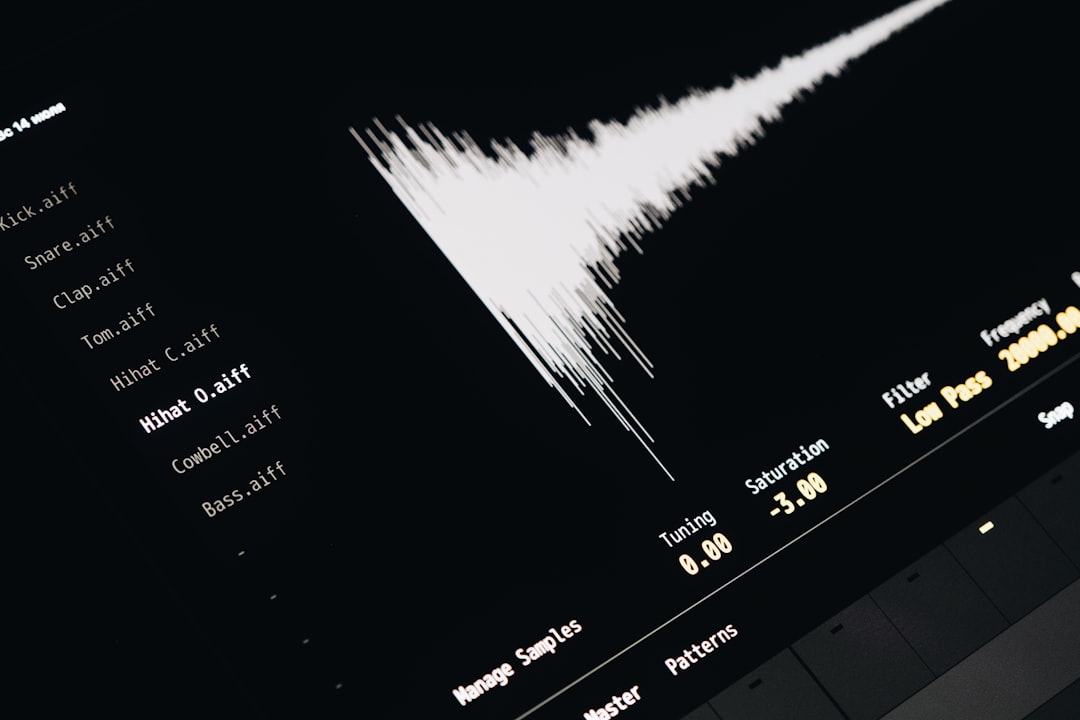
Tomorrow’s soundtrack could be adaptive, personalized by algorithms that read your physiology and steer tension, tempo, and harmony in real time. Researchers are building closed-loop systems that monitor brain signals or heart rate and nudge music to reduce stress or enhance focus, like a sonic thermostat for the nervous system. Advances in hearing tech point to devices that amplify what you want to hear based on neural signatures of attention.
Artificial intelligence is already composing convincing tracks, raising tough questions about authorship, cultural appropriation, and creative labor. On the clinical side, combining brain stimulation with rhythmic cues may unlock new rehabilitation tools for stroke and movement disorders. The opportunity is huge, but so are the ethical stakes: data privacy, equitable access, and respect for the human makers who still shape the sounds we love.
The Hidden Clues in Culture and Taste

Not everyone hears beauty the same way, and that’s part of the science. Studies with communities less exposed to Western harmony suggest that preferences for consonance are shaped by culture, while sensitivity to rhythm and tempo feels broadly shared. Streaming-era listening adds another variable, as algorithms can nudge taste by over-recommending safe, familiar patterns.
That matters because prediction is a moving target: what surprises you today becomes predictable tomorrow. Listeners who deliberately explore new genres keep the reward system fresh by forcing new forecasts. Variety, it turns out, is fuel for the predictive brain.
From Lab Bench to Living Room

The same principles seen in scanners play out on couches and commutes. A well-sequenced playlist builds and releases tension like a miniature symphony, using tempo and key changes to shape attention across a morning run or a late-night study session. Parents intuitively deploy these levers with lullabies, setting tempo low and contours smooth to soothe a restless child.
Educators do it too, framing lessons with musical cues that signal transitions and focus. Therapists borrow the effect to regulate breathing, gradually matching a patient’s pace before guiding it down. Science meets everyday life, one chorus at a time.
Conclusion
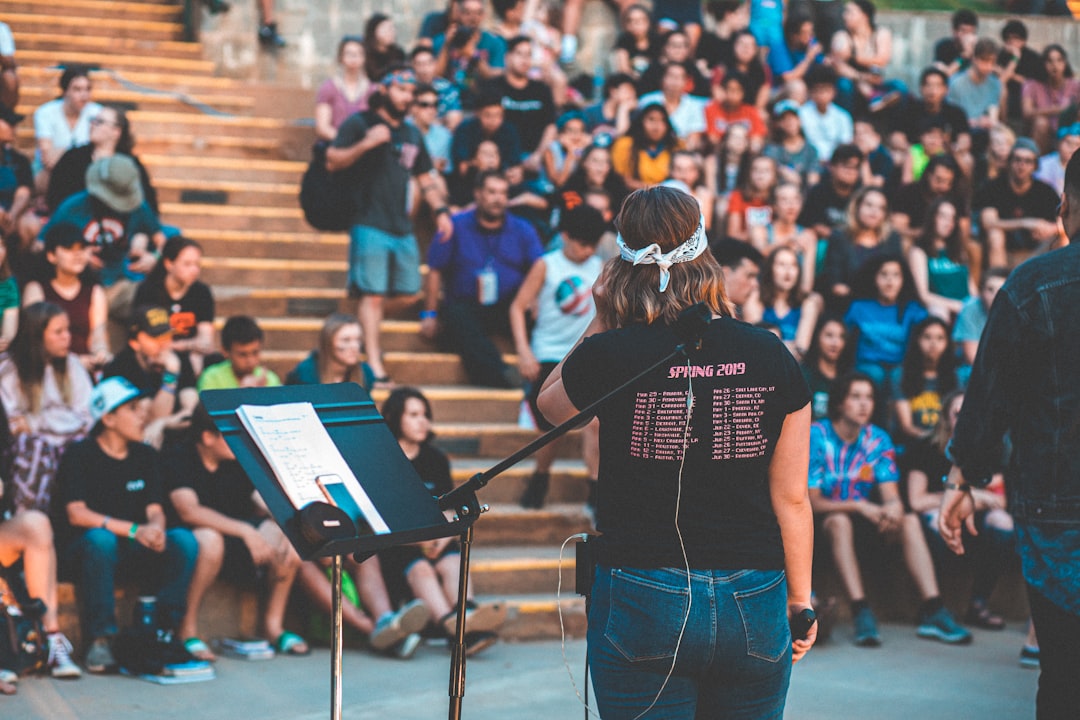
Treat your listening like a lab experiment: notice the moment a song hooks you, and ask which expectation it bent – tempo, harmony, or timbre. Make time each week to venture beyond your comfort zone, letting novelty refresh your prediction machinery. Join something communal if you can – a choir, a drumming circle, or a neighborhood jam – and feel how synchrony reshapes mood and connection.
Support music education where you live, protect your hearing at concerts, and consider participating in citizen-science projects that share anonymized listening data to advance research. Most of all, listen with intention, because attention turns sound into experience and experience into change. If music is the brain’s favorite puzzle, what piece will you move next?
Suhail Ahmed is a passionate digital professional and nature enthusiast with over 8 years of experience in content strategy, SEO, web development, and digital operations. Alongside his freelance journey, Suhail actively contributes to nature and wildlife platforms like Discover Wildlife, where he channels his curiosity for the planet into engaging, educational storytelling.
With a strong background in managing digital ecosystems — from ecommerce stores and WordPress websites to social media and automation — Suhail merges technical precision with creative insight. His content reflects a rare balance: SEO-friendly yet deeply human, data-informed yet emotionally resonant.
Driven by a love for discovery and storytelling, Suhail believes in using digital platforms to amplify causes that matter — especially those protecting Earth’s biodiversity and inspiring sustainable living. Whether he’s managing online projects or crafting wildlife content, his goal remains the same: to inform, inspire, and leave a positive digital footprint.


