At first glance, the German Shepherd looks like the poster child for confidence. Upright ears, steady gaze, powerful build – everything about this breed screams control, courage, and composure. Yet behind that bold exterior, many German Shepherds quietly battle something far less obvious: emotional instability, anxiety, and overwhelm.
I’ve met German Shepherds who could charge through police-style obstacle courses like superheroes, then panic at a vacuum cleaner or meltdown when their owner leaves for work. This contrast can be shocking, especially for people who choose the breed because of its fearless reputation. Once you understand what’s really going on inside their head, though, the picture becomes a lot clearer – and a lot more heartbreaking, in a strangely beautiful way.
The Paradox Of Confidence: Why German Shepherds Look Brave But Feel Fragile
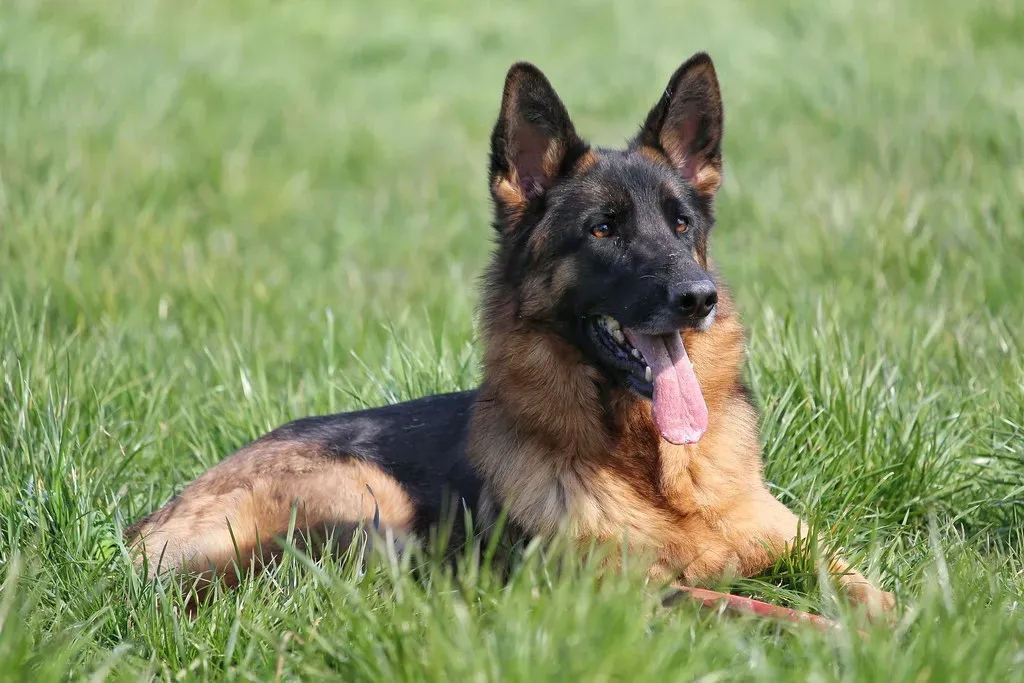
One of the most surprising things about German Shepherds is how often their bold, commanding presence hides a very sensitive inner world. They were bred to be highly responsive, always alert, and deeply attuned to their environment – traits that look like confidence, but can also make them emotionally reactive. A dog that notices everything is also a dog that can be easily startled, overwhelmed, or stressed by constant stimulation.
Think of a German Shepherd like a high-performance sports car: fast, precise, thrilling to watch, but also demanding and not very forgiving of rough handling. Many people mistake their upright posture and steady stare for emotional toughness, when in reality, a lot of them are operating right on the edge of sensory overload. That mismatch between what they look like on the outside and what they feel on the inside is the core of their emotional struggle.
Genetics And Breeding: When High Drive Becomes High Anxiety

German Shepherds didn’t become who they are by accident; they were deliberately bred for strong work drive, vigilance, and a strong protective instinct. Over time, that selection has created dogs that are incredibly motivated and responsive, but also highly wired. When that intense drive doesn’t have a healthy outlet, it easily morphs into anxiety, restlessness, and emotional instability. A dog designed to work all day can’t magically turn into a laid-back couch companion without consequences.
In recent decades, irresponsible or rushed breeding has also made things worse in some lines. Instead of carefully balancing temperament, some breeders have prioritized looks, size, or extreme levels of drive. The result is that certain German Shepherds are born with a nervous system that’s almost too sharp for everyday life. They can tip from composure into panic quickly, not because they’re “bad dogs,” but because their emotional dial is simply turned up too high from the start.
Hyper-Attachment: When Loyalty Turns Into Emotional Dependence

One of the reasons people fall in love with German Shepherds is their loyalty. They bond intensely with their humans, often choosing one special person as their emotional anchor. While that devotion feels flattering and deeply touching, it can also become a hidden weakness. When the dog’s entire sense of safety is tied to one person’s presence, separation can feel like the emotional equivalent of a free fall.
This is why so many German Shepherds struggle with separation anxiety and clingy behavior. A dog that follows you from room to room, panics when you close a door, or can’t relax unless you’re in sight isn’t just being “sweet” – they’re showing emotional dependence. Over time, this kind of hyper-attachment can make them less resilient and more prone to meltdown when routines change, visitors come over, or their favorite person is away longer than usual.
Overstimulation And Modern Life: A Sensitive Dog In A Loud World
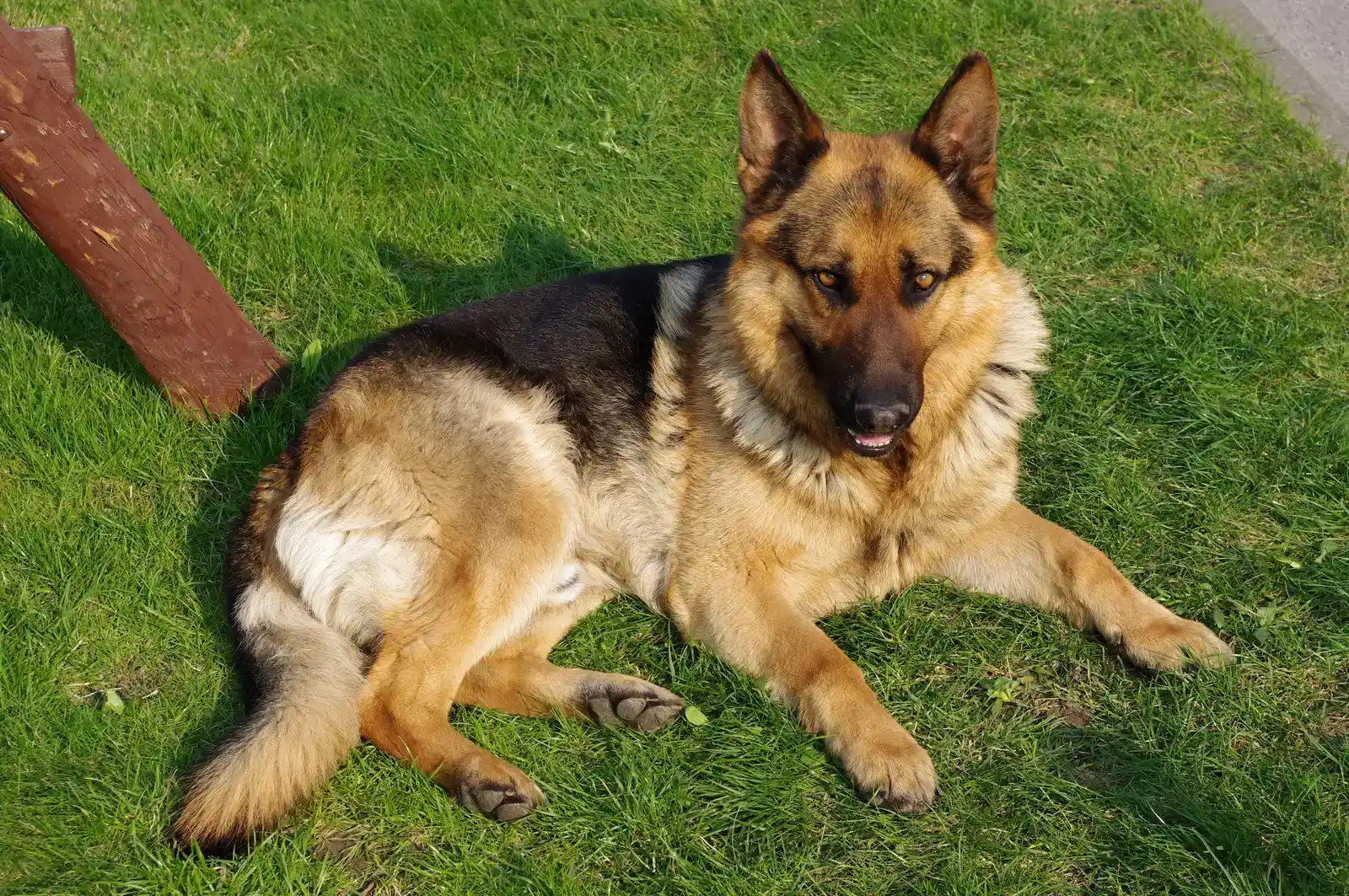
German Shepherds were originally developed to work in relatively predictable outdoor environments – fields, farms, and structured working roles. Modern urban or suburban life, with its constant noise, unpredictable visitors, and chaotic schedules, can be a lot for such a finely tuned dog. Many of them live in small apartments, near busy streets, with limited outlets for their mind and body. That kind of environment can turn natural alertness into ongoing nervous tension.
Because they notice every sound and movement, they can end up in a permanent state of low-grade alert, never truly switching off. A door slam, a passing truck, a neighbor’s dog barking – each thing adds another layer of arousal. Eventually, you get a dog that reacts explosively to small triggers, not because it’s “aggressive by nature,” but because its emotional bucket is already full. To a German Shepherd, modern life can feel like living next to a fire alarm that keeps randomly going off.
Training Pressure: The Hidden Weight Of High Expectations
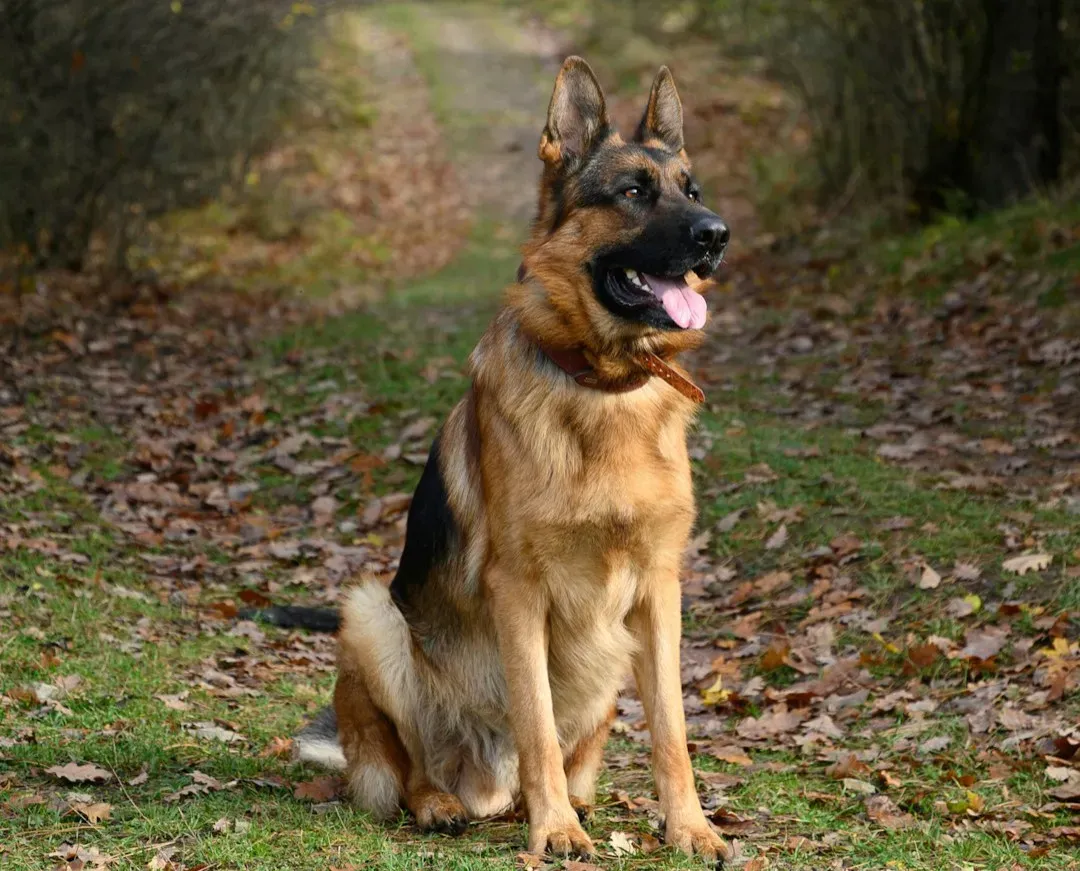
Few breeds come with as much expectation attached as the German Shepherd. People see them in police work, search and rescue, military roles, and assume their own dog should be naturally obedient, fearless, and perfectly controlled. That mindset can lead owners and trainers to push too hard, too fast, expecting flawless behavior without enough emotional support. When a sensitive dog feels constant pressure to perform, stress is almost guaranteed.
Harsh training methods, especially those relying heavily on intimidation or punishment, can hit German Shepherds particularly hard. Because they care deeply about their handler’s approval, rough handling or unpredictable corrections can erode their trust and create inner conflict. You end up with a dog that looks obedient but is constantly second-guessing, worrying about making mistakes, and carrying a quiet sense of insecurity under that polished exterior.
The Role Of Early Socialization: Confident Looks, Uncertain Mind
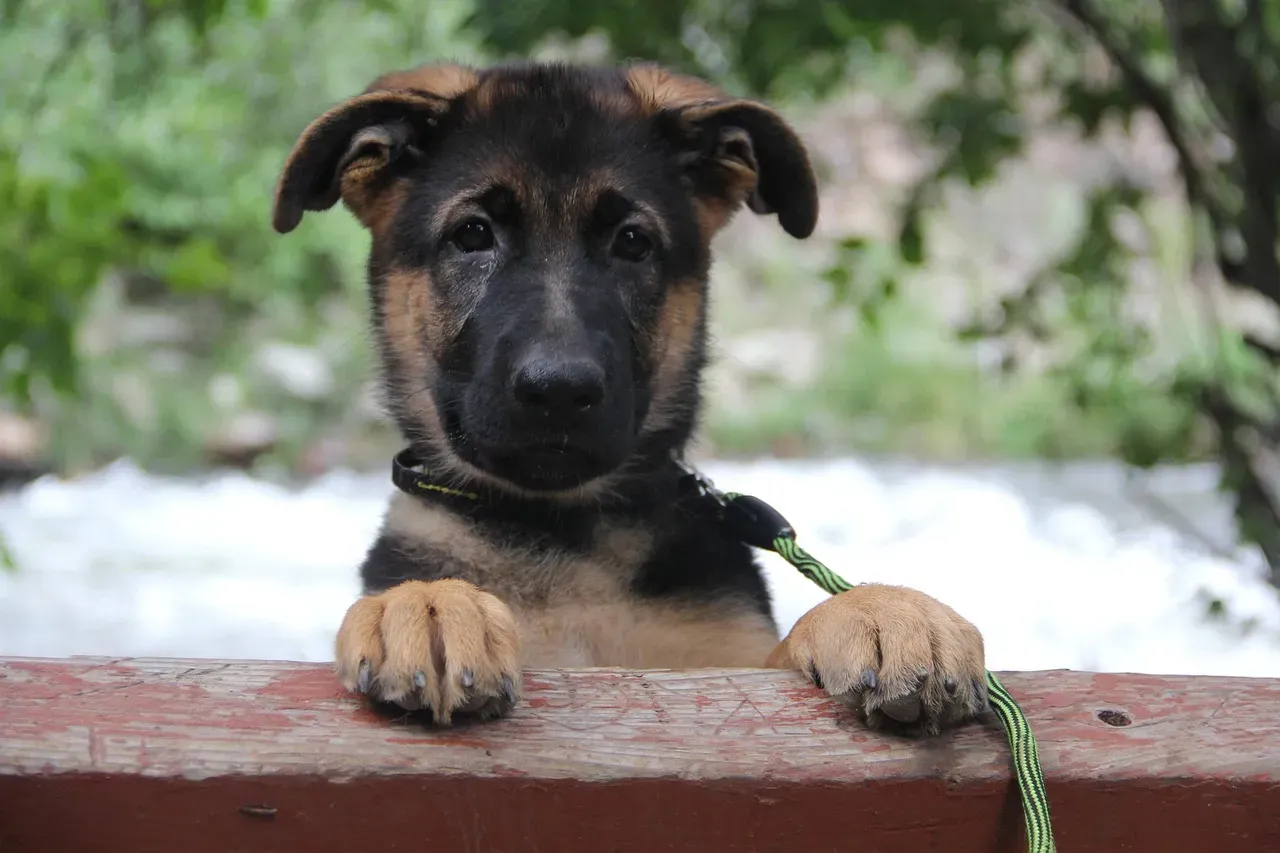
Many German Shepherd puppies grow up looking physically impressive long before their brain and emotions have caught up. By six to eight months, they’re often large, athletic, and intimidating to strangers, which leads people to forget that they’re still emotionally young. If they miss out on careful, positive socialization during those early months, they can grow into adults that react with fear or suspicion to new people, dogs, or environments.
Because they look so confident, their fear is easy to misinterpret as stubbornness or aggression. A shepherd that barks or lunges might actually be saying, in its own way, that it feels unsafe or unsure. When those early experiences are rushed, chaotic, or absent altogether, the result is often an adult dog that lives in a constant push-pull between wanting to protect and wanting to retreat. That inner tug-of-war is exhausting and a big reason many of them never feel fully emotionally settled.
What These Dogs Really Need To Feel Stable
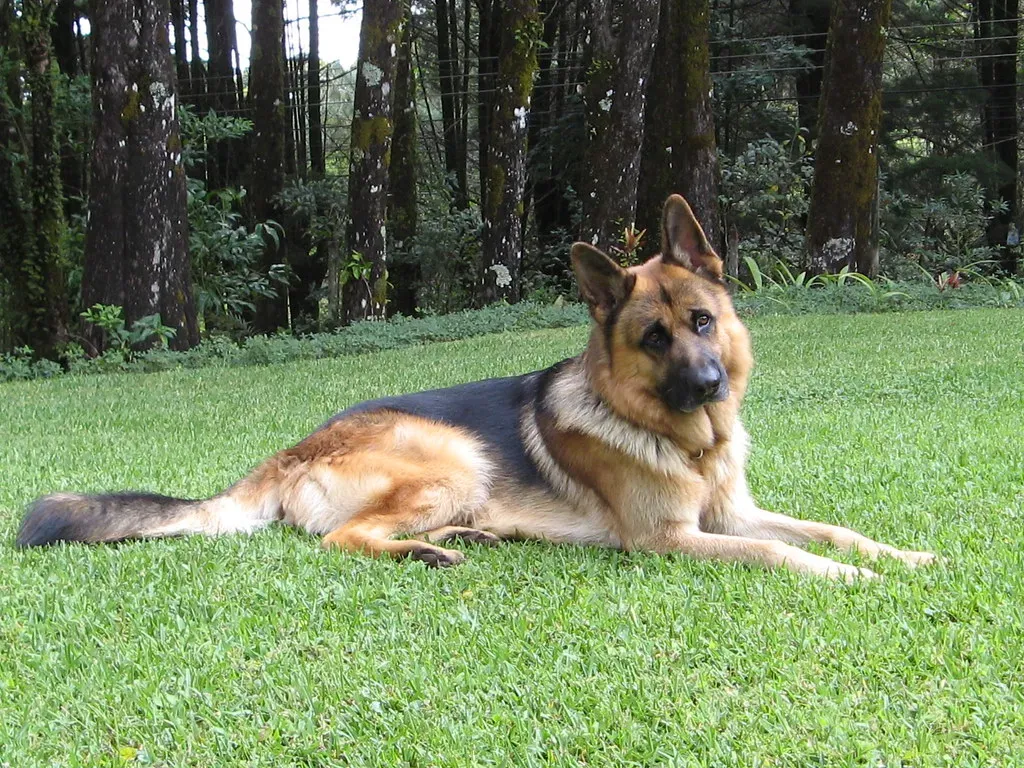
For a German Shepherd, true emotional stability doesn’t come from being “toughened up,” but from feeling consistently safe, understood, and guided. They do best with calm, predictable routines, clear communication, and patient training that rewards cooperation instead of punishing mistakes. When their mind and body are given enough healthy work – whether that’s structured walks, scent games, obedience, or real jobs – their nervous energy has somewhere to go.
Just as importantly, they need owners who see beyond the confident posture and pay attention to subtle signs of stress: lip licking, pacing, whining, over-grooming, or sudden reactivity. Supporting a German Shepherd’s emotional health means treating them less like a superhero and more like a sensitive athlete who needs recovery, reassurance, and thoughtful coaching. Under that strong silhouette is a heart that feels everything more intensely than it lets on, and it’s our job to make that intensity a strength instead of a burden.