

Have you ever wondered why a character from a book or movie can change the way we look at science forever? It’s almost magical—how the wild ideas of a fictional scientist can ignite curiosity in the minds of real researchers. These characters are much more than words on a page or faces on a screen. They’re beacons. They remind us why we fell in love with discovery in the first place, and why—no matter how tough things get—science is worth chasing. Let’s journey through the stories of ten unforgettable fictional scientists whose influence stretches far beyond the world of fiction, lighting fires in the hearts of real-life innovators, dreamers, and explorers.
Doc Brown: The Eccentric Visionary from “Back to the Future”

Dr. Emmett “Doc” Brown isn’t just a wild-haired inventor obsessed with time travel—he’s a symbol of fearless curiosity. Every time he shouts “Great Scott!” or fiddles with the flux capacitor, he reminds us that imagination is the heart of invention. Doc Brown’s ability to see possibility where others see madness encourages real researchers to push boundaries, take risks, and ask, “What if?” Even today, engineers and physicists cite his creative problem-solving as a model for thinking outside the box. He shows us that sometimes, the greatest scientific breakthroughs come from a willingness to embrace the unknown, even if you look a little crazy doing it.
Mr. Spock: The Logic-Driven Scientist from “Star Trek”

Half human, half Vulcan, and all about logic—Mr. Spock stands as a pillar of rational scientific thinking. He approaches each problem with calm calculation, never letting emotions cloud his judgment. This dedication to evidence-based reasoning inspires today’s scientists to remain objective, especially when emotions run high. Spock’s legacy is a reminder that progress isn’t just about wild ideas; it’s about the discipline to test, question, and verify. His iconic line, “Insufficient facts always invite danger,” still resonates in research labs everywhere, encouraging careful analysis before drawing conclusions.
Ellie Arroway: The Relentless Seeker from “Contact”

Ellie Arroway’s search for extraterrestrial life in “Contact” is more than a science fiction adventure—it’s a love letter to perseverance. Driven by a personal longing to connect with something greater, she represents every scientist who’s ever faced skepticism or mockery. Her journey shows that true discovery often means going against the grain, trusting data over dogma, and having the courage to believe in the improbable. Many real-life astronomers and SETI researchers say Arroway’s story gave them a sense of purpose, reminding them that the search for answers—no matter how lonely—can change the world.
Victor Frankenstein: The Cautionary Creator from “Frankenstein”

Victor Frankenstein is a cautionary tale wrapped in the robes of ambition. His drive to create life from death speaks to the double-edged sword of scientific progress. Researchers today still grapple with ethical dilemmas that echo Frankenstein’s story—think gene editing, artificial intelligence, and cloning. His tragic journey warns us to respect the power we wield and to consider the broader consequences of our innovations. Frankenstein’s tale is a stark reminder that good intentions alone aren’t enough; wisdom and humility must guide every experiment.
Dr. Ian Malcolm: The Voice of Chaos from “Jurassic Park”

With his sardonic wit and sharp skepticism, Dr. Ian Malcolm brings the unpredictable beauty of chaos theory into the spotlight. He’s the scientist who asks the uncomfortable questions—the ones others are too eager to ignore. Malcolm’s warnings about tampering with nature resonate today as we face new frontiers in genetic engineering and biotechnology. His famous line, “Your scientists were so preoccupied with whether or not they could, they didn’t stop to think if they should,” is more relevant than ever. He reminds researchers that responsibility and foresight are as important as technical skill.
Professor Charles Xavier: The Empathetic Geneticist from “X-Men”

Professor X isn’t just a mutant leader—he’s a geneticist who believes in the good of humanity, despite all its flaws. His work with mutants is a metaphor for embracing diversity and understanding what makes us unique. In the real world, geneticists often face tough conversations about difference and inclusion, and Xavier’s empathy is a guiding light. His vision of a world where science brings people together, rather than tearing them apart, inspires researchers to keep humanity at the center of their work.
Dr. Dana Scully: The Skeptical Investigator from “The X-Files”

Dr. Scully’s sharp mind and steady skepticism are legendary. As a medical doctor and FBI agent, she refuses to accept the supernatural without solid evidence. Scully’s methodical approach to solving mysteries, even those tinged with the bizarre, is a blueprint for scientific investigation. She inspires researchers to question everything, keep detailed records, and resist jumping to conclusions. Scully’s legacy is proof that a healthy dose of doubt is essential to the scientific process.
Walter White: The Brilliant but Flawed Chemist from “Breaking Bad”
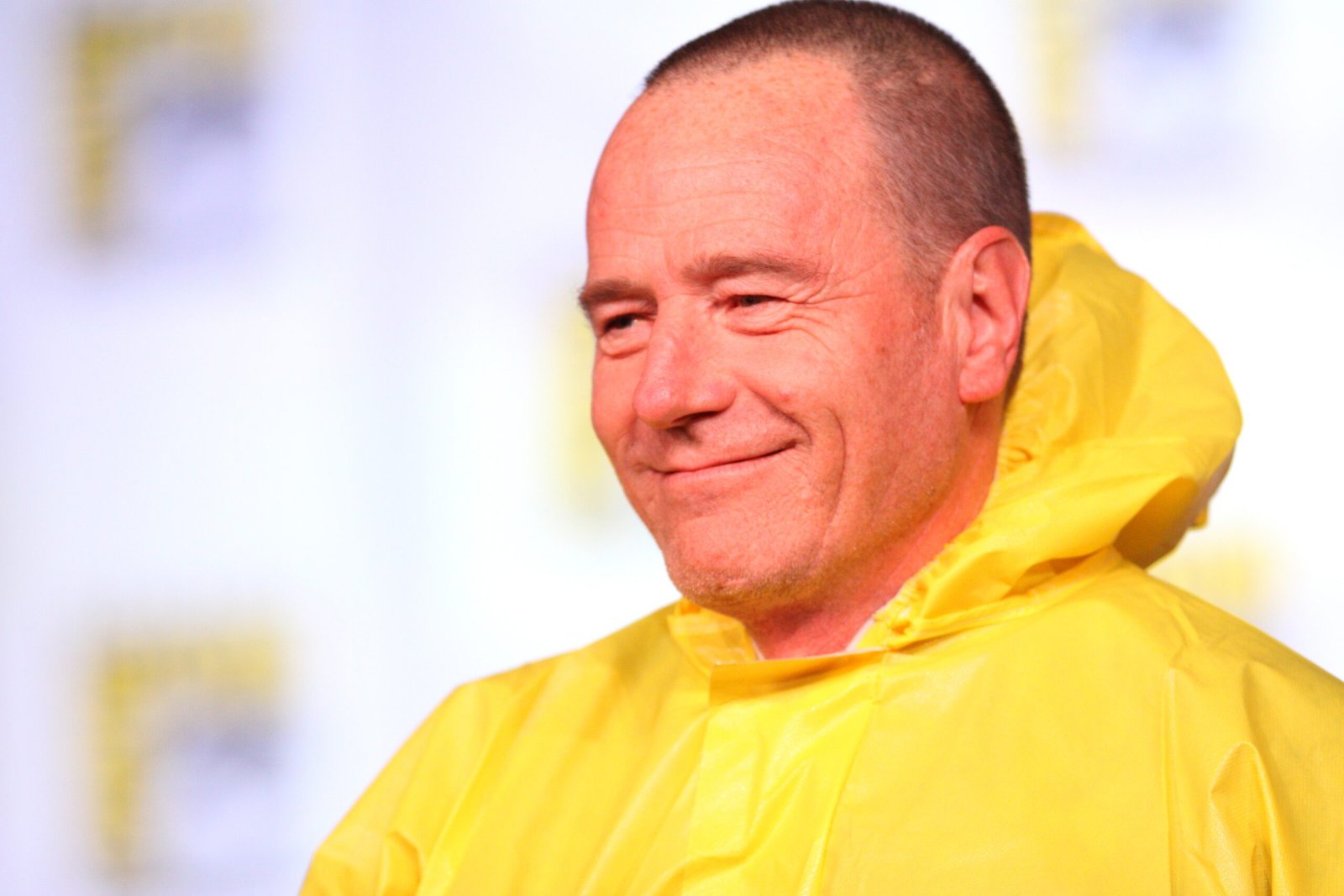
Walter White’s transformation from high school chemistry teacher to criminal mastermind is both thrilling and terrifying. He brings chemistry to the forefront, showing its real-world power and danger. While his choices are questionable, his deep knowledge and creative problem-solving have sparked a renewed interest in chemistry for many viewers. Walter’s story is a vivid reminder that science, when wielded without ethics, can have disastrous consequences—and that even the most brilliant minds must be guided by conscience.
Dr. Henry Jekyll: The Dual Nature of Science from “Strange Case of Dr Jekyll and Mr Hyde”

Dr. Jekyll’s experiments with human nature highlight the tension between scientific curiosity and moral responsibility. His struggle to control the monster within is a powerful metaphor for the unintended consequences of unchecked research. Today’s scientists look to Jekyll as a warning about the risks of pushing boundaries without considering the social and ethical impacts. His story encourages researchers to explore, but always with an awareness of the potential for harm.
Reed Richards: The Ingenious Leader from “Fantastic Four”
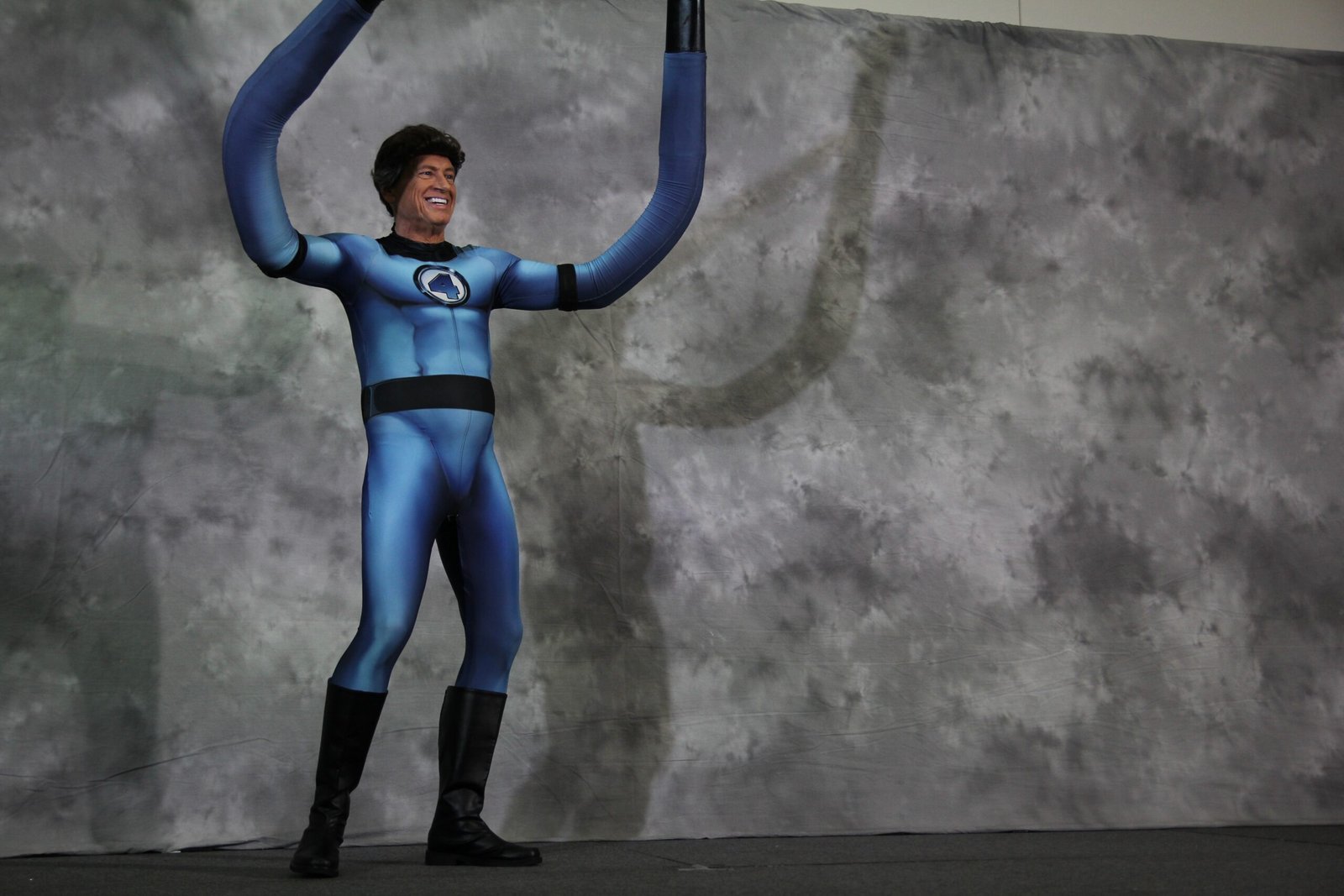
Reed Richards, better known as Mr. Fantastic, is a beacon of innovation and collaboration. His ability to stretch—literally and figuratively—represents the flexibility scientists need to adapt to new challenges. Richards leads his team with intelligence, compassion, and a belief that science can solve even the most daunting problems. His example inspires researchers to work together, share knowledge, and tackle issues no one can handle alone.
Shuri: The Tech Innovator from “Black Panther”

Shuri’s brilliance isn’t just in her gadgets and tech wizardry; it’s in her unshakeable confidence and creativity. As Wakanda’s chief scientist, she combines tradition with cutting-edge research, offering a vision of science that’s both innovative and respectful of culture. Many young scientists, especially women and people of color, see themselves in Shuri—proof that science is for everyone. Her story sparks hope for a more diverse and inclusive future in STEM fields.
Dr. Beverly Crusher: The Compassionate Healer from “Star Trek: The Next Generation”

Dr. Crusher embodies the blend of heart and science that defines medicine at its best. Her commitment to patient care, ethical dilemmas, and the pursuit of new treatments inspires real-world doctors and researchers to put people first. Crusher’s willingness to challenge authority for the sake of her patients is a powerful example of standing up for what’s right, even when it’s unpopular.
Bruce Banner: The Reluctant Genius from “The Incredible Hulk”

Bruce Banner’s struggle with his alter ego, the Hulk, is a metaphor for the unpredictable outcomes of scientific experimentation. Banner’s brilliance in gamma radiation research is matched only by his fear of losing control. His story resonates with researchers who know that every discovery comes with risk. Banner shows that facing your fears head-on, and learning from mistakes, is just as important as any breakthrough.
Dr. Emiko Yamane: The Environmental Advocate from “Godzilla”

Dr. Yamane’s role in the original “Godzilla” films is often overlooked, but her warnings about humanity’s impact on nature are more relevant than ever. She embodies the voice of caution, urging respect for the forces we don’t fully understand. In an age of climate change and ecological crisis, Yamane’s message is a rallying cry for environmental scientists everywhere: study, respect, and protect our planet before it’s too late.
Dr. Alan Grant: The Dinosaur Detective from “Jurassic Park”

Paleontologist Dr. Alan Grant’s wonder at the resurrection of dinosaurs is infectious. His hands-on approach and childlike curiosity remind researchers to stay passionate, even when dealing with the unknown. Grant’s journey through danger and discovery inspires paleontologists and biologists alike to keep digging—literally and figuratively—for the secrets of Earth’s past.
Dr. Zira: The Courageous Primate Researcher from “Planet of the Apes”

Dr. Zira’s empathy for both apes and humans sets her apart in a world divided by fear and misunderstanding. Her commitment to understanding and communication across species lines inspires real-life animal researchers to approach their work with compassion. Zira’s bravery in challenging authority in defense of science is a lesson for all researchers facing resistance or prejudice.
Dr. Leonard McCoy: The Skeptical Humanist from “Star Trek”

“Bones” McCoy is the voice of skepticism and humanity aboard the Starship Enterprise. His gruff demeanor hides a deep care for life and a relentless commitment to medical ethics. McCoy’s willingness to challenge technology and authority adds a healthy dose of reality to the crew’s adventures. His legacy is a reminder to balance scientific advancement with the needs and dignity of individuals.
Dr. Julian Bashir: The Evolving Optimist from “Star Trek: Deep Space Nine”

Dr. Bashir’s journey from naive young doctor to seasoned, genetically enhanced physician mirrors the evolution of science itself. His optimism, curiosity, and willingness to learn from failure inspire researchers to keep growing—no matter how daunting the challenge. Bashir’s story is a testament to the power of resilience and adaptability in the face of the unknown.
Professor Hubert Farnsworth: The Madcap Inventor from “Futurama”
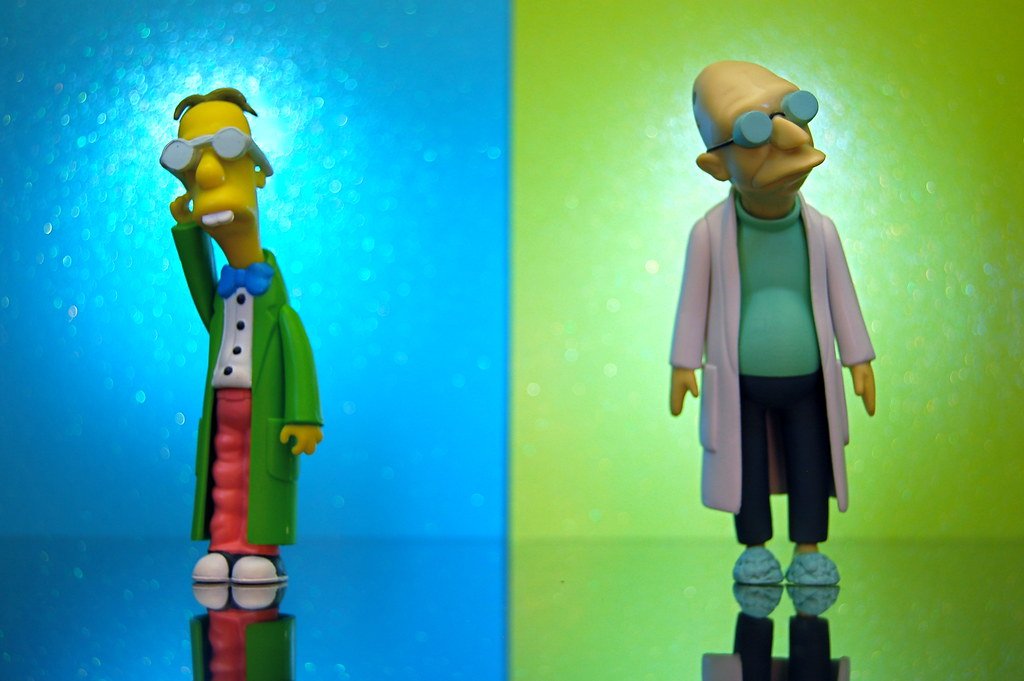
Professor Farnsworth’s outlandish inventions and catchphrase “Good news, everyone!” might seem like pure comedy, but behind the humor lies a message about the importance of creativity and persistence. His willingness to fail spectacularly—and try again—reminds researchers that not every experiment will succeed, but every failure brings new knowledge. Farnsworth’s wild optimism is a rallying cry for embracing both the absurd and the ambitious in scientific exploration.
Dr. Amelia Brand: The Hopeful Explorer from “Interstellar”

Dr. Brand’s quest to save humanity by searching for a new home among the stars is as inspiring as it is daunting. Her combination of scientific expertise and unwavering hope captures the spirit of exploration that has driven science for centuries. Brand’s willingness to make difficult choices, guided by both logic and love, resonates with researchers who know that science is as much about heart as it is about knowledge.