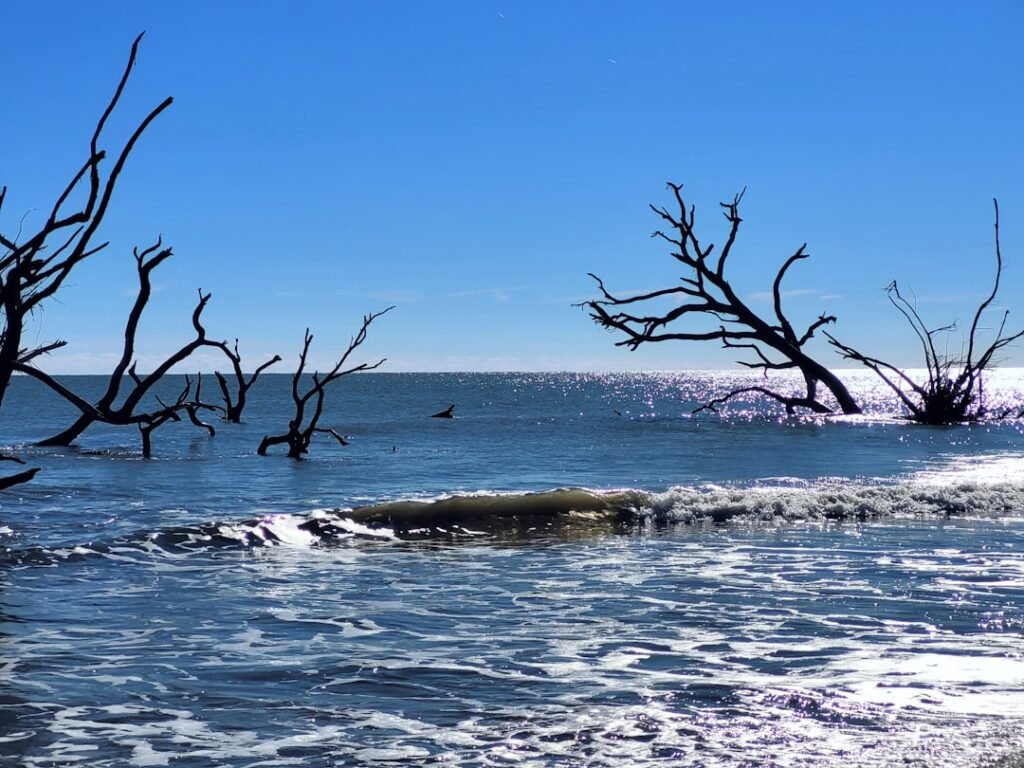

You might think the ocean rises at a predictable rate. Think again. According to a NASA-led analysis, last year’s rate of rise was 0.23 inches (0.59 centimeters) per year, compared to the expected rate of 0.17 inches (0.43 centimeters) per year. This isn’t just a minor statistical blip. Scientists are witnessing ocean dynamics playing out in ways that are rewriting our understanding of sea level acceleration.
Since the satellite record of ocean height began in 1993, the rate of annual sea level rise has more than doubled. What makes this even more remarkable is how the Pacific Ocean specifically is defying predictions, with complex heat redistribution patterns and oceanic processes that weren’t fully accounted for in earlier models. Let’s dive into the surprising science behind why you’re seeing the Pacific rise faster than anyone expected.
2024 Breaks All Records with Unprecedented Ocean Heat

The year 2024 rewrote the rulebook on ocean warming. With 2024 as the warmest year on record, Earth’s expanding oceans are following suit, reaching their highest levels in three decades. This wasn’t just another warm year. But in 2024, those contributions flipped, with two-thirds of sea level rise coming from thermal expansion.
Think of it this way: historically, melting ice from glaciers and ice sheets contributed about two-thirds of sea level rise. Yet 2024 flipped this equation entirely. The majority of the difference between predicted and actual sea level rise was attributed to thermal expansion — or the ocean waters expanding as they warm, researchers said. An unusual amount of ocean warming, combined with meltwater from land-based ice such as glaciers, led to the increase of sea level rise last year, according to NASA.
Thermal Expansion Takes Center Stage

Ocean water doesn’t just sit there when it heats up. It expands. Global sea level rose faster than expected in 2024, mostly because of ocean water expanding as it warms, or thermal expansion. Scientists call this thermal expansion, though the process is more fascinating than the name suggests.
Thermal expansion alone accounts for 56 % of the total GMSL rise. A 1 °C increase in global ocean temperature would result in a 0.89-m rise in GMSL due solely to thermal expansion. That’s nearly three feet of sea level rise from temperature increase alone. From 2014 to 2023, the annual rates of increase in GOHC and global mean sea level (GMSL) were 45.2 ± 1.78 MJ/m2 and 4.7 ± 0.23 mm, respectively. These rates are 1.7 and 1.8 times higher than those of the previous four decades.
Water molecules move faster when heated, requiring more space. Multiply this across the vast Pacific, and you’re looking at measurable height increases that satellites can detect from space.
The Pacific Heat Engine Drives Global Changes

The Pacific Ocean operates like a massive heat engine. The tropical Pacific Ocean maintains a self-regulating heat storage and release system that distributes heat to the top of the atmosphere and poles, acting like a heat engine with gears. It is normally in steady state but when overloaded by increasing heat, it shifts gear. This isn’t just scientific poetry. It’s a real mechanism affecting global sea levels.
Here we present evidence that this process is regulated by a heat engine spanning the tropical Pacific Ocean. The eastern-central Pacific maintains steady-state conditions, collecting heat and delivering it to the Western Pacific warm pool. This acts as distributor, transporting heat upwards and to the poles. When this system gets overloaded, it fundamentally changes how heat moves through our oceans.
The consequences ripple across the globe. Steady-state regimes will persist until they become unstable and need more or less power depending on the direction of forcing. Under greenhouse gas forcing, shifts initiated within the heat engine propagate broadly across the shallow ocean, followed by warming over land and at higher latitude
Ocean Dynamics Create Unexpected Heat Distribution
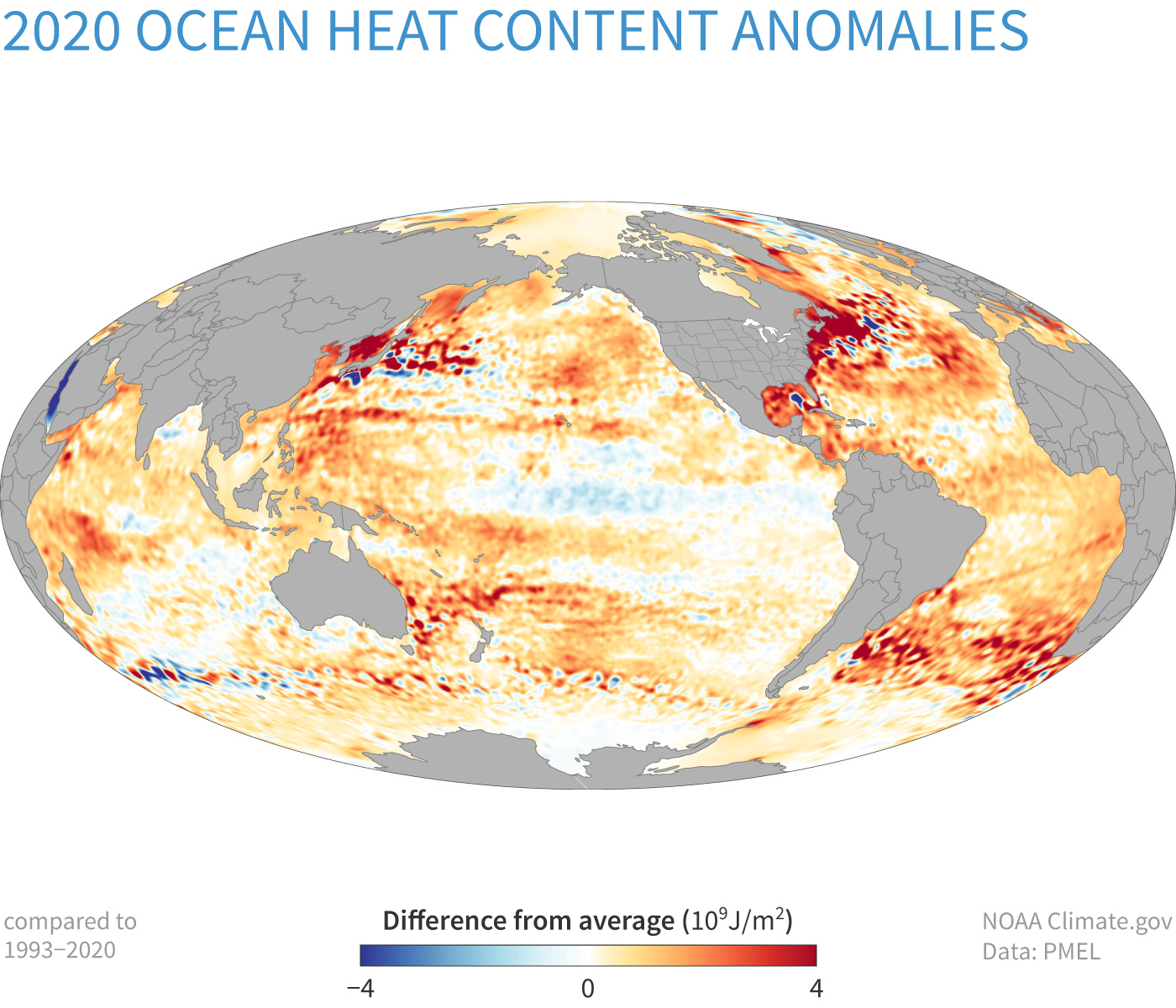
The Pacific doesn’t heat uniformly. Instead, complex currents and circulation patterns create hotspots and cooling zones that affect regional sea levels dramatically. In particular, the largest change in heat content has been observed in the Southwest Pacific where subduction of heat by the mean circulation has increased with the continued strengthening of the gyre circulation due to increasing mid-latitude westerly winds.
While added heat storage dominates globally, redistribution makes important regional contributions, especially in the tropics. Heat redistribution is dominated by circulation changes, summarized by the super-residual transport, with only minor effects from changes in vertical mixing. This redistribution creates a complex pattern where some areas experience accelerated warming while others see relatively less change.
Scientists have discovered that redistribution of heat also accounts for 65% of heat storage at low latitudes and 25% in the midlatitude (35°–50°S) Southern Ocean. Tropical warming results from the interplay between increased stratification and equatorward heat transport by the subtropical gyres, which redistributes heat from the subtropics to lower latitudes.
El Niño and La Niña Supercharge Sea Level Changes
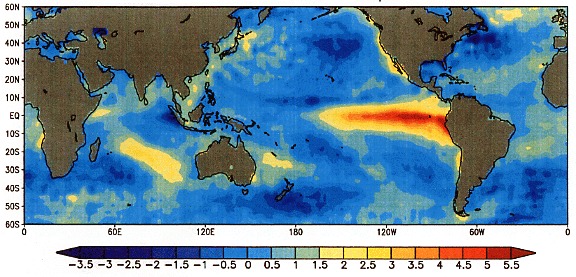
The climate patterns you hear about during weather forecasts have profound effects on Pacific sea levels. Global sea level saw a significant jump from 2022 to 2023 due mainly to a switch between La Niña and El Niño conditions. A mild La Niña from 2021 to 2022 resulted in a lower-than-expected rise in sea level that year. A strong El Niño developed in 2023, helping to boost the average amount of rise in sea surface height.
During El Niño events, something remarkable happens in the Pacific’s water distribution. The massive movement of water during El Niño – in which a large pool of warm water normally located in the western Pacific Ocean sloshes over to the central and eastern Pacific – can also result in vertical movement of heat within the ocean. This massive redistribution affects sea levels across the entire Pacific basin.
The team found when sea level in the western Pacific rises more than average – as it did from 1998 to 2012 – the rise in global surface temperatures slows. In contrast, when sea level drops in the western Pacific but increases in the eastern Pacific as it did in 2015, global surface temperatures bump up because the heat stored in the ocean is released.
Antarctic Ice Melting Accelerates Through Pacific Connections

The Pacific’s influence reaches all the way to Antarctica, creating feedback loops that accelerate ice loss. El Nino can direct more warm water to the base of West Antarctic ice shelves, accelerating melting and increasing global sea level. If this trend continues, as climate projections suggest, we can expect warming around West Antarctica to get even stronger during El Niño events, accelerating ice shelf melting and speeding up sea level rise.
This connection operates through atmospheric waves that travel across vast distances. Giant convective thunderstorms in the Pacific’s equatorial regions move east during El Niño and intensify in the West during La Niña. As these storm systems change, they excite ripples in the atmosphere that are able to travel large distances, just as waves can cross oceans. Within two months, these atmospheric waves reach the Antarctic continent, where their energy can affect the coastal atmosphere and ocean circulation.
Antarctic ice shelves are now losing an alarming 150 billion tons of ice per year, adding more water to the ocean and accelerating global sea level rise by 0.6 mm per year. When you combine this with thermal expansion, the cumulative effect on Pacific sea levels becomes substantial.
Satellite Technology Reveals Hidden Patterns
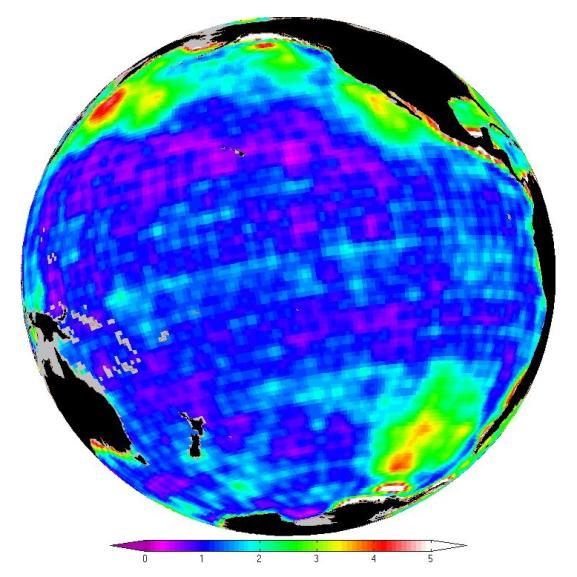
Modern satellite technology has revolutionized how scientists monitor ocean height changes. This long-term record is made possible by an uninterrupted series of ocean-observing satellites starting with TOPEX/Poseidon in 1992. These satellites can detect changes as small as a few centimeters across vast ocean basins.
According to the NASA-led study of the information sourced via the Sentinel-6 Michael Freilich satellite, 2024 saw a rate of sea level rise at 0.59 centimetres per year, compared to the expected rate of 0.43 centimetres per year. The upcoming Sentinel-6B satellite will continue to measure sea surface height down to a few centimetres for about 90 per cent of the world’s oceans.
What makes these measurements so valuable is their consistency over time. In total, global sea level has gone up by 4 inches (10 centimeters) since 1993. This three-decade record allows scientists to separate short-term variations from long-term trends, revealing acceleration patterns that weren’t visible before.
Regional Variations Paint a Complex Picture

Not all parts of the Pacific are rising at the same rate. In some ocean basins, sea level has risen as much as 6-8 inches (15-20 centimeters) since the start of the satellite record. Regional differences exist because of natural variability in the strength of winds and ocean currents, which influence how heat is distributed and stored.
In the United States, the fastest rates of sea level rise are occurring in the Gulf of America (formerly Gulf of Mexico) from the mouth of the Mississippi westward, followed by the mid-Atlantic. Only in Alaska and a few places in the Pacific Northwest are sea levels falling today, although that trend will reverse in the future if the world follows a pathway with high greenhouse gas emissions.
These regional patterns reflect complex interactions between ocean currents, atmospheric pressure systems, and local geography. Understanding these variations helps scientists predict which coastal areas face the most immediate risks from accelerated sea level rise.
Pacific Decadal Oscillation Masks Long-term Trends
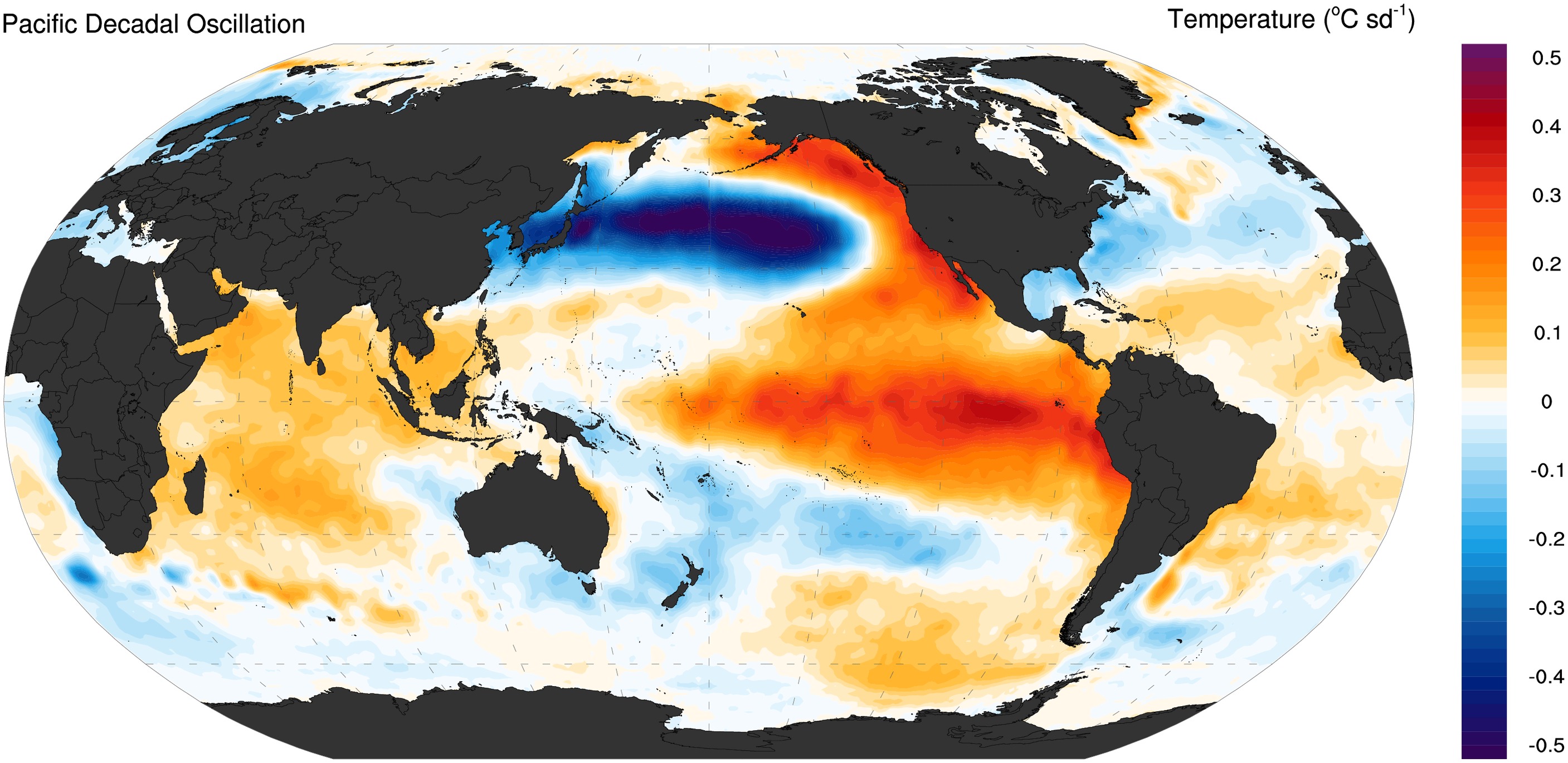
The Pacific Decadal Oscillation adds another layer of complexity to sea level predictions. Specifically, phase shifts of the Pacific Decadal Oscillation have vitally contributed to trends in the North Pacific winds during recent decades. Changes in surface winds drove meridional heat redistribution via Rossby wave dynamics, leading to regional warming and cooling structures and a more complex historical heat storage pattern than models initially anticipated.
We demonstrate that surface wind changes arising from phase shifts of the PDO have driven basin-scale heat redistribution through Rossby waves and modulations in western boundary currents. This effect complicates the observed heat storage pattern by creating regional warming/cooling structures that conceal anthropogenic fingerprints. This means that human-caused warming signals are being hidden by natural variability patterns.
Based on observational datasets, ocean model experiments, and climate models, we show that the emergence of human-induced heat storage is likely postponed in the North Pacific by natural variability until the late-21st century. This effect is likely to conceal anthropogenic fingerprints until the late-21st century.
Future Projections Point to Accelerating Changes
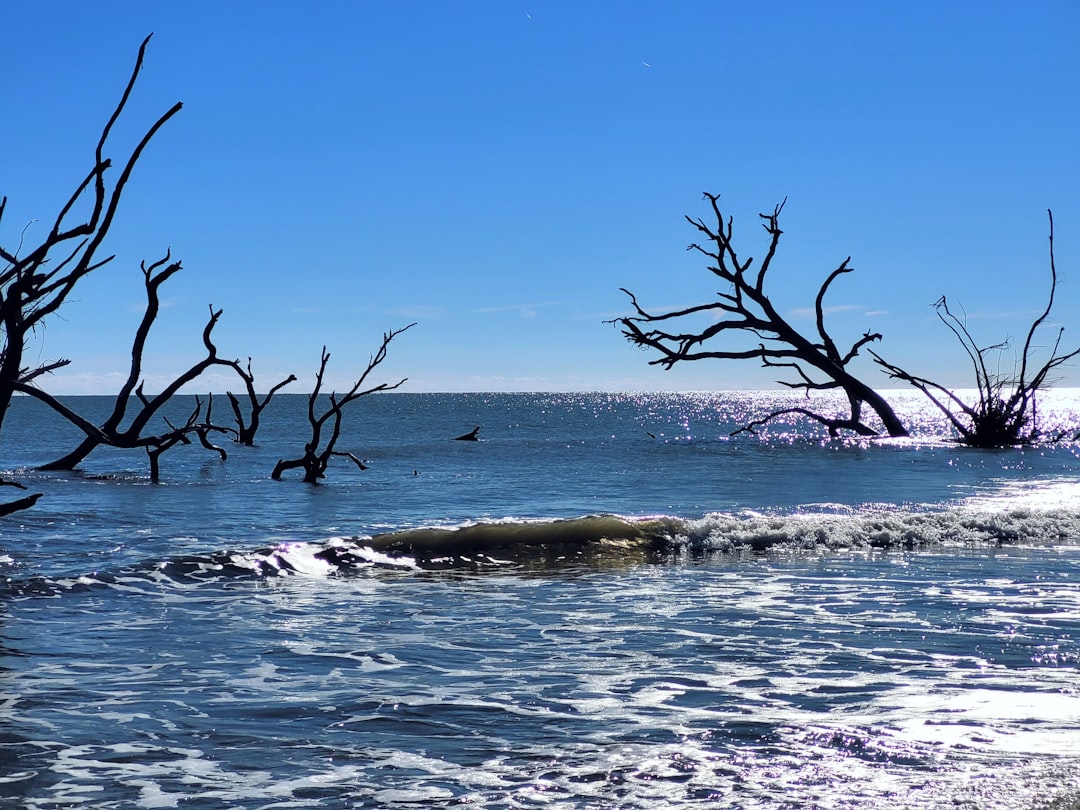
Looking ahead, the trends suggest Pacific sea level rise will continue accelerating. Current rates of acceleration mean that we are on track to add another 20 centimeters of global mean sea level by 2050, doubling the amount of change in the next three decades compared to the previous 100 years and increasing the frequency and impacts of floods across the world. That’s nearly eight inches of additional rise in just 25 years.
Climate models suggest that ENSO events may become stronger and more frequent. Climate change is expected to increase the magnitude of ENSO, making both El Niño and La Niña stronger. This new research shows that stronger El Niño may speed up warming of deep waters in the Antarctic shelf, making ice shelves and ice sheets melt faster.
More frequent and stronger El Niño events could also push us closer to a tipping point in the West Antarctic ice sheet, after which accelerated melting and mass loss could become self-perpetuating. That means the ice wouldn’t melt and reform but begin to steadily melt. Such tipping points could fundamentally alter Pacific sea level trajectories.
Conclusion: A New Era of Ocean Behavior
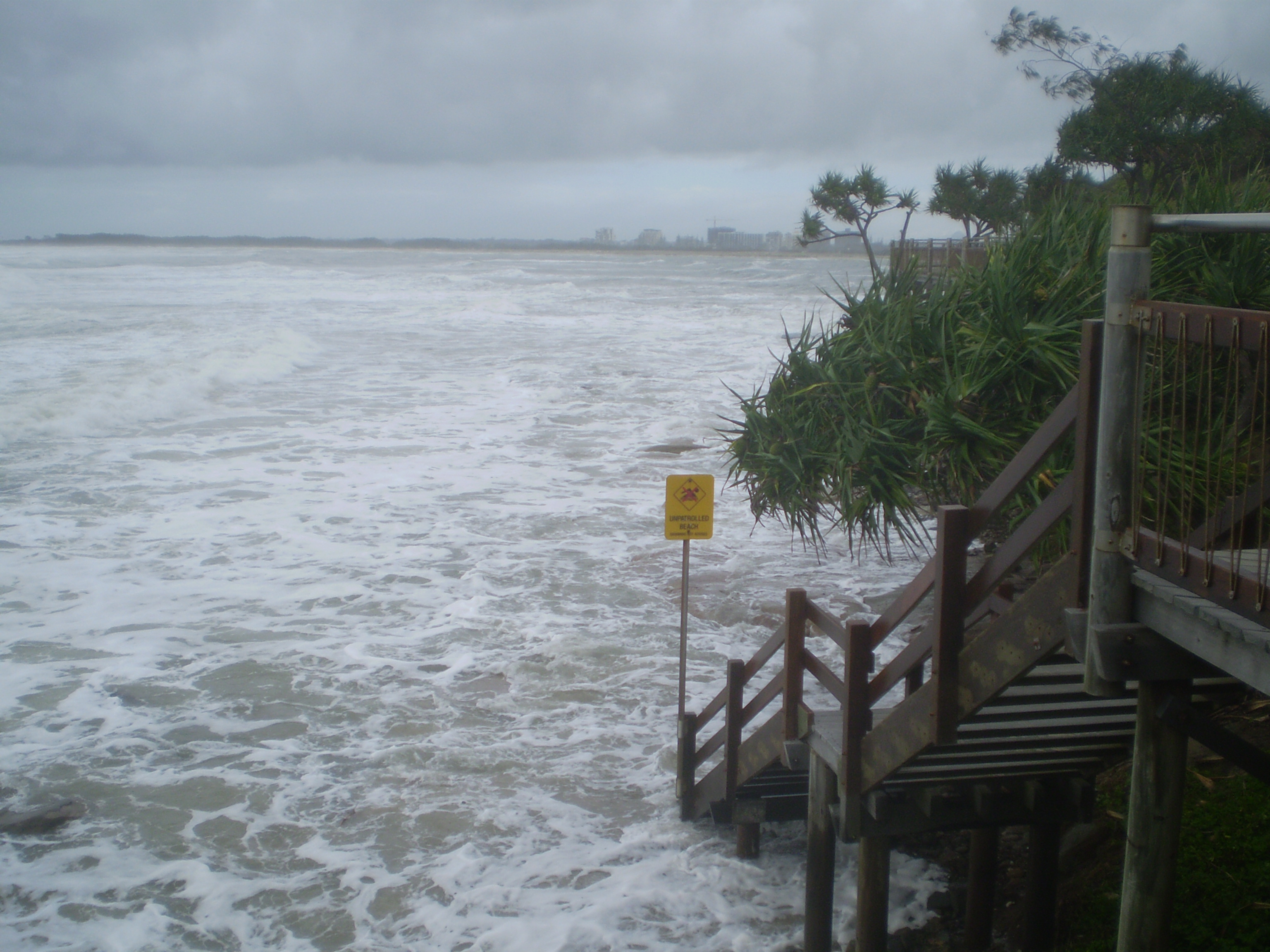
The Pacific Ocean is entering uncharted territory. What we’re witnessing isn’t just faster sea level rise – it’s a fundamental shift in how our ocean systems operate under warming conditions. Every year is a little bit different, but what’s clear is that the ocean continues to rise, and the rate of rise is getting faster and faster.
The implications extend far beyond academic research. Coastal communities from California to the Philippines must prepare for scenarios that exceed historical precedents. Understanding these accelerating dynamics isn’t just scientifically fascinating – it’s essential for adaptation planning.
The Pacific’s behavior in 2024 offers a glimpse into our oceanic future: more thermal expansion, stronger climate oscillations, and complex feedback loops that amplify changes across the globe. As we continue monitoring these trends, one thing becomes clear: the ocean is responding to warming faster than we predicted, and we’re still learning just how dramatically it can change. What do you think will surprise us next about our changing oceans?
Jan loves Wildlife and Animals and is one of the founders of Animals Around The Globe. He holds an MSc in Finance & Economics and is a passionate PADI Open Water Diver. His favorite animals are Mountain Gorillas, Tigers, and Great White Sharks. He lived in South Africa, Germany, the USA, Ireland, Italy, China, and Australia. Before AATG, Jan worked for Google, Axel Springer, BMW and others.