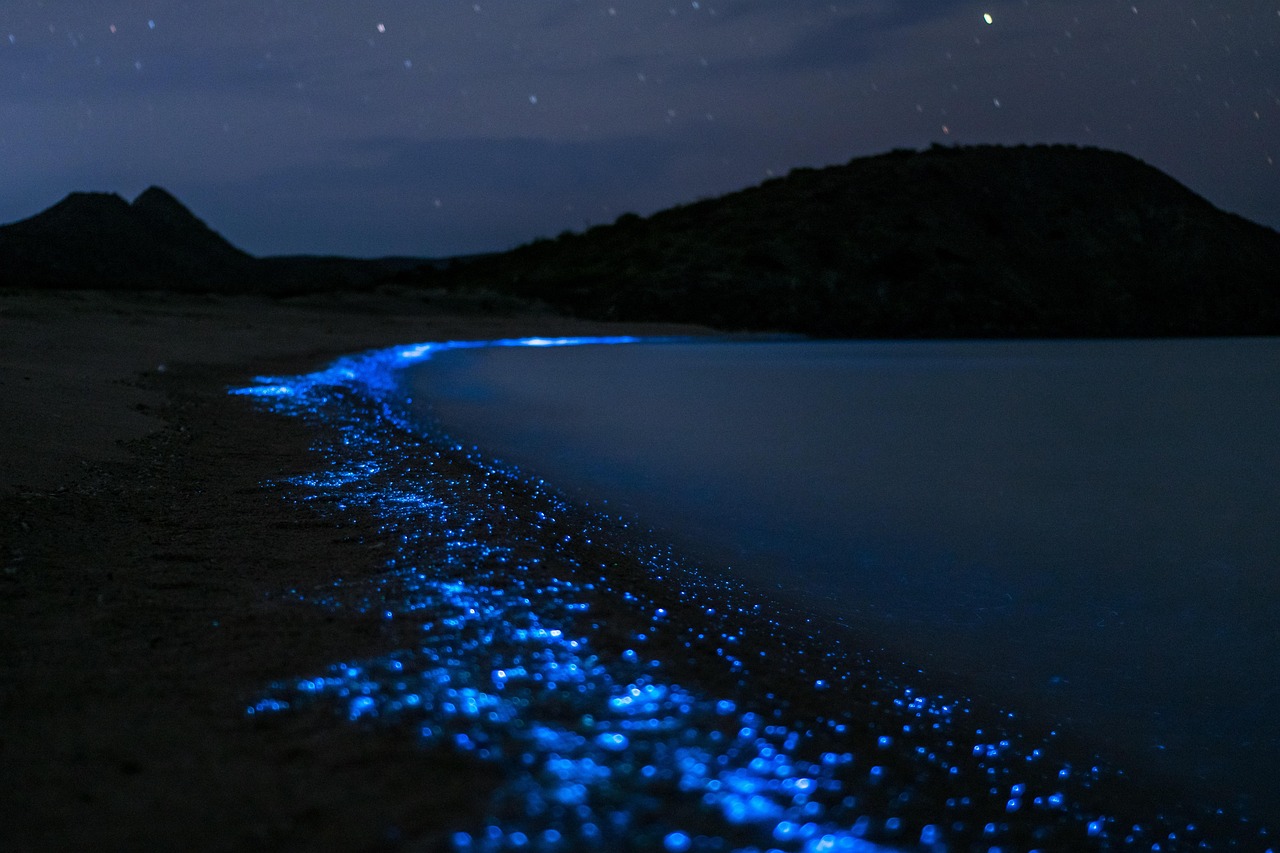
Picture this: you’re walking along a moonlit beach when suddenly, each wave that crashes onto shore leaves behind a trail of sparkling blue light. The wet sand glimmers beneath your footsteps like stardust. This isn’t magic, though it certainly feels like it. You’re witnessing one of nature’s most spectacular light shows, created by tiny organisms that have mastered the art of biological illumination.
The ocean holds countless mysteries, yet few phenomena capture our imagination quite like bioluminescence. From the brilliant displays that transform entire beaches into glowing wonderlands to the strategic light patterns used by deep-sea creatures in the abyss, marine bioluminescence represents evolution’s most creative solution to life in dark waters. Let’s dive deep into this fascinating world where chemistry meets biology to create living light.
What Makes Ocean Water Glow Blue at Night
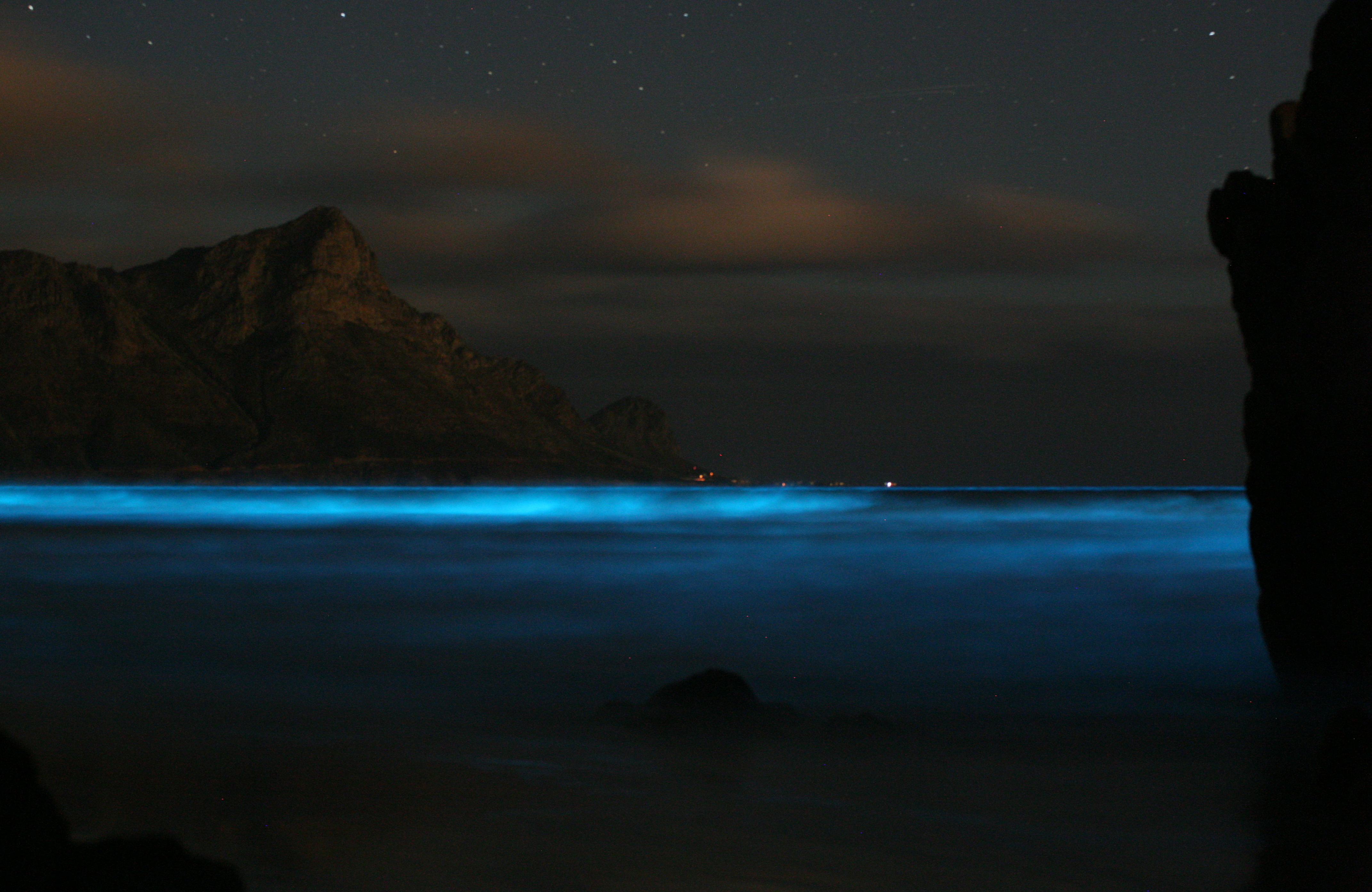
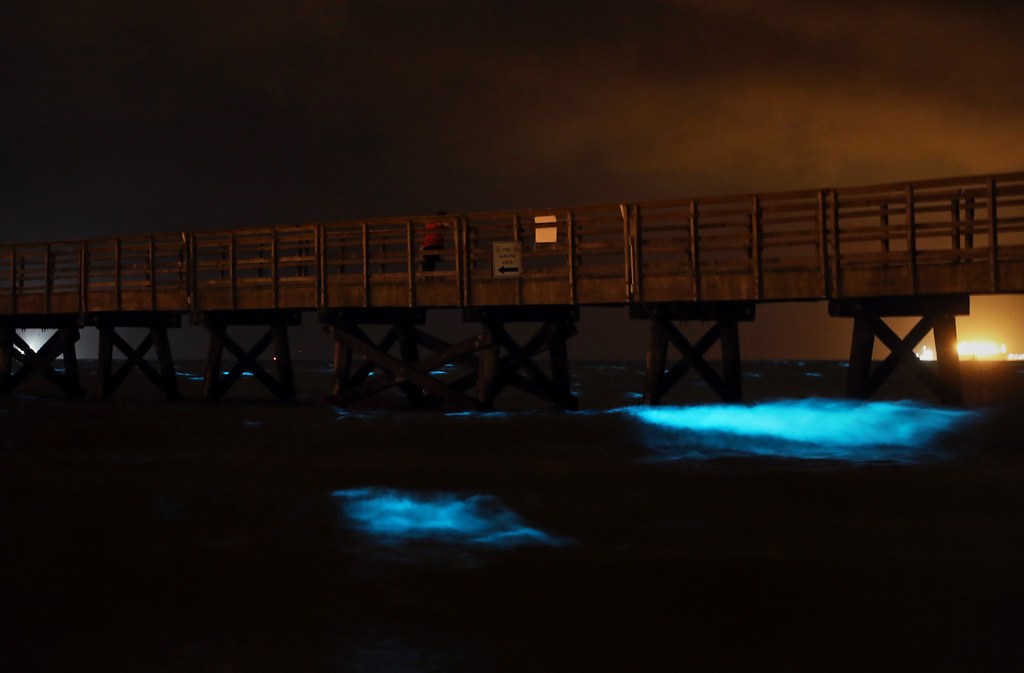
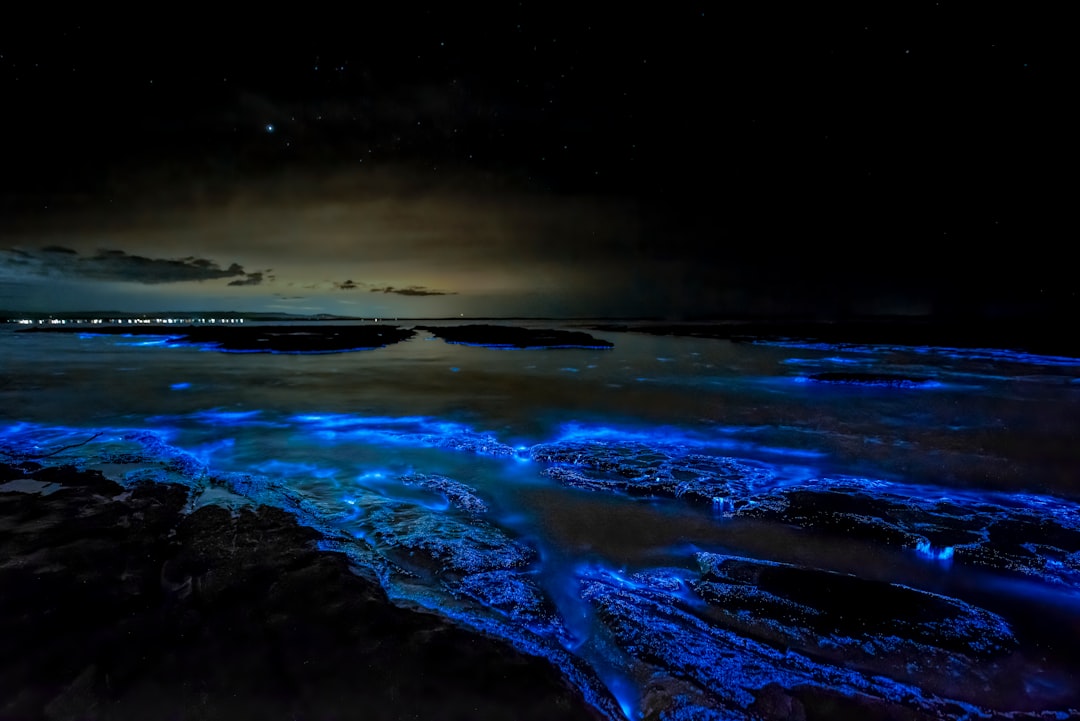
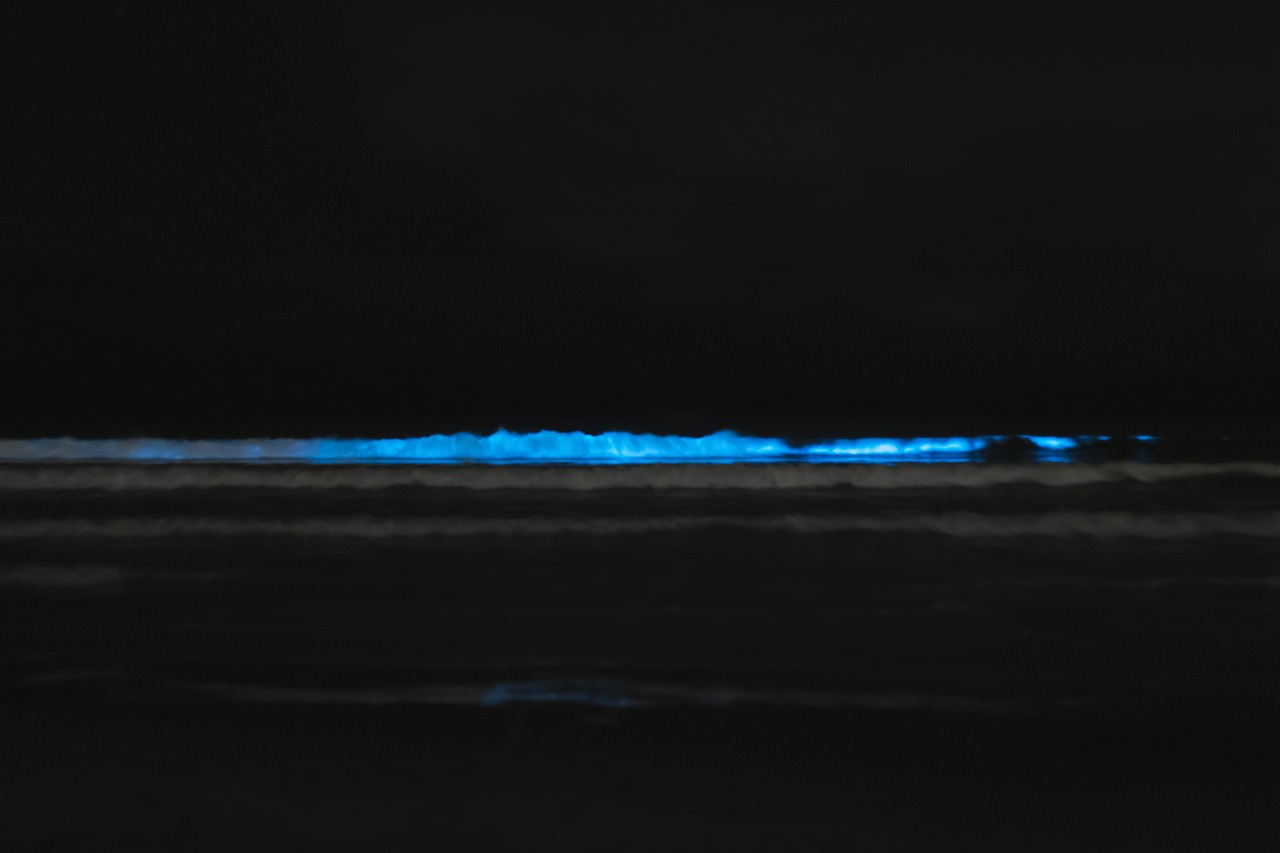
When the concentration of these bioluminescent organisms in the water near shore is high, the wave crests glow with a luminous blue light. The magic begins with microscopic marine organisms called dinoflagellates, particularly species that have evolved the remarkable ability to produce their own light when disturbed.
Bioluminescence is the production and emission of light by a living organism as a result of a chemical reaction. Marine dinoflagellates are the main contributors to a phenomenon commonly known as the phosphorescence of the sea. These single-celled creatures drift in vast numbers near the ocean’s surface, creating the perfect conditions for those breathtaking glowing waves.
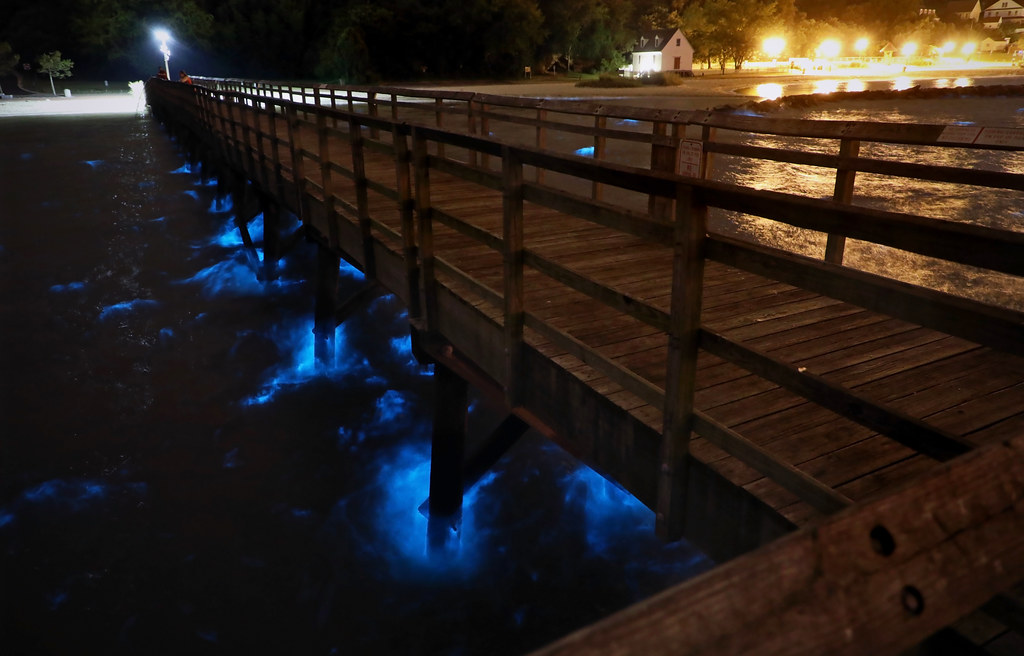
Wet sand on the beach can even glow blue when you step on it if it is filled with enough dinoflagellates! The intensity of this natural light show depends entirely on the concentration of these tiny organisms and the level of disturbance they experience from waves, boats, or even your footsteps.
The Chemical Recipe Behind Living Light
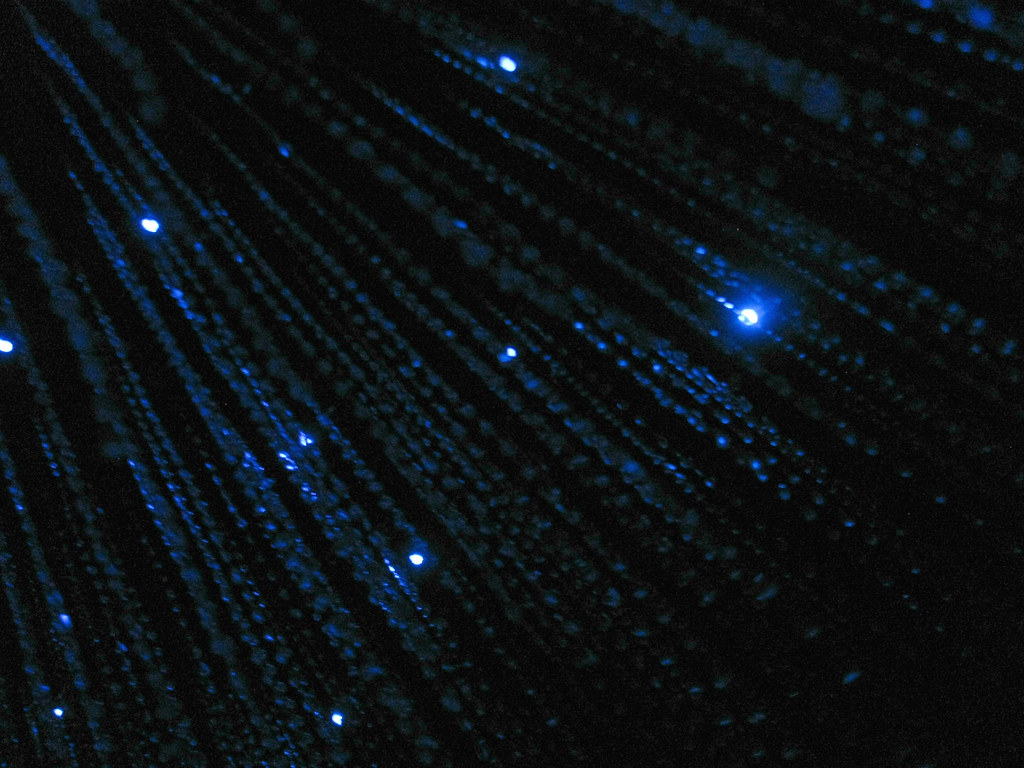
These species have in their organism a molecule, luciferin, which oxidizes when in contact with luciferase (an enzyme) and which results in producing light. This light is said to be cold as it hardly produces heat. Think of it as nature’s version of a glow stick, but infinitely more sophisticated.
The luciferin-luciferase reaction is actually an enzyme-substrate reaction in which luciferin, the substrate, is oxidized by molecular oxygen, the reaction being catalyzed by the enzyme luciferase, with the consequent emission of light. This remarkable process converts chemical energy directly into light energy with almost no heat production.
In the case of luciferase and luciferin, the resulting product of the reaction is called oxyluciferin. What makes this reaction so efficient is that nearly all the energy gets converted into visible light rather than being wasted as heat, making it far more efficient than our best LED lights.
Why Blue Light Dominates Ocean Bioluminescence
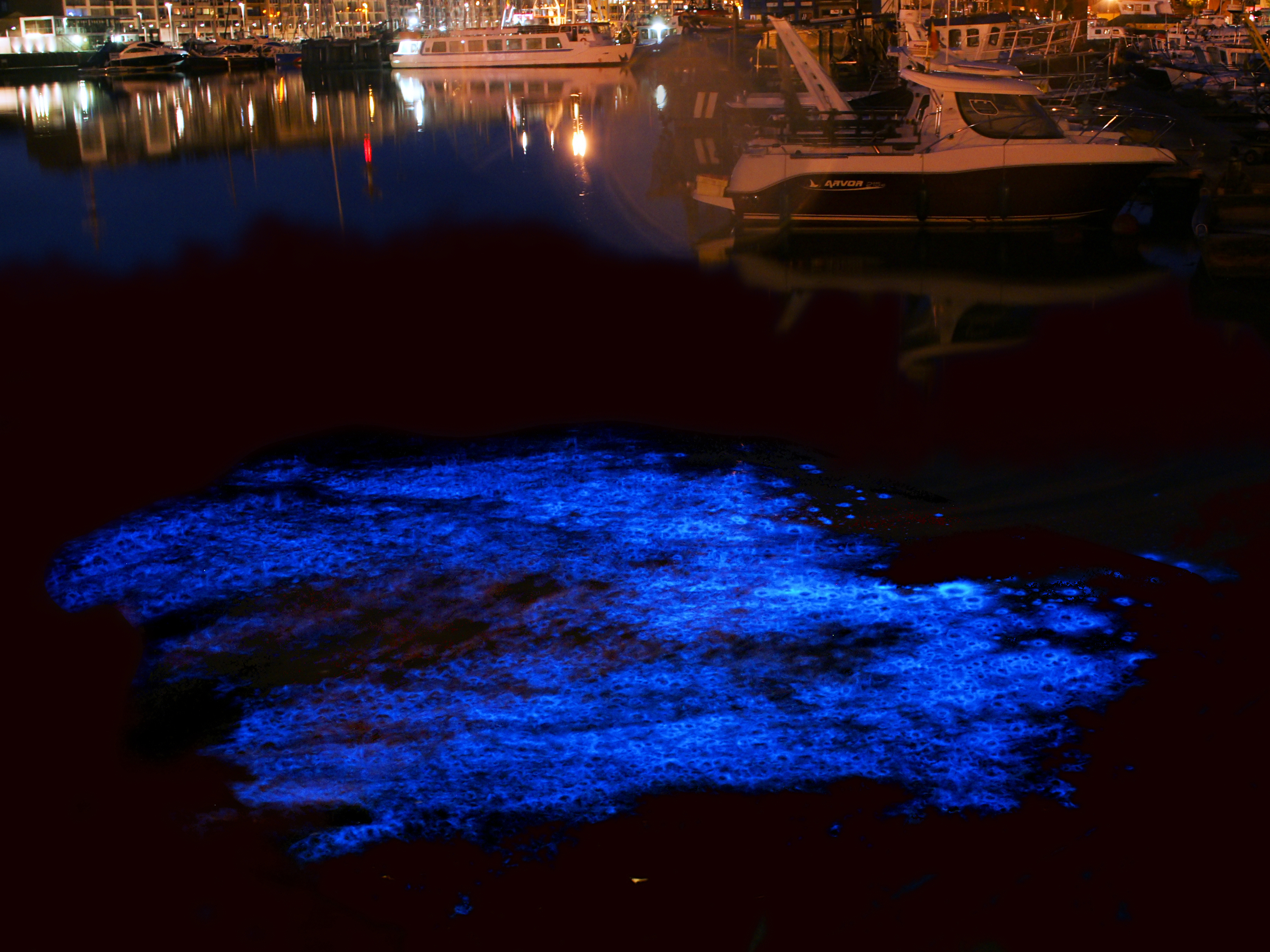
While usually blue in color, because this is the light that travels best through the water, bioluminescence can range from nearly violet to green-yellow (and very occasionally red). The ocean has essentially shaped the evolution of bioluminescent colors through physics.
Most marine bioluminescence, for instance, is expressed in the blue-green part of the visible light spectrum. These colors are more easily visible in the deep ocean. Also, most marine organisms are sensitive only to blue-green colors. They are physically unable to process yellow, red, or violet colors. Water acts like a natural filter, absorbing longer wavelengths first.
The light produced is usually green or blue-green, the latter being especially common in oceanic organisms as it is near the point on the electromagnetic spectrum of maximum transmission in seawater. Evolution has fine-tuned marine organisms to produce the exact colors that travel farthest in their underwater world.
Dinoflagellates: The Ocean’s Tiny Light Factories
Many small planktonic surface dwellers – such as single-celled dinoflagellates – are bioluminescent. Many small planktonic surface dwellers – such as single-celled dinoflagellates – are bioluminescent. These microscopic organisms pack an incredible amount of biochemical complexity into their tiny cells.
A biological clock triggers bioluminescence in the dinoflagellate Pyrocystis fusiformis. At dusk, cells produce the chemicals responsible for its light. They operate on a precise internal schedule, preparing their light-producing machinery as darkness approaches.
When conditions are right, dinoflagellates bloom in dense layers at the surface of the water, causing the ocean to take on a reddish-brown color in daylight and a sparkly sheen as they move in the waves at night. During the day, these blooms can make the water look almost rust-colored, but at night they transform into nature’s light show.
Deep-Sea Anglerfish and Their Living Lures
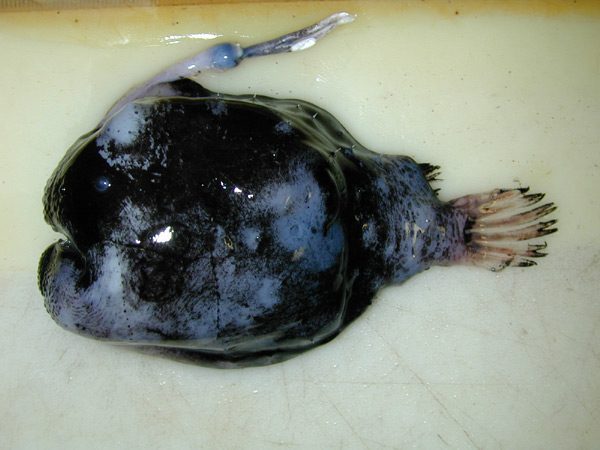
The deep-sea anglerfish lures prey straight to its mouth with a dangling bioluminescent barbel, lit by glowing bacteria. These creatures have formed one of the ocean’s most fascinating partnerships, hosting colonies of light-producing bacteria in specialized organs.
For example, the Hawaiian bobtail squid has a special light organ that is colonized by bioluminescent bacteria within hours of its birth. This symbiotic relationship benefits both partners: the bacteria get a safe home and nutrients, while their host gets a reliable source of light.
“the anglerfish’s bioluminescent adaptation represents one of nature’s most sophisticated examples of symbiotic relationships and evolutionary innovation.” This partnership represents millions of years of co-evolution, resulting in one of the most effective hunting strategies in the deep ocean.
Bioluminescence as Nature’s Defense System
When disturbed by predators or passing boats, plankton light up as a form of counter-illumination or to startle potential threats. This defensive strategy works like a biological alarm system, creating confusion and chaos when danger approaches.
Many species of squid, for instance, flash to startle predators, such as fish. With the startled fish caught off guard, the squid tries to quickly escape. The sudden burst of light can temporarily blind or confuse predators, giving prey those crucial extra seconds needed to survive.
Perhaps most remarkably, certain species of squid can detach bioluminescent parts of their bodies as a defensive strategy. These living light decoys, known as photophores, continue to glow after separation, distracting predators while the squid makes its escape. It’s like having a built-in decoy system that literally sacrifices parts of itself for survival.
Hunting With Light in the Abyss
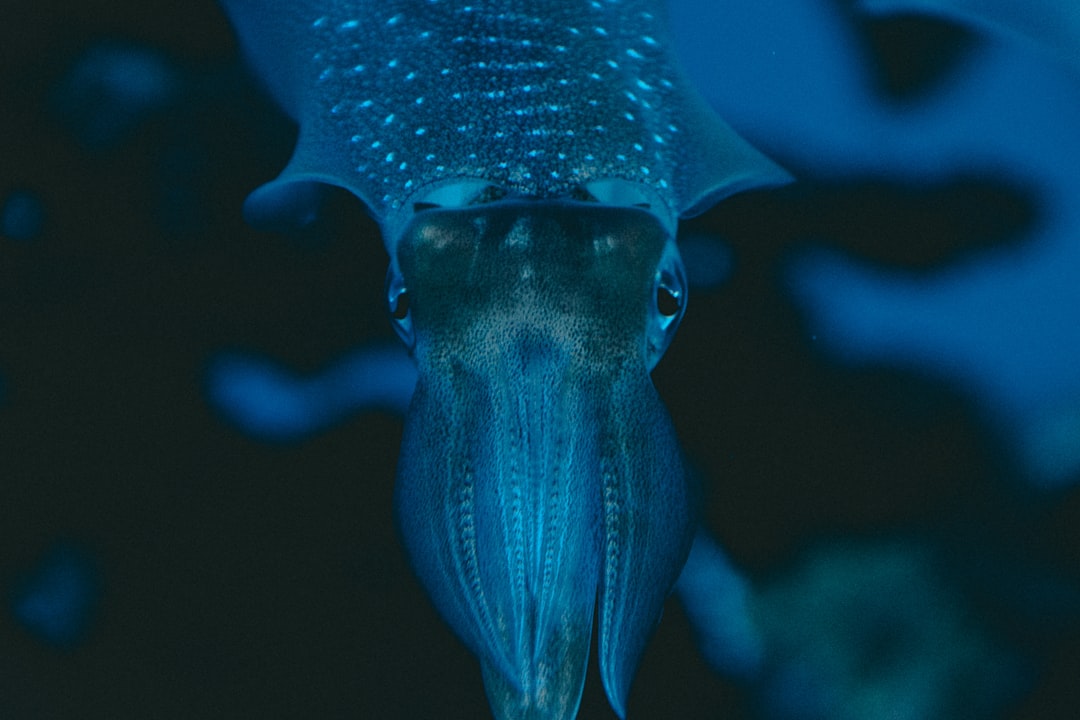
Animals can use their light to lure prey towards their mouths, or even to light up the area nearby so that they can see their next meal a bit better. Sometimes the prey being lured can be small plankton, like those attracted to the bioluminescence around the beak of the Stauroteuthis octopus. These predators have turned their light into sophisticated hunting tools.
While most marine bioluminescence is green to blue, some deep sea barbeled dragonfishes in the genera Aristostomias, Pachystomias and Malacosteus emit a red glow. This adaptation allows the fish to see red-pigmented prey, which are normally invisible to other organisms in the deep ocean environment where red light has been filtered out by the water column. These fish are able to utilize the longer wavelength to act as a spotlight for its prey that only they can see. It’s like having night vision goggles in a world where most creatures are effectively colorblind to red light.
Communication Through Light in Dark Waters
Some species of bioluminescent plankton use light to communicate with each other, especially during mating. The glow helps them find and attract mates in the vast and dark ocean waters. In the darkness of the deep ocean, light becomes the primary language of love and recognition.
Syllid fireworms can be found mainly on the seafloor, but they switch to a planktonic form to reproduce, where the females use bioluminescent signals. Animals don’t only need to look for and attract food; bioluminescence can also play a part in attracting a mate. These worms create elaborate light displays during their reproductive cycles, rising from the seafloor to perform their glowing courtship dances.
Bioluminescence plays a crucial role in the social and reproductive behaviors of many marine species, serving as a sophisticated form of underwater communication. Like other marine animals’ sensory abilities, the ability to produce and control light emissions enables creatures to interact in the darkness of the deep ocean. Each species has evolved its own unique light patterns and timing, creating a complex underwater language of flashes, glows, and pulses.
The Ancient Origins of Ocean Light
Bioluminescence, the emission of ecologically functional light by living organisms, emerged independently on several occasions, yet the evolutionary origins of most bioluminescent systems remain obscure. We propose that the luminescent substrates of the luminous reactions (luciferins) are the evolutionary core of most systems, while luciferases, the enzymes catalysing the photogenic oxidation of the luciferin, serve to optimise the expression of the endogenous chemiluminescent properties of the luciferin. Scientists believe bioluminescence may have originally evolved as a defense mechanism against toxic oxygen.
Coelenterazine, a luciferin occurring in many marine bioluminescent groups, has strong antioxidative properties as it is highly reactive with reactive oxygen species such as the superoxide anion or peroxides. We suggest that the primary function of coelenterazine was originally the detoxification of the deleterious oxygen derivatives. This means the beautiful light shows we see today might have started as an ancient survival mechanism against oxygen poisoning.
The number of species that bioluminesce and the variations in the chemical reactions that produce light are evidence that bioluminescence has evolved many times over – at least 40 separate times! This remarkable convergent evolution shows just how advantageous producing light can be in marine environments.
Where to Witness Ocean Bioluminescence Today
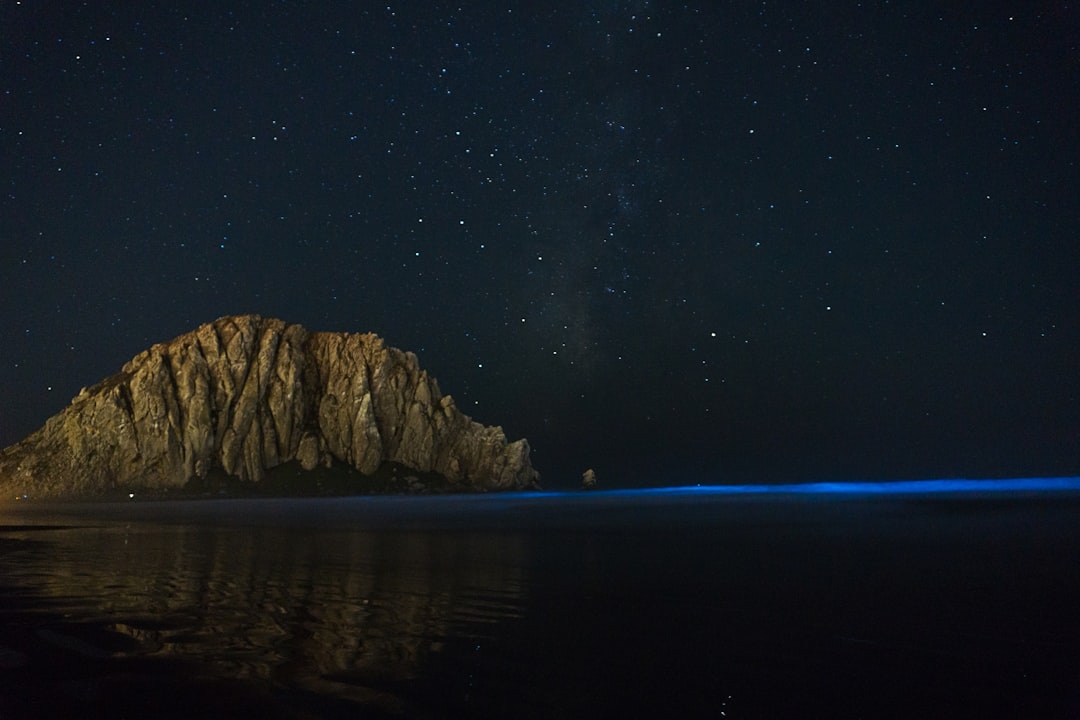
The best address is in Puerto Rico, in the Mosquito Bay, a place rich in phytoplankton. Often considered the brightest bioluminescence bay in the world, Mosquito Bay is home to millions of dinoflagellates that light up the water when disturbed. This protected site offers one of the most intense bioluminescent experiences on Earth.
You can also contemplate this phenomenon on the bioluminescent beach of San Diego in California, Okayama in Japan, Jervis Bay in Australia or even the Maldives. Each location offers its own unique experience, from the gentle glow of stirred sand to the dramatic light trails left by swimming movements.
To have the chance to see water adorn itself with blue light, favour new moon nights when the sky is less bright, and do not forget to check tide times (low tide being the best time to see the ocean light up). Bioluminescent plankton proliferate when the sea is quiet, water temperature is hot and when there is a bit of wind. Once these conditions are met, keep looking at the ocean and try to spot a blue sparkle. Timing and conditions matter greatly for witnessing this natural phenomenon at its peak.
Conclusion
The ocean’s ability to produce its own light represents one of evolution’s most ingenious solutions to life in darkness. From the tiny dinoflagellates that turn breaking waves into liquid starlight to the sophisticated hunting strategies of deep-sea predators, bioluminescence showcases nature’s creativity in ways that continue to amaze scientists and observers alike.
Nearly 90% of marine creatures dwelling below 1,500 feet produce their own biological light through a remarkable process called bioluminescence. This statistic alone reveals just how fundamental this phenomenon is to ocean life. What started as a defense against toxic oxygen has evolved into elaborate communication systems, hunting strategies, and survival mechanisms that illuminate the darkest depths of our planet.
The next time you see the ocean glow at night, remember that you’re witnessing millions of years of evolution at work. Each spark of blue light represents a tiny organism using chemistry to create art, survival, and wonder all at once. What do you think about this incredible natural light show? Have you ever been lucky enough to witness bioluminescence in person?
Jan loves Wildlife and Animals and is one of the founders of Animals Around The Globe. He holds an MSc in Finance & Economics and is a passionate PADI Open Water Diver. His favorite animals are Mountain Gorillas, Tigers, and Great White Sharks. He lived in South Africa, Germany, the USA, Ireland, Italy, China, and Australia. Before AATG, Jan worked for Google, Axel Springer, BMW and others.