
Have you ever dreamed of wandering through a lush tropical paradise, face-to-face with dazzling birds, curious mammals, and rare reptiles—knowing that your visit actually helps protect the very animals you’re marveling at? Langkawi Wildlife Park doesn’t just let you glimpse the wild; it invites you to be part of a bigger story, one where responsible tourism and animal welfare go hand in hand. The park’s gentle hum of life, the laughter of children, and the fluttering of wings signal something extraordinary: a place where nature is respected, animals thrive, and humans rediscover their awe for the living world. What makes this Malaysian sanctuary a shining example of ethical tourism? Let’s journey inside.
A Commitment to Animal Welfare

At the core of Langkawi Wildlife Park is a deep respect for the animals in its care. Unlike outdated zoos that prioritized entertainment over ethics, this park has adopted modern, science-based welfare standards. Enclosures are designed to mimic natural habitats, offering plenty of shade, water, and enrichment toys. Animals here are not just on display—they are given room to express natural behaviors, from climbing and foraging to socializing with their own kind. Staff members receive regular training on animal husbandry, ensuring that every creature, whether flamboyant flamingo or shy slow loris, receives attentive and compassionate care.
Education at the Heart of the Experience

Langkawi Wildlife Park is not just about seeing animals; it’s about understanding them. Interactive exhibits, informative signage, and passionate guides help visitors learn about animal biology, natural history, and conservation threats. Children and adults alike leave the park with more than just photos—they gain knowledge about why hornbills matter to rainforests or how climate change threatens turtles. This educational mission turns every visit into a spark for curiosity and empathy, creating future advocates for wildlife.
Supporting Conservation Initiatives

The park goes beyond its fences by actively supporting conservation projects. Funds from ticket sales often help protect endangered species in the wild, such as the elusive Malayan tapir or native hornbills. The park partners with local and international conservation groups, participating in breeding programs, wildlife rescues, and habitat restoration. By linking tourism dollars directly to conservation action, Langkawi Wildlife Park transforms visits into a force for good.
Naturalistic Habitats and Enclosure Design

Walking through the park feels like stepping into a living rainforest. Enclosures are thoughtfully landscaped with native plants, rocks, and flowing streams, offering animals shelter and stimulation. Birds swoop overhead in open aviaries, while tortoises amble through sun-dappled gardens. These naturalistic settings reduce animal stress and promote physical and mental health. The result is a more authentic, meaningful experience for visitors—and a better life for the animals.
Promoting Responsible Visitor Interaction
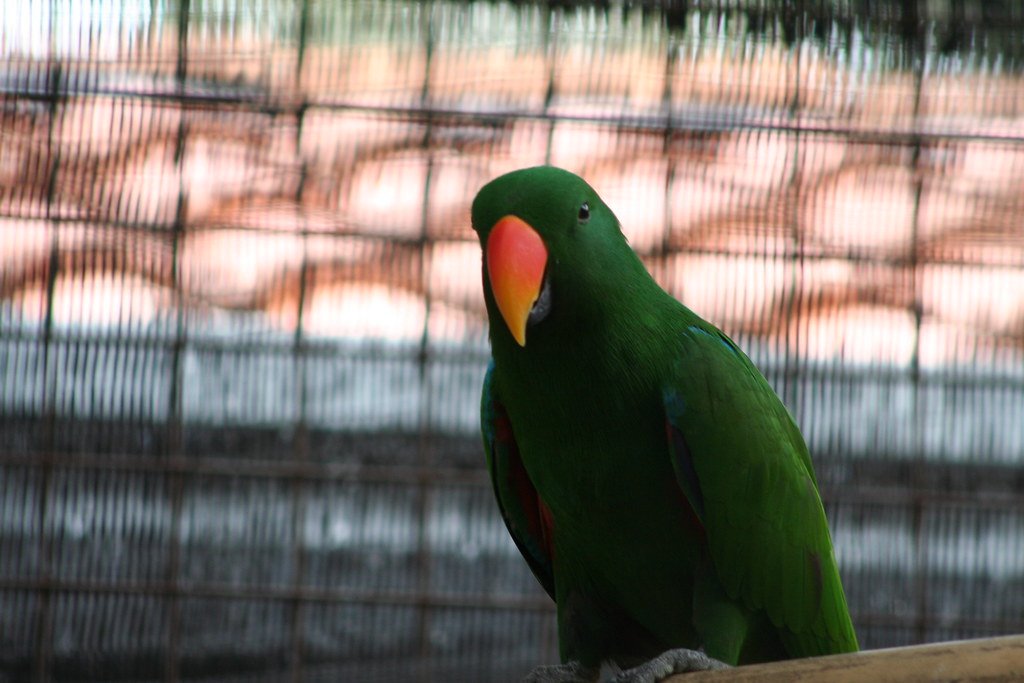
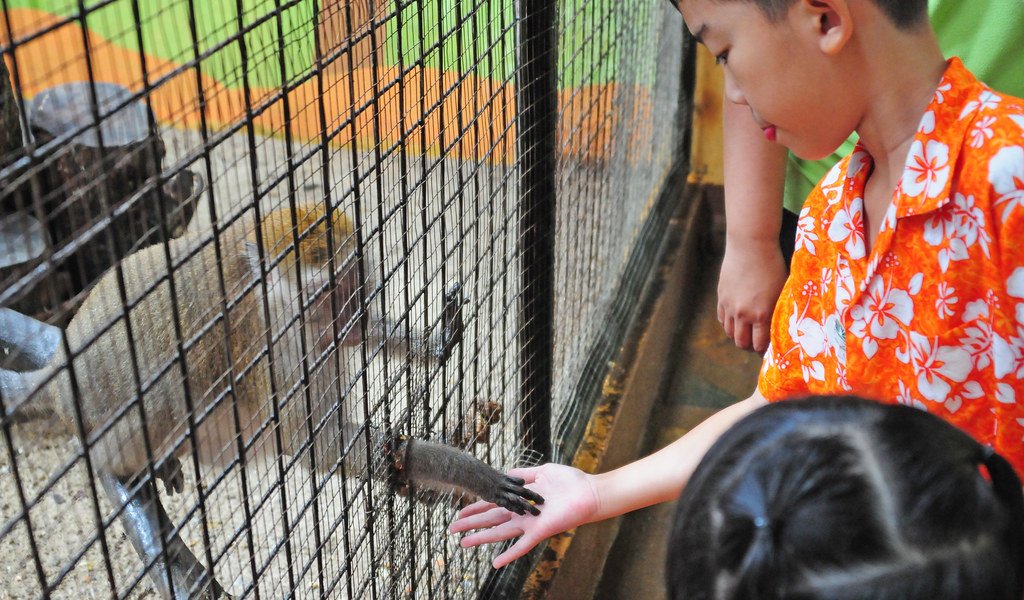
A standout feature of Langkawi Wildlife Park is its strict guidelines for human-animal interaction. While visitors can feed certain animals under supervision, direct contact is carefully managed to minimize stress and risk. Hand-washing stations, informative briefings, and attentive staff ensure that encounters are safe for both people and animals. This balanced approach allows for magical moments—a parrot landing on your arm, a deer nibbling a treat—without crossing ethical boundaries.
Empowering Local Communities

Ethical tourism isn’t just about animals—it’s about people, too. The park hires locally, providing stable jobs and training opportunities for Langkawi residents. Many staff members develop specialized skills in animal care, veterinary work, and eco-tourism management. Local suppliers provide food, materials, and crafts, ensuring that the economic benefits ripple through the community. This commitment helps create a sense of pride and stewardship for Langkawi’s unique biodiversity.
Fostering Environmental Awareness
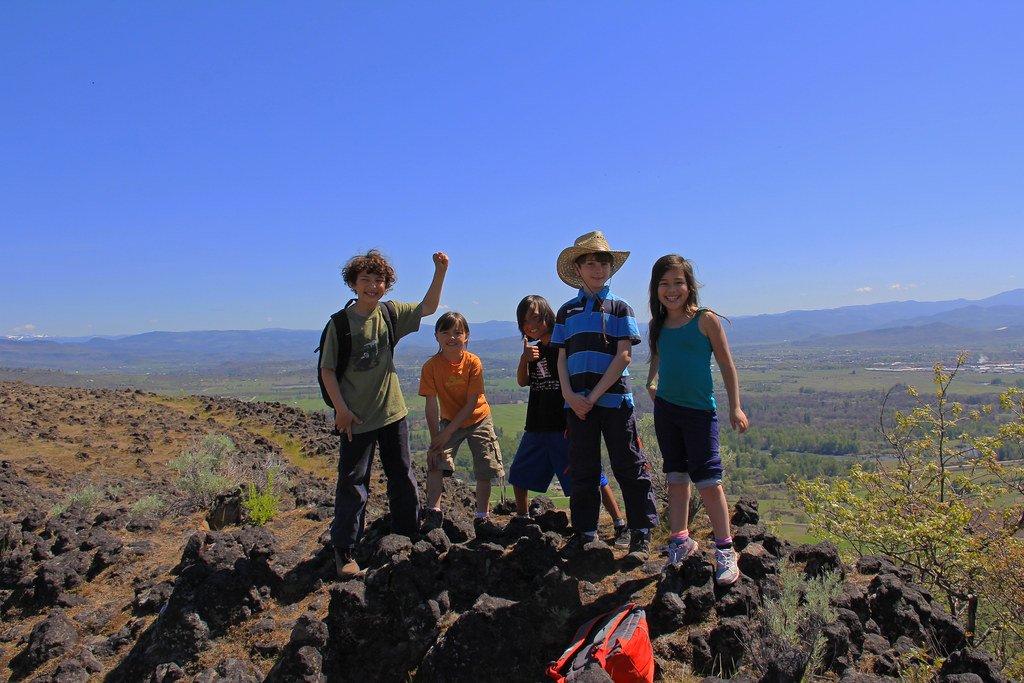
Langkawi Wildlife Park serves as a living classroom, raising awareness about environmental challenges facing Malaysia and the world. Special exhibits highlight issues like plastic pollution, deforestation, and invasive species. School programs and workshops inspire the next generation to think critically about their relationship with nature. By weaving environmental messages into every corner of the park, the staff turn leisure into learning—and visitors into guardians of the planet.
Leading by Example in Sustainable Practices

The park practices what it preaches by adopting eco-friendly operations. Solar panels supplement energy needs, waste is carefully sorted and recycled, and water is conserved through rainwater harvesting. Efforts to minimize single-use plastics are visible at every snack bar and gift shop. These steps might seem small, but they send a powerful message about responsibility and stewardship, inspiring visitors to adopt greener habits in their own lives.
Collaboration with Researchers and Scientists
Langkawi Wildlife Park is a hub for scientific research. Veterinarians, ecologists, and students use the park as a base to study animal behavior, disease prevention, and conservation strategies. Collaborative projects with universities have led to improved animal care and innovative breeding programs. By opening its doors to science, the park accelerates learning, shares discoveries, and helps shape best practices for wildlife management worldwide.
Championing Rare and Endangered Species
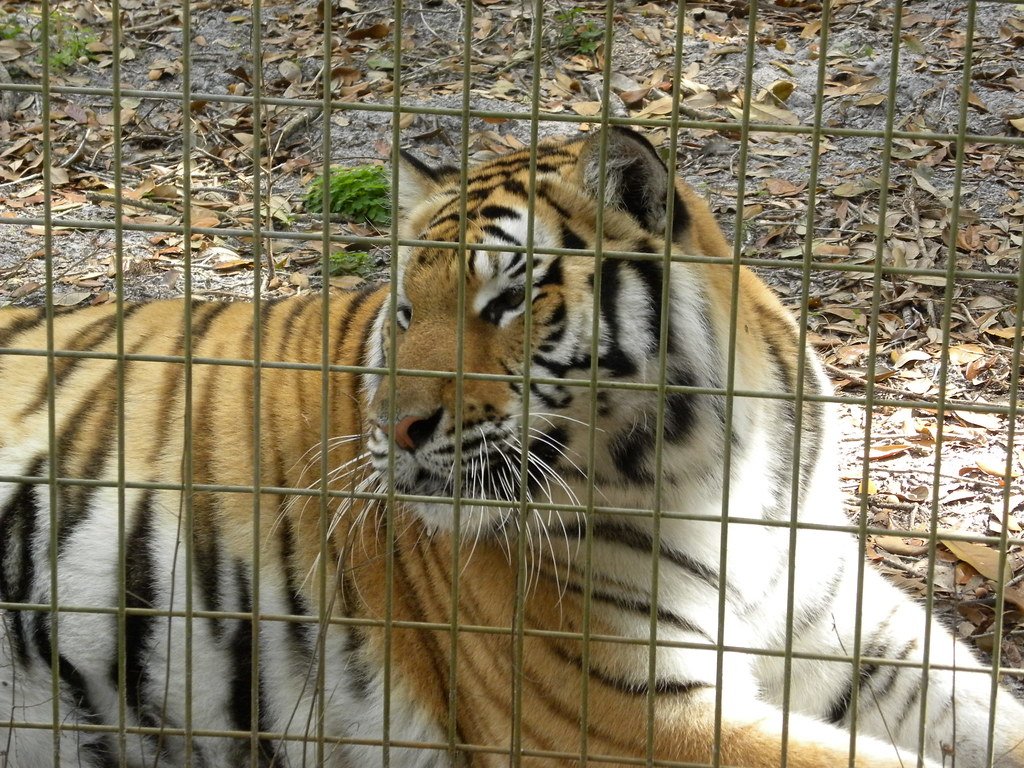
The park is home to many rare and vulnerable animals, some of which are seldom seen elsewhere. Efforts to breed and rehabilitate endangered species, like the white-crowned hornbill or the clouded leopard, reflect a deep commitment to preserving Malaysia’s natural heritage. Interpretive talks and behind-the-scenes tours highlight the struggles these species face, turning statistics into real stories that tug at the heart.
Accessible Tourism for All

Langkawi Wildlife Park is designed so that everyone—regardless of age or ability—can enjoy its wonders. Smooth pathways, ramps, and shaded seating areas make the park welcoming for families with strollers, elderly visitors, and those with disabilities. Multilingual guides ensure that international guests feel included. This inclusivity embodies ethical tourism’s spirit: nature should be shared, not gatekept.
Minimizing the Footprint of Tourism
Overtourism can harm fragile ecosystems, but Langkawi Wildlife Park carefully manages visitor numbers and flow. Timed ticketing, group limits, and designated pathways help prevent overcrowding and reduce stress on the animals. Strategic landscaping absorbs noise and buffers wildlife from disturbance. By putting animal welfare first, the park protects both its residents and its reputation.
Transparency and Public Accountability

One hallmark of ethical tourism is transparency. Langkawi Wildlife Park regularly publishes reports on animal welfare, conservation achievements, and sustainability goals. Visitors can ask questions and get honest answers about animal care, breeding, and sourcing. Community forums and feedback sessions invite public input, ensuring that the park stays true to its mission and continually improves.
Inspiring Emotional Connections With Wildlife
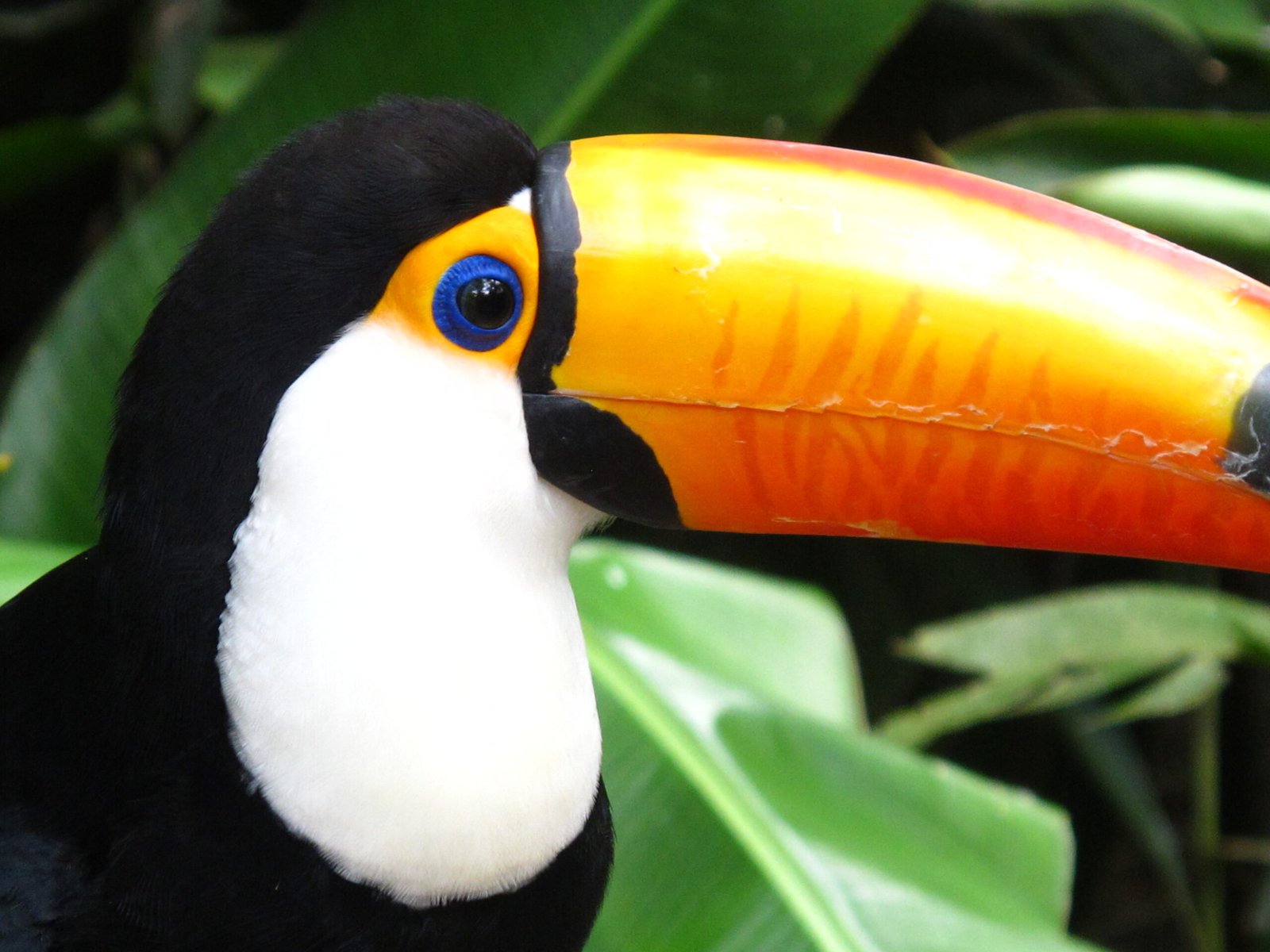
There’s something magical about locking eyes with a toucan or hearing a gibbon’s call echo through the trees. Langkawi Wildlife Park excels at creating moments of wonder that linger long after visitors leave. These emotional bonds turn abstract conservation issues into personal causes. People protect what they love—and love starts here, with unforgettable encounters in a caring environment.
Adapting to New Challenges
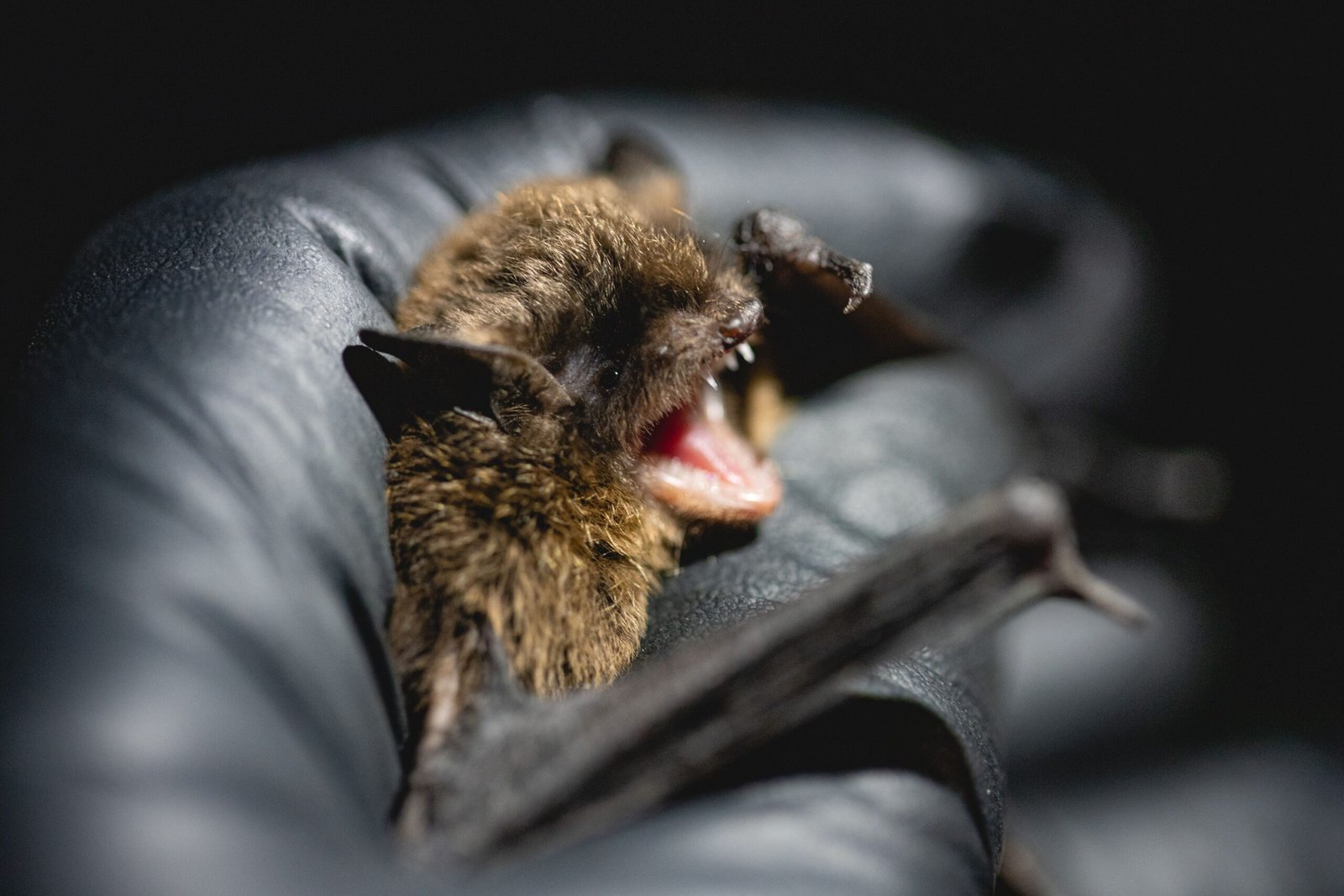
The world isn’t standing still, and neither is Langkawi Wildlife Park. The staff constantly adapt to new science, shifting visitor expectations, and emerging threats like disease outbreaks or climate change. During the pandemic, for example, the park introduced virtual tours and online education, keeping conservation messages alive even when doors were closed. This flexibility ensures that the park remains a leader, not a follower, in ethical tourism.
Setting a Standard for Future Parks
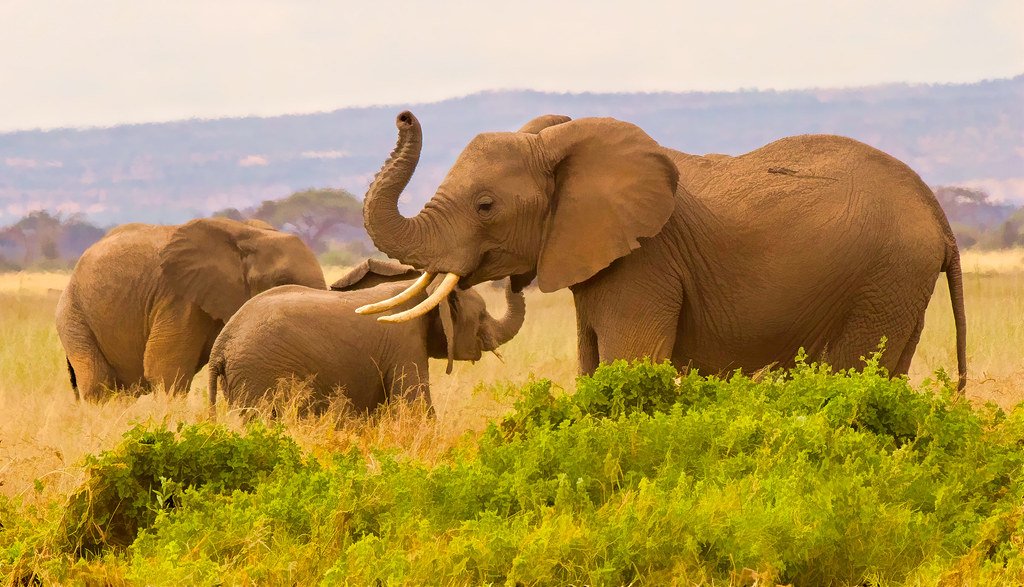
Langkawi Wildlife Park’s success has inspired other wildlife attractions across Southeast Asia to raise their standards. The park regularly hosts workshops, shares best practices, and mentors emerging eco-tourism projects. By proving that ethical tourism is not only possible but popular, Langkawi sets a benchmark for others to follow. Its influence radiates far beyond its island home, shaping the future of responsible wildlife tourism.
Creating Lasting Change Through Tourism

A visit to Langkawi Wildlife Park is more than a day out—it’s a vote for change. Every ticket purchased, every animal cared for, and every lesson learned contributes to a ripple effect that touches animals, people, and ecosystems. In a world where wildlife faces mounting threats, places like this remind us that tourism can heal as much as it entertains. If you could help protect a species just by showing up, wouldn’t you want to be part of that story?