
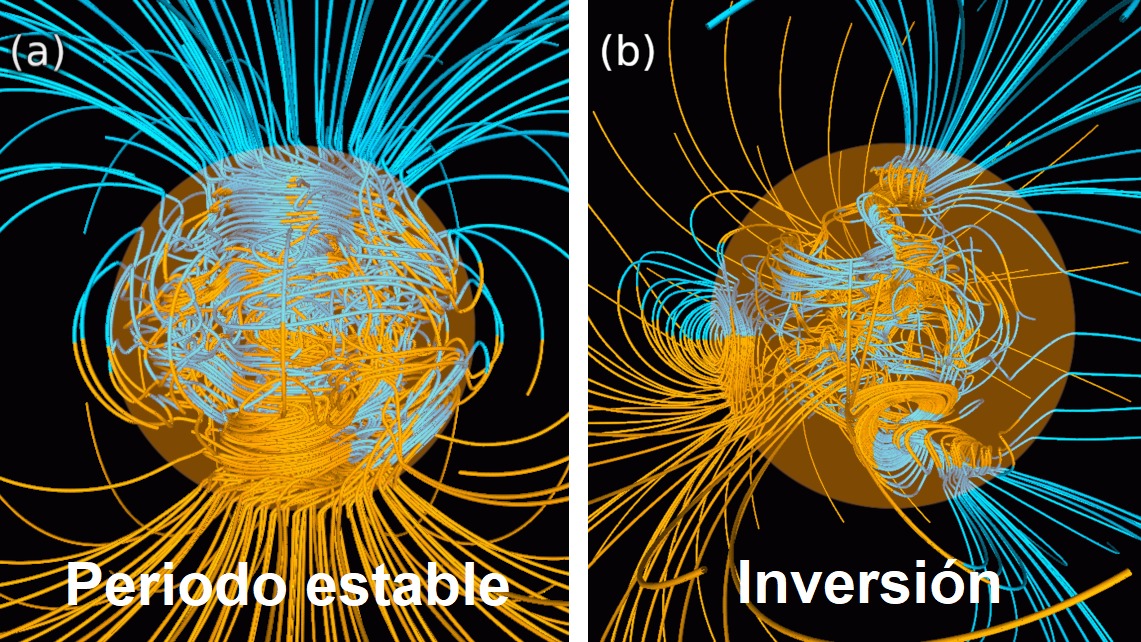
Every so often in Earth’s deep history, our planet’s magnetic north and south trade places, leaving a barcode of polarity stripes in the seafloor and a trail of mystery for geophysicists. The stakes feel dramatic: this invisible shield deflects much of the solar and cosmic radiation that would otherwise batter our technology and, over the long run, our biology. Yet the story isn’t apocalypse; it’s a detective tale playing out in rock cores, satellite data, and supercomputer labs. Scientists are piecing together why reversals happen, how often they occur, and what they mean for daily life. The answer is messy, fascinating, and very human – equal parts uncertainty and discovery.
The Hidden Clues
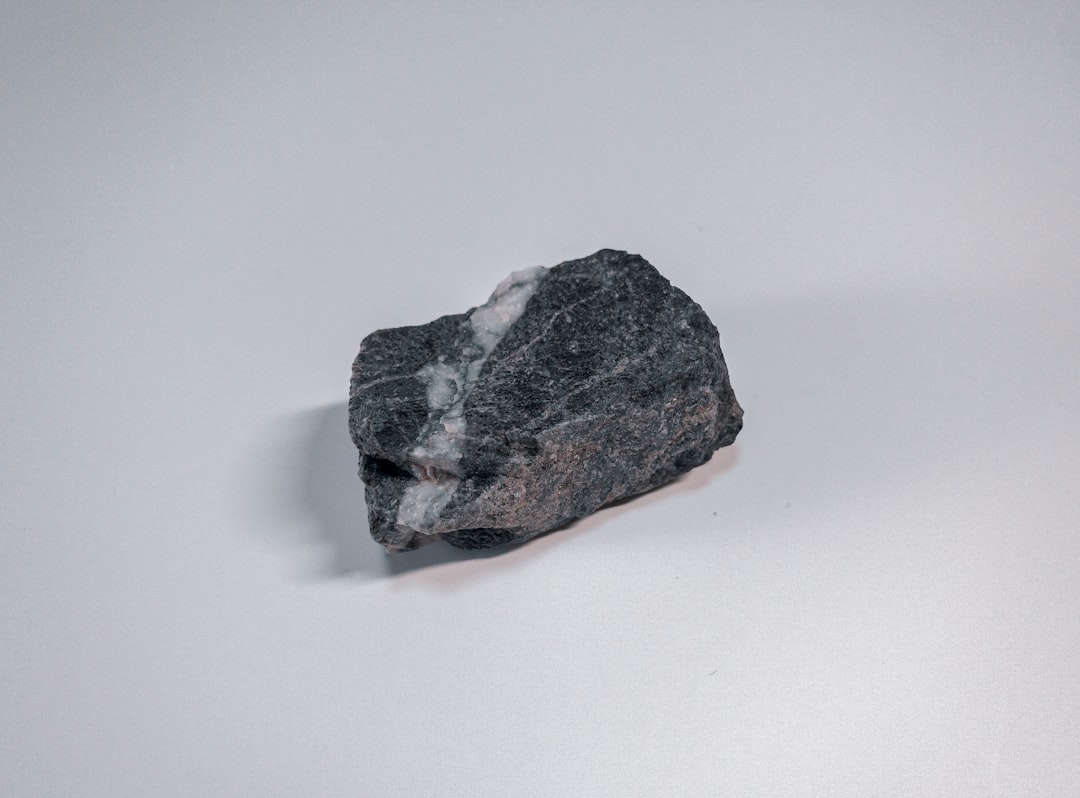
Here’s the jolt: the planet’s most reliable compass has flipped many times, and the proof is literally baked into stone. When lava cools or sediments settle, tiny magnetic minerals lock in the direction and strength of the field like a snapshot. Layer those snapshots through time and you get a living timeline of reversals and near-misses called excursions. I remember holding a rough basalt in a field lab and watching a small magnet twitch toward a direction that made no sense – until I realized the rock was older than our current north.
Beyond rocks, nature keeps an audit trail in places we don’t expect. During weak-field episodes, more cosmic rays reach the atmosphere, subtly boosting cosmogenic isotopes measured in ice cores and tree rings. That independent clock helps verify when the field faltered, even where rocks are scarce. Stitching these clues together turns scattered evidence into a coherent, if still incomplete, history.
From Ancient Tools to Modern Science
Before satellites, researchers relied on what ancient artisans left behind: hearths, kilns, and pottery that cooled in place, preserving local magnetic directions. Archaeomagnetism can date sites and trace field changes across regions, bridging human timelines with geologic ones. Out at sea, the story scales up – long bands of magnetized crust on either side of mid-ocean ridges alternate polarity, proving that reversals are global and that the seafloor spreads like a slow conveyor belt under our feet.
Modern observatories now watch the field in real time, while satellites map its structure from pole to pole. Those space-based measurements track the field’s strength, the subtle drifts of magnetic poles, and anomalies where the shield thins. Combined with rock and sediment records, they let scientists test models instead of guessing. It’s the difference between hearing a rumor and holding the receipts.
Inside the Geodynamo
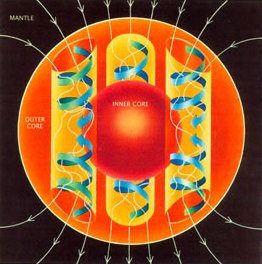
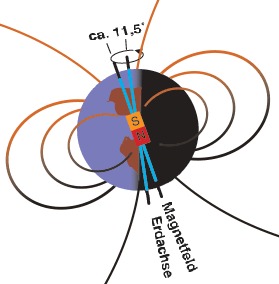
At the heart of the flip is the geodynamo, a restless engine powered by convection in Earth’s liquid outer core. As molten iron alloys rise and sink, they drag magnetic fields with them, and the planet’s rotation twists those flows into spiraling columns. The result is a self-sustaining magnetic field that can wobble, weaken, and sometimes invert when internal patterns reorganize. Think of a lava lamp crossed with a spinning top – beautiful, turbulent, and never perfectly steady.
Heat leaking across the core–mantle boundary matters, too. Hotter or cooler patches at the base of the mantle can steer core flows and create clusters of intense or reversed magnetic flux. Over long timescales, that shifting balance can destabilize the global dipole. A flip isn’t a switch; it’s a complex choreography that gradually favors the opposite orientation until the new pattern wins.
Patterns Without a Clock
Reversals don’t keep a schedule, and that’s the point. The last full reversal happened roughly about 780,000 years ago, but earlier intervals ranged from many tens of thousands to many hundreds of thousands of years. Sometimes the field nearly flips and snaps back – short-lived excursions like the Laschamp event about 41,000 years ago. In contrast, there are long calm spells, including stretches of millions of years with little or no flipping known as superchrons.
Transitions themselves usually take thousands of years, not days or decades, which gives ecosystems and societies time to adapt. The field can weaken substantially during those passages, but it doesn’t vanish. Local quirks like today’s South Atlantic Anomaly show that patches of weakness can grow and move without guaranteeing an imminent reversal. The system has memory, but it’s not a metronome.
Signals We’re Watching Now
Measurements since the nineteenth century suggest the global field has, on average, declined by approximately 5-10% – significant, but not unprecedented in the paleomagnetic record. The South Atlantic Anomaly, a region of comparatively weak field over South America and the South Atlantic, has expanded and evolved in recent decades. That thin spot nudges satellite operators to schedule safe modes or plan instrument shutoffs when radiation spikes. Aviation routes, spacewalks, and even high-altitude research campaigns factor in these variations like sailors reading currents.
Wildlife adds another dimension. Creatures that sense magnetism – sea turtles, pigeons, salmon – navigate against a background that slowly shifts. Most evidence points to remarkable resilience and flexibility in these species, but researchers keep a close eye on migration timing and routes. The headline is practical: watch the weak spots, manage the exposure, and keep measuring.
Why It Matters
This isn’t just an esoteric puzzle; it touches infrastructure, climate records, and risk planning. During weak-field periods, more energetic particles can reach near-Earth space, which raises concerns for satellites, high-latitude flights, and long power lines. Compare this to traditional space-weather worries focused only on solar storms; reversals add a slow background change that can amplify the effects of big bursts. The atmosphere still does the heavy lifting for life on the surface, but technology lives closer to the firing line.
There’s also a clarity dividend: understanding past flips improves dating of rocks and sediments, anchoring climate and tectonic histories. Magnetostratigraphy – the pattern of flips through time – functions like a global barcode that helps correlate geology across continents. When we map that barcode more precisely, everything from earthquake research to resource exploration benefits. The payoff is broad and practical, not just academic.
The Future Landscape
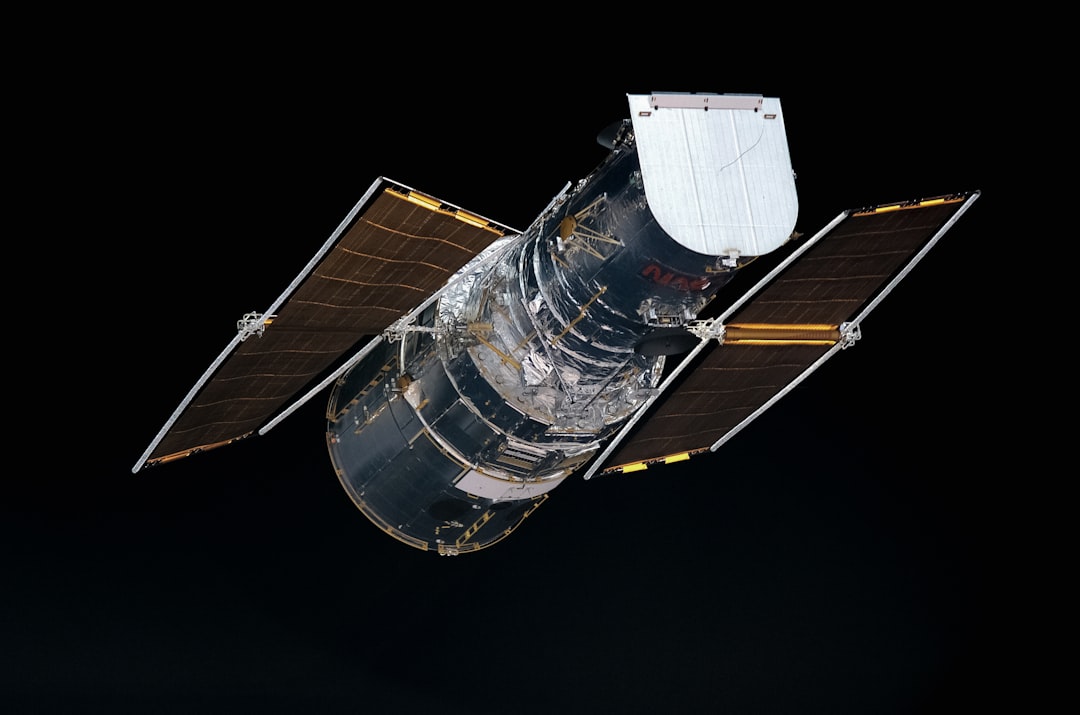
Next-generation satellites and ground arrays will sharpen our view of the field’s fine structure, making it easier to track those reversed-flux patches that seed change. Exascale supercomputers are already running more realistic geodynamo simulations, blending satellite, observatory, and rock data to test how reversals ignite and spread. Laboratory experiments with rapidly spinning tanks of liquid metal complement the models, giving a physical feel for flow instabilities that equations alone can’t capture. Each line of evidence is imperfect; together, they’re powerful.
On the geologic side, new cores from lake beds and the deep ocean will fill gaps in the timeline, especially in under-sampled regions. Better calibrations using cosmogenic isotopes from ice cores and tree rings will pin down the timing and severity of past weak-field episodes. The biggest challenge is noise – overprints, chemical changes, and uneven sampling – but smarter statistics and open data are taming it. The path forward is incremental, steady, and surprisingly optimistic.
Global Perspectives
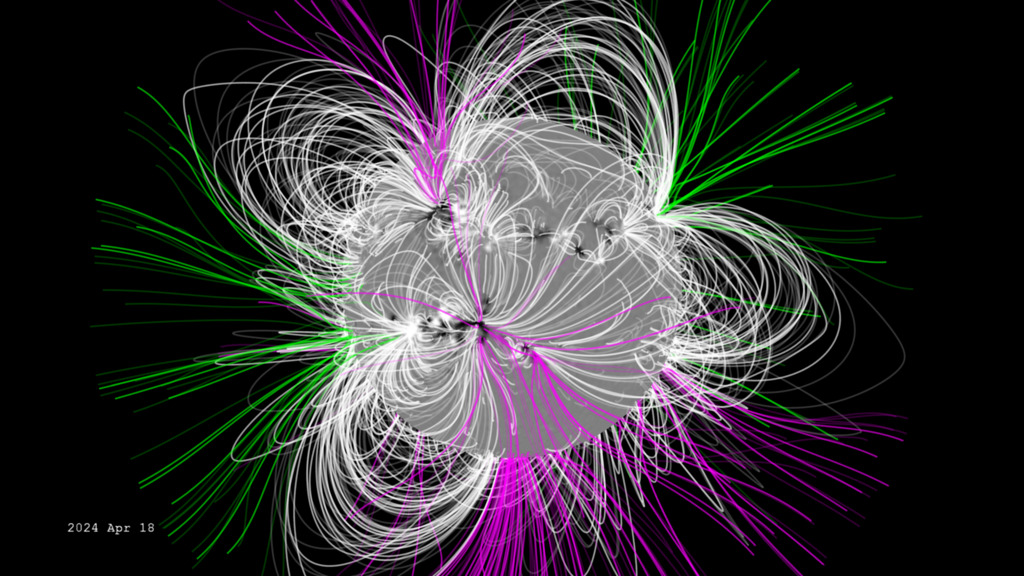
The magnetic field is global, but its quirks aren’t evenly spread. Countries under the South Atlantic Anomaly – from Brazil to South Africa – experience more satellite glitches and plan accordingly. High-latitude communities see stronger auroras and different radio conditions, while equatorial regions may notice subtler navigation effects. Small island nations that rely heavily on satellite communications have a direct stake in improved forecasts and stronger space-weather protocols.
There’s a scientific equity angle, too. Much of the paleomagnetic record comes from the Northern Hemisphere and accessible coastlines, leaving blind spots across the southern oceans and parts of Africa. Expanding observatories, funding shipborne surveys, and training local teams closes that gap and sharpens the global picture. I once stood at a quiet magnetic observatory on a windy hill, watching instruments quietly scribble the planet’s heartbeat; placing more of those pens across the map would benefit everyone.
Conclusion
Stay curious and support the data stream that underpins smart decisions. If you’re a student or educator, bring paleomagnetism and space weather into classrooms – simple compass-and-iron-filings demos spark big conversations. If you work in tech or utilities, advocate for resilience planning that folds in long-term magnetic trends alongside solar forecasts. Citizen science counts, too: magnetometer networks, aurora reports, and open-data projects thrive on volunteers.
On a personal level, keep a weather eye on the sky – literally and figuratively. The Earth’s magnetic field is changing, as it always has, and we’re finally equipped to watch it in detail and adapt with grace. What will the next century’s stripes say about us?
Suhail Ahmed is a passionate digital professional and nature enthusiast with over 8 years of experience in content strategy, SEO, web development, and digital operations. Alongside his freelance journey, Suhail actively contributes to nature and wildlife platforms like Discover Wildlife, where he channels his curiosity for the planet into engaging, educational storytelling.
With a strong background in managing digital ecosystems — from ecommerce stores and WordPress websites to social media and automation — Suhail merges technical precision with creative insight. His content reflects a rare balance: SEO-friendly yet deeply human, data-informed yet emotionally resonant.
Driven by a love for discovery and storytelling, Suhail believes in using digital platforms to amplify causes that matter — especially those protecting Earth’s biodiversity and inspiring sustainable living. Whether he’s managing online projects or crafting wildlife content, his goal remains the same: to inform, inspire, and leave a positive digital footprint.