The vast expanse of the deep ocean stands as one of the last uncharted territories on Earth, holding secrets that have intrigued scientists and explorers for centuries. Despite advancements in technology and our growing understanding of the natural world, the deep ocean remains a formidable frontier, offering mysteries that spark our imagination and push the boundaries of exploration. This article delves into why the deep ocean continues to intrigue us and what makes it one of Earth’s last great mysteries.
The Vastness of the Ocean

Covering more than 70% of the Earth’s surface, the oceans are immense. Of this expanse, the deep ocean, characterized by depths beyond 200 meters, encompasses over 95% of the planet’s oceans. This immense area presents significant challenges for exploration, primarily due to the technological and logistical hurdles involved in reaching its remote depths.
The Mysterious Dark Abyss
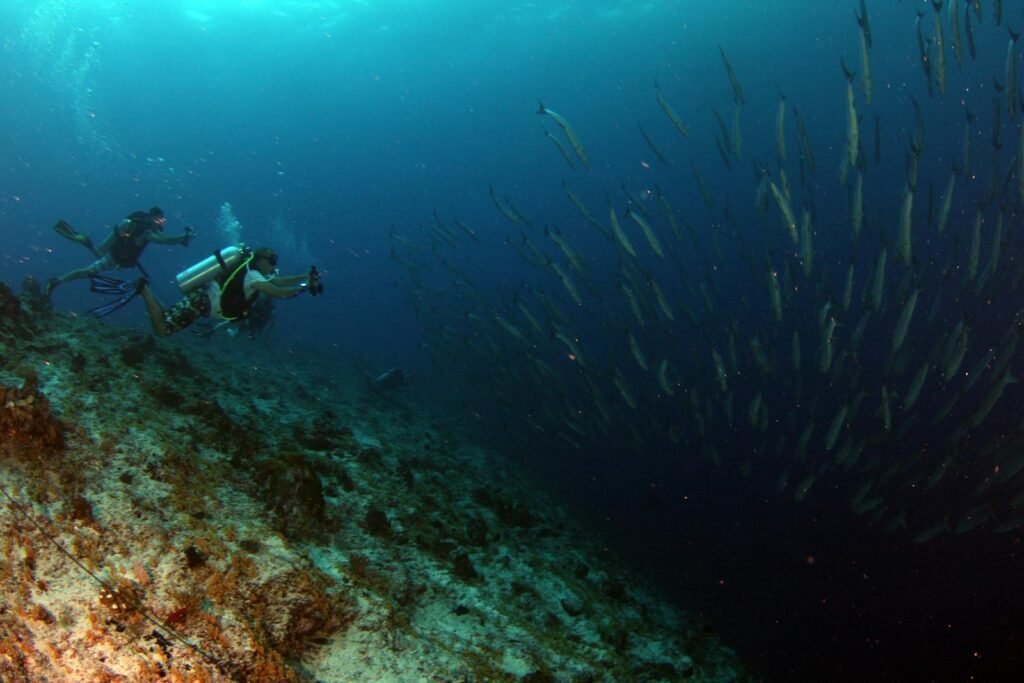
Unlike the sunlit surface waters, the deep ocean is cloaked in perpetual darkness, extending miles below the surface. This dark abyss is difficult to explore, requiring technology like submersibles equipped with powerful lights and cameras to capture even the faintest glimpses of its mysterious inhabitants.
Extreme Conditions

The deep ocean is not only dark but also subject to extreme conditions. The pressure at great depths can be thousands of times greater than at the surface, posing significant challenges for human exploration. The temperatures hover around freezing, creating an inhospitable environment for most life forms we are familiar with, yet it is teeming with unique adaptations and organisms.
Unique Biodiversity
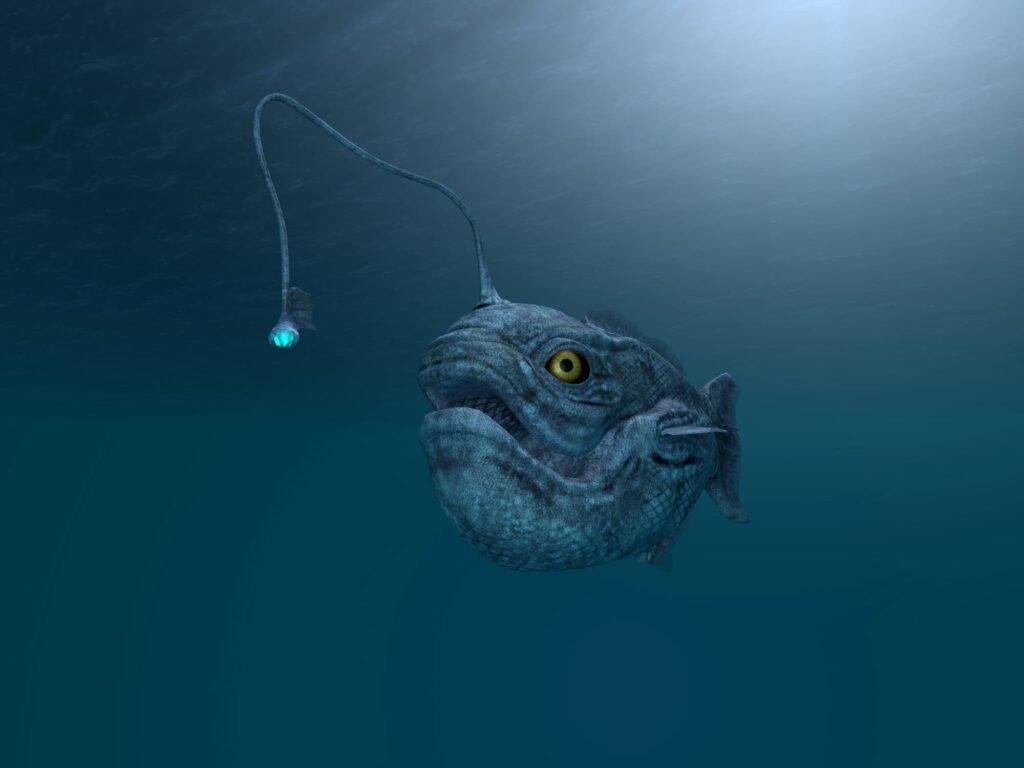
Despite its harsh conditions, the deep ocean is home to a staggering array of life, much of which remains undiscovered. Scientists estimate that we have identified only a fraction of the species living in the deep sea, with new discoveries shedding light on bizarre and previously unknown life forms that challenge our understanding of biology and evolution.
Ancient Ecosystems

The deep ocean serves as a time capsule, preserving ancient ecosystems that can offer insights into Earth’s past. Exploring these habitats allows scientists to study organisms and ecological structures that have remained largely unchanged for millions of years, providing clues to the history of life on our planet.
Uncharted Geological Features

The ocean floor harbors a variety of geological features, from vast underwater mountain ranges and deep trenches to hydrothermal vents and seamounts. These formations are not only pivotal in shaping Earth’s geology but also create unique habitats that may harbor undiscovered forms of life.
Technological Challenges

Exploring the deep ocean requires groundbreaking technology. Deep-sea submersibles, remotely operated vehicles (ROVs), and autonomous drones are some of the tools used to navigate and study the ocean’s depths. However, the development and operation of such technology remain costly and complex, limiting our ability to conduct comprehensive research.
The Potential for New Discoveries

The deep ocean holds untapped potential for new discoveries, from unique life forms to novel compounds that could revolutionize medicine, biotechnology, and other fields. Each expedition has the potential to uncover groundbreaking information that challenges our current knowledge and opens up new realms of possibility.
Global Impact and Climate Understanding
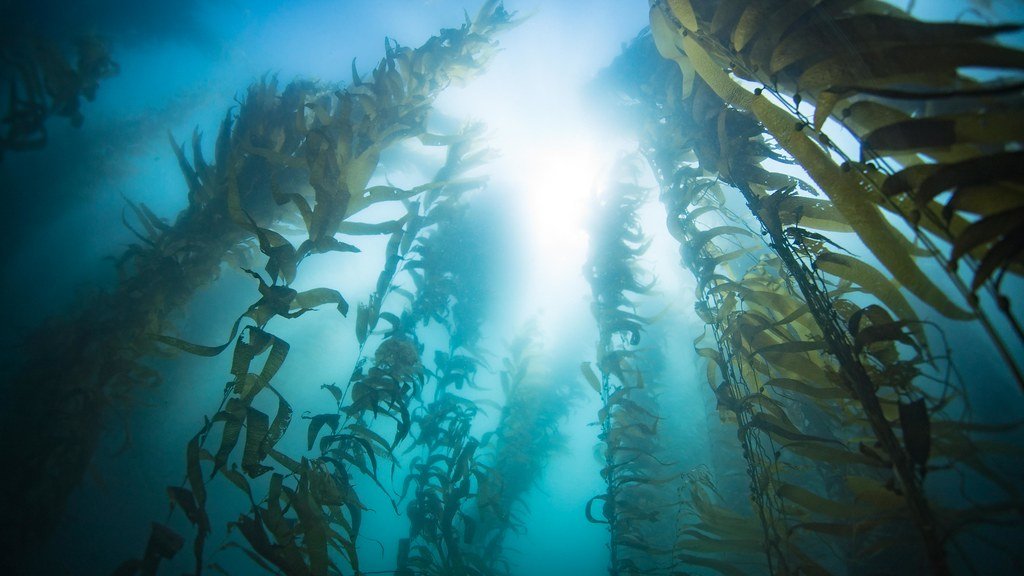
The deep ocean plays a crucial role in regulating the Earth’s climate and maintaining the balance of ecosystems worldwide. Understanding its dynamics is essential for predicting and mitigating the impacts of climate change, yet much of the deep ocean remains uncharted and misunderstood.
Concluding Thoughts

The allure of the deep ocean is its mystery—a final frontier that tests the limits of human ingenuity and curiosity. As we continue to explore its depths, we not only expand our knowledge of the natural world but also gain deeper insights into our planet’s past, present, and potential future. The deep ocean remains one of Earth’s last great mysteries, offering endless possibilities for discovery and the potential to reshape our understanding of life on Earth.