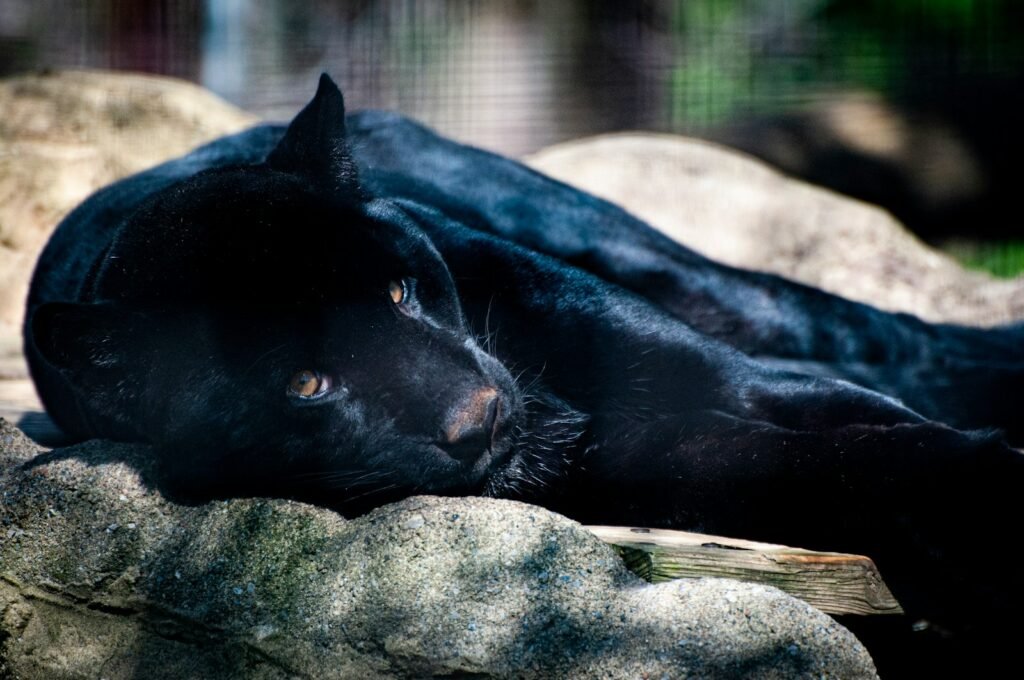

For decades, the black panther has stalked through documentaries, movie posters, and legends as a kind of animal superhero: shadowy, flawless, and singular. Yet almost everything most people think they know about this cat is wrong, starting with the idea that there is such a thing as “a” black panther species. In reality, this shadow in the forest is a genetic twist inside other big cats, a living optical illusion created by pigment and light. That misunderstanding isn’t just a trivia problem; it shapes how we protect, study, and even imagine these animals. And as new technology sharpens our vision – thermal drones, high-speed genetics, and machine-learning pattern detectors – we are starting to realize that the story of the black panther may be stranger, and more important, than the myth.
The First Illusion: There Is No “Black Panther” Species
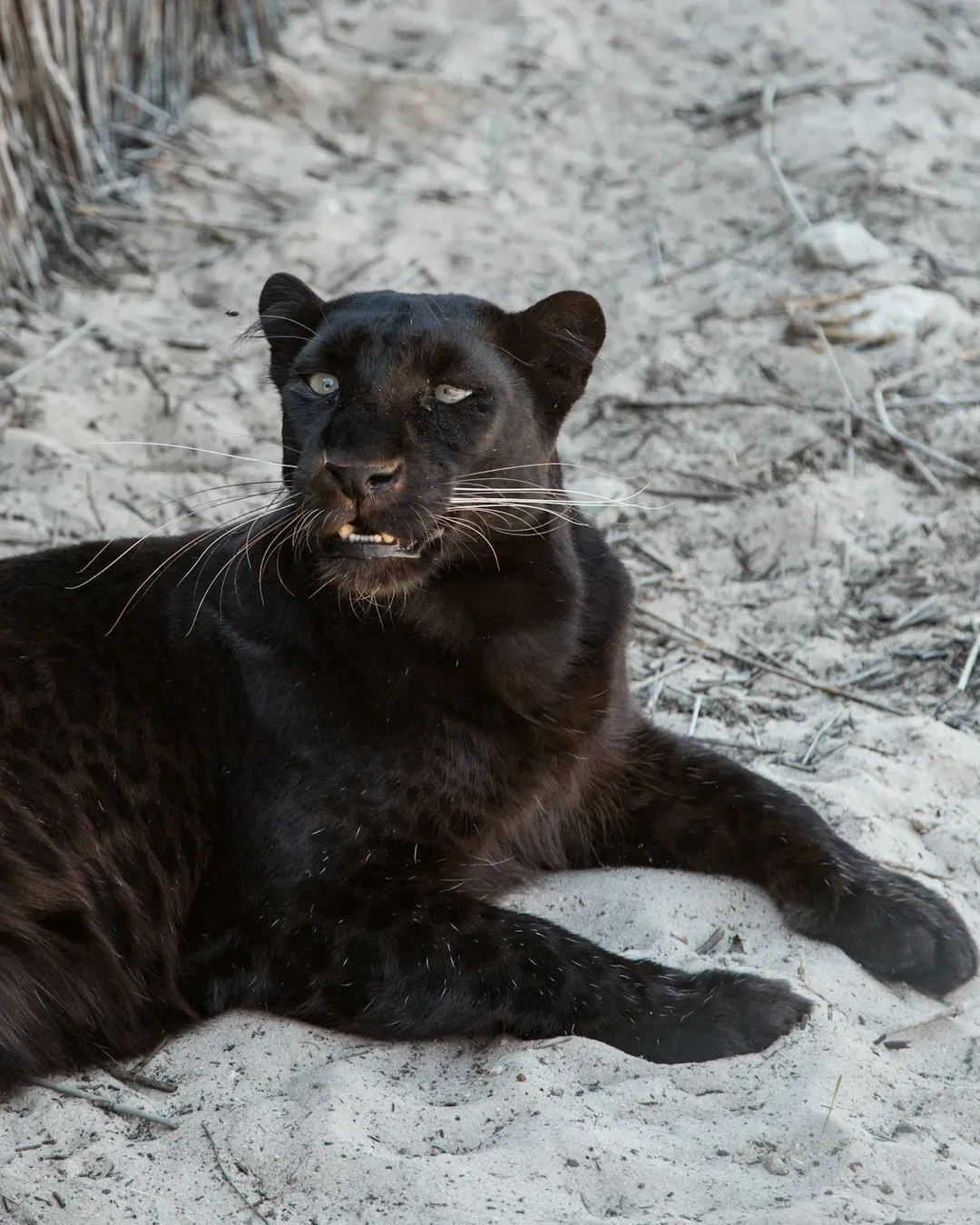
The most shocking truth is also the simplest: there is no single animal that scientists officially call the black panther. Instead, what we casually lump together under that name are mostly melanistic leopards in Asia and Africa and melanistic jaguars in the Americas, with a few smaller cats like the jaguarundi occasionally joining the cast. Melanism is caused by mutations in genes that regulate pigment, leading to an overproduction of dark melanin in the fur. In strong sunlight or under infrared cameras, you can often see the ghost of spots or rosettes lurking under that dark coat, like a hidden pattern under tinted glass. So when someone asks where black panthers live, the scientific answer is almost irritatingly unromantic: wherever leopards and jaguars already live.
That gap between myth and genetics matters because it confuses everything from conservation priorities to public expectations. People sometimes assume black panthers are vanishingly rare super-cats, rather than a recurring color variant that might be more common in some habitats than others. Melanism tends to turn up repeatedly across different cat species, which tells researchers that it’s an evolutionary strategy that can pay off, not a one-off accident. For leopards and jaguars, the black form is not a separate lineage but part of the same gene pool, which means saving “black panthers” is inseparable from saving their spotted relatives. The illusion persists partly because “melanistic leopard” just does not sound as exciting as “black panther,” and storytelling usually beats technical accuracy in the public imagination.
The Hidden Clues: How a Dark Coat Can Shape Survival
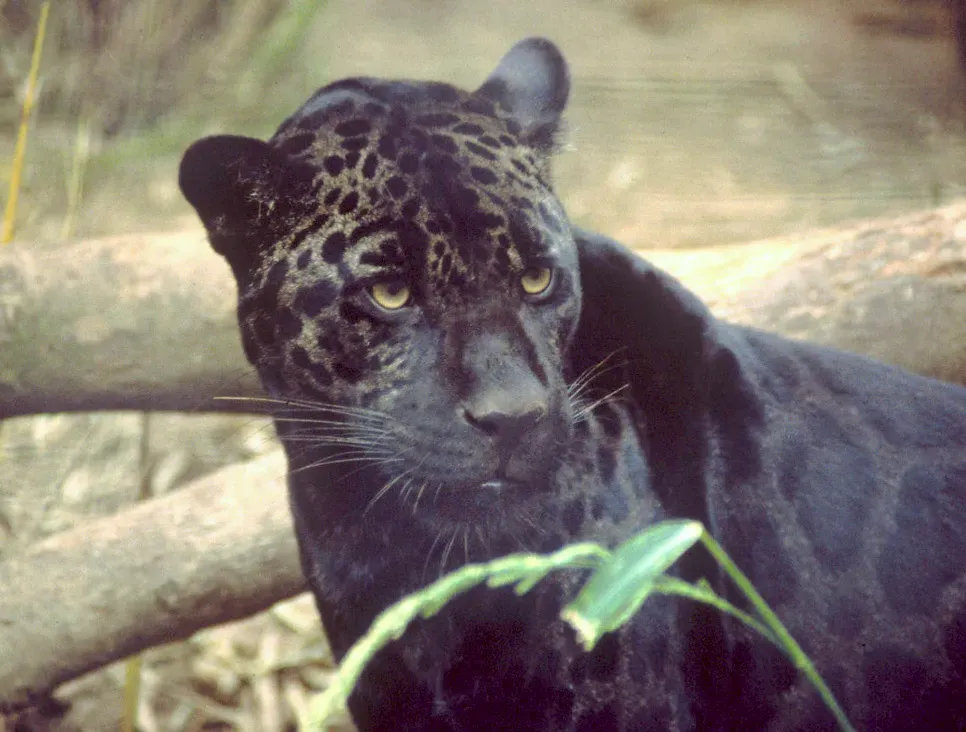
Once you get past the species myth, the real mystery begins: why does melanism show up so often in wild cats, and what does it actually do for them? Biologists used to lean on a simple explanation – that a black coat makes a better disguise in dense forests or at night – but nature rarely sticks to a single, tidy script. Recent fieldwork with camera traps and genetic sampling hints that melanistic leopards and jaguars might gain advantages that go beyond stealth, such as better thermal regulation or even changes in immune function linked to the same genes. In some rainforest pockets, researchers have found that dark-coated individuals can make up roughly about one third or more of local leopard populations, hinting that something is helping those genes stick around. The black coat, in other words, might be a visible flag for a cluster of less obvious biological tweaks.
There’s also a twist that feels almost unfair: the same trait that helps a predator disappear can make it painfully visible against the wrong backdrop. In open grasslands or bright, dry forests, a stark black cat can stand out much more than a dappled, sandy-colored one. That may explain why melanistic big cats are more often confirmed in humid, shadowy landscapes from India’s Western Ghats to Borneo’s forests and Brazil’s dense jungle. One fascinating possibility researchers are exploring is that melanism might help in human-dominated landscapes at night, where artificial light and deep shadow mingle in strange ways. The black coat becomes not just camouflage in nature, but an adaptation to a world where the night itself has been rewired by us.
From Mythic Beast to Genetic Puzzle
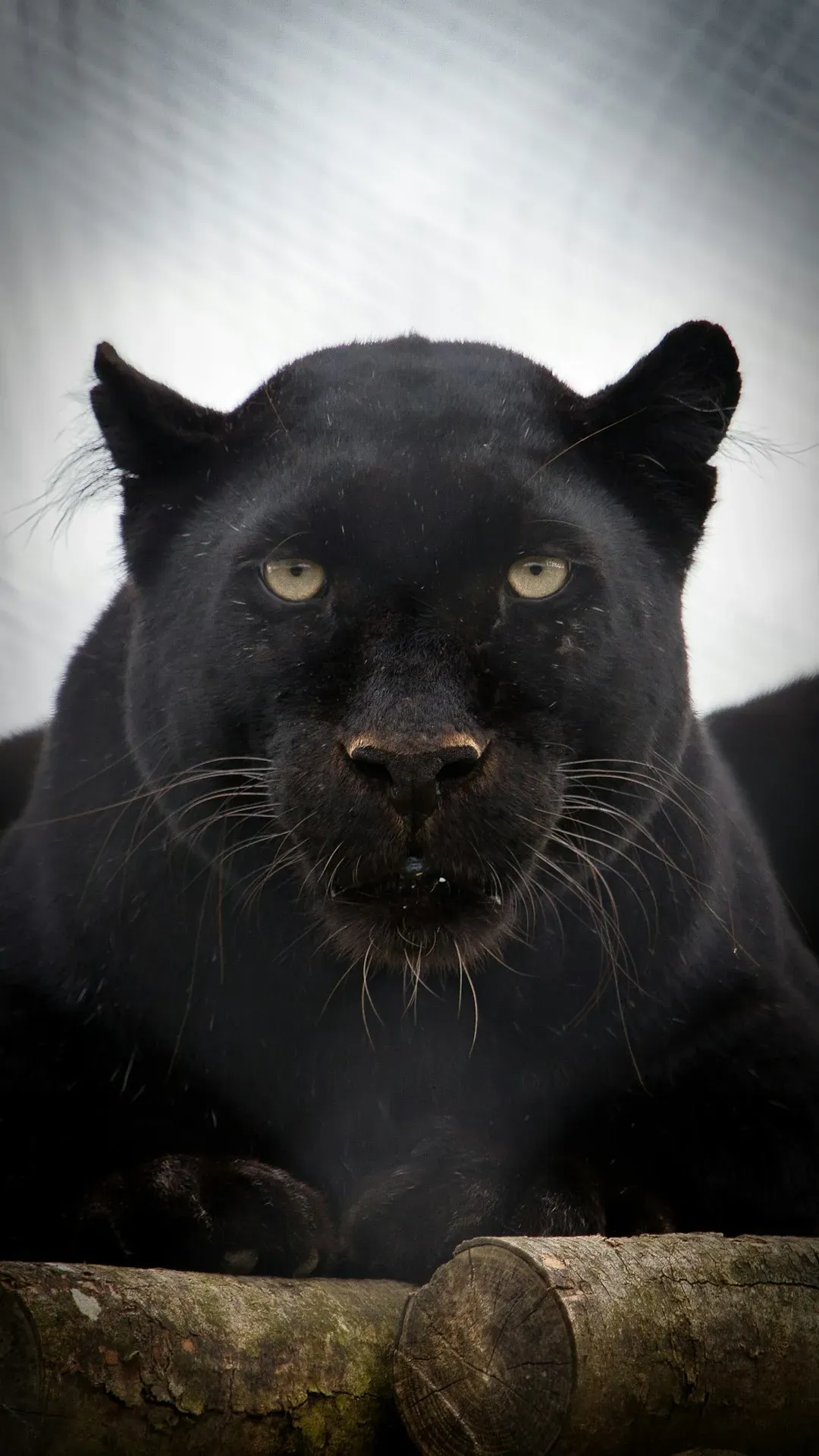
The black panther’s cultural rise happened long before we had a clear idea of what we were looking at biologically. Early European naturalists often treated melanistic leopards or jaguars as exotic curiosities or even separate species, in part because they were working from skins and secondhand stories rather than observing live animals. Folklore in parts of India and Southeast Asia painted these dark cats as bad omens or shapeshifters, able to vanish in a blink and reappear somewhere else. When cinema and comics later adopted the “black panther” archetype, it was as an almost supernatural symbol of power and mystery, not a genetic variant shaped by natural selection. That mythic aura clung to the animal even as science quietly pulled the mask off.
Geneticists have since shown that melanism in leopards and jaguars maps to different, very specific gene changes, a reminder that evolution can arrive at similar visual outcomes through slightly different biochemical routes. In leopards, mutations in a gene called ASIP are involved, while in jaguars the culprit lies in a different gene that still pushes fur toward the same dark endpoint. This is evolution’s version of two inventors independently coming up with the same gadget using different blueprints. For researchers, each melanistic cat is a clue in a larger story about how often nature reuses successful ideas. For the rest of us, it undercuts the tidy fantasy of a solitary, mythical “black panther” and replaces it with something messier but richer: a repeatable experiment etched into fur.
What If Black Panthers Took Over the Night?
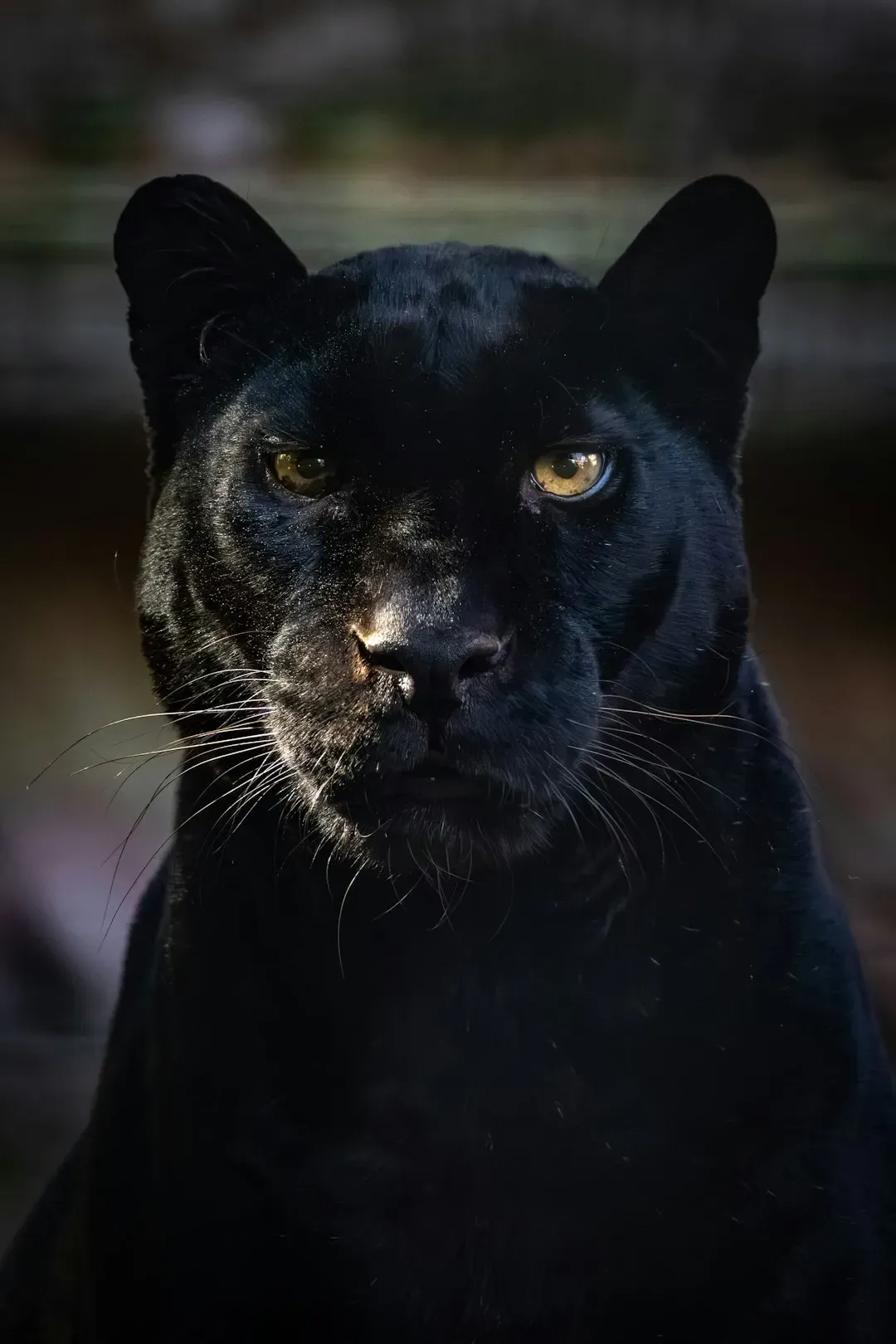
Here’s where things get delightfully speculative: what if melanistic big cats were not the exception, but the rule? Ecologists have toyed with this hypothetical using computer models, asking what would happen if the majority of leopards or jaguars in a given landscape were black rather than spotted. In dense tropical forests, the models suggest that hunting success for a mostly melanistic population could climb, especially during twilight and at night, where a darker coat blends better with low light and tangled vegetation. Prey species that rely heavily on sight, such as some deer and primates, could face a steep learning curve as their old pattern-detection tricks stop working. Over time, you might even see selection pressure on those prey animals to improve hearing or smell, shifting the entire sensory balance of the ecosystem.
The scenario looks different in open or mixed habitats, where too many black cats could actually be a disadvantage. In savanna-like landscapes, a mostly melanistic leopard population might suffer higher detection rates from both prey and rival predators, cutting into their success. That could force them into even more nocturnal lifestyles, ceding the daytime to spotted or lighter-coated competitors. It’s a reminder that evolution is not picking a universally “best” design, but playing a constant, local balancing act between visibility, environment, and behavior. Thinking through these what-if worlds helps scientists understand why melanism stays relatively common in some areas but never fully takes over.
In this kind of thought experiment, a few practical numbers matter:
- In several rainforest regions, scientists have estimated that melanistic leopards or jaguars already make up roughly about one quarter to one third of individuals captured on camera.
- In more open habitats, those dark individuals may drop to only a small fraction of the local population.
- Even small shifts – like doubling the proportion of melanistic cats – could alter hunting success rates enough to cascade through prey populations over decades.
Why It Matters: Seeing What We Have Been Missing
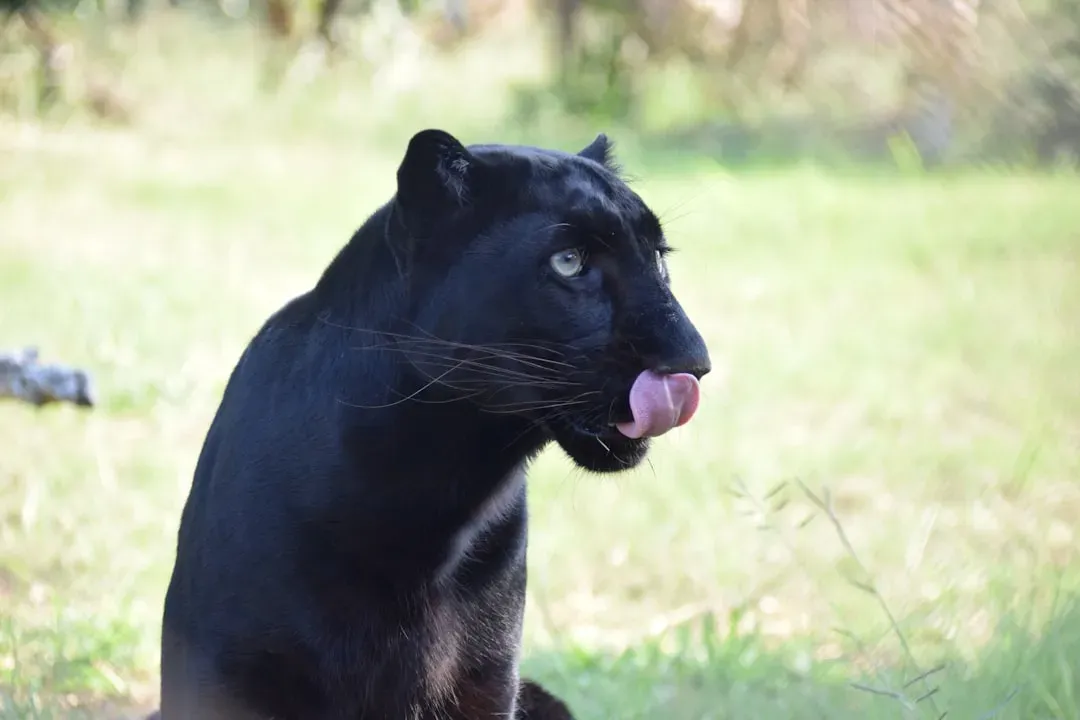
It might sound like a minor taxonomic footnote to say that black panthers are just melanistic leopards and jaguars, but the stakes are higher than that. Conservation programs, especially in regions with limited resources, often have to decide what exactly they are counting, protecting, and monitoring. When the public treats black panthers as separate and almost mystical creatures, it can distort attention away from the real threats faced by all leopards and jaguars: habitat loss, prey decline, and conflict with people. A campaign focused only on the rare black individuals risks ignoring the genetic and ecological context that allows melanism to appear at all. You cannot save the shadow without saving the body that casts it.
This misunderstanding also highlights how easily charismatic myths can outrun scientific nuance. The same public fascination that helps raise money for conservation can also fuel exaggerated claims of black panthers in places where they almost certainly do not exist, from suburban England to small-town America. That noise complicates efforts to track genuine populations and poaching hotspots. On the flip side, treating melanism as a routine, recurring feature rather than a one-off oddity can sharpen scientific questions about adaptation and climate resilience. The black panther, stripped of fantasy, becomes a case study in how subtle genetic variants might help species ride out a rapidly changing world – or fail to.
New Eyes in the Dark: Technology Redefines the Black Panther
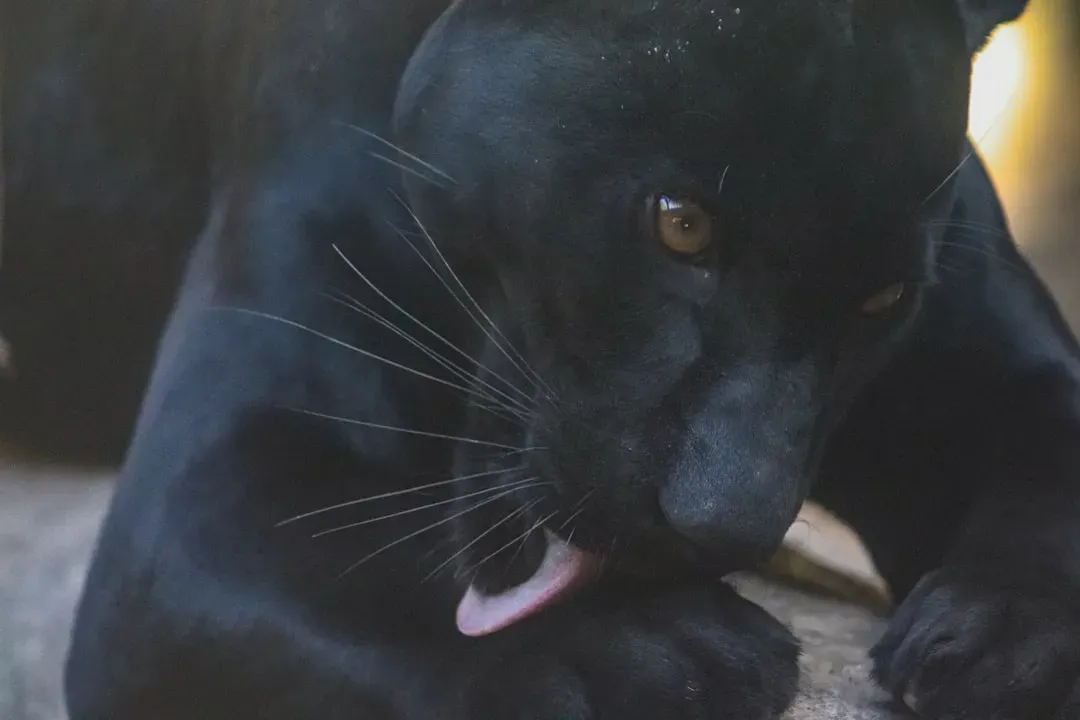
For most of human history, black panthers were glimpsed rarely, often at a distance or in a flash of movement that memory later smoothed into legend. That has changed dramatically over the past two decades, as camera traps, low-light sensors, and drone-based thermal imaging have flooded biologists with a new kind of evidence. These tools allow researchers to compare how often melanistic and non-melanistic cats appear in different habitats, and at what times of night they’re most active. Infrared and near-infrared photography can pull rosette patterns out of a seemingly pure black coat, helping scientists identify individuals and follow their movements over months or years. In some study sites, machine-learning algorithms now sift through hundreds of thousands of images to pick out the telltale outlines of dark cats, something a lone researcher could never do accurately at that scale.
Genomic tools have also changed the game, letting scientists map the exact genetic changes responsible for melanism and track how those variants flow between populations. When you combine that genetic layer with GPS collars and remote-sensing data on vegetation, you can start to see where and when dark coats might offer the biggest edge. Importantly, this kind of integrated approach can reveal whether melanistic individuals are thriving or struggling as forests are cleared or climate patterns shift. If the proportion of black cats in a region suddenly drops, for example, it might be an early warning sign that dense canopy cover is disappearing. In that sense, black panthers can act like living barometers of habitat quality, telling us something about the health of places we rarely visit ourselves.
Global Perspectives: One Shadow, Many Stories
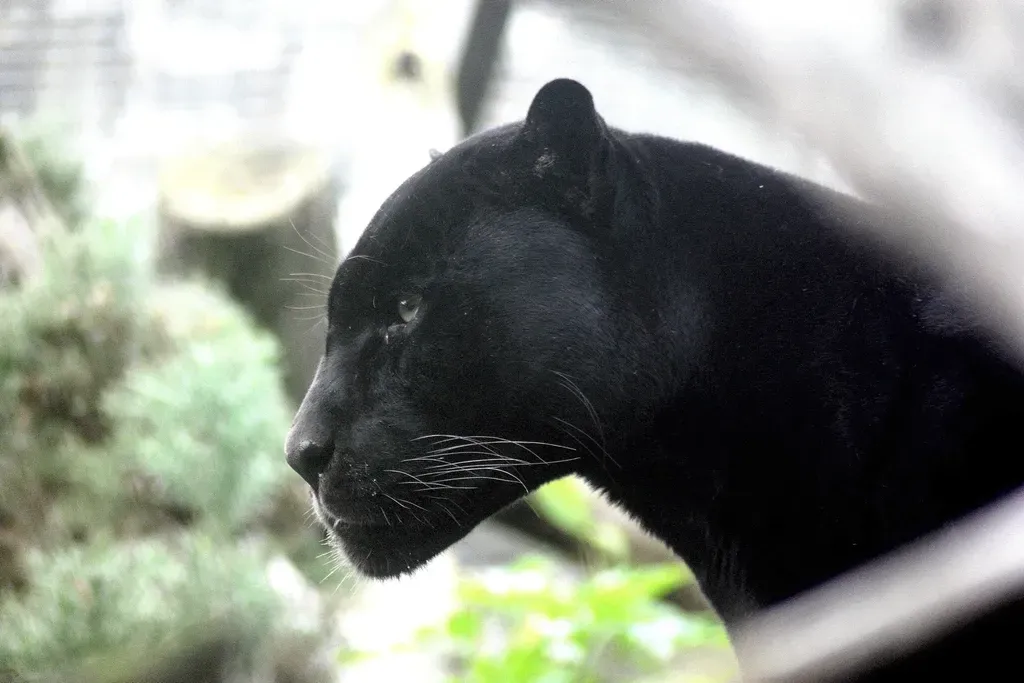
Although the genetics may rhyme, the cultural roles of black panthers differ wildly across the globe. In parts of India, stories cast them as elusive forest spirits, seen by only a handful of villagers over an entire lifetime. In Brazil’s Atlantic Forest and Amazon fringe, local communities sometimes treat melanistic jaguars as omens – bad or good depending on the story – but also as very real neighbors whose hunting grounds overlap with cattle pastures. Tourism has added another layer: the possibility of seeing a black panther has become a marketing hook for certain reserves, with visitors hoping for a glimpse of something they feel is almost unreal. That can bring in much-needed money but also inflate expectations, putting pressure on guides and wildlife to perform.
At the same time, these cats are tangled up in our modern media universe, from superhero franchises to luxury branding, which tends to freeze them in a kind of eternal, stylized pose. That version rarely acknowledges the messy details: that melanistic leopards sometimes raid goat pens, or that melanistic jaguars may be driven into smaller forest fragments by expanding soy fields and roads. Scientists and conservationists have to work within this global storytelling atmosphere, trying to harness its energy without getting swallowed by its exaggerations. Some are experimenting with more grounded narratives that still lean into mystery, emphasizing the real ecological role of these animals rather than the comic-book version. The challenge is to convince people that the truth – that black panthers are both ordinary and extraordinary at the same time – is actually more compelling than the myth.
The Future Landscape: Tech, Climate, and the Fate of the Shadow Cat
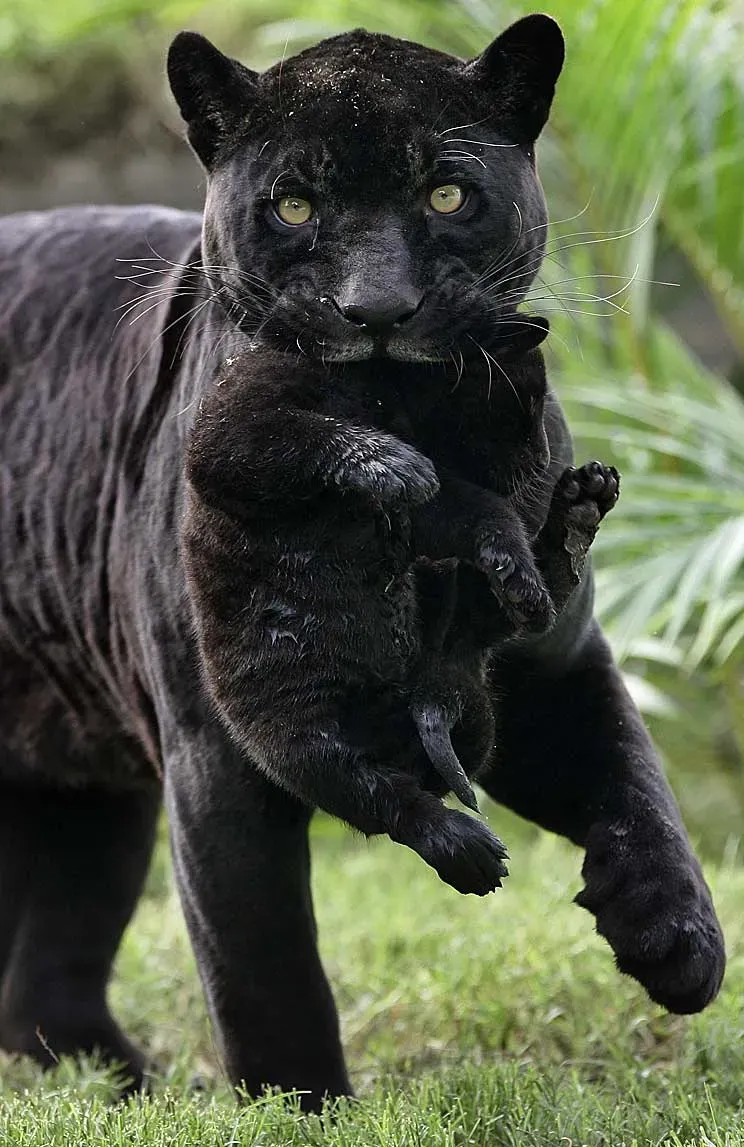
Looking ahead, the future of melanistic big cats will likely be decided less by their genetics and more by what we do to their habitats. Climate models predict shifting rainfall and temperature patterns across many leopard and jaguar ranges, which could transform dense forests into more open mosaics or push tree lines upslope. If melanism confers its biggest advantages in deep shade and complex understory, then widespread forest loss could steadily erode the conditions that favor black coats. On the other hand, as human activity reshapes nighttime environments with artificial lighting and noise, there may be new ecological niches where darker animals find subtle advantages. These are not easy effects to predict, but they are testable, and researchers are beginning to fold melanism into their long-term monitoring plans.
Technologically, the toolkit for tracking these animals will only grow. More affordable satellite tags, lighter collars, and networks of citizen-operated camera traps could fill in gaps across huge swaths of leopard and jaguar territory. Machine learning is already helping to auto-identify species and even individuals in photos and videos; future systems might track how the ratio of melanistic to non-melanistic cats changes in near real-time. That level of detail could inform smarter, more flexible protections, such as adjusting corridor designs to maintain the shady, complex habitats where black coats offer the most benefit. But all of that depends on political will, funding, and the slow, unglamorous work of enforcing existing protections on the ground. The black panther’s fate, in other words, is tightly braided with our broader choices about land use and climate policy.
How You Can Help: From Myth to Meaningful Action
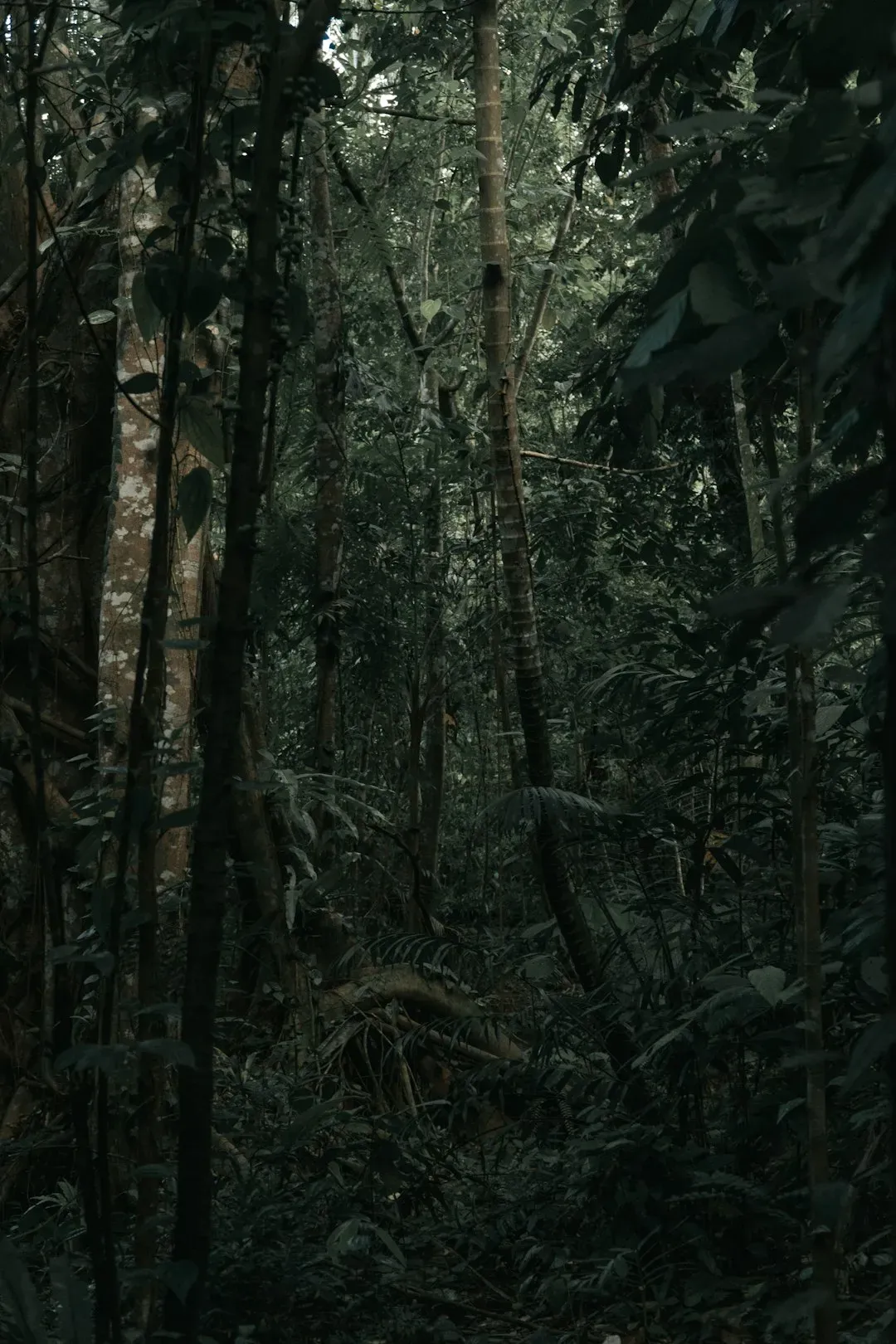
For most of us, the black panther will always be partly a creature of imagination, a shadow that lives in movie scenes and illustrated book pages. But there are simple, concrete ways to turn that fascination into something that actually helps the real animals behind the myth. Supporting organizations that protect leopard and jaguar habitats – especially those that work closely with local communities – can make a bigger difference than any single social media post about a viral black panther video. Learning to see past the misleading idea of a separate “black panther species” is another small but real step, because it shifts attention toward ecosystems and whole populations. When friends share dubious sightings of black panthers in places where big cats do not live, you can gently steer the conversation toward how rare and fragile the real ones are in their native forests.
Even at home, choices add up: reducing demand for products that drive deforestation, such as unsustainably produced beef, soy, or palm oil, helps safeguard the habitats these cats depend on. Paying attention to how media portrays apex predators – and favoring outlets that treat them as complex animals rather than monsters or mascots – can also shift the cultural baseline. For me, the turning point was realizing that the first time I was truly moved by a black panther was not in a cinema, but staring at a grainy camera-trap photo where a faint rosette pattern shone through the darkness like a secret. That image felt more powerful than any poster: proof that reality, with all its nuance, can still surprise us. The next time you see a sleek black cat on a screen, will you picture just the legend, or also the tangled forest and fragile genetics that make it real?
Suhail Ahmed is a passionate digital professional and nature enthusiast with over 8 years of experience in content strategy, SEO, web development, and digital operations. Alongside his freelance journey, Suhail actively contributes to nature and wildlife platforms like Discover Wildlife, where he channels his curiosity for the planet into engaging, educational storytelling.
With a strong background in managing digital ecosystems — from ecommerce stores and WordPress websites to social media and automation — Suhail merges technical precision with creative insight. His content reflects a rare balance: SEO-friendly yet deeply human, data-informed yet emotionally resonant.
Driven by a love for discovery and storytelling, Suhail believes in using digital platforms to amplify causes that matter — especially those protecting Earth’s biodiversity and inspiring sustainable living. Whether he’s managing online projects or crafting wildlife content, his goal remains the same: to inform, inspire, and leave a positive digital footprint.