Picture a moonlit night in the wild forests of Tasmania. Suddenly, the silence is shattered by a blood-curdling scream—half cackle, half snarl, echoing through the trees. It sounds like a creature from a forgotten nightmare or a mischievous gremlin let loose. Yet, what’s making this chaos is very real: the Tasmanian devil. This small marsupial, with its powerful bite and notorious shriek, is one of nature’s most fascinating oddballs. But why do these animals sound so terrifying, and why do they eat with such reckless abandon? Let’s unravel the mystery of these wild, noisy, and voracious creatures.
The Origins of the Devil’s Name
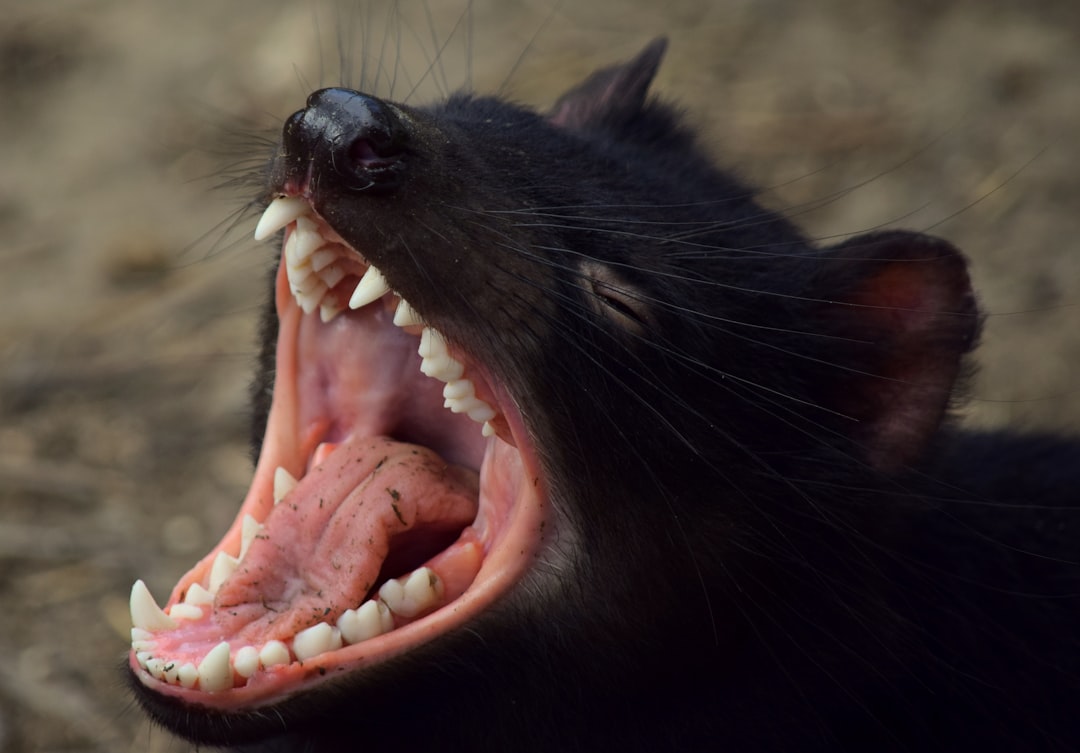
The very name “Tasmanian devil” conjures images of something wicked and untamed, and that’s no accident. Early European settlers were startled by the animal’s vocal outbursts—deep growls, rattling screeches, and piercing screams echoing at night. These sounds were so unsettling that people believed only a devil could make them. The name stuck, and now the world associates this marsupial with a touch of the diabolical. Their black fur, red ears, and ferocious feeding frenzies only added to their fearsome reputation. It’s a classic case of an animal’s behavior shaping how we see and name them.
Soundtrack of the Wild: Why They Scream
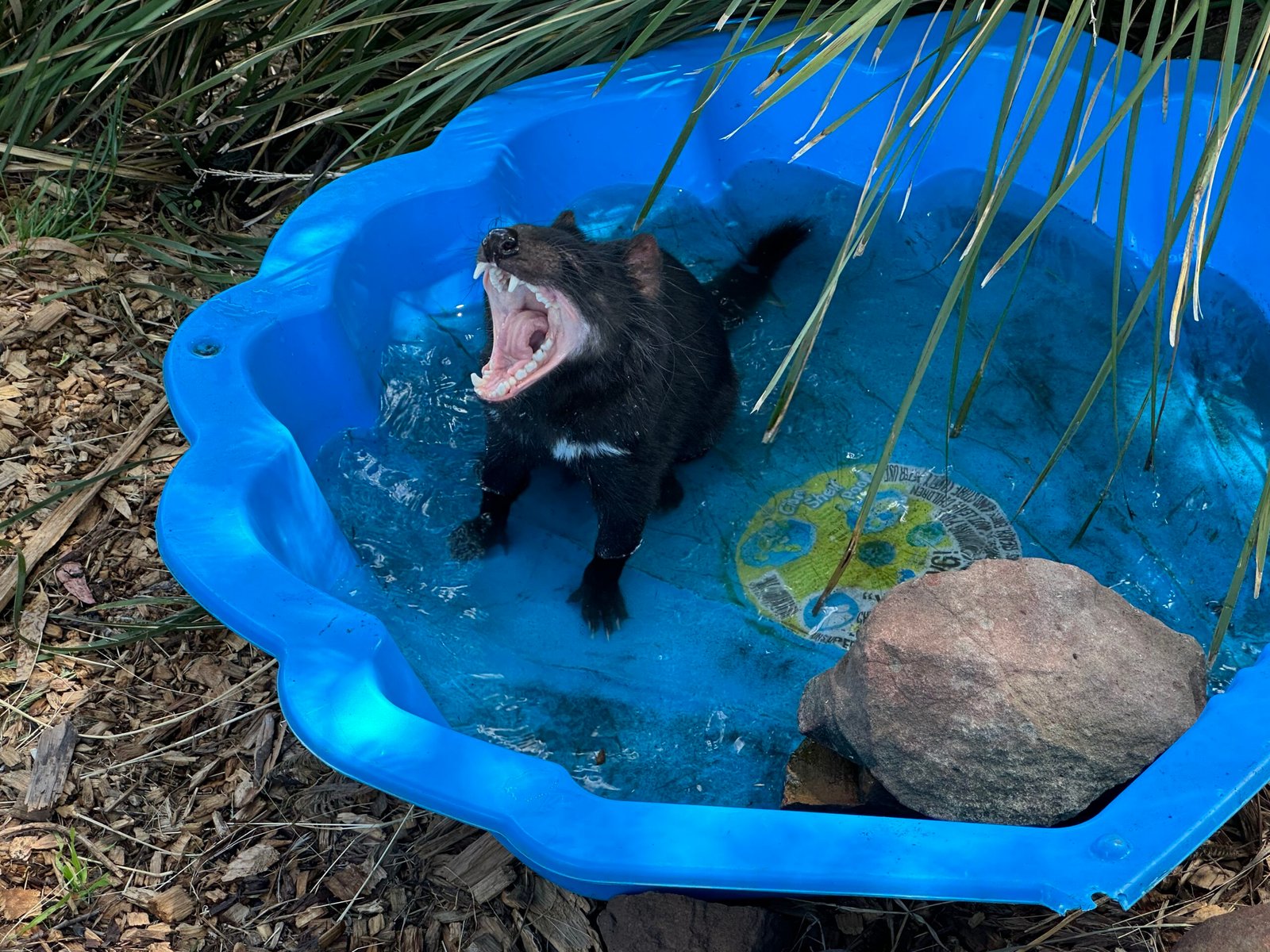
The Tasmanian devil’s vocalizations are more than just eerie background noise; they’re a survival tool. Devils are highly territorial, and their shrieks serve as warnings to rivals. These sounds can range from grunts and coughs to those infamous, gremlin-like screams. Imagine a haunted house with a chorus of banshees—that’s a devil’s dinner party. Scientists believe these vocal displays help avoid physical fights, letting devils settle disputes with sound rather than blood. In a world where wounds can mean death, this is a clever adaptation. Their vocal range is not just for show; it’s a language, a warning, and sometimes, a performance for dominance.
The Gremlin Comparison: Mischief in the Night
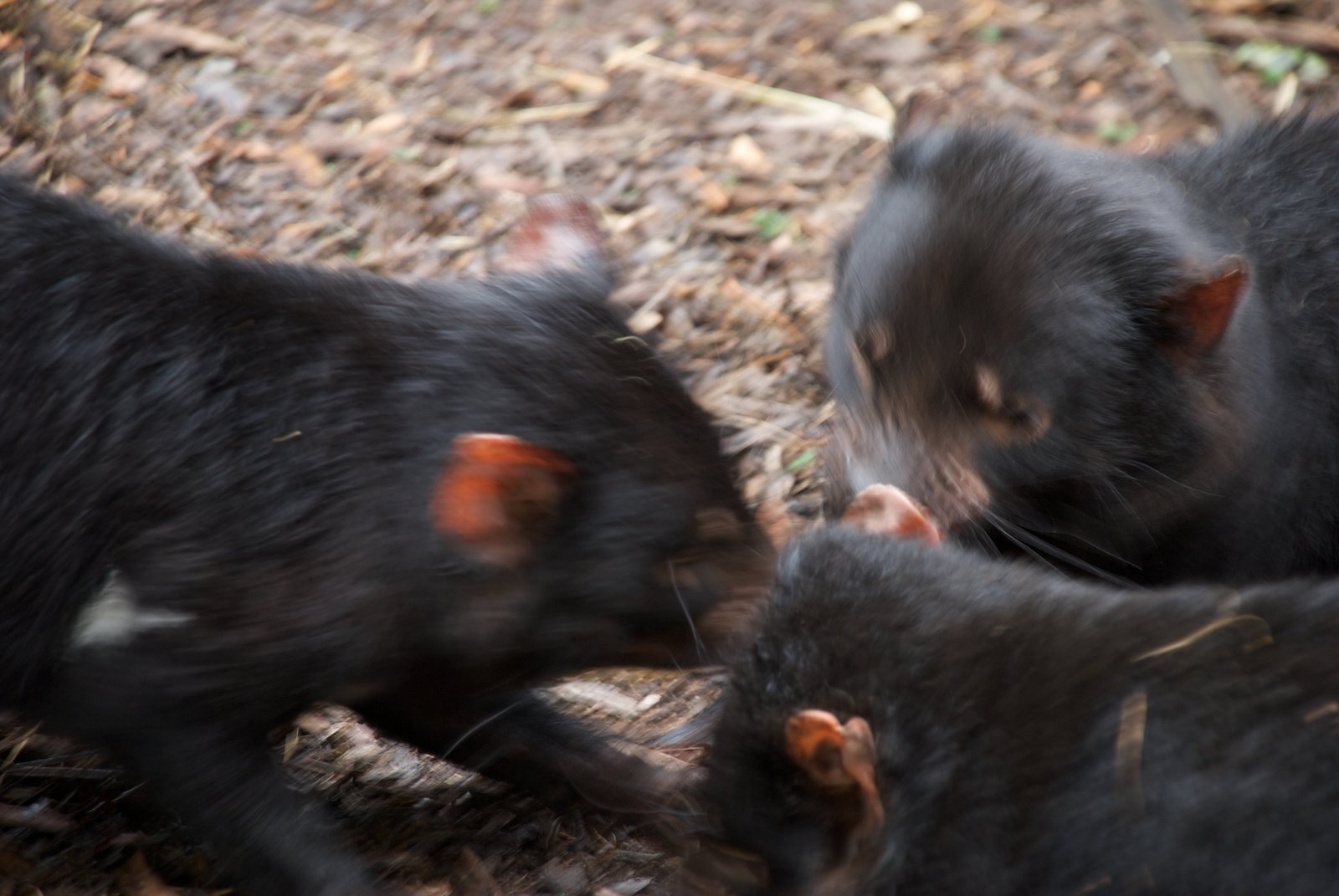
If you’ve ever seen a Tasmanian devil in action, it’s hard not to think of the mischievous gremlins from movies. Devils dart, snarl, leap, and tumble in a chaotic ballet when food is on the line. Their wide mouths, beady eyes, and twitchy movements give them an almost otherworldly look. When a group of devils gathers, the scene is pure pandemonium—a noisy, comical, and slightly scary spectacle. This gremlin-like behavior isn’t just for fun. It’s a way to secure a meal, intimidate rivals, and keep everyone else on their toes. The comparison isn’t just about the noise; it’s about attitude, energy, and a wild spirit that refuses to be tamed.
Supercharged Appetites: Why They Eat Everything
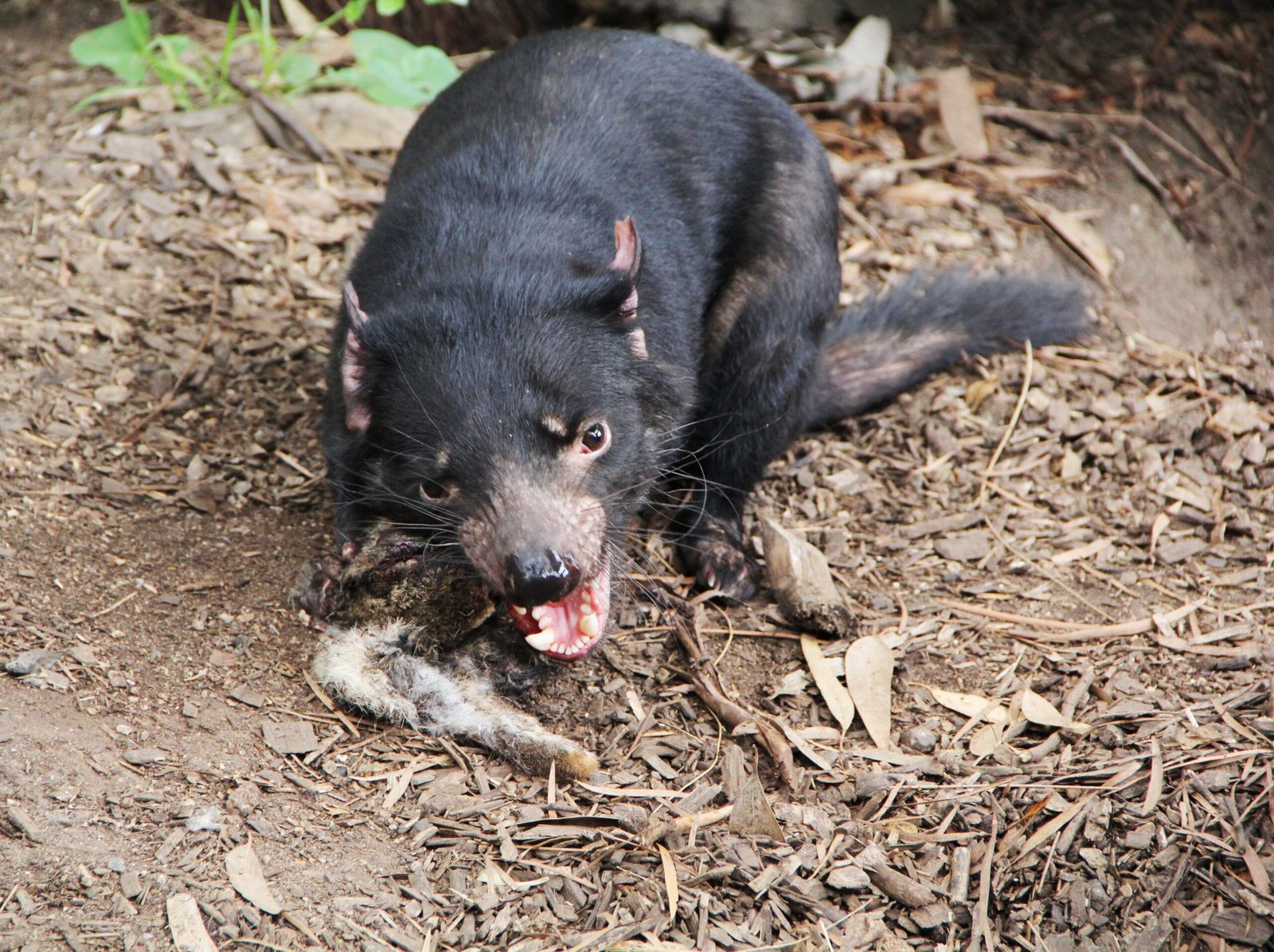
Tasmanian devils are nature’s ultimate cleanup crew. They’ll consume almost anything they can find, from roadkill to insects, birds, reptiles, and even bones. Their digestive systems are built for efficiency, breaking down tough material that most animals leave behind. This “eat everything” strategy is a survival necessity. In the unpredictable wilds of Tasmania, food is never guaranteed. Devils can’t afford to be picky, so they devour every scrap. This makes them vital to their ecosystem, as they help recycle nutrients and keep environments clean. Being able to eat anything, anytime, is not just a quirk—it’s a ticket to survival.
The Power of a Devil’s Bite
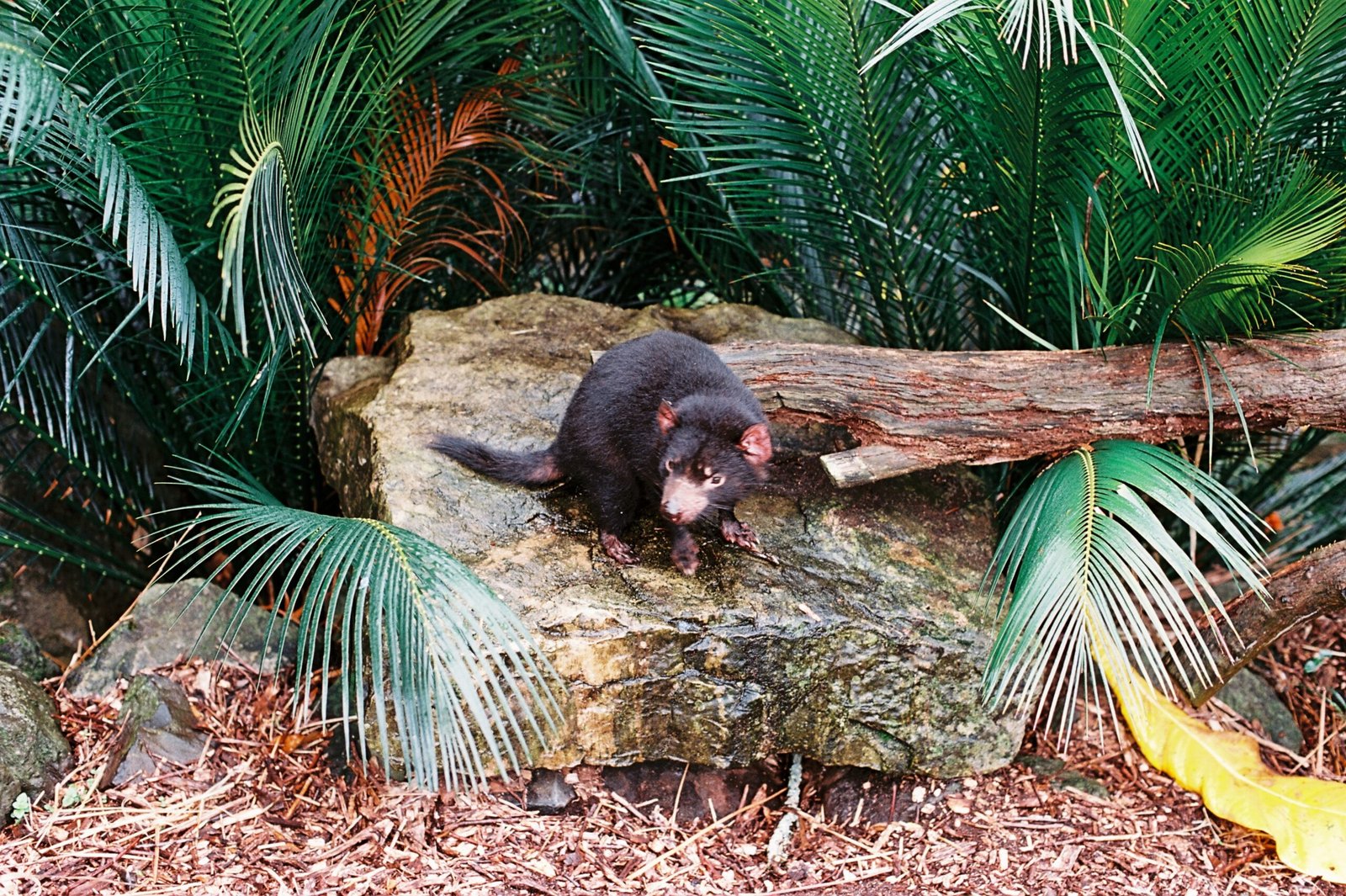
One of the most shocking facts about Tasmanian devils is the power of their jaws. Pound for pound, they have one of the strongest bites of any mammal. Their jaw muscles are massive, allowing them to crush bones and feast on parts of carcasses that others can’t touch. This means devils can access nutritious marrow and minerals hidden deep inside bones. It’s like having a natural nutcracker for survival. This incredible bite force is a key reason they can eat so much and leave almost nothing behind. Their bite isn’t just scary—it’s a superpower in the wild.
Social Feedings: More Than a Free-For-All
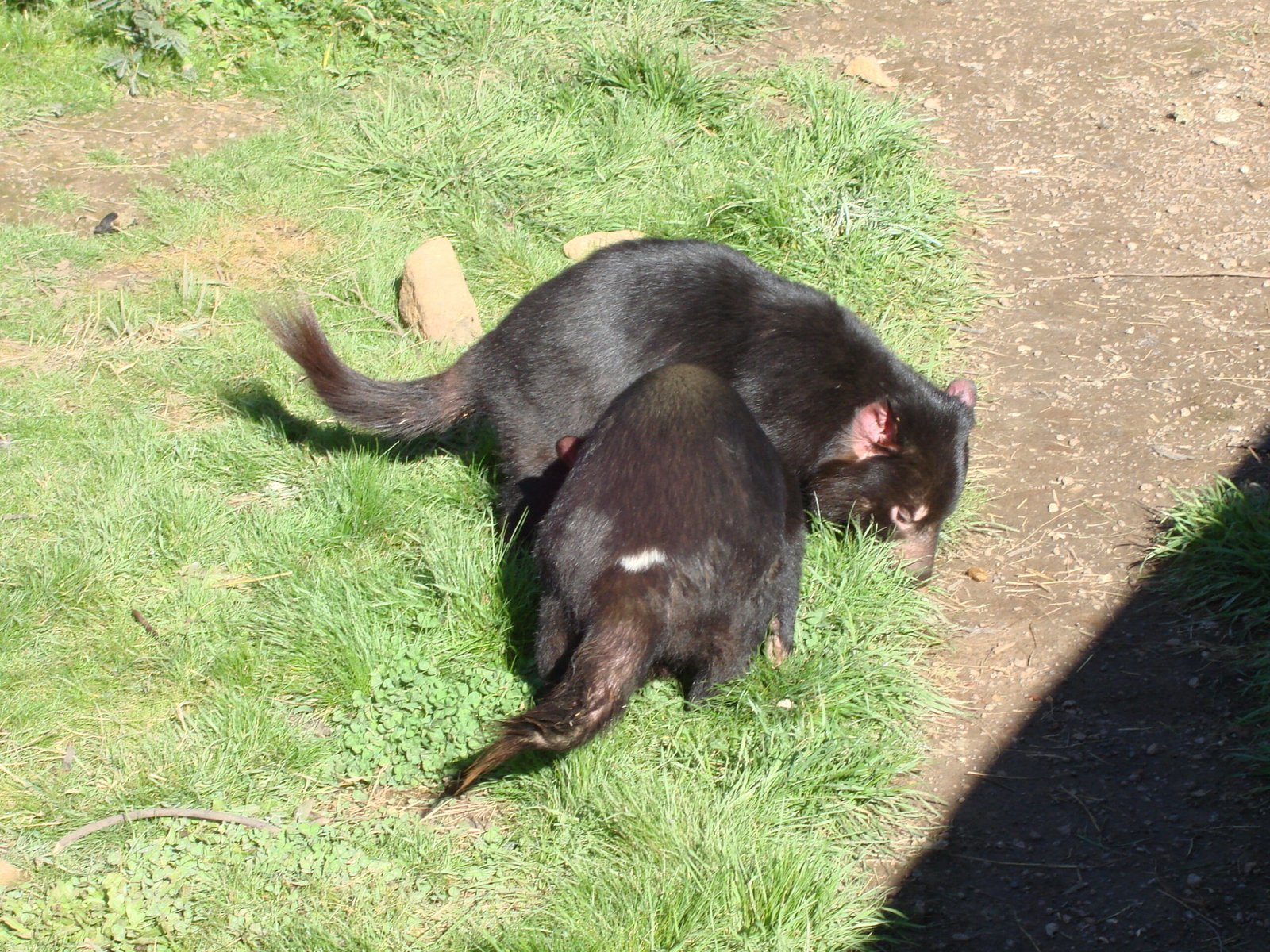
At first glance, a group of Tasmanian devils feeding looks like total chaos. They push, shove, and shriek, all fighting for the best pieces. But there’s a hidden order to the madness. Larger, older devils usually get first pick, while the young and weak have to wait their turn. The loud vocalizations and wild displays help establish this pecking order without constant fighting. It’s a rough form of etiquette—loud, messy, but surprisingly effective. Watching a devil feast is to witness a wild dinner party where everyone knows the rules, even if it looks like pandemonium.
Nighttime Hunters and Scavengers

Tasmanian devils are nocturnal, preferring to hunt and scavenge under the cover of darkness. This lifestyle helps them avoid larger predators and human activity. Their keen senses of smell and hearing make them expert trackers, capable of finding food hidden in thick underbrush or buried underground. Devils will travel miles in a single night in search of a meal. Their nighttime habits add to their mysterious reputation, as many people only hear their screams without ever seeing the animal. The darkness is their ally, giving them an edge in the wild.
The Role of Devils in the Ecosystem

Without Tasmanian devils, the forests of Tasmania would look very different. By consuming dead animals, devils help prevent the spread of disease and keep the landscape clean. They’re like nature’s recycling team, turning decay into new life. Their presence helps control populations of other scavengers, like feral cats and foxes, which can wreak havoc on native wildlife. Devils are more than just scary faces and loud voices—they’re essential to the health of their home. Their decline would mean a cascade of problems for the entire ecosystem.
The Tragic Threat of Devil Facial Tumor Disease

In recent decades, Tasmanian devils have faced a terrifying enemy: a contagious cancer called Devil Facial Tumor Disease (DFTD). This disease spreads through biting, a common behavior during feeding and mating. Tumors grow rapidly, making it hard for devils to eat or breathe, and often leading to death within months. The population has dropped by over 80% in some areas. Scientists are racing to find solutions, from breeding disease-free devils to developing vaccines. The fight to save the devil is urgent, and their eerie screams have become a rallying cry for conservationists worldwide.
Unique Adaptations for Survival
Tasmanian devils aren’t just loud and hungry—they’re survivors built for tough conditions. Their thick fur protects them from cold Tasmanian nights. Sharp sense of smell lets them detect food from great distances. Devils can go days without eating, then gorge themselves when food is found, storing fat in their tails for lean times. These adaptations allow them to thrive in a landscape that’s often harsh and unforgiving. Every wild call and frenzied feast is a testament to their resilience.
Fascination and Fear: The Devil’s Place in Culture
Tasmanian devils have captured human imagination for centuries. Aboriginal legends describe them as both tricksters and guardians. In modern times, they’ve become symbols of wild Tasmania—mysterious, noisy, and untamed. Cartoons like Looney Tunes’ Taz play up their wild side, but the real animal is even more fascinating. People journey from around the world hoping to glimpse a devil in the wild, drawn by a mix of fear, curiosity, and admiration. Their screams echo in stories and memories, a reminder that the wild still holds surprises.
The Future of the Tasmanian Devil

Saving the Tasmanian devil is about more than preserving a single species. It’s about protecting an entire ecosystem, a piece of wild history, and a symbol of nature’s raw energy. Conservationists are working tirelessly to breed healthy devils, research cures, and restore wild populations. Every devil that yells in the night is a testament to survival against the odds. Their fate is a powerful reminder of how fragile and extraordinary our natural world can be. Would you have imagined such a small creature could have such a mighty impact?