
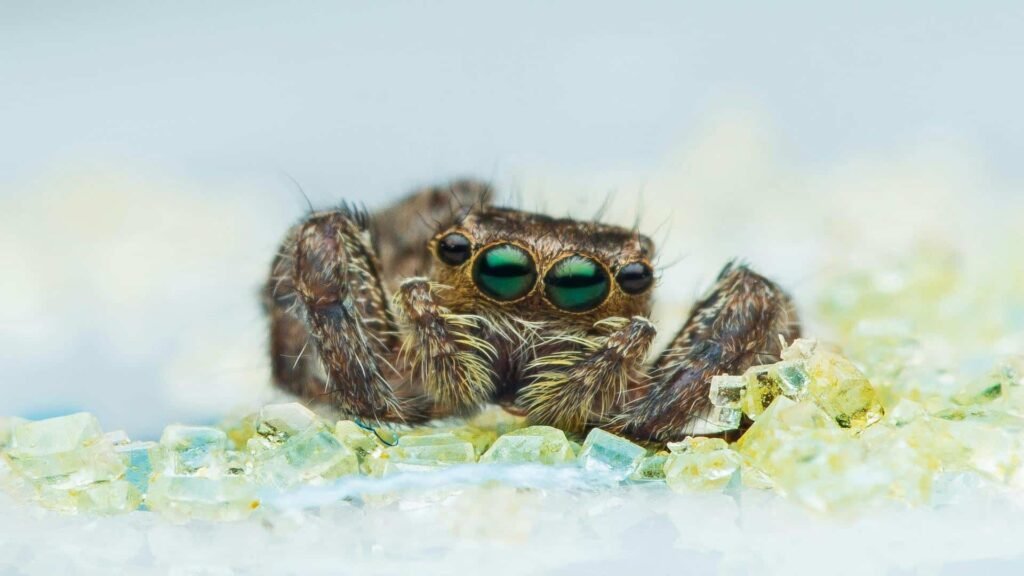

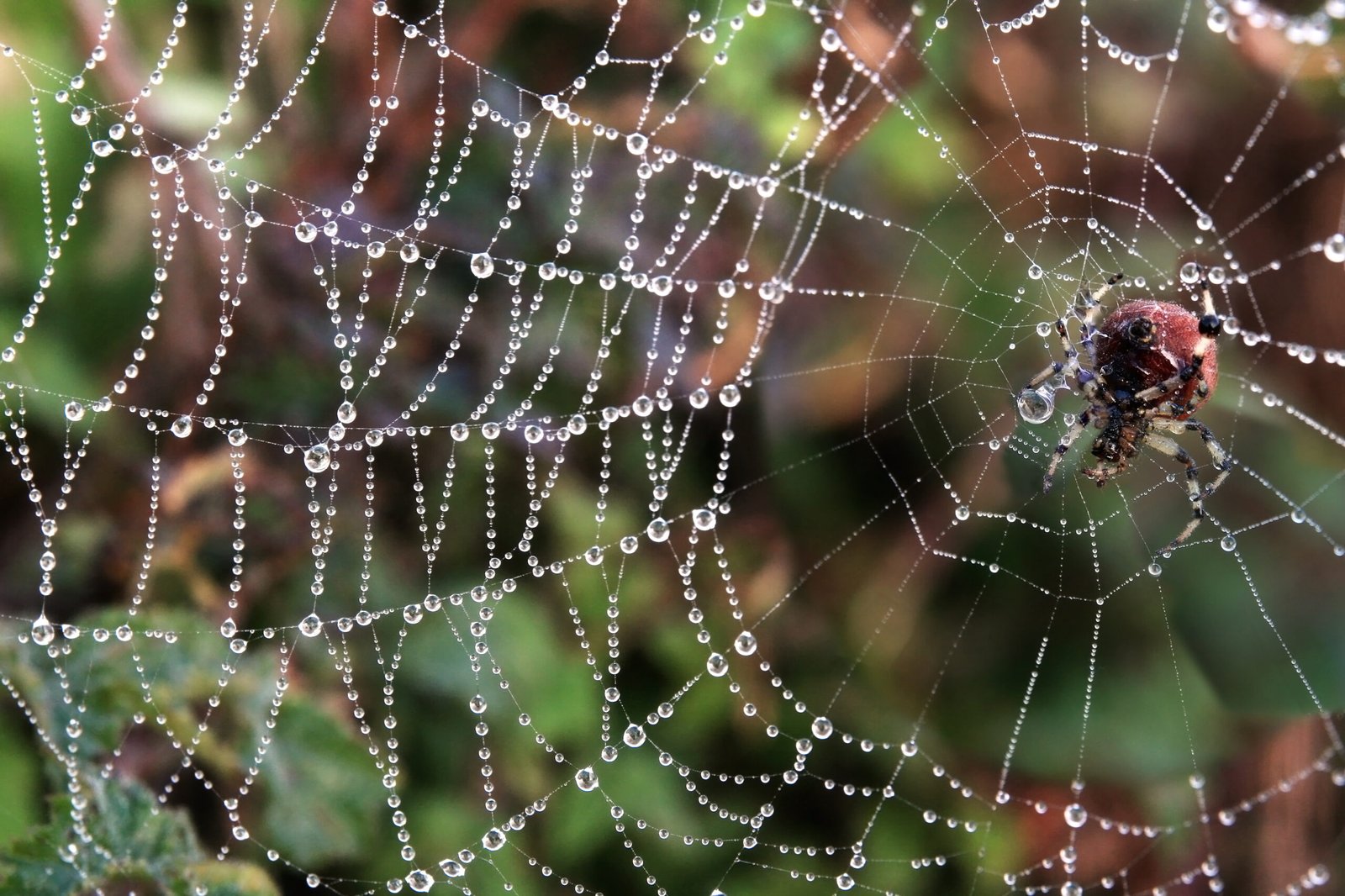
Picture a delicate web spun by a spider, glistening with morning dew. Now, imagine a tiny frog nestled within this intricate structure, seemingly out of place yet perfectly at home. This curious partnership between spiders and frogs may sound like a scene from a fairy tale, but in certain parts of the world, it’s a fascinating reality. These unlikely companions have formed a mutually beneficial relationship that is as intricate as the webs themselves. But why would a spider, an accomplished predator, choose to keep a tiny frog as a so-called “pet”? Let’s dive into this intriguing phenomenon and uncover the secrets behind this extraordinary alliance.
The Unlikely Partnership
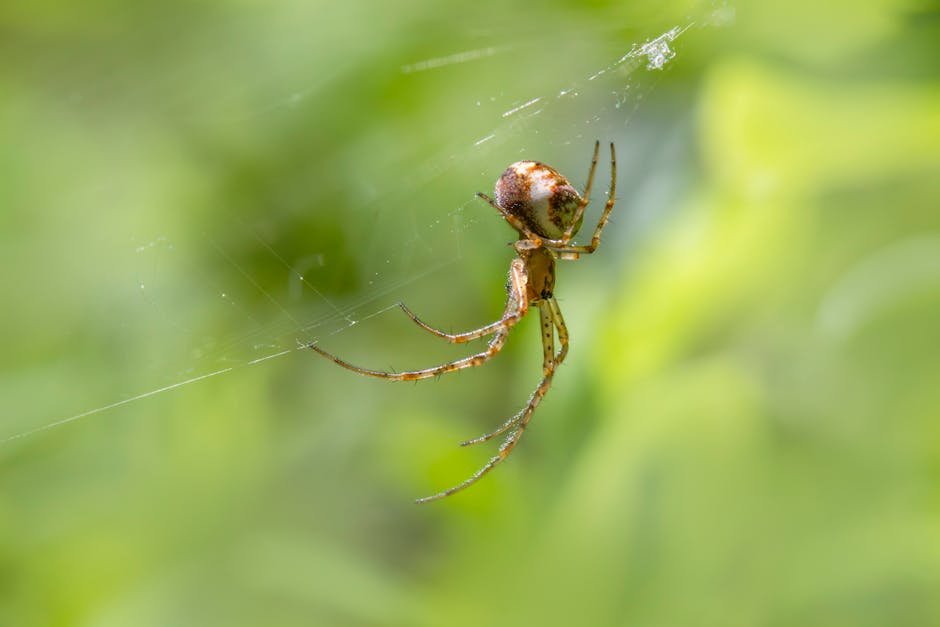
In the world of nature, partnerships can be found in the most unexpected places. One such partnership involves spiders and tiny frogs. While it might seem improbable for a spider to coexist with a frog, this unlikely duo has formed a symbiotic relationship that benefits both parties. Spiders, known for their web-spinning prowess and predatory skills, have discovered the advantages of keeping these miniature amphibians close by. The spider provides the frog with shelter and protection, while the frog offers its own unique form of assistance.
Nature’s Pest Control
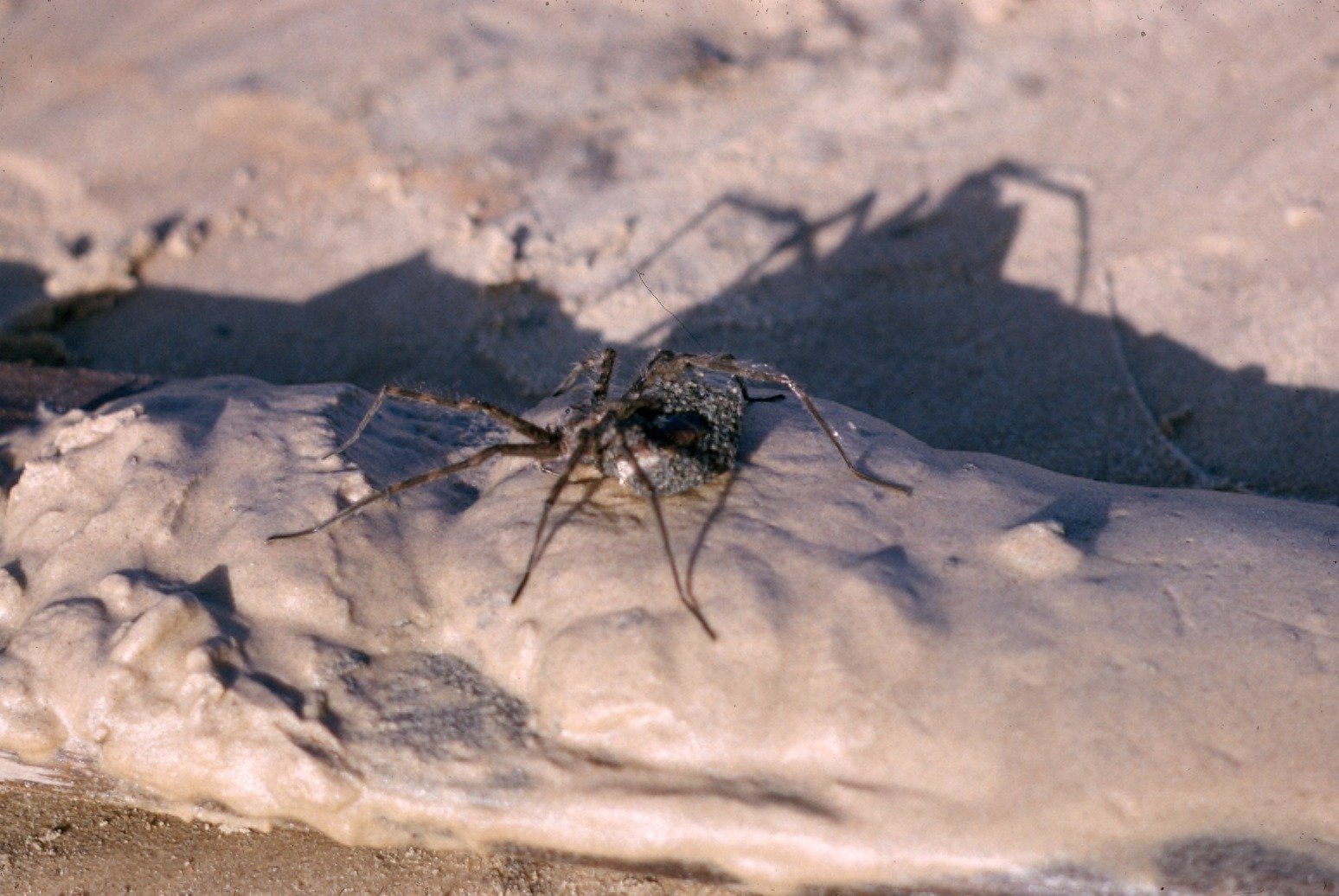
Tiny frogs play a crucial role in the spider’s habitat by acting as natural pest controllers. The frogs feed on small insects and parasites that might otherwise threaten the spider’s eggs. By keeping these pests in check, the frog helps to ensure the spider’s offspring have a greater chance of survival. This mutually beneficial arrangement allows the spider to focus on hunting larger prey, while the frog enjoys a safe haven within the web. It’s a win-win situation that highlights the resourcefulness of both species.
A Shelter from Predators
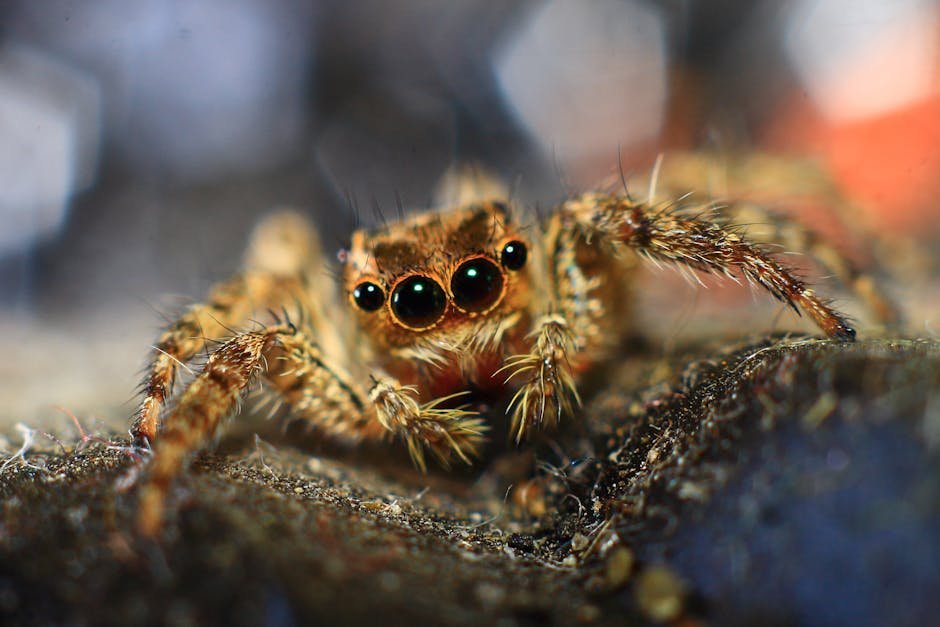
For the tiny frog, the spider’s web offers more than just a meal ticket. It provides a safe refuge from larger predators that might see the frog as an easy snack. The spider’s presence acts as a deterrent, warding off potential threats and allowing the frog to live in relative peace. In this way, the spider’s web serves as both a home and a fortress, offering protection to its unexpected guest.
The Science Behind the Bond
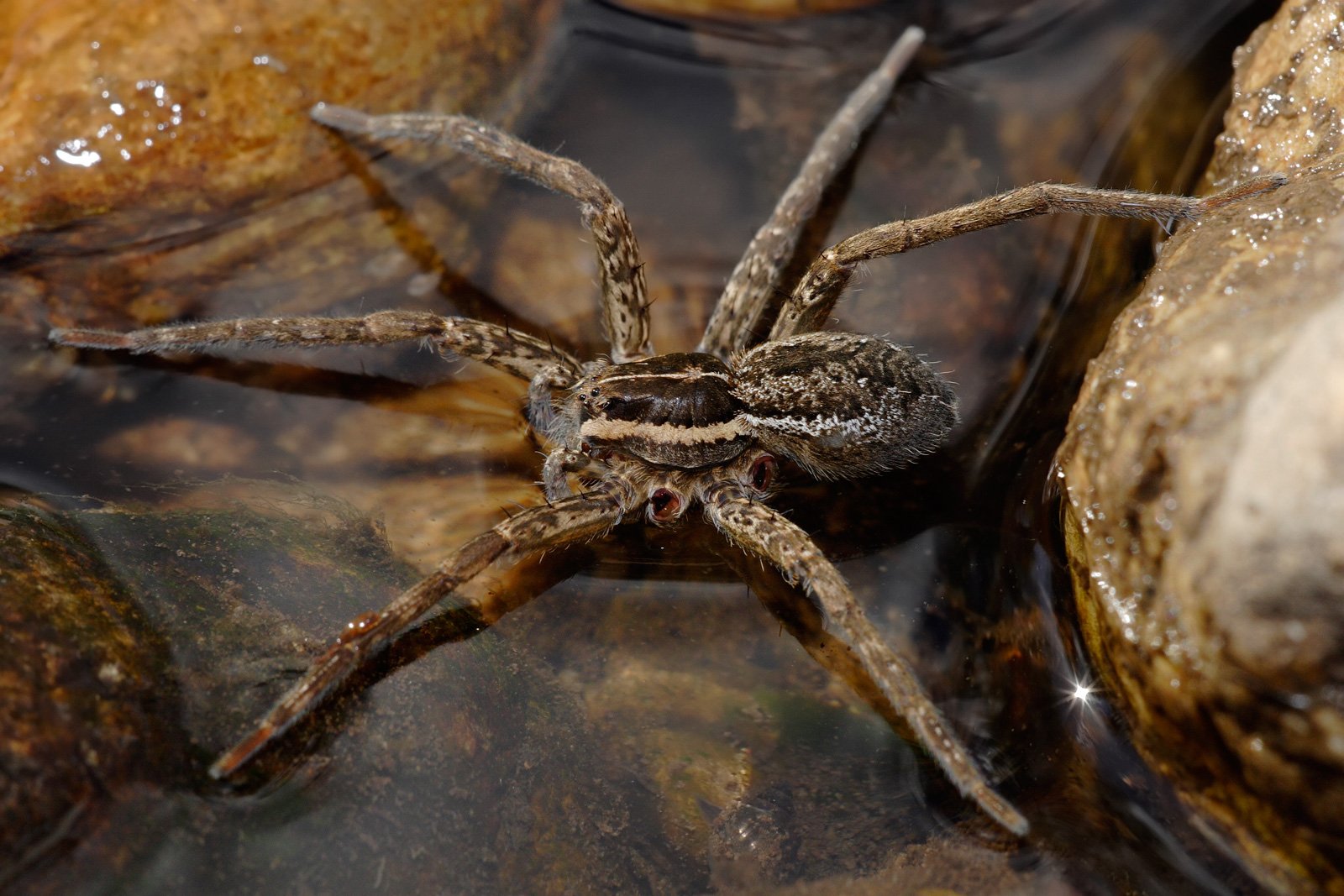
Scientists have been captivated by this peculiar relationship and have sought to understand the underlying mechanisms that make it work. Studies have shown that the spiders and frogs communicate through chemical signals, allowing them to recognize each other as allies rather than adversaries. These signals help to establish a sense of trust, ensuring that both parties benefit from the partnership without fear of betrayal. The intricacy of this communication highlights the complexity of nature’s design.
Geographical Hotspots

The spider-frog alliance is not a universal phenomenon but occurs in specific regions where both species coexist. This partnership is most commonly observed in parts of South America, such as the Amazon rainforest, where a diverse array of life forms thrive. The unique environmental conditions of these areas provide the perfect backdrop for such a relationship to flourish. Researchers continue to study these hotspots to gain a deeper understanding of the ecological factors that contribute to this remarkable bond.
Evolutionary Insights
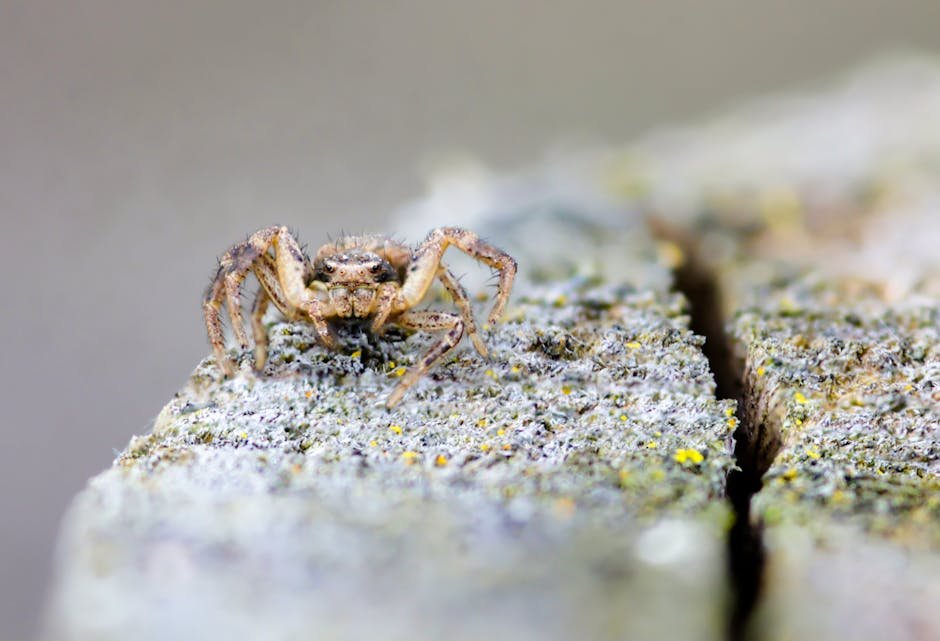
The relationship between spiders and frogs offers valuable insights into the process of evolution. It demonstrates how different species can adapt and evolve to form cooperative alliances that enhance their chances of survival. Over time, these partnerships may lead to the development of new traits and behaviors that further strengthen the bond. By studying these interactions, scientists can gain a greater appreciation for the complexity and adaptability of life on Earth.
Lessons from Nature
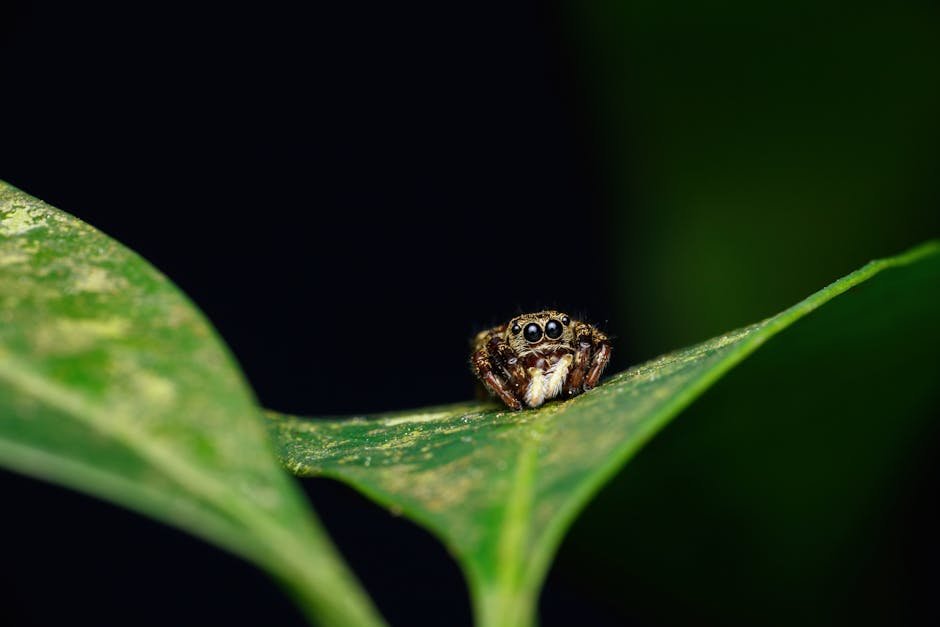
The spider-frog partnership serves as a reminder of the interconnectedness of all living things. In a world where competition often dominates, this relationship highlights the importance of cooperation and mutual support. It encourages us to look beyond the traditional predator-prey dynamic and consider the myriad ways in which species can work together for the greater good. By embracing these lessons from nature, we can gain a deeper understanding of the intricate web of life that surrounds us.
Implications for Conservation
The study of these unique partnerships has important implications for conservation efforts. By understanding the delicate balance that exists between different species, we can better protect and preserve the ecosystems in which they thrive. Conservationists can use this knowledge to develop strategies that promote biodiversity and ensure the survival of both spiders and frogs. In doing so, we can help to safeguard the intricate relationships that contribute to the health and vitality of our planet.
The Future of Research
As scientists continue to explore the fascinating world of spider-frog partnerships, new discoveries are sure to emerge. Advances in technology and research methods will allow for more in-depth studies of these relationships, shedding light on the intricacies of symbiosis. The future holds exciting possibilities for further understanding and appreciation of the natural world, as researchers strive to unravel the mysteries of these extraordinary alliances.
Curiosity and Wonder
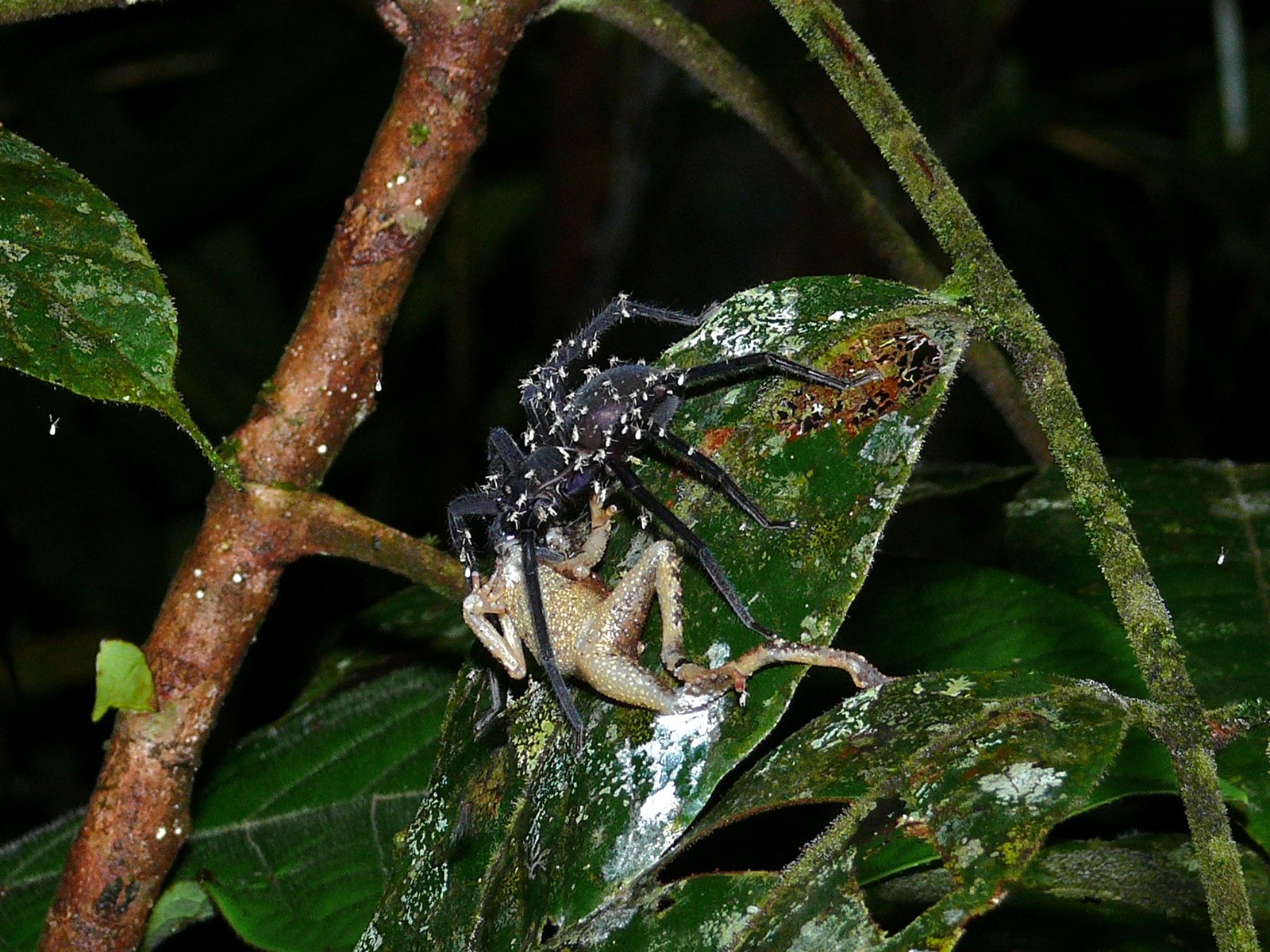
The story of spiders keeping tiny pet frogs in their webs captures the imagination and sparks a sense of wonder. It challenges our perceptions of nature and invites us to explore the hidden connections that exist between seemingly unrelated species. By delving into these mysteries, we can cultivate a deeper appreciation for the beauty and complexity of the world around us. As we continue to learn and grow, let us remember to approach nature with curiosity and awe, always seeking to uncover the secrets that lie within.


