
Spend a moment with a crow, a cuttlefish, and a jellyfish, and a strange truth emerges: evolution scattered awareness unevenly across the tree of life. Some animals solve puzzles, recognize themselves in mirrors, and even seem to plan for tomorrow, while others drift through existence like living machines. For scientists, this split is more than a curiosity; it is one of biology’s deepest mysteries and one of neuroscience’s hardest problems. Why did subjective experience bloom richly in certain branches and barely flicker, if at all, in others? As new tools let researchers peer inside animal brains and behavior like never before, old assumptions about which species are “truly aware” are starting to crumble.
The Hidden Clues: When Brains Began to Feel, Not Just React
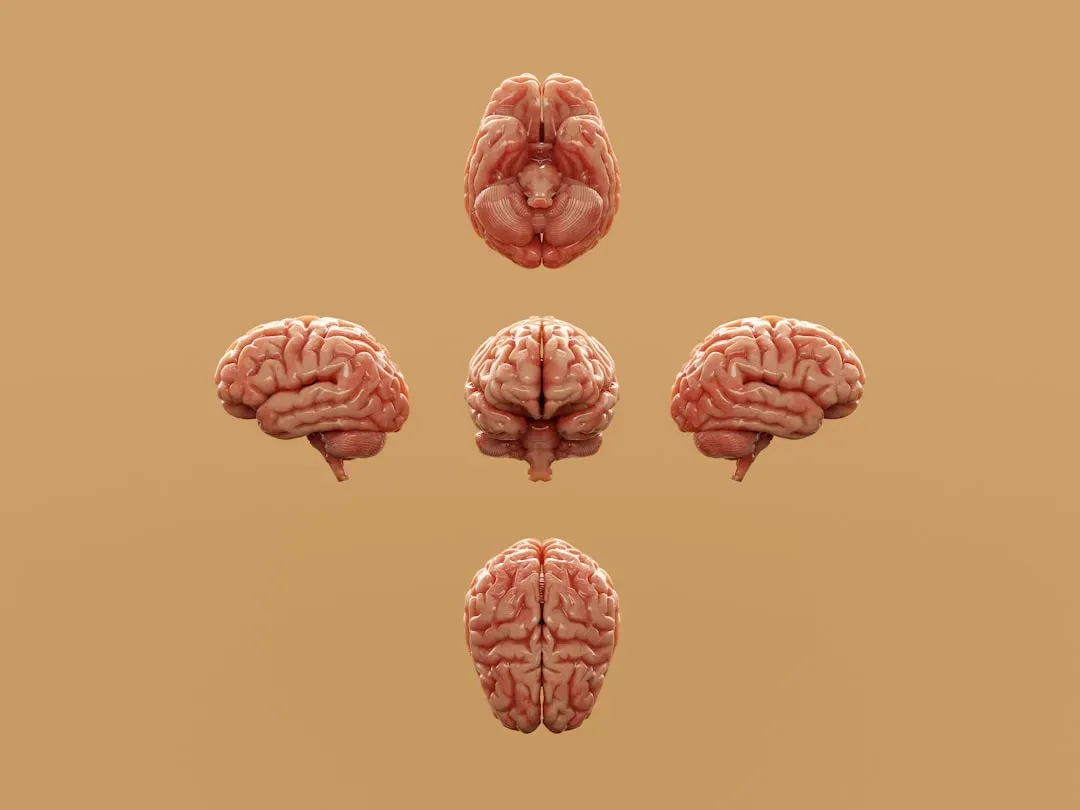
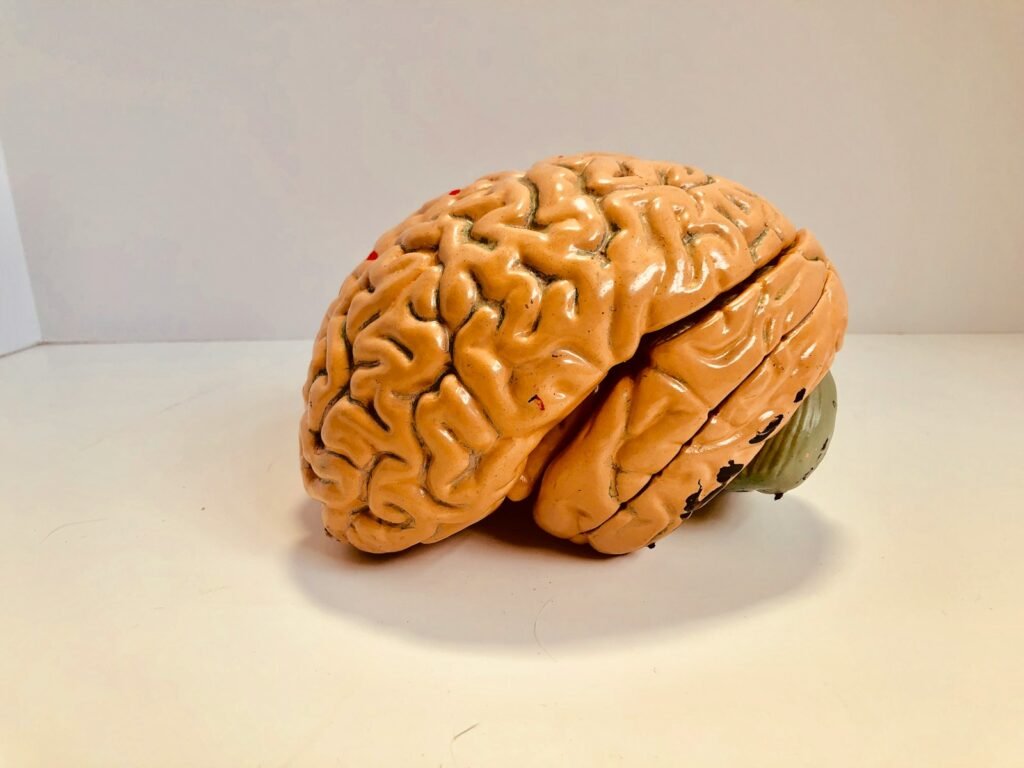
One of the most surprising ideas in modern biology is that consciousness did not simply “switch on” at some dramatic moment but likely emerged gradually, as nervous systems grew more complex. At the simplest level, even a single-celled organism can move toward food and away from harm, but that is closer to a thermostat responding to temperature than a person feeling pain. Somewhere along the evolutionary road, those basic reflex arcs began to loop back on themselves, creating internal models of the world and of the body within it. Many neuroscientists now suspect that conscious experience begins when an organism can integrate information from different senses into a unified scene and use it flexibly.
This is where animals with centralized nervous systems and brain-like structures step into the spotlight. Creatures such as vertebrates and cephalopods seem to have crossed a threshold where neural circuits not only process data but also predict, compare, and evaluate. The shift from simple reaction to flexible prediction may have been one of evolution’s key moves toward awareness. In this view, consciousness is not some magical add‑on but a side effect of brains learning to simulate possibilities before acting. Species that never needed this internal movie theater simply kept running on fast, efficient reflexes.
Multiple Origins: Why Octopuses, Birds, and Mammals All Look Aware
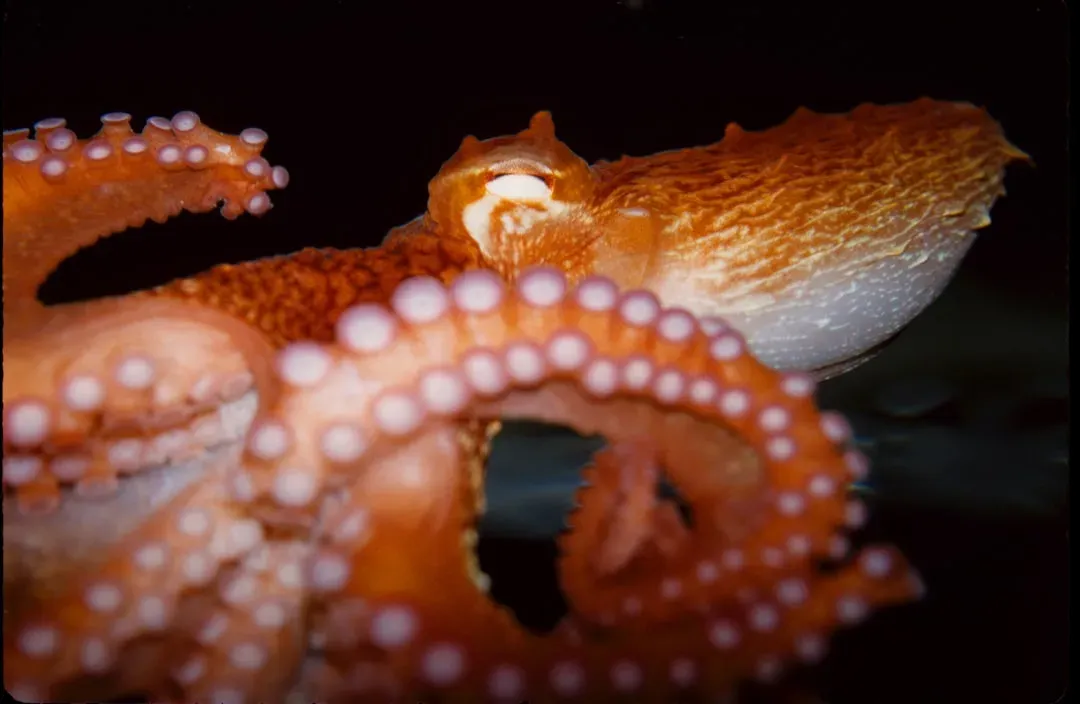
Walk through a coastal tide pool, a tropical forest, and a city park, and you will find three very different candidates for consciousness: octopuses, parrots, and dogs. Their last common ancestor looked nothing like any of them, which suggests that sophisticated awareness may have arisen more than once. Octopuses evolved large, distributed nervous systems with millions of neurons in their arms, giving them a kind of body‑wide processing that still baffles researchers. Meanwhile, birds like corvids and parrots developed dense forebrains that support problem‑solving, tool use, and social strategy rivaling many primates.
Mammals took yet another route, with layered cortices and networks specializing in vision, language, memory, and planning. What unites these lineages is not their anatomy but the demands they faced: navigating complex environments, managing intricate social lives, and exploiting varied resources. Those pressures repeatedly rewarded animals that could learn quickly, experiment mentally before acting, and remember what worked. Consciousness, in this sense, looks less like a single invention and more like a recurring evolutionary solution to similar problems. The odd ones out are not the conscious species, but those that never faced the kinds of challenges that made consciousness worth the cost.
Energy, Trade‑Offs, and the Advantage of Staying Unaware
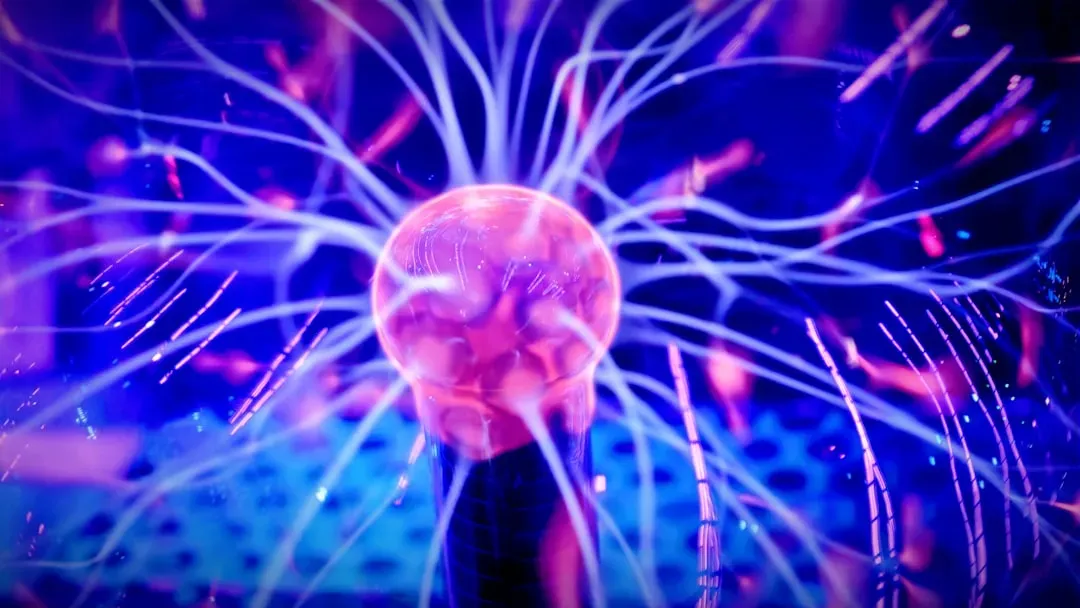
A big, information‑rich brain is incredibly expensive tissue, and evolution rarely gives out luxury upgrades for free. Maintaining and fueling complex neural circuits can consume a striking fraction of an animal’s energy budget, sometimes edging toward roughly about one fifth of the total in humans. That means species only keep these costly brains if the benefits outweigh the drain. For predators that stalk unpredictable prey or social animals that navigate alliances and rivalries, those benefits can be enormous. They gain the ability to anticipate, deceive, cooperate, and adapt to rapidly changing situations.
But for many organisms, from mussels clinging to rocks to jellyfish drifting in currents, life is relatively stable and repetitive. They do not need to imagine hypothetical futures or understand that others have minds; simple reflexes are good enough to feed, reproduce, and survive. In such cases, a heavily conscious brain could be a liability, wasting energy without improving fitness. Staying unaware, in the human sense, is not a failure but a winning evolutionary strategy for a huge number of species. The mystery, then, is not why so many creatures are “only” reactive, but why a few lineages took on the heavy cost of being aware at all.
Social Minds: How Relationships May Have Sculpted Awareness
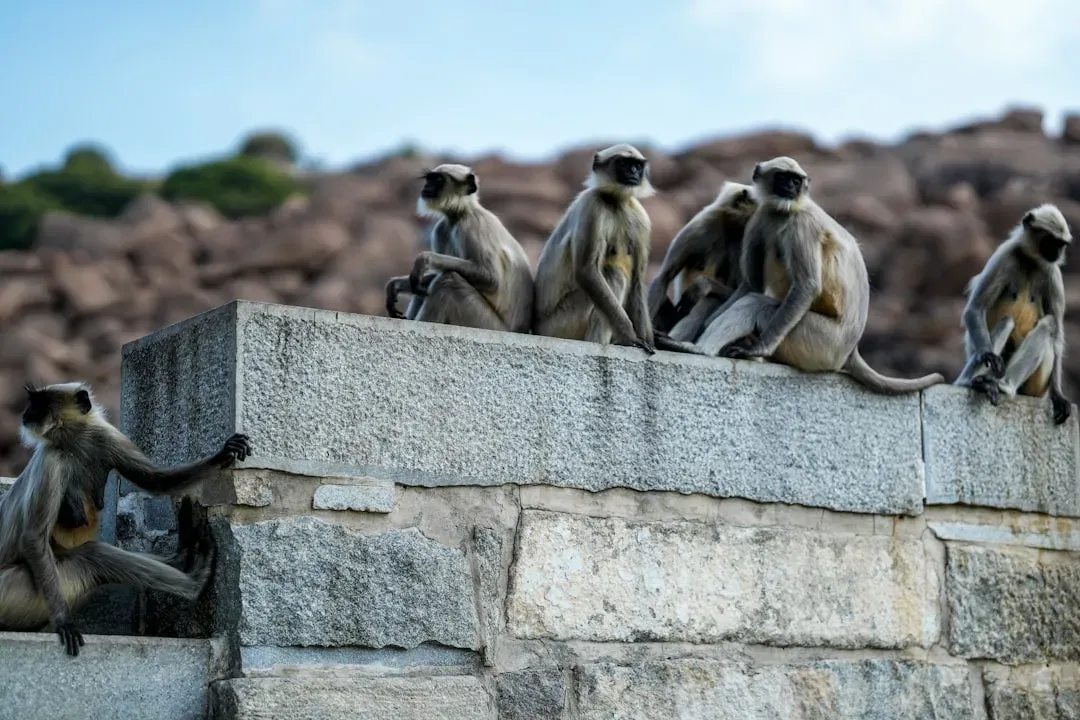
One influential idea in consciousness research is that minds became richer as social lives became more complicated. Animals that live in groups face unique challenges: they must predict what others will do, interpret subtle signals, and remember long histories of cooperation and conflict. In primates, for example, the size and complexity of social networks seem to correlate with brain size and certain cognitive abilities. Birds like ravens and parrots show similar patterns, using their intelligence to form alliances, hide food from rivals, and even engage in what looks like playful trickery. Conscious awareness, under this lens, may have started as a tool for modeling not just the physical world, but other minds.
Species that live more solitary or simple social lives do not face the same cognitive demands. A solitary insect that relies on instinctive behaviors to reproduce might thrive without needing to imagine what another individual knows or wants. Over time, the gap widens: socially complex species accumulate layers of mental flexibility, while others remain streamlined specialists. This could help explain why we see signs of self‑recognition, empathy‑like responses, and long‑term planning in some birds and mammals but not in many equally ancient lineages. The social brain hypothesis does not answer every question about consciousness, but it offers a powerful frame for why awareness might have deep roots in relationships rather than in isolation.
Why It Matters: Consciousness, Morality, and How We Treat Other Species

The puzzle of which species are conscious is not just an abstract intellectual game; it directly shapes laws, ethics, and everyday choices. If pigs, crows, or octopuses have inner lives rich enough to feel fear, boredom, or curiosity, our responsibilities toward them look very different. Around the world, animal welfare debates are increasingly informed by studies of cognition and behavior, not just tradition. Some regions have begun updating their legal frameworks to recognize sentience in more than just the usual pets and primates. The line between “aware” and “unaware” is becoming fuzzier, and that uncertainty often pushes policy toward caution.
At the same time, there is a real risk in overextending human‑like consciousness to every flicker of behavior we do not fully understand. Scientists have to balance empathy with rigorous evidence, avoiding both arrogance and wishful thinking. Compared with past centuries, when many animals were treated as unfeeling automatons, the shift is dramatic. Consciousness research now influences how we design habitats, enrichment, and handling practices in zoos, labs, and farms. Understanding who is likely to have an experiential point of view may be one of the most quietly transformative scientific questions of this century.
Tools of Discovery: From Brain Scans to Behavioral Tests

For most of history, people guessed about animal minds based on gut feeling and a few striking anecdotes. Today, researchers can measure brain activity, analyze behavior frame by frame, and even compare neural architectures across species in fine detail. Brain‑imaging techniques, detailed electrophysiology, and molecular tools reveal which circuits activate during perception, decision‑making, and learning. When animals show integrated, flexible patterns of activity that resemble the signatures of awareness in humans, it strengthens the case for some level of consciousness. At the same time, well‑designed behavioral experiments probe for abilities such as self‑recognition, mental time travel, and understanding of others’ perspectives.
These studies yield some of the most arresting findings in modern biology. Corvids hiding food may later relocate it if they have been watched, as if they can imagine another bird’s intentions. Certain fish navigate mirror tests in ways that suggest they are not simply attacking a rival but inspecting their own bodies. Many researchers now combine such behavioral results with comparative neuroanatomy, looking for structural motifs that support integration and self‑modeling. Step by step, this toolkit is replacing vague hierarchy charts with evidence‑based maps of cognitive capacities. It does not give an easy yes‑or‑no answer to who is conscious, but it makes the question sharper and harder to ignore.
The Future Landscape: AI, Brain Organoids, and Expanding the Question
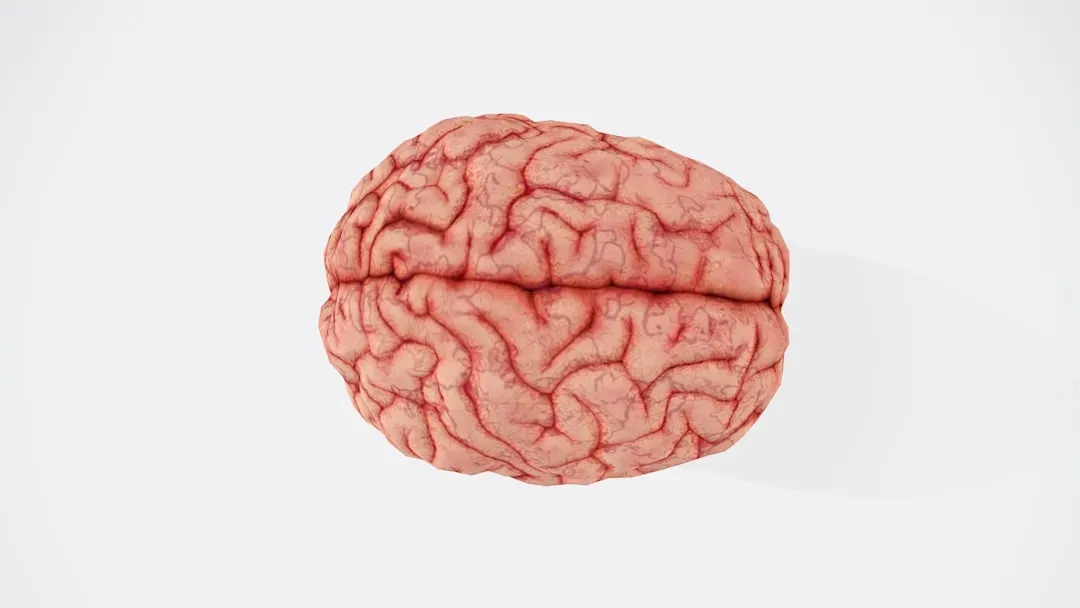
As if natural consciousness were not challenging enough, new technologies are forcing scientists to ask where awareness might appear next. Artificial intelligence systems now perform tasks that once seemed to require understanding, from translating languages to generating images and text. Yet many experts argue that, despite their power, these systems lack the integrated, embodied, self‑referential processing that underpins animal consciousness. At the same time, lab‑grown brain organoids and hybrid brain‑machine interfaces are blurring traditional boundaries between biological and artificial systems. These developments raise unsettling questions about what kinds of systems could one day cross the threshold into genuine experience.
Future research may rely on standardized markers for consciousness that can be applied across very different substrates, whether squid brains or silicon chips. Ethical frameworks will have to expand to consider not only which animals are aware but also whether some artificial entities might deserve moral consideration. There is also a strong chance that our human intuitions about what counts as a mind will repeatedly be proven wrong. As more species are studied in depth, some that we once dismissed as simple may turn out to have surprisingly rich inner lives. The coming decades could transform consciousness from a mostly philosophical puzzle into a practical, urgent question of global policy and design.
What You Can Do: Paying Attention to Other Minds
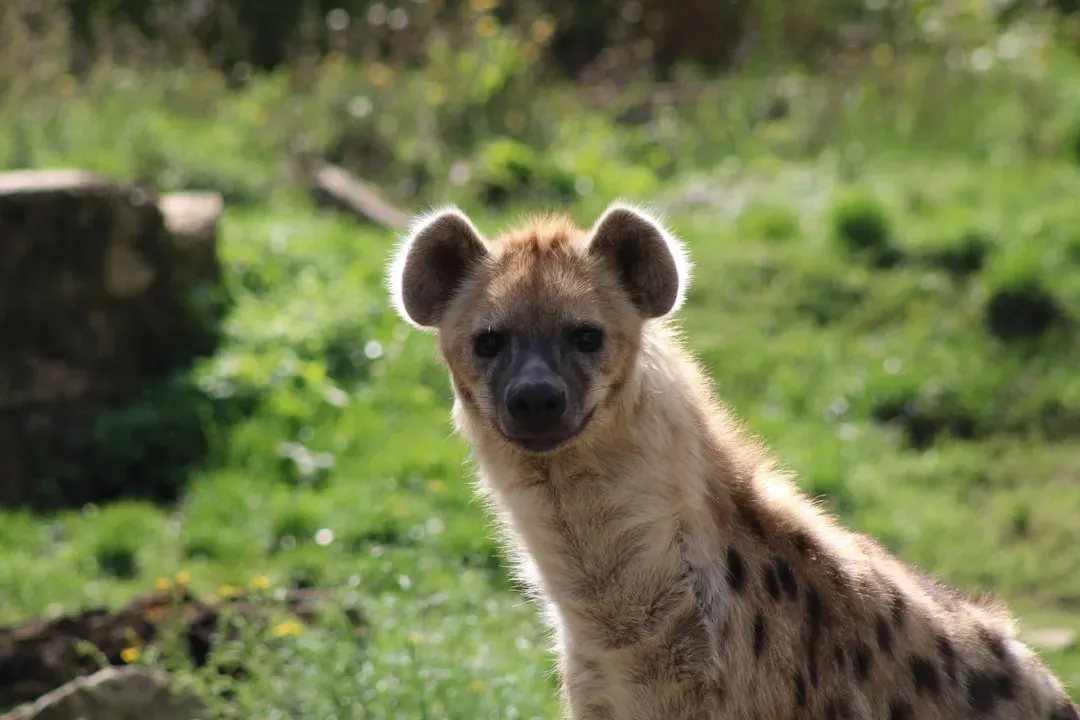
For most of us, the frontier of consciousness research is not a lab but the everyday encounters we have with other living beings. Simply noticing the behavior of birds at a feeder, a dog navigating a crowded sidewalk, or an octopus manipulating its environment can shift how we think about nonhuman minds. Supporting organizations that fund animal cognition research or push for evidence‑based welfare standards is one concrete way to help. Being curious and informed about which species likely feel pain and distress can guide choices about food, entertainment, and tourism. Even small shifts, like avoiding attractions that treat intelligent animals as props, send market signals that awareness matters.
On a more personal level, cultivating a habit of attention can be surprisingly powerful. The next time you see a crow caching food or a squirrel hesitating before crossing the road, consider the invisible calculations underway. Stay skeptical but open‑minded about headlines that declare some species to be either near‑human geniuses or mindless robots. The science is moving quickly, and the story is still being written in labs and nature reserves around the world. Being part of that story starts with a simple act: taking other minds seriously, even when we cannot fully understand them.
Suhail Ahmed is a passionate digital professional and nature enthusiast with over 8 years of experience in content strategy, SEO, web development, and digital operations. Alongside his freelance journey, Suhail actively contributes to nature and wildlife platforms like Discover Wildlife, where he channels his curiosity for the planet into engaging, educational storytelling.
With a strong background in managing digital ecosystems — from ecommerce stores and WordPress websites to social media and automation — Suhail merges technical precision with creative insight. His content reflects a rare balance: SEO-friendly yet deeply human, data-informed yet emotionally resonant.
Driven by a love for discovery and storytelling, Suhail believes in using digital platforms to amplify causes that matter — especially those protecting Earth’s biodiversity and inspiring sustainable living. Whether he’s managing online projects or crafting wildlife content, his goal remains the same: to inform, inspire, and leave a positive digital footprint.