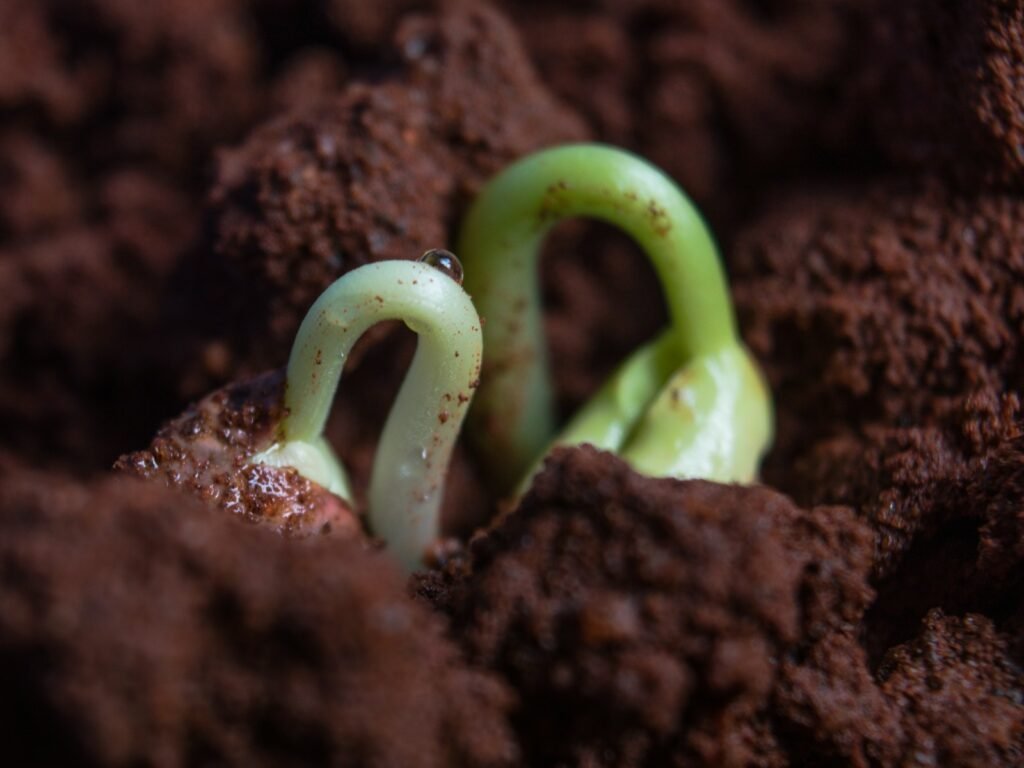

In an age of instant everything, seeds are our patient contrarians. Some lie silent for centuries, tucked into ruins, lakebeds, or dry caves, then burst into life as if time never passed. The mystery is captivating: what stops decay, and what finally flips the switch to growth? The answer blends physics, chemistry, and evolutionary strategy, and it’s stranger – and smarter – than it first appears. This is a story of microscopic shields, chemical clocks, and the quiet genius of plants preparing for futures they can’t predict.
The Hidden Clues
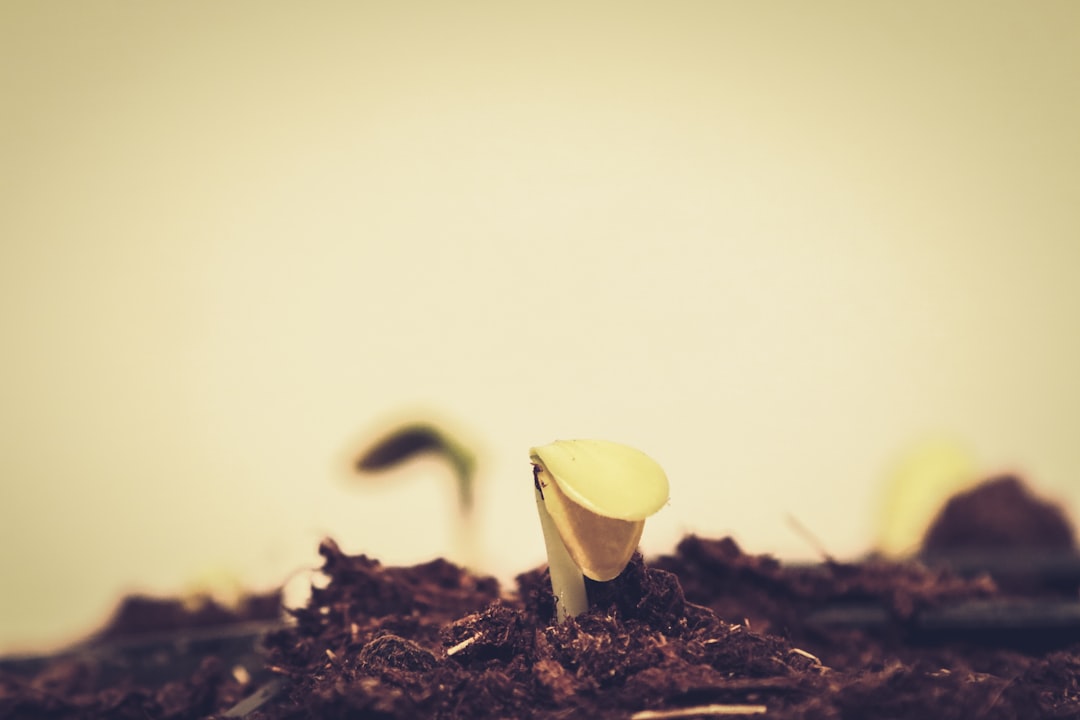
What kind of organism can nap for five human lifetimes and wake up as if it just hit snooze? Seeds are survival capsules, engineered by evolution to ride out droughts, fires, and famine until the odds tilt in their favor. The clues to that longevity are etched into the seed coat, the embryo’s chemistry, and the extreme environments that act like natural vaults.
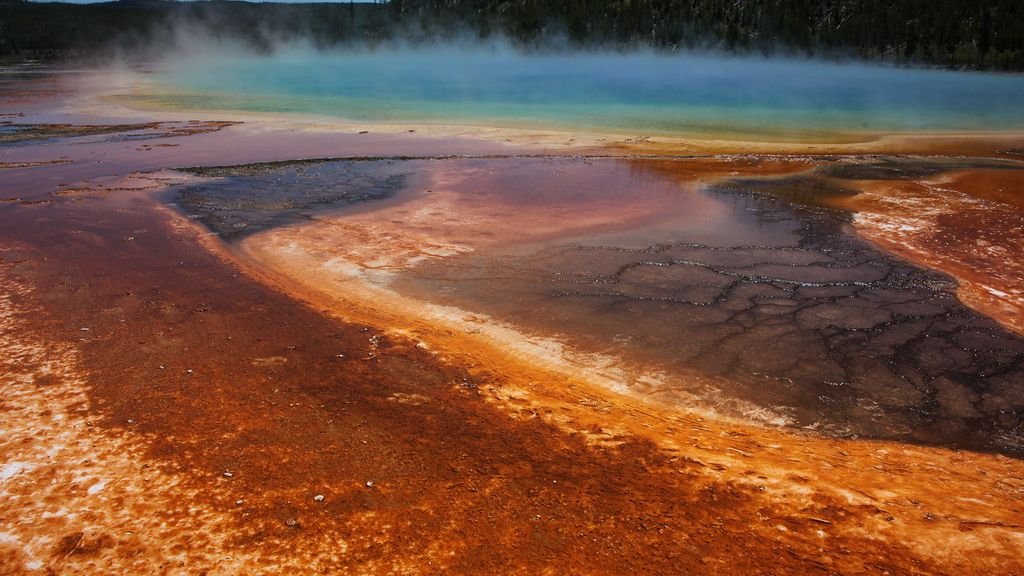
Archaeologists and botanists find long-lived seeds in surprisingly harsh places – desert fortresses, arid middens, salt flats, and deep, cold sediments – where oxygen is low, moisture is scarce, and microbes struggle. It’s a paradox that makes sense: inhospitable for life is often inhospitable for decay. The longer the seed stays dry, dark, and cool, the slower its biological clock ticks.
From Ancient Tools to Modern Science
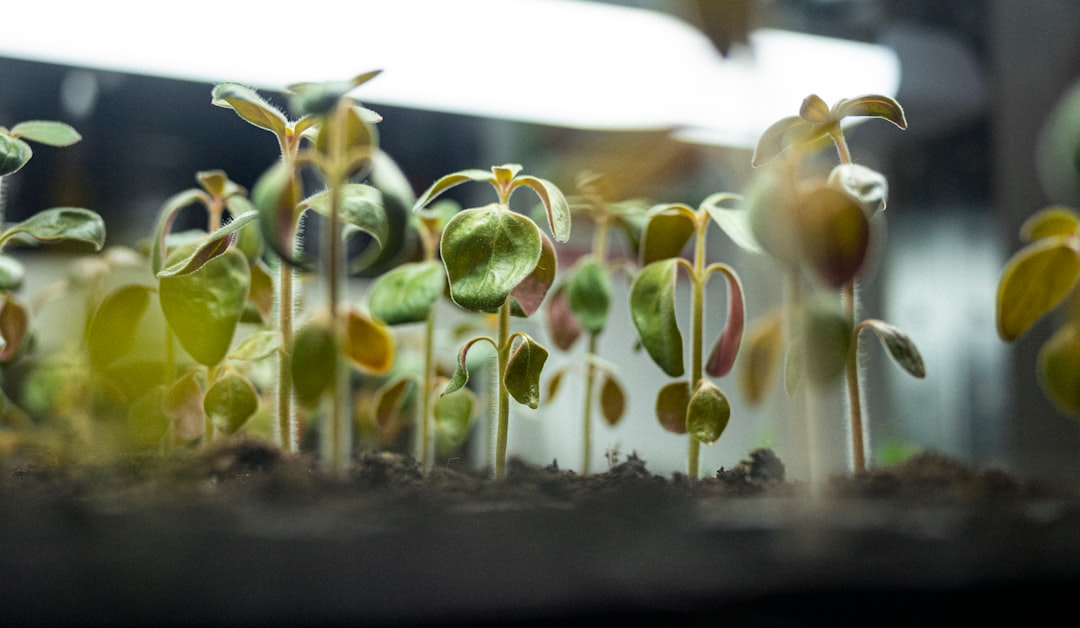
Early stories of “ancient” seeds were often folklore, but modern labs brought rigor. Radiocarbon dating verifies age; X‑ray micro‑CT maps an intact embryo without cracking the seed; and biochemical assays look for enzymes that still wake on contact with water. Careful revival protocols – slow rehydration, clean benches, and gentle temperature ramps – turn patience into sprouting success.
Famous examples anchor the field: centuries-old sacred lotus seeds that germinated after radiocarbon checks; date palm seeds from a desert stronghold that grew into living trees. Not every legend holds up, though; some spectacular claims unraveled under new dating methods. Other plants were reconstructed from ancient tissue rather than true seed germination, a vital distinction that keeps the science honest.
The Biophysics of Patience
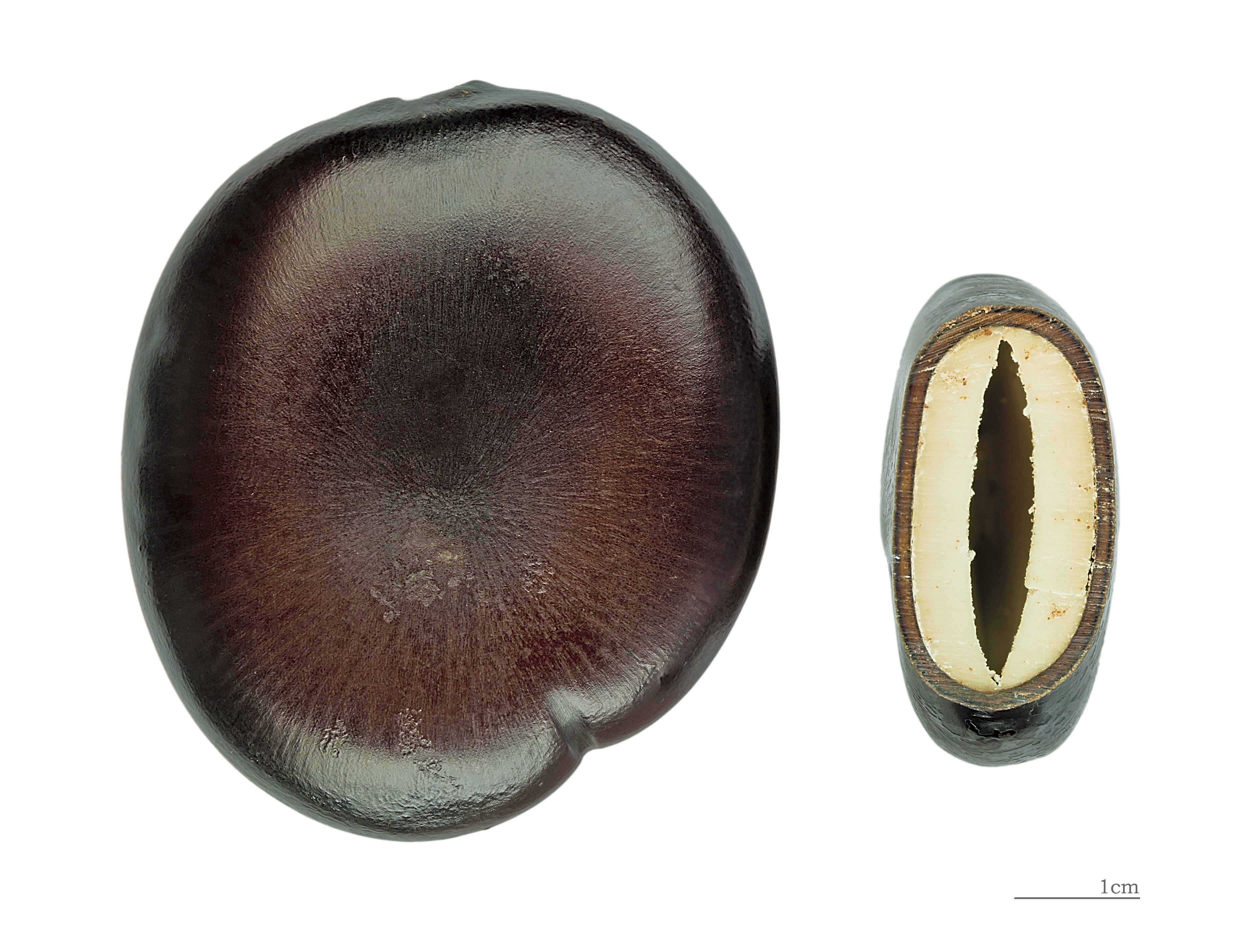
Longevity starts with water, or rather the lack of it. As orthodox seeds dry, their cytoplasm becomes a glassy matrix – a molecular jelly that traps proteins and membranes in place and sharply slows the chemistry of damage. Low temperatures amplify the effect, helping molecules sit tight and stay folded year after year.
Structure matters, too. Some seed coats are nearly airtight, armored with dense lignin and waxes that keep oxygen and microbes out; others contain compounds that mop up stray radicals before they nick DNA. In practical terms, dryness plus cold equals time travel: in vaults or deserts, the seed’s internal world barely moves.
The Dormancy Code
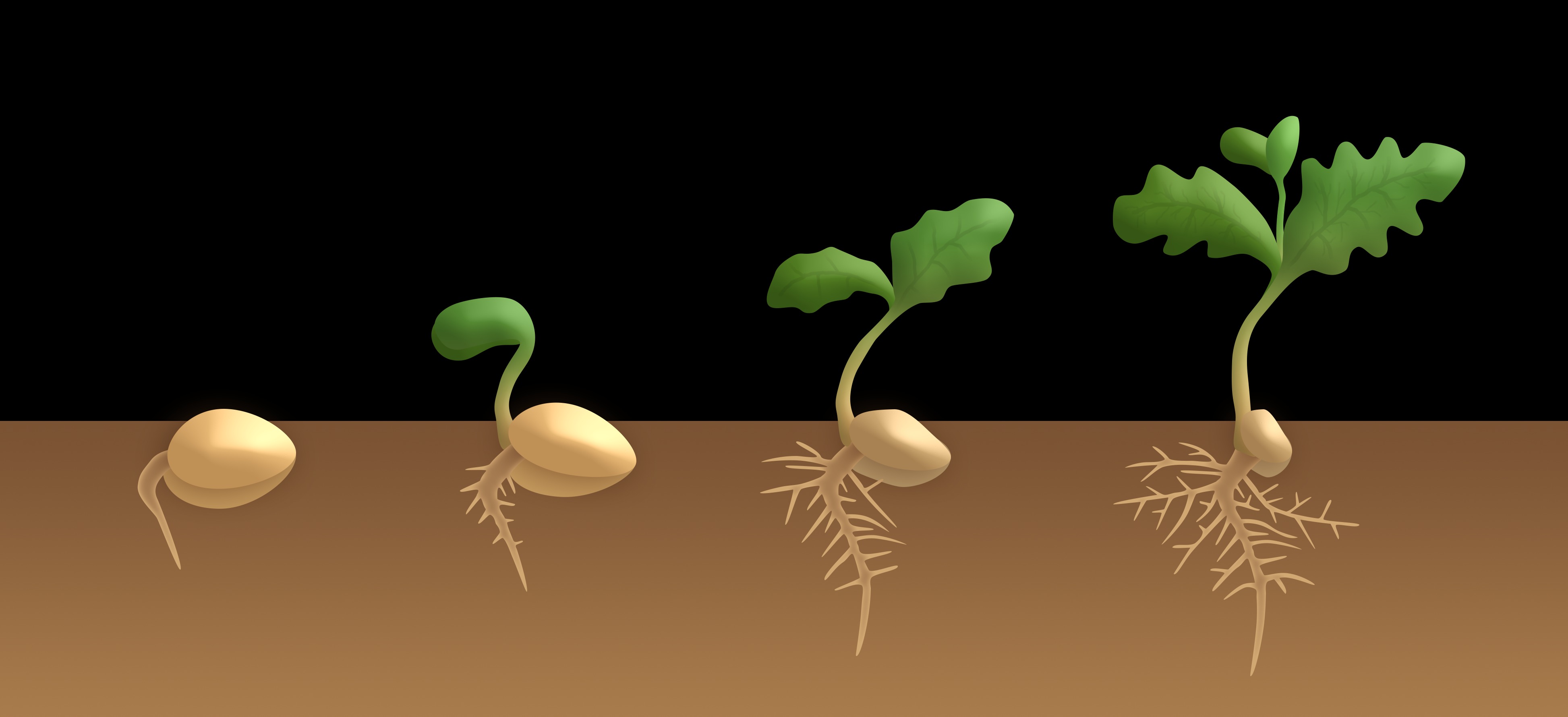
Long life is only half the magic; controlled wake‑up is the other. Hormones act like a seesaw: abscisic acid locks the embryo down, while gibberellins nudge it toward growth, and the balance shifts with moisture, temperature, and time. After months or centuries, the right cues – light, warmth, or a cold spell – tip the system past a threshold.
Seeds also listen to the world outside. Light-sensing pigments measure whether they’re buried too deep, seasonal chill resets internal counters, and smoke-derived molecules from fires can whisper “now” to species adapted to post-burn landscapes. Thick coats add a physical key: scar it, crack it, or sandblast it, and water can finally rush in. Dormancy isn’t sleep; it’s a guarded door with multiple locks.
Lessons From Extreme Survivors
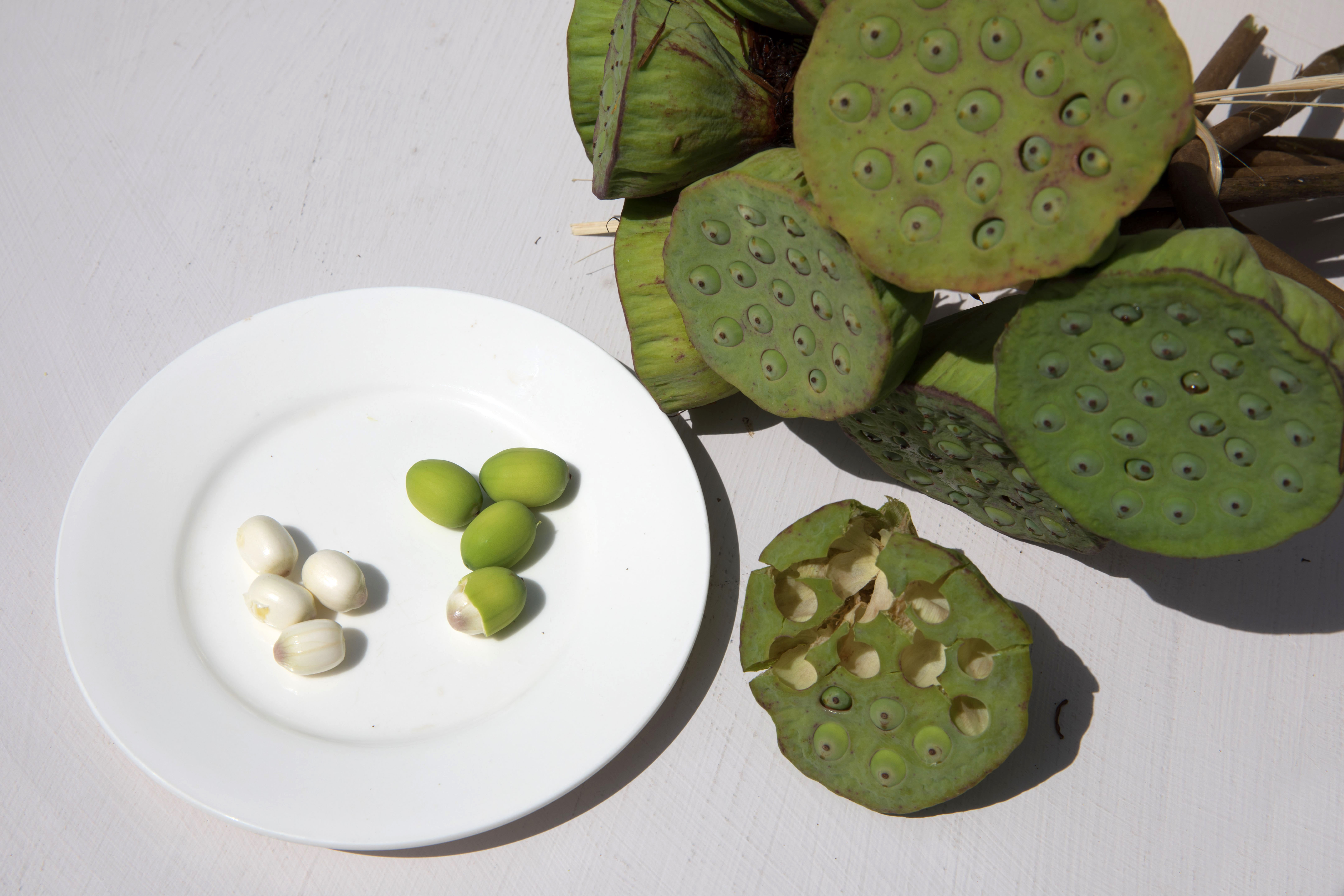
Case studies show how diverse paths converge on persistence. Sacred lotus seeds are famously tough, with coats so impermeable that water creeps in only after time or abrasion, making their centuries-long waits plausible. Desert palms stash energy-rich embryos inside thick shells, and when revived under sterile, measured conditions, they can still build a tree long after the original oasis vanished.
Not all “ancients” are equal, and that’s a feature, not a bug of science. Some celebrated tales fell to radiocarbon analysis, while other headline-grabbing survivors were plants rebuilt from ancient tissues – not seeds that germinated on their own. I still remember rolling a lotus seed between my fingers during a museum demo; it felt like a pebble hiding a calendar no one else could read. In every example that withstands scrutiny, the same themes return: keep it dry, keep it cool, and keep oxygen at bay.
Why It Matters
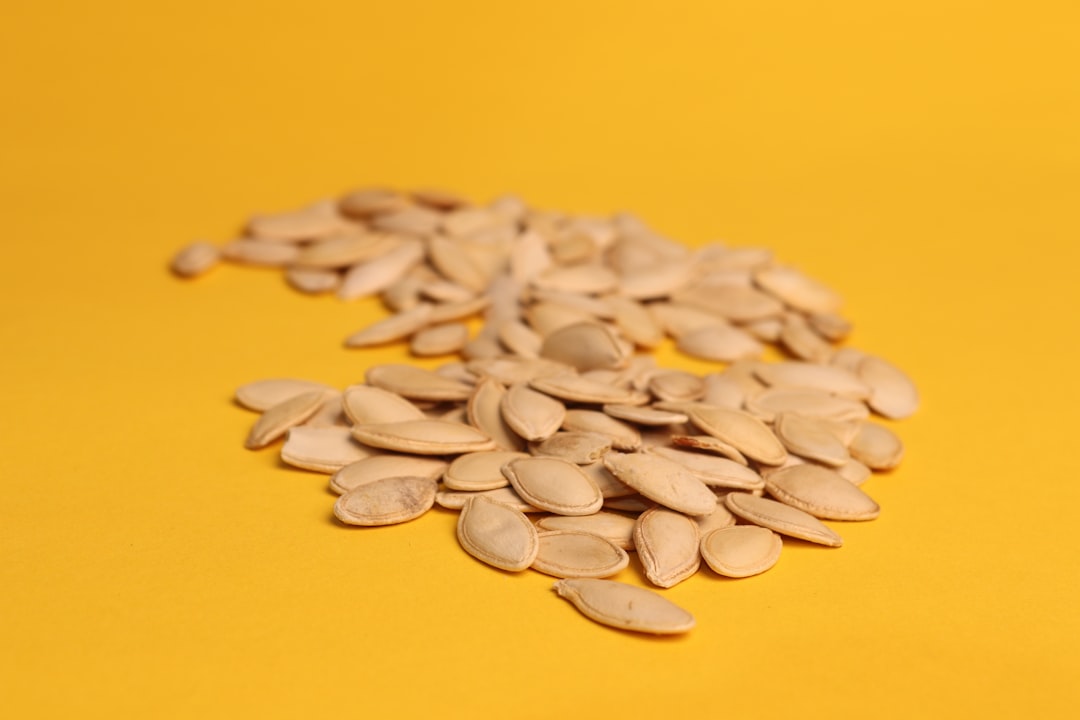
Seed longevity is more than a fun twist of nature; it’s a toolkit for a warming, disturbed planet. When wild landscapes burn or flood, long-lived soil seed banks can reboot ecosystems without human help, repopulating hillsides with native grasses and shrubs. In restoration projects, knowing which species bank themselves for decades determines whether we wait, reseed, or intervene differently.
For agriculture, longevity knowledge powers gene banks that protect crop diversity against pests and climate shocks. Compared with living collections that require constant care, seeds stored cold and dry are compact, inexpensive, and resilient – biology’s version of a low-maintenance archive. With roughly about two-fifths of plant species at risk, banking seeds now is a pragmatic hedge against future scarcity. The science behind “century seeds” isn’t a curiosity – it’s an insurance policy.
The Future Landscape
Tomorrow’s breakthroughs are aimed at species that don’t store well. Many tropical trees and crops produce recalcitrant seeds that can’t be dried or frozen, so researchers are pushing cryobiology, embryo excision, and vitrification techniques to buy them time without ice damage. Molecular profiles and imaging could forecast viability before seeds ever touch soil, replacing guesswork with data-driven choices.
Expect smarter storage, too. Algorithms already learn from temperature and humidity histories to predict failure before it happens, while handheld X‑ray and spectral tools let field teams check seed health on the spot. On the horizon, tweaking stress-response pathways – boosting protective sugars or LEA proteins – might extend shelf life without dulling germination cues. As permafrost thaws and extreme weather accelerates, the need to capture and preserve genetic diversity will only sharpen.
The Hidden Clues
What kind of organism can nap for five human lifetimes and wake up as if it just hit snooze? Seeds are survival capsules, engineered by evolution to ride out droughts, fires, and famine until the odds tilt in their favor. The clues to that longevity are etched into the seed coat, the embryo’s chemistry, and the extreme environments that act like natural vaults.
Archaeologists and botanists find long-lived seeds in surprisingly harsh places – desert fortresses, arid middens, salt flats, and deep, cold sediments – where oxygen is low, moisture is scarce, and microbes struggle. It’s a paradox that makes sense: inhospitable for life is often inhospitable for decay. The longer the seed stays dry, dark, and cool, the slower its biological clock ticks.
Conclusion
Curiosity is powerful, but it’s even better with follow-through. Support local seed banks, botanical gardens, and restoration projects that collect and store native species; modest donations keep freezers humming and field crews sampling. If you garden, favor regionally adapted seeds, store them cool and dry, and share extras through community seed libraries to widen the safety net.
When you’re out on trails, stay on paths in sensitive habitats where a single footprint can disturb rare seed banks waiting just below the surface. Ask your representatives to fund long-term conservation and seed-storage programs; these are small costs with generational payoffs. In a noisy world, seeds teach us the value of waiting for the right moment – what future would you help them wake into?
Suhail Ahmed is a passionate digital professional and nature enthusiast with over 8 years of experience in content strategy, SEO, web development, and digital operations. Alongside his freelance journey, Suhail actively contributes to nature and wildlife platforms like Discover Wildlife, where he channels his curiosity for the planet into engaging, educational storytelling.
With a strong background in managing digital ecosystems — from ecommerce stores and WordPress websites to social media and automation — Suhail merges technical precision with creative insight. His content reflects a rare balance: SEO-friendly yet deeply human, data-informed yet emotionally resonant.
Driven by a love for discovery and storytelling, Suhail believes in using digital platforms to amplify causes that matter — especially those protecting Earth’s biodiversity and inspiring sustainable living. Whether he’s managing online projects or crafting wildlife content, his goal remains the same: to inform, inspire, and leave a positive digital footprint.