


The idea that life on Mars could have existed before life on Earth is as captivating as it is controversial. For decades, scientists have gazed at the red planet, wondering if its barren landscapes once teemed with life. Recent discoveries have fueled the debate, suggesting that Mars might have been a cradle for life long before our own planet. Let’s explore the exciting reasons why some scientists are intrigued by this possibility.
Early Mars: A Wet and Warm Paradise
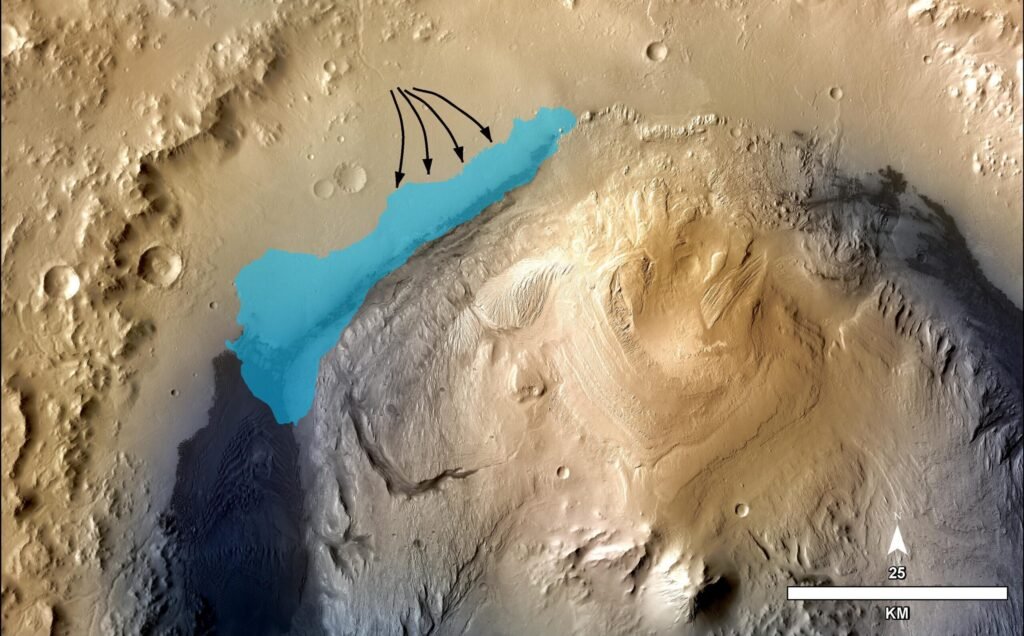
When we think of Mars today, we often picture a cold, desolate world. However, billions of years ago, Mars was a different place. Research suggests that early Mars had abundant liquid water, a thicker atmosphere, and a more temperate climate. These conditions would have been conducive to life, much like a tropical paradise. Imagine Mars as a vibrant oasis in the solar system, teeming with potential for life to thrive. The presence of ancient river valleys and lake beds points to a time when water flowed freely, providing an essential ingredient for life as we know it.
Panspermia: The Cosmic Journey of Life
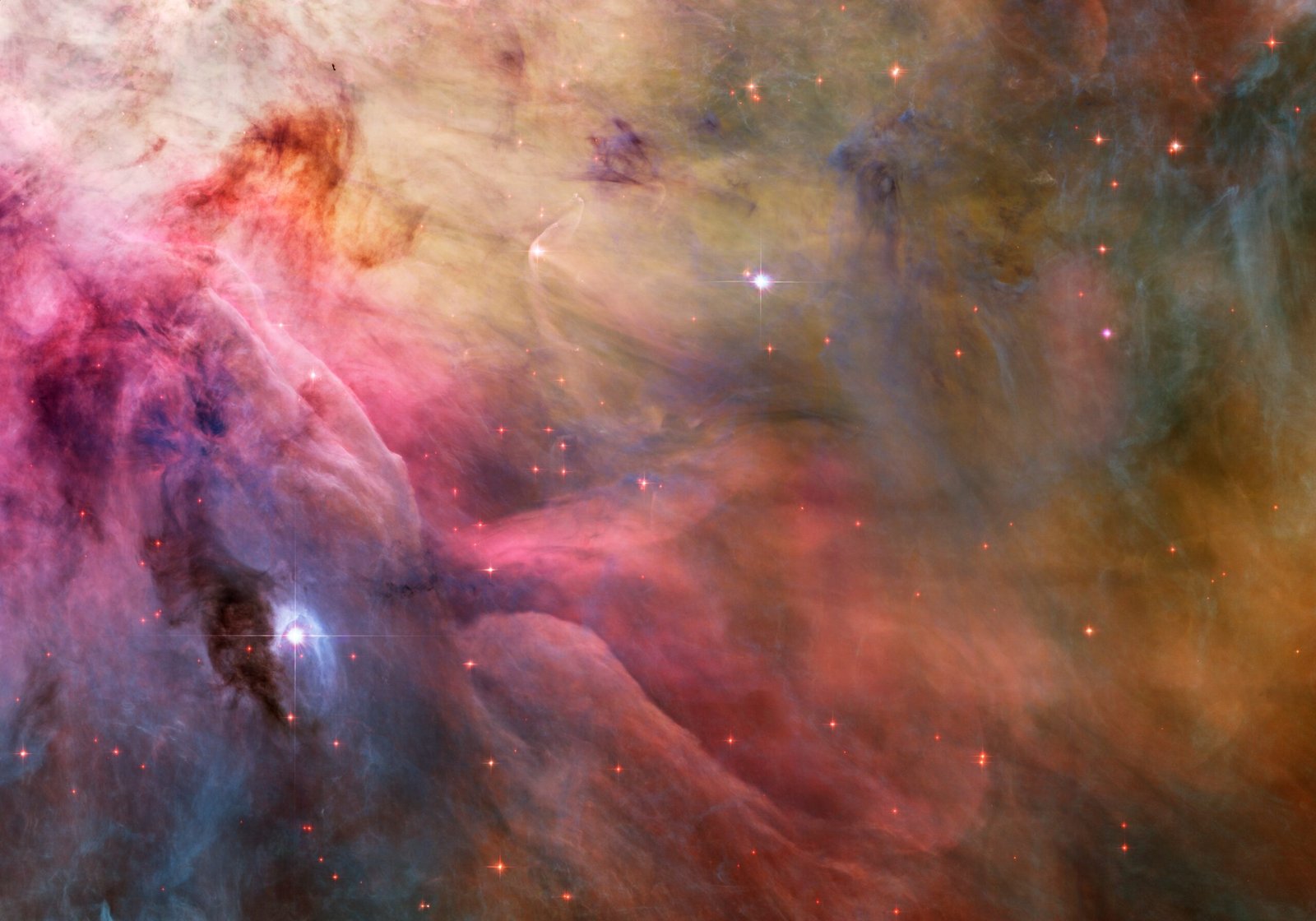
The concept of panspermia offers a tantalizing explanation for how life might have traveled between Mars and Earth. According to this theory, life could have originated on Mars and then hitchhiked to Earth aboard meteorites. It’s like seeds being carried by the wind to a new garden. Scientists have found evidence of Martian meteorites on Earth, suggesting that such interplanetary journeys are possible. If life began on Mars, it might have taken a cosmic journey to colonize our planet.
Martian Meteorites: Clues from the Red Planet
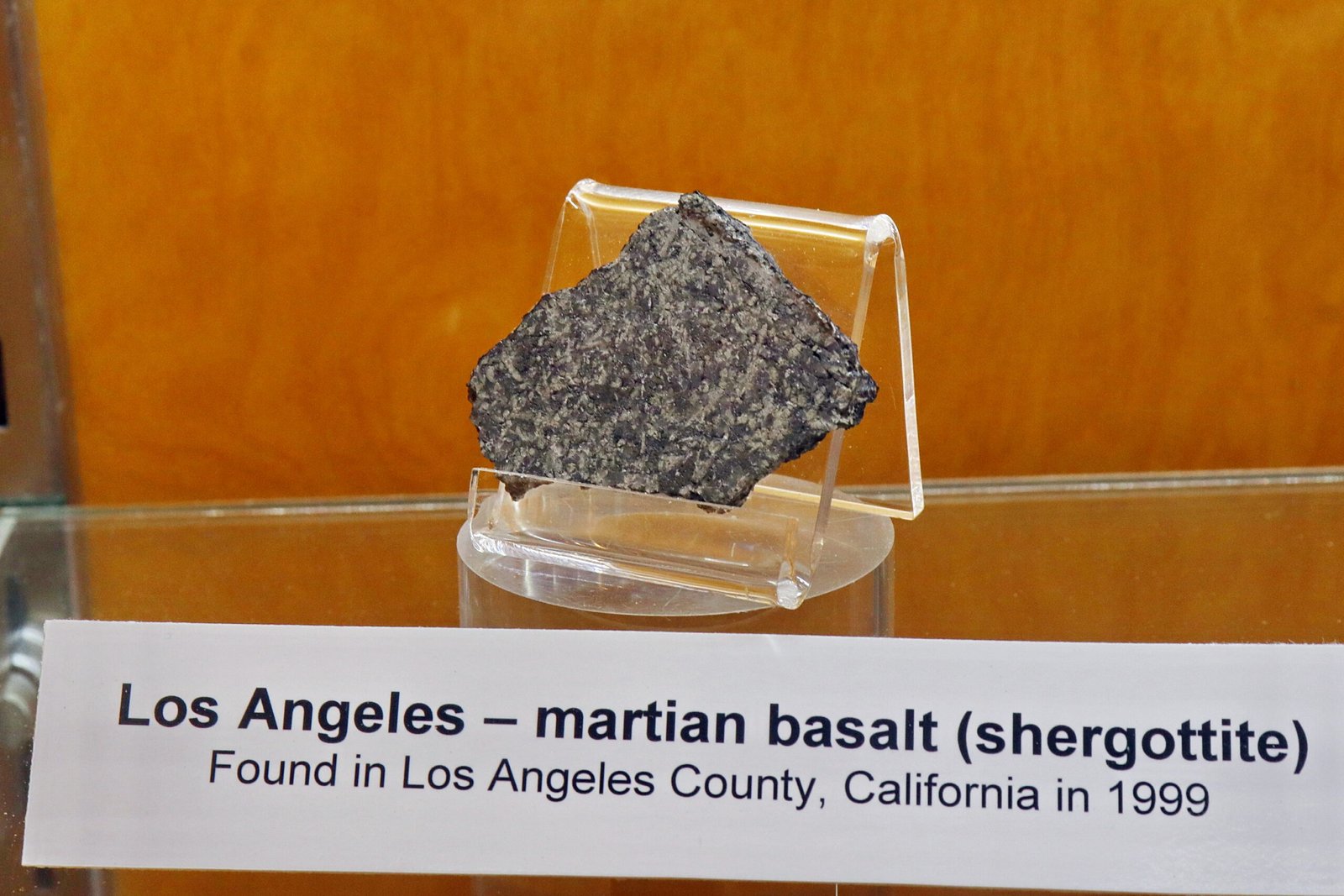
Martian meteorites provide a direct link to the surface of Mars. These rocks, blasted off Mars by impacts, have found their way to Earth, offering a treasure trove of information. Some of these meteorites contain microscopic structures that resemble fossilized bacteria, sparking debates about whether they are signs of ancient Martian life. The discovery of amino acids, the building blocks of life, in these meteorites adds to the intrigue. Could these space travelers be carrying the secrets of life from Mars to Earth?
The Search for Biosignatures
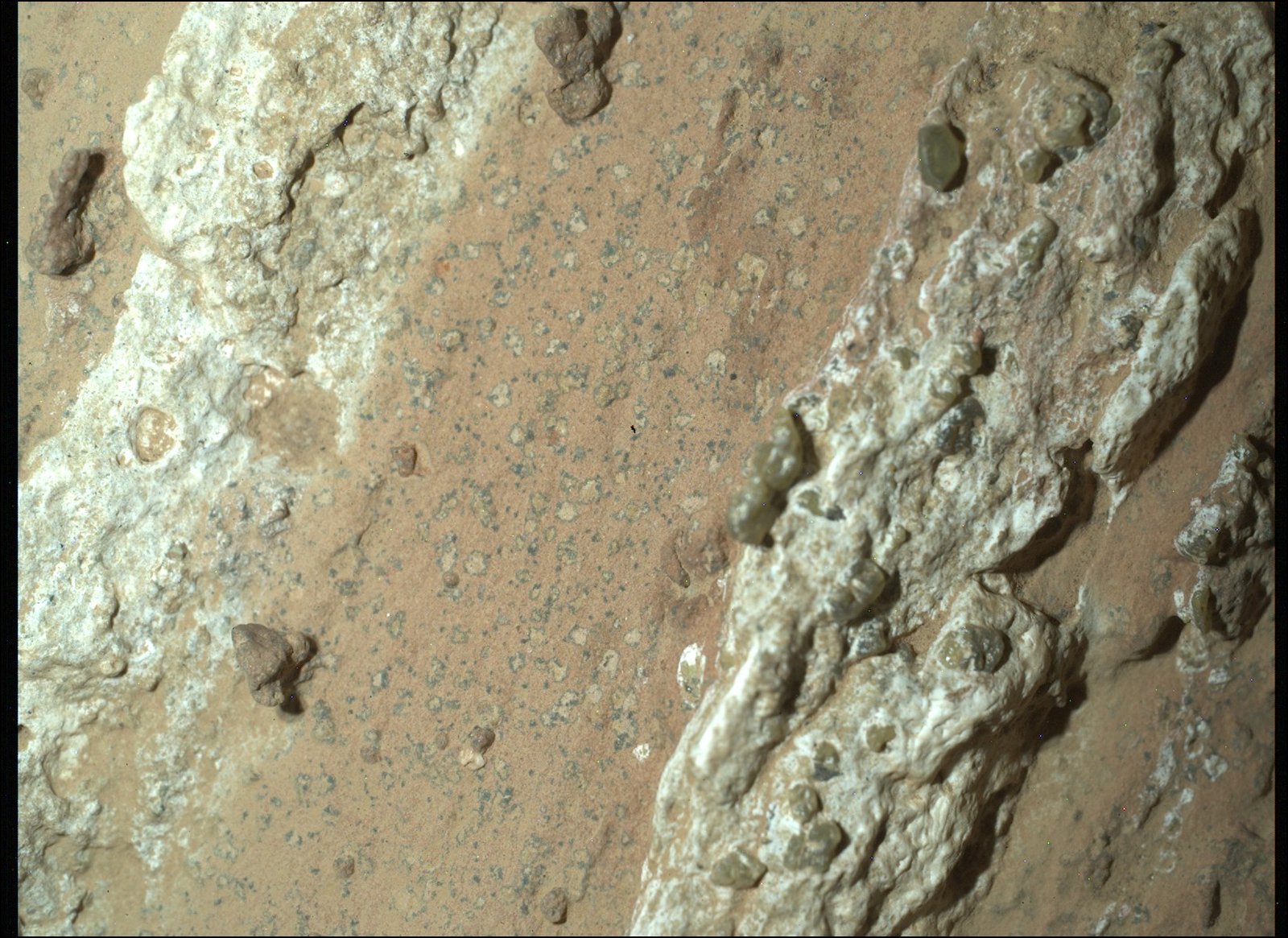
Scientists are on a quest to find biosignatures—evidence of past or present life—on Mars. NASA’s Perseverance rover, for example, is equipped with cutting-edge instruments to detect signs of ancient microbial life. By analyzing soil samples, rock formations, and atmospheric gases, researchers hope to uncover clues that point to life on Mars. Imagine finding a fossilized Martian microbe, a tiny relic of a once-thriving ecosystem. Such a discovery would reshape our understanding of life’s origins in the cosmos.
Ancient Microbial Life: A Possibility?
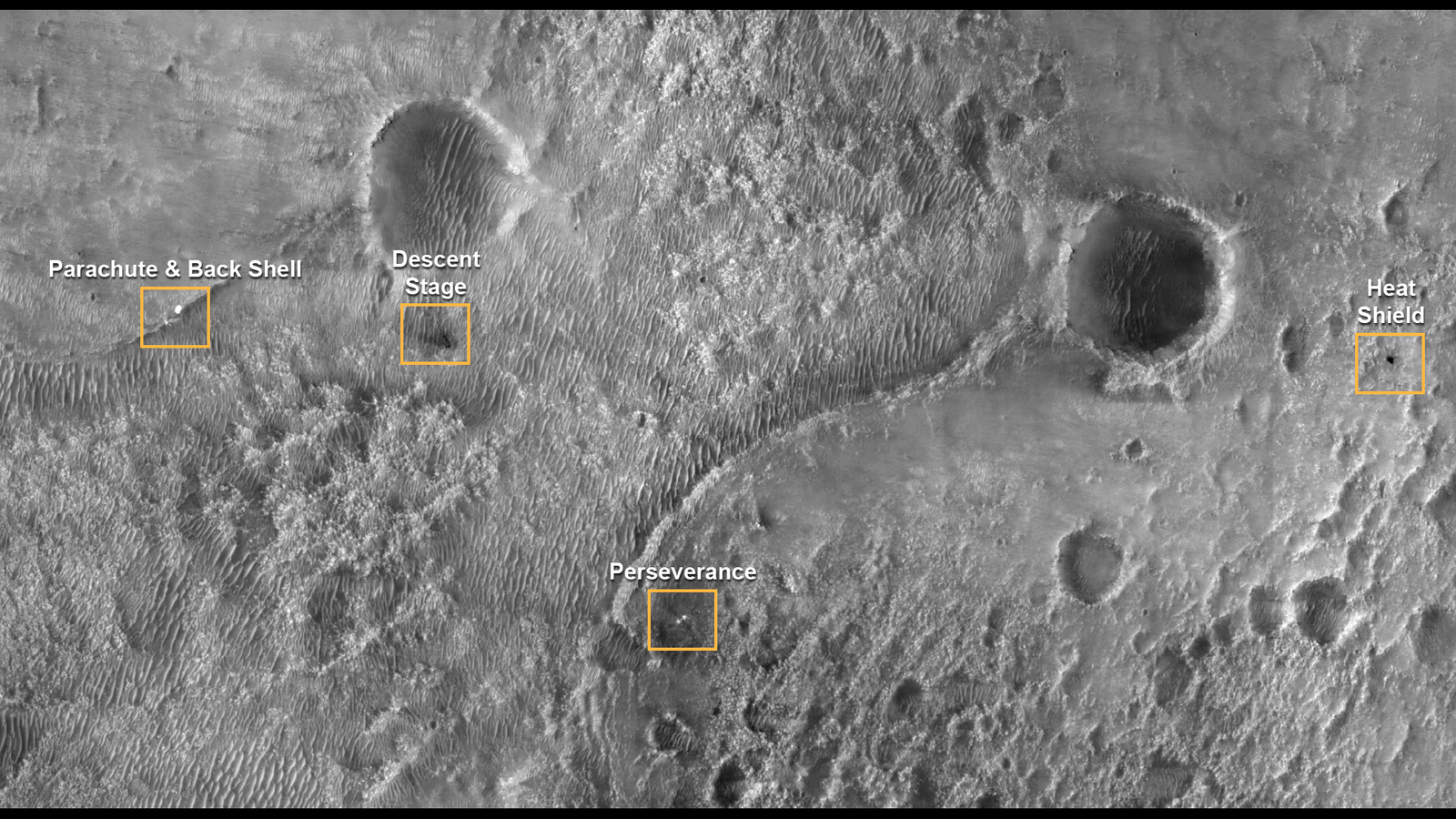
If life did exist on Mars, it was likely in the form of simple, microbial organisms. These hardy creatures, akin to Earth’s extremophiles, could have thrived in Mars’ early environments. Extremophiles are organisms that live in extreme conditions, such as hot springs or deep-sea vents. By studying these Earthly survivors, scientists gain insights into how life might have persisted on Mars. The possibility of ancient microbial life on Mars invites us to consider the resilience and adaptability of life itself.
Geological Evidence: A Window into Mars’ Past
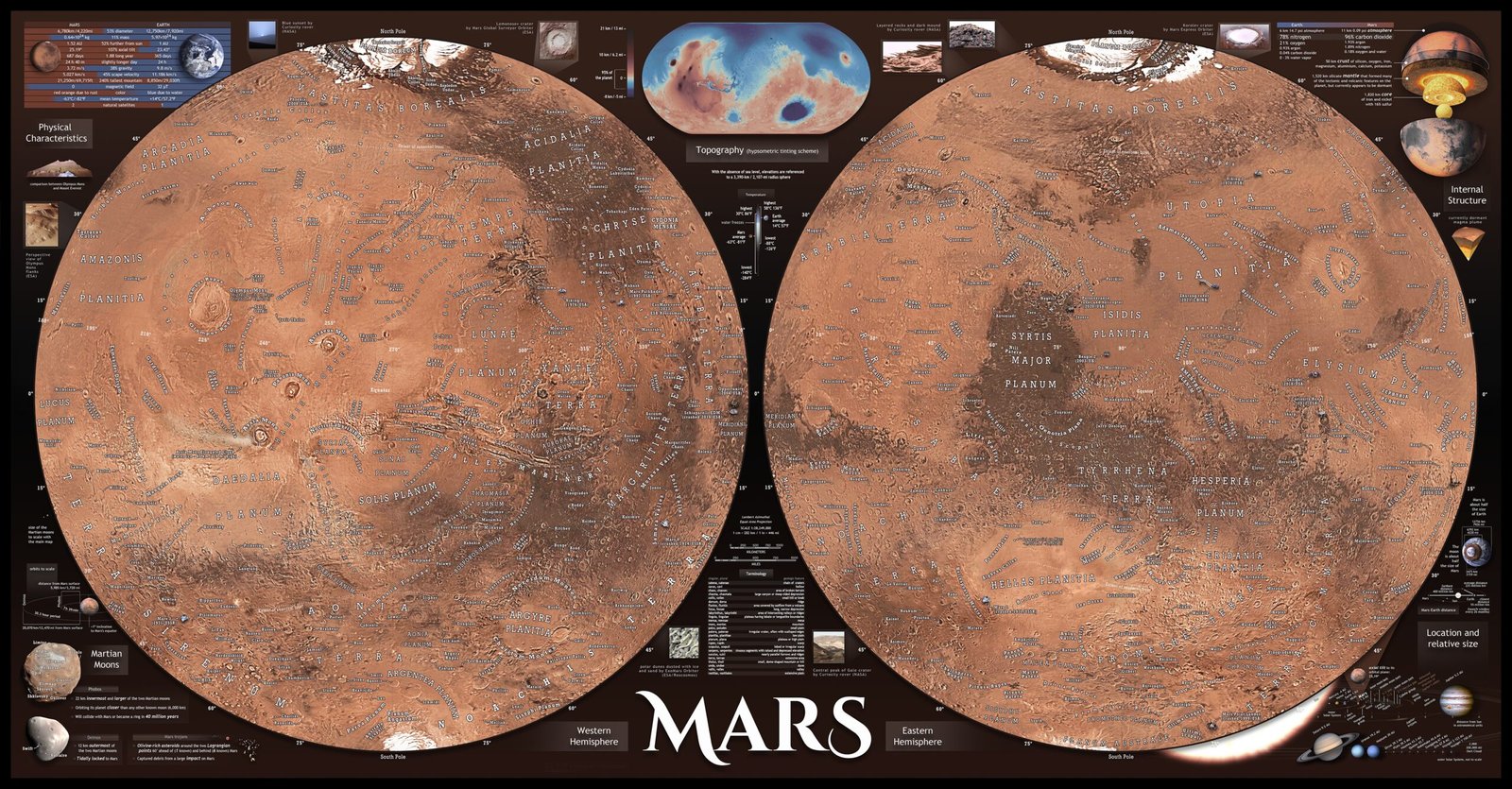
Mars’ geological features provide a window into its ancient past. The planet’s surface is dotted with intriguing formations, such as dried-up riverbeds, deltas, and sedimentary layers. These features suggest that Mars once had a dynamic, water-rich environment. By studying these geological clues, scientists can reconstruct Mars’ history and assess its potential for life. It’s like piecing together a puzzle, where each rock and crater tells a story of Mars’ evolution.
Comparative Planetology: Learning from Differences
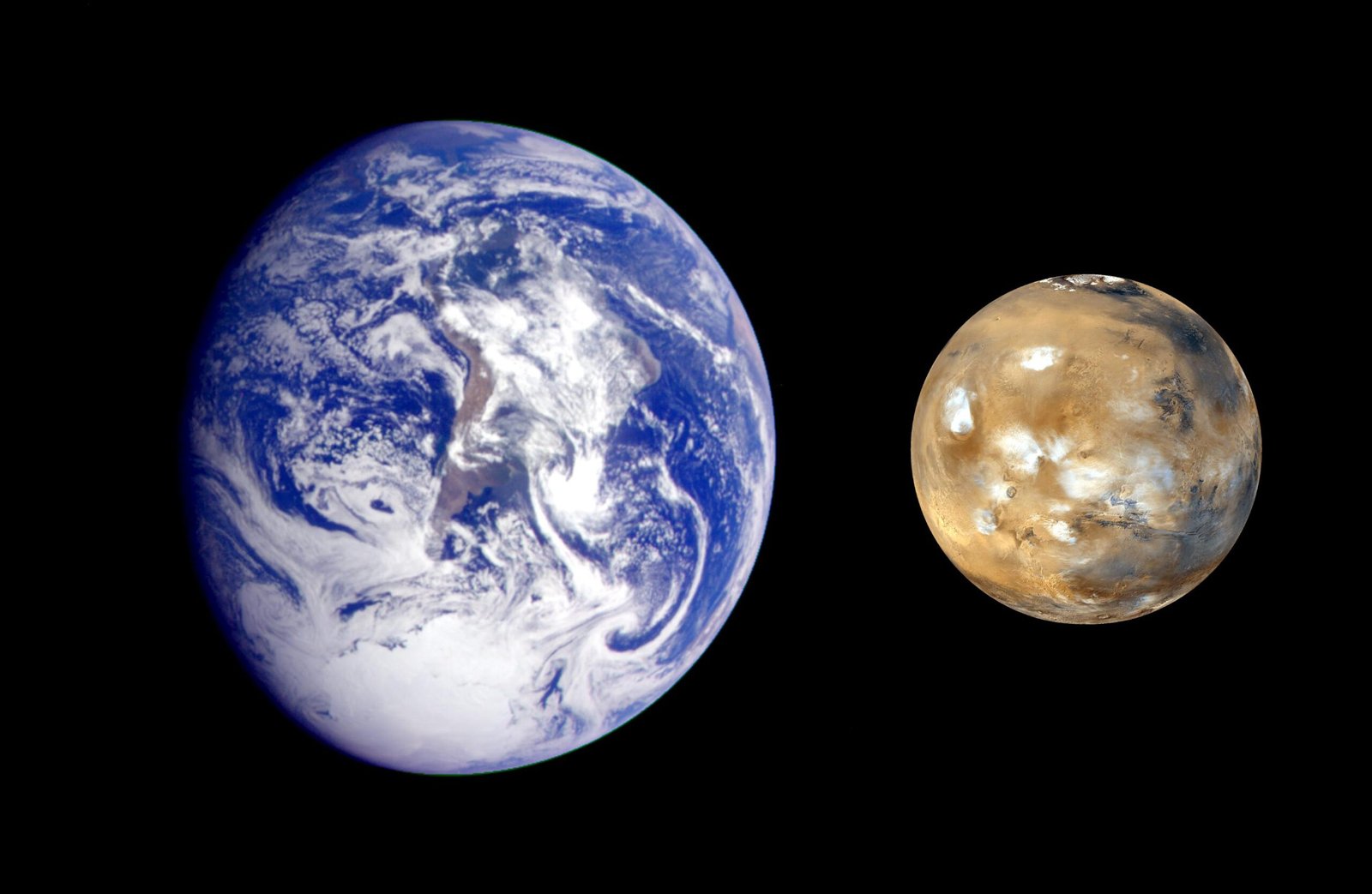
Comparative planetology allows scientists to study similarities and differences between Mars and Earth. By comparing the two planets, researchers can better understand the conditions that led to the emergence of life. Mars and Earth share common elements, such as water and carbon, but they evolved differently. Why did Earth become a lush, life-sustaining world while Mars turned into a frozen desert? By answering these questions, scientists hope to unlock the secrets of life’s origins.
The Role of Mars’ Magnetosphere
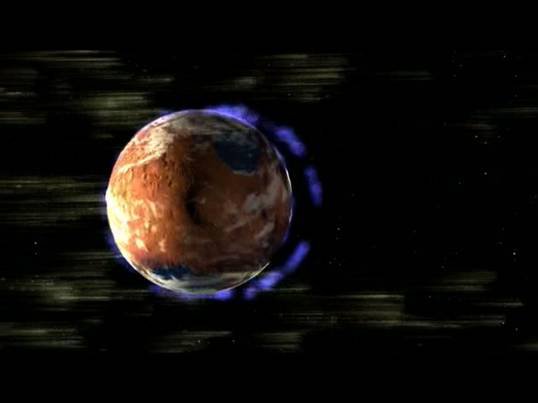
Mars once had a magnetic field, similar to Earth’s, which protected it from harmful solar radiation. This magnetosphere would have created a stable environment for life to flourish. However, as Mars’ core cooled, its magnetic field weakened, leaving the planet vulnerable to solar winds. Understanding the role of Mars’ magnetosphere in protecting its atmosphere and water is crucial to assessing its potential for life. It’s like losing an umbrella in a storm, leaving Mars exposed to the elements.
Terraforming Mars: A Future for Life?
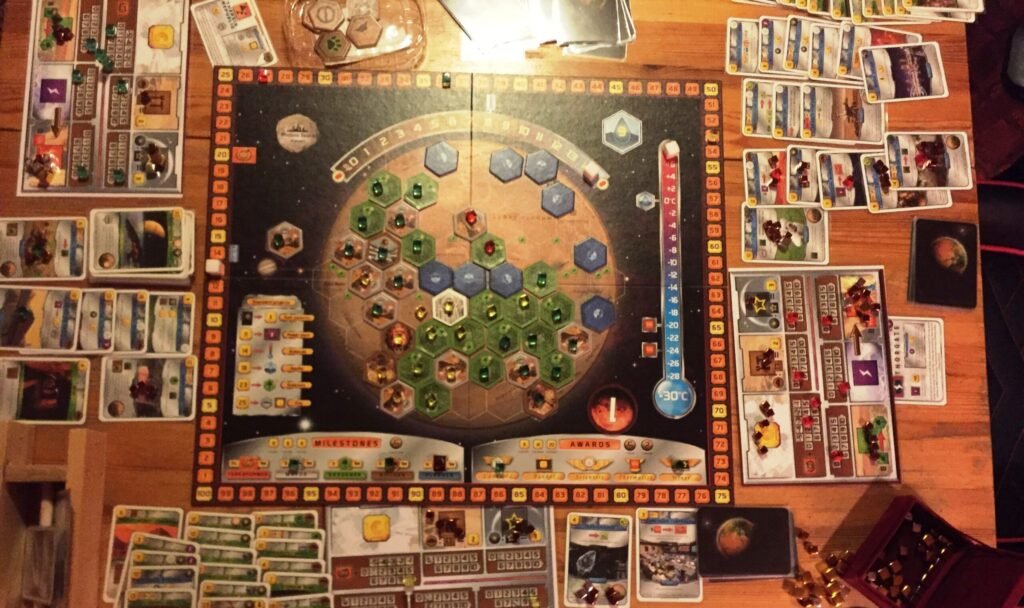
The idea of terraforming Mars—transforming it into a habitable world—captivates the imagination. If life once existed on Mars, could it be revived? Scientists are exploring ways to warm the planet, thicken its atmosphere, and introduce water. While these ideas remain speculative, they offer a vision of Mars as a future home for humanity. Imagine a Mars where life not only existed but flourished once again, a testament to human ingenuity and the enduring spirit of exploration.
The Cosmic Implications of Martian Life
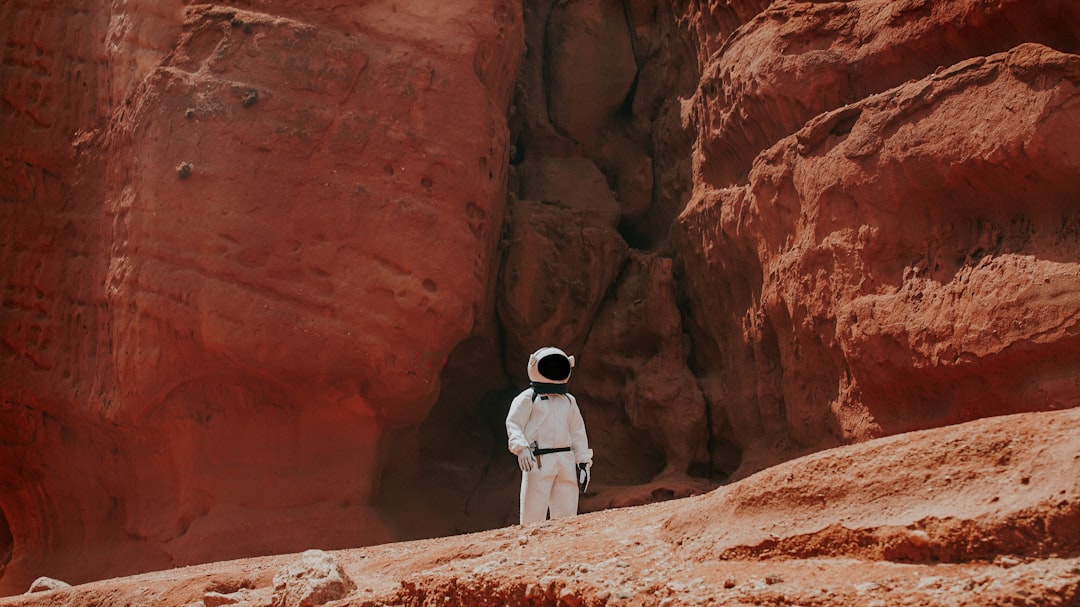
The possibility that life originated on Mars before Earth has profound cosmic implications. It challenges our understanding of life’s uniqueness and resilience. If life can emerge on Mars, it might exist elsewhere in the universe, waiting to be discovered. The search for life on Mars is not just about finding Martian microbes; it’s about understanding our place in the cosmos. It’s a reminder that we are part of a vast, interconnected universe, where life may take root in the most unexpected places.
In conclusion, the idea that life on Mars could have preceded life on Earth is a fascinating and thought-provoking possibility. It invites us to explore the mysteries of our solar system and ponder the origins of life itself. As scientists continue their quest for answers, the red planet remains a beacon of curiosity and wonder, a reminder that the search for life is a journey that transcends borders and generations.


