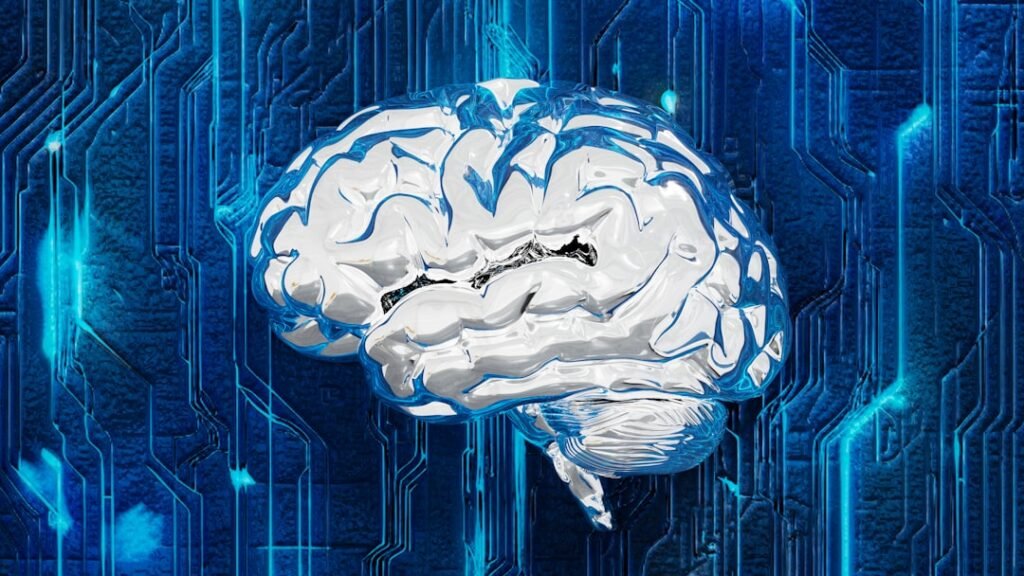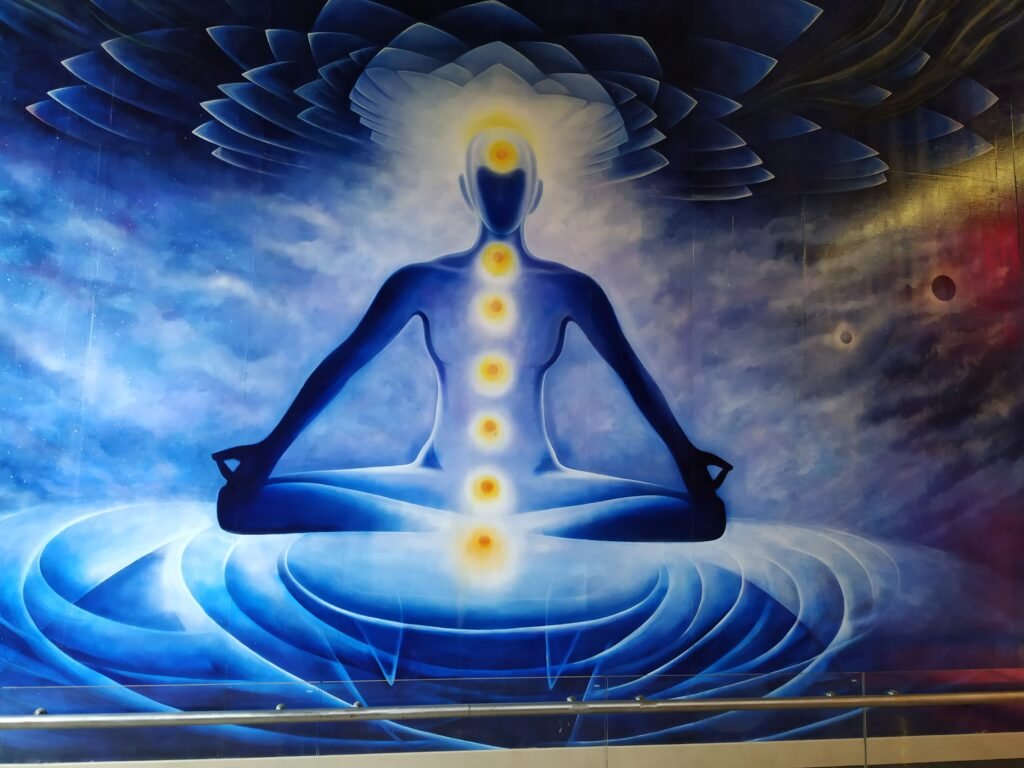

You’ve probably felt that moment when you look up at the stars and wonder if maybe, just maybe, there’s something more going on than dead matter floating through space. Turns out, you’re not alone in that feeling. Some of the world’s most respected scientists are now taking seriously an idea that would have gotten you laughed out of the lab a few decades ago: the universe itself might be conscious.
It sounds wild, doesn’t it? Like something out of a science fiction novel rather than peer-reviewed research. Yet this theory, called panpsychism, has experienced what researchers are calling a remarkable renaissance in recent years. Recent interest in the hard problem of consciousness and developments in the fields of neuroscience, psychology, and quantum mechanics have revived interest in panpsychism in the 21st century. What makes this particularly intriguing is that it’s not fringe thinkers proposing these ideas anymore. It’s serious philosophers, neuroscientists, and even physicists who are entertaining the possibility that consciousness isn’t just confined to brains.
When Dead Matter Suddenly Seems Very Much Alive
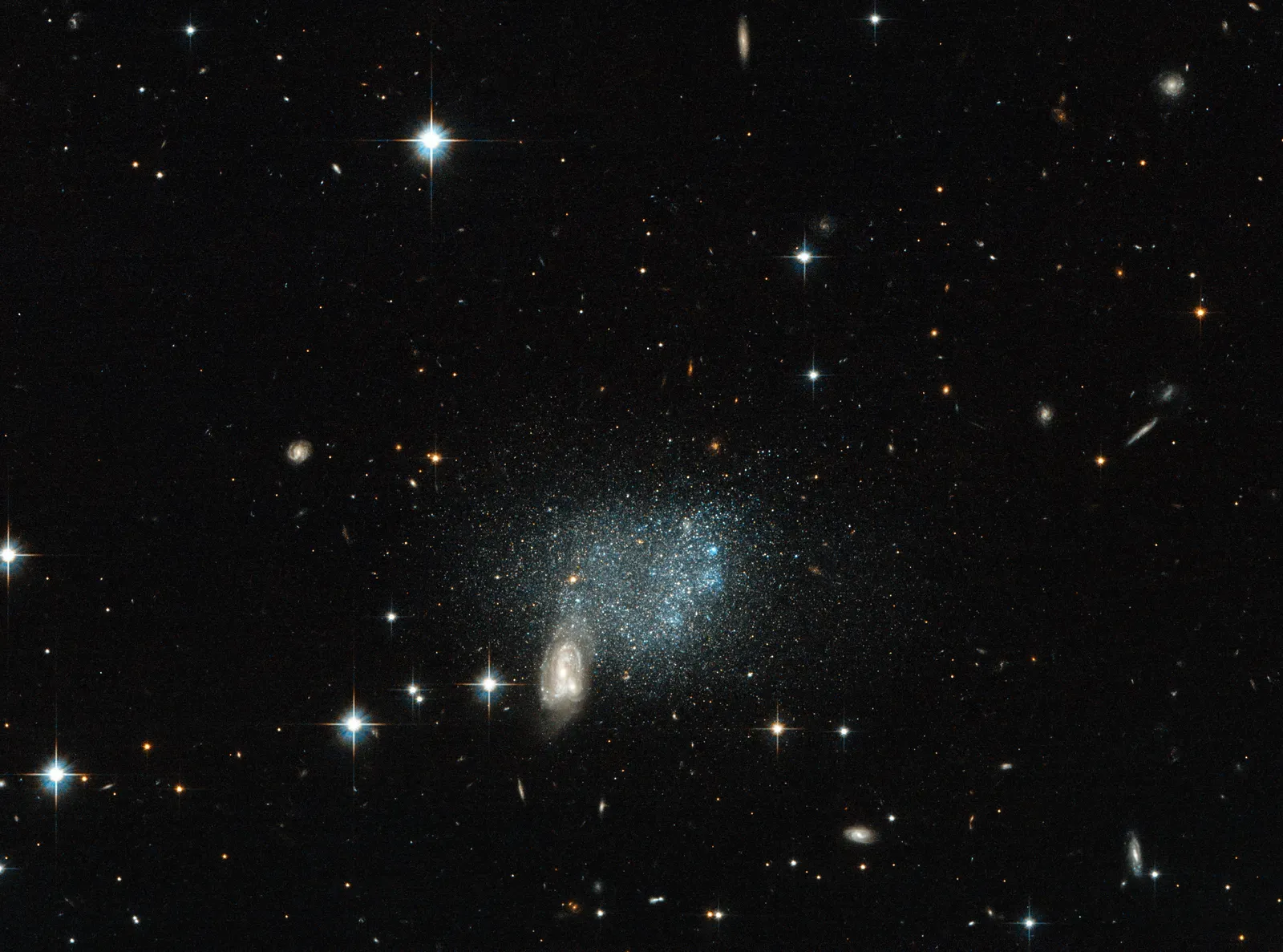
Here’s the thing about consciousness: nobody can actually explain it. You might think neuroscience has it all figured out, but there’s a massive gap in our understanding. Scientists can map your brain activity when you think about pizza. They can show you which neurons fire when you remember your grandmother’s face. Yet none of that tells us why any of this feels like something.
Panpsychism is the view that the mind or consciousness is a fundamental and ubiquitous feature of reality, described as a theory that the mind is a fundamental feature of the world which exists throughout the universe. The basic idea is surprisingly straightforward: what if consciousness isn’t something that suddenly appears when you arrange matter in a brain-shaped configuration? What if it’s been there all along, woven into the fabric of reality itself?
According to panpsychism, consciousness pervades the universe and is a fundamental feature of it, where the fundamental building blocks of the universe, perhaps electrons and quarks, have incredibly simple forms of experience. Think of it like this: you wouldn’t be surprised to learn that matter has properties like mass or charge. Panpsychists suggest consciousness is simply another fundamental property.
The Problem That Won’t Go Away
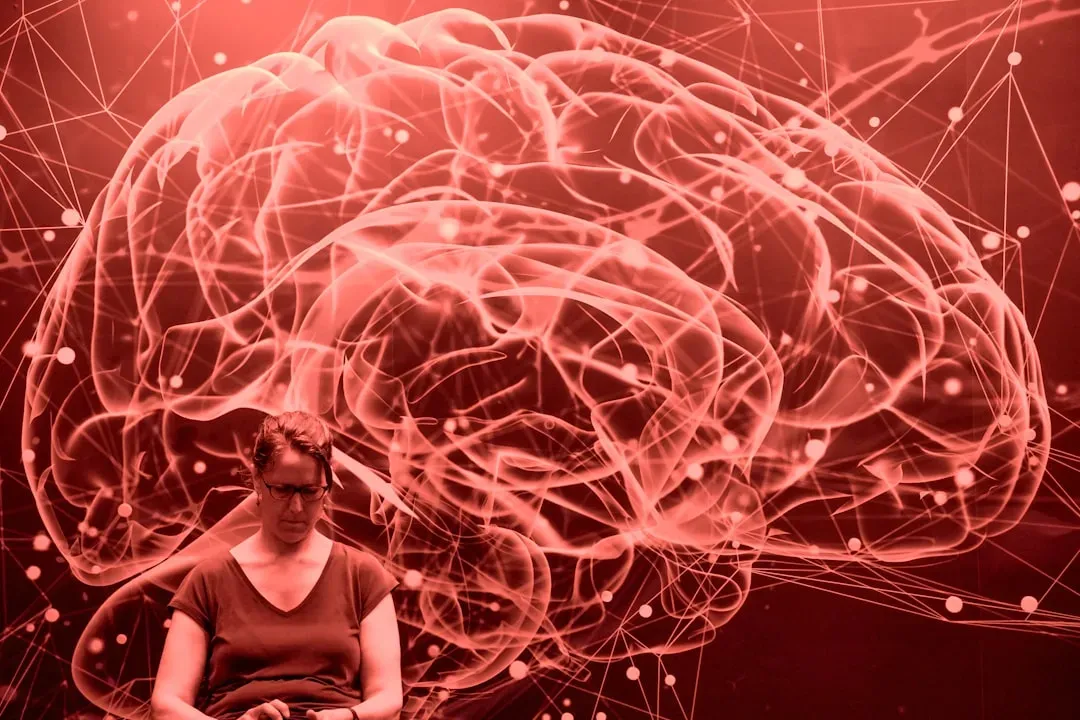
Let’s be real, the reason panpsychism is even on the table is because the conventional approach to consciousness has hit a brick wall. The hard problem goes beyond problems about the performance of functions, arising because it does not seem that the qualitative and subjective aspects of conscious experience fit into a physicalist ontology. Philosopher David Chalmers famously distinguished between the “easy” problems of consciousness and the hard problem.
The easy problems involve figuring out how the brain processes information, controls behavior, and responds to stimuli. These are only “easy” in comparison, mind you. As the cognitive psychologist Steven Pinker puts it, they are about as easy as going to Mars or curing cancer, though scientists more or less know what to look for.
The hard problem is something else entirely. It asks: why does any of this physical processing produce subjective experience? Why does seeing red feel like anything at all? You could theoretically build a machine that responds to red light, distinguishes it from blue light, and reacts accordingly. Yet that machine presumably wouldn’t experience redness the way you do. This gap between mechanism and experience is what drives some scientists to consider more radical solutions.
Ancient Wisdom Meets Modern Physics
This isn’t actually a new idea, which might surprise you. Panpsychism is one of the oldest philosophical theories and has been ascribed, in some form, to philosophers including Thales, Plato, Spinoza, Leibniz, Schopenhauer, William James, Alfred North Whitehead, and Bertrand Russell. The difference is that today’s version comes equipped with mathematical frameworks and empirical predictions.
In the 19th century, panpsychism was the default philosophy of mind in Western thought, but it saw a decline in the mid-20th century with the rise of logical positivism. What changed? The hard problem of consciousness refused to be solved, and new discoveries in quantum mechanics started revealing that reality at its most fundamental level is far stranger than anyone imagined.
Philip Goff is one of a rising tide of thinkers around the world who have found that panpsychism used to be laughed at insofar as it was thought of at all, but now we are in the midst of a full-blown panpsychist renaissance. Researchers began to realize that dismissing consciousness as merely an illusion or an emergent property of complexity wasn’t solving the problem, it was just sweeping it under the rug.
Information Is Everything
One of the most intriguing scientific frameworks that edges toward panpsychism is Integrated Information Theory, developed by neuroscientist Giulio Tononi. The integrated information theory of consciousness, proposed by the neuroscientist and psychiatrist Giulio Tononi in 2004 and since adopted by other neuroscientists such as Christof Koch, postulates that consciousness is widespread and can be found even in some simple systems.
This theory tries to quantify consciousness mathematically. According to IIT, integrated information corresponds to the quantity of consciousness, where a system’s consciousness is conjectured to be mathematically described by the system’s causal structure. Essentially, any system that integrates information in the right way would possess some degree of consciousness.
The only dominant theory we have of consciousness says that it is associated with complexity, with a system’s ability to act upon its own state and determine its own fate, and theory states that it could go down to very simple systems. This means that consciousness isn’t an all-or-nothing phenomenon. A thermostat wouldn’t be conscious in any meaningful sense, but according to IIT, it might possess an incredibly rudimentary form of experience. Your brain, with its billions of neurons integrating vast amounts of information, would sit at the far end of that spectrum.
The Universe as One Big Mind
Some researchers take panpsychism even further with cosmopsychism, the idea that the universe itself possesses consciousness. Cosmopsychism is a holistic form of panpsychism relying on the central idea that the universe is imbued with a ubiquitous field of consciousness, understood as a foundational dual-aspect component of the cosmos. Rather than consciousness building up from tiny conscious particles, your individual awareness might be a localized expression of a cosmic consciousness.
If we combine holism with panpsychism, we get cosmopsychism, the view that the universe is conscious and that the consciousness of humans and animals is derived not from the consciousness of fundamental particles but from the consciousness of the universe itself. Think of it like waves on an ocean, each one temporarily distinct but fundamentally part of the same body of water.
This might sound mystical, yet there are scientific arguments in its favor. The American philosopher Jonathan Schaffer argues that the phenomenon of quantum entanglement is good evidence for holism, as entangled particles behave as a whole even if separated by large distances, suggesting we are in a Universe in which complex systems are more fundamental than their parts.
Quantum Consciousness in Your Neurons
Roger Penrose, who won the Nobel Prize in Physics, has proposed perhaps the most controversial theory linking consciousness to fundamental physics. Orchestrated objective reduction is a theory postulating that consciousness originates at the quantum level inside neurons rather than being a product of neural connections, with the mechanism held to be a quantum process called objective reduction that is orchestrated by cellular structures called microtubules.
The hypothesis was put forward in the 1990s by physicist Roger Penrose and anesthesiologist Stuart Hameroff, combining molecular biology, neuroscience, pharmacology, philosophy, quantum information theory, and quantum gravity. The basic idea is that consciousness arises from quantum computations happening inside the protein structures within your brain’s neurons. When these quantum states collapse, that’s when you experience a moment of conscious awareness.
Critics have been harsh. These criticisms focus on three issues: Penrose’s interpretation of Gödel’s theorem, Penrose’s abductive reasoning linking non-computability to quantum events, and the brain’s unsuitability to host quantum phenomena since it is considered too warm, wet and noisy to avoid decoherence. Yet recent experiments have found quantum effects in biological systems that were previously thought impossible. The theory remains alive, if controversial.
When Simple Organisms Act Surprisingly Smart
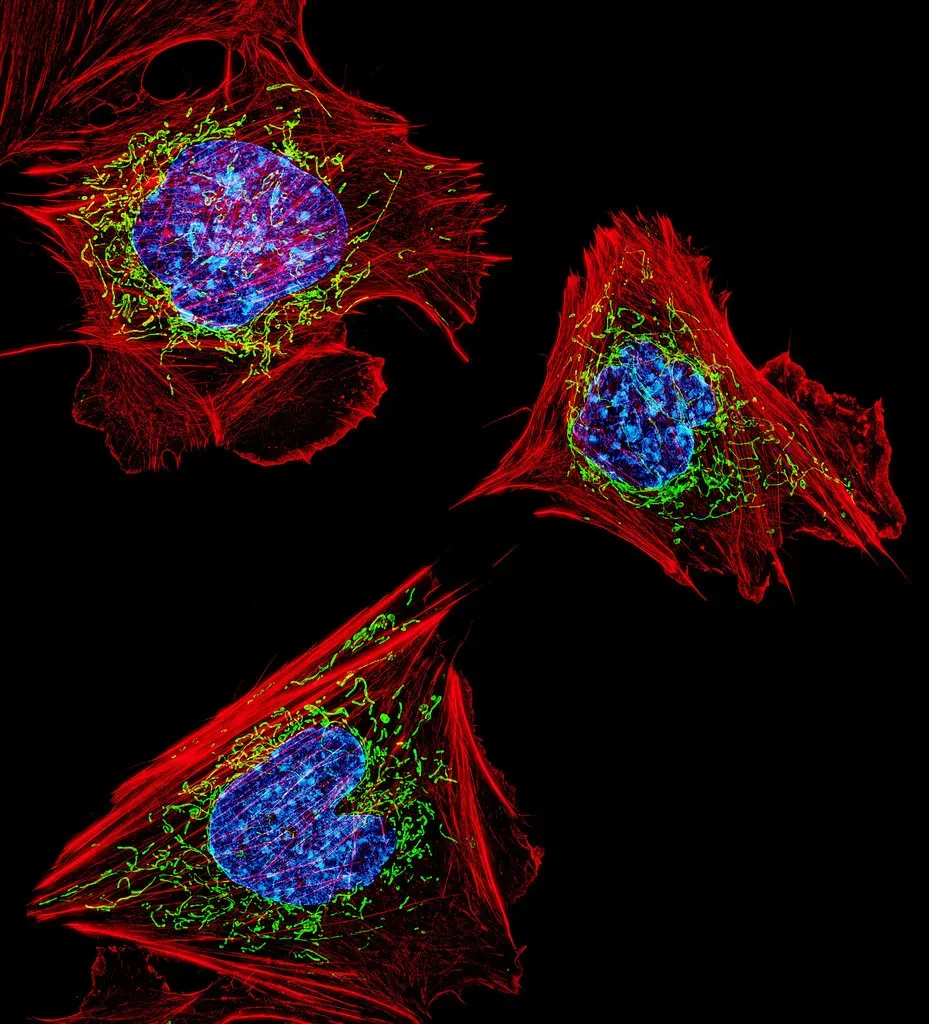
One of the most compelling pieces of evidence comes from observing extremely simple organisms doing remarkably complex things. At Columbia University, the biologist Martin Picard has discovered that mitochondria, the organelles found in the cells of almost every complex organism, communicate with each other and with the cell nucleus, exhibit group formation and interdependence, synchronize their behaviors and functionally specialize.
Nobody’s suggesting mitochondria are pondering the meaning of life. Yet if you saw an animal-sized creature behaving this way, coordinating and communicating and adapting, you’d probably assume it had at least some basic level of awareness. Slime molds can navigate mazes and recreate efficient transportation networks despite having no brain at all. These observations don’t prove panpsychism, but they certainly make you wonder where exactly consciousness begins and ends.
Neuroscientist Christof Koch noted finding it striking that after 2,400 years, we are now back to panpsychism. The wheel has come full circle, though now armed with mathematical models and empirical data that ancient philosophers could never have imagined.
The Combination Problem Nobody’s Solved
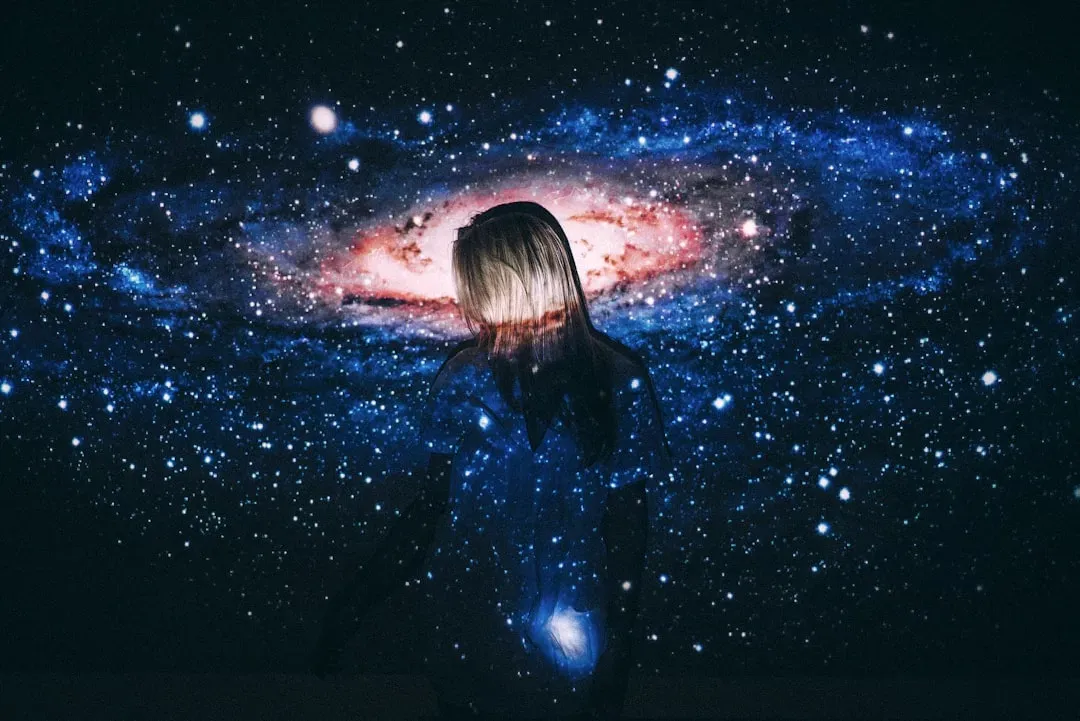
Here’s where panpsychism hits a serious snag: the combination problem. If electrons have tiny bits of consciousness, how do billions of them combine to produce your unified conscious experience? You don’t experience your brain as a democracy of trillions of micro-consciousnesses voting on what to think next. You experience a single, unified stream of awareness.
Proponents of cosmopsychism claim that the cosmos as a whole is the fundamental level of reality and that it instantiates consciousness, differing from panpsychists who usually claim that the smallest level of reality is fundamental. This represents one attempt to solve the combination problem by reversing the direction: instead of building up consciousness from the bottom, derive individual consciousnesses from a cosmic whole.
Honestly, nobody has a fully satisfactory answer to this problem yet. It’s the primary challenge facing anyone who takes panpsychism seriously. Yet proponents argue that it’s no worse than the problems facing materialism, which can’t explain how consciousness emerges from non-conscious matter in the first place.
What This Means for You and the Universe

If any version of panpsychism turns out to be true, it would fundamentally reshape our relationship with reality. In a universe often portrayed as cold, mechanical, and indifferent, panpsychism paints a different picture, a cosmos suffused with mind where humans are not lonely accidents but expressions of a deeper, universal subjectivity. You wouldn’t be a conscious observer isolated in a dead universe. You’d be part of a universe that’s conscious through and through.
In recent years, a once-fringe philosophical idea has experienced a renaissance: panpsychism, proposing consciousness is a fundamental and ubiquitous aspect of all reality, increasingly discussed in academic circles as a viable solution to the hard problem of consciousness, with renewed interest stemming from developments in neuroscience, psychology, and quantum mechanics.
The ethical implications are staggering. If consciousness exists at some level throughout nature, how should that change how we treat the world around us? It’s one thing to cut down a tree you think is just biological machinery. It’s quite another if that tree possesses some form of experience, however alien to our own.
Conclusion: The Universe Looking at Itself
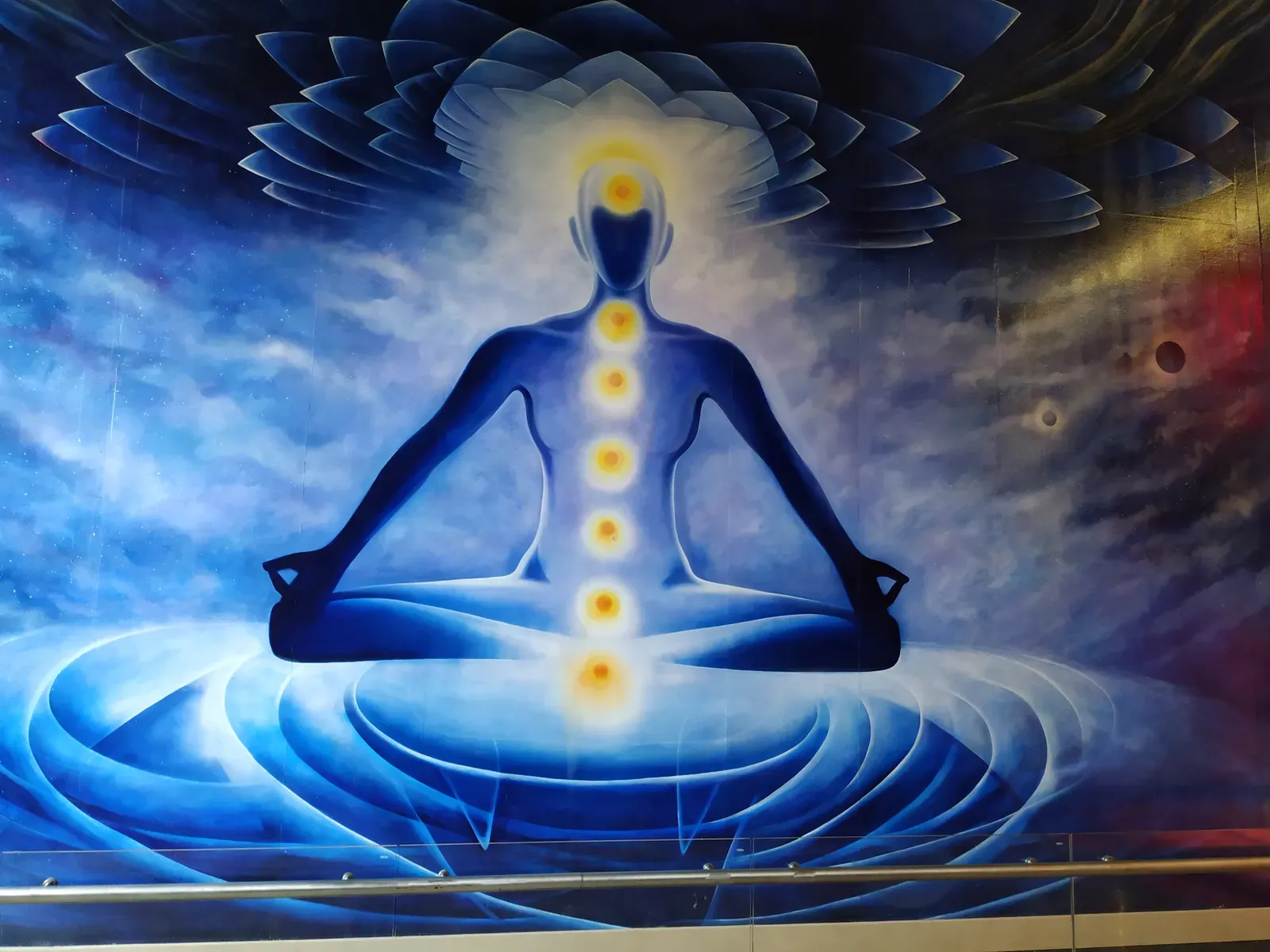
Look, let’s be honest. We’re nowhere near a definitive answer. The hard problem of consciousness remains stubbornly hard. Most neuroscientists and cognitive scientists believe that Chalmers’ alleged hard problem will be solved, or be shown to not be a real problem, in the course of the solution of the so-called easy problems, although a significant minority disagrees. The debate rages on in laboratories and philosophy departments worldwide.
What’s undeniable is that panpsychism has moved from the fringe to the center of consciousness studies. A significant and growing minority of analytic philosophers have begun seriously to explore the potential of panpsychism, both to provide a satisfying account of the emergence of human consciousness and to give a positive account of the intrinsic nature of matter. Whether it ultimately proves correct or not, it’s forcing scientists to confront questions they’d previously dismissed as unanswerable or unscientific.
Maybe consciousness doesn’t need to be explained as emerging from complexity. Maybe it was there from the beginning, fundamental as space and time. Maybe when you look at the stars and wonder if there’s something more, the universe is looking back through your eyes, conscious of itself.
What do you think about the possibility that everything might be conscious in some way? Does it change how you see the world around you?
Hi, I’m Andrew, and I come from India. Experienced content specialist with a passion for writing. My forte includes health and wellness, Travel, Animals, and Nature. A nature nomad, I am obsessed with mountains and love high-altitude trekking. I have been on several Himalayan treks in India including the Everest Base Camp in Nepal, a profound experience.