Earth’s gravity is one of the fundamental forces that keep everything tethered to the planet’s surface. While we may imagine gravity as a consistent force, the reality is that Earth’s gravitational field is not uniform. Some places on Earth exhibit gravity anomalies, where the force of gravity is slightly stronger or weaker than what is typically expected. This fascinating phenomenon piques the curiosity of scientists and laypeople alike, sparking questions about its causes and implications. This article delves into the reasons behind these anomalies, offering a window into the dynamic nature of our planet.
What is a Gravity Anomaly?

A gravity anomaly refers to the variation in gravitational force observed at different locations on Earth. These variations occur because the planet is not a perfect sphere and has an uneven distribution of mass. Gravity anomalies are typically expressed as positive or negative, indicating an increase or decrease in gravity compared to a theoretical standard gravitational model, respectively.
The Role of Mass Distribution
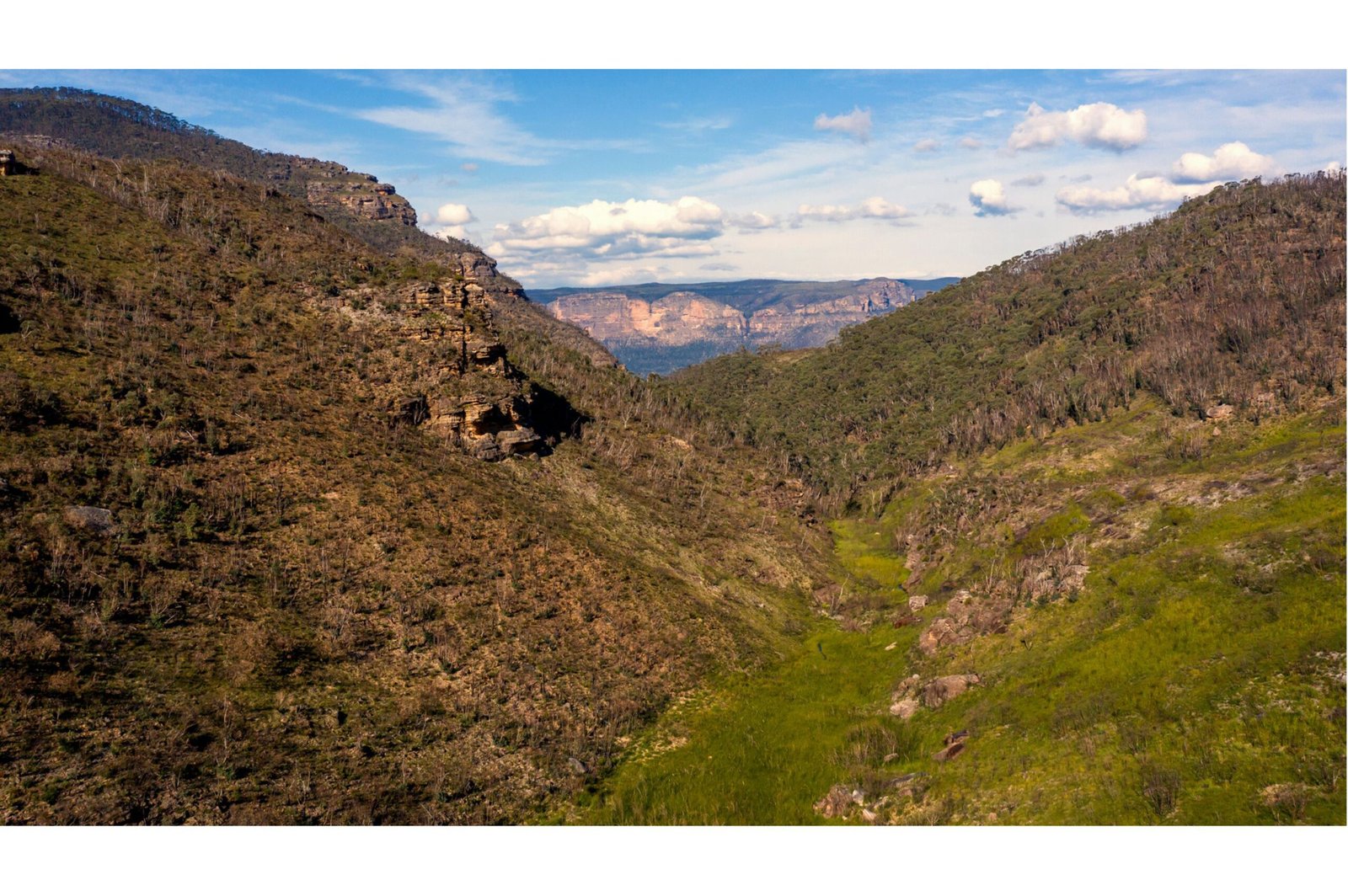
The distribution of mass within the Earth significantly influences gravity. Areas with higher density, such as mountain ranges, often exhibit positive gravity anomalies because they have more mass pulling on objects. Conversely, ocean trenches, which lack substantial mass, can create negative gravity anomalies.
The Influence of Earth’s Topography
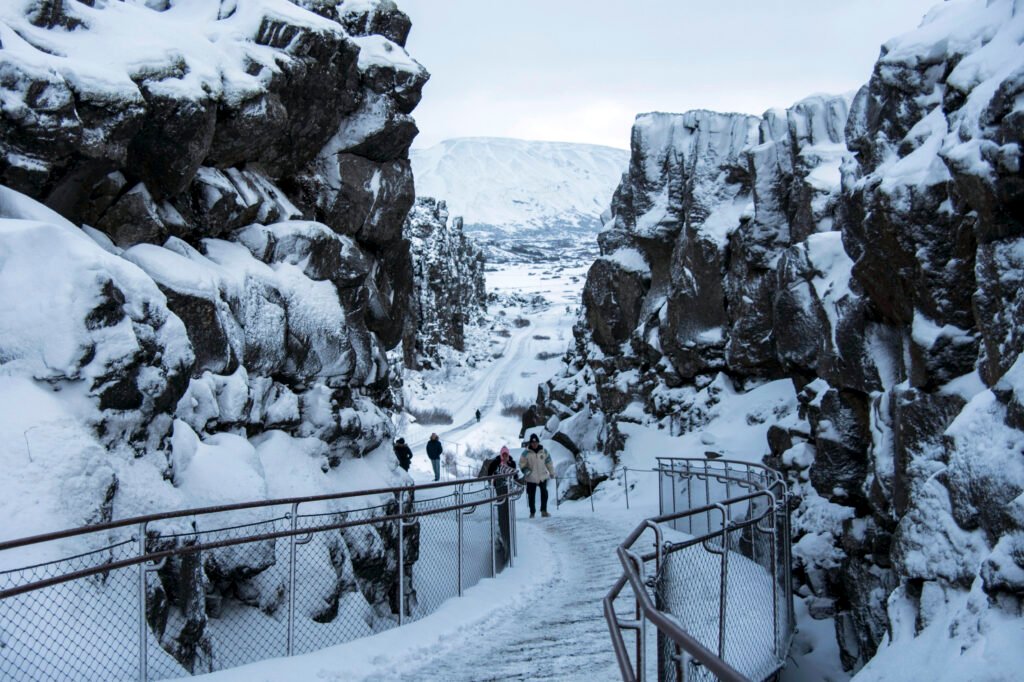
Earth’s varied topography plays a crucial role in gravity anomalies. Features like mountain ranges, valleys, and oceanic trenches impact the local gravitational field. For example, the Himalayas have a stronger gravitational pull due to their immense mass, while negative anomalies might be observed over deep oceanic troughs.
Subsurface Geological Structures
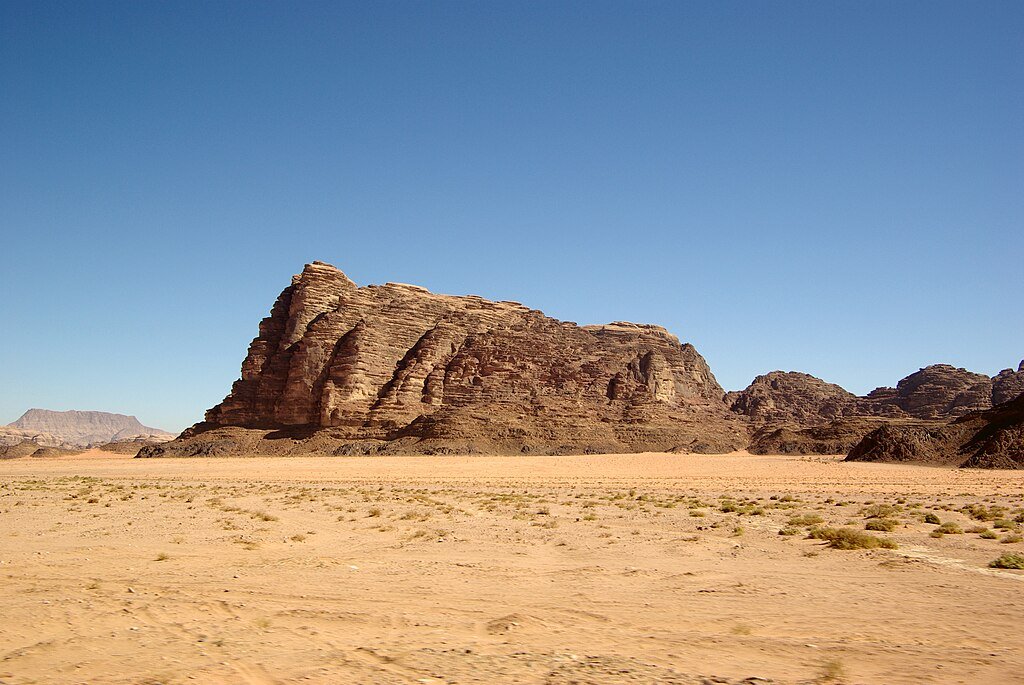
Gravity anomalies are also influenced by geological structures beneath the surface, such as sedimentary basins or dense rock formations. These structures alter the distribution of mass, leading to variations in the gravitational field. Studies of gravity anomalies help scientists infer the composition and structure of these subsurface formations.
The Effect of Tectonic Activity
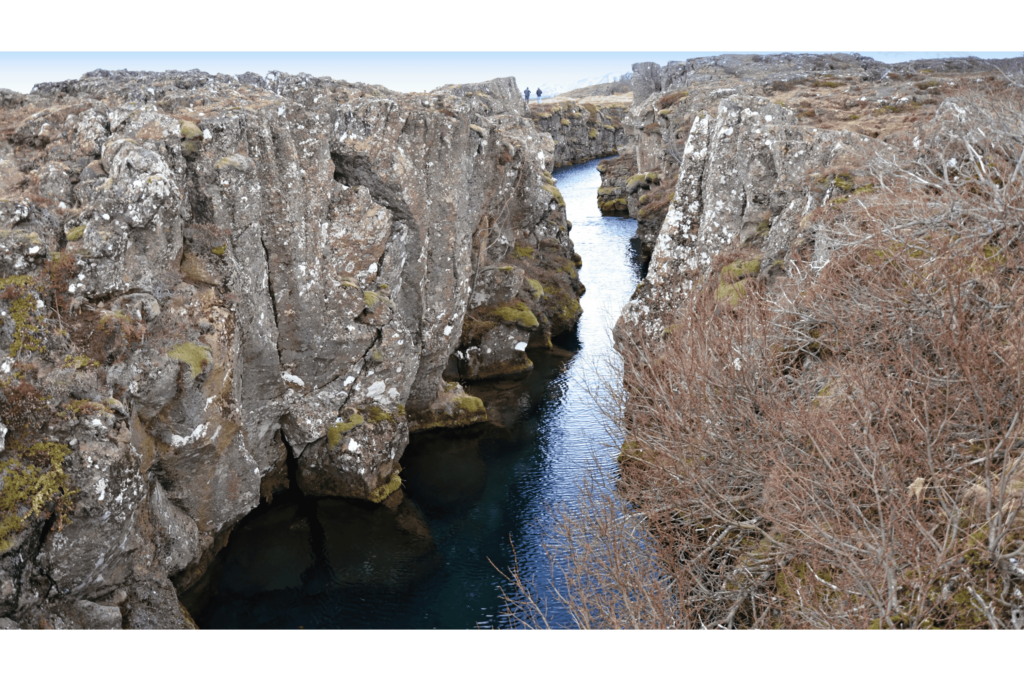
Tectonic activity, including the movement of Earth’s lithospheric plates, influences gravity anomalies. Subduction zones, where one tectonic plate slips beneath another, can create significant mass differences and, consequently, notable gravity anomalies. Likewise, regions experiencing rifting or volcanic activity may have anomalies due to changes in mass distribution.
The Role of Earth’s Rotation
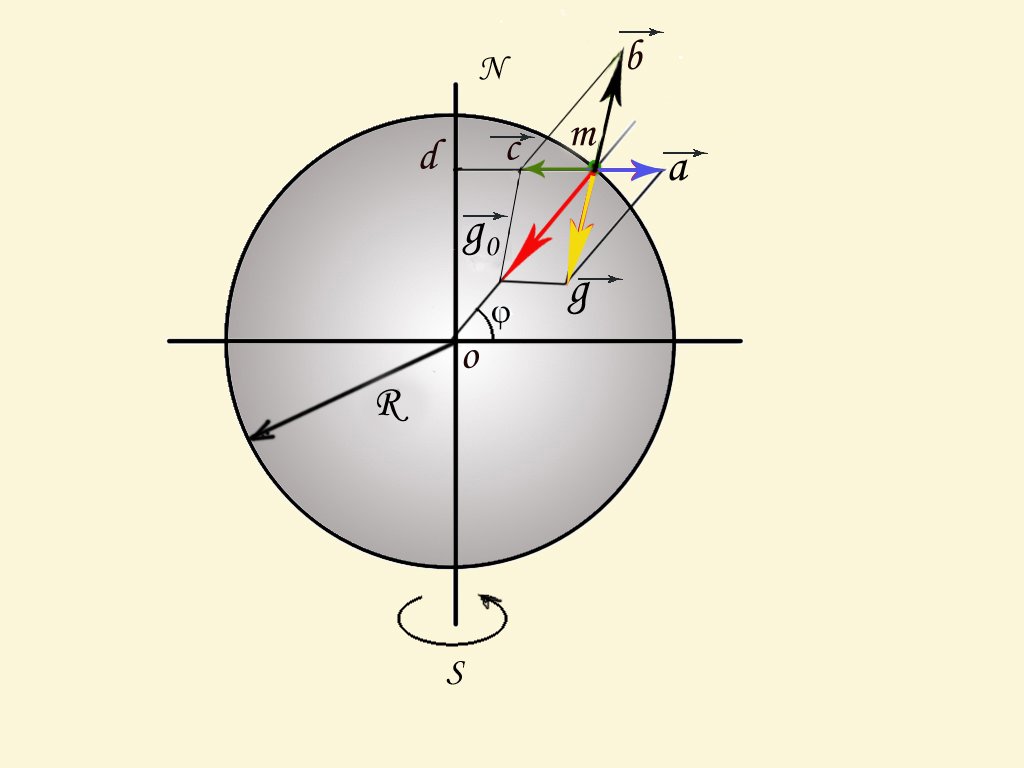
Earth’s rotation causes the planet to bulge slightly at the equator, meaning gravity is weaker at the poles and stronger at the equator. This equatorial bulge is a type of gravity anomaly due to centripetal forces resulting from Earth’s rotational velocity.
The Gravitational Influence of Ocean Currents

Surprisingly, our planet’s oceanic currents also play a role in gravity anomalies. The movement of large volumes of water can redistribute mass and create temporary variations in the gravitational field. The changes might be subtle, but they are detectable using sensitive gravimetric equipment.
The Impact of Melting Ice and Sea Level Changes

Melting ice caps and glaciers, alongside alterations in sea levels, affect Earth’s gravitational field. When glaciers melt, the mass that was once accumulated as ice redistributes, contributing to gravity anomalies. These changes can alter regional gravity fields over time.
Satellites and Gravity Mapping

To study gravity anomalies, scientists rely on satellites equipped with sensitive instruments capable of measuring minute changes in gravity. Missions like the Gravity Recovery and Climate Experiment (GRACE) have provided critical data for mapping Earth’s gravitational field, revealing much about its internal structure and dynamics.
Applications of Gravity Anomaly Research
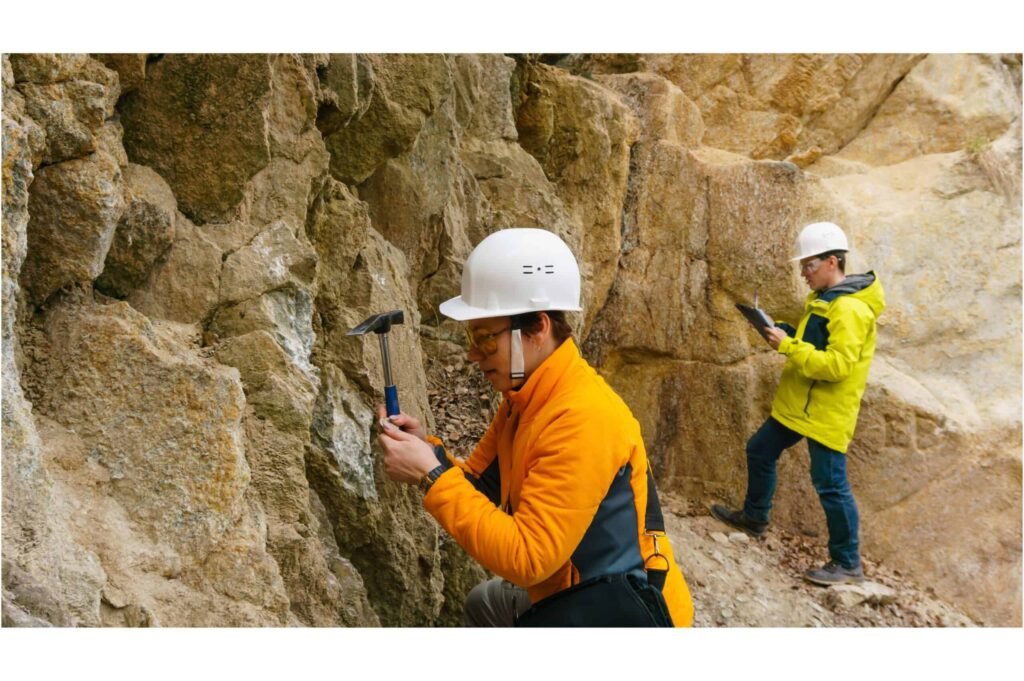
Understanding gravity anomalies has practical applications in various fields. Geologists use these studies to locate potential oil, gas, and mineral reserves. Additionally, climatologists benefit from this data to monitor changes in ice mass and water storage, which are essential for understanding climate change.
Gravity Anomalies on Other Celestial Bodies
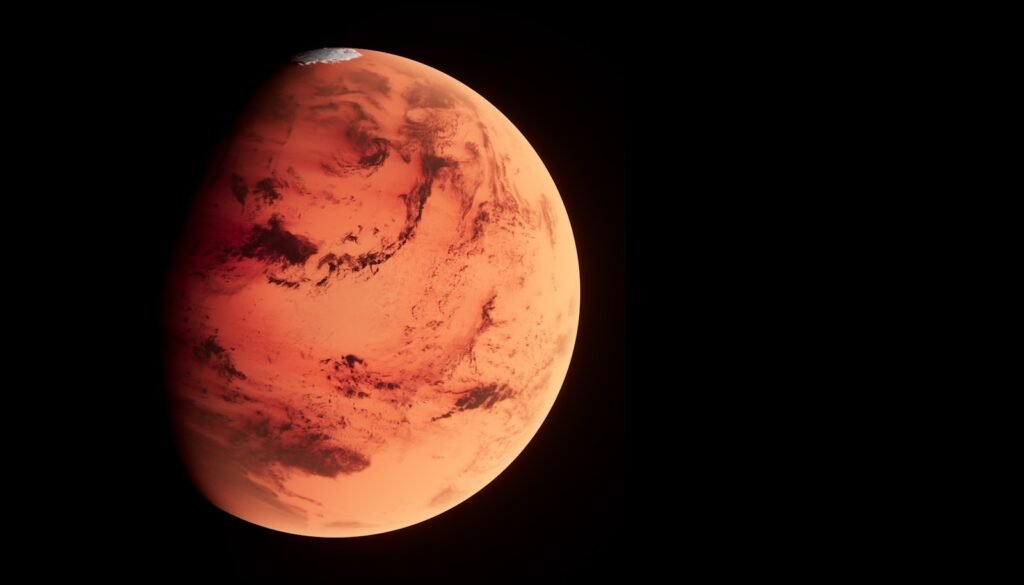
The study of gravity anomalies is not confined to Earth. Researchers explore gravitational variations on other celestial bodies like the Moon and Mars to understand their structure and evolution. This comparative planetary science helps us better comprehend the dynamics of celestial objects.
Conclusion

Gravity anomalies on Earth serve as a window into the planet’s dynamic mass distribution and geological activity. They reveal the intricacies of planetary processes, from tectonic shifts to oceanic currents, and present a valuable tool for scientific inquiry. By studying these variations, scientists can glean insights into the Earth’s past, present, and future, enhancing our understanding of not only our home planet but also the wider cosmos.