


Imagine plunging into the depths of the ocean, feeling the cool water envelop you, and realizing you can hold your breath for an astonishingly long time. This remarkable ability, akin to that of dolphins, is not just a superpower reserved for marine mammals. Some humans possess this extraordinary capability, raising intriguing questions about our connection to the natural world and the secrets of our own physiology.
The Fascinating World of Breath-Holding
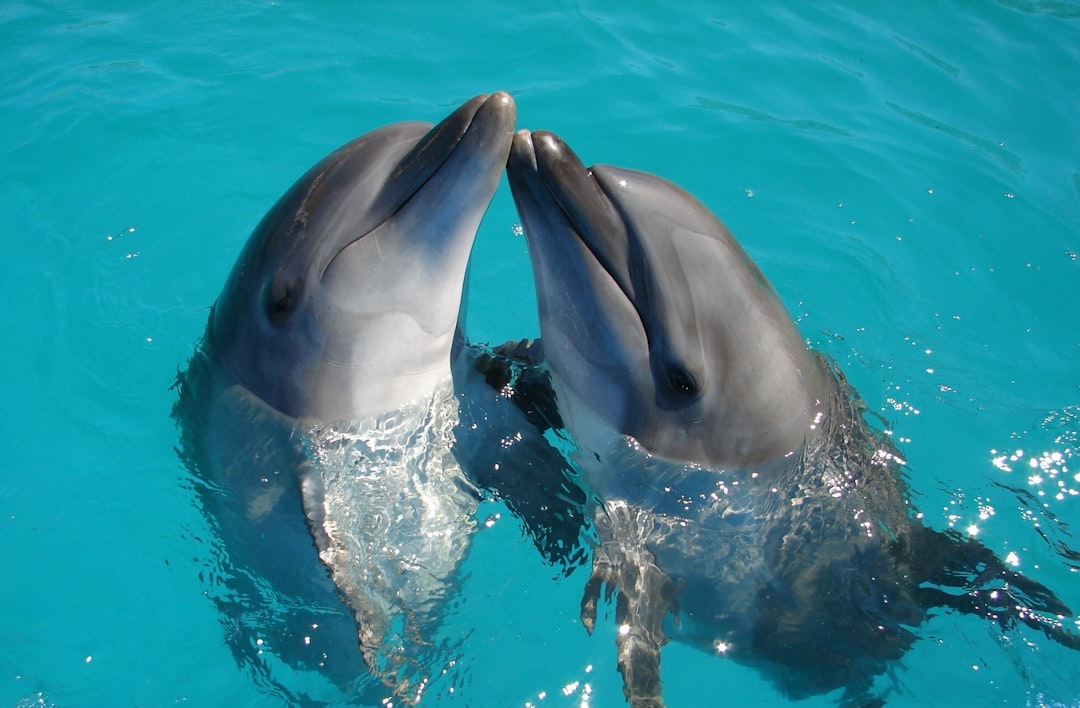
Breath-holding is an ancient skill that has intrigued humans for centuries. It’s not simply about how long you can go without air; it’s a complex interplay between mind, body, and environment. Dolphins, renowned for their breath-holding prowess, can stay submerged for up to 15 minutes. Some people, through training and adaptation, can reach impressive times too. This ability is not just a party trick but a testament to the resilience and adaptability of the human body. It speaks to our deep evolutionary roots, hinting at a time when our ancestors might have relied on similar skills to survive.
The Mammalian Dive Reflex

At the heart of this capability is the mammalian dive reflex, an evolutionary gift shared with many aquatic animals. When you plunge into cold water, your body undergoes a series of physiological changes: heart rate slows, blood is redirected to vital organs, and the spleen releases oxygen-rich blood cells. This reflex conserves oxygen, allowing extended underwater endurance. It’s as if your body switches to a more aquatic mode, prioritizing survival over comfort. Dolphins have honed this reflex to perfection, but with practice, humans can tap into it too.
Training the Body and Mind
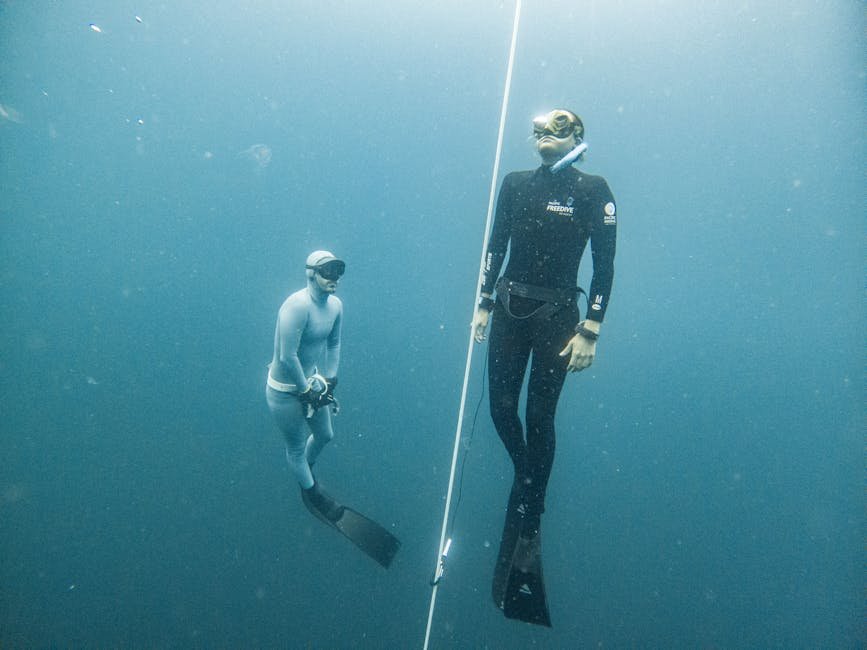
Achieving dolphin-like breath-holding prowess isn’t just about physical training; it’s a mental game as well. Freedivers, who often hold their breath for minutes at a time, practice both the physical aspects and mental fortitude. Techniques like meditation, yoga, and controlled breathing exercises are essential. These practices help to calm the mind, reduce anxiety, and enhance focus. It’s about overcoming the primal urge to breathe and trusting in your body’s capabilities. The journey involves patience and persistence, echoing the discipline of athletes and the serenity of monks.
The Role of Genetics
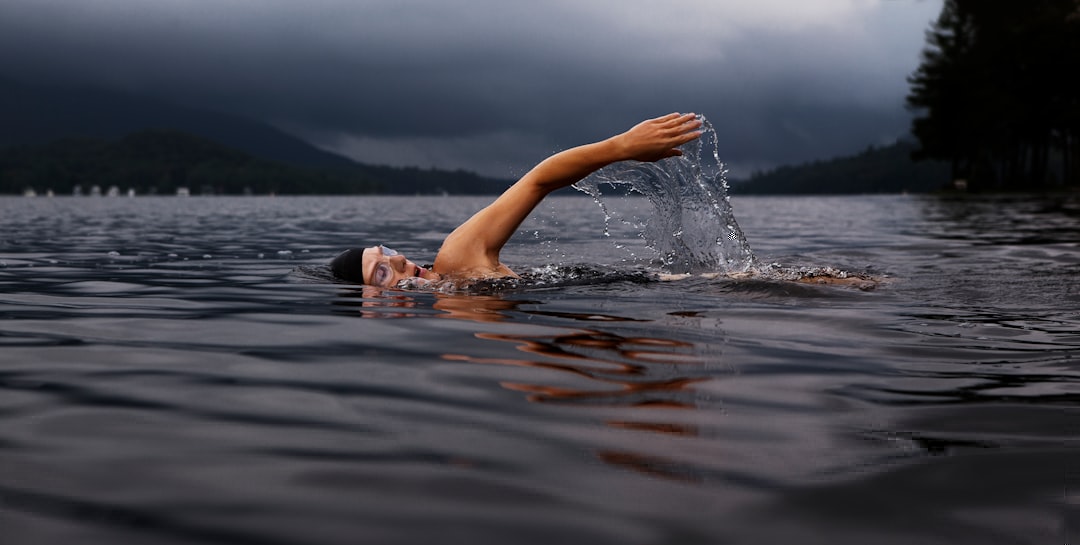
While training can enhance breath-holding abilities, genetics also play a crucial role. Some individuals have a natural predisposition for this skill, much like how some people are naturally better at running or swimming. Certain genetic markers influence lung capacity, blood oxygen levels, and the efficiency of the dive reflex. These genetic variations can make breath-holding feel almost second nature to some, while others may find it more challenging. This diversity showcases the incredible range of human abilities and the intricate tapestry of our genetic makeup.
The Influence of Environment

Environment shapes our abilities in profound ways. People living in high-altitude areas, for example, often develop larger lung capacities to cope with lower oxygen levels. Similarly, communities that rely on diving for sustenance, such as the Bajau people of Southeast Asia, have developed remarkable breath-holding skills over generations. Their bodies have adapted to the demands of their environment, illustrating the remarkable plasticity of human physiology. This adaptability is a testament to our species’ resilience and resourcefulness.
Understanding Oxygen Utilization

The efficient use of oxygen is key to prolonged breath-holding. When you hold your breath, your body shifts to using stored oxygen more judiciously. This involves minimizing energy expenditure and prioritizing essential functions. Dolphins excel at this, and through training, humans can improve their oxygen efficiency too. Techniques such as hyperventilation before diving can saturate the blood with oxygen, extending underwater time. However, it requires careful practice, as improper technique can lead to dizziness or blackouts.
The Psychological Aspect
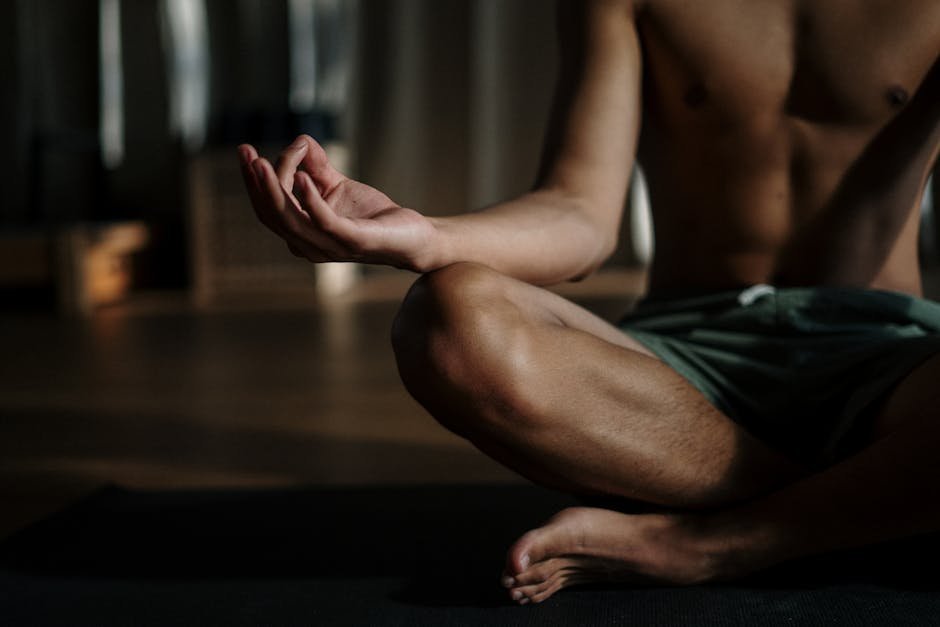
The mind plays a pivotal role in breath-holding. The sensation of needing to breathe is not solely due to a lack of oxygen but also the buildup of carbon dioxide in the body. Learning to tolerate this sensation is crucial. Experienced breath-holders often describe reaching a state of deep relaxation, where time seems to slow, and the urge to breathe diminishes. This psychological mastery is akin to meditation, where one learns to control the mind’s impulses and focus on the present moment.
Modern Applications and Benefits
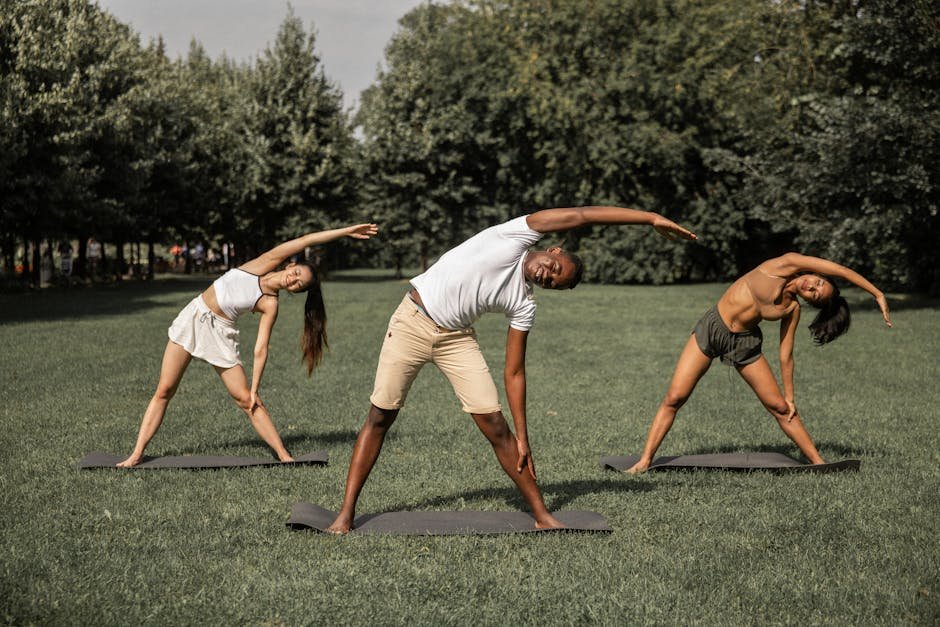
Breath-holding isn’t just an impressive skill; it has practical applications and benefits. Divers use it for underwater exploration, photographers capture stunning marine life, and athletes enhance their performance through breath control. Moreover, the practice promotes lung health, enhances stress management, and improves concentration. The ability to hold one’s breath is more than a physical feat; it’s a holistic practice that integrates body, mind, and spirit, offering a plethora of benefits in daily life.
Challenges and Risks

While the ability to hold one’s breath like a dolphin is fascinating, it comes with challenges and risks. Pushing the limits without proper training can lead to dangerous situations, such as shallow water blackout—a sudden loss of consciousness caused by low oxygen levels. It’s crucial to approach breath-holding with respect, understanding, and caution. Proper guidance, gradual training, and awareness of one’s limits are essential to ensure safety and maximize the benefits of this extraordinary skill.
Embracing Our Inner Dolphin
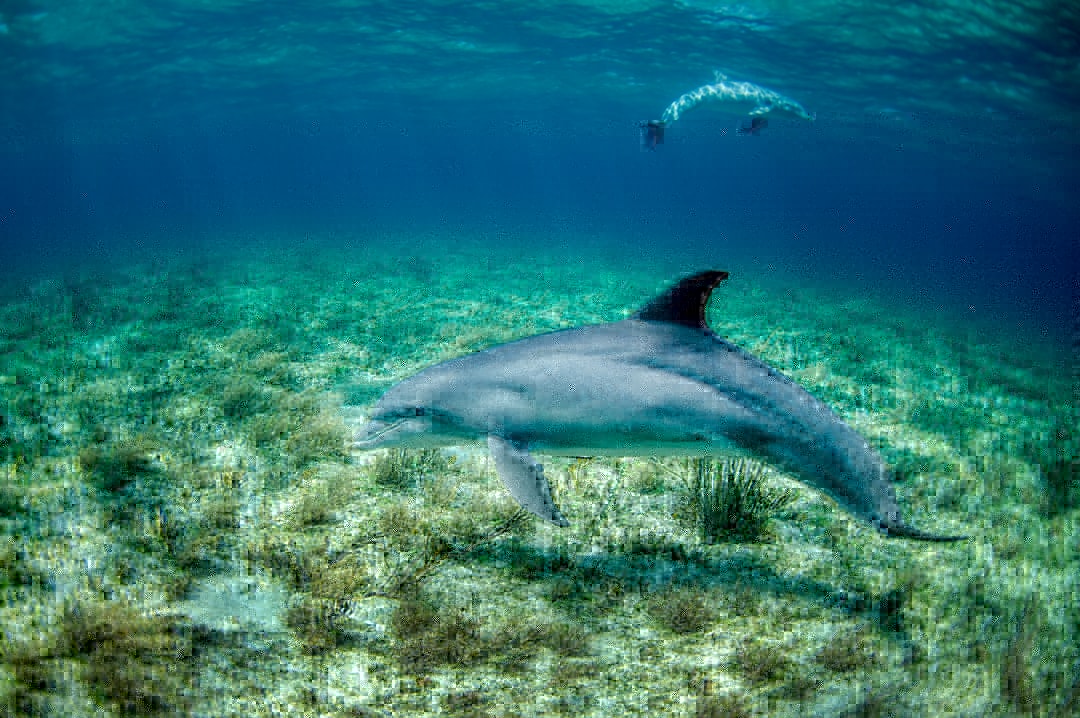
The ability to hold our breath like dolphins invites us to explore the boundaries of human potential. It challenges us to connect with our primal instincts and embrace the natural world. This skill, rooted in our evolutionary past, offers a glimpse into the remarkable capabilities of the human body and mind. Whether for sport, exploration, or personal growth, breath-holding is a journey of discovery and transformation, inviting each of us to dive deep into our own potential.


