
You’ve probably heard that everyone outside Africa carries a small percentage of Neanderthal DNA. Yet you might not realize that this is just one piece of a much larger puzzle about our human ancestry. The story goes far deeper than most people imagine, stretching back hundreds of thousands of years and involving multiple encounters between different human species across the globe.
Modern human ancestors diverged from the ancestors of Neandertals and Denisovans approximately 700,000 to 800,000 years ago. Until about 40,000 years ago, these three groups existed in parallel, occasionally met, and exchanged genes. What scientists discovered through ancient DNA analysis has completely rewritten our understanding of human evolution, revealing that our ancestors weren’t isolated populations but rather groups that regularly encountered and interbred with their distant relatives.
The Discovery That Changed Everything
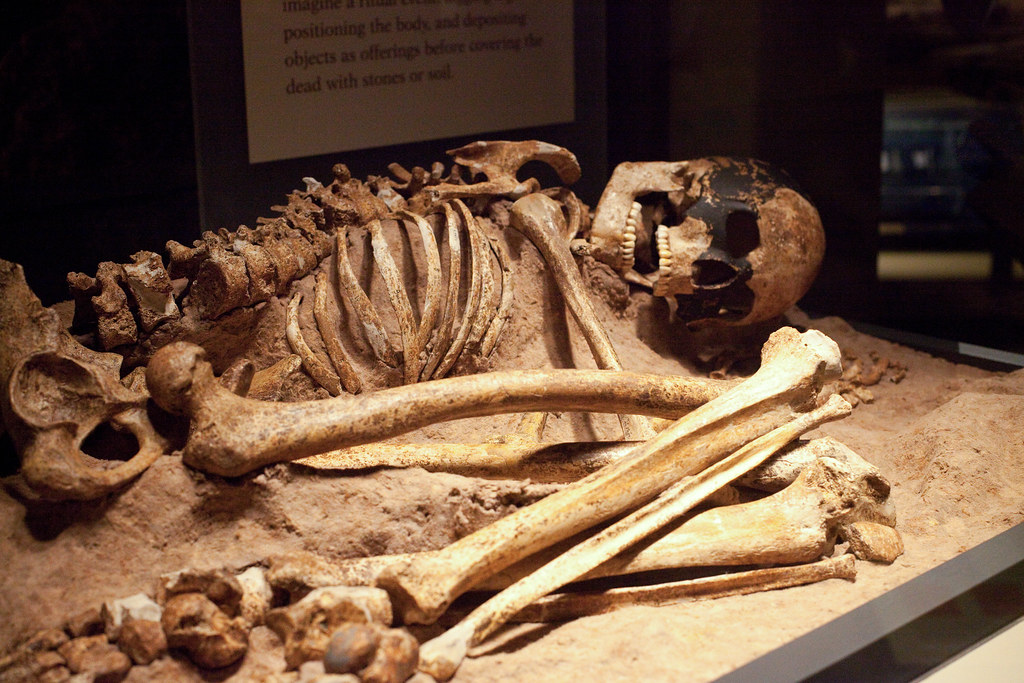
The breakthrough came when scientists first extracted DNA from Neanderthal bones in the early 2000s. Before this moment, the existence in modern humans was purely theoretical. Denisovans are close relatives of both modern humans and Neanderthals, and likely diverged from these lineages around 300,000 to 400,000 years ago; they are more closely related to Neanderthals than to modern humans.
The real surprise came in 2010 with the discovery of the Denisovans, a completely unknown human species identified solely through their DNA. This species is the first fossil hominin identified as a new species based on its DNA alone. Scientists found their genetic traces not just in fossils, but living in the DNA of people today, particularly those from Oceania and parts of Asia.
Multiple Waves of Ancient Encounters
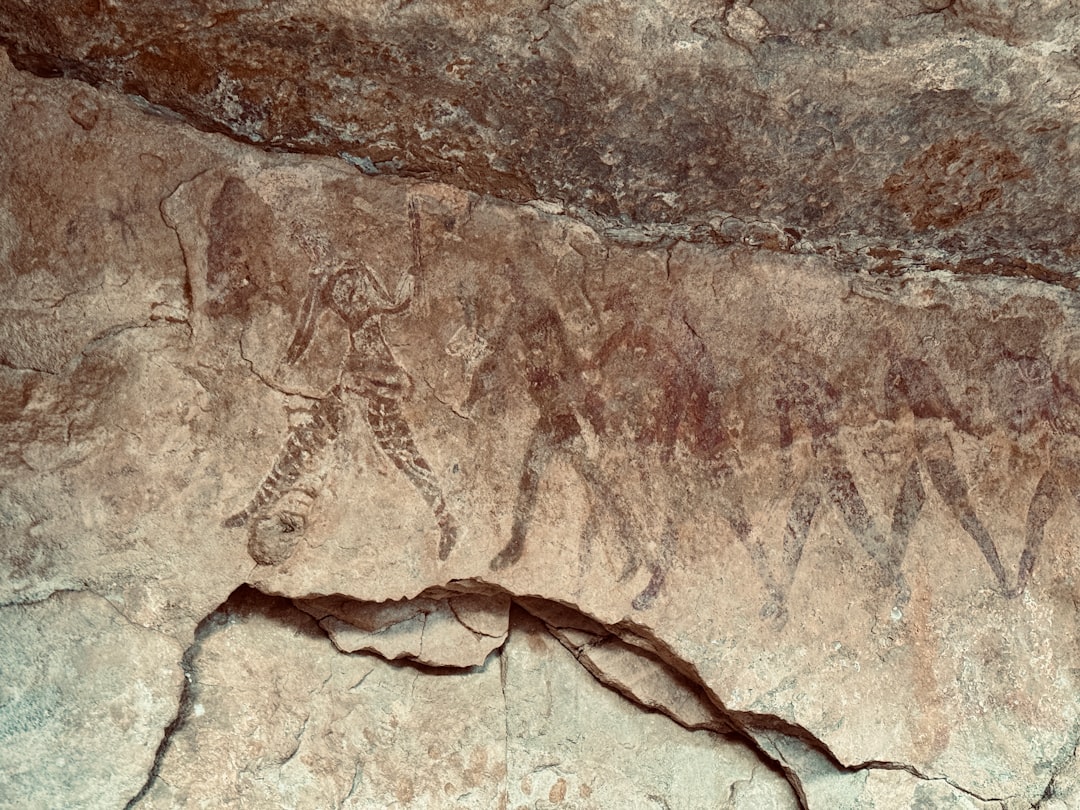
Recent research has revealed that the mixing between ancient human groups wasn’t a single event but happened repeatedly over tens of thousands of years. “This is the first time that geneticists have identified multiple waves of modern human-Neanderthal admixture,” said Liming Li, a professor in the Department of Medical Genetics and Developmental Biology at Southeast University. “Our models show that there wasn’t a long period of stasis, but that shortly after modern humans arose, we’ve been migrating out of Africa and coming back to Africa, too,” he said.
These encounters happened far earlier than scientists originally thought. But now, in a study published in July in the journal Science, researchers suggest Homo sapiens migrated from the African continent in several waves, interbreeding with Neanderthal populations as early as 250,000 years ago. “This is the first time that geneticists have identified multiple waves of modern human-Neanderthal admixture,” first author Liming Li, an associate research scholar at Princeton University, says in a statement. This means our ancestors were meeting and mixing with other human species for hundreds of thousands of years before the major migration out of Africa.
Who Were These Ancient Relatives?
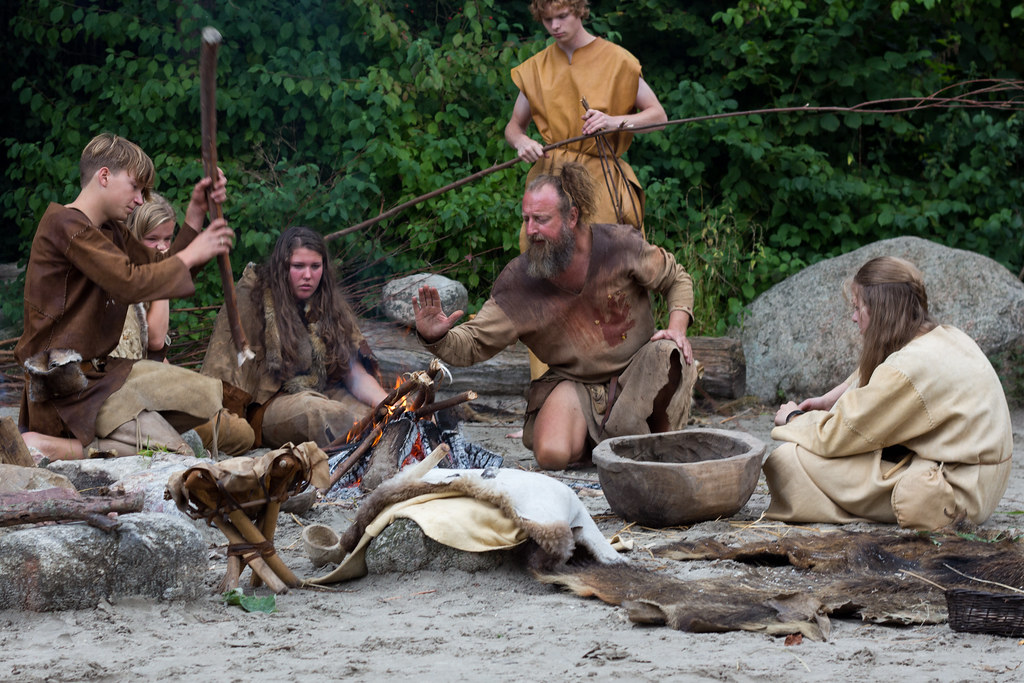
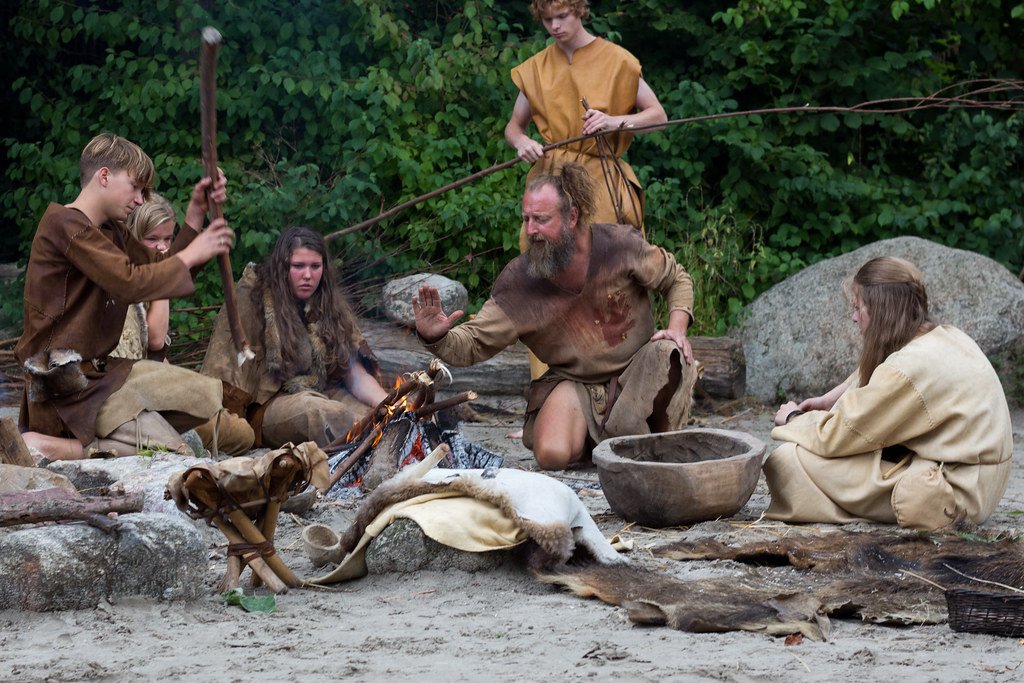
The ancient humans whose genes we carry today weren’t primitive cave dwellers as often portrayed in popular culture. H. heidelbergensis was also the first hunter of large game animals; remains of animals such as wild deer, horses, elephants, hippos, and rhinos with butchery marks on their bones have been found together at sites with H. heidelbergensis fossils. Evidence for this also comes from 400,000 year old wooden spears found at the site of Schöningen, Germany, which were found together with stone tools and the remains of more than 10 butchered horses.
Neanderthals developed sophisticated tools, created art, and even conducted burial rituals. DNA evidence suggests they had dark skin, eyes, and hair, and had a Neanderthal-like build. Based on the Harbin cranium, like other archaic humans, the skull is low and long, with massively developed brow ridges, wide eye sockets, and a large mouth. These were intelligent beings who adapted to diverse environments across Europe and Asia for hundreds of thousands of years.
The Geographic Distribution of Ancient DNA
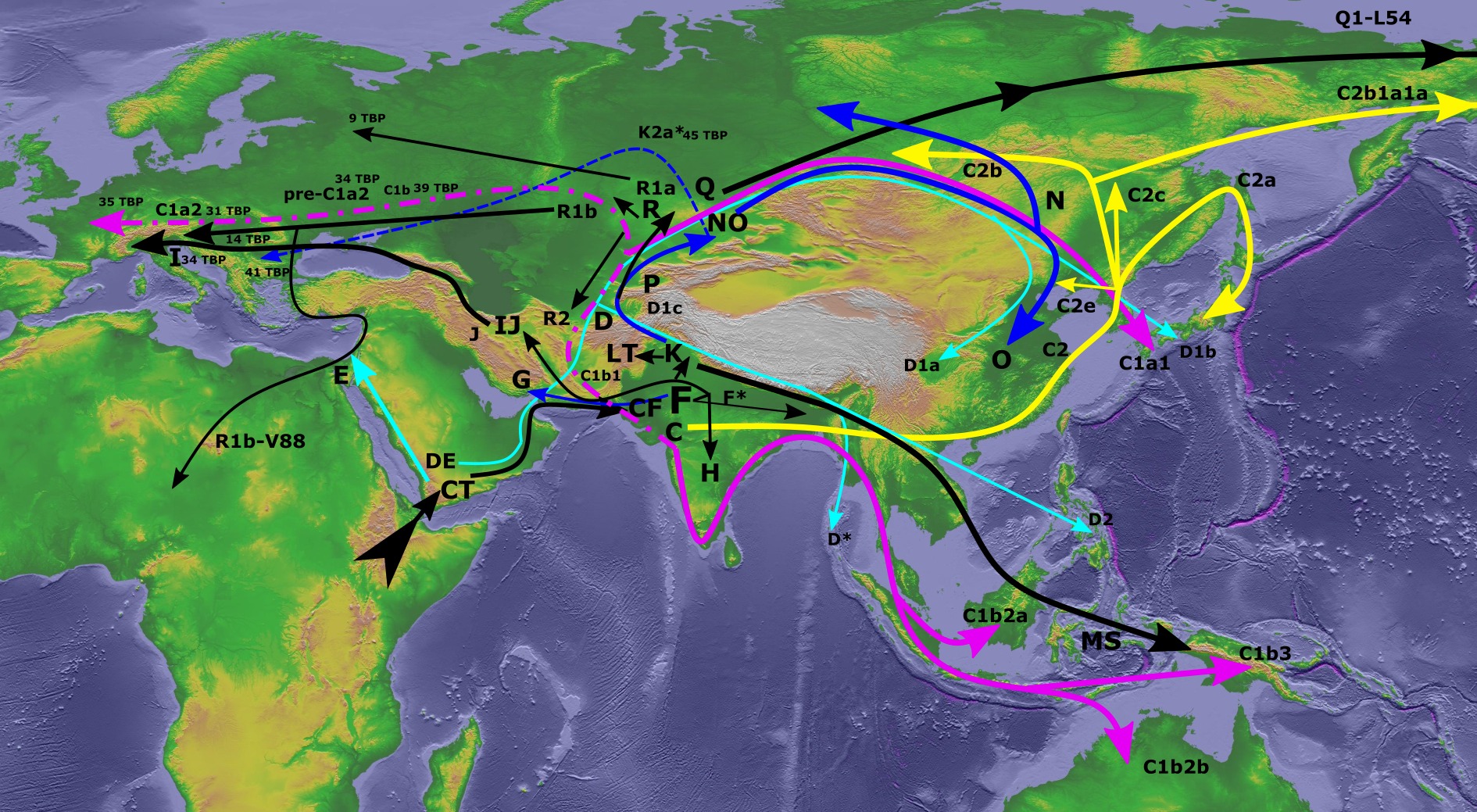
The distribution in modern populations tells a fascinating story of human migration and contact. The percentage of Neanderthal DNA in modern humans is zero or close to zero in people from African populations, and is about 1 to 2 percent in people of European or Asian background. This pattern makes perfect sense when you consider that the mixing happened primarily after modern humans left Africa.
Denisovans interbred with modern humans, with a high percentage (roughly 5%) of Denisovan DNA occurring in Melanesians, Aboriginal Australians, and Filipino Negritos. Another study found that the highest Denisovan ancestry is inferred in Oceanians (~2.0%), while most populations of Native Americans, East Asians, and South Asians have similar amounts (~0.1%). These numbers reveal the complex routes our ancestors took as they spread across the globe, encountering different archaic human populations along the way.
When and Where the Mixing Happened
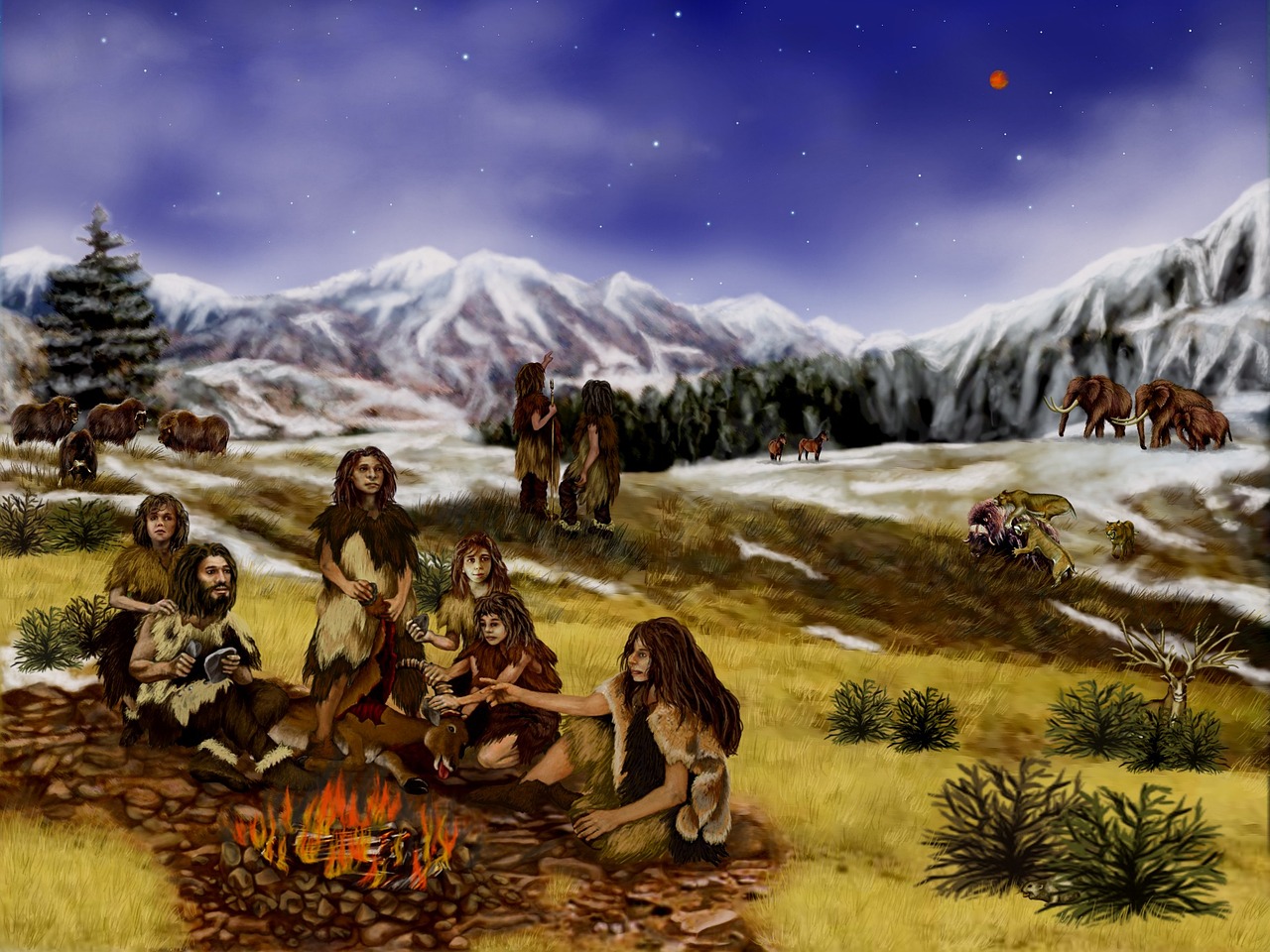
The timing of these ancient encounters coincides with major climate changes and human migrations. The introgression events into modern humans are estimated to have happened about 47,000–65,000 years ago with Neanderthals and about 44,000–54,000 years ago with Denisovans. These dates align with the period when modern humans were expanding rapidly across Eurasia, encountering other human populations that had been living there for hundreds of thousands of years.
Some of the most compelling evidence comes from specific archaeological sites. The two groups may even have met in the cave – DNA from a bone fragment from a female who was more than 50,000 years old shows her mother was a Neanderthal and her father a Denisovan. This individual, nicknamed “Denny,” represents direct proof that these different human species not only met but formed families together.
The Biological Impact
The ancient genes we carry aren’t just historical curiosities. They continue to influence our biology today in ways scientists are still discovering. Some studies have suggested that certain genetic variations inherited from archaic humans may play roles in hair texture, height, sensitivity of the sense of smell, immune responses, adaptations to high altitude, and other characteristics in modern humans.
Some of these ancient genetic variants provided crucial advantages to our ancestors. In Papuans, Neanderthal genetic variants are found in highest frequency in genes expressed in the brain, whereas Denisovan DNA has the highest frequency in genes expressed in bones and other tissues. This suggests that different ancient human populations contributed specialized genetic adaptations that helped modern humans survive in diverse environments.
Evidence from DNA Technology Advances
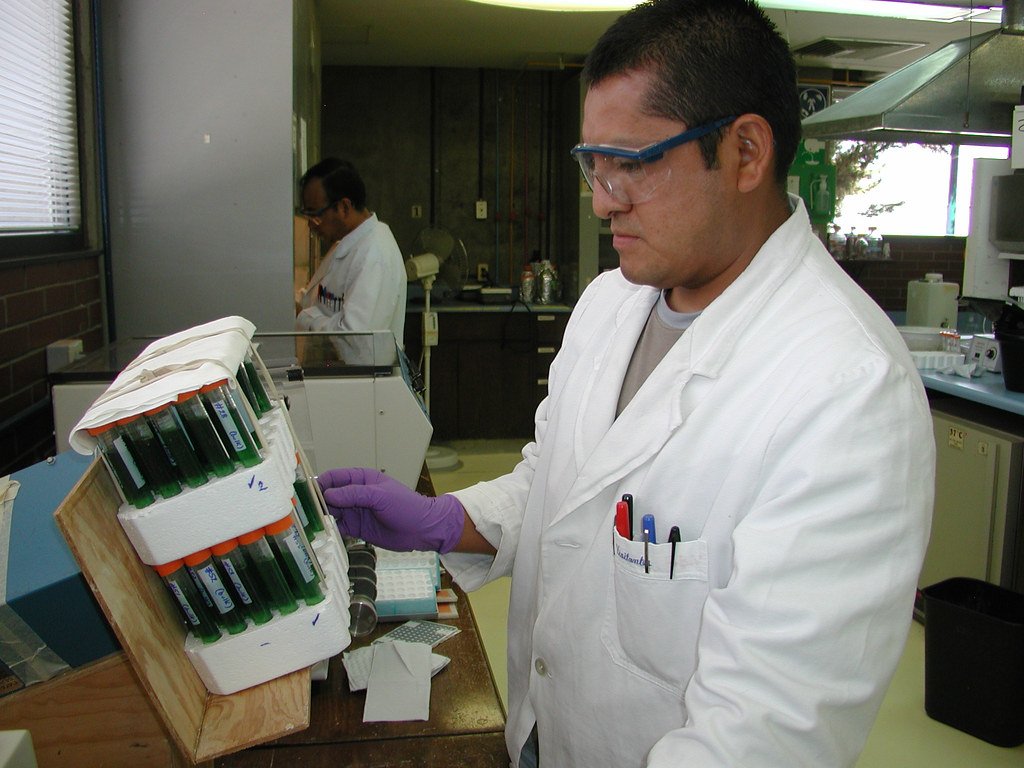
The story in modern humans only became possible through revolutionary advances in DNA sequencing technology. Using genomes from 2,000 living humans as well as three Neanderthals and one Denisovan, Akey and his team mapped the gene flow between the hominin groups over the past quarter-million years. The researchers used a genetic tool they designed a few years ago called IBDmix, which uses machine learning techniques to decode the genome.
The genetic sequence he unveiled is the oldest high-quality human genome yet – 80,000 years older than the previous record holder: a Neanderthal that lived about 120,000 years ago. The new results come after more than a decade of effort to find fossilized bones and a second genome of a Denisovan, the mysterious archaic human discovered through its DNA 14 years ago. Each new ancient genome provides another piece of the puzzle about how our ancestors lived and mixed with other human populations.
The Ongoing Effects of Natural Selection
Not all ancient genes that entered the modern human gene pool survived equally well. Consistent with the hypothesis that purifying selection has reduced Neanderthal contribution in present-day modern human genomes, Upper Paleolithic Eurasian modern humans (such as the Tianyuan modern human) carry more Neanderthal DNA (about 4–5%) than present-day Eurasian modern humans (about 1–2%). Rates of selection against Neanderthal sequences varied for European and Asian populations.
This process of selection suggests that while some ancient genetic variants were beneficial, others may have been harmful in the modern human genetic background. Denisovan ancestry just like Neanderthal ancestry has been deleterious on a modern human genetic background, as reflected by its depletion near genes. Finally, the reduction of both archaic ancestries is especially pronounced on chromosome X and near genes more highly expressed in testes than other tissues (P=1.2×10⁻⁷ to 3.2×10⁻⁷ for Denisovan and 2.2×10⁻³ to 2.9×10⁻³ for Neanderthal ancestry even after controlling for differences in level of selective constraint across gene classes).
Conclusion
The presence in modern humans represents one of the most remarkable discoveries in the history of human evolution. Far from being a simple linear progression from primitive to modern, our evolutionary story is one of repeated encounters, mixing, and adaptation involving multiple human species across hundreds of thousands of years.
What this tells us is that our history is messy: we are all the product of a tangled bush of genetic relationships between different ancient and modern human groups. Our genes demonstrate that none of us can claim to have ancestry from just a single region or place, as people have been on the move throughout history. Understanding this complex heritage helps us appreciate both the unity and diversity of our species, revealing that the boundaries between different human groups have always been more fluid than we might imagine.
What do you think about discovering that your DNA carries traces of extinct human relatives who lived tens of thousands of years ago? Tell us in the comments.