
If you’ve ever stumbled across graphs of wildlife populations in an ecology textbook, chances are you’ve seen those dramatic, wave-like lines representing snowshoe hare and lynx numbers over time. They rise, they fall, they rise again. It’s like watching the stock market, except instead of financial crashes, you’re witnessing an ancient dance between hunter and hunted playing out across the vast northern forests. These two species, locked in a cycle that’s been repeating for centuries, tell a story about survival, timing, and the delicate threads that hold ecosystems together.
Here’s the thing, though. While textbooks present this as a simple tale of predator eats prey, the reality beneath those oscillating lines is far more complex than you might expect. Let’s dive in.
The Classic Cycle That Ecologists Can’t Stop Talking About
The snowshoe hare and the Canadian lynx in the boreal forests of North America show 9- to 11-year density cycles. This pattern isn’t some recent discovery either. The Hudson Bay Company in Canada bought pelts from trappers during the 1800s and early 1900s, and for 90 years, from 1845 to 1935, the Hudson Bay Company kept detailed records of the number of lynx and hare pelts they acquired from trappers each year.
Those old fur trading records revealed something remarkable. When you plot them on a graph, you see hare numbers skyrocket, then crash spectacularly. A year or two later, Canada lynx numbers follow. The lag time is crucial because it shows the lynx aren’t driving the hare cycle directly, they’re responding to it. Think of it like waves hitting the shore one after another, each following but never quite catching up.
Why Lynx Depend Almost Entirely on Hares
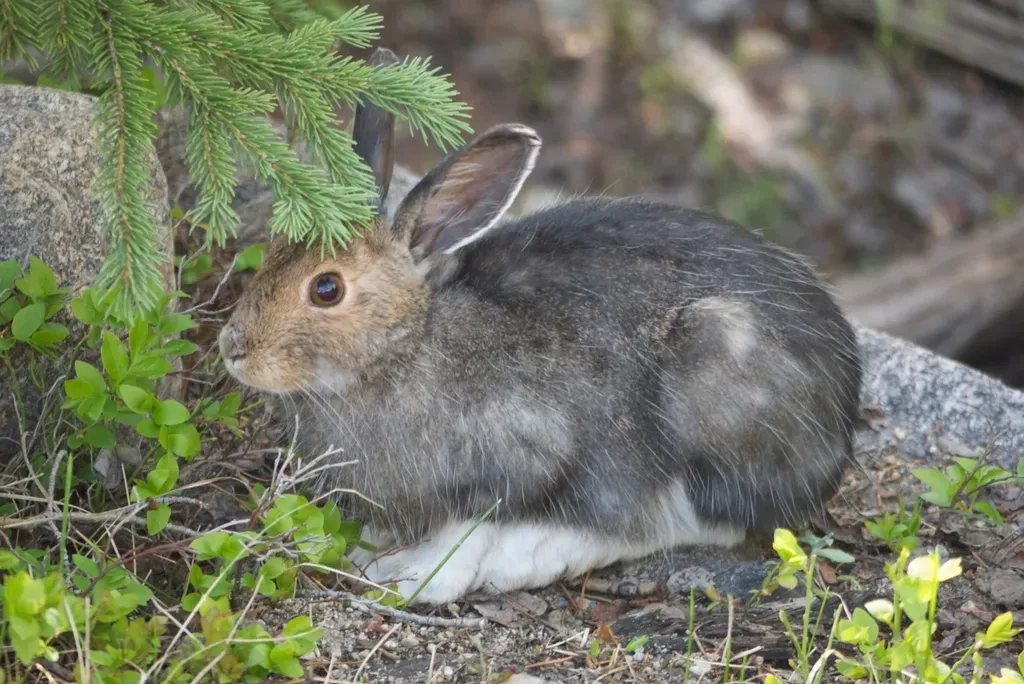
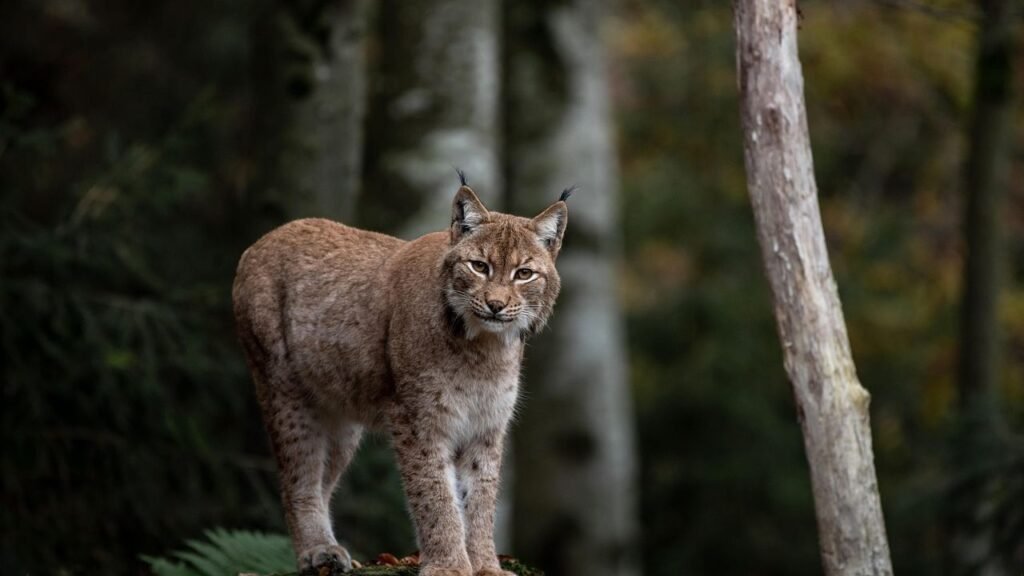
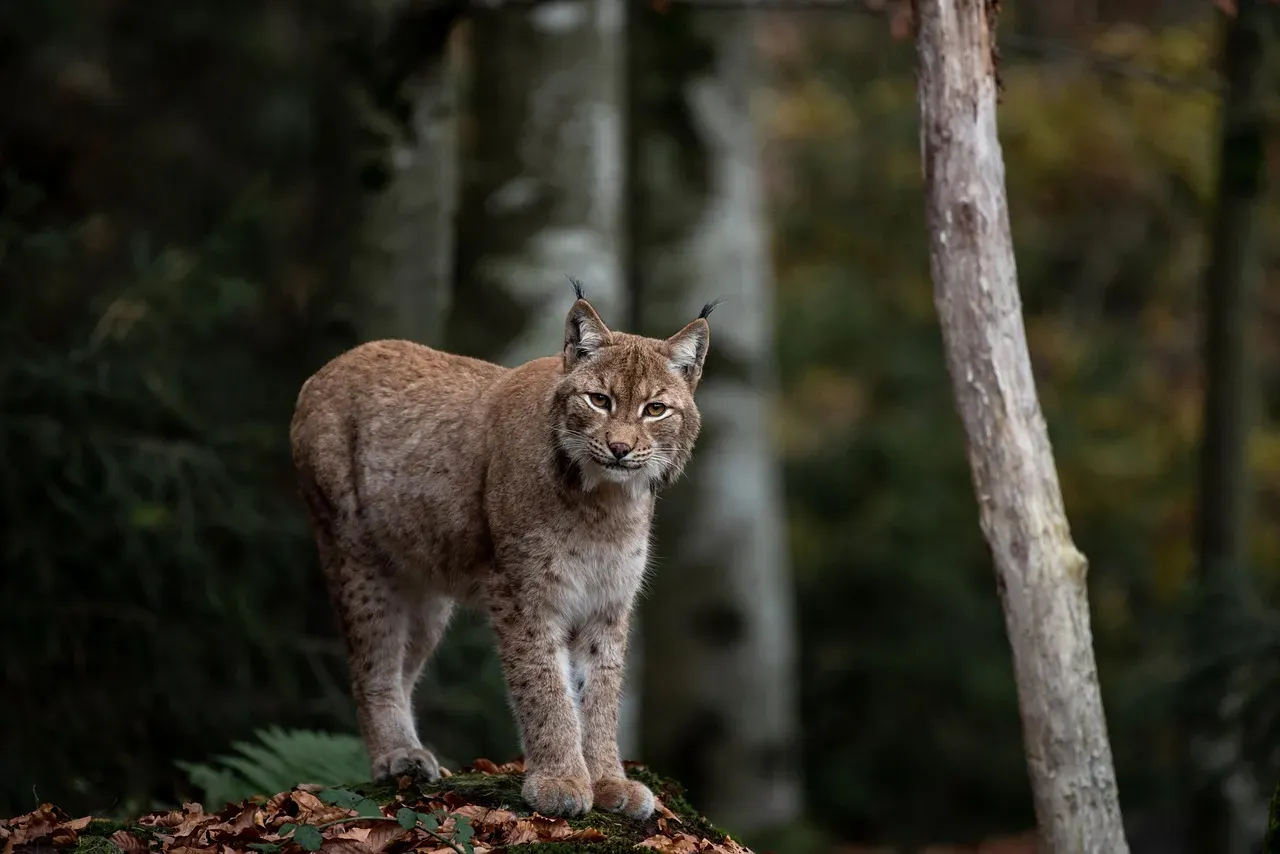
When hares are plentiful, lynx eat little else and take about two hares every three days. That’s a staggering level of dietary specialization. Most predators keep their options open, but lynx are basically all in on snowshoe hares. When hares are plentiful, lynx eat little else and take about two hares every three days.
When hare populations crash, lynx find themselves in serious trouble. Lynx prey upon mice, voles, squirrels, grouse, ptarmigan and carrion when hares are scarce, but these food sources often do not meet the lynx’s nutritional needs. It’s like trying to fuel a car designed for premium gasoline with lower-grade alternatives. Sure, it might run for a while, but eventually, things start breaking down.
The Devastating Impact of Starvation on Lynx Populations
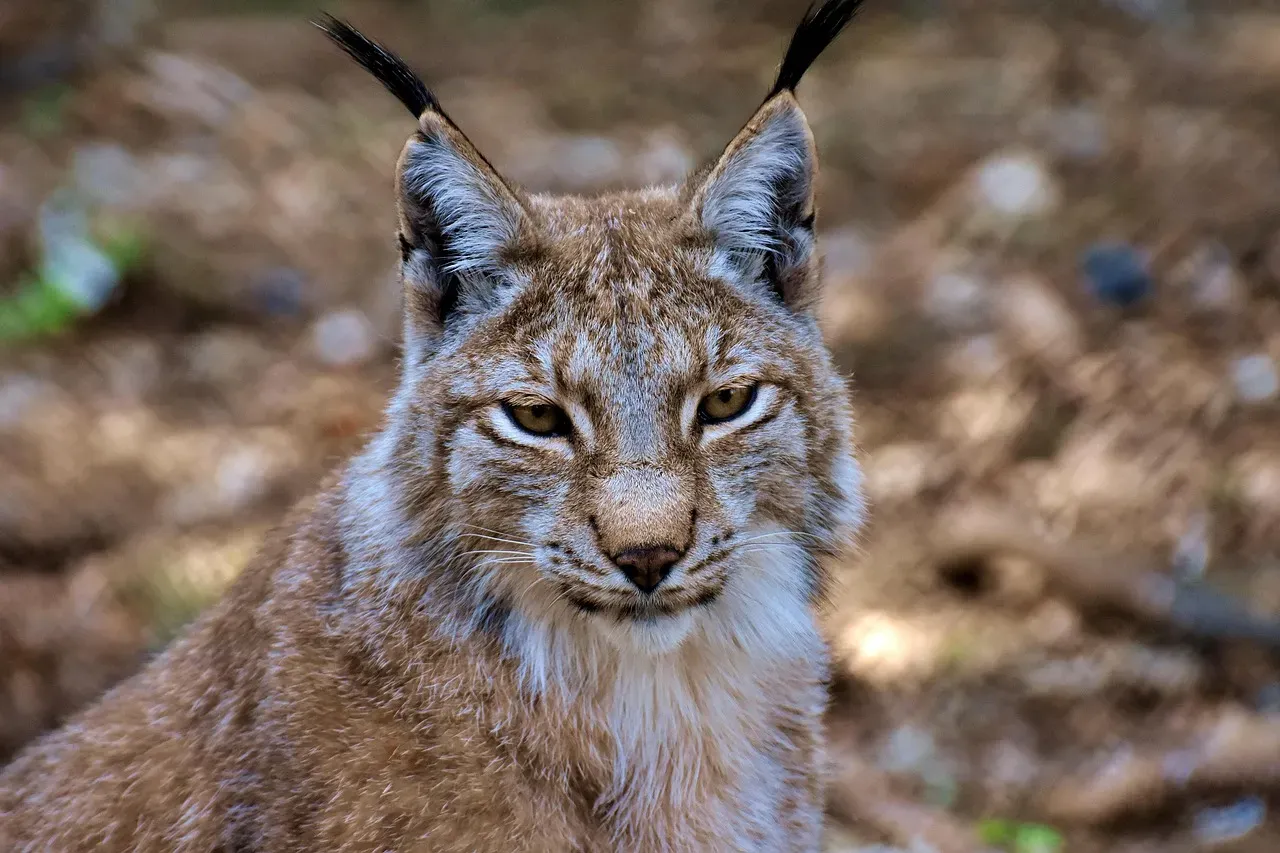
Here’s where the story gets harsh. Their lack of fat reserves makes them less able to live through starvation and cold temperatures. Imagine being a lynx in the middle of a brutal northern winter with hardly any food. Food shortages also cause behavioural changes such as increased roaming and loss of caution, which increases their vulnerability to predation.
The real population killer, though, is reproduction. Malnourishment has the most significant effect upon lynx reproduction and population levels. When females are in poor condition, fewer breed and not all of those bred produce litters. Litters are smaller, and most, if not all, of the few kittens born die soon after birth. This means that for a period of three to five years, few or no kittens survive to adulthood. That’s several years with essentially zero recruitment into the population.
How Hare Populations Explode and Then Collapse
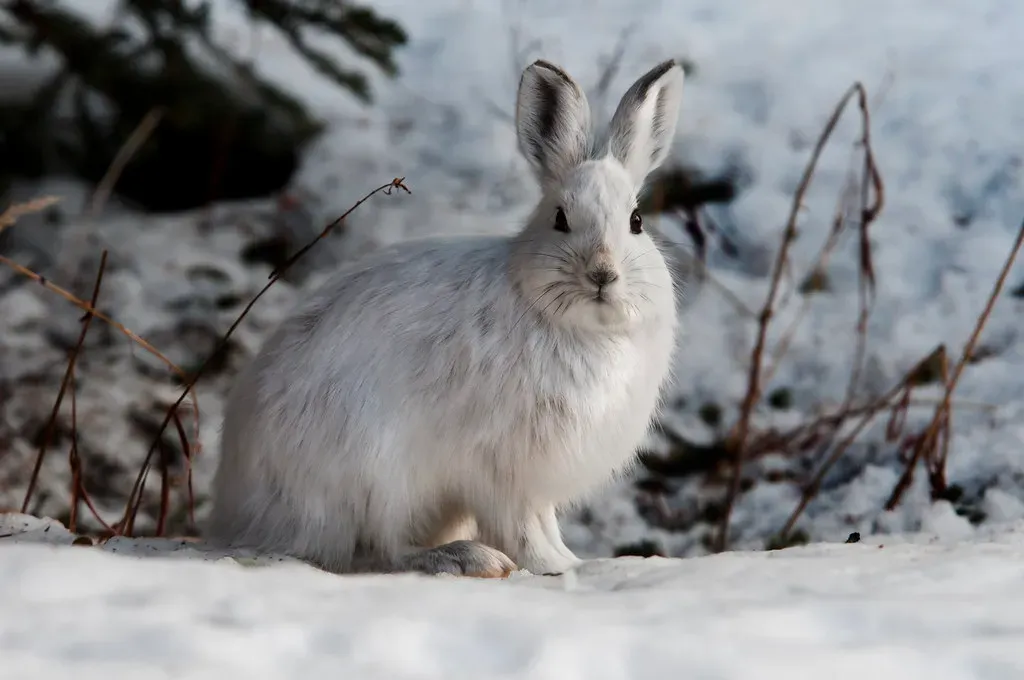
Since hares have several litters each year, the hare population increases rapidly. This reproductive power is the engine behind the cycle. When conditions are right, when predators are scarce and food plants are abundant, hares can multiply at astonishing rates. Picture a neighborhood where every family suddenly has quintuplets, multiple times a year. The population doesn’t just grow, it explodes.
Yet, eventually, the boom turns to bust. The habitat cannot support this many animals, and as predation increases and starvation sets in, the population starts to decline. Continued predation due to high populations of lynx and other predators increases the hare population decline. It’s a perfect storm of too many mouths to feed and too many predators hunting them.
The Surprising Role of Plant Food in the Equation
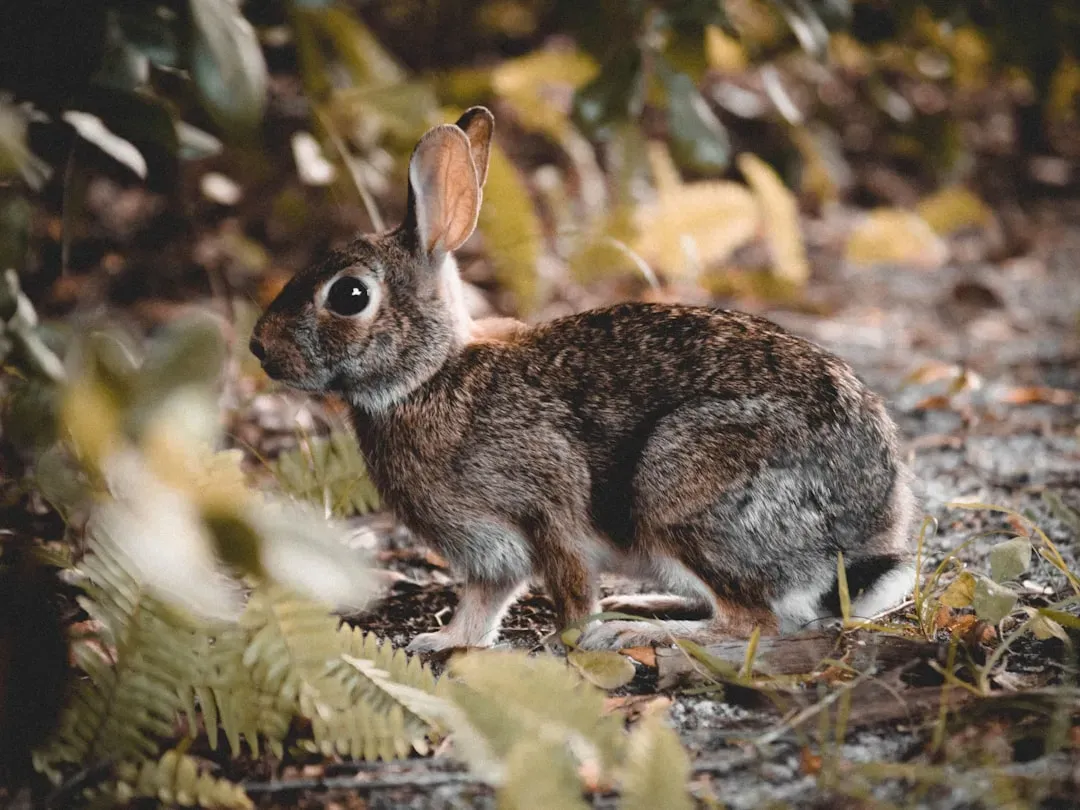
Most people focus on the predator-prey drama, which makes sense. The chase across snowy landscapes is visually dramatic. Still, there’s another player in this story that doesn’t get enough credit: vegetation. Hares may be naturally contributing to their own population fluctuations by their herbivorous feeding. At their peak, when hare numbers are high, their habitat cannot support their large population. This means that they over graze on the plants in their environments. When the plants they feed on decline, so too does the hare numbers as they face starvation.
The snowshoe hare appear to be regulated from below and above by a variety of predators including the lynx. The lynx, in contrast, seems to be regulated only from below, and primarily by the hare. In other words, hares are getting squeezed from both directions. They’re eating their food supply down to nothing while simultaneously being hunted relentlessly.
The Time Delay That Keeps the Cycle Going
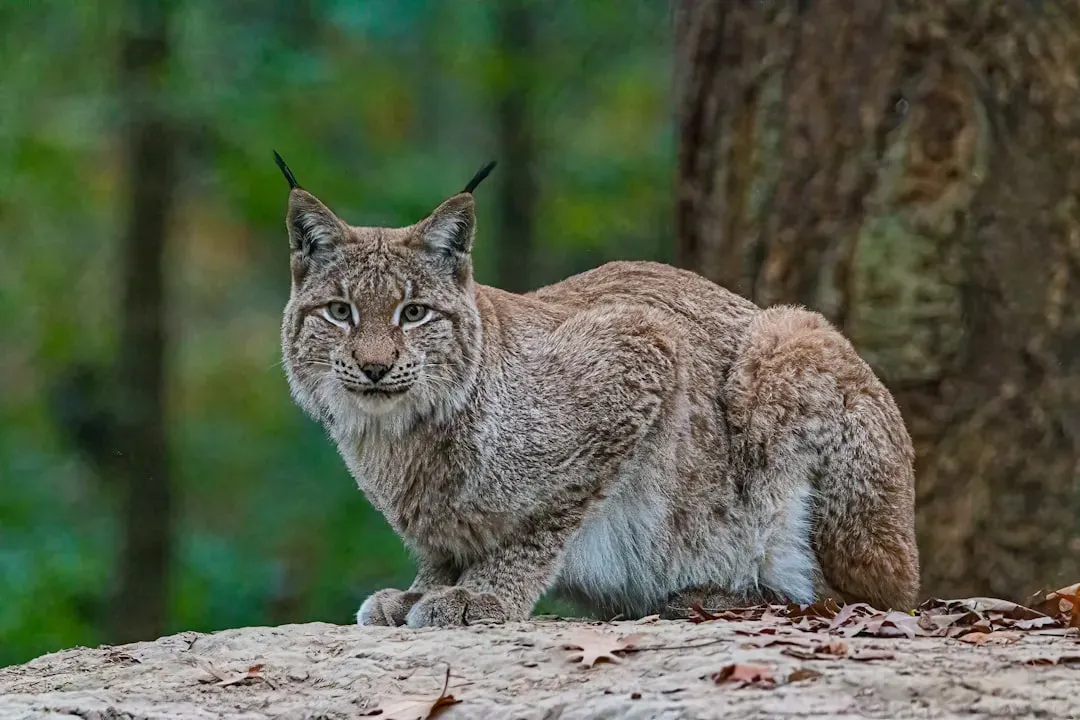
The lynx population decline follows the snowshoe hare population crash after a lag of one to two years. This time lag is absolutely critical to understanding why the cycle perpetuates. If lynx populations crashed immediately when hare numbers fell, the system might stabilize differently. As hare numbers start to decline, lynx continue to eat well because they can easily catch the starving hares.
Let’s be real, that’s pretty brutal. The hares are already struggling, weakened by food scarcity and stress, and that makes them easier targets. When hares become scarce, lynx numbers also decline. Only then do the surviving hares get a reprieve, allowing their populations to begin rebuilding.
When Hare Numbers Hit Rock Bottom
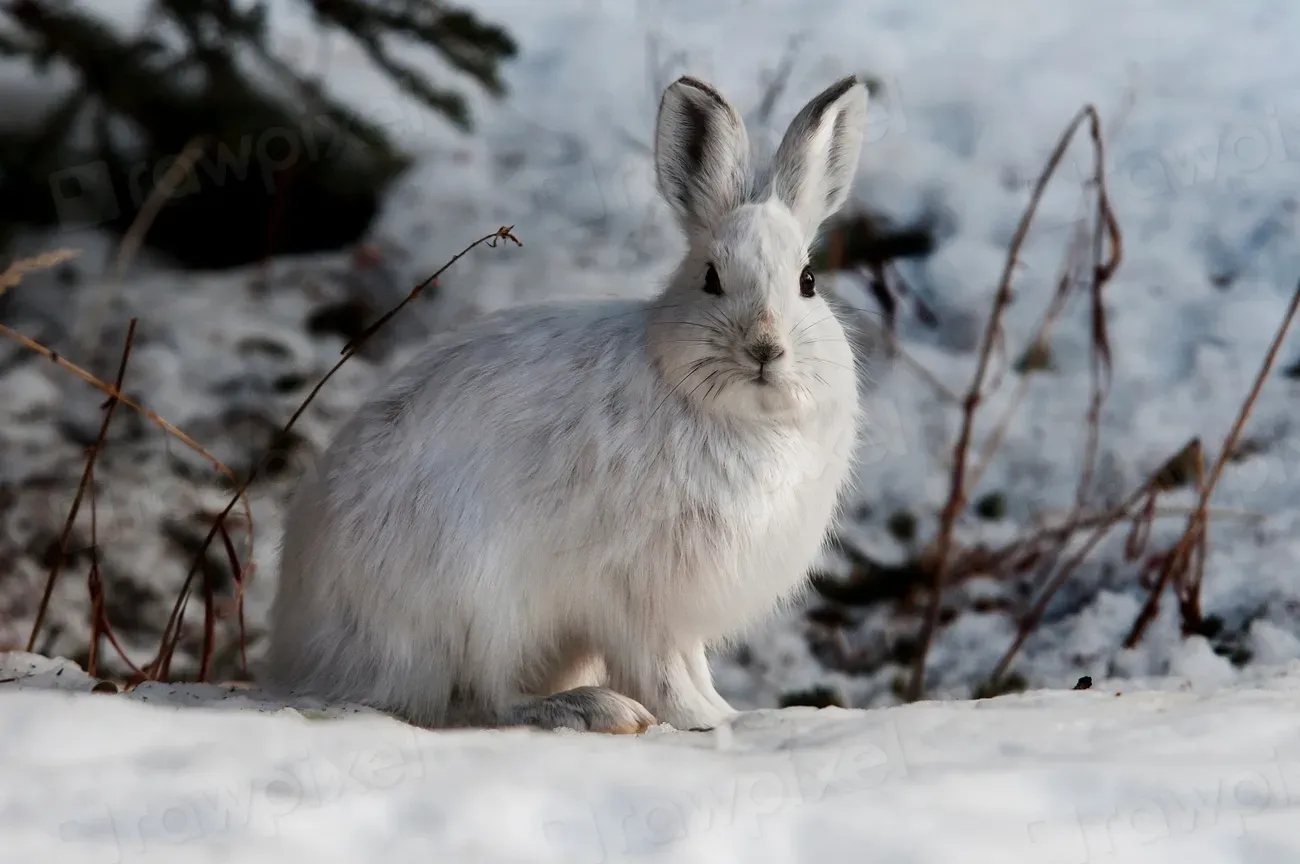
When the hare population reaches a low level, it stabilizes for several years, and the food plants slowly recover and the hare population starts to increase again. This stabilization phase is like a reset button for the ecosystem. The vegetation gets a chance to recover without being constantly munched down. Predator numbers are at their lowest.
Low lynx population levels last for three or four years. When hares become plentiful again, the lynx population begins to increase as well. The cycle is preparing to repeat itself all over again. It’s simultaneously predictable and somehow still fascinating. Nature’s been running this same script for longer than we’ve been around to watch it.
The Impact of Stress on Hare Reproduction
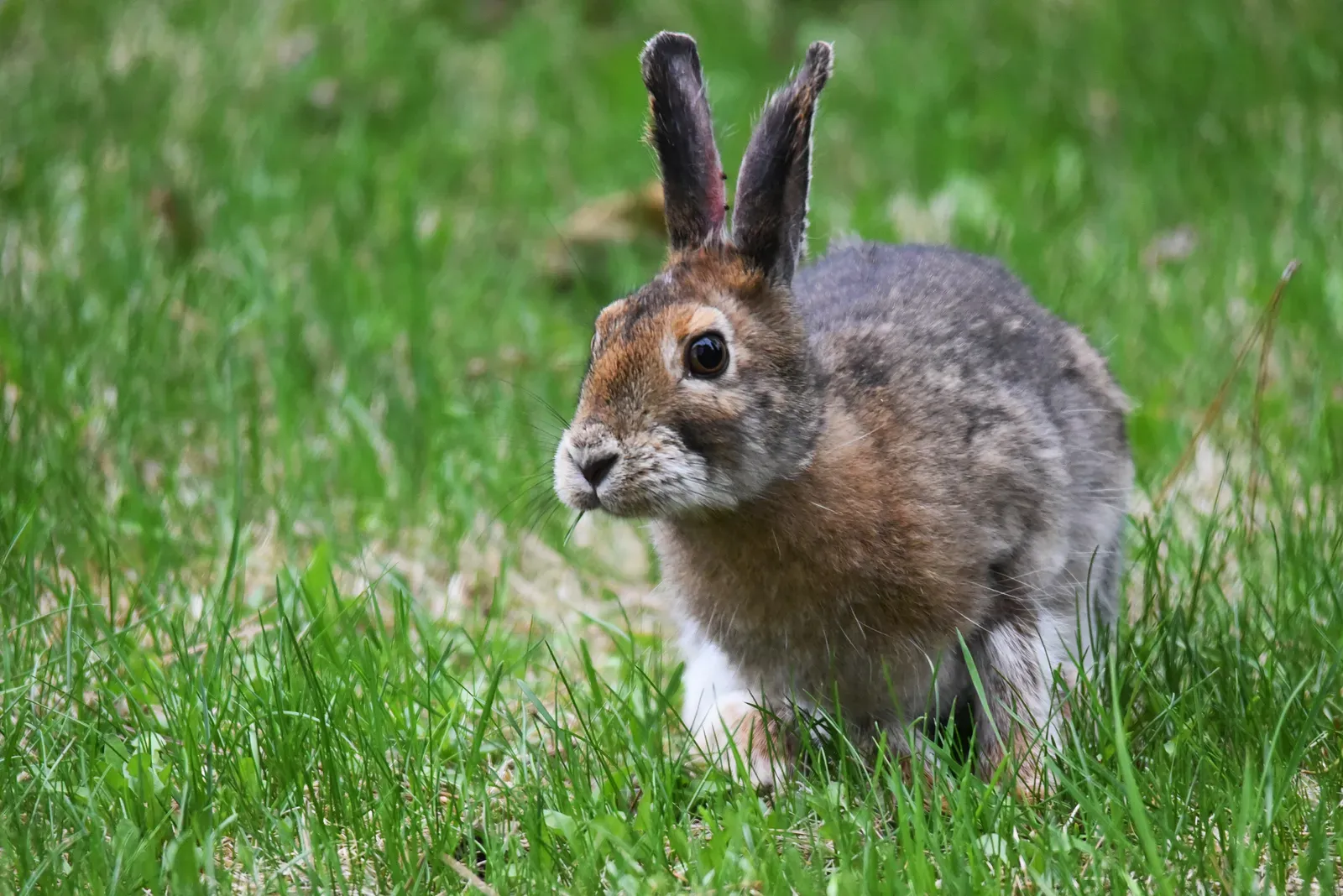
Recent research has uncovered something fascinating about what drives hare declines beyond just being eaten. As the Lynx predation levels become higher, the increased amount of chasing may stress the female hares, which then reduces their reproductive output. When wild caught pregnant hares held in a pen were exposed to a dog for just a couple minutes every other day, the hares’ reproductive output declined, with both number and size of offspring decreasing. Both the pregnant females used in the experiment and the pregnant females sampled in the wild were found to produce high levels of the hormone cortisol, a substance produced by animals under stress.
Think about that for a moment. Even if the hares escape being caught, the stress of constant pursuit is enough to tank their birth rates. It’s like trying to raise a family while constantly looking over your shoulder. Eventually, the anxiety takes its toll.
Why the Cycle Synchronizes Across Vast Distances
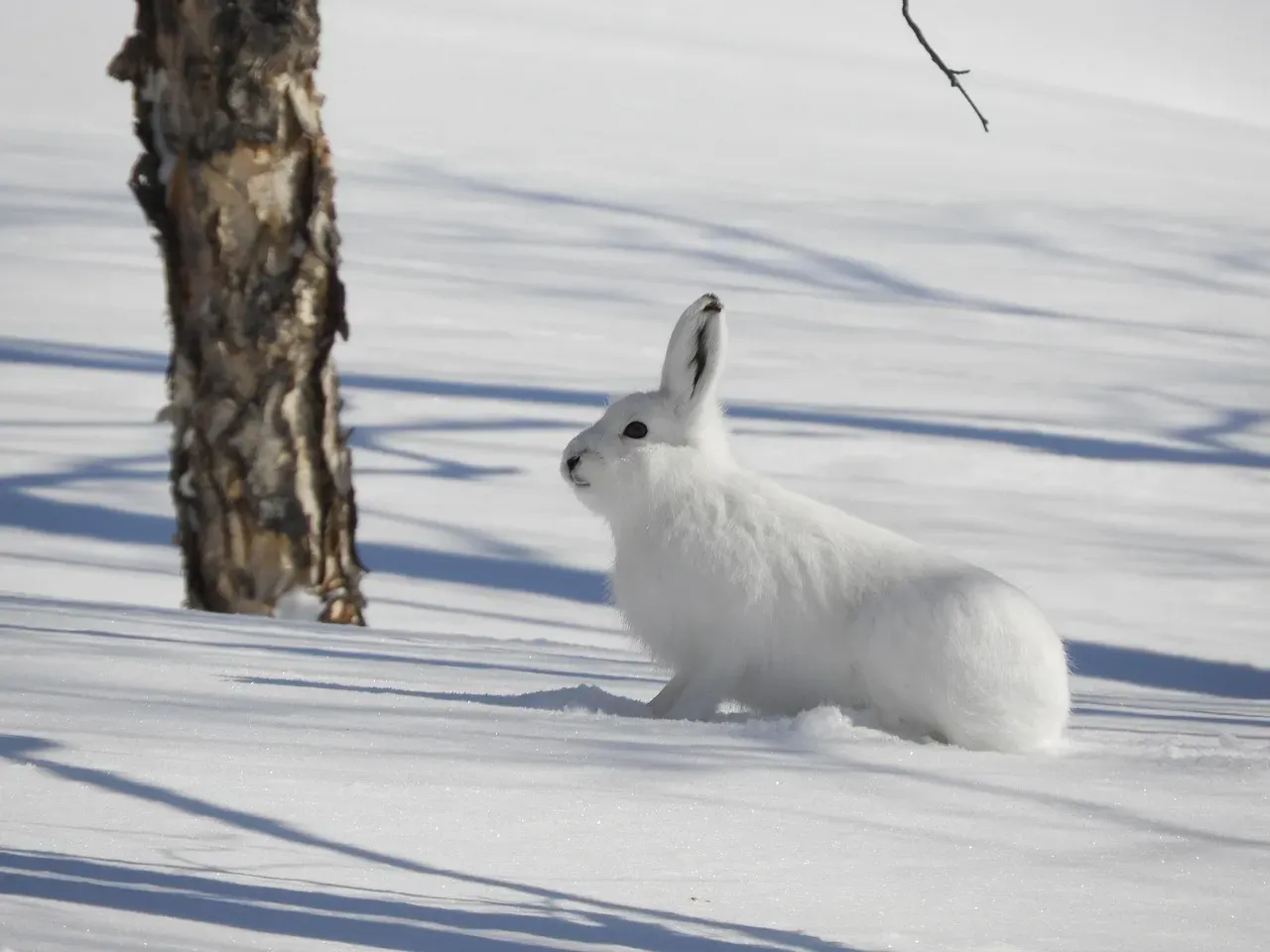
The cycle of snowshoe hares in Alaska matches that in other northern latitudes across Canada. “That’s one of the great mysteries in ecology how these hare populations can be so synchronized,” Kielland said. Populations separated by hundreds or even thousands of kilometers rise and fall at roughly the same time. How is that even possible?
Honestly, it’s hard to say for sure. There are theories involving climate patterns, dispersal of animals between regions, and even traveling waves of population change moving across the landscape. The highs and lows of the lynx population cycle do not occur at the same time across the NWT. So there is some regional variation, yet the broad pattern holds remarkably consistent.
What the Future Holds for This Ancient Cycle
There has been a documented change over the last few decades in how high those populations rise; although the cycle still experiences its usual lows, the boom times are not as good as they used to be, with “weak peaks” in population increases. This is not yet entirely understood, but it might be linked to climate change; in recent years, Yukon’s climate has been shifting and the territory has been receiving about a third less snow than it used to.
This is a boon to coyotes; when there’s little snow, they’re fast enough to catch hare, but in deep snow they’re too slow. “Climate change is going to be tough on snowshoe hare, because you’re going to have more predators that can get you.” Additional predators entering the system could fundamentally alter the dynamics that have persisted for centuries.
The relationship between snowshoe hares and lynx stands as one of nature’s most compelling examples of interconnected lives. Their populations rise and fall together not because of some mystical synchronization, but because their fates are genuinely intertwined through food, reproduction, and the relentless mathematics of predator and prey. As we watch these cycles continue to unfold across the northern forests, we’re witnessing a pattern far older than human civilization itself, one that reminds us just how delicately balanced these ecosystems truly are. What do you think will happen to this cycle as our climate continues to shift?