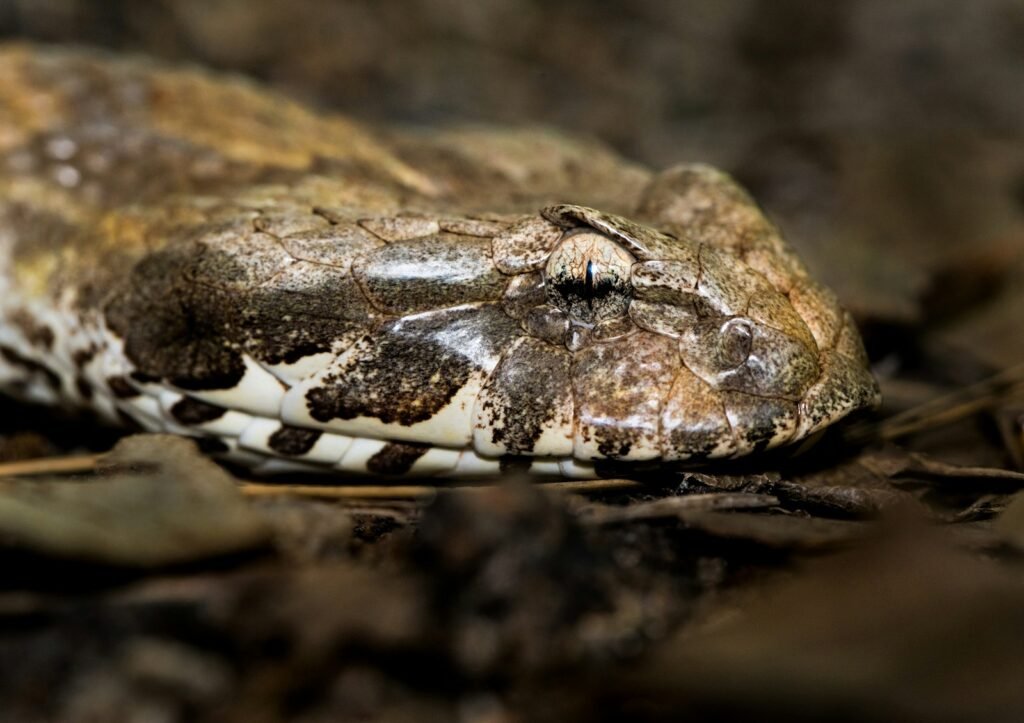

Picture this: a world without snakes. No slithering silhouettes disappearing into tall grass, no mysterious rustling in the underbrush, no coiled forms basking on sun-warmed rocks. While many people might initially breathe a sigh of relief at this scenario, the reality would be an ecological nightmare that would reshape our planet in ways we’re only beginning to understand.
The Silent Guardians of Rodent Populations

Snakes serve as nature’s most efficient pest control system, consuming billions of rodents annually across the globe. A single snake can devour dozens of mice, rats, and other small mammals throughout its lifetime, preventing these prolific breeders from overrunning ecosystems. Without this natural regulation, rodent populations would explode exponentially, leading to devastating crop losses and the spread of diseases that affect both wildlife and human populations.
Research has shown that areas with healthy snake populations experience significantly lower rates of crop damage compared to regions where snakes have been eliminated. The economic value of this service is staggering, with some estimates suggesting that snakes save farmers billions of dollars annually in reduced pest control costs and preserved harvests.
Masters of Energy Transfer in Food Webs

Snakes occupy a unique position in food webs, serving as both predators and prey in complex ecological networks. They efficiently transfer energy from lower trophic levels to higher ones, converting small mammals, birds, and other prey into biomass that supports larger predators like hawks, eagles, and carnivorous mammals. This energy transfer is crucial for maintaining the delicate balance that keeps ecosystems functioning smoothly.
The removal of snakes from an ecosystem creates gaps in these energy pathways, forcing other species to adapt or face population declines. This cascading effect can ripple through entire food webs, ultimately affecting species that seem completely unrelated to snakes at first glance.
Controlling Disease Vectors and Pathogen Spread

By preying on rodents, snakes play a vital role in controlling the spread of zoonotic diseases that can jump from animals to humans. Mice and rats are notorious carriers of pathogens like Hantavirus, Salmonella, and Lyme disease, which can have serious health implications for human populations. Snakes act as a natural barrier against these disease outbreaks by keeping rodent populations in check.
Studies have demonstrated that areas with declining snake populations often experience increased rates of rodent-borne diseases. This connection highlights the often-overlooked public health benefits that snakes provide to human communities, even in urban environments where their presence might go unnoticed.
Maintaining Biodiversity Through Selective Pressure

Snakes exert selective pressure on their prey species, which drives evolutionary adaptations and maintains genetic diversity within populations. This predation pressure prevents any single prey species from becoming too dominant, allowing multiple species to coexist within the same habitat. The constant threat of snake predation has shaped the evolution of countless species over millions of years.
Without snakes, prey species lose this important selective pressure, which can lead to reduced genetic diversity and increased vulnerability to environmental changes. This evolutionary relationship has been fine-tuned over millennia, and disrupting it can have far-reaching consequences for ecosystem stability.
Keystone Species in Fragile Ecosystems

In many ecosystems, snakes function as keystone species, meaning their impact on the environment is disproportionately large compared to their abundance. The removal of a keystone species can trigger a domino effect that fundamentally alters the structure and function of an entire ecosystem. This is particularly true in island ecosystems and other isolated habitats where species interactions are more tightly interconnected.
Research on islands where snakes have been eliminated has revealed dramatic changes in vegetation patterns, bird populations, and overall ecosystem health. These case studies serve as stark reminders of the interconnected nature of ecological systems and the importance of every species within them.
Regulating Amphibian and Invertebrate Populations

While rodent control gets most of the attention, snakes also play crucial roles in regulating amphibian and invertebrate populations. Many snake species specialize in consuming frogs, toads, insects, and other small creatures that might otherwise reach problematic population levels. This dietary diversity makes snakes particularly valuable in maintaining balanced ecosystems.
The loss of snakes can lead to amphibian population booms, which might initially seem beneficial but can actually disrupt aquatic ecosystems and affect water quality. Similarly, without snake predation, certain insect populations can explode, leading to increased damage to vegetation and agricultural crops.
Seed Dispersal and Vegetation Patterns

An often-overlooked aspect of snake ecology is their indirect influence on plant communities through their impact on seed dispersers. By controlling populations of small mammals and birds that spread seeds, snakes help shape vegetation patterns across landscapes. This influence extends far beyond direct predation, affecting forest regeneration, plant diversity, and habitat structure.
Changes in seed dispersal patterns can alter the composition of plant communities over time, potentially favoring certain species while disadvantaging others. This subtle but significant impact demonstrates how snakes contribute to ecosystem balance in ways that might not be immediately apparent but are nonetheless crucial for long-term ecological health.
Climate Change Adaptation and Ecosystem Resilience

As climate change continues to alter ecosystems worldwide, snakes are proving to be important indicators of environmental health and ecosystem resilience. Their sensitivity to temperature changes and habitat modifications makes them valuable sentinels for detecting ecological stress. Healthy snake populations often indicate stable, functioning ecosystems that are better equipped to handle environmental challenges.
Furthermore, snakes’ role in maintaining balanced prey populations becomes even more critical as climate change disrupts traditional ecological relationships. Their ability to adapt to changing conditions while continuing to provide ecosystem services makes them essential partners in conservation efforts aimed at building climate-resilient landscapes.
Nutrient Cycling and Soil Health

Snakes contribute to nutrient cycling in ecosystems through their feeding habits and waste production. By consuming prey and depositing nutrients throughout their territories, they help distribute essential elements like nitrogen and phosphorus across landscapes. This nutrient redistribution supports plant growth and maintains soil health in ways that are often underappreciated.
The decomposition of snake carcasses also adds organic matter to soil systems, supporting microbial communities and enhancing soil fertility. This contribution to nutrient cycling is particularly important in nutrient-poor environments where every source of organic matter counts toward ecosystem productivity.
Preventing Overgrazing and Vegetation Damage

Through their control of herbivorous small mammals, snakes indirectly protect vegetation from overgrazing and browsing damage. Rodents and rabbits can cause significant damage to young trees, shrubs, and agricultural crops when their populations grow unchecked. Snake predation helps maintain these herbivore populations at sustainable levels that allow vegetation to thrive.
This protective effect is particularly important in forest ecosystems where tree seedlings are vulnerable to rodent damage during their early growth stages. Without snake predation, forest regeneration can be severely impacted, affecting the long-term health and sustainability of woodland ecosystems.
Supporting Pollinator Populations

Snakes indirectly support pollinator populations by controlling species that compete with or prey upon bees, butterflies, and other pollinators. By keeping bird populations in check and controlling certain insect species, snakes help maintain the delicate balance that allows pollinator communities to flourish. This relationship is particularly important given the current global decline in pollinator populations.
The cascading effects of snake predation on pollinator health ultimately benefit plant reproduction and agricultural productivity. This connection demonstrates how snakes contribute to ecosystem services that directly impact human welfare and food security.
Maintaining Water Quality in Aquatic Systems

Aquatic and semi-aquatic snakes play crucial roles in maintaining water quality by controlling populations of amphibians, fish, and invertebrates that can affect aquatic ecosystems. Their predation helps prevent algal blooms and maintains the balance of aquatic food webs. This is particularly important in freshwater systems where nutrient imbalances can quickly lead to ecosystem degradation.
Some snake species also consume dead fish and other organic matter, acting as nature’s cleanup crew and preventing the accumulation of decomposing material that could negatively impact water quality. This scavenging behavior contributes to the overall health of aquatic ecosystems and supports the diverse communities of organisms that depend on clean water.
Evolutionary Pressure and Genetic Diversity

The predation pressure exerted by snakes has been a driving force in the evolution of countless species, leading to remarkable adaptations and increased genetic diversity. Prey species have developed sophisticated anti-predator strategies, enhanced sensory abilities, and behavioral modifications in response to snake predation. This evolutionary arms race has resulted in the incredible diversity of life we see today.
Without snakes, this evolutionary pressure would be lost, potentially leading to reduced genetic diversity and decreased adaptability in prey populations. The long-term consequences of this evolutionary stagnation could make ecosystems more vulnerable to environmental changes and less resilient to disturbances.
Indicator Species for Ecosystem Health

Snakes serve as excellent indicator species for ecosystem health due to their sensitivity to environmental changes and their position in food webs. Declining snake populations often signal broader ecosystem problems, including habitat degradation, pollution, and climate change impacts. Monitoring snake populations can provide early warning signs of ecosystem stress before more obvious symptoms appear.
Conservation biologists increasingly recognize the value of snakes as ecological indicators, using their population trends to assess the effectiveness of conservation efforts and identify areas that require protection. This monitoring role makes snakes invaluable tools for ecosystem management and conservation planning.
Economic Benefits Through Ecosystem Services

The ecosystem services provided by snakes translate into significant economic benefits for human societies. From crop protection and disease control to maintaining biodiversity and supporting ecotourism, snakes contribute billions of dollars annually to global economies. These economic benefits are often overlooked when considering the value of snake conservation.
Studies have attempted to quantify these economic contributions, revealing that the cost of replacing snake-provided ecosystem services through human intervention would be astronomical. This economic perspective provides a compelling argument for snake conservation that goes beyond moral and ecological considerations.
Urban Ecosystem Balance

Even in urban environments, snakes play important roles in maintaining ecological balance. City-dwelling snakes help control rodent populations in parks, gardens, and green spaces, reducing the need for chemical pest control methods. Their presence in urban areas indicates healthy, connected green corridors that support biodiversity within cities.
Urban snakes also provide educational opportunities and help connect city dwellers with nature, fostering appreciation for wildlife and environmental conservation. As cities continue to expand, maintaining healthy snake populations becomes increasingly important for creating sustainable urban ecosystems that benefit both wildlife and human residents.
Conservation Implications and Future Challenges

Understanding the essential role of snakes in ecosystem balance has profound implications for conservation strategies and land management decisions. Protecting snake habitats and populations should be a priority for maintaining healthy ecosystems and ensuring the continuation of vital ecosystem services. This requires changing public perceptions and overcoming the fear and misunderstanding that often surround these remarkable creatures.
Future challenges include habitat loss, climate change, and human persecution, all of which threaten snake populations worldwide. Addressing these challenges requires coordinated conservation efforts, public education, and policies that recognize the ecological and economic value of snakes.
The Ripple Effects of Snake Decline

The decline of snake populations worldwide is already having measurable impacts on ecosystems and human societies. Increased crop damage, rising disease rates, and altered ecosystem dynamics are just some of the consequences of snake loss. These effects often take years or decades to become apparent, making it crucial to act before irreversible damage occurs.
Research continues to reveal new ways in which snakes contribute to ecosystem balance, highlighting the complexity of ecological relationships and the importance of every species within natural systems. As we learn more about these connections, it becomes increasingly clear that protecting snakes is not just about preserving individual species but about maintaining the intricate web of life that supports all living things.
A Call for Coexistence

The scientific evidence is overwhelming: snakes are not just beneficial to ecosystems; they are absolutely essential for maintaining the delicate balance that keeps our natural world functioning. From controlling disease vectors to supporting biodiversity, from maintaining soil health to indicating ecosystem wellness, these remarkable creatures provide services that would be impossible to replace through human intervention. Perhaps it’s time we moved beyond our instinctive fears and learned to appreciate the serpents that silently work to keep our world in balance.
Every garden snake controlling rodents, every forest python maintaining mammal populations, and every aquatic species keeping waterways clean represents a vital component of Earth’s life support system. The question isn’t whether we can afford to protect snakes – it’s whether we can afford not to. What price would you put on the invisible services that keep our ecosystems healthy and our planet habitable?