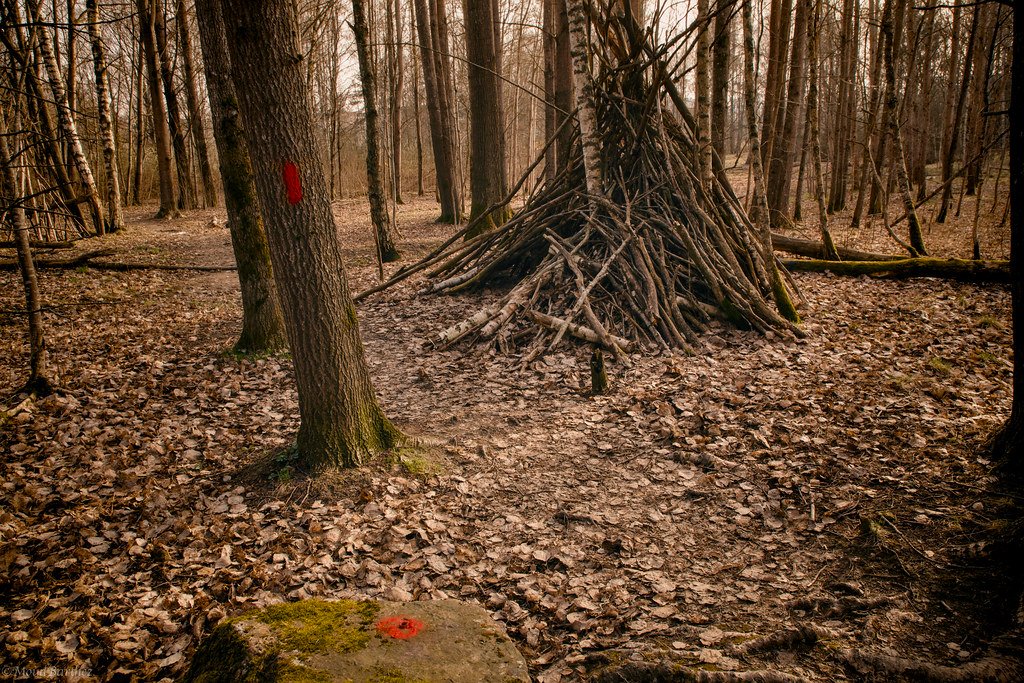

Have you ever stumbled upon something in nature that made absolutely no sense at first glance? Picture this: you’re walking through a peaceful Danish forest, and suddenly you encounter a massive pile of sticks. Not just a few branches, but a towering heap that’s been growing for centuries. Strangest part? People are still adding to it today, compelled by a tradition so old that nobody can pinpoint exactly when it started.
Welcome to the world of Stikhokken, where ancient superstition meets modern curiosity. You’re about to discover why this peculiar custom has survived for hundreds of years and what it reveals about our relationship with folklore.
A Towering Mystery in Hyde Forest
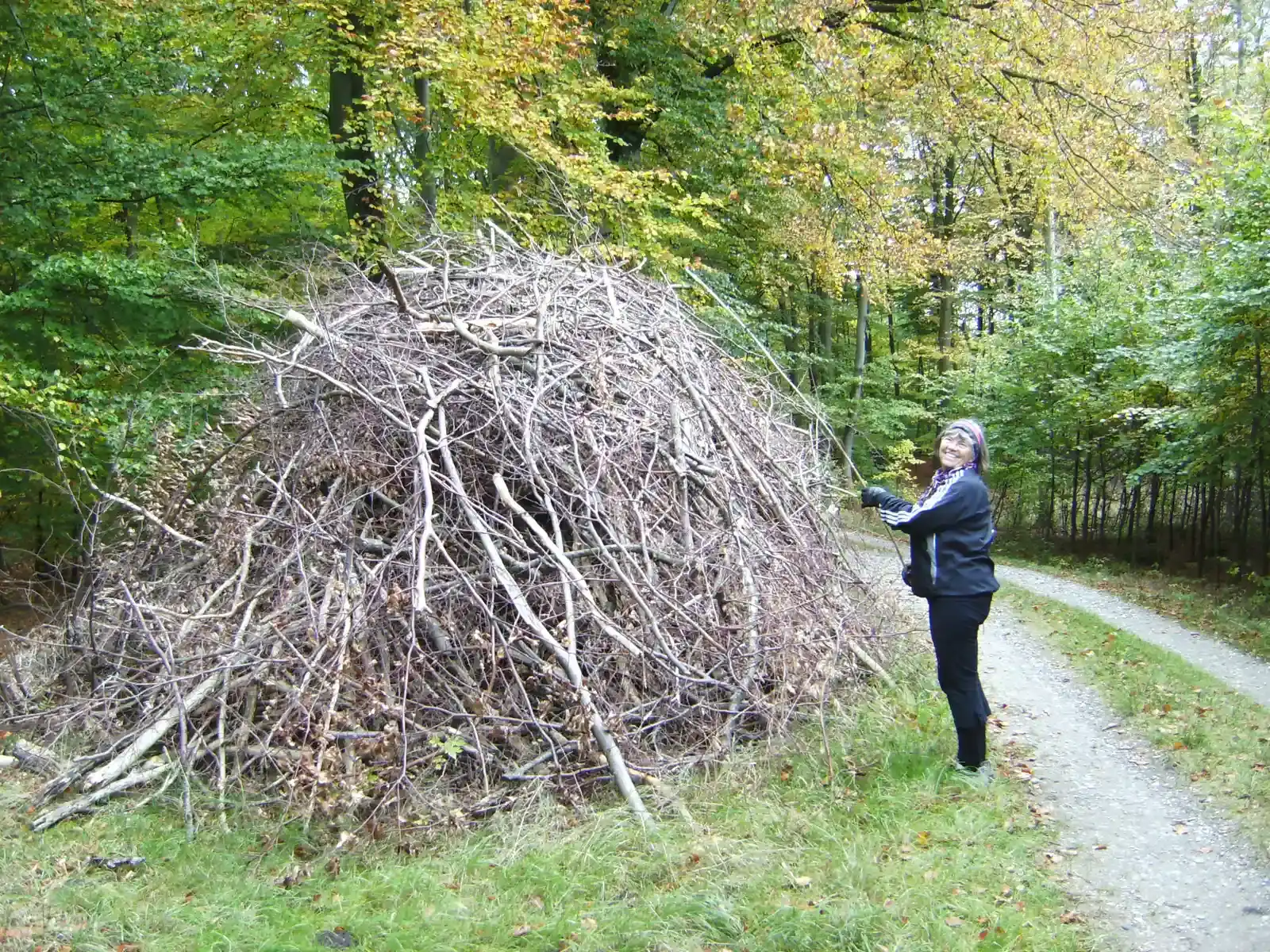
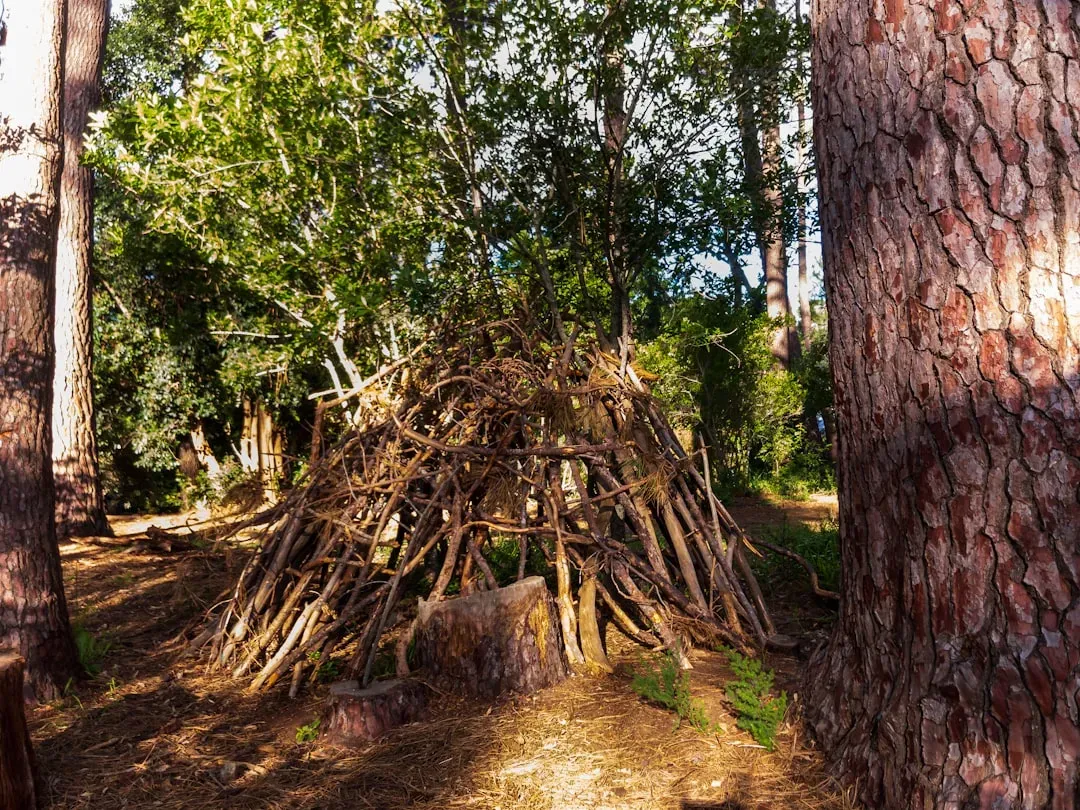
Standing roughly three meters tall, the Stikhokken has formed on the forest floor over centuries in the privately owned Hyde Forest near Sakskøbing in southeastern Denmark. The name itself tells you exactly what you’re looking at. Tradition holds that every time someone passes it they must throw a branch on top of the mound.
What makes this pile truly remarkable isn’t just its size. Over the years, Stikhokken’s size has stayed roughly the same, though new sticks are added all the time, the bottom layers decompose and become part of the forest. It’s like a living monument that maintains itself through constant renewal. The pile sits right beside a well-trodden path, impossible to miss for anyone taking a walk through these woods.
The Dark Legend Behind the Sticks
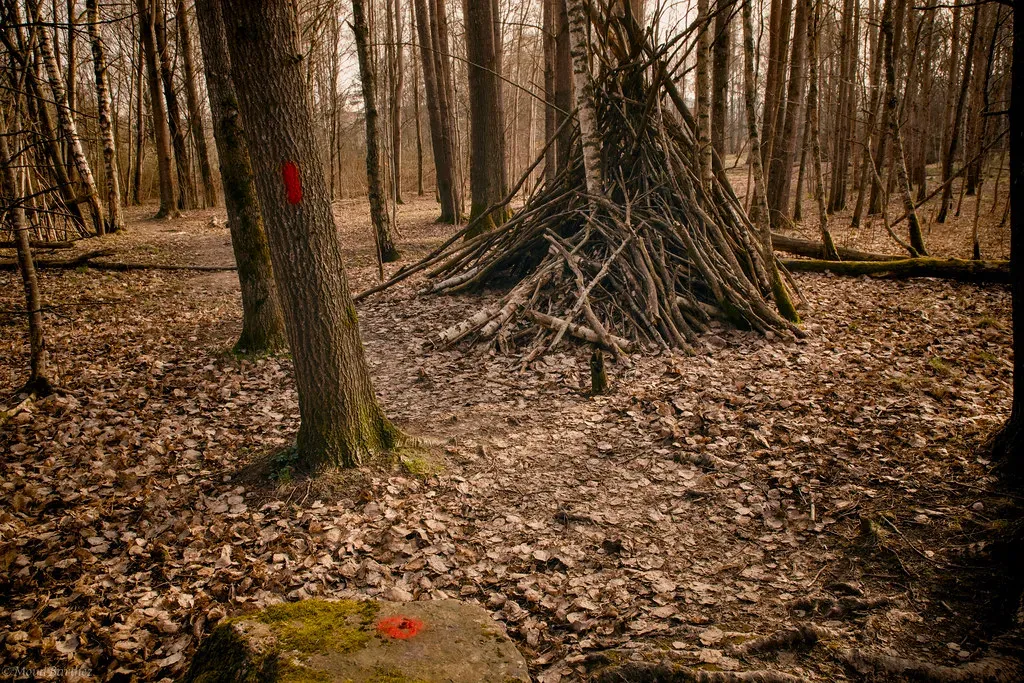
Here’s where things get genuinely unsettling. According to local lore, a generally hated forester was killed by a poacher and left in the woods some time in the 18th century, and not entirely sad to see him gone, passers-by would throw sticks onto his body. Let’s be real, that’s quite the grim origin story for what looks like a harmless pile of branches.
After treatment like that, the forester’s ghost started haunting the area and only adding a stick to Stikhokken will keep you safe from his ghost. Those who fail to do so risk being pursued by the ghost of an evil forest ranger. Whether you believe in ghosts or not, there’s something deeply compelling about a tradition rooted in such a chilling tale. The story has stuck around for generations, passed down through whispered warnings and cautious glances into the shadows between trees.
Ancient Beliefs Rooted in Protection
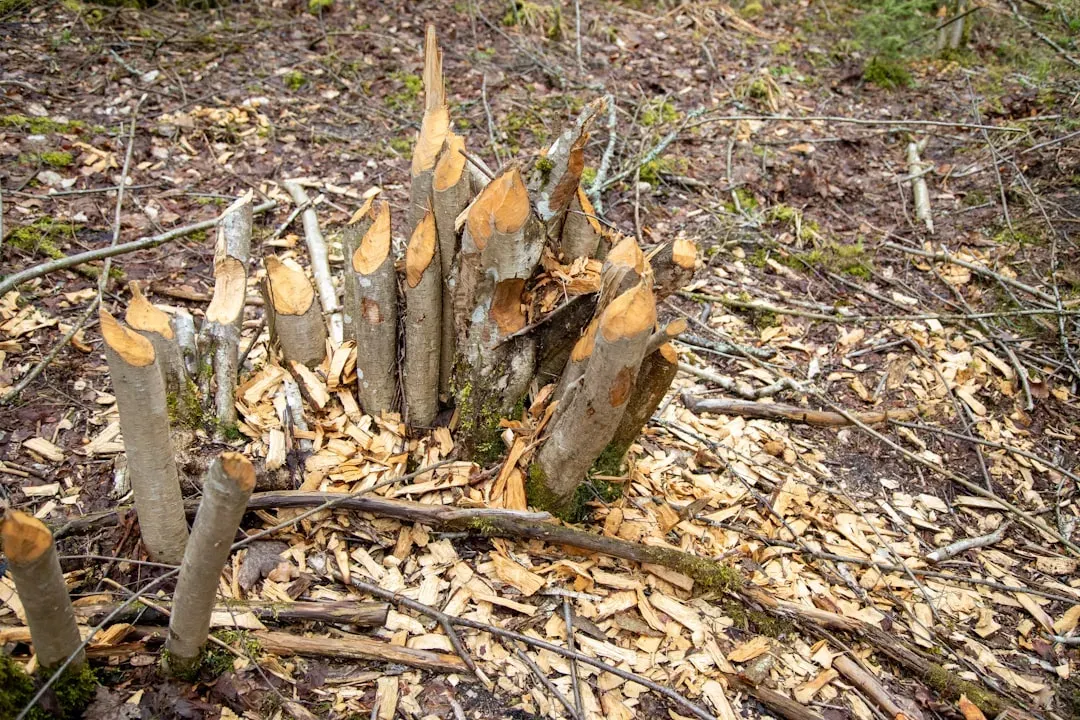
The story of the murdered forester might be relatively recent, though. The tradition hints at much older folklore, about beliefs rooted in magic and the supernatural, that with a simple action, such as throwing a stick, you can protect yourself from evil spirits, suggesting that Stikhokken originates from the Middle Ages, or perhaps even earlier. Think about it: humans have been making offerings to unseen forces for thousands of years.
This notion suggests that Stikhokken originates from when offerings and sacrifices were made to protect homes, fields, or entire communities from unseen forces. The superstition tracks back to the time when fears of being haunted were a very important thing in the day-to-day life of people. It’s hard to say for sure, but these stick piles represent something far more universal than one angry ghost. They’re about our deep-seated need to feel protected from things we can’t control or understand.
Not Just a Danish Phenomenon
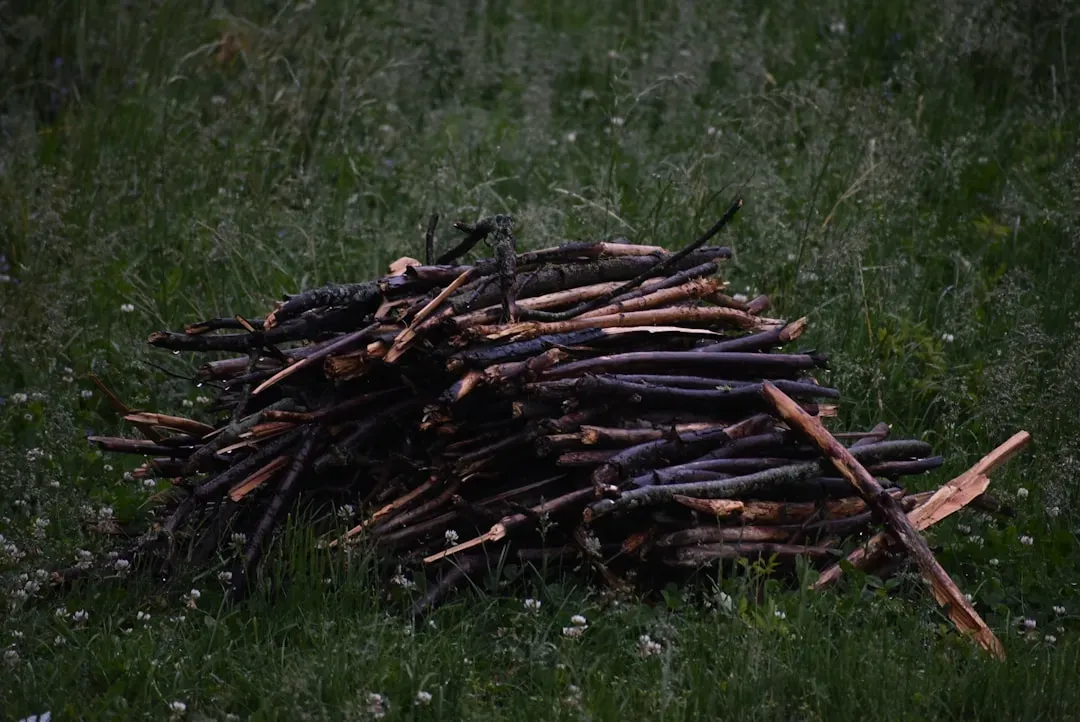
If you thought this was just one weird Danish quirk, you’d be mistaken. Similar customs are found elsewhere in Denmark and other places in the Nordic countries, for example, there is a so-called ‘branch throw’ in Vendsyssel in West Jutland, and in Sweden there is a ‘riskast’, places where sticks are thrown into piles.
What all the stories have in common is that they involve places where murders or suicides have occurred, death which is somehow outside the norms of society, and in Sweden, it also involved protection against ghosts, with an example of a story in which children’s ghosts were occurring and the branches were supposed to make the haunting stop. The Nordic landscape is dotted with these curious monuments to fear and respect. Each pile has its own story, its own tragedy, its own ghost that needs appeasing. It makes you wonder how many we’ve lost to time and forgotten about entirely.
Why the Tradition Endures Today
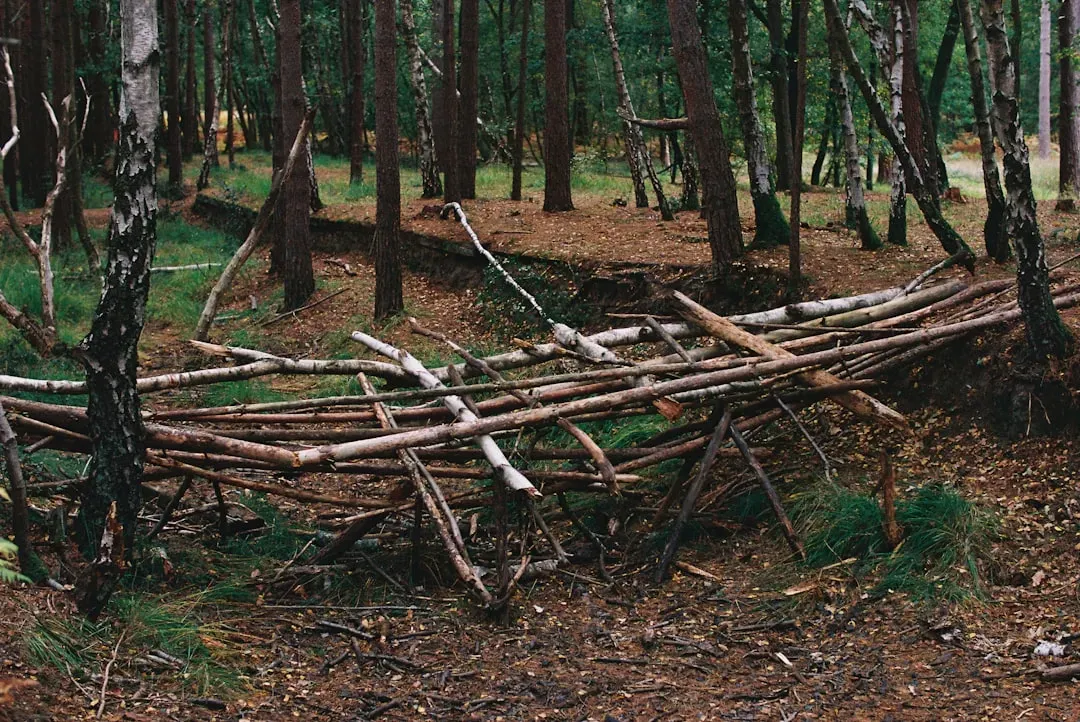
Hikers continue to pass, and many still honour the centuries-old ritual by throwing on a stick, even in our modern, supposedly rational world. You might expect such superstitions to fade away with smartphones and GPS devices in every pocket. Yet people still do it. Some probably do it for fun, others out of respect for tradition, and maybe a few because they’re genuinely spooked.
There’s something oddly comforting about participating in a ritual that countless others have performed before you. This eerie landmark was first mentioned about 150 years ago, though the tradition itself is said to be around 400 years old. When you add your stick to the pile, you’re connecting with generations of forest walkers who stood in that exact spot, held a similar branch, and tossed it onto the growing mound. It’s a physical link to the past that you can touch and contribute to.
The Science of Decay and Renewal
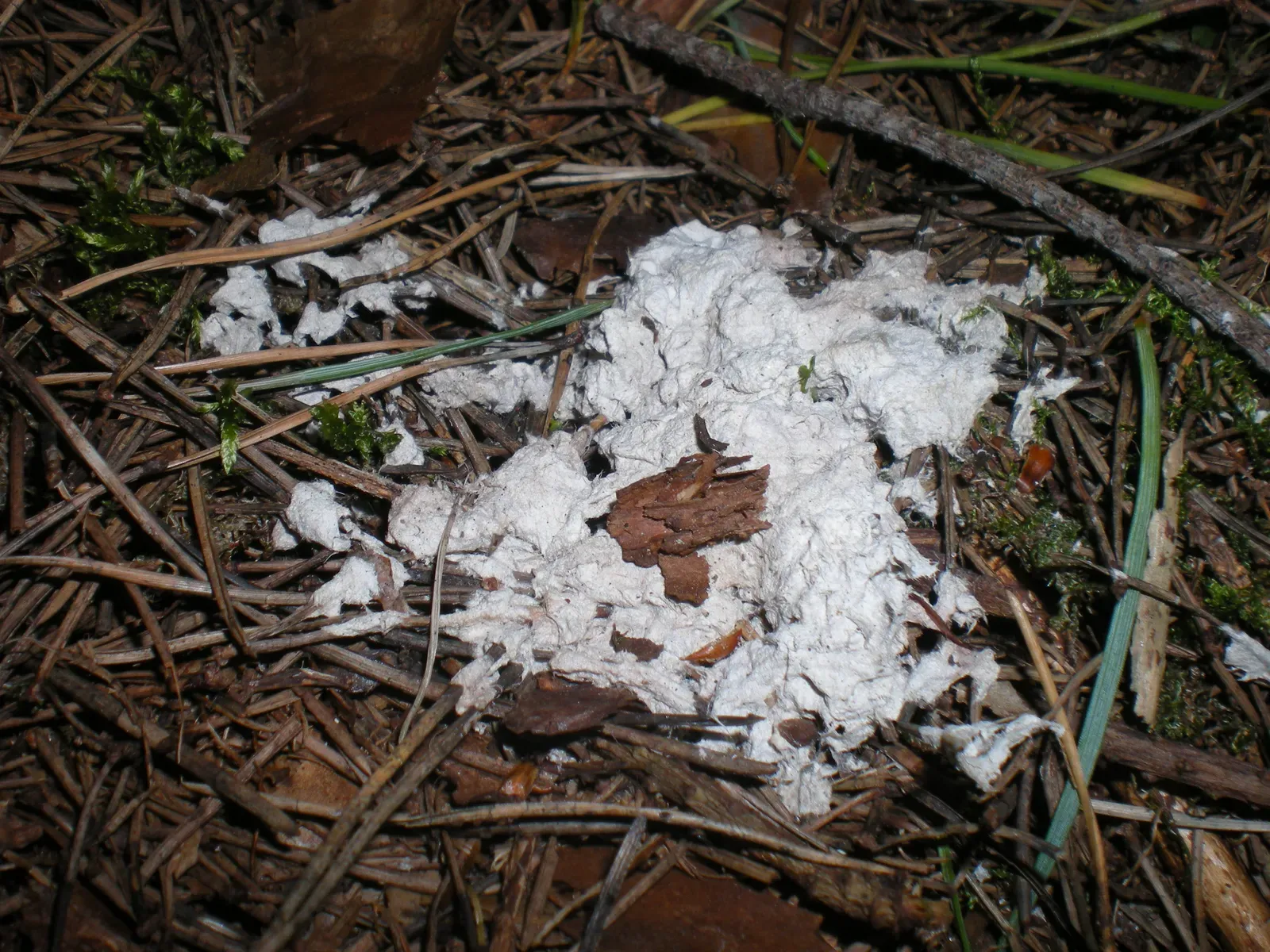
Let’s talk about what’s actually happening to all those sticks you’re throwing. Over time, the branches at the bottom slowly rot and sink into the soil, yet the mound never shrinks, because new sticks are constantly being added to it. It’s basically a perpetual compost pile with a supernatural reputation.
The forest floor beneath Stikhokken must be incredibly rich with nutrients from centuries of decomposing wood. Fungi, bacteria, insects, and other decomposers are constantly breaking down the older material while fresh branches pile up on top. In a way, Stikhokken is less of a static monument and more of a living, breathing organism. The oldest sticks from centuries ago have long since become part of the forest soil itself, feeding the very trees that provide new branches for future offerings. There’s an elegant cycle to it that transcends the spooky story.
What Archaeologists Think About Stick Piles
The tradition seems to be very old, according to experts who study these phenomena. Other versions of the story of Stikhokken don’t mention the forester but describe Stikhokken as a more general ghost-and-bad-luck-deterrent. That’s the thing about folklore: stories morph and change over time, adapting to new contexts while the core ritual remains.
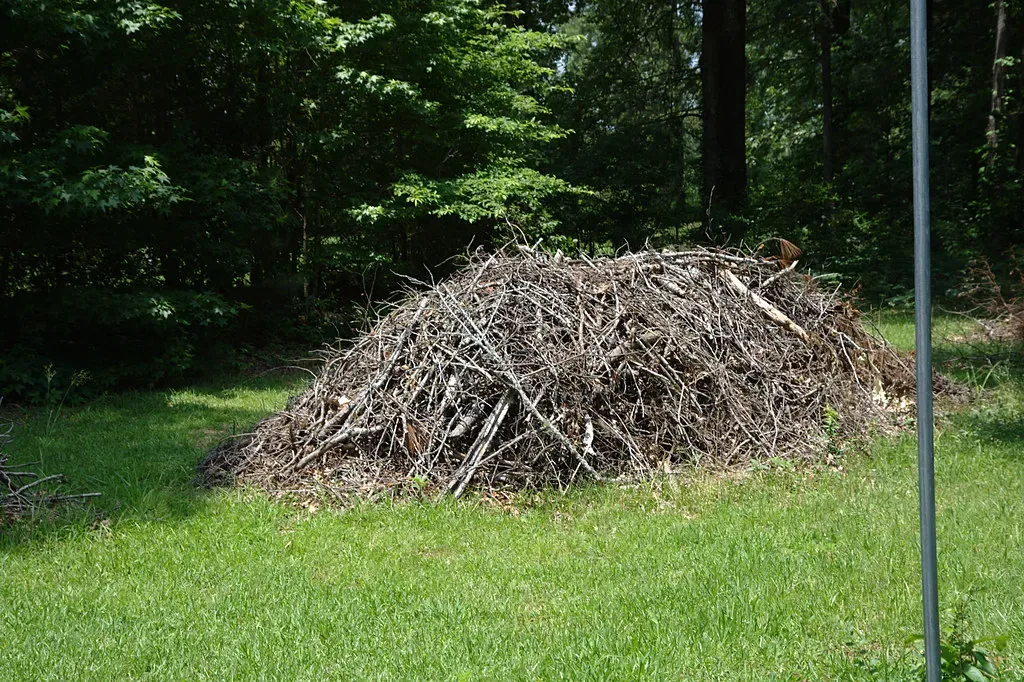
It remains huge to this day, at least three meters high because people throw branches on it when they pass by to this day, noted archaeologist Marie Brinch. These sites fascinate researchers because they represent continuity of human behavior across vast spans of time. The specific ghost might change in the telling, the exact reason might shift, but the act itself persists. It’s a testament to how deeply ingrained certain practices become in local culture, passed down not through written records but through demonstration and participation.
Your Own Encounter with the Unknown
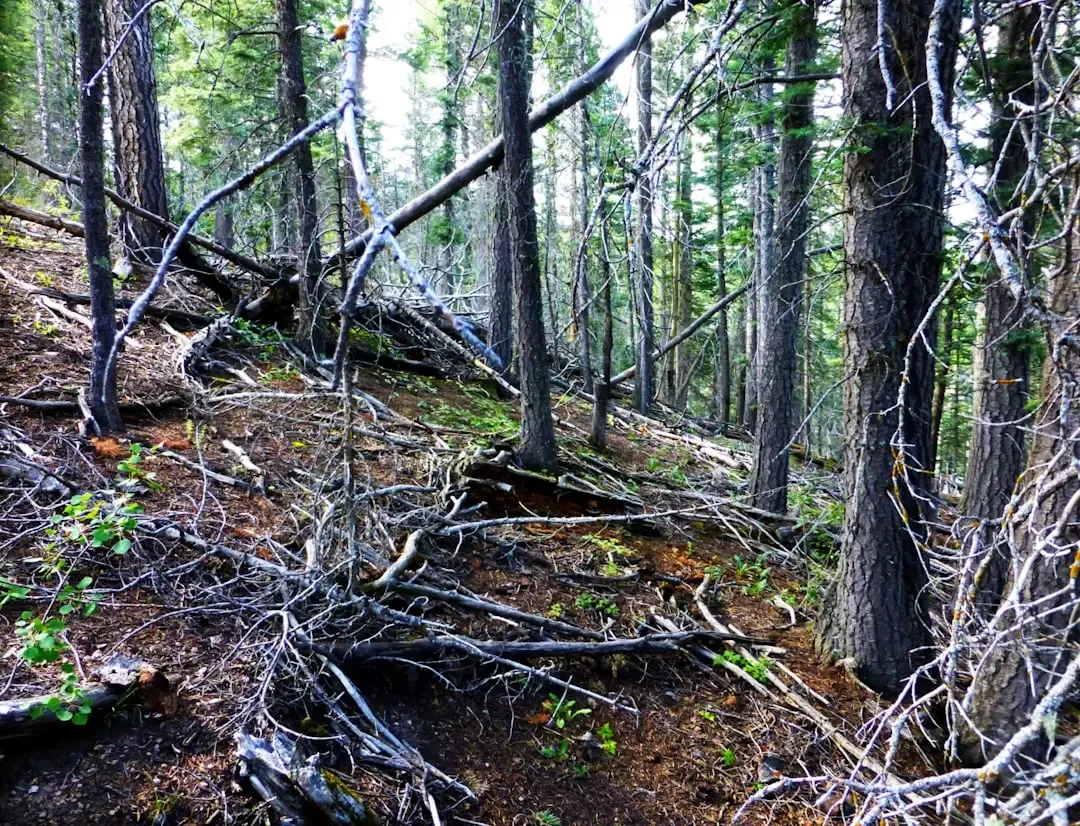
If you ever find yourself walking through Hyde Forest, you’ll face a choice when you encounter Stikhokken. Will you pick up a branch and add it to the pile? Or will you walk past with a skeptical smile? There’s no wrong answer, honestly. The beauty of traditions like this is that they work on multiple levels.
Stikhokken is located in the privately owned Hyde Forest, directly beside a well-trodden path, and hikers continue to pass, making their own decisions about whether to participate. Maybe you’ll do it because the story gave you chills. Maybe you’ll do it because it seems like a fun quirk. Or maybe you’ll do it because, deep down, there’s a tiny voice whispering that it’s better to be safe than sorry. Whatever your reason, you’ll become part of something much larger than yourself, a tradition stretching back through the mists of time.
Conclusion
Stikhokken stands as a fascinating intersection between ancient superstition and modern skepticism. This towering pile of branches in a Danish forest has survived wars, technological revolutions, and radical shifts in how we understand the world. Yet people still add to it, compelled by stories of vengeful ghosts or simply charmed by the weight of tradition.
Whether you believe in restless spirits or not, there’s something profoundly human about these stick piles scattered across Nordic forests. They remind us that beneath our rational, scientific worldview, we still carry ancient instincts about protection, respect for the dead, and the power of ritual. The next time you encounter something that seems illogical or superstitious, remember the Stikhokken. Sometimes the most enduring human practices are the ones that defy easy explanation.
What would you do if you stumbled upon Stikhokken during a forest walk? Would you add your stick to the pile?