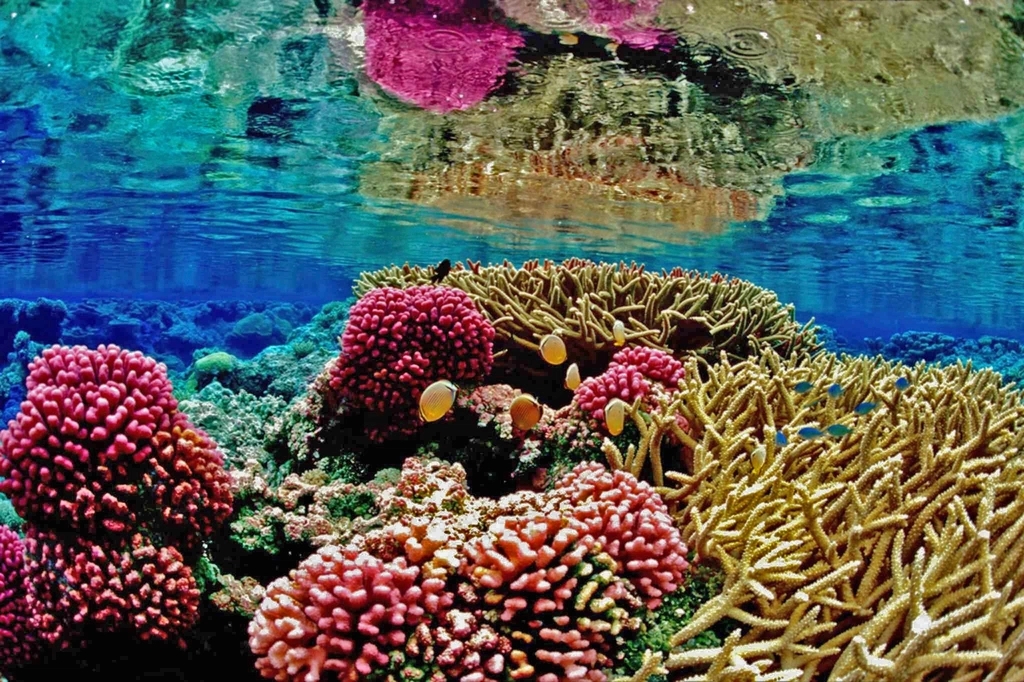

The world’s oceans have long been a source of mystery and wonder, teeming with diverse life forms that have captivated human imagination for centuries. However, beneath the surface, a growing threat is endangering these ecosystems—a subtle yet potent phenomenon known as ocean acidification. Often labeled as a “silent killer” for its insidious impact, ocean acidification poses a grave risk to marine life. This article delves into the science behind ocean acidification, its effects on marine organisms, and the broader implications for our planet.
Understanding Ocean Acidification

Ocean acidification refers to the process by which the pH levels of the ocean decrease, becoming more acidic. This happens primarily because of increased carbon dioxide (CO2) emissions from human activities like burning fossil fuels. When CO2 is absorbed by seawater, it reacts with water to form carbonic acid, which then breaks down into bicarbonate and hydrogen ions. The increased concentration of hydrogen ions in turn lowers the ocean’s pH, disrupting its delicate chemical balance.
The Science Behind pH and Marine Chemistry

The term “pH” is used to measure the acidity or alkalinity of a solution. In marine environments, even a slight shift in pH can have significant consequences. Historically, ocean pH has hovered around 8.2, slightly alkaline. Today, however, it has fallen to about 8.1—a seemingly small change, but one that translates to a 30% increase in acidity. This shift creates a cascade of chemical reactions that impact everything from the shells of microscopic algae to the skeletons of coral reefs.
Impact on Coral Reefs

Coral reefs, often regarded as the rainforests of the sea, are among the most affected by ocean acidification. Corals rely on calcium carbonate to build their skeletons, and increased acidity reduces the availability of carbonate ions, a crucial component of calcium carbonate. This impairs coral growth and leads to weaker reef structures, diminishing their ability to support vast numbers of marine species.
Effects on Shelled Organisms

Many marine organisms, such as mollusks and certain plankton species, depend on calcium carbonate to form their protective shells and exoskeletons. As the ocean becomes more acidic, it becomes harder for these creatures to maintain their shells, resulting in thinner, more fragile structures. This increases their vulnerability to predation and impacts their survival, with potential repercussions across the food chain.
Threats to Fish and Marine Food Webs

Ocean acidification can also affect fish, particularly during the larval and juvenile stages. Altered pH levels can impair sensory perception and behavior, making it difficult for young fish to avoid predators or find food. This can have a cascading effect on marine food webs, as fish are critical links in the ecological chain
Consequences for Human Communities

The repercussions of ocean acidification extend beyond the sea. Many human communities depend on marine ecosystems for food, economic livelihoods, and cultural practices. The decline of fish stocks and other marine resources due to acidification threatens food security and economic stability, particularly in coastal regions.
Potential Solutions and Mitigation Strategies
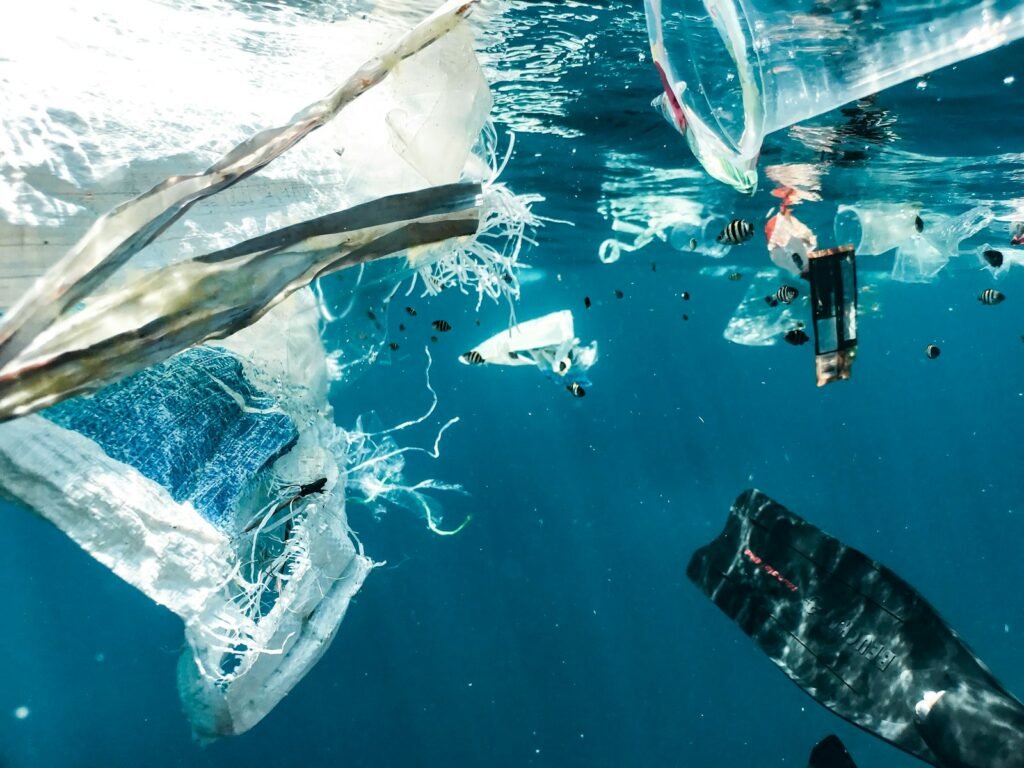
Addressing ocean acidification requires a multifaceted approach. Reducing CO2 emissions by transitioning to renewable energy sources and enhancing energy efficiency is essential. Additionally, local measures such as controlling pollution and managing fisheries sustainably can help strengthen the resilience of marine ecosystems. Innovative solutions, like carbon capture and storage (CCS) technologies, are also being explored to reduce atmospheric CO2 levels directly.
The Role of Scientific Research and Monitoring

Ongoing research and monitoring are crucial for understanding the evolving nature of ocean acidification and its impacts. Scientists around the world are working to develop predictive models that can guide policy decisions and adaptation strategies. Public awareness and education campaigns further help to raise understanding of the issues, encouraging collective action to protect marine environments.
Concluding Thoughts

Ocean acidification represents a significant, yet often overlooked, environmental challenge with wide-ranging implications. While the impacts are profound, action can still be taken to mitigate its effects. By understanding the science and engaging in global efforts to reduce carbon emissions, we can work toward preserving the vibrancy and diversity of marine life, safeguarding it for future generations. The time to act is now, as the health of our oceans—and indeed, our planet—depends on it.