New Zealand’s glowworm caves dazzle with an otherworldly glow, offering both a stunning sight and a fascinating scientific wonder.
The Mystical Glow of Arachnocampa Luminosa
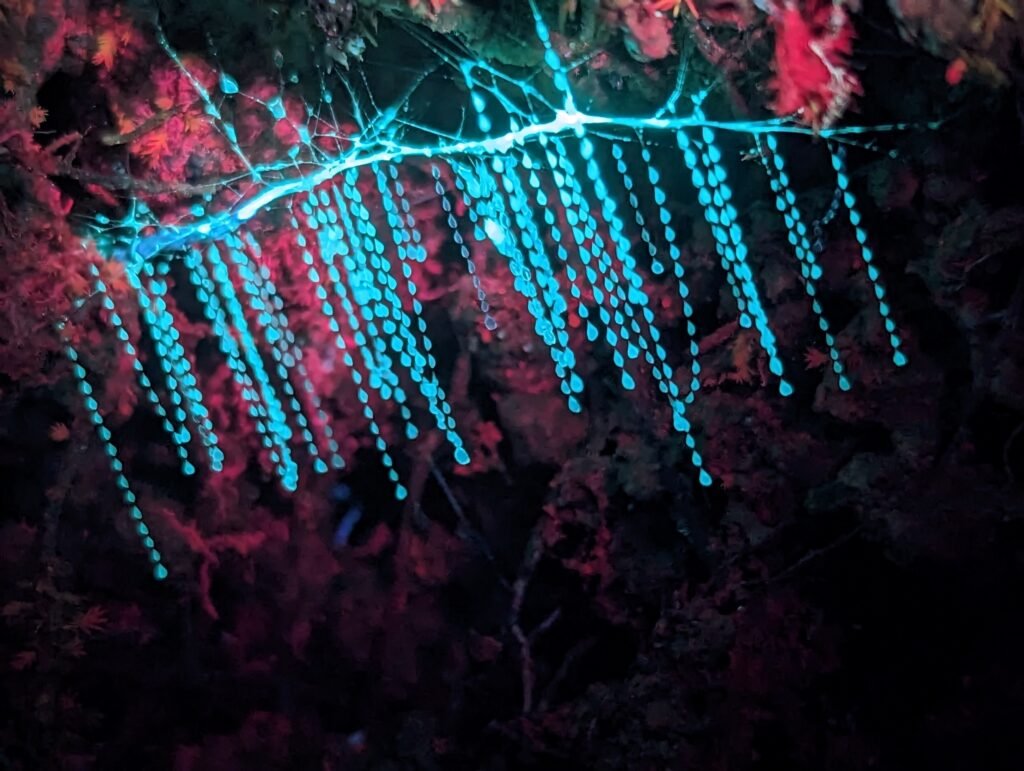
The mesmerizing glow that visitors experience in these caves is primarily due to Arachnocampa luminosa, a species of bioluminescent insect endemic to New Zealand. These glowworms emit a blue-green light during their larval stage, transforming the damp cave ceilings into a starry night sky.
Bioluminescence: Nature’s Light Show
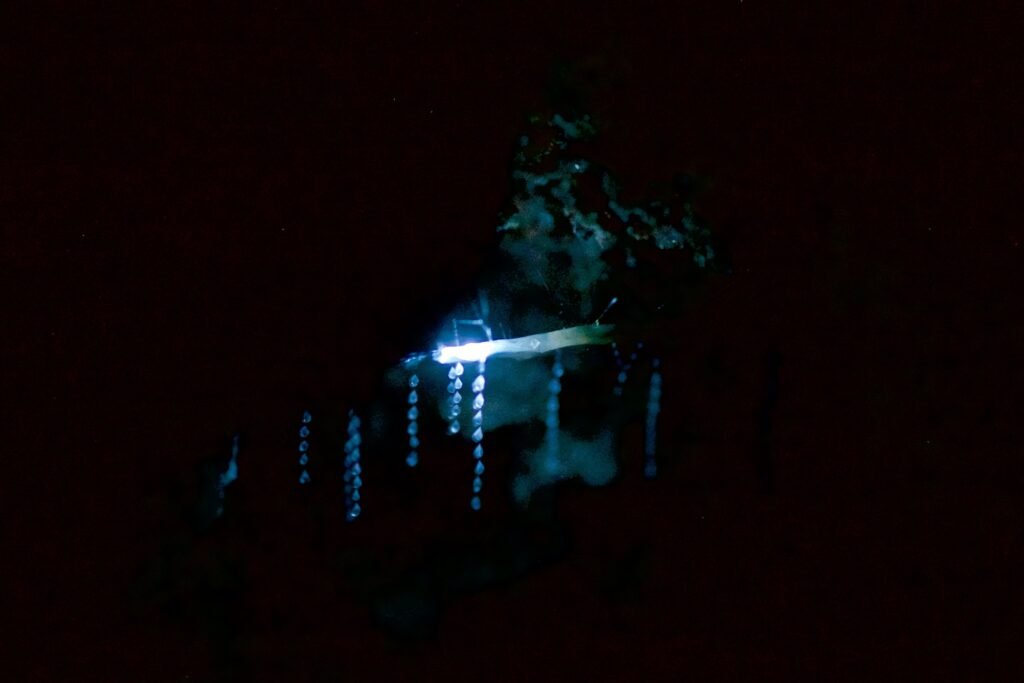
Bioluminescence, the production and emission of light by living organisms, is a rare phenomenon in the animal kingdom. In glowworms, this light production is not for entertainment; it’s a crucial survival mechanism. The light is produced through a biochemical reaction involving luciferin, luciferase, oxygen, and ATP, creating a glow that lures prey into their sticky silk threads.
An Ancient Phenomenon

While glowworms appear otherworldly, their existence is rooted in ancient biological processes. These organisms have thrived for millions of years, adapting their luminescent abilities to the dark cave environments. Studying them offers insights into evolutionary biology and the development of bioluminescence.
Ecological Significance

Glowworm caves are more than just a tourist attraction; they represent delicate ecosystems with complex food chains. These caves support a variety of other organisms, forming a unique habitat where light and dark converge to create a balanced, interconnected system.
Tourism and Conservation

The popularity of glowworm tours brings both opportunities and challenges. While they provide economic benefits and raise awareness about conservation, they also require careful management to ensure the delicate cave environments remain undisturbed and the glowworm populations are protected.
The Science Behind the Scenes

Scientists are fascinated by the glowworm caves for their potential applications in biomedical research. The study of bioluminescence could lead to groundbreaking advancements, such as the development of luminescent markers in medical diagnostics and treatments.
Behavioral Patterns of Glowworms

Understanding the behavior of these creatures provides clues into their nocturnal lifestyle. Glowworms create sticky threads to catch food, and the pattern of their light emissions is finely tuned to maximize prey capture. Researchers study these patterns to gain deeper insights into behavioral ecology.
Adaptation to Cave Environments

Glowworms have uniquely adapted to the dark, damp cave ecosystems. Their luminescent displays are perfectly suited to environments where sunlight never penetrates, showcasing the extraordinary adaptability of life forms to niche habitats around the world.
Biodiversity Hotspots

Glowworm caves are biodiversity hotspots, home to unique communities of fungi, insects, and other cave-dwelling creatures. Each species plays a role in maintaining the cave’s delicate balance, offering a rich tapestry of life for scientists to explore and study.
Preservation Efforts
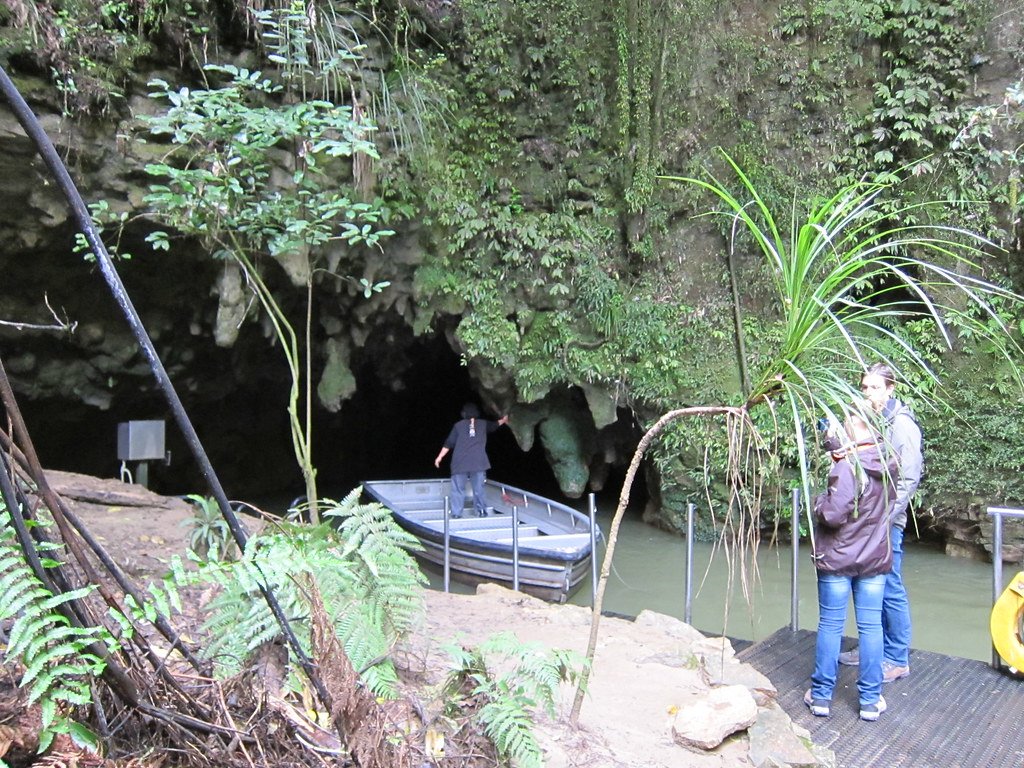
Preserving these natural wonders is crucial, as human activity poses significant threats. Conservationists work tirelessly to protect these caves, ensuring future generations can experience their beauty while maintaining the ecological integrity of the habitats.
Educational Opportunities

Glowworm caves provide unique educational opportunities, allowing visitors and students alike to witness the wonders of bioluminescence and gain an appreciation for the complexities of natural ecosystems. These hands-on experiences foster a greater understanding of environmental science and conservation needs.
A Window into the Past

Exploring glowworm caves offers a glimpse into ancient ecological systems. These caves provide historical records of climate and environmental changes over millennia, enabling scientists to piece together Earth’s geological history.
Global Significance
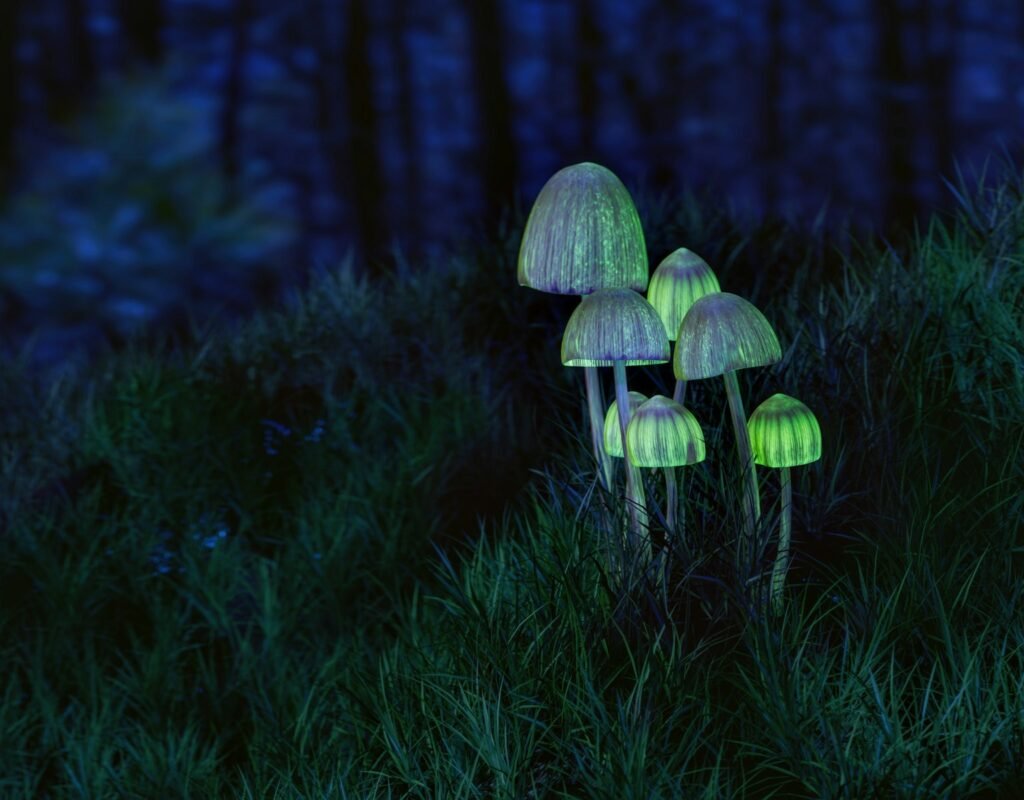
New Zealand’s glowworm caves have a significance that extends beyond their borders. Similar bioluminescent organisms are found worldwide but rarely in such accessible and spectacular concentrations, making these caves unique on a global scale.
Navigating the Delicate Balance of Eco-Tourism
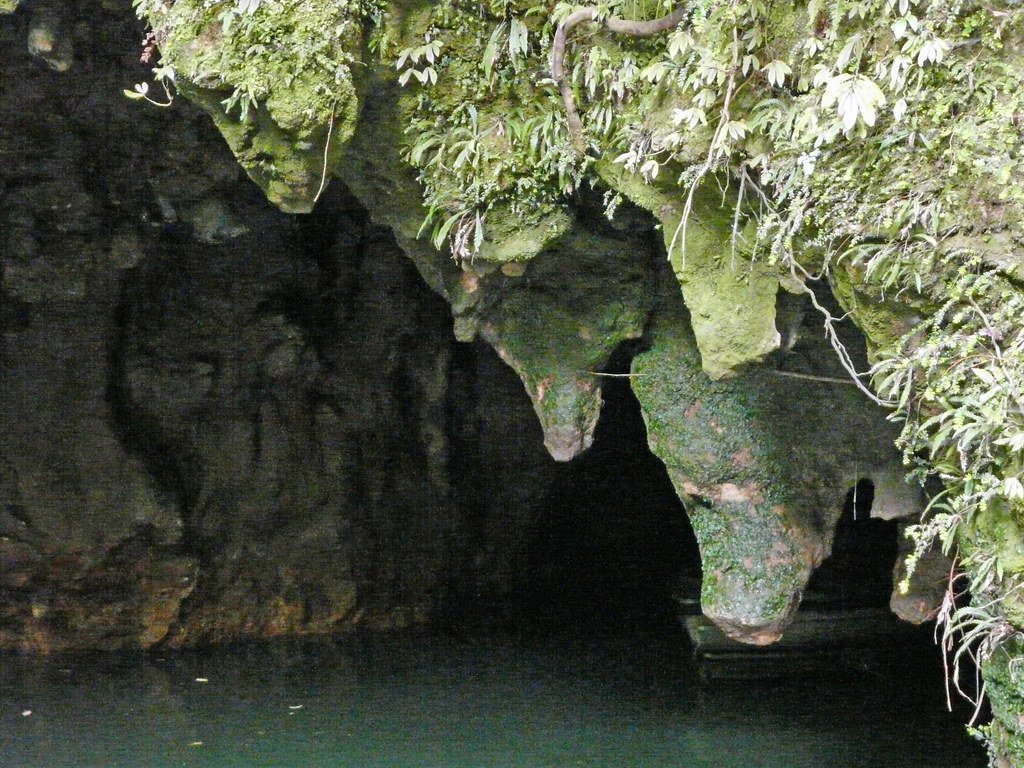
Balancing tourism with conservation is a delicate act. Responsible tourism practices, such as controlling visitor numbers and investing in environmentally sustainable infrastructure, are vital to preserving the caves’ integrity.
Innovative Research

Ongoing research in glowworm caves continues to reveal new insights, from genetic studies to the development of new technologies inspired by bioluminescence. These efforts highlight the caves’ potential as centers of innovation and discovery.
Cultural Significance

For New Zealand’s indigenous Maori people, glowworms hold cultural significance. Stories and myths often involve these glowing creatures, reflecting the deep connection between nature and culture. This cultural aspect enriches the scientific narrative with traditional wisdom and respect for nature.
Environmental Indicators
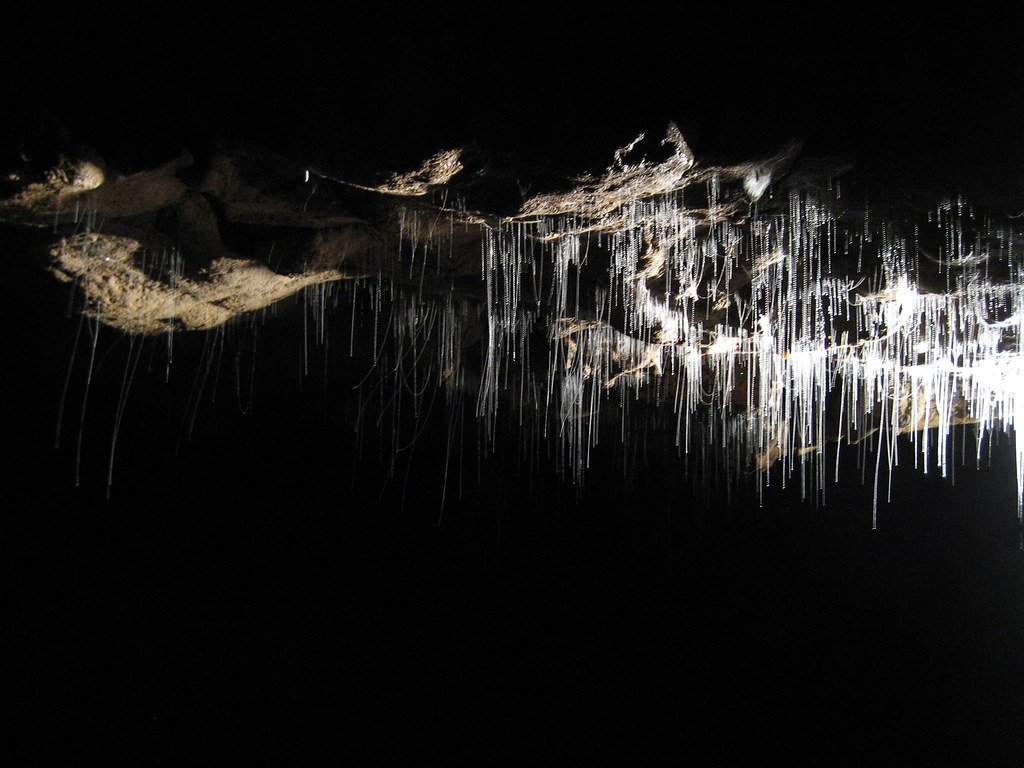
Glowworms can serve as environmental indicators, signaling changes in cave ecosystems. Studying their populations helps scientists monitor ecological health and detect shifts caused by external factors, such as climate change or pollution.
Unique Tourist Experience

The otherworldly experience of seeing thousands of glowworms lighting up the dark caves creates unforgettable memories for visitors. This natural spectacle invites people to connect with nature in new ways, promoting environmental awareness and appreciation.
Conclusion: A Natural Marvel Worth Protecting

New Zealand’s glowworm caves are more than just a natural spectacle; they are a scientific marvel that bridges biology, ecology, and culture. These caves captivate the imagination and contribute significantly to our understanding of bioluminescence and ecosystem dynamics. Protecting these natural treasures is essential, ensuring they continue to illuminate both the caves and the minds of those who study and visit them for generations to come.