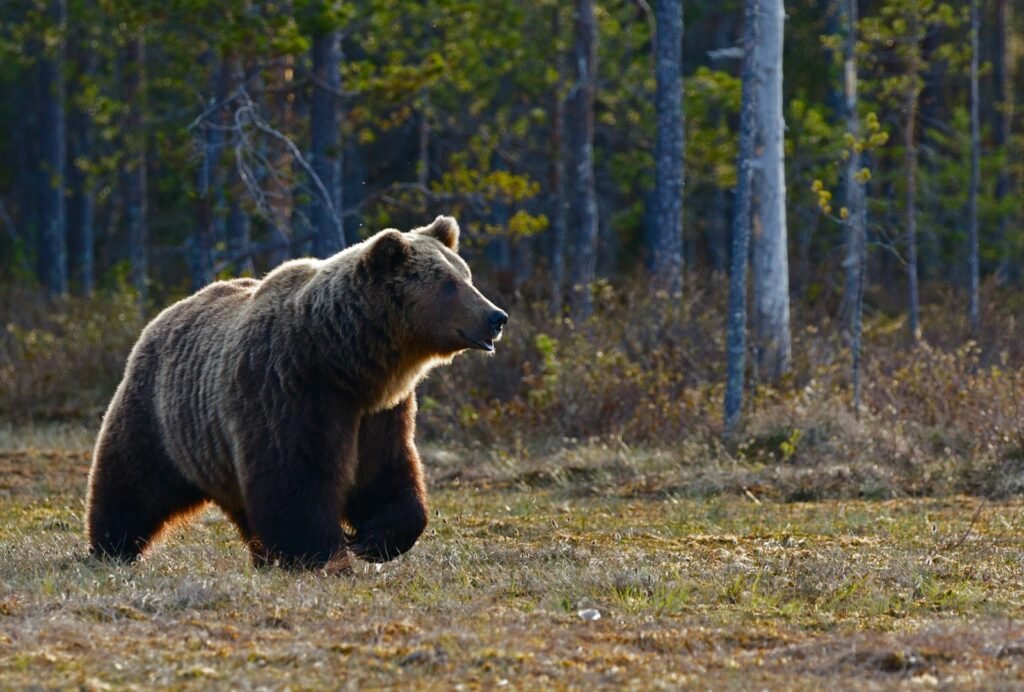

The bear moves through North American forests like a living paradox: a powerful predator that also spends months in near-death stillness, a feared presence that many Indigenous peoples have treated as a wise teacher and relative. For generations, Native American nations have woven stories, ceremonies, and taboos around this animal, long before modern biologists began tracking its movements with satellite collars. Today, as grizzlies slowly return to parts of the West and black bears wander into suburban backyards, the old reverence for the bear collides with new scientific questions and conservation debates. Why did so many cultures place the bear at the center of spiritual life, and what can biology tell us about that choice now? The answers are surprisingly modern, sitting at the crossroads of ecology, medicine, ethics, and our own uneasy relationship with wildness.
The Hidden Clues in Bear Behavior
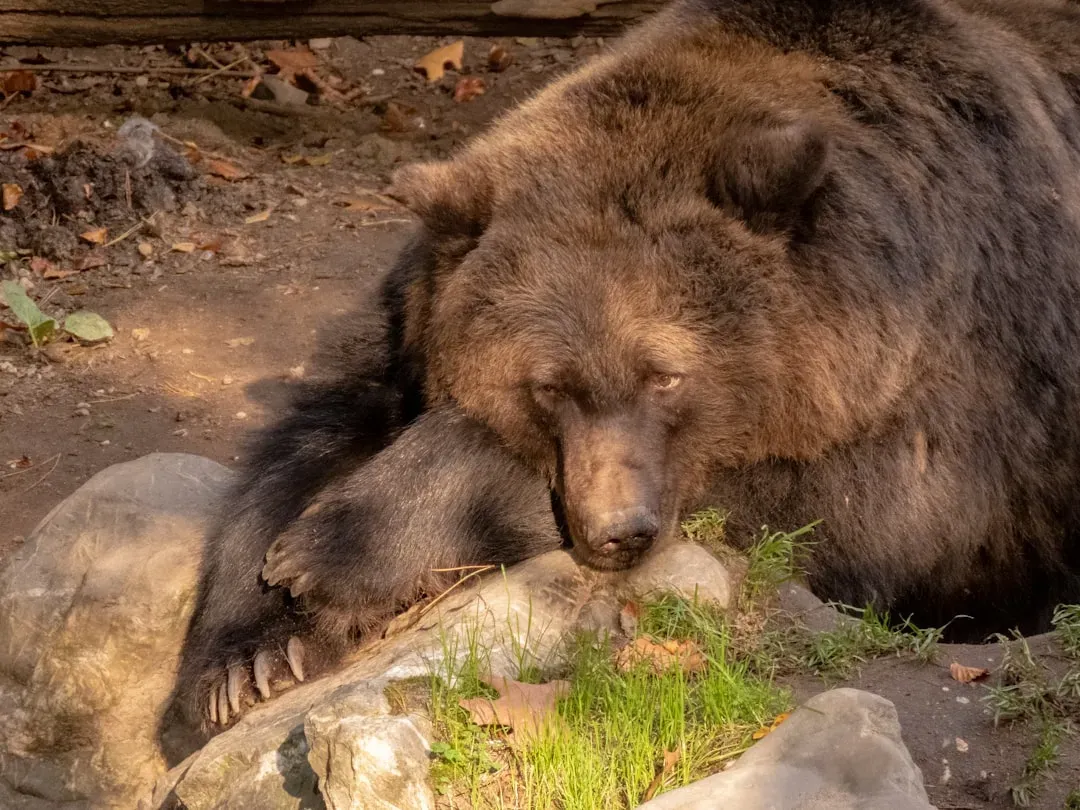
Stand on the edge of a spruce forest at dusk and watch a bear emerge, and it’s easy to understand why early observers saw something more than just an animal. Bears walk on the soles of their feet, like humans, and can rear up on two legs with a strangely familiar posture. They eat berries, roots, fish, and meat, mirroring the flexible, omnivorous diet of many Indigenous communities that lived closely with seasonal cycles. To Native observers who watched over centuries, the bear’s habits were not random; they were patterns, lessons, and warnings written in fur and claw marks on trees.
Hibernation, in particular, looked like a kind of death and resurrection ritual, repeated every winter and spring. A body that lies still for months and then reappears, lean but alive, was bound to be read as a message about endurance, patience, and the mystery of life itself. Modern physiology now shows that bears manage this trick with complex shifts in metabolism, bone preservation, and kidney function that would wreck a human body. Yet long before anyone measured their blood chemistry, Native hunters built strict rules around disturbing dens, hinting at a recognition that this seasonal sleep was sacred. Behavior that science now treats as data once served as evidence of the bear’s special place in the moral and spiritual order.
From Ancestors in Fur to Kin of the Forest
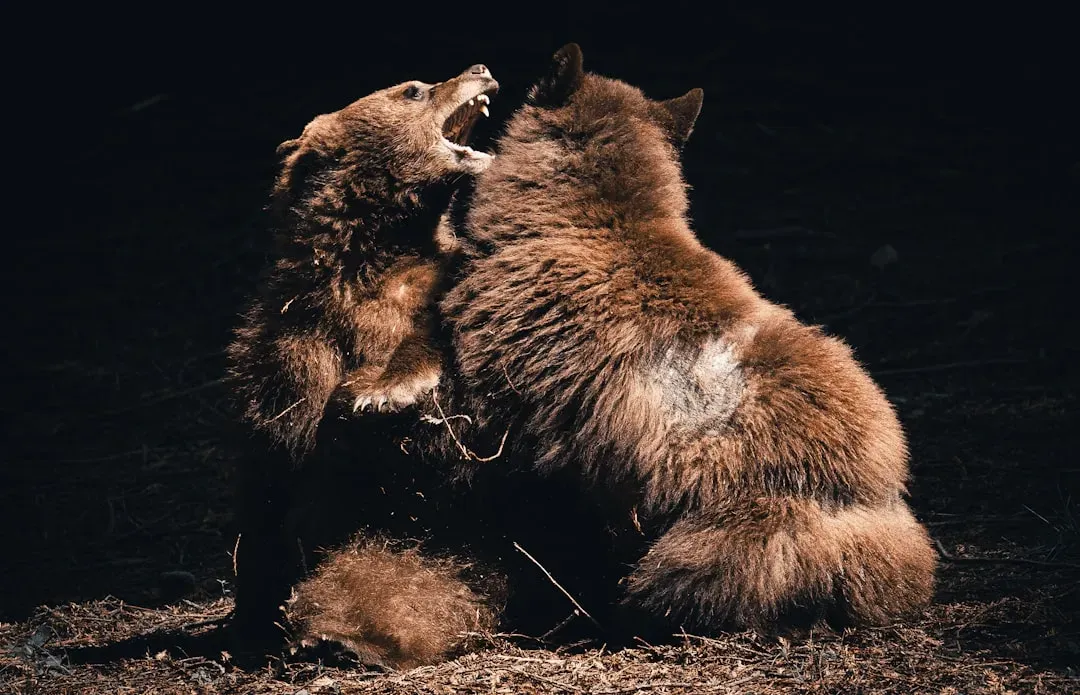
In many Native American traditions, the bear is not just an impressive animal but an actual relative, an elder whose spirit runs close to that of humans. This sense of kinship goes beyond metaphor; in oral histories from several northern peoples, bears are described as beings who once lived like humans or shared a common origin. The way a skinned bear’s body can resemble a human form likely intensified this idea, especially for communities for whom hunting was an intimate, up-close act rather than a distant shot. To say the bear is family was also a way of setting rules: you do not treat kin with casual cruelty, even when you must take their life for food.
That kinship shaped specific practices, including how hunters approached a bear, how they spoke about it, and what they did after a successful hunt. In some cultures, parts of the bear’s body were carefully placed in trees, lakes, or sacred spots, returning the animal to spiritual realms with respect instead of discarding it as waste. Ceremonies might acknowledge the bear’s spirit directly, apologizing, thanking, or promising to use every part. Even without written codes, this worldview worked like an unwritten conservation law, discouraging overkilling or disrespect. When the forest is full of relatives rather than resources, every decision about taking a life feels heavier and more deliberate.
Medicines, Warriors, and the Science Behind the Symbol
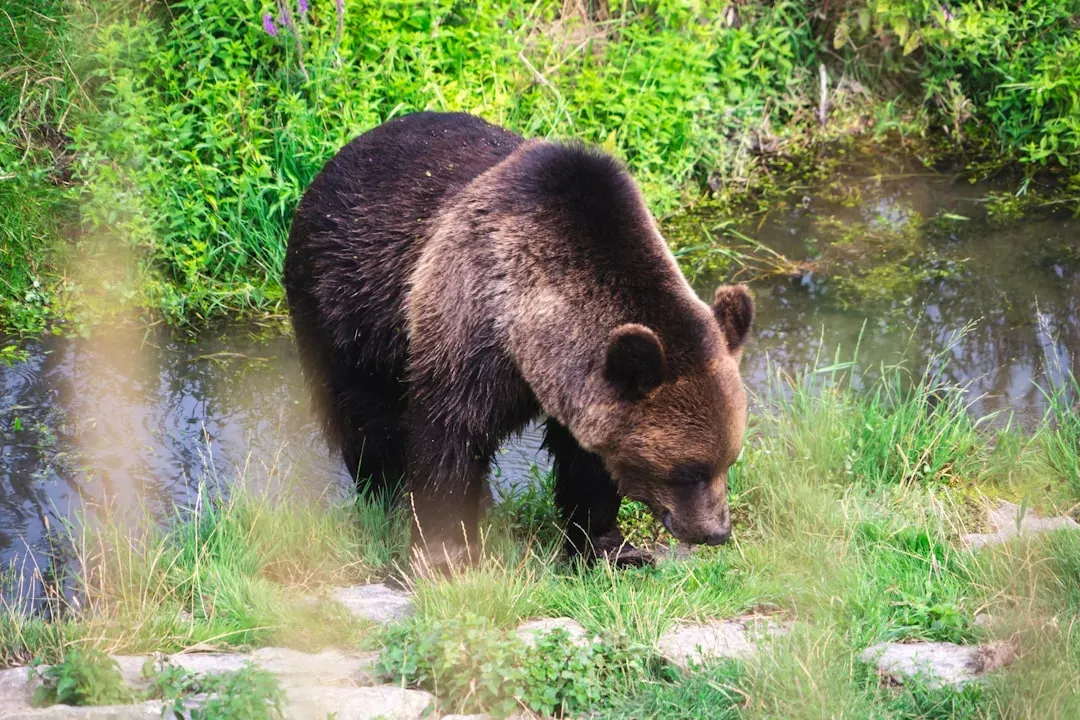
The bear did not become a totem animal only because it was large and impressive; it also represented healing and resilience in deeply practical ways. Many Native healers watched what bears ate and experimented with the same roots and plants, learning which might help treat wounds, stomach issues, or infections. Bears seeking out particular plants after waking from hibernation effectively acted as four-legged pharmacists, pointing to remedies hidden in the landscape. It is no coincidence that bear fat, claws, and teeth were often linked with medicine and protective charms, attached to clothing, cradleboards, or ceremonial items.
Modern science has begun to validate some of the deeper logic behind these associations. Bears maintain their muscle and bone strength through long winters of near immobility, a feat researchers now study to better understand osteoporosis and muscle wasting. Their ability to shut down and restart complex systems like kidney function without catastrophic damage offers clues for human medicine, from long-term bedrest to spaceflight. Meanwhile, the bear’s fierce defense of cubs and territory mapped neatly onto roles of warriors and protectors in Native societies, reinforcing its use in war paint, shields, and clan names. What looked like symbolic borrowing was also a kind of field-based biology, recognizing traits that modern labs are only now able to dissect in detail.
Tracks in Myth, Song, and Ceremony
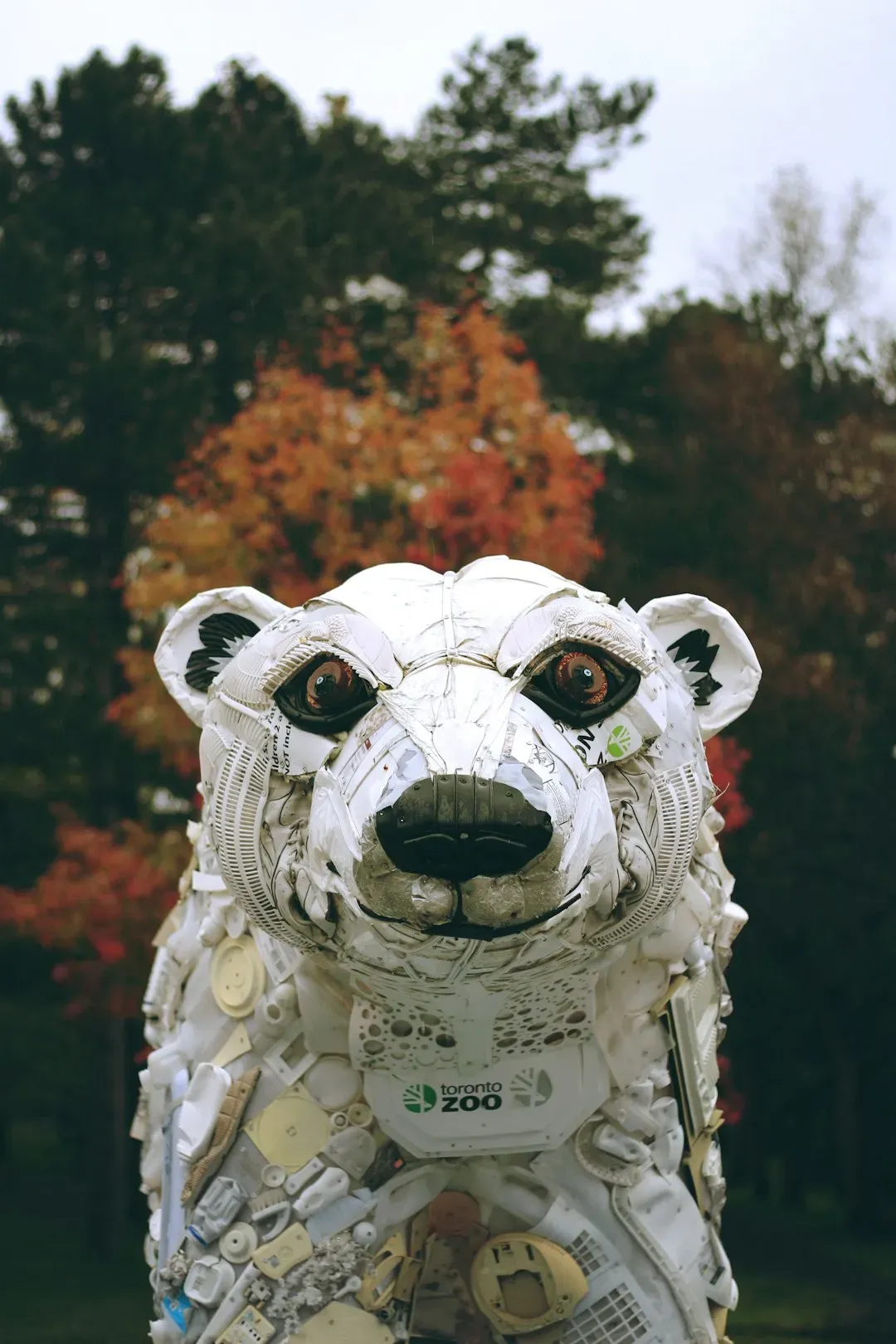
If you follow the bear out of the forest and into the realm of stories, you find its tracks stamped all over Native cosmologies. Tales of bear-human marriages, shape-shifting warriors, or lost children raised by bears blur the line between species, suggesting a world where boundaries are more porous than modern science allows. These stories do not simply entertain; they teach about humility, greed, courage, and the cost of breaking taboos. A child hearing a bear tale by the fire is also hearing a lesson in how to behave, what to fear, and how to respect powerful forces they can’t fully control. The bear becomes moral gravity, pulling actions back toward balance.
Ceremonies involving the bear often carried the same weight. Songs might be sung to honor the spirit of a killed bear, to ask for healing, or to seek strength during hard times. Masks, dances, and regalia evoked bear movements or features, letting participants step partly into the animal’s world for a moment. Rather than worshipping the bear as a god, many traditions treated it as a powerful presence in a shared universe, one that could hear, respond, and teach. In this way, myth and ritual functioned as a living, adaptive archive of ecological and ethical knowledge.
Clash of Worldviews: Colonization, Fear, and Erasure
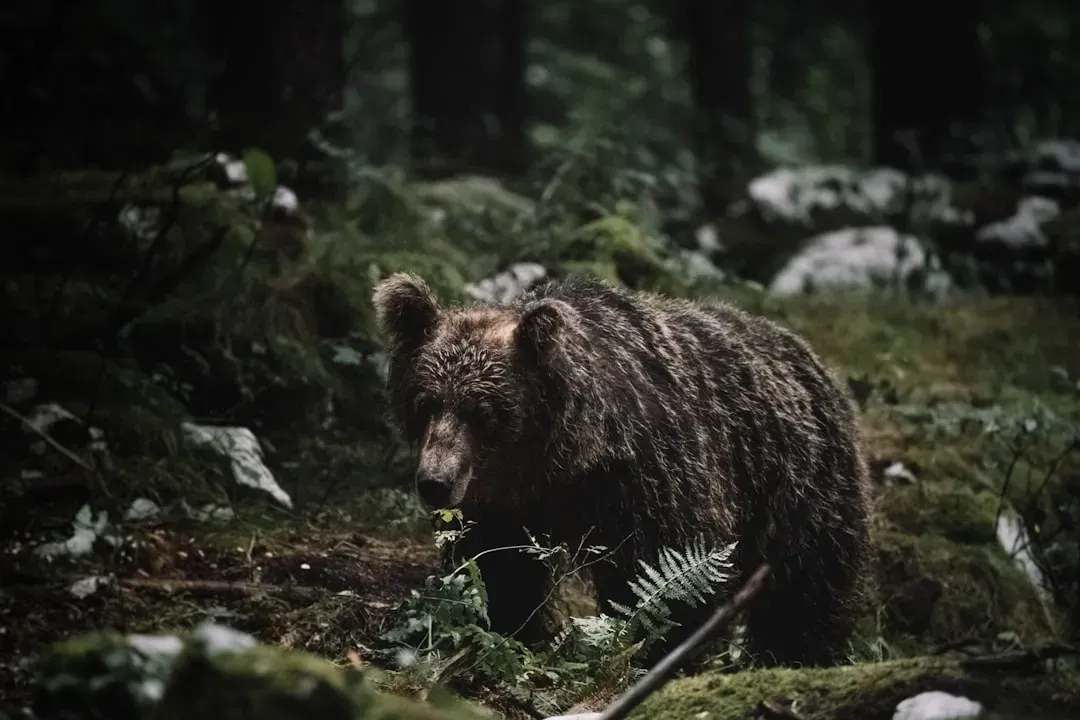
The arrival of European settlers brought a violently different way of thinking about both land and bears. Where many Native nations saw a relative with whom they had reciprocal responsibilities, colonial hunters saw trophies, threats to livestock, or obstacles to expansion. Stories of “man-eating” beasts and monster hunts fed into a narrative that justified extermination campaigns, bounties, and widespread habitat destruction. At the same time, federal policies tried to crush Indigenous religions and ceremonies, directly attacking the cultural fabric that held bear reverence in place. What had been a relationship was replaced by a one-sided assault.
By the early twentieth century, grizzlies had disappeared from most of the contiguous United States, and Indigenous communities who once lived with them were often confined to reservations. Traditional bear dances, healing rites, and clan structures had to go underground or be reshaped to survive. Scientific management of wildlife focused heavily on numbers and harvest limits rather than deep cultural meanings or reciprocal ethics. This shift did not erase the bear from Native cosmologies, but it made living those beliefs far riskier and more fragmented. Even today, conflicts over sacred sites, hunting rights, and conservation rules echo this original collision of worldviews.
Why It Matters: More Than Spiritual Symbolism
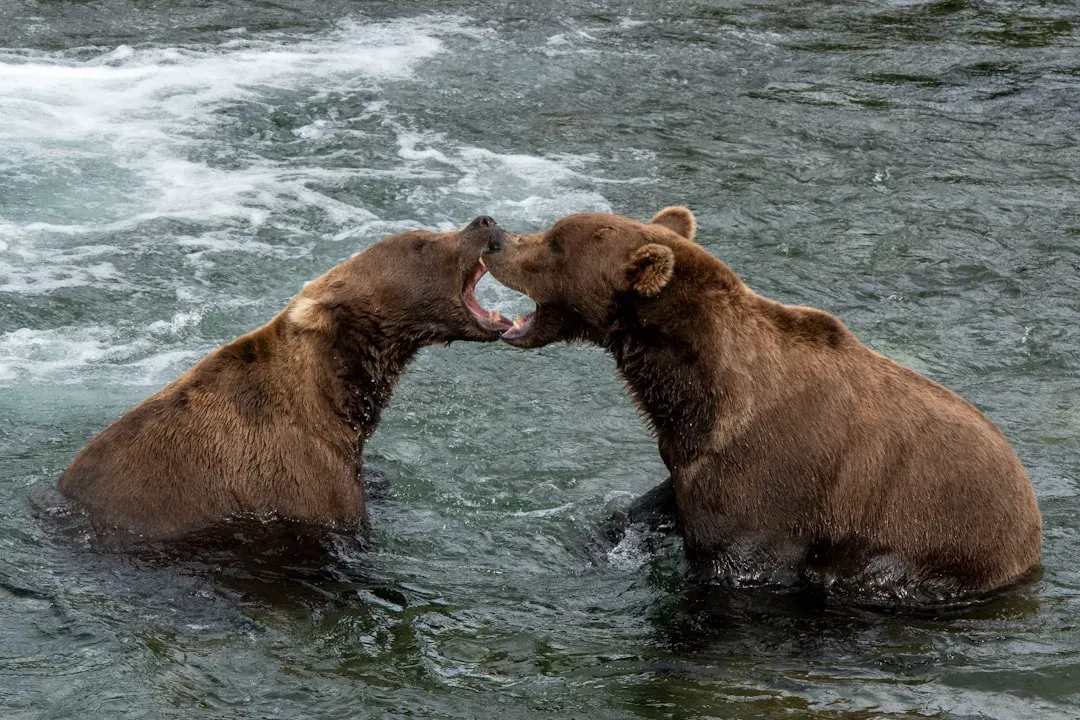
In an age of satellite tracking collars and genetic sequencing, it might be tempting to think ancient reverence for the bear is a charming relic, interesting but outdated. That view misses the point. Indigenous perspectives on the bear offer a blueprint for living with powerful species that can both kill and sustain us, especially as expanding suburbs and climate shifts bring more bear-human encounters. Seeing the bear as kin rather than a nuisance forces different questions: not just how to control it, but how to share space responsibly and accept some risk in exchange for a thriving ecosystem. This mindset could reshape everything from park policy to backyard behavior.
There is also a deeper scientific relevance. Traditional knowledge accumulated over many generations in specific landscapes can highlight subtle behavioral shifts, unusual movements, or changes in food sources long before they show up in formal studies. When biologists and Native elders collaborate, they often end up with richer, more accurate pictures of bear populations and their stressors. The bear, then, becomes a bridge between knowledge systems that were once kept apart by law and prejudice. In a warming world, that bridge is not a luxury; it is a survival tool for both species.
Modern Science Meets Ancient Totem
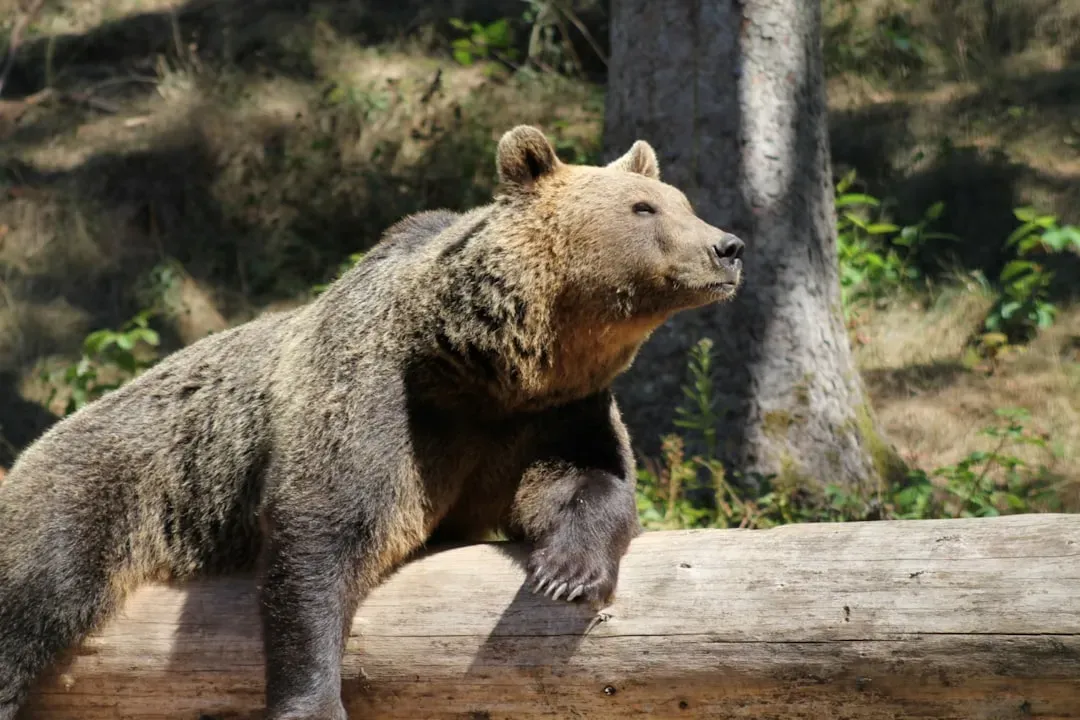
Across North America, researchers are now bringing high-tech tools into landscapes where stories about bears have circulated for centuries. GPS collars map seasonal paths that often line up closely with traditional hunting routes and sacred areas, confirming that Indigenous peoples knew exactly where bears liked to travel and feed. Studies of hibernation metabolism are inspiring research into heart health, kidney disease, and long-duration space missions, giving the old idea of the bear as a master of endurance a strictly modern twist. Meanwhile, camera traps and genetic sampling reveal complex social patterns and territory use that echo the nuanced way Native narratives describe bear personalities and moods.
In some regions, tribal wildlife departments are taking the lead on this work, blending ceremony with field surveys and elder testimony with population models. Collaborative projects bring together park rangers, academic scientists, and cultural leaders to design monitoring plans that respect sacred sites while still collecting rigorous data. Instead of treating traditional stories as quaint, researchers are learning to read them as coded observations about weather, food availability, and animal behavior. The result is a science that feels less like an outsider’s inspection and more like an ongoing conversation with a powerful neighbor. The bear remains a totem, but now it is also a research partner of sorts, shaping questions as much as it answers them.
The Future Landscape: Bears, Climate, and Cultural Revival
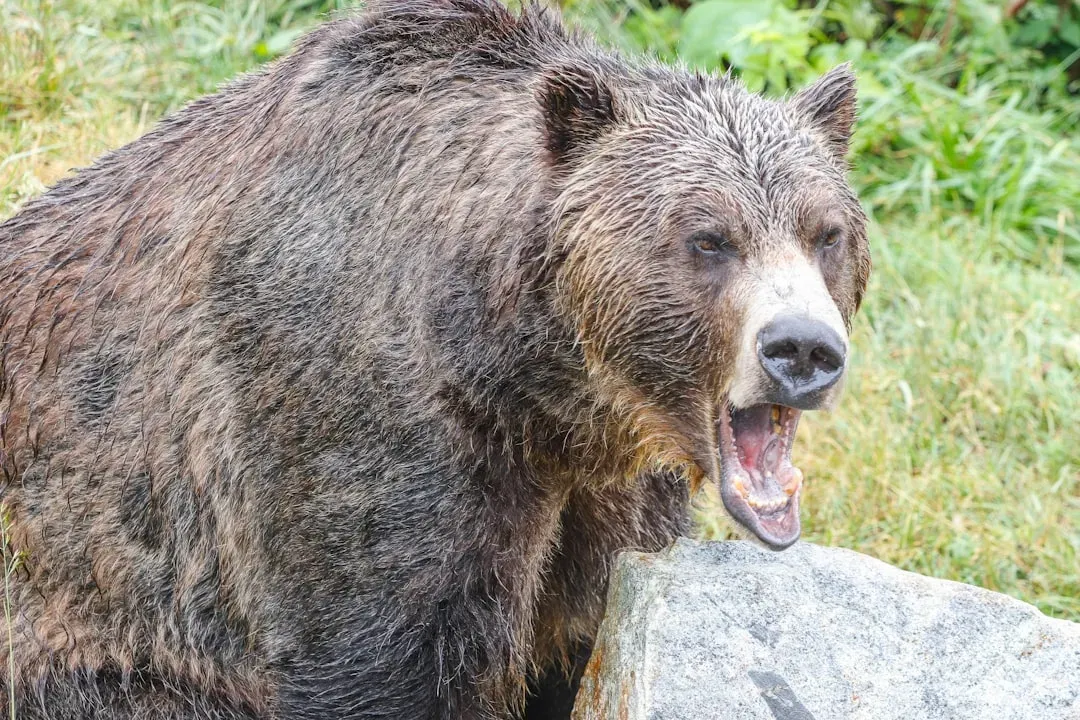
Looking ahead, the bear’s fate is tied tightly to the changing climate and land-use choices unfolding across the continent. Warmer winters can disrupt hibernation patterns, while shrinking snowpack and shifting plant communities reshape where and when bears can find food. Expanding roads, energy projects, and recreation carve up habitats that once allowed wide, seasonal wandering that many Native stories take for granted. At the same time, reintroduction efforts and legal protections have allowed some bear populations to rebound, leading to new debates over hunting, management, and tribal sovereignty. The question is not just whether bears will survive, but what kind of relationship people will have with them in fifty years.
For many Native communities, cultural revitalization and language renewal are bringing old bear teachings back into everyday life. Youth programs may combine tracking skills, ceremony, and ecological education, turning encounters with bears into living lessons instead of viral fear videos. Emerging technologies, from better non-lethal deterrents to improved habitat modeling, can help reduce conflicts without returning to extermination mindsets. Internationally, Indigenous bear knowledge is beginning to inform discussions from the Arctic to high mountain ranges, linking distant peoples through shared experiences with these animals. In that sense, the future of the bear as a totem is not only spiritual; it is legal, technological, and political.
What You Can Do: Listening, Respecting, and Protecting
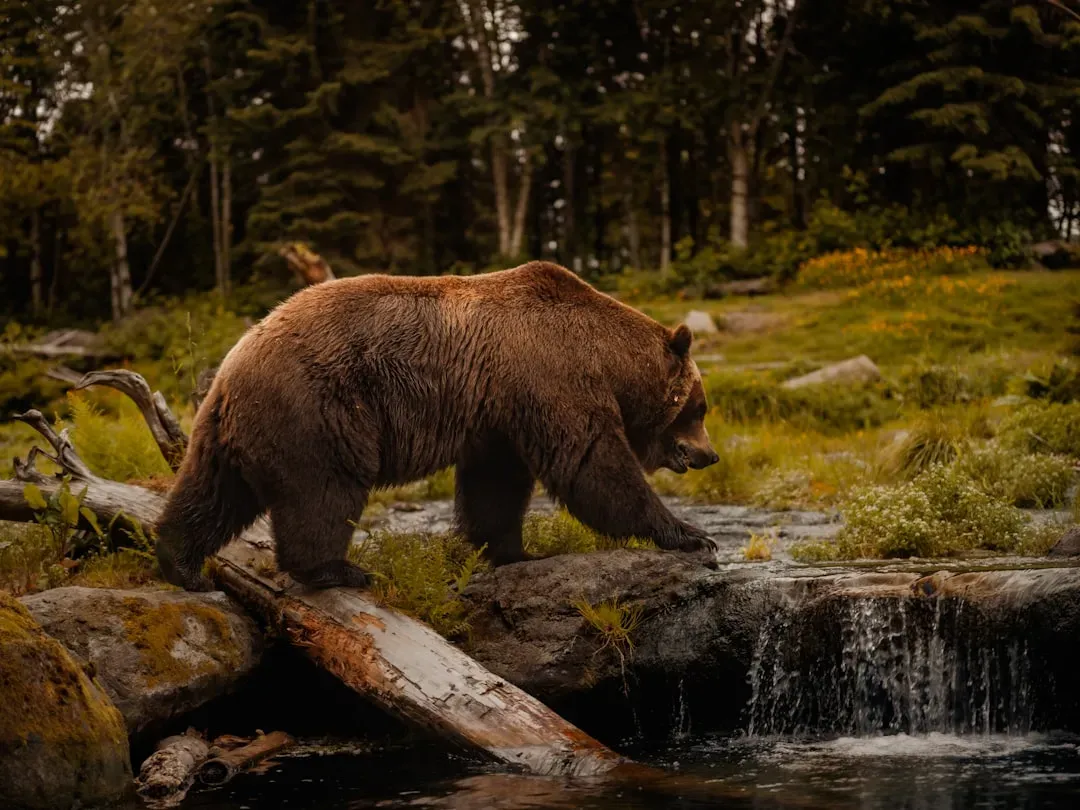
Most readers will never track a bear through old-growth forest or join a traditional ceremony, but the way you think and act still matters. One simple step is to learn whose land you live on and seek out how local Native nations understand the animals around you, including bears if they are present. Supporting Indigenous-led conservation projects, legal protections for sacred sites, and co-management of wildlife can amplify voices that have kept these relationships alive under intense pressure. If you live or travel in bear country, following food storage rules, respecting closures, and keeping distance is more than safety advice; it is a daily practice of recognizing the bear as something other than a prop for social media.
You can also support broader scientific and cultural work that treats traditional knowledge as a partner to modern research. Donating to organizations that fund community-based wildlife monitoring, language programs, and youth land camps helps ensure the next generation can inherit both bears and the stories that give them meaning. Engaging with books, museum exhibits, and talks by Native scholars can shift your own internal map of what counts as legitimate knowledge. The more people understand why the bear has been revered for so long, the harder it becomes to accept policies that reduce it to a statistic or a pest. In the end, honoring is less about belief and more about how we choose to live in a world still full of powerful, unpredictable lives.
Suhail Ahmed is a passionate digital professional and nature enthusiast with over 8 years of experience in content strategy, SEO, web development, and digital operations. Alongside his freelance journey, Suhail actively contributes to nature and wildlife platforms like Discover Wildlife, where he channels his curiosity for the planet into engaging, educational storytelling.
With a strong background in managing digital ecosystems — from ecommerce stores and WordPress websites to social media and automation — Suhail merges technical precision with creative insight. His content reflects a rare balance: SEO-friendly yet deeply human, data-informed yet emotionally resonant.
Driven by a love for discovery and storytelling, Suhail believes in using digital platforms to amplify causes that matter — especially those protecting Earth’s biodiversity and inspiring sustainable living. Whether he’s managing online projects or crafting wildlife content, his goal remains the same: to inform, inspire, and leave a positive digital footprint.