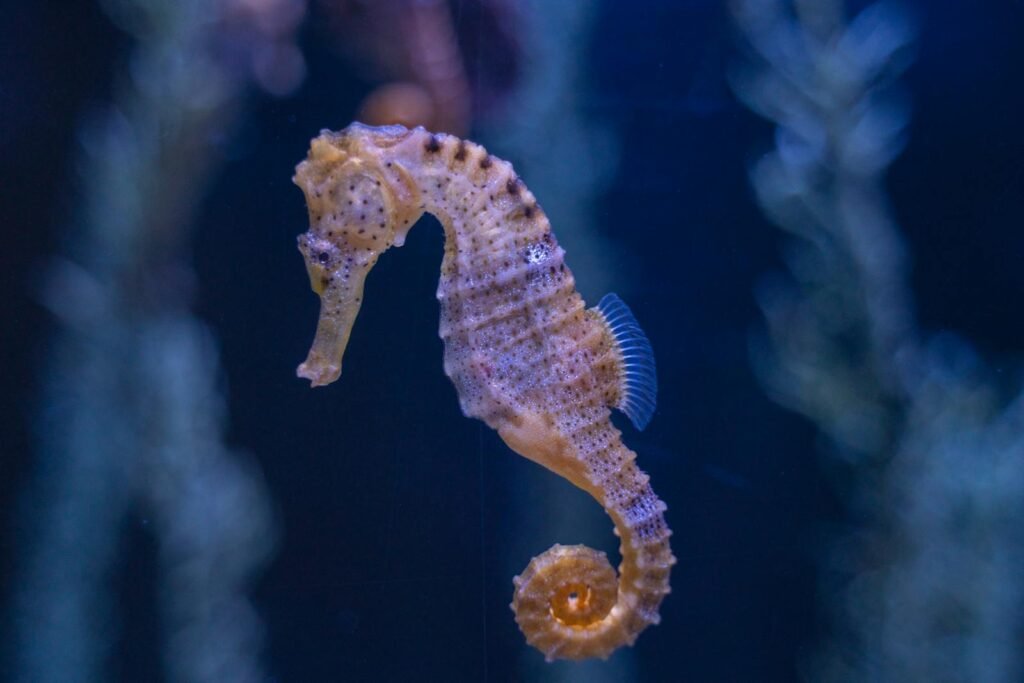

In the kingdom of the unexpected, few stories flip the script like seahorses – where fathers carry the babies and give birth in a final storm of muscular contractions. For decades, this reversal puzzled biologists, challenged assumptions about sex roles, and hinted at a deeper evolutionary bargain. What looks like a quirky oddity is, in fact, a meticulously engineered system: an internal pouch that acts like a miniature womb, complete with oxygen supply, immune shielding, and fine-tuned salt balance. The more scientists look, the less “weird” it seems and the more it reads like a masterclass in reproductive innovation. The question is no longer whether male pregnancy works, but how far its lessons reach into evolution, conservation, and even biotechnology.
The Hidden Clues
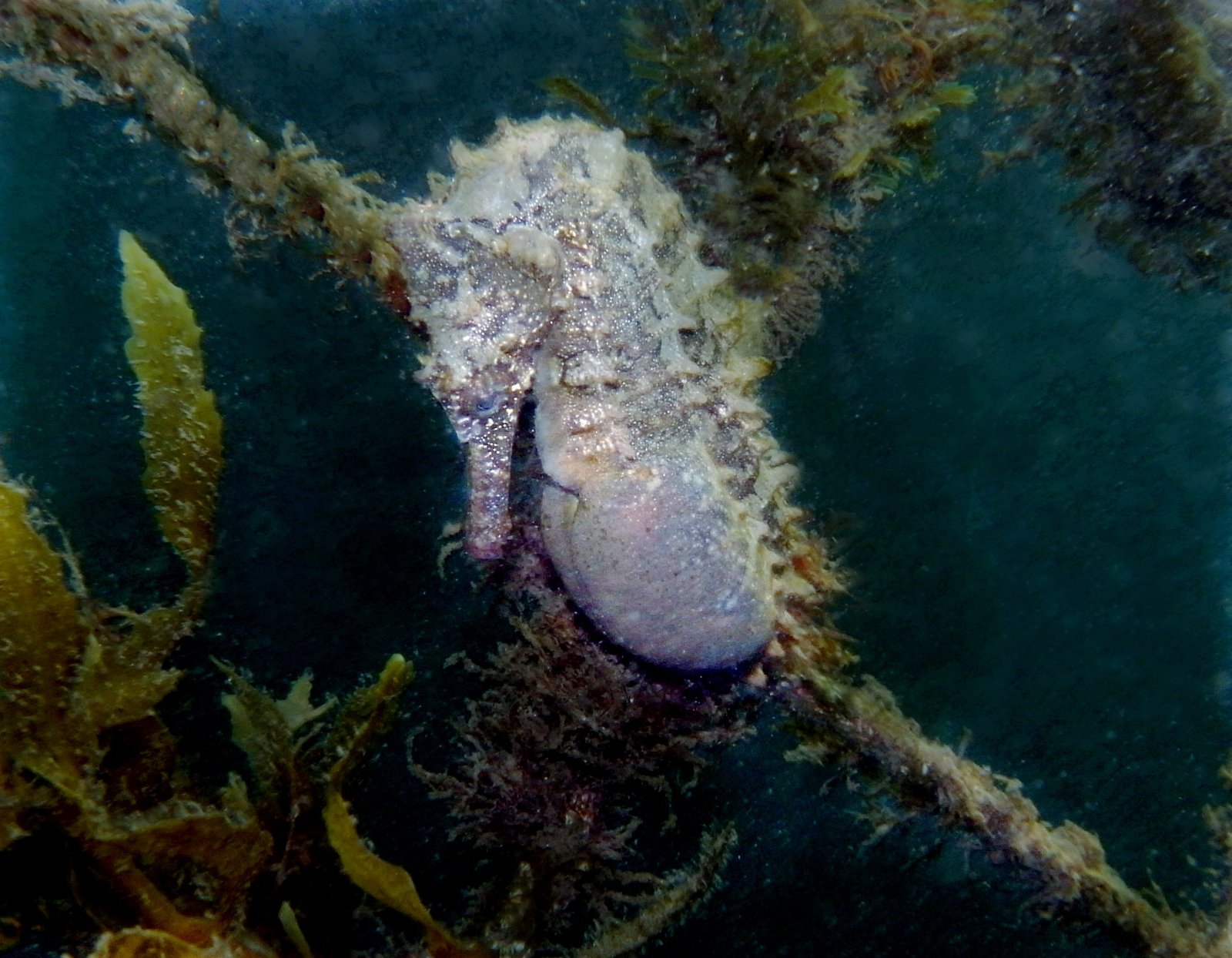
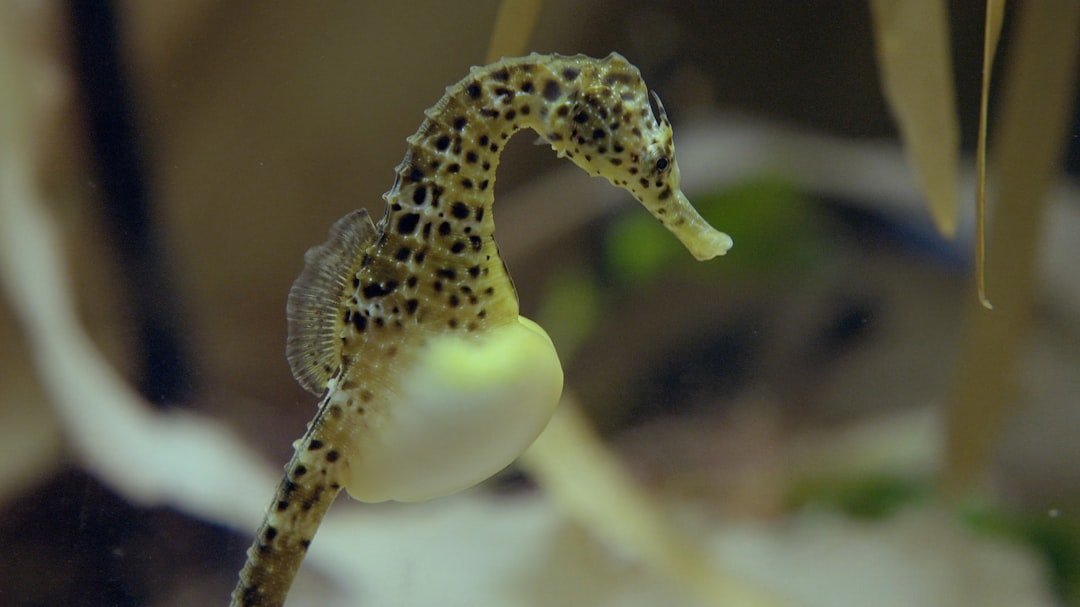
The first time I watched a male seahorse give birth at a public aquarium, I did a double take – dozens of pin-size fry shot from his pouch like sparks from a firework. That burst of life hides weeks of quiet engineering, as the father turns a simple skin fold into a highly managed nursery. The pouch is not just a bag; it’s a living organ that thickens with blood vessels, reshapes its lining, and calibrates conditions with the precision of a life-support system. Embryos press close, receiving oxygen and protection while the father maintains a safe, stable chemistry inside. It’s intimate and strangely moving: a body becoming architecture for the next generation.
Look closer and the clues feel familiar. As pregnancy advances, the pouch’s microstructure shifts, echoing the way mammalian tissues remodel to sustain a fetus. Ion pumps adjust salinity, capillaries proliferate, and antimicrobial defenses ramp up to guard against infection. The end result is a cradle that looks nothing like a uterus but performs many of the same jobs. Biology, it turns out, can rhyme without copying the exact poem.
The Pouch: Nature’s Most Unlikely Incubator
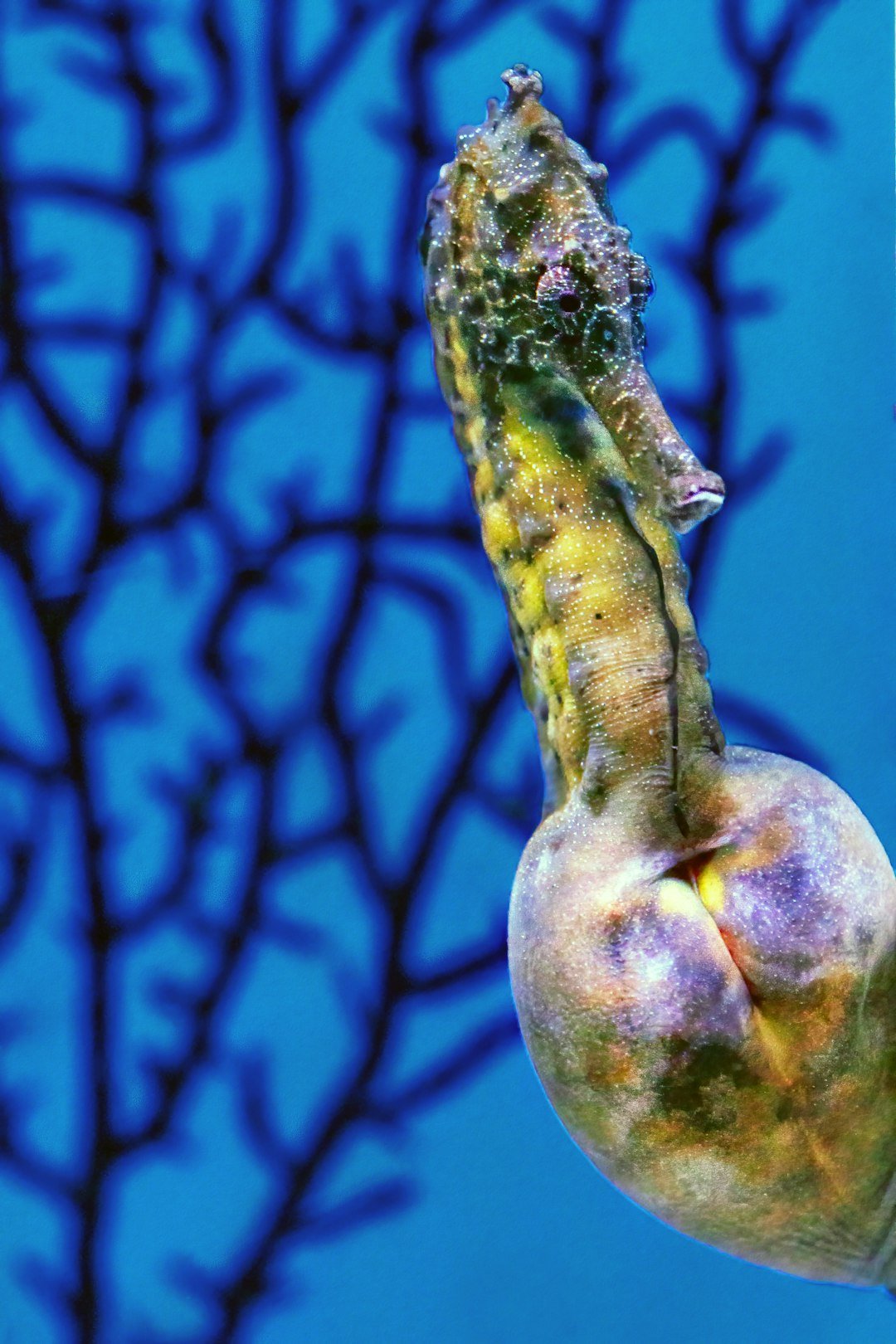
Male seahorses belong to the syngnathid family – seahorses, pipefishes, and seadragons – where evolution has repeatedly tinkered with paternal care. In seahorses, it culminates in a fully enclosed pouch with elaborate tissues that thicken and become richly vascularized during pregnancy. That vascular mesh fuels gas exchange much like a placenta would, while secretions bathe embryos in nutrients and immune factors. Meanwhile, specialized cells shuttle ions to tweak the internal seawater, gradually matching the external ocean so newborns are ready for the big leap. It’s the marine equivalent of pre-delivery conditioning.
Physiology underpins the miracle. Early in pregnancy, the pouch dampens salts to shield fragile embryos; later, it ratchets salinity back up, training the young for independence. Oxygen levels and pH are regulated, waste products are cleared, and pathogens are kept at bay. When the time comes, coordinated contractions turn an incubator into a launch pad, and the father’s body switches from nurturing to expelling mode in minutes.
From Ancient Tools to Modern Science
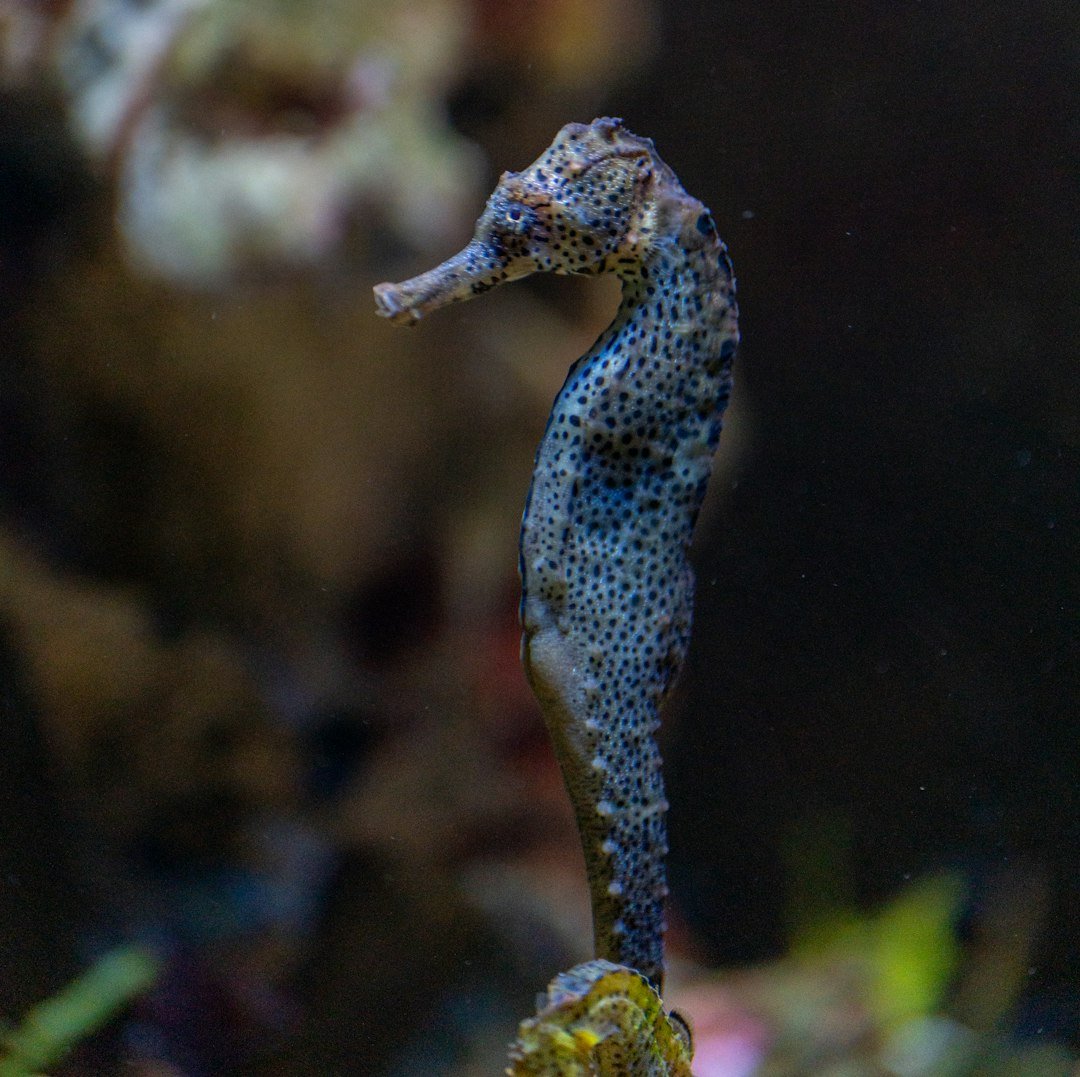
Naturalists once thought females carried the young because that’s what mammals taught us to expect. The assumption held until careful dissections, and later imaging, revealed eggs transferred into a closed male pouch where fertilization happens inside. Today’s scientists add layers of clarity with ultrasound, micro-CT scans, and molecular profiling that track how pouch tissues change week by week. Gene-expression studies reveal transporters for ions and nutrients lighting up, while immune genes dial down inflammatory reactions that could harm embryos. It’s a choreography that lets fathers tolerate semi-foreign embryos without rejecting them.
Hormones help set the tempo. Teleost fish analogs of oxytocin – such as isotocin – are linked to parturition behaviors, cueing those famous abdominal “pumping” movements at birth. Androgens and estrogens shift through the cycle, while local signals in the pouch direct tissue remodeling. Each pregnancy is a precise experiment run by a small marine engineer, with the genome as the instruction manual and seawater as the testing ground.
Courtship, Egg Transfer, and Embryo Care
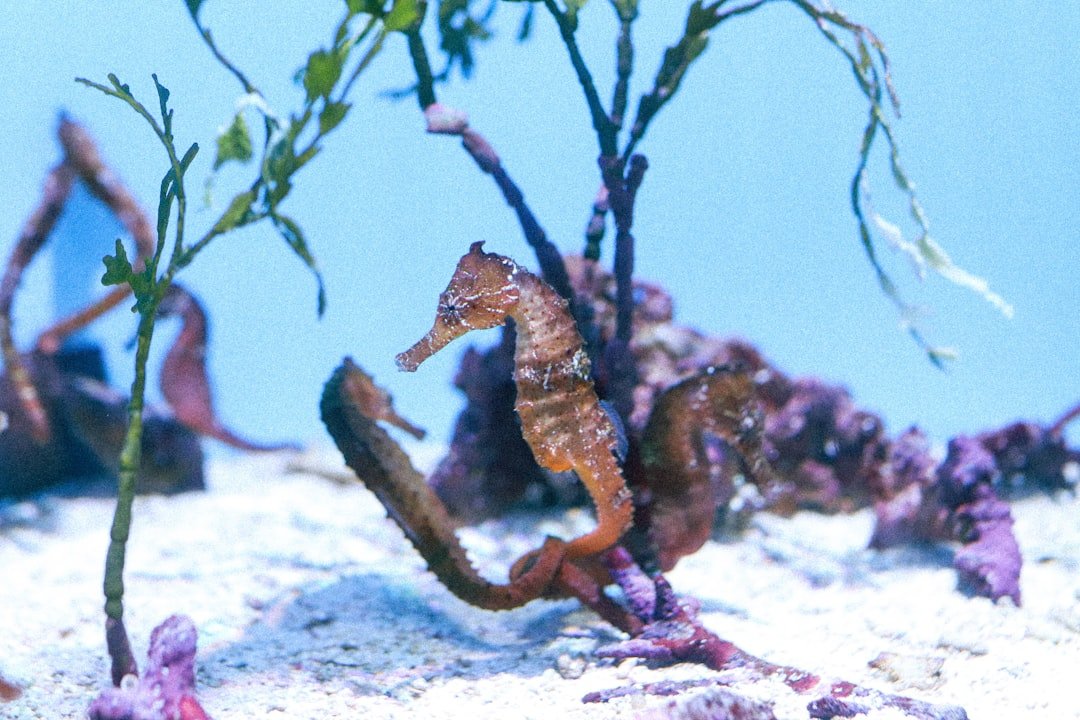
Before any pouch magic begins, there’s a dance. Many seahorses form pair bonds, greeting each morning by color-changing, tail-wrapping, and swaying in sync like underwater metronomes. When the female is ready, she uses an ovipositor to place a clutch of eggs into the male’s open pouch, where he releases sperm and seals the entrance. Brood size varies wildly – some small species carry a few dozen, while larger seahorses can host several hundred, even edging toward a few thousand.
Gestation typically runs from about ten days to six weeks, depending on species and temperature. As due day nears, the pouch firms and the father’s breathing quickens, then contractions ripple across his abdomen. With each thrust, new fry rocket into the water column and drift away, miniature versions of their parents. Within hours, the male may court again, restocking the next generation with almost assembly-line rhythm.
Why It Matters
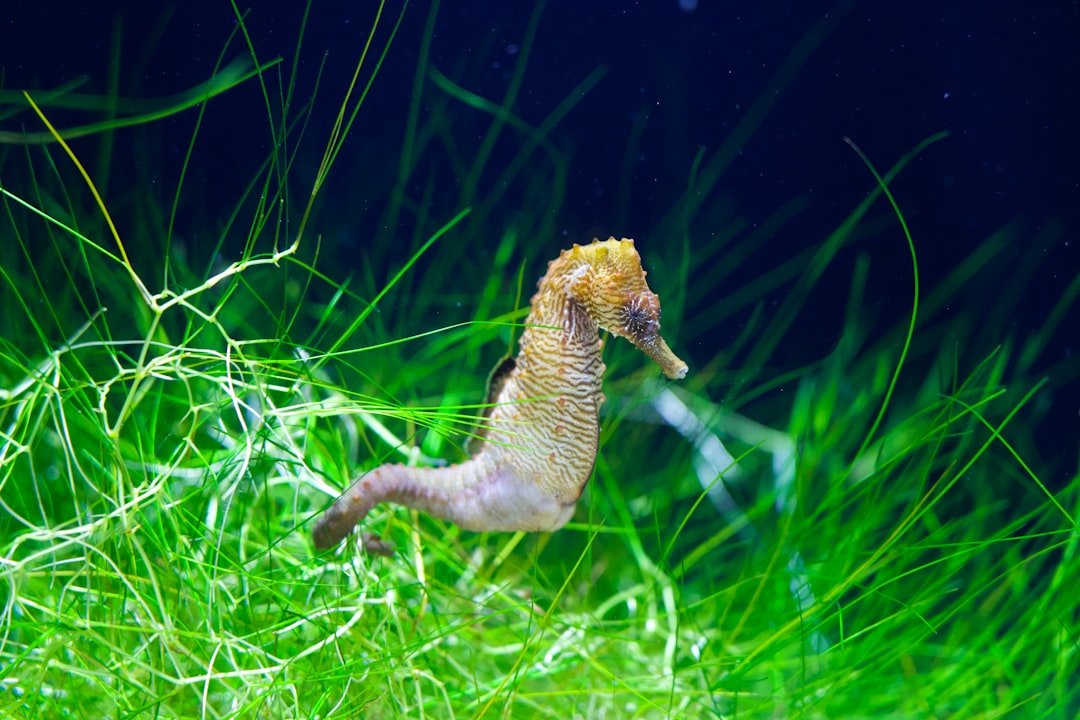
Male pregnancy upends a simple story about reproduction and rewrites it into a more interesting one about parental investment. In many animals, females shoulder the bigger reproductive cost; in seahorses, the father’s limited pouch capacity makes him the rarer resource. That flips mating dynamics: males tend to be choosier, and in some syngnathid relatives, females evolve brighter displays to compete. The system shows how biology reallocates costs and rewards depending on who provides the nursery – and that reshapes behavior, anatomy, and even social structures.
The implications reach beyond curiosity. By studying the pouch’s immune tolerance, scientists learn how a body hosts genetically distinct tissue without harmful inflammation. By mapping ion transport and oxygen delivery in seawater, researchers get fresh ideas for aquaculture and neonatal care technologies that need gentle, precise control. Seahorses aren’t an oddball exception; they’re a blueprint for how evolution invents new solutions when the environment demands it.
Global Perspectives
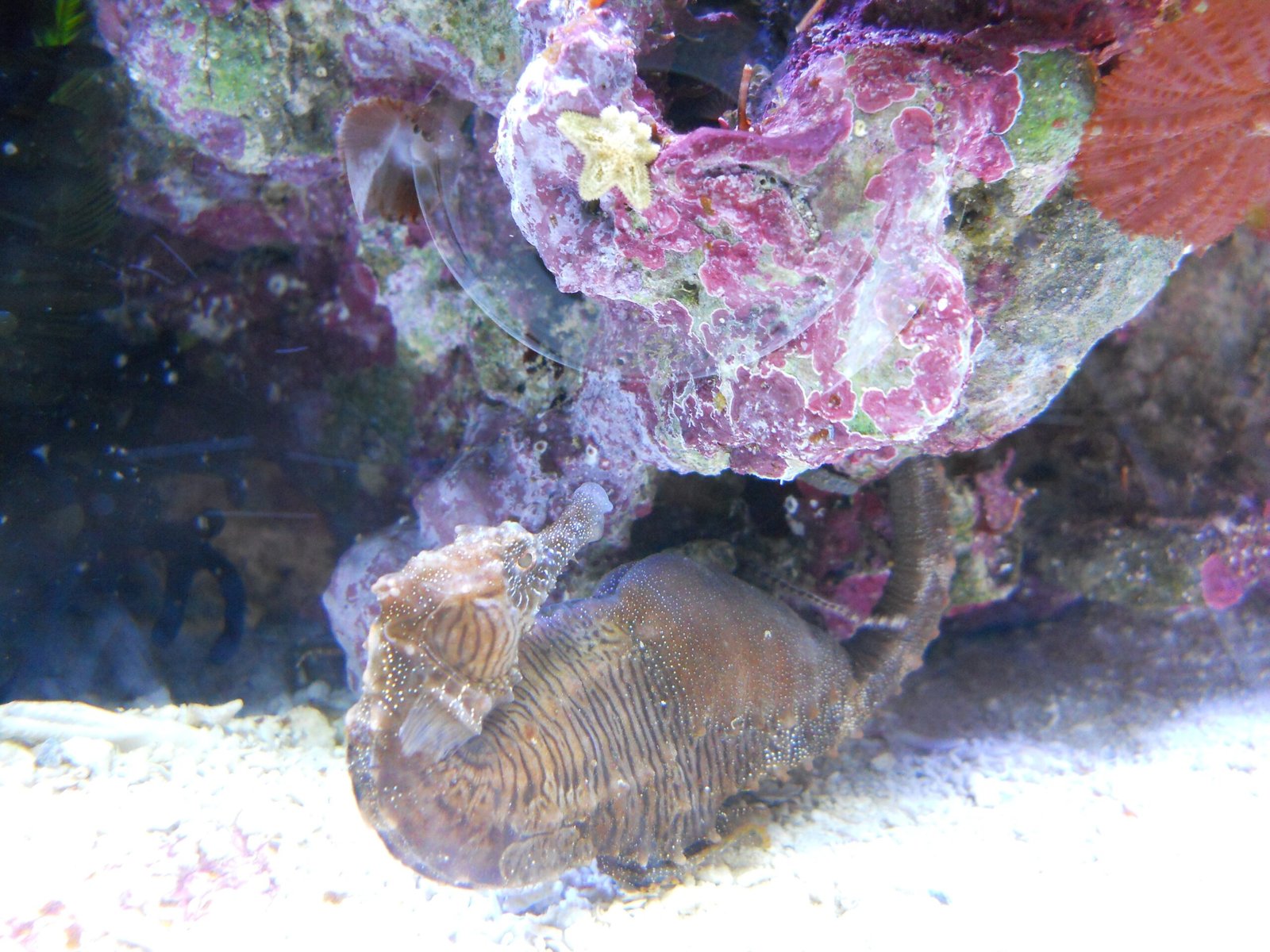
Seahorses live where land meets sea – seagrass meadows, mangroves, estuaries, and coral reefs – habitats that are shrinking and fraying worldwide. These animals rely on camouflage and slow, deliberate lives; that makes them vulnerable to trawl nets, coastal development, and the curio and traditional-medicine trades. International agreements list all seahorse species for regulated trade, but enforcement and habitat protection remain uneven. The numbers tell a sobering story: rough estimates of the global trade once ran into the millions annually, and local declines often track the loss of seagrass and mangroves.
Conservationists now pair community monitoring with habitat repair and better fisheries management. Citizen divers log sightings, fishers test bycatch-reduction gear, and restoration teams plant seagrass in quiet bays. Where protection improves, seahorses often rebound, because the biology that makes fathers good incubators also makes populations responsive to safer nurseries. Protect the cradle, and the species has a fighting chance.
– Roughly 46 recognized seahorse species span tropical to temperate waters.
– Gestation can last from around ten days to well over a month depending on temperature and species.
– Brood sizes range from a few dozen to in the high hundreds for larger species.
– Habitat loss, bycatch, and trade are the main pressures; habitat restoration and trade regulation are core solutions.
The Future Landscape
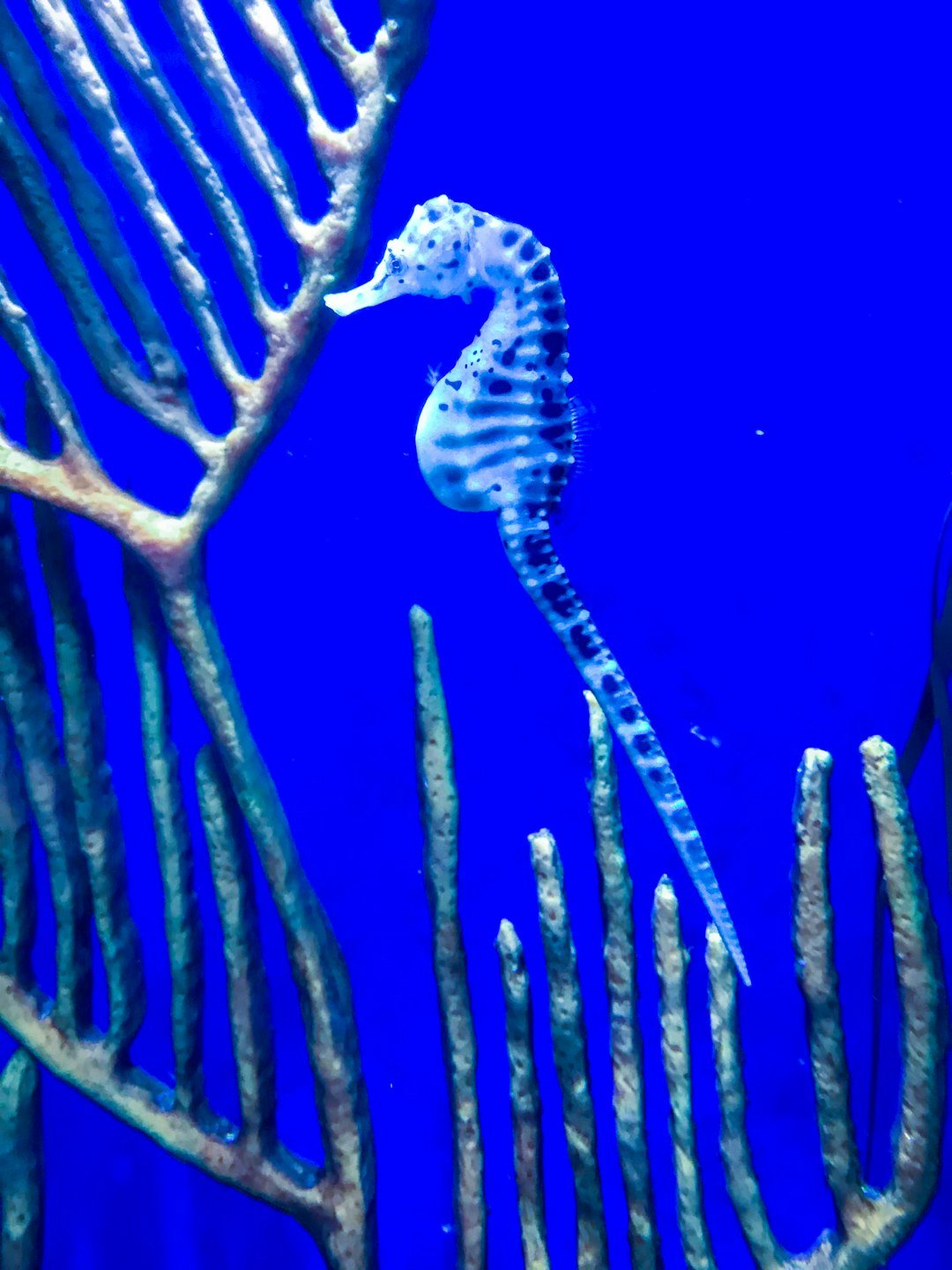
New tools are arriving fast. Single-cell genetics is beginning to parse which pouch cells handle oxygen, which move salts, and which police microbes, giving researchers a wiring diagram for pregnancy at cellular resolution. High-resolution imaging lets scientists “fly through” a pregnant pouch to watch vessels grow and regress, while environmental DNA helps map seahorse populations without catching a single fish. Machine learning is now flagging habitat hotspots from satellite data, guiding where restoration yields the biggest wins. Together, these technologies make invisible processes visible enough to manage.
Challenges loom just as quickly. Warming seas and heatwaves can scramble gestation timing, while pollution and microplastics can interfere with fragile embryos. Coastal squeeze – where rising seas push development and wetlands into the same narrow band – erodes the nursery network seahorses need. The race is clear: scale up habitat recovery and climate resilience faster than the threats scale up damage. If we do, the most unusual pregnancy in the ocean will keep thriving.
From Ancient Tools to Modern Science
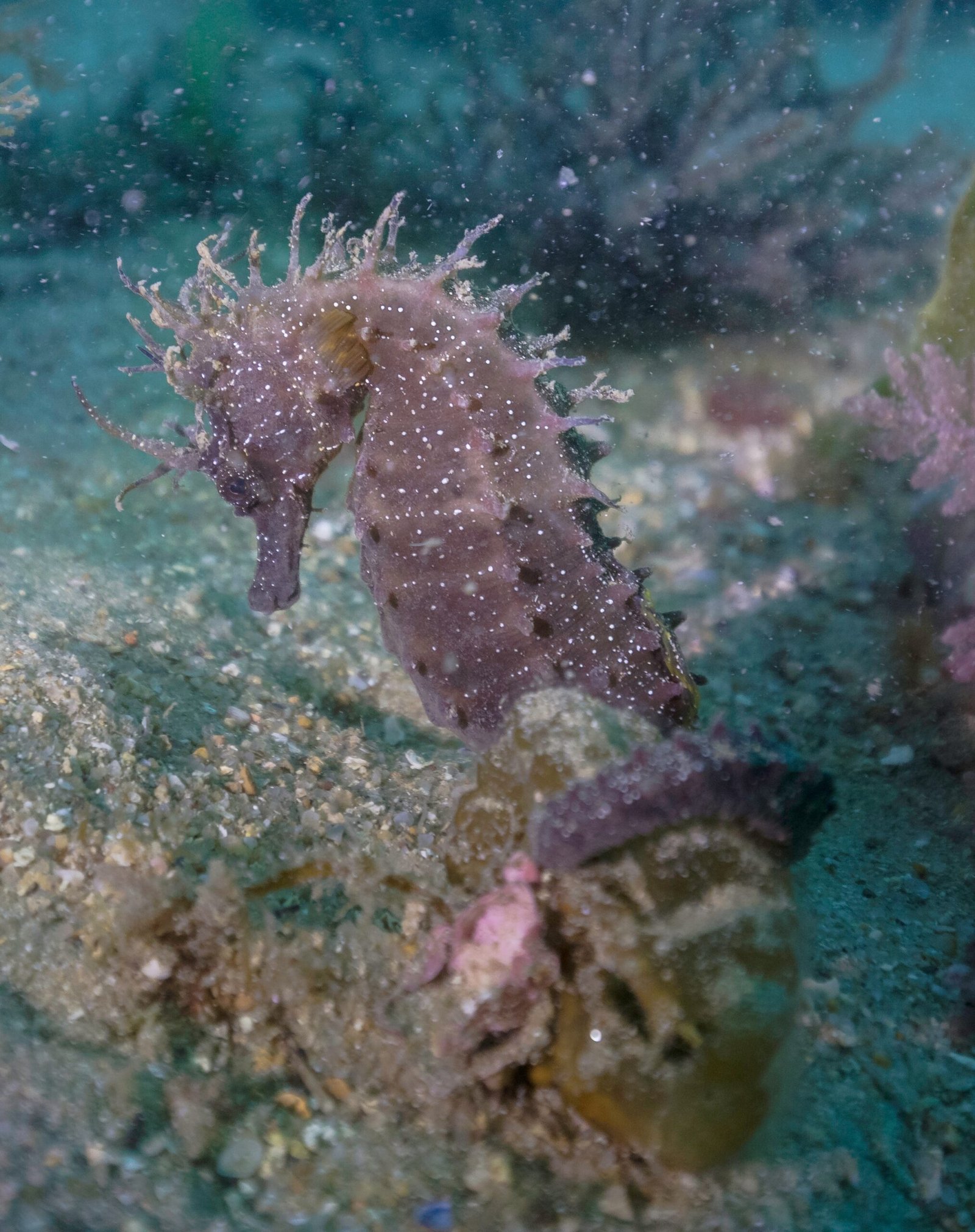
Long before modern imaging, early collectors misread the roles – an understandable mistake when mammal rules dominated the imagination. Subsequent anatomy studies corrected the record, but only recent decades have shown just how complex male pregnancy is. The pouch is not only a protective sack; it actively remodels and communicates with embryos across the entire pregnancy cycle. Scientists have mapped immune downshifts that prevent overreaction and tracked nutrient and gas transfers that rise as embryos grow. Each finding deepens the parallel to other forms of pregnancy, built from entirely different biological parts.
Innovation sits at the intersections. Marine physiology meets developmental genetics; field surveys meet high-tech lab work; traditional knowledge about seagrass stewardship meets satellite-guided restoration. This blend of old and new, local and global, is how we’ll safeguard both the animals and their habitats. In that sense, the seahorse story is less about oddity and more about integration – the same idea evolution used to build a pouch that behaves like a womb.
Conclusion
Start close to home: support seagrass and wetland restoration projects, or join a local beach cleanup that keeps nursery habitats clear of debris. If you dive or snorkel, log seahorse sightings with community science platforms, noting location, depth, and habitat. Skip souvenirs made from dried seahorses and look for aquarium species that are captive-bred rather than wild-caught. Ask seafood vendors about trawling practices and favor fisheries that reduce seagrass damage and bycatch. Share the tale – male pregnancy changes minds, and changed minds change policies. What small step could you take today to keep these underwater fathers doing what they do best?
Suhail Ahmed is a passionate digital professional and nature enthusiast with over 8 years of experience in content strategy, SEO, web development, and digital operations. Alongside his freelance journey, Suhail actively contributes to nature and wildlife platforms like Discover Wildlife, where he channels his curiosity for the planet into engaging, educational storytelling.
With a strong background in managing digital ecosystems — from ecommerce stores and WordPress websites to social media and automation — Suhail merges technical precision with creative insight. His content reflects a rare balance: SEO-friendly yet deeply human, data-informed yet emotionally resonant.
Driven by a love for discovery and storytelling, Suhail believes in using digital platforms to amplify causes that matter — especially those protecting Earth’s biodiversity and inspiring sustainable living. Whether he’s managing online projects or crafting wildlife content, his goal remains the same: to inform, inspire, and leave a positive digital footprint.