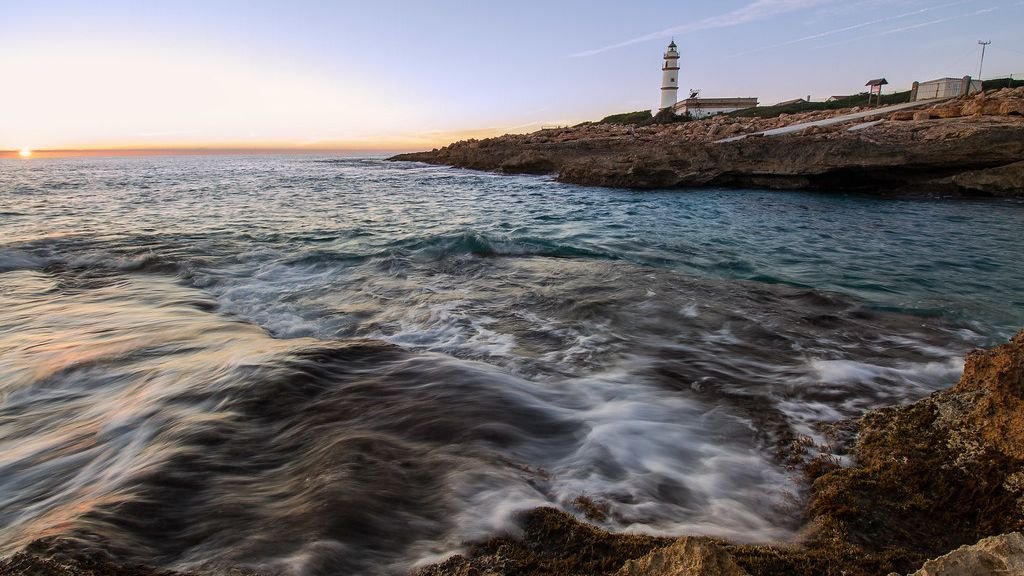

If you’ve ever swallowed a mouthful of seawater, you already know the ocean is salty in a way that feels almost shocking. But the real surprise is this: that saltiness is the result of an incredibly slow, patient journey that has been unfolding for billions of years. Every drop of ocean water carries a long history of mountains worn down, rocks dissolved, and elements recycled through Earth’s systems again and again.
When I first learned that rain itself is fresh, and that rivers carry only a tiny hint of salt, the idea that all that gentle trickling could create entire salty oceans felt almost impossible. Yet that’s exactly what has happened. The story of why the ocean is salty is really the story of Earth itself: its rocks, its atmosphere, its heat, and its endless water cycle working together like a quiet, relentless machine.
The First Clue: Rain Is Fresh, Oceans Are Not
Here’s the puzzle that hooks a lot of people: water evaporates from the ocean, but salt doesn’t. When water turns into vapor and rises into the atmosphere, it leaves the dissolved salts behind, which is why rain is fresh and not salty. That simple detail is the first big clue to understanding why the ocean gets saltier over time instead of staying the same or becoming fresh again.
As that fresh rain falls back to Earth, it begins a new journey over land, soaking into soil, flowing into streams, and cutting through rock. Each tiny raindrop doesn’t seem powerful, but over huge stretches of time, it gradually breaks down minerals, dissolves tiny amounts of them, and carries them along. This endless cycle of evaporation, rain, and runoff acts like a giant conveyor belt, constantly moving dissolved materials from land toward the sea.
How Rocks Feed the Ocean Its Salt
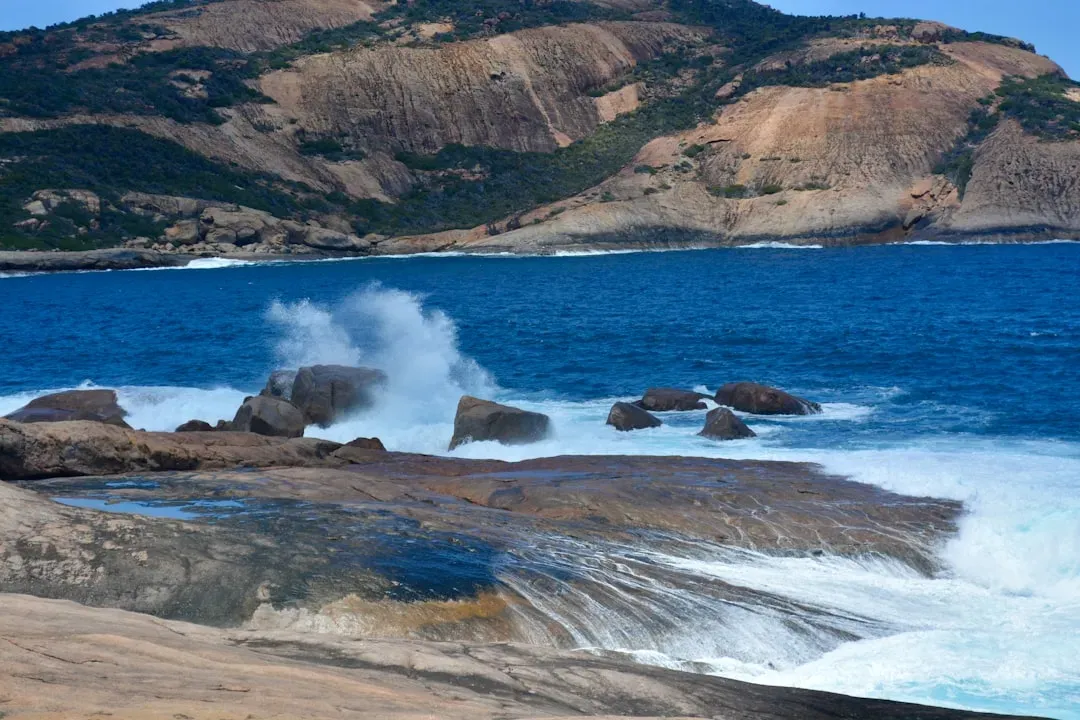
The main source of the ocean’s salt is surprisingly down‑to‑earth: ordinary rocks. When rainwater falls, it is slightly acidic because it has absorbed carbon dioxide from the air, forming a weak carbonic acid. That weak acidity is enough to slowly react with rocks, especially those containing minerals like sodium and chloride, which are key ingredients of the salt we know from our kitchen tables.
As the rocks weather and break down, those minerals get stripped away molecule by molecule and carried off in rivers as dissolved ions. You can think of it like brewing tea, except the “tea” is a mix of minerals being steeped out of solid rock. Over millions of years, this gentle chemical erosion has transported enormous amounts of material into the oceans, where it gradually builds up as dissolved salts.
Rivers: The Planet’s Slow, Invisible Salt Conveyors
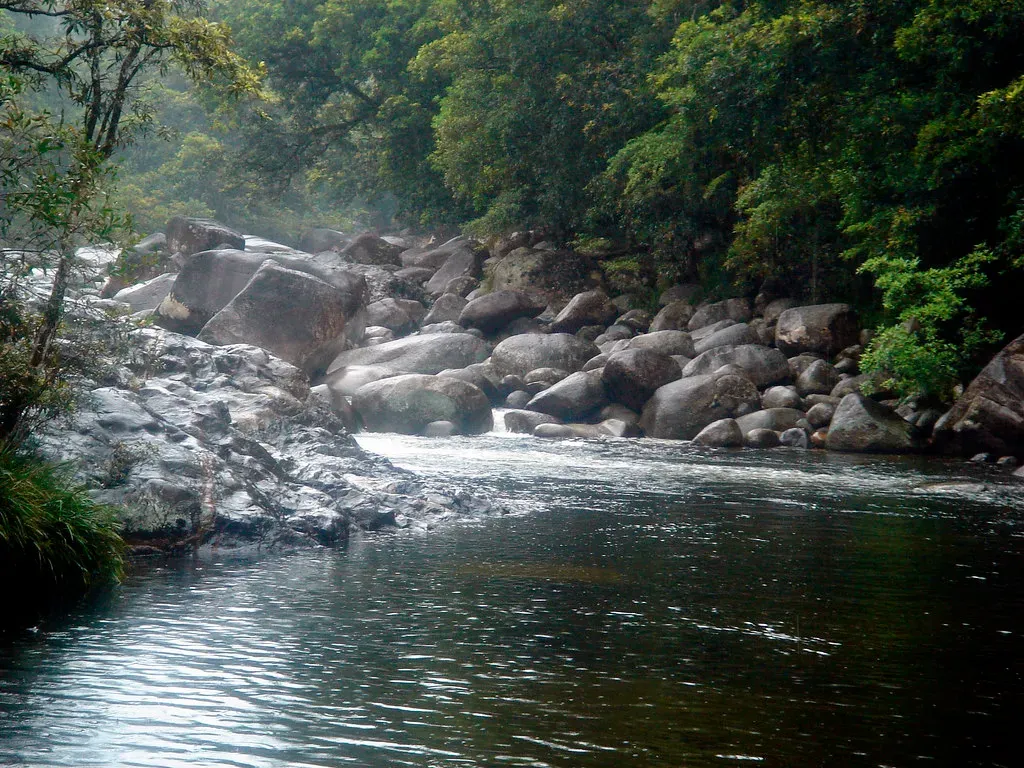
At first glance, rivers look anything but salty, and if you drink from a clean mountain stream it tastes completely fresh. But hidden in that water are tiny amounts of dissolved ions: sodium, chloride, calcium, magnesium, and others. The concentration is low, but rivers never stop flowing, and that constant movement means a steady delivery of dissolved material to the sea, year after year, age after age.
Imagine a conveyor belt that runs so slowly you can barely see it move, yet it never switches off. That’s what rivers are doing with dissolved salts. Over hundreds of millions of years, the vast number of molecules delivered adds up to something huge. The ocean doesn’t become salty overnight; it becomes salty because rivers have been feeding it non‑stop for almost as long as our planet has had liquid water on its surface.
Why the Ocean Stays Salty Instead of Getting Saltier Forever
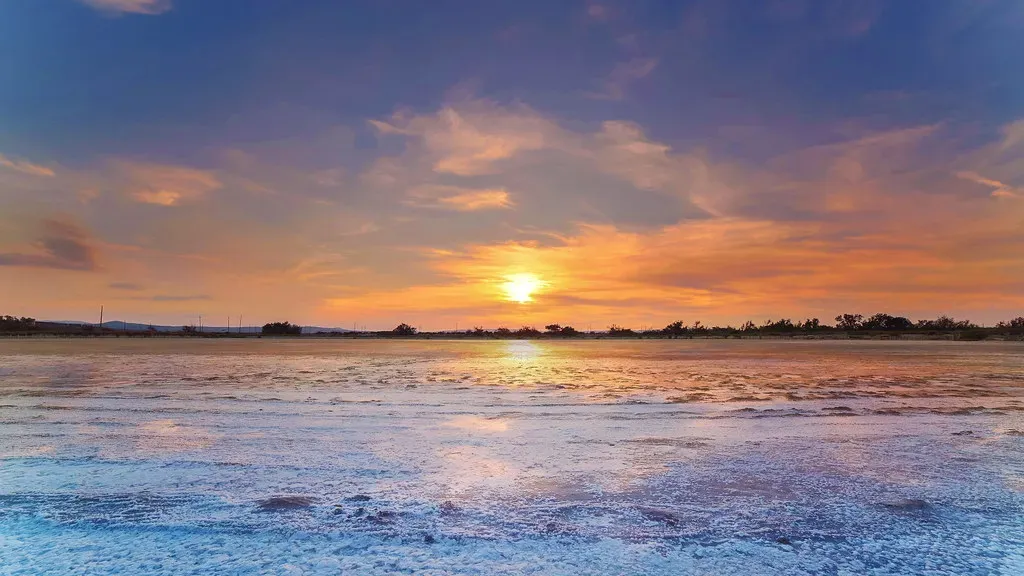
If rivers keep delivering salt, you might expect the ocean to get more and more concentrated until it’s like a giant bowl of brine, too thick to support life. The reason that doesn’t happen is that the ocean also has “sinks” that remove some of the dissolved materials. One of the big ones is the formation of minerals in the seafloor, where ions like calcium and magnesium are locked up into solid structures such as limestone and other mineral deposits.
Another important sink involves processes at mid‑ocean ridges, where seawater seeps into hot crust, reacts with rocks, and some dissolved chemicals get trapped or transformed. Marine organisms play a role too by taking certain ions out of seawater to build shells and skeletons. The balance between all the material coming in from rivers and what’s removed by these various processes keeps the overall salinity of the ocean relatively steady on human timescales, even though it has shifted over Earth’s deep past.
Why Ocean Water Tastes Mostly Like Table Salt
The ocean doesn’t just contain “salt” as one simple substance; it’s actually a complex soup of many dissolved ions. But the dominant ones are sodium and chloride, the same two that make up ordinary table salt. Together, they account for the majority of the ocean’s dissolved material, which is why seawater tastes specifically like salty water rather than metallic, bitter, or chalky. Other ions like sulfate, magnesium, calcium, and potassium are also there, but in smaller relative amounts.
What’s interesting is that the relative proportions of these main ions are surprisingly consistent across the open ocean, even though salinity itself can vary a bit from place to place. That consistency tells scientists that the processes adding and removing these elements have settled into a kind of long‑term balance. Put simply, nature has had a very long time to stir the pot, and the ocean’s chemical recipe has reached a stable, recognizable pattern almost everywhere on Earth.
How Earth’s Heat and Plate Tectonics Shape Ocean Salinity
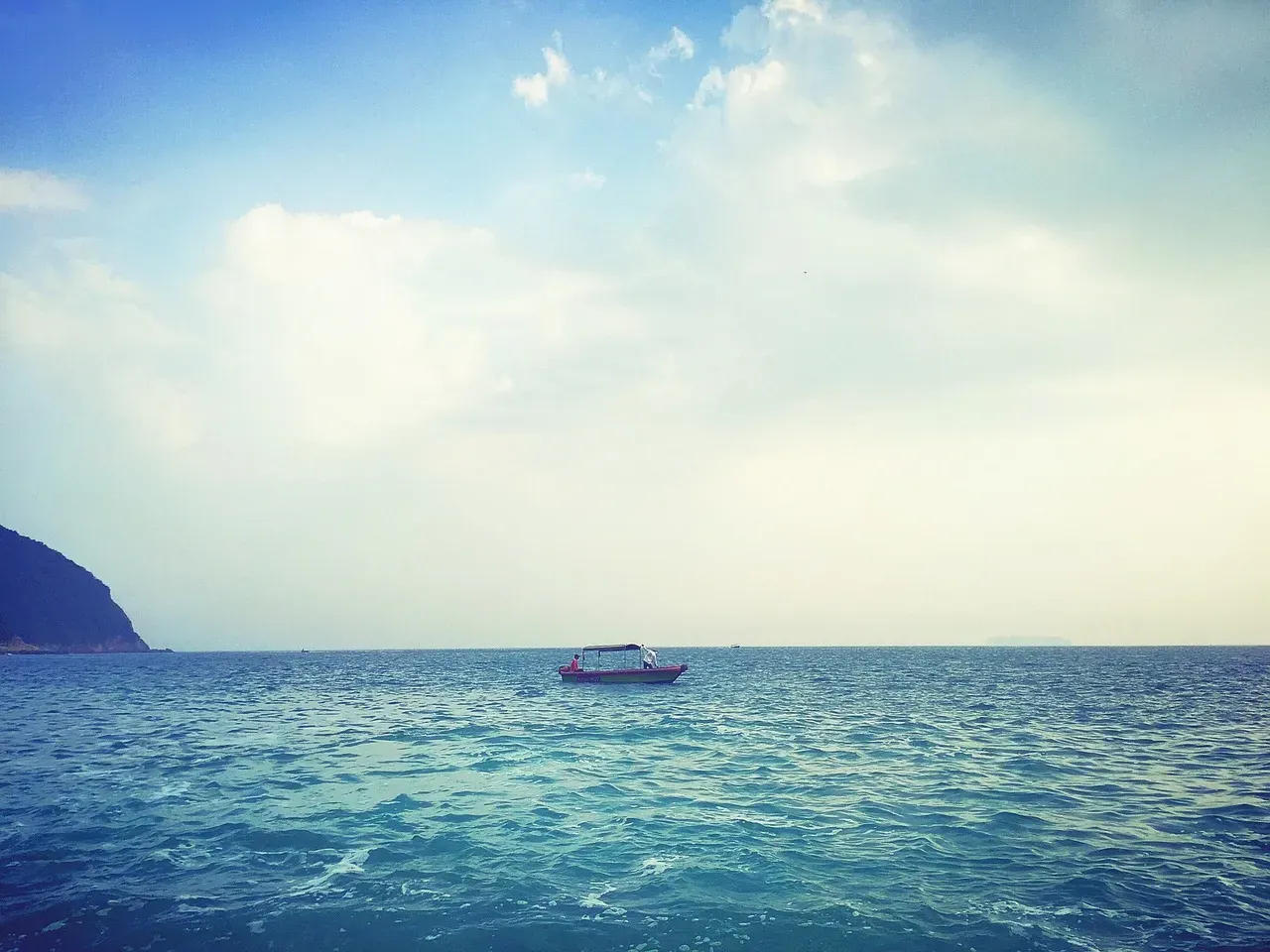
Beneath the calm surface of the sea, Earth’s interior is quietly at work shaping the chemistry of the ocean. In places where tectonic plates pull apart, mid‑ocean ridges allow seawater to seep into the hot crust and circulate through hydrothermal vents. As this water heats up, it reacts with rocks, changing its chemical makeup and sometimes stripping it of certain ions while adding others, which then return to the ocean in altered form.
This hydrothermal circulation acts almost like a hidden filtration system, especially for elements such as magnesium and some metals, which get removed or reduced in the process. At the same time, volcanic activity on land and under the sea releases gases and materials that eventually interact with the ocean as well. Together, tectonics and internal heat are like the slow, deep rhythm section in the background of a song: not obvious at first listen, but essential for the overall structure of the ocean’s chemistry.
Changing Climates, Shifting Salinity: A Moving Target
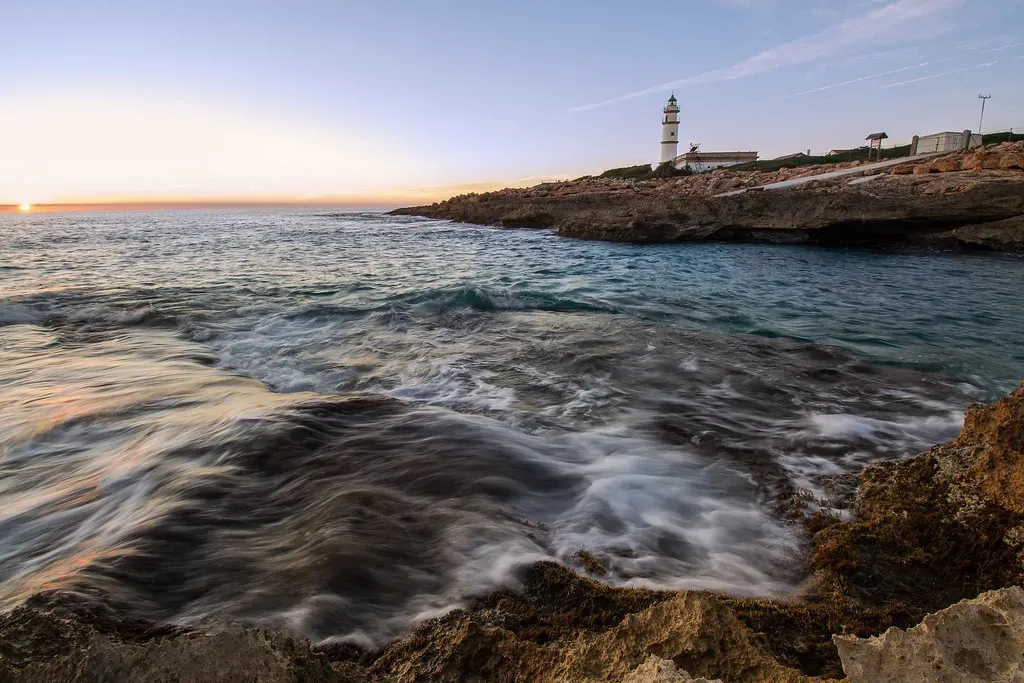
Even though the average salinity of the global ocean stays within a fairly narrow range, it isn’t perfectly uniform or unchanging. Warmer, drier regions where evaporation is intense tend to have saltier surface waters, while areas with lots of rainfall or melting ice have fresher waters. For example, subtropical oceans often end up saltier than regions near the poles, where massive amounts of ice and freshwater can dilute the seawater.
Climate change is already nudging this delicate pattern. As temperatures rise, some parts of the world see more evaporation and less rainfall, making surface waters saltier, while other areas experience heavier rainfall or increased glacial melt, making them fresher. These shifting salinity patterns can affect ocean circulation, marine ecosystems, and even weather, reminding us that the story of ocean salt is still unfolding, not frozen in time.
The Ocean’s Salt: A Long Memory of Earth’s Story
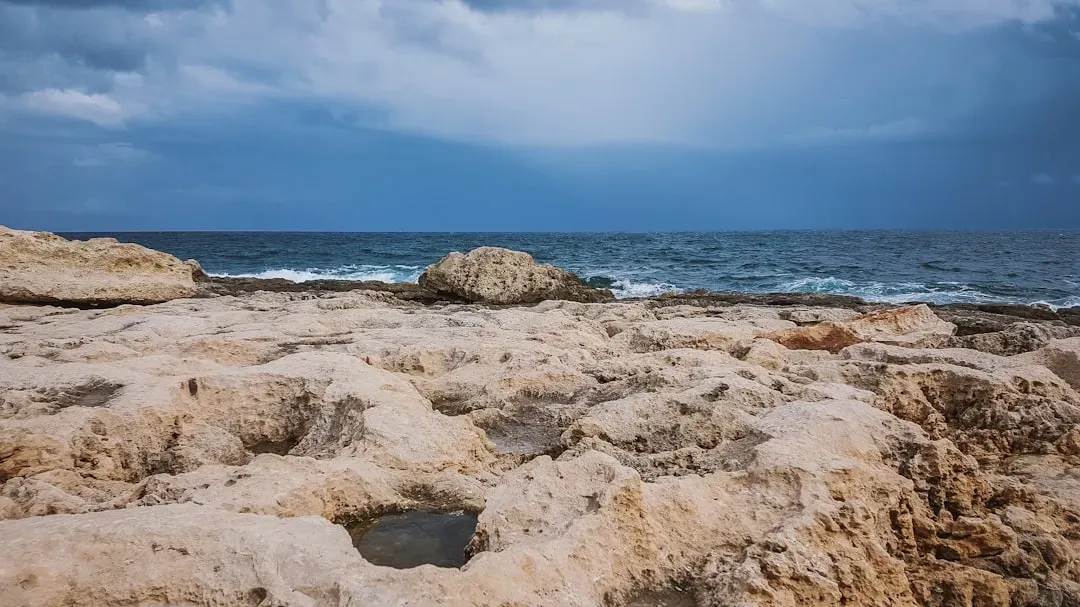
In the end, the saltiness of the ocean is like a long, slow memory of everything water has touched on Earth: mountains worn away grain by grain, volcanic gases released into the sky, deep‑sea rocks altered by hidden heat, and ice caps growing and shrinking with the climate. Each grain of salt in the sea is a souvenir from some ancient interaction between water, rock, and air. When you stand on a beach and taste seawater on your lips, you’re literally tasting the accumulated outcome of billions of years of geology and chemistry working together.
What seems so ordinary – that the ocean is salty – is actually one of the clearest signs that our planet is active, evolving, and constantly cycling its materials between land, sea, and sky. It’s a reminder that even the most familiar parts of the world around us were shaped by long processes almost too slow to imagine. The next time you look at the ocean, will you see just water, or will you see the entire planet’s history dissolved in it?