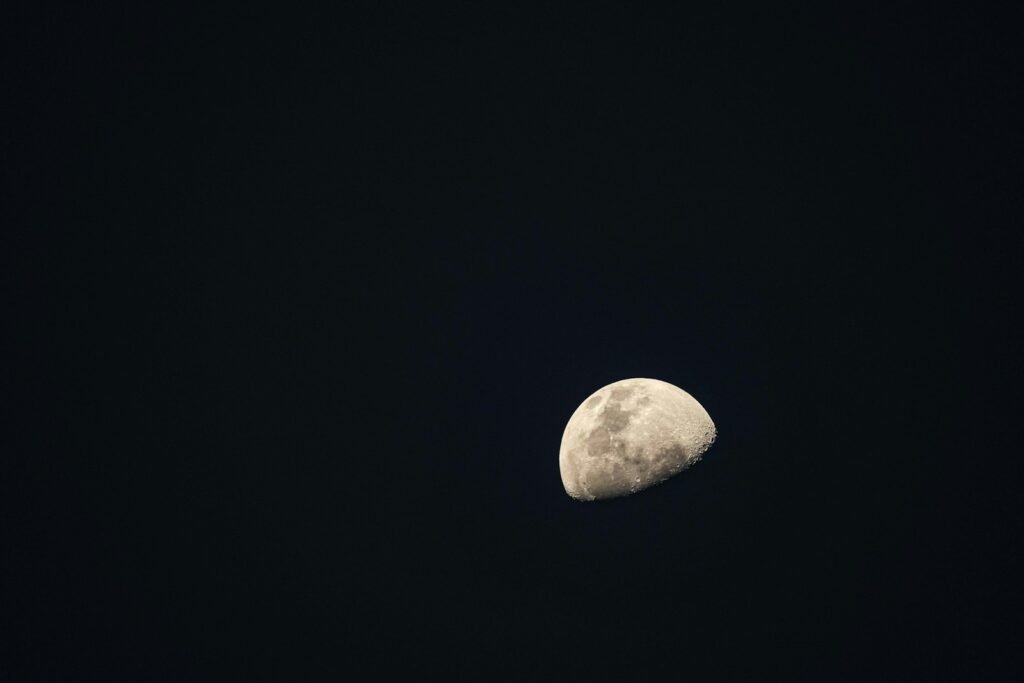

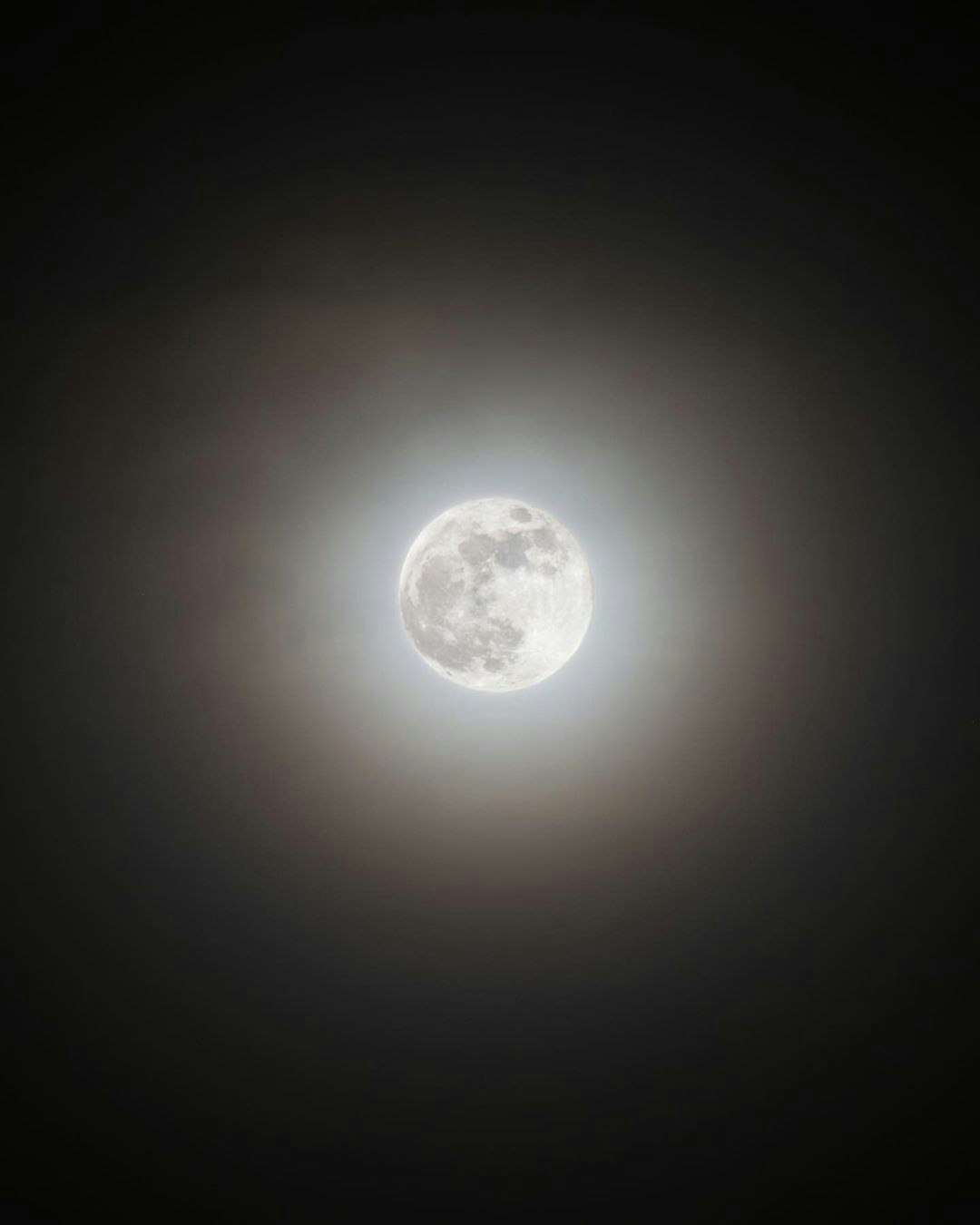
Night after night, our Moon is slipping away – so slowly you’d never notice, so surely that lasers can. Scientists have been timing the round‑trip blink of laser pulses off Apollo-era mirrors and finding the lunar distance grows by a few centimeters each year. That recession is more than a curiosity; it is a clue to the deep machinery of our planet’s tides, rotation, and even the grand choreography of eclipses. The mystery is simple to state – why is the Moon leaving? – and the answer uncovers a tug‑of‑war among oceans, rock, and gravity that never truly rests. The real suspense is what this means for our future skies and the long clock of Earth.
The Hidden Clues
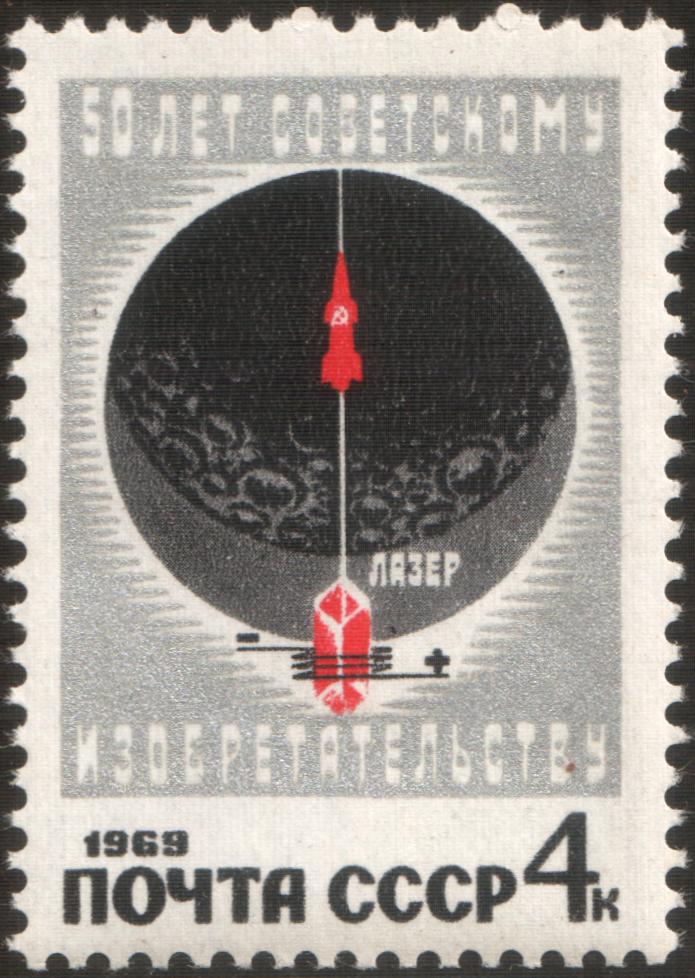
Every clear night, observatories fire needle‑thin laser pulses toward small retroreflectors placed on the Moon by Apollo astronauts and Soviet rovers. A few photons return about two and a half seconds later, carrying the most precise yardstick humanity has ever used across space. Add up those measurements over decades, and a pattern emerges: the Moon is drifting outward by roughly a few centimeters each year. That’s slow by human standards, but in planetary time it’s a sprint you can measure with a ruler.
This subtle drift is the smoking gun for an invisible force – tidal friction – that steals a whisper of Earth’s rotational energy and hands it to the Moon’s orbit. When I first learned that a beam of light could tell us a story about oceans and rock, it felt like reading a diary written in photons. The data don’t just track distance; they map the heartbeat of the Earth‑Moon system.
From Ancient Tools to Modern Science
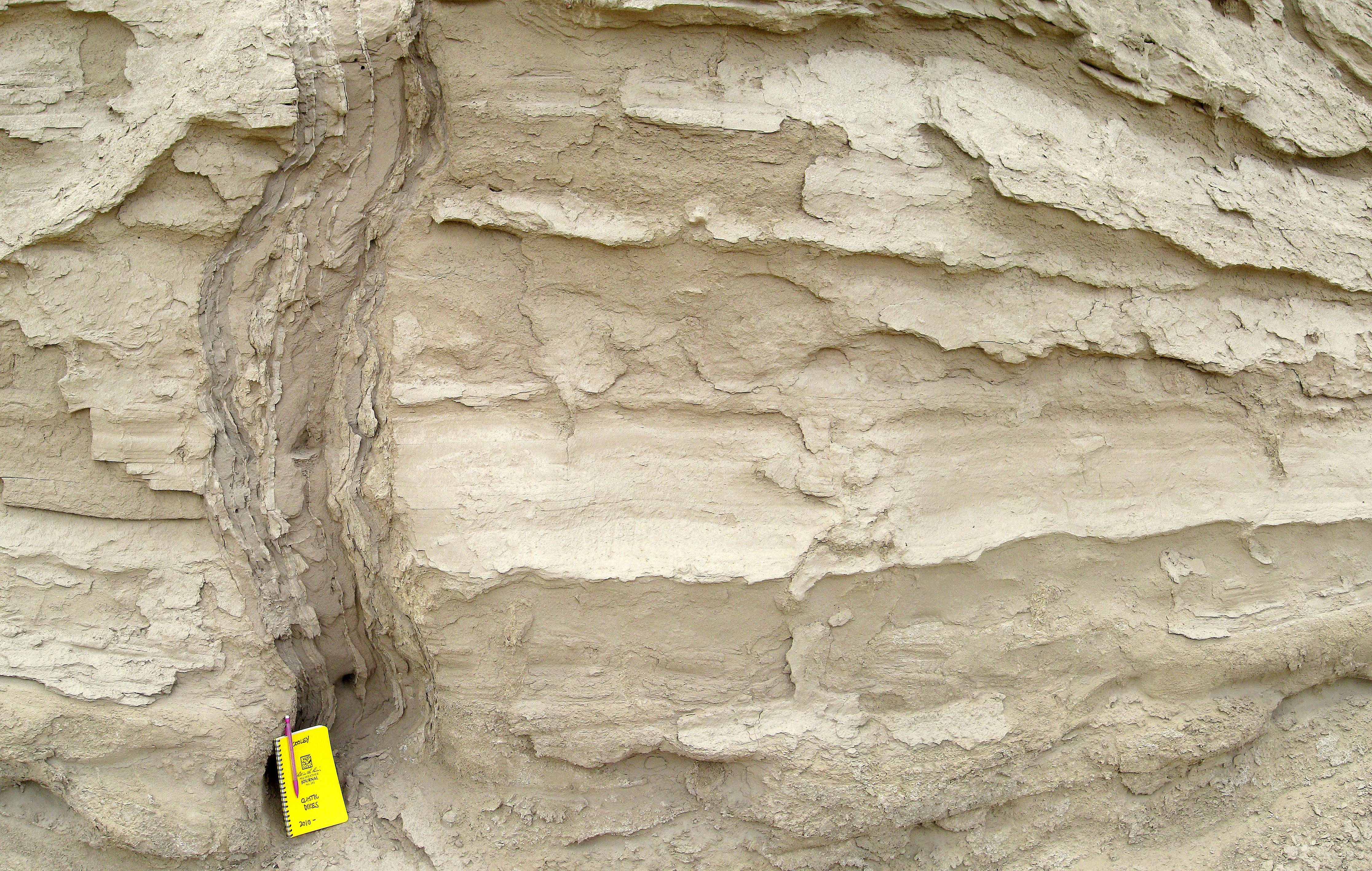
Long before lasers, Earth kept its own logbook in stone and shell. Thin layers in ancient tidal deposits – rhythmites – record daily, monthly, and seasonal cycles like growth rings, revealing that hundreds of millions of years ago there were roughly four hundred days in a year. That means days were shorter, and the Moon sat closer in the sky. Corals and shells echo the same tale with growth bands that capture the pulse of sunlight and tides.
Modern laser ranging stitches that fossil record to the present with millimeter precision. Together, they show that the current outward pace is faster than the long‑term average, shaped by how continents are arranged and how oceans slosh. The past and present act like bookends around the same story: gravity’s grip never loosened, but the way Earth dissipates tidal energy has changed through time.
How Tides Push the Moon Away
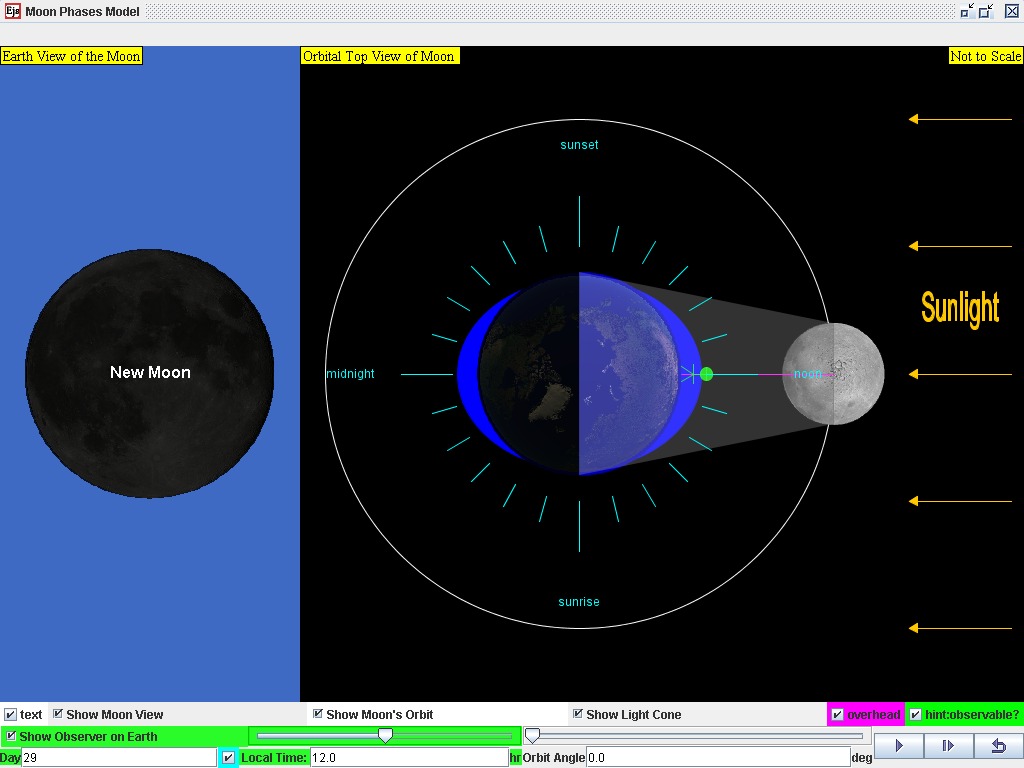
The Moon raises bulges in Earth’s oceans and even its crust, and because Earth spins faster than the Moon orbits, those bulges are dragged slightly ahead of the Moon. Gravity tugs on that misaligned bulge, creating a torque that transfers rotational energy from Earth to the Moon. The trade is elegant: Earth’s spin slows a touch, while the Moon gains orbital energy and moves outward. It’s like a cosmic figure skater handing momentum to a partner, causing one to slow a turn as the other spirals wider.
Where that tidal energy gets turned into heat – on continental shelves, in turbulent straits, against deep seafloor topography – sets the pace of the exchange. Rearrange the continents and you remake the world’s tidal resonances, nudging the recession speed. In other words, plate tectonics quietly sets the metronome for how fast the Moon slips away.
Time’s Slow Stretch
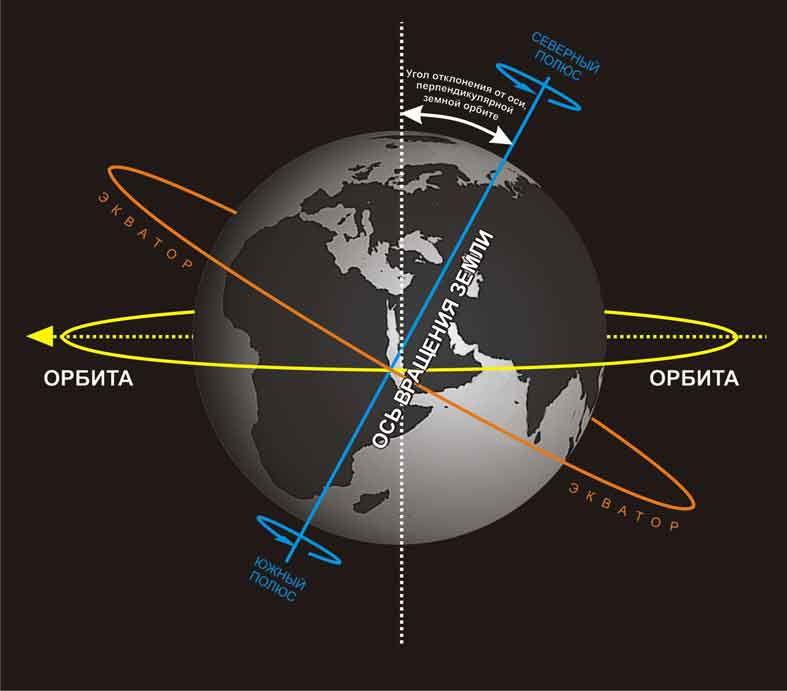
As Earth loses rotational energy, our day lengthens by a tiny amount – on the order of a couple of milliseconds per century. That’s imperceptible in everyday life, but it’s a big deal for precision navigation, astronomy, and the timekeeping that steers satellites and financial networks. Civil timekeepers occasionally adjust to keep our clocks aligned with the wobblier, slowing rotation of the planet. Engineers and geophysicists watch these drifts the way sailors watch currents.
I remember standing on a quiet beach, watching the tide creep up my ankles and thinking how that gentle push adds up to change the length of a day. The ocean doesn’t just move water; it moves time. Each wave is a small withdrawal from Earth’s rotational bank account, paid forward to the Moon.
Eclipses on a Countdown
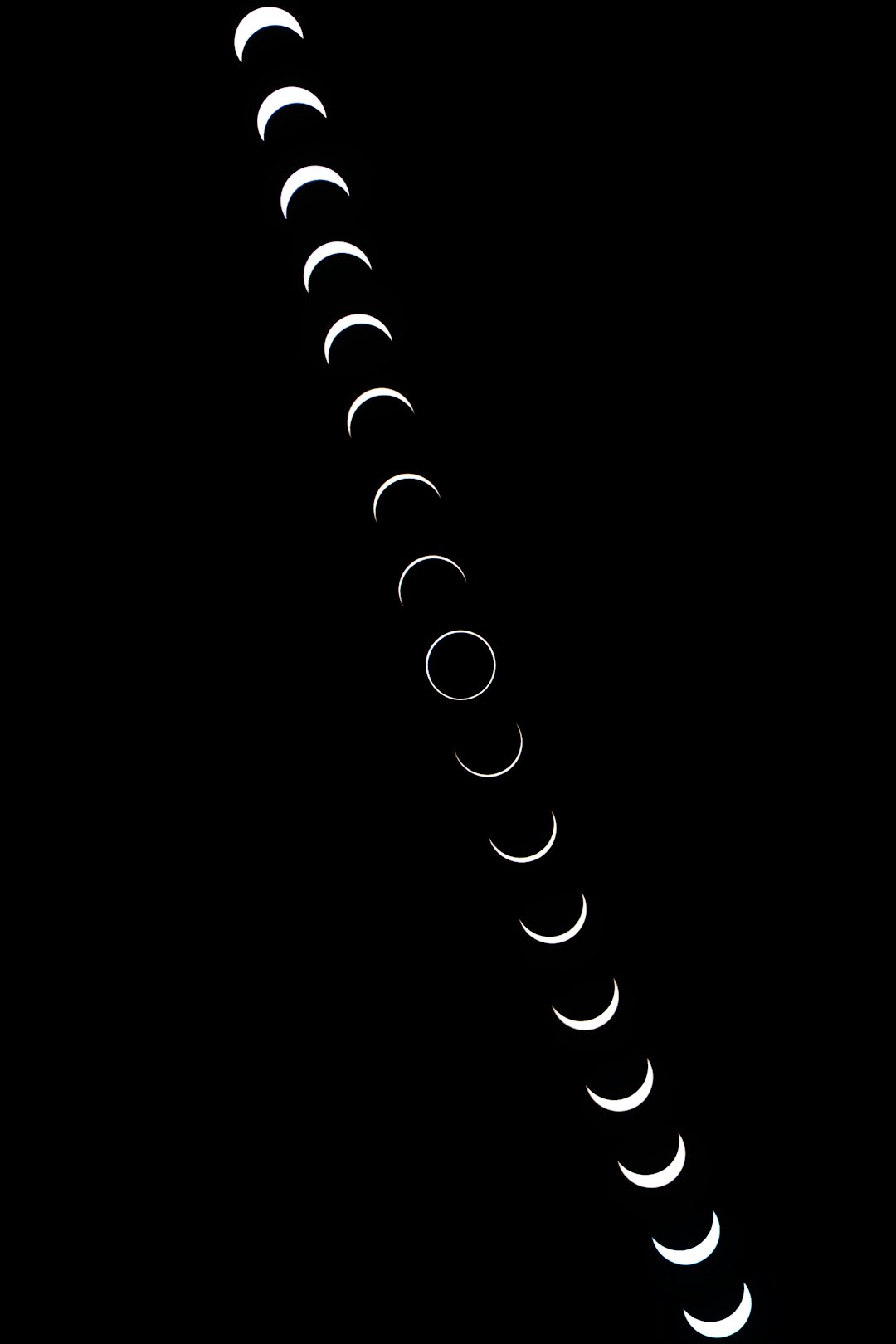
The most dramatic consequence for skywatchers arrives not tomorrow, but on the truly long timescale: total solar eclipses are living on borrowed time. As the Moon recedes, its apparent size in our sky shrinks, and the Sun’s apparent size remains the same. Eventually – likely in several hundred million years – total eclipses will cease, leaving only annular rings of sunlight. The celestial coin flips that give us perfect syzygy will fade from the calendar.
Between now and then, total eclipses don’t stop; they just gradually become rarer and more delicate. The geometry grows stingier, the tracks narrower, the totalities shorter. Future beings, if they are watching, will inherit a sky where eclipse perfection exists mostly in the archives.
Why It Matters
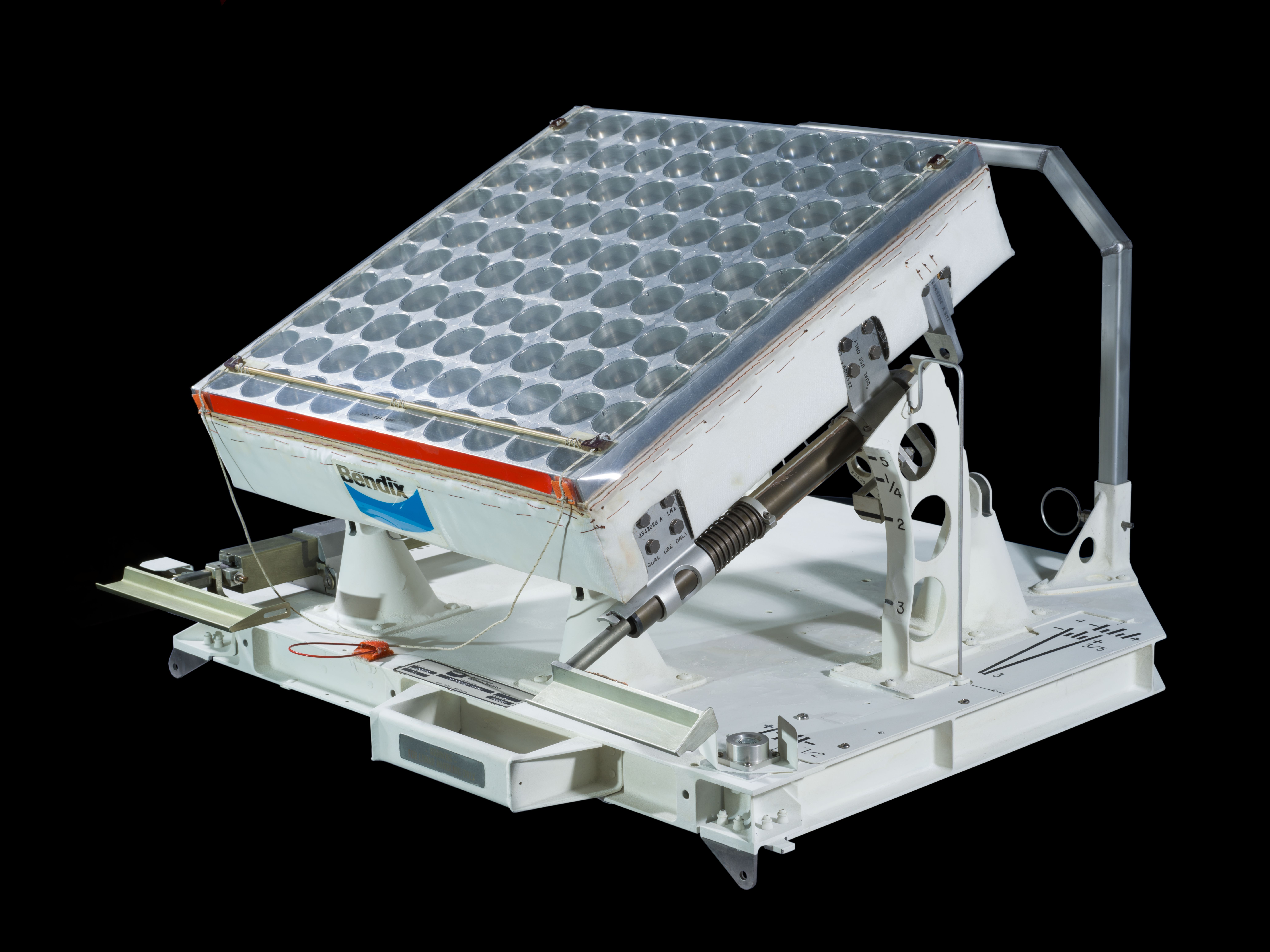
The Moon’s retreat isn’t trivia; it’s a master key for Earth science. Laser ranging tests gravity with exquisite fidelity, probing whether our best theories hold under relentless scrutiny. The recession rate encodes how efficiently our planet dissipates tidal energy, which feeds into models of ocean mixing, heat transport, and long‑term climate behavior. Compared with older techniques that relied on telescopic timing and rough celestial mechanics, today’s measurements are sharper by orders of magnitude and anchored to physical benchmarks on the Moon.
There’s also the practical edge: tiny changes in Earth’s rotation ripple through satellite orbits, geolocation, and space mission navigation. When scientists reconcile radar altimetry, GPS timing, and planetary ephemerides, they’re checking that the same universe shows up in every instrument. The Moon’s slow drift is a constant calibration signal, reminding us that precision is a moving target.
The Future Landscape
In the coming years, new lunar missions plan to place more and better retroreflectors, reducing measurement noise and expanding coverage beyond the Apollo sites. Next‑generation lasers, adaptive optics, and ultra‑stable clocks promise to time photon round trips with even tighter margins. That means sharper tests of gravity, better maps of how tides sap energy, and a clearer picture of how the recession rate wiggles with ocean and climate patterns. The database we pass to the future will be deeper, not just longer.
Project the physics far ahead and you find a serene endgame where Earth and Moon would eventually face each other with matching spins, tidally locked in a slow dance. But the Sun’s evolution will interrupt long before that, swelling into a red giant in a few billion years and rewriting the script. Between now and then, the practical challenges are down‑to‑Earth: modeling complex oceans, disentangling climate‑driven shifts, and keeping global laser networks humming. The cosmos moves patiently; our instruments must move precisely.
What You Can Do Next
Start with curiosity: mark lunar phases, track tides along your coast, and watch how the Moon rises later each day as it loops around us. If an eclipse or lunar occultation passes near you, join a local astronomy club to help time and photograph events that feed real datasets. Museums and observatories often host public nights where you can see the Moon’s battered face through a telescope and hear how those mirror arrays still blink back at us.
Support the institutions that keep time and space stitched together – public observatories, Earth‑observing satellites, and university labs that maintain laser ranging stations. Encourage students in your life to explore geophysics and oceanography, because that’s where the recession story is written in waves and rock. The Moon is leaving in slow motion, and we get to measure every step; what part of that story will you help tell?
Suhail Ahmed is a passionate digital professional and nature enthusiast with over 8 years of experience in content strategy, SEO, web development, and digital operations. Alongside his freelance journey, Suhail actively contributes to nature and wildlife platforms like Discover Wildlife, where he channels his curiosity for the planet into engaging, educational storytelling.
With a strong background in managing digital ecosystems — from ecommerce stores and WordPress websites to social media and automation — Suhail merges technical precision with creative insight. His content reflects a rare balance: SEO-friendly yet deeply human, data-informed yet emotionally resonant.
Driven by a love for discovery and storytelling, Suhail believes in using digital platforms to amplify causes that matter — especially those protecting Earth’s biodiversity and inspiring sustainable living. Whether he’s managing online projects or crafting wildlife content, his goal remains the same: to inform, inspire, and leave a positive digital footprint.