
Imagine dragonflies with wingspans the size of seagulls patrolling ancient swamps, their iridescent wings catching sunlight as they hunted prey larger than today’s mice. Picture cockroaches scuttling through primordial forests at the size of house cats, while millipedes stretched longer than pythons across the forest floor. This wasn’t science fiction – it was Earth’s reality 300 million years ago during the Carboniferous period, when insects grew to absolutely monstrous proportions and dominated the planet in ways that would terrify modern humans.
The Carboniferous Giants That Defied Nature

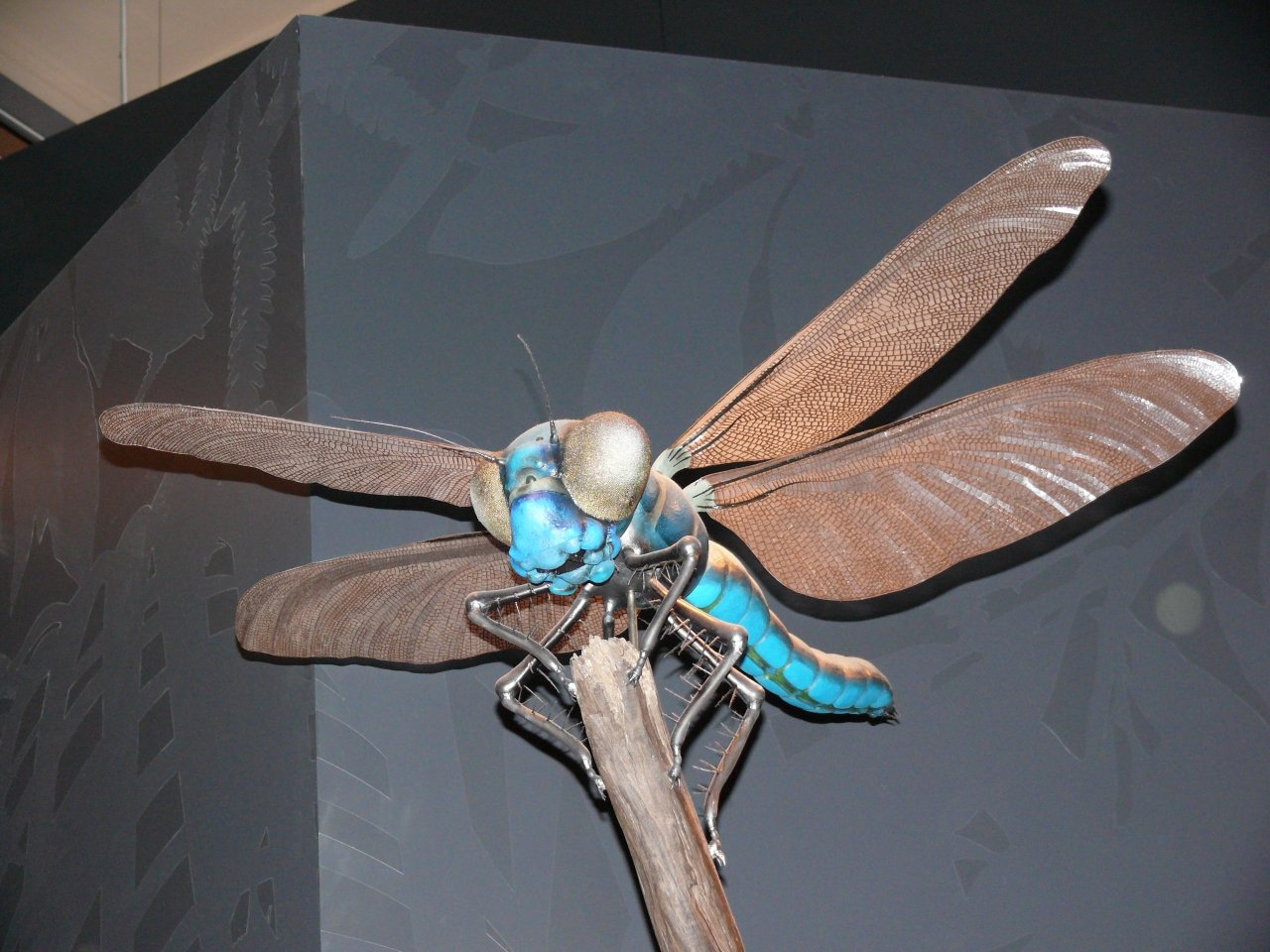
The Carboniferous period, spanning from 359 to 299 million years ago, witnessed the rise of insects so massive they challenge our understanding of what’s possible in the animal kingdom. Meganeura, often called the “giant dragonfly,” soared through ancient skies with a wingspan reaching nearly three feet – imagine encountering one of these predators during a casual walk through the woods. These weren’t just oversized versions of today’s insects; they were apex predators that ruled their ecosystems with an iron grip.
Arthropleura, a millipede-like creature, stretched up to 8.5 feet in length and weighed as much as a large dog. This armored giant crawled through the undergrowth of coal forests, its segmented body creating a living bulldozer that could crush smaller creatures beneath its weight. The sheer scale of these creatures seems impossible by today’s standards, yet fossil evidence proves they thrived for millions of years.
Oxygen Levels That Changed Everything

The secret behind these colossal insects lies in Earth’s atmospheric composition during the Carboniferous period. Oxygen levels soared to an unprecedented 35% of the atmosphere, compared to today’s mere 21%. This oxygen-rich environment created the perfect conditions for insects to grow beyond anything we see in the modern world.
Insects breathe through a network of tubes called tracheae, which deliver oxygen directly to their tissues. Unlike mammals with lungs and circulatory systems, insects rely on passive diffusion to transport oxygen throughout their bodies. Higher oxygen concentrations meant these primitive breathing systems could support much larger body sizes, allowing insects to break free from the constraints that limit their modern descendants.
The Breathing Revolution That Enabled Giants

The tracheal system that made giant insects possible represents one of nature’s most ingenious solutions to the problem of gas exchange. These branching tubes, like a biological subway system, carried oxygen from external openings called spiracles directly to every cell in the insect’s body. During the Carboniferous period, the supercharged atmosphere turned this system into a high-performance oxygen delivery network.
Modern insects are severely limited by their breathing apparatus – as body size increases, the distance oxygen must travel becomes prohibitive. However, the ancient atmosphere essentially turbocharged these systems, allowing oxygen to penetrate deep into massive insect bodies. This biological breakthrough enabled creatures like Meganeura to achieve sizes that would be impossible under current atmospheric conditions.
Ancient Forests That Fueled the Fire

The Carboniferous period earned its name from the massive coal deposits formed during this era, but these ancient forests played a crucial role in creating the oxygen-rich atmosphere that supported giant insects. Vast swamplands covered much of the planet, teeming with towering ferns, primitive trees, and club mosses that grew to incredible heights. These plants pumped oxygen into the atmosphere at rates never seen before or since.
The unique chemistry of these ancient forests created a perfect storm for oxygen production. Dead plant material accumulated faster than it could decompose, eventually forming the coal beds we mine today. Meanwhile, living plants continued their relentless photosynthesis, steadily increasing atmospheric oxygen levels and creating the conditions necessary for insect gigantism.
Meganeura: The Dragonfly That Ruled the Skies
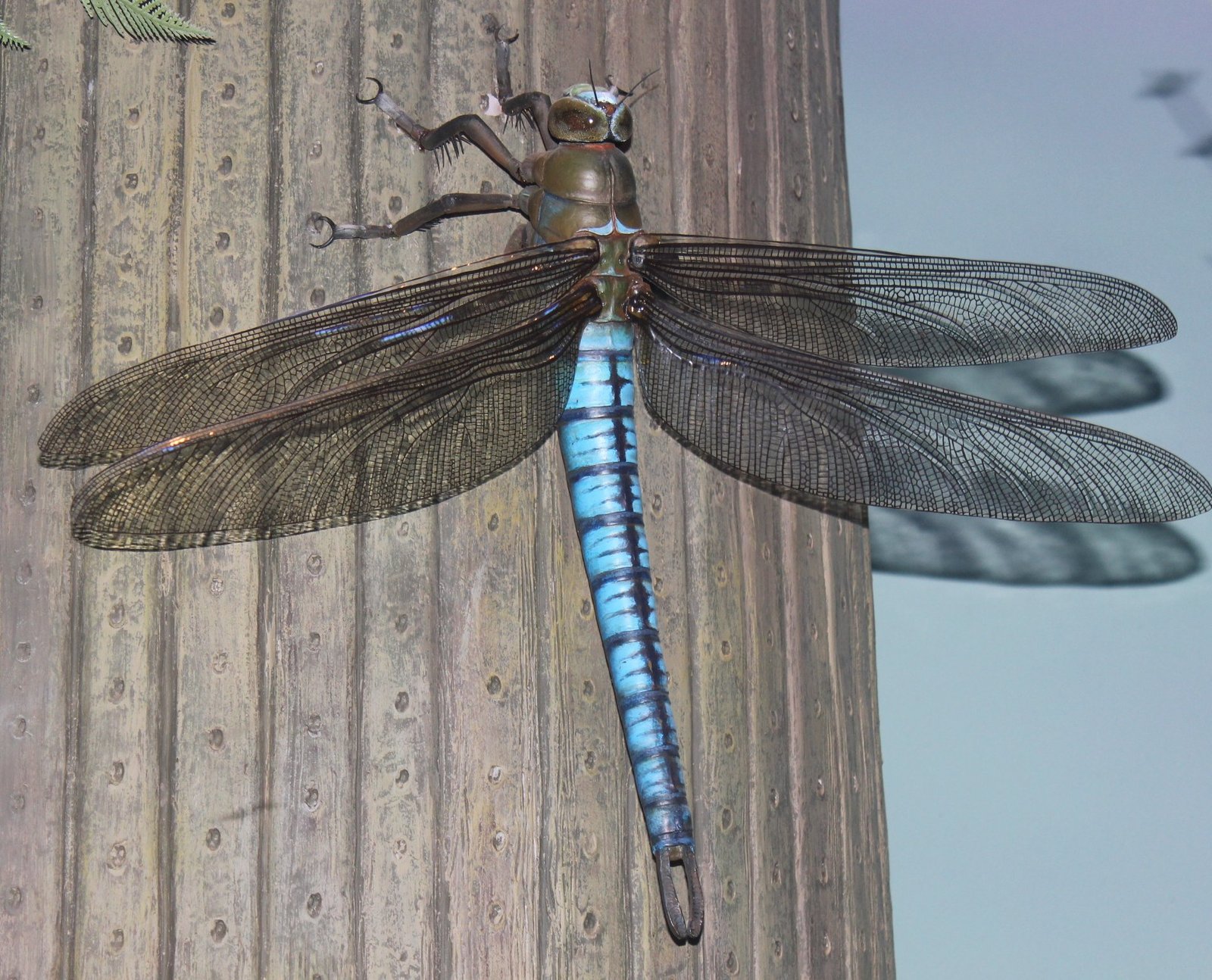
Meganeura monyi stands as perhaps the most famous example of Carboniferous gigantism, a dragonfly-like predator that would have been the stuff of nightmares for any small creature unfortunate enough to encounter it. With a wingspan approaching three feet, this aerial hunter possessed compound eyes the size of tennis balls and mandibles capable of crushing substantial prey. Its flight muscles, powered by the oxygen-rich atmosphere, could generate enough force to carry its massive body through the air with surprising agility.
These ancient sky hunters didn’t just rely on size – they were sophisticated predators with advanced hunting strategies. Meganeura likely patrolled specific territories, using their enormous eyes to spot movement from incredible distances. Their four wings operated independently, allowing for complex flight maneuvers that would have made escape nearly impossible for smaller creatures.
Arthropleura: The Millipede Monster

While Meganeura ruled the skies, Arthropleura dominated the forest floor as one of the largest land arthropods ever to exist. This segmented giant measured up to 8.5 feet in length and possessed a body armor that would have made medieval knights jealous. Each segment of its body contained pairs of legs, creating a rippling wave of motion as it moved through the undergrowth like a living tank.
Despite its intimidating size, Arthropleura was likely a gentle giant that fed primarily on decaying plant matter and fungi. Its massive size may have been an adaptation to process the tough, fibrous plant material that dominated Carboniferous forests. The creature’s sheer bulk would have made it nearly invulnerable to most predators, allowing it to lumber through its environment with impunity.
The Scorpion Kings of Ancient Seas

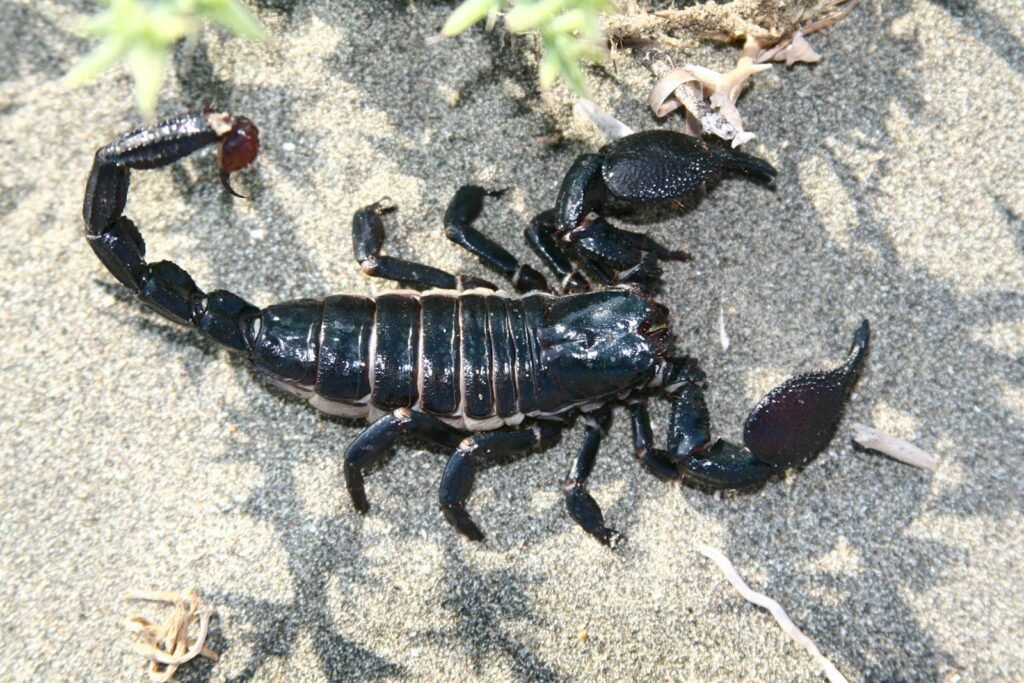
Before insects conquered the land, ancient seas harbored their own giants in the form of massive scorpions called eurypterids. These “sea scorpions” grew to lengths exceeding eight feet, with some species developing specialized appendages for different hunting strategies. Jaekelopterus rhenaniae, one of the largest arthropods ever discovered, possessed claws that could easily crush modern lobsters and wielded them with deadly precision.
These aquatic predators dominated marine ecosystems for millions of years, using their size and speed to hunt fish, trilobites, and other marine creatures. Their success in ancient oceans foreshadowed the later dominance of giant insects on land, proving that under the right conditions, arthropods could achieve truly enormous proportions.
The Physics of Flight in Giant Insects

The mechanics of flight become exponentially more challenging as size increases, making the aerial prowess of giant Carboniferous insects even more remarkable. Modern physics tells us that as an insect’s size doubles, its weight increases by a factor of eight, while wing area only increases by a factor of four. This creates a seemingly insurmountable challenge for large flying insects under current atmospheric conditions.
However, the dense, oxygen-rich atmosphere of the Carboniferous period provided the solution to this aerodynamic puzzle. The increased air density gave wings more “bite” against the atmosphere, while the abundant oxygen powered the massive flight muscles needed to generate sufficient lift. These conditions created a brief window in Earth’s history when insects could achieve powered flight at unprecedented scales.
Predator-Prey Dynamics in a Giant World

The ecosystem dynamics of the Carboniferous period resembled a real-life monster movie, with giant insects filling ecological niches that would later be occupied by vertebrates. Meganeura and its relatives served as apex aerial predators, while massive ground-dwelling insects controlled terrestrial food webs. This created a complex web of predator-prey relationships unlike anything seen in modern ecosystems.
The abundance of large prey items supported populations of giant predators, while the diverse plant life provided ample food for herbivorous giants like Arthropleura. This balance created stable ecosystems where giants could thrive for millions of years, demonstrating that under the right conditions, arthropods could successfully scale up to sizes that rival modern vertebrates.
The Role of Temperature in Ancient Gigantism
The warm, humid climate of the Carboniferous period played a crucial role in supporting giant insects beyond simply providing oxygen-rich air. Cold-blooded creatures like insects are heavily dependent on environmental temperature for their metabolic processes, and the consistently warm global climate provided the energy needed to power massive insect bodies. This thermal environment eliminated the energy constraints that limit insect size in cooler modern climates.
The stable, tropical conditions across most of the planet meant that giant insects didn’t need to develop complex physiological adaptations to survive temperature fluctuations. This allowed them to invest their evolutionary energy into growing larger rather than developing temperature tolerance, contributing to the unprecedented sizes achieved during this period.
Competition and Coexistence Among Giants

The Carboniferous period wasn’t dominated by a single giant insect species, but rather hosted a diverse community of oversized arthropods that had evolved different strategies for survival. Aerial predators like Meganeura coexisted with ground-dwelling giants like Arthropleura, while various specialized predators filled specific ecological niches. This diversity suggests that the oxygen-rich environment supported complex ecosystems where multiple giant species could thrive simultaneously.
Competition between these giants likely drove evolutionary innovations, with different species developing unique adaptations to exploit available resources. Some giants specialized in hunting specific prey, while others became generalist predators or herbivores, creating a balanced ecosystem where giants could coexist without driving each other to extinction.
The Evolutionary Advantages of Giant Size

Being giant in the Carboniferous period offered numerous evolutionary advantages that made large size a successful survival strategy. Larger insects could access food sources unavailable to smaller creatures, had fewer predators to fear, and could dominate territorial disputes through sheer physical presence. For flying insects like Meganeura, increased size meant greater flight range and the ability to hunt larger, more energy-rich prey.
Giant size also provided thermal advantages in the consistently warm Carboniferous climate. Larger bodies retain heat more effectively than smaller ones, allowing giant insects to maintain optimal body temperatures for longer periods. This thermal stability would have provided competitive advantages in hunting, reproduction, and overall survival.
The Reproductive Challenges of Giant Insects

While giant size offered many advantages, it also created unique reproductive challenges that these ancient insects had to overcome. Larger insects required more time to develop from egg to adult, potentially exposing them to predation and environmental changes for longer periods. Additionally, the energy requirements for reproduction would have been enormous, requiring giant insects to consume vast quantities of food to support egg production.
Despite these challenges, giant insects successfully reproduced for millions of years, suggesting they developed effective strategies for dealing with the constraints of large size. Some species may have invested heavily in parental care, while others likely produced enormous numbers of offspring to ensure reproductive success despite high juvenile mortality rates.
The Fossil Evidence That Reveals Ancient Secrets

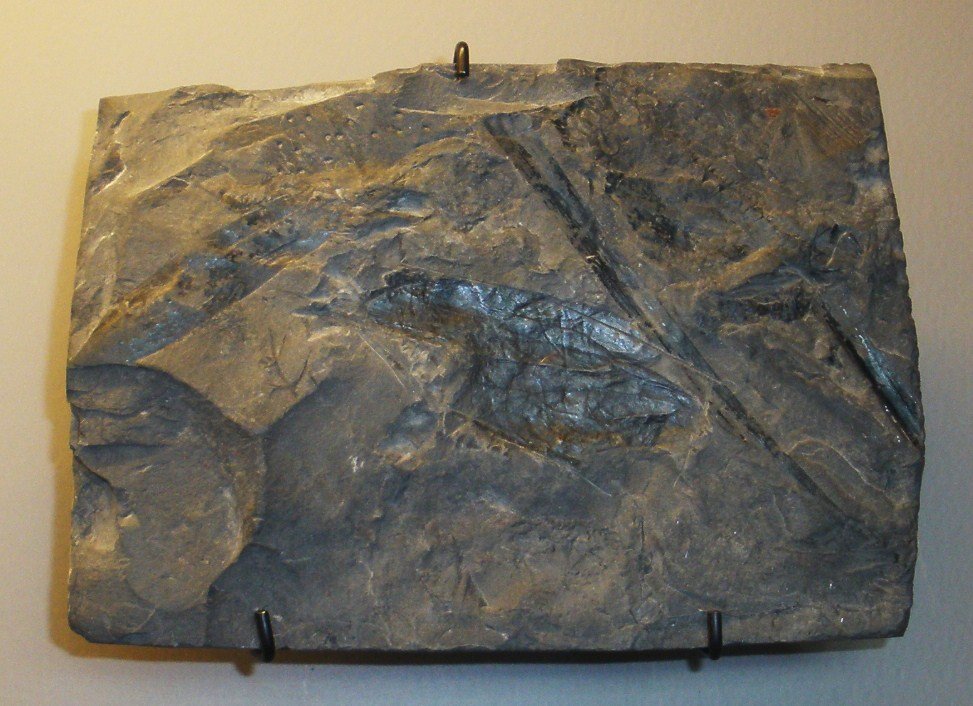
Our understanding of giant Carboniferous insects comes primarily from remarkably well-preserved fossils that have survived for hundreds of millions of years. The same swampy conditions that created coal deposits also provided ideal circumstances for fossilization, preserving delicate insect structures in stunning detail. These fossils reveal not just the size of ancient insects, but also their anatomy, behavior, and ecological relationships.
Modern paleontologists continue to discover new giant insect species, each one adding to our understanding of these ancient ecosystems. Advanced imaging techniques and computer modeling allow scientists to reconstruct how these creatures moved, fed, and interacted with their environment, bringing the world of giant insects back to life in unprecedented detail.
Why Giants Couldn’t Survive the Changing World
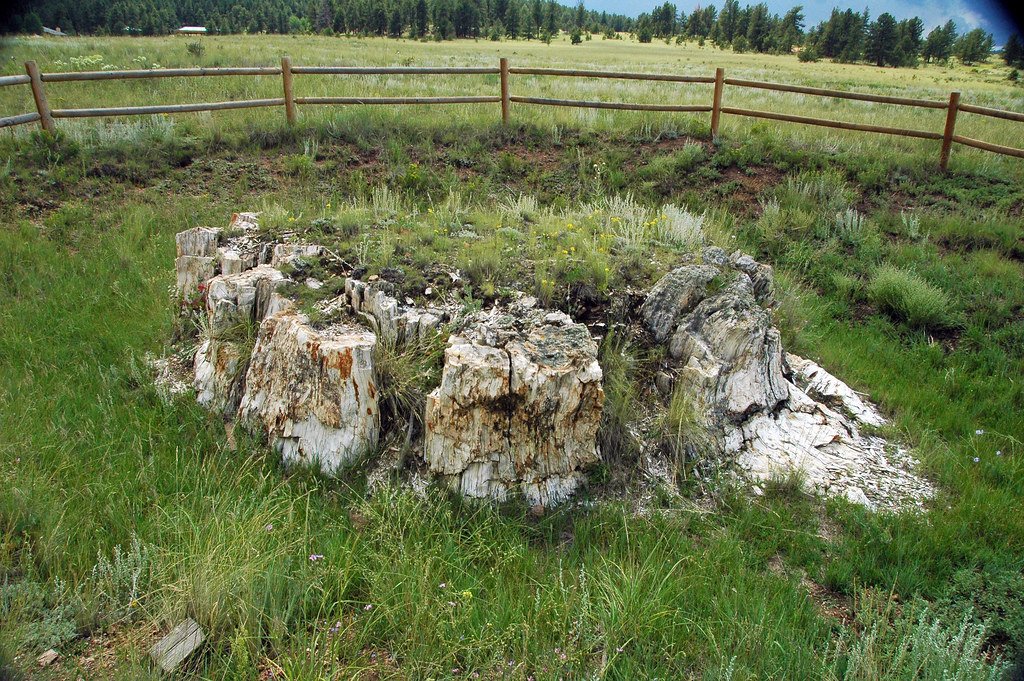
The reign of giant insects came to an end as Earth’s atmosphere gradually changed, reducing oxygen levels and making it impossible for these massive creatures to survive. The rise of early reptiles and amphibians also introduced new predators that could hunt giant insects effectively, while changing plant communities altered the food webs that supported these ecosystems. Climate cooling toward the end of the Carboniferous period created additional stress on cold-blooded giants.
The transition from the Carboniferous to the Permian period marked the beginning of the end for giant insects. As oxygen levels dropped and temperatures cooled, the biological advantages of giant size became liabilities, and these magnificent creatures gradually disappeared from the fossil record, leaving behind only their fossilized remains as evidence of their former glory.
Modern Insects and Their Ancient Legacy
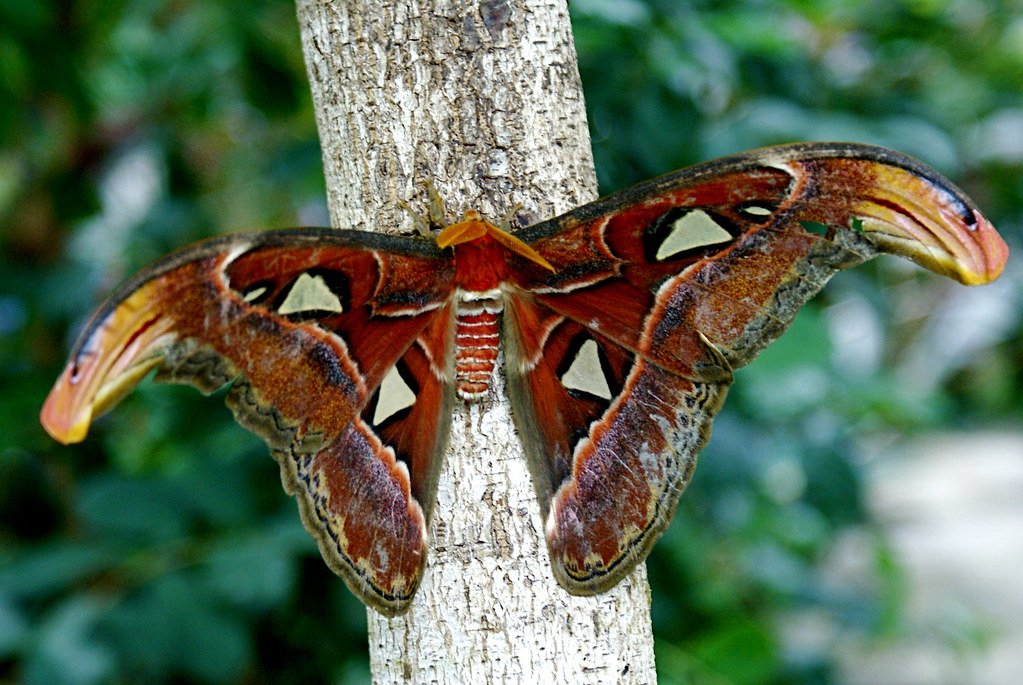
Today’s insects carry the genetic legacy of their giant ancestors, but they’re constrained by the modern atmosphere’s lower oxygen content and the presence of vertebrate competitors. However, some insects still achieve impressive sizes in specific environments – tropical regions with high humidity and oxygen levels support larger insects than temperate areas, echoing the conditions that favored giants in the Carboniferous period.
The study of giant ancient insects also provides insights into the limits of arthropod body plans and the environmental factors that control animal size. This knowledge helps scientists understand how ecosystems respond to environmental changes and what might happen if atmospheric conditions were to change dramatically in the future.
Lessons from the Age of Giants
The story of giant Carboniferous insects demonstrates the profound impact that environmental conditions can have on evolution and ecosystem structure. These creatures thrived not because they were inherently superior, but because they lived in a world perfectly suited to their biology. When those conditions changed, even the mightiest giants couldn’t adapt quickly enough to survive.
This ancient example serves as a powerful reminder of how interconnected life on Earth truly is. The giant insects that once ruled the skies were products of their environment, and their rise and fall illustrate the delicate balance between organisms and their surroundings. Understanding these relationships helps us appreciate both the resilience and fragility of life on our planet.
The End of an Era
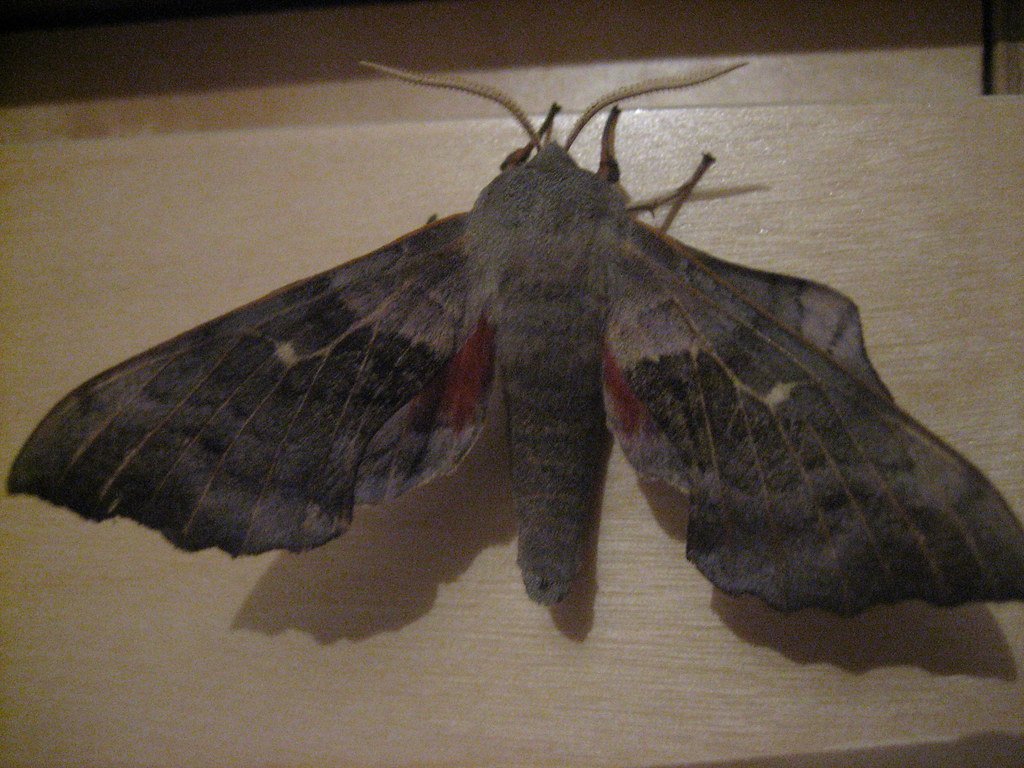
The giant insects of the Carboniferous period represent one of evolution’s most spectacular experiments in scaling up arthropod body plans. These magnificent creatures ruled ancient skies and forests for millions of years, demonstrating that under the right conditions, insects could achieve sizes that rival modern vertebrates. Their success was made possible by a unique combination of atmospheric, climatic, and ecological factors that created a brief window in Earth’s history when giants could thrive.
The disappearance of these ancient giants reminds us that no species, regardless of how dominant it may seem, is guaranteed permanent success. Environmental changes that might seem gradual to us can spell doom for entire groups of organisms adapted to specific conditions. The legacy of giant insects lives on in their modern descendants and in the fossil record that preserves their incredible story. What other giants might have existed in Earth’s deep past, waiting to be discovered in rocks that have yet to yield their secrets?