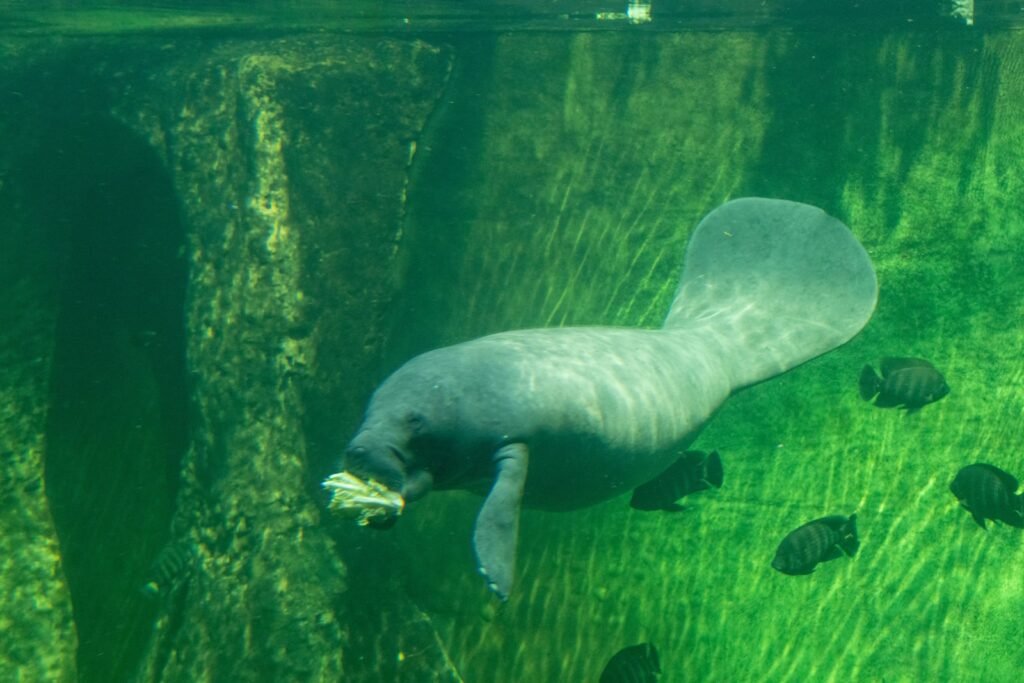

Along Georgia’s salt-marsh maze, a quiet shift is underway: manatees are showing up weeks earlier than coastal residents remember, gliding past docks while winter jackets still hang by the door. The mystery sounds simple – warmer winters mean warmer water – but the story threads through biology, shipping lanes, and the fragile timing of coastal food webs. Scientists tracking these gentle grazers now see spring arrivals stretching into late winter, and autumn departures that refuse to follow the old rules. That timing tweak may seem small, yet in ecology, a few weeks can reshape survival odds for calves and the plants they depend on. The question is no longer whether the schedule is changing, but how fast – and what Georgia can do to keep pace.
The Hidden Clues
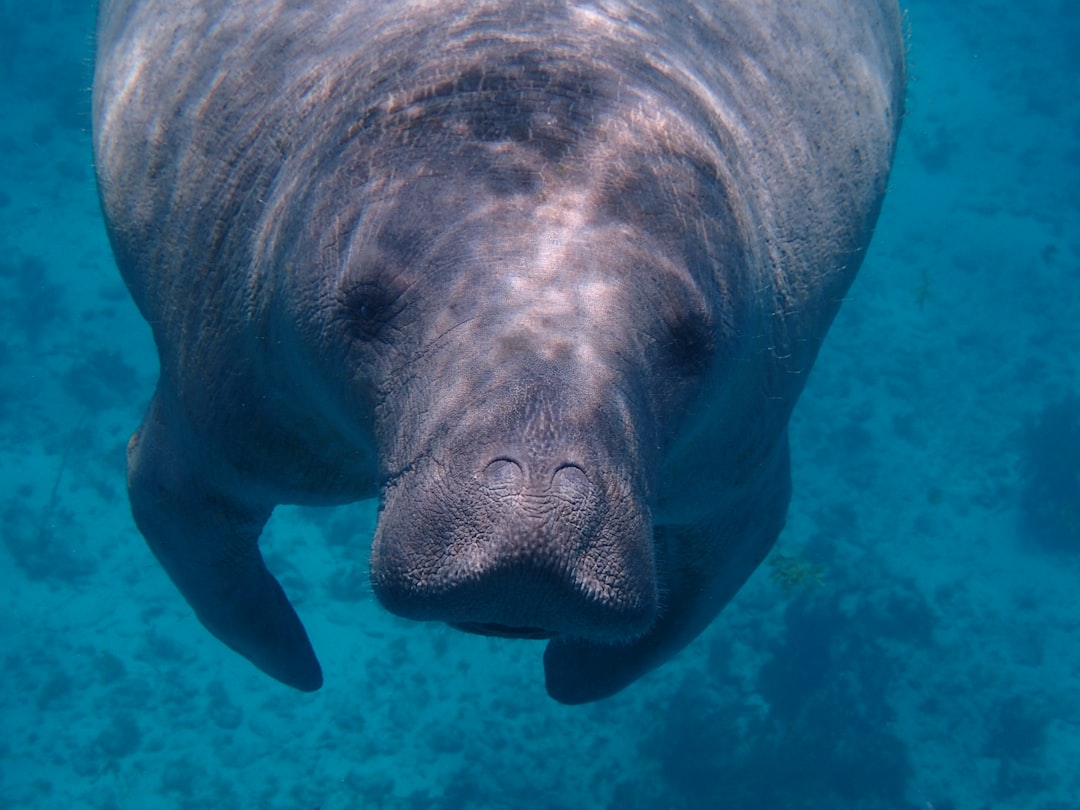
Would you expect a half-ton herbivore to be the first to tell us winter is fading? Early sightings from the Savannah River to Cumberland Sound suggest just that, with boaters and biologists recording manatees nosing into creeks before many shorebirds return. The animals are following water, not calendars, and their cue is temperature: once surface waters creep toward comfortable ranges, manatees press north like hikers chasing sunlight. The pattern has been building over recent mild winters, slipping from anomaly to routine. What once felt like a lucky February encounter is turning into the new spring normal.
Hidden in those early arrivals are clues about habitat quality and coastal change. If manatees come sooner, they test the season’s first flush of submerged vegetation and the reliability of freshwater seeps they need to drink. They also amplify the risk of boat strikes because fishing traffic picks up before speed zones fully kick in. The clues are ecological breadcrumbs, telling managers where protection measures are working – and where gaps are widening. Piece by piece, the trail points to warming winters as the engine of this migration shuffle.
Coastal Clocks and Warm Winters
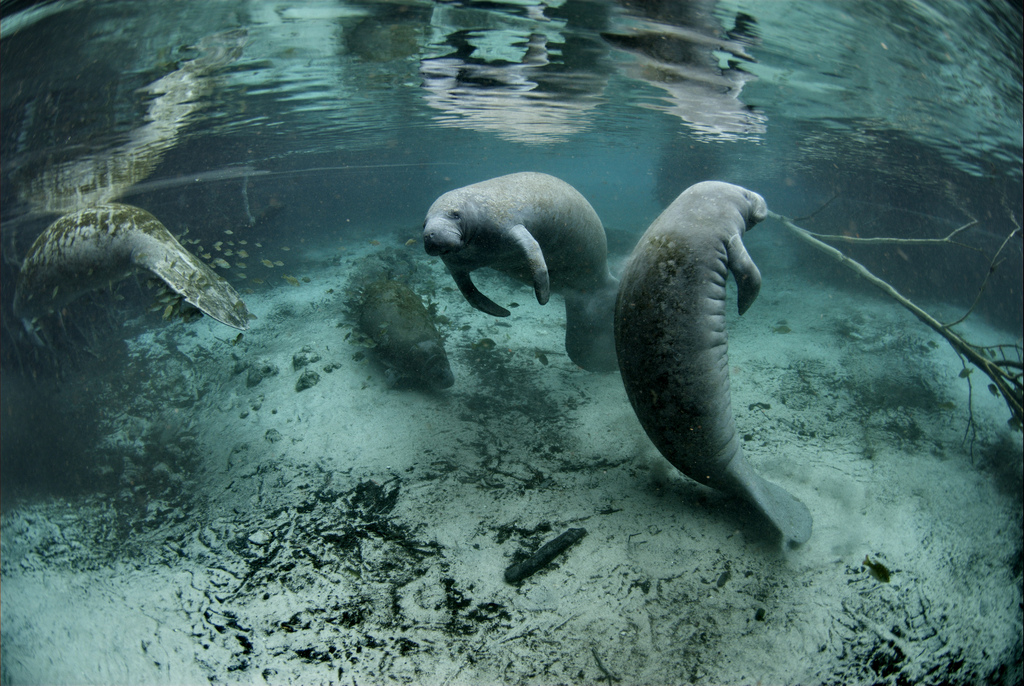
Manatees carry a simple thermostat: when water dips below 68°F (20°C), their metabolism struggles and cold stress follows. Warmer winters bend that curve, making Georgia’s estuaries tolerable earlier and for longer stretches, so the northbound leg begins ahead of schedule. That shift is classic phenology – the science of seasonal timing – and it mirrors changes seen in flowering plants, sea turtles, and even fish runs. Georgia’s coast, with its broad estuaries and strong tides, becomes a corridor rather than a boundary when winter relaxes its grip. The animals are not being brave; they are following physics with remarkable consistency.
The catch is that temperature is not the only hand on this clock. River discharge, wind patterns, and brief cold snaps still matter, sometimes flipping a week of comfort into a stressful retreat. Calves may be the most vulnerable to these whiplash events because they ride close to their mothers’ schedules and have less thermal cushion. Earlier migration can therefore be a gamble that pays off in longer feeding seasons – or backfires if late-season chills return. In a warming world, averages rise, but the surprises can still be cruel.
From Ancient Tools to Modern Science

For decades, the most reliable tool for knowing where manatees were was a pair of binoculars and a steady hand. Today, biologists add satellite tags, aerial surveys, and passive acoustic recorders that pick up manatee calls in murky water, turning the coastline into a living data stream. Sea-surface temperature maps from satellites provide day-by-day context, letting teams match movements with heat pulses along barrier islands. Drones fill the gap in turbid creeks where eyes fail, verifying group size and calf presence without disturbing the animals. Together, these methods transform one-off sightings into a timeline.
What used to be speculation – are they arriving earlier, or are we just looking harder – now has evidence behind it. Telemetry tracks reveal spring hops aligned with temperature thresholds, followed by stopovers in known foraging coves. Acoustic monitors catch activity at night and in poor weather, ensuring the story doesn’t depend on clear-sky weekends. And when reports from anglers line up with the sensors, confidence climbs. The result is a migration map with enough detail for policy, not just postcards.
Food, Energy, and Risk
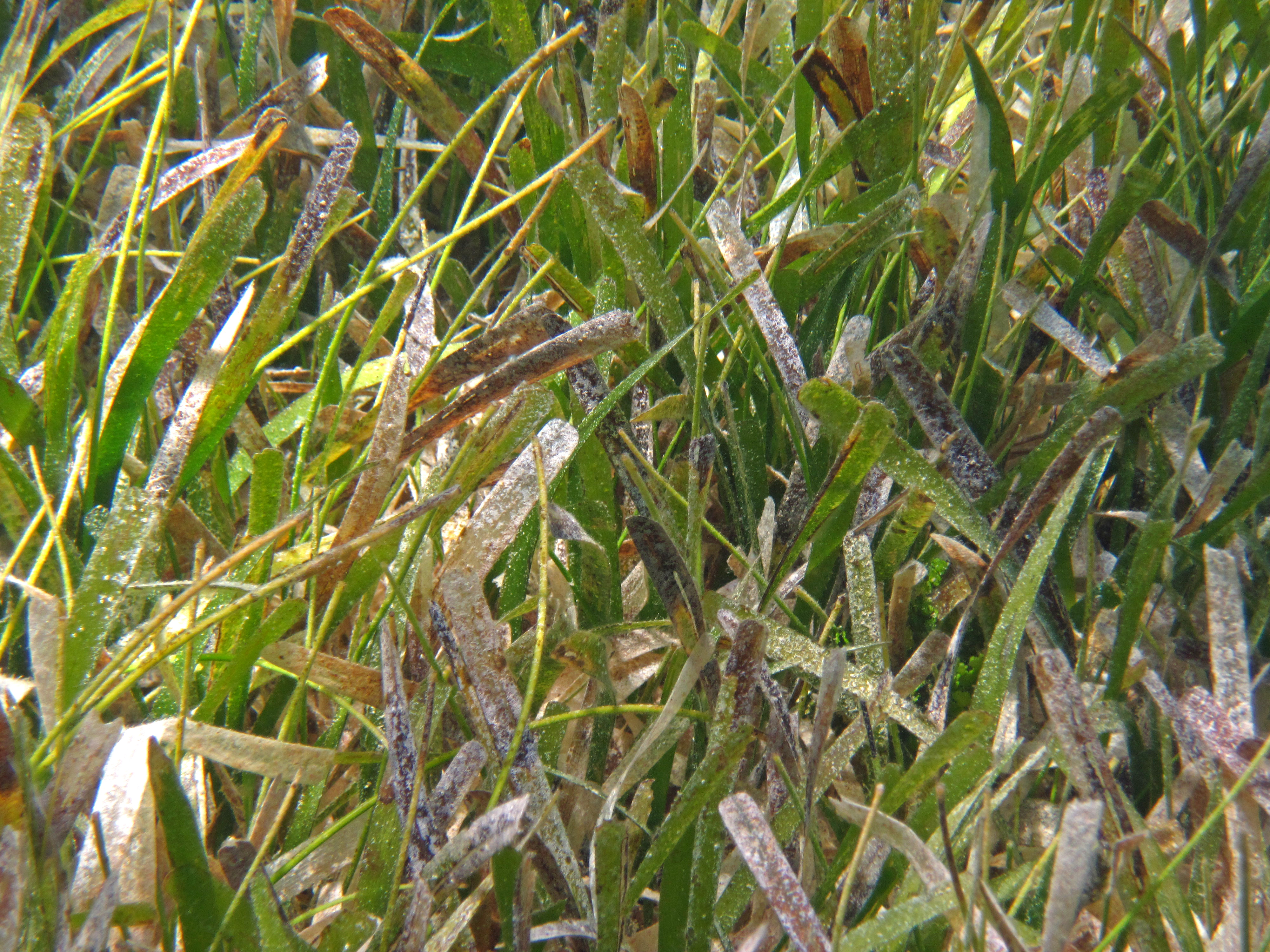
Manatees are engines built for slow travel, and the fuel is plants – submerged vegetation, marsh-edge grasses, and freshwater growth in rivers and canals. An earlier arrival means the first meals of the season may be sparse or newly sprouted, forcing longer searches and higher energy costs. If forage lags behind the animals, they can burn through reserves before spring growth catches up. That mismatch matters for lactating mothers, who need reliable calories to keep calves thriving. The timing of water clarity and light, which drives plant growth, becomes as important as the warmth that lures manatees north.
Risk rides along with every choice they make. Longer Georgia stays increase encounters with propellers, and the early-season overlap with recreational and commercial traffic raises the stakes. Fishing gear and debris pose entanglement hazards just as curiosity draws animals into marinas and along busy channels. Even short cold snaps can turn risky if manatees have ventured far from warm refuges. The earlier the migration clock ticks, the tighter the margin for error.
People on the Water
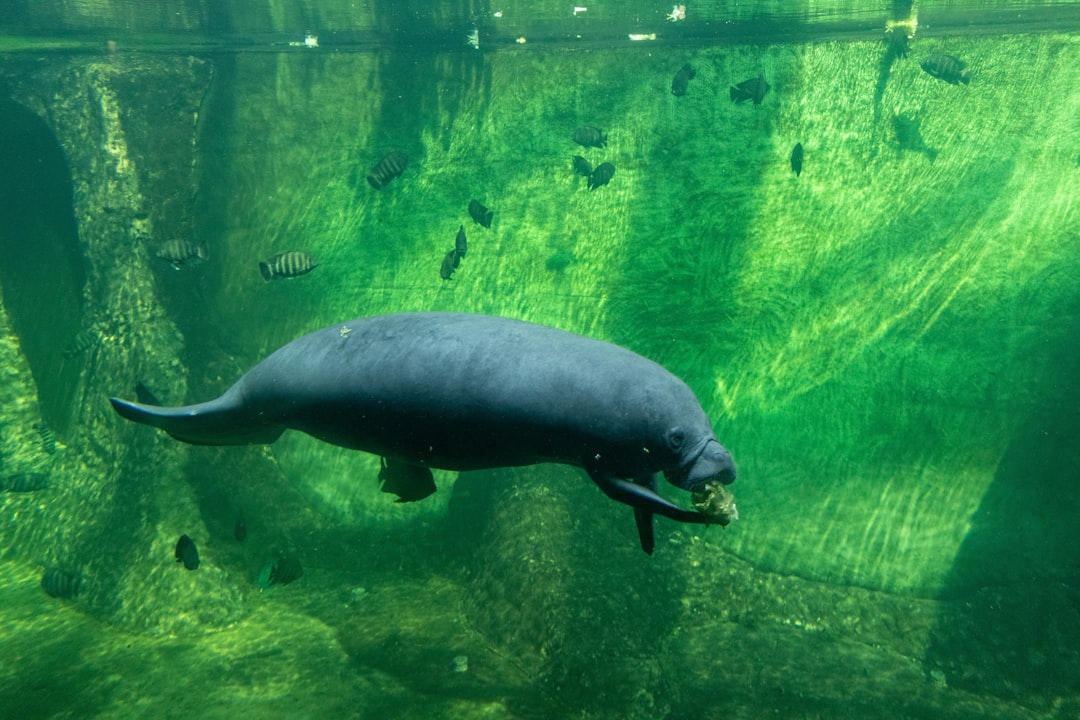
Earlier this year, during a dawn survey near Jekyll Island, I watched a pair of manatees surface in a creek so narrow that my paddleboard barely fit. They were calm, unhurried, and oblivious to the shrimp boat idling around the bend – a reminder that wildlife and work share the same water. As spring tourism opens sooner, guides, anglers, and cargo pilots in the ports of Savannah and Brunswick meet these animals weeks earlier than usual. Speed zones, often seasonal by design, can lag behind the actual presence of manatees. That mismatch is a policy timing problem, not a biology problem.
Solutions are surprisingly practical. Adaptive speed rules tied to water temperature or verified sightings could flex with the season, rather than flipping on by date. Dock owners can install slow-approach signage and keep hoses off the edge so manatees aren’t tempted to linger for freshwater drinks. Marinas can train staff to log early sightings and share alerts with local networks. When timing shifts, communication has to shift with it, or good intentions miss their target.
Why It Matters
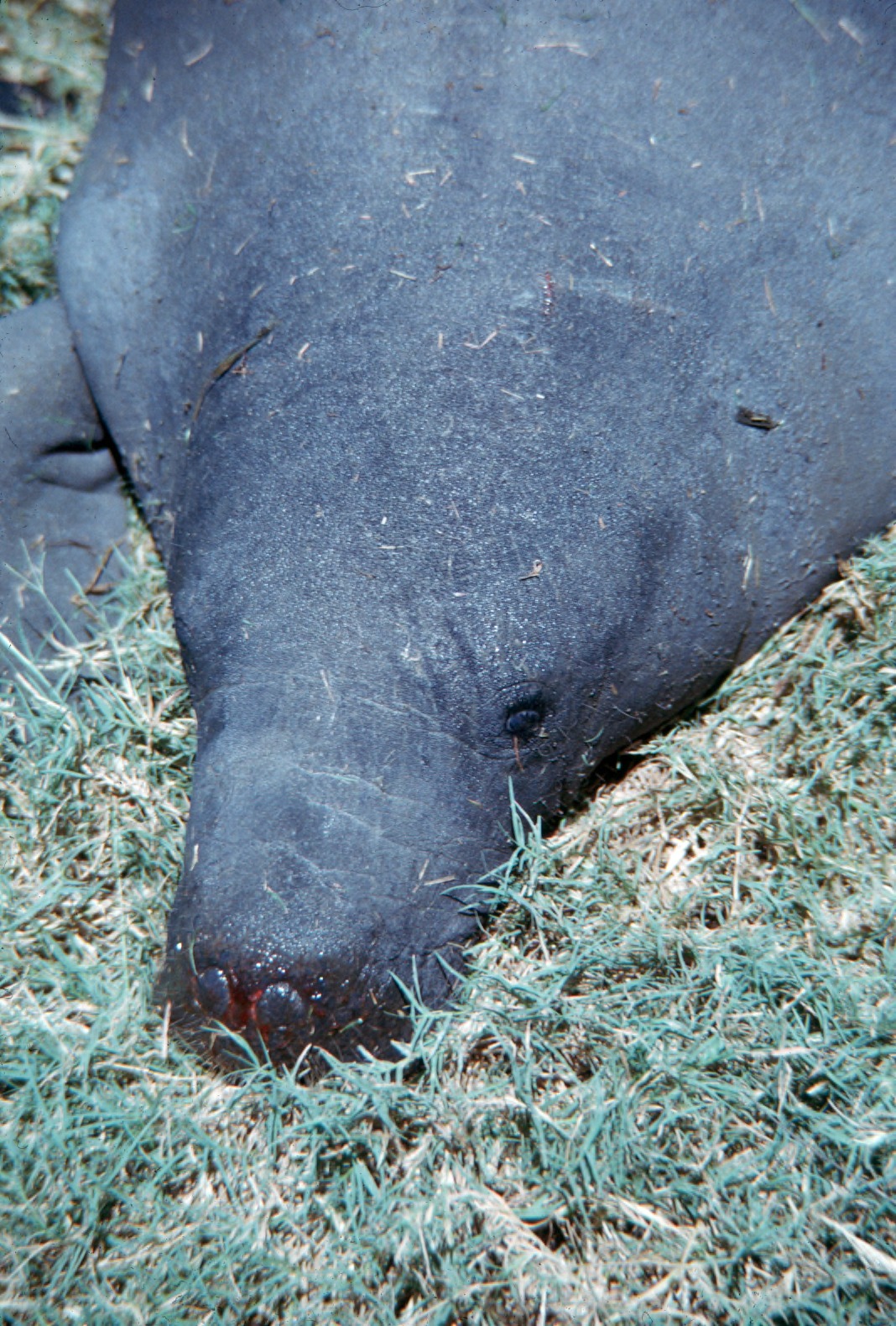
Migration timing is not a trivia note – it’s a backbone of survival strategies that evolved under predictable seasons. When the schedule changes, predators, prey, and plants can slip out of sync, creating hidden shortages and surprise risks. Historically, managers in Georgia planned around calendar windows, assuming early summer as the safe bet for peak manatee presence. Warmer winters rewrite that playbook, pushing protection, monitoring, and rescue capacity toward late winter and early spring. The stakes rise for calves, for injured animals needing quick response, and for the habitats that must be ready earlier.
There is also a wider scientific signal to heed. Similar early shifts are showing up in seabird nesting, sea turtle emergence, and fish migrations along the Southeast coast, suggesting a regional timing cascade. When many species move their clocks, the whole coastal economy – from charter fishing to dredging schedules – feels the ripple. Aligning policy with phenology is no longer an academic suggestion; it is baseline climate adaptation. In that light, Georgia’s manatees are both a conservation priority and a timely messenger.
The Future Landscape
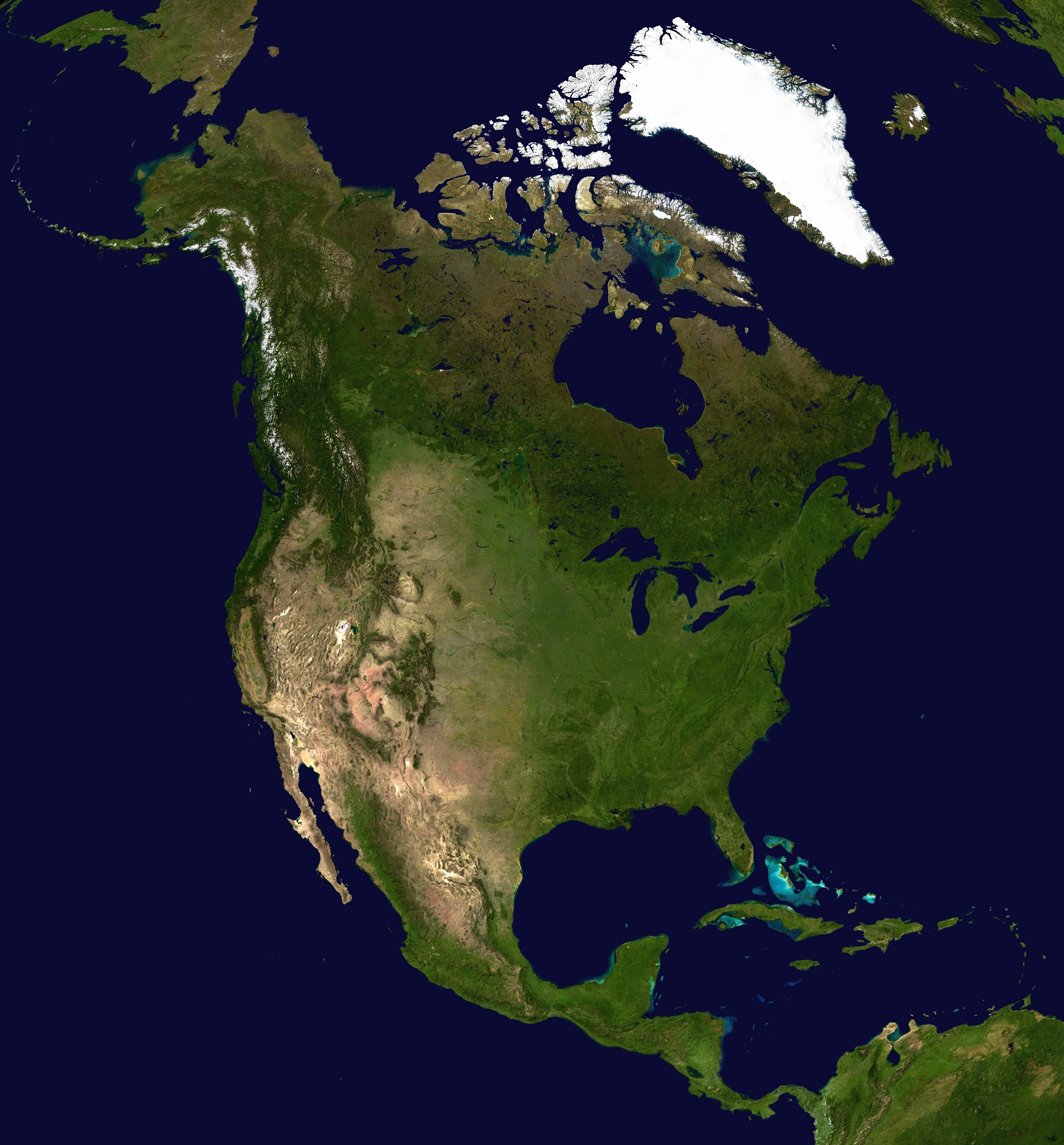
Next-generation tags with longer battery life and fast satellite links could reveal not just routes but micro-decisions: where manatees pause, what temperatures they avoid, and how far they roam during cold snaps. Machine-learning models that ingest river flow, wind, and sea temperature could forecast arrival windows weeks ahead, powering alerts for ports and boaters. Acoustic networks strung along key inlets would act like weather stations for wildlife, reporting activity in real time. Thermal refuges – natural springs where available, or enhanced warm-water basins – could be mapped and protected as seasonal lifelines. Planning that once looked static becomes dynamic, tuned to actual conditions rather than dates.
The challenges are clear. Funding has to keep pace with changing timelines, and agencies need protocols that pivot when forecasts call for early arrivals. Restoration of submerged vegetation must anticipate longer grazing seasons without starving ecosystems of resilience. Community science can be formalized so social media sightings feed verified databases fast. The future landscape belongs to places that treat timing as infrastructure.
What You Can Do
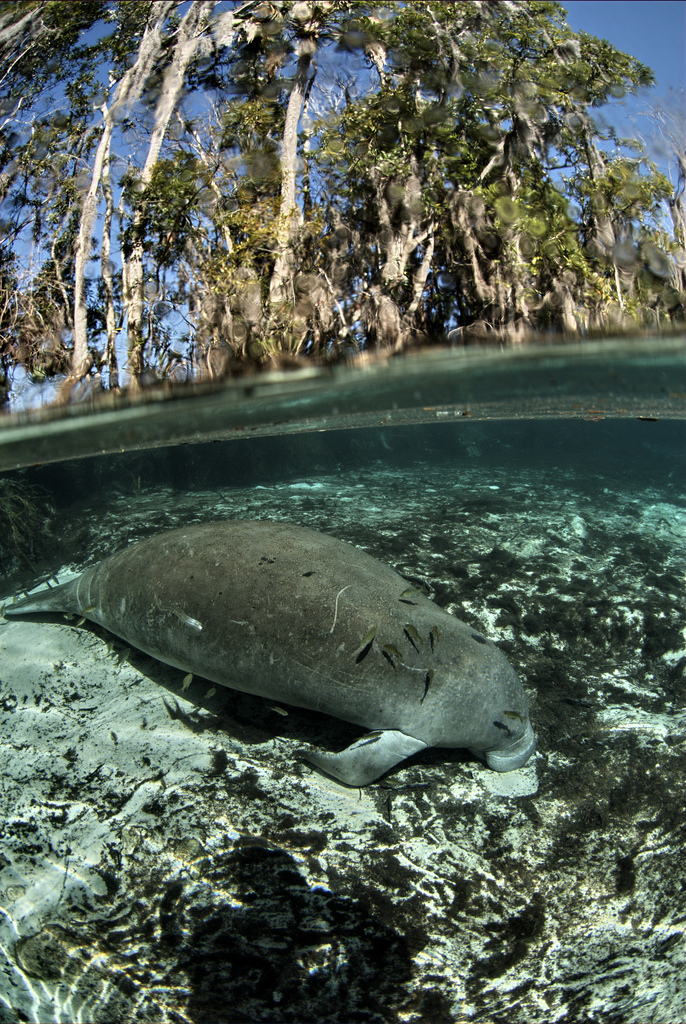
Pay attention to the water, especially in late winter and early spring when early migrants now appear. If you’re boating, idle in creeks and along marsh edges, and post a lookout for soft rings on the surface – the telltale breath of a manatee. Report sightings to state wildlife hotlines with date, time, and location; those data points improve protective rules right away. Keep trash, fishing line, and dangling hoses off docks, and avoid offering freshwater, which can pull manatees into risky spots. When you book tours, choose operators who adjust speed and routes for wildlife.
Support restoration of aquatic vegetation and join local cleanups that clear creeks before peak season. Encourage marinas and neighborhoods to share early-sighting alerts so speed and caution arrive with the animals. Back research groups that tag and monitor manatees, because better forecasts help everyone on the water. Small, timely actions stack up, turning an earlier migration from hazard into a sign of a coast adapting in real time.
Suhail Ahmed is a passionate digital professional and nature enthusiast with over 8 years of experience in content strategy, SEO, web development, and digital operations. Alongside his freelance journey, Suhail actively contributes to nature and wildlife platforms like Discover Wildlife, where he channels his curiosity for the planet into engaging, educational storytelling.
With a strong background in managing digital ecosystems — from ecommerce stores and WordPress websites to social media and automation — Suhail merges technical precision with creative insight. His content reflects a rare balance: SEO-friendly yet deeply human, data-informed yet emotionally resonant.
Driven by a love for discovery and storytelling, Suhail believes in using digital platforms to amplify causes that matter — especially those protecting Earth’s biodiversity and inspiring sustainable living. Whether he’s managing online projects or crafting wildlife content, his goal remains the same: to inform, inspire, and leave a positive digital footprint.