
Imagine a plant so relentless, it can turn a wild, sunlit meadow into a tangled, impenetrable forest in just a few years. Now picture that plant marching across Florida’s natural landscapes, smothering everything in its path. This is not the plot of a science fiction movie—it’s the real-life invasion of the Brazilian pepper tree, a botanical bully that’s rewriting the rules of nature in the Sunshine State. For anyone who loves the wild beauty of Florida, this story is both shocking and urgent, and it’s happening right beneath our feet.
The Invader: What Is the Brazilian Pepper Tree?
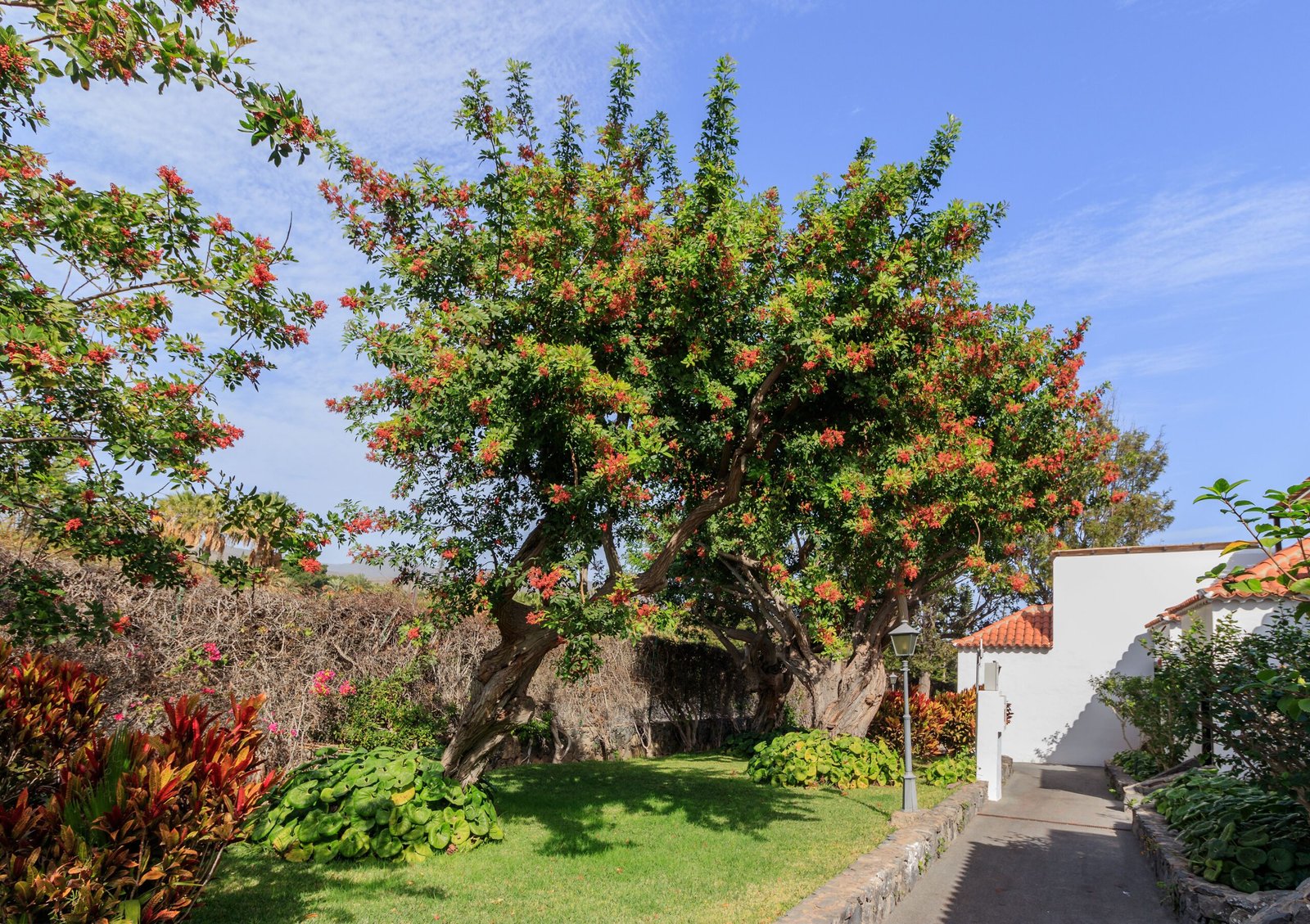
The Brazilian pepper tree, scientifically known as Schinus terebinthifolia, is a sprawling, evergreen shrub native to South America. With its glossy leaves and bright red berries, it might look like a festive holiday decoration, but don’t be fooled. This plant can grow up to 30 feet tall, forming dense thickets that crowd out everything else. Introduced to Florida in the 19th century as an ornamental, it quickly escaped gardens and found the wild to be its playground. Its aggressive growth and ability to thrive in a variety of soils have made it one of Florida’s most notorious invasive species.
How Did It Get Here?

The journey of the Brazilian pepper tree to Florida started innocently enough. Gardeners and landscapers, dazzled by its beauty, imported it from Brazil in the 1840s. For decades, it was planted around homes and city streets, admired for its resilience and ornamental charm. No one imagined it would become a menace. The plant’s seeds, spread by birds and water, gradually found their way into natural areas. By the mid-20th century, scientists and land managers started to notice its explosive spread, but by then, the genie was out of the bottle.
Florida’s Unique Vulnerability
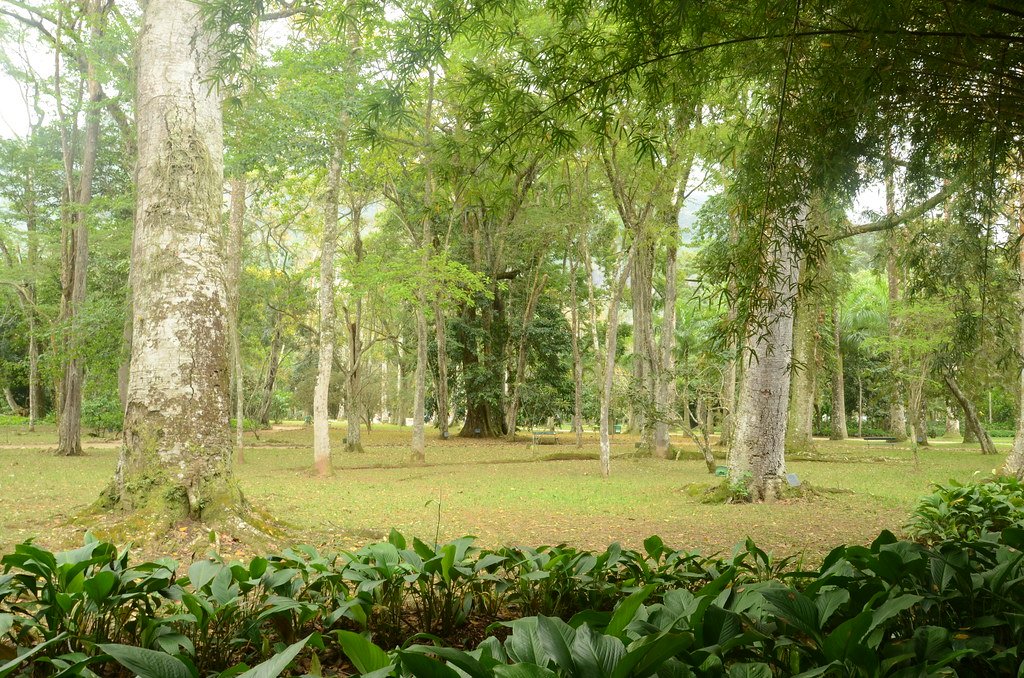
Florida’s warm climate and diverse ecosystems should be a paradise for native flora and fauna, but these same conditions also make the state especially vulnerable to plant invaders. The Brazilian pepper tree found Florida’s subtropical climate, seasonal rains, and lack of natural predators absolutely perfect for its growth. With little to keep it in check, the tree quickly outcompeted native plants. In places like the Everglades, where delicate balances define life, even a small shift can spell disaster for everything else.
Choking Out Native Plants
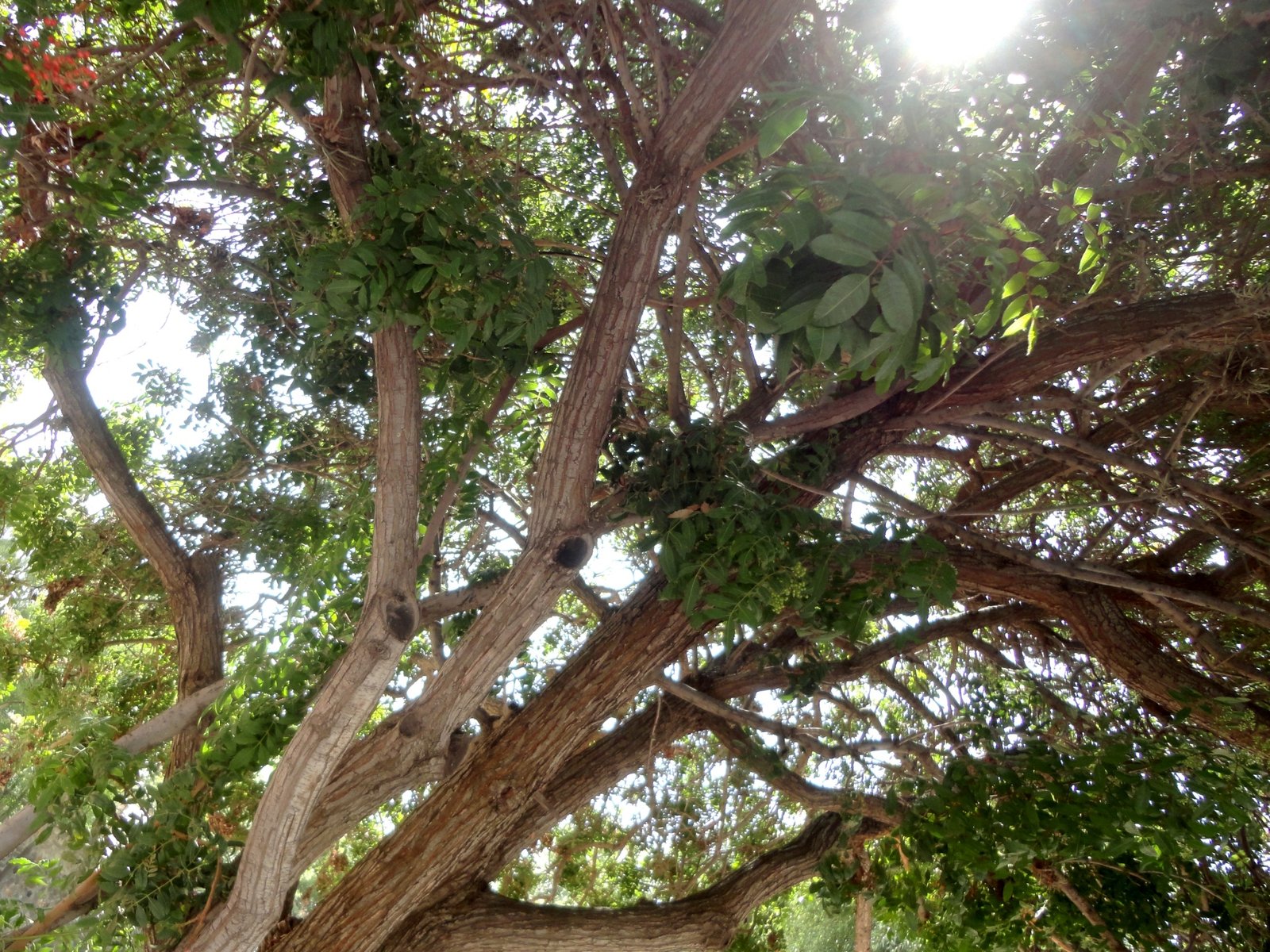
One of the most heart-wrenching effects of the Brazilian pepper tree is how it suffocates native vegetation. It forms dense canopies that block sunlight from reaching the ground, making it nearly impossible for wildflowers, grasses, and even young trees to survive. Iconic Florida plants like saw palmetto, wax myrtle, and mangroves are pushed out, replaced by a monoculture of pepper trees. The diversity that once made these landscapes vibrant is literally shaded out.
Wildlife in Jeopardy
When plants vanish, the animals that depend on them are forced to move or perish. Birds, insects, reptiles, and mammals that rely on Florida’s native plants find themselves with nowhere to go. For instance, the endangered Florida scrub-jay depends on open, scrubby habitats—areas now being overtaken by pepper tree thickets. Butterflies and bees, too, lose crucial food sources. The loss of biodiversity is like pulling threads from a tapestry; eventually, the whole thing unravels.
Changing Fire Patterns

Fire is a natural and necessary part of many Florida ecosystems. Some native plants even need fire to reproduce. But the Brazilian pepper tree changes the rules. Its dense, juicy leaves don’t burn easily, altering how wildfires behave. In some cases, fires burn too hot or not at all, disrupting the natural cycle. This can lead to even more dominance by the pepper tree, creating a feedback loop that’s tough to break.
Waterways Under Threat

It’s not just the land that’s suffering. The Brazilian pepper tree aggressively colonizes riverbanks, lake edges, and wetlands. Its roots stabilize the soil so well that they actually block water flow, creating stagnant pools where mosquitoes thrive. Native aquatic plants are squeezed out, and fish habitats shrink. What was once a vibrant, life-filled waterway can become lifeless and clogged, a shadow of its former self.
Allergies and Human Health

You might be surprised to learn that the Brazilian pepper tree doesn’t just threaten the environment—it can also impact human health. The plant’s sap contains compounds similar to poison ivy, causing skin rashes and respiratory irritation in sensitive individuals. During the flowering season, airborne particles can trigger allergies. For people living near infested areas, a simple walk outdoors can become an itchy, sneezy ordeal.
Economic Consequences

The fight against the Brazilian pepper tree isn’t just ecological; it’s economic. Landowners, farmers, and government agencies spend millions each year trying to control its spread. It invades pastures, reducing grazing land for cattle. It clogs irrigation ditches, making water management more expensive. The money poured into fighting this invader could be used for schools, roads, or healthcare, but instead, it’s spent on a never-ending battle with a stubborn plant.
The Battle for the Everglades

Nowhere is the struggle against the Brazilian pepper tree more dramatic than in the Florida Everglades. This UNESCO World Heritage Site is famous for its unique marshes and wildlife, but pepper tree thickets are closing in fast. Restoration projects, including the removal of the trees and replanting of native species, are ongoing, but progress is slow and costly. The outcome of this battle could determine the future of one of America’s greatest natural wonders.
Methods of Control
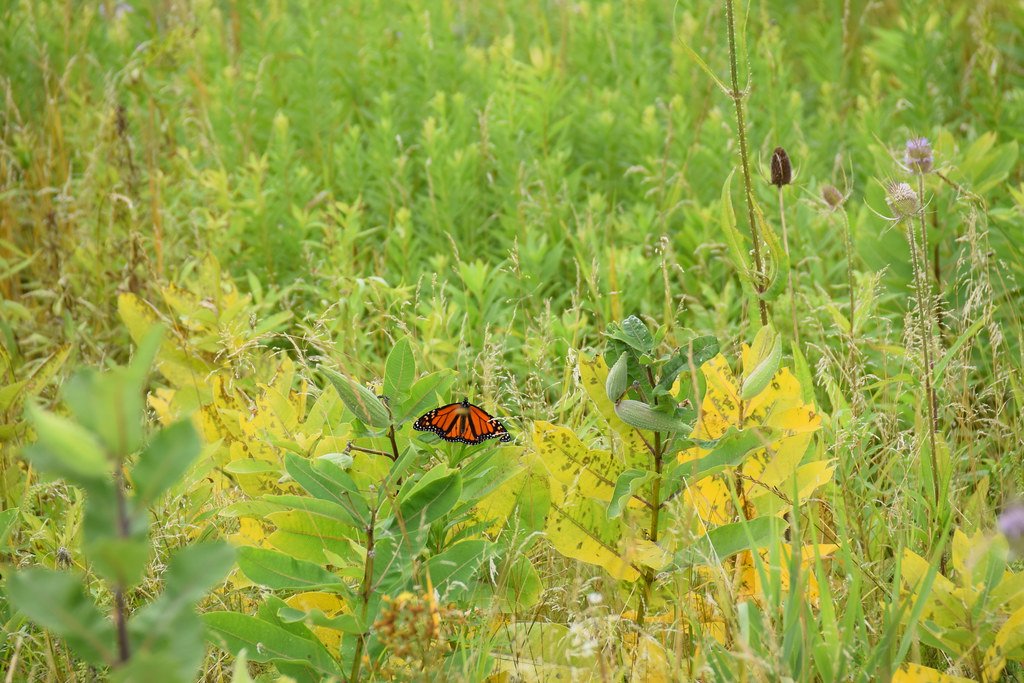
Controlling the Brazilian pepper tree is a daunting task. Land managers use a mix of mechanical removal, herbicides, and even fire to try to stem its advance. Cutting the trees isn’t enough—they often regrow from stumps or roots. Herbicides can help, but they must be used carefully to avoid harming native plants. Some areas use prescribed burns, but as mentioned earlier, pepper trees don’t burn easily. It’s a relentless game of whack-a-mole.
Biological Control: Nature Strikes Back

A glimmer of hope comes from the search for natural enemies. Scientists have imported insects from South America that feed exclusively on the Brazilian pepper tree, such as certain beetles and thrips. These biological controls are released in carefully monitored trials, with the hope that they’ll slow the plant’s spread without harming native species. It’s not a silver bullet, but it’s one tool in the fight for Florida’s wild spaces.
Community and Volunteer Efforts

Ordinary people are stepping up to join the fight. Volunteer groups organize “pepper tree pulls,” where community members spend weekends uprooting small trees before they can spread. Schools and civic organizations educate the public about the dangers of this plant. Every individual effort, no matter how small, helps protect the places Floridians love. It’s inspiring to see neighbors working together to reclaim their natural heritage.
Lessons Learned from Past Mistakes

The Brazilian pepper tree is a stark reminder of what can happen when new species are introduced without careful consideration. Florida’s experience has sparked changes in how plants are imported and regulated. Today, the state has strict rules about bringing in non-native species. These lessons are helping to prevent future invasions, but the scars of past mistakes are still visible across the landscape.
Climate Change and a Moving Target

Climate change adds a new layer of complexity to the problem. As temperatures rise and rainfall patterns shift, the Brazilian pepper tree may find new areas to invade. Some native plants, already stressed by changing conditions, become even more vulnerable. This moving target makes management even more challenging—and urgent. The race is on to adapt faster than the invader.
A Call for Innovation and Research

Scientists and land managers are constantly seeking new strategies to control the Brazilian pepper tree. Genetic research, drone mapping, and precision herbicide application are just a few of the tools under development. Collaboration between government, universities, and private landowners is critical. The fight is not just about stopping one plant; it’s about protecting Florida’s entire web of life.
Protecting the Future of Florida’s Wild Places

The story of the Brazilian pepper tree is a wake-up call for everyone who cares about Florida’s natural beauty. The battle is difficult, but not impossible. By staying informed, supporting restoration projects, and making wise choices about landscaping, everyone can play a part in safeguarding these spaces for future generations. The question now is, what kind of Florida do we want to leave behind?